


Summary
California has officially renamed Cesar Chavez Day to Farmworkers Day following renewed controversy over Chavez’s legacy. The move shifts recognition toward the collective contributions of agricultural workers while sparking political and cultural debate across the state.
California has taken a significant step in redefining how it honors agricultural labor, formally renaming its long-standing Cesar Chavez Day to Farmworkers Day. The decision, finalized just days before the March 31 observance, reflects a broader shift in how public institutions choose to recognize historical figures and collective movements.
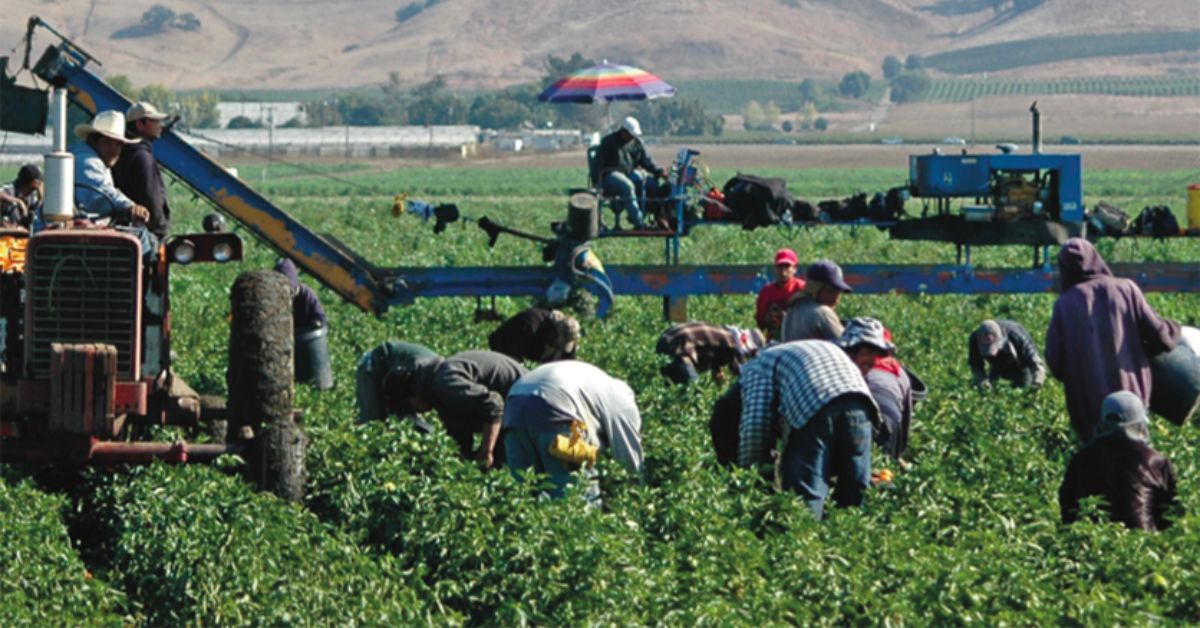
Farmworkers Day marks a transition from honoring a single individual to recognizing the millions of agricultural workers who form the backbone of the state’s food production system. Lawmakers described the move as both symbolic and practical, emphasizing the importance of inclusivity in public commemorations.
The change comes amid renewed scrutiny surrounding Cesar Chavez’s legacy, prompting policymakers to reconsider whether a state holiday should remain centered on one figure. While Chavez’s contributions to labor rights remain historically significant, the state’s decision signals a willingness to adapt public recognition in response to evolving perspectives.
Why California Introduced Farmworkers Day
Farmworkers Day emerged as a legislative response to both historical reassessment and contemporary debate. State lawmakers moved quickly, passing the bill with bipartisan backing, reflecting a rare moment of agreement in a politically divided environment.
At the heart of the decision was a growing consensus that the contributions of farmworkers extend far beyond any single leader. Advocates argued that agricultural laborers many of whom continue to face difficult working conditions—deserve direct recognition rather than symbolic acknowledgment through an individual figure.
The renaming also followed recent allegations that brought renewed attention to Chavez’s personal history. While those claims remain part of ongoing public discussion, legislators focused on ensuring that the holiday reflects values of inclusivity, respect, and collective contribution.
Farmworkers Day therefore represents not just a renaming, but a reframing of the narrative surrounding labor recognition in California.
What the New Law Establishes
Under the new legislation, Farmworkers Day will continue to be observed annually on March 31, maintaining continuity in the state calendar while redefining its purpose.
The law ensures that schools, public institutions, and government offices continue educational and commemorative activities tied to the labor movement. However, the emphasis has shifted from a single historical narrative to a broader understanding of agricultural labor’s role in society.
Farmworkers Day also reinforces the importance of acknowledging ongoing challenges faced by farmworkers, including wage disparities, workplace safety concerns, and limited access to resources. Lawmakers noted that the updated holiday provides an opportunity to highlight these issues more directly.
By maintaining the same date, the state preserves familiarity while introducing a new layer of meaning to the observance.
Political Reactions and Public Debate
The introduction of Farmworkers Day has sparked widespread discussion across California, drawing reactions from both supporters and critics.
Supporters of the change argue that the new designation is more representative of the collective effort behind the agricultural industry. They view Farmworkers Day as a modern and inclusive approach that aligns with current social values.
Critics, however, have expressed concern that removing Chavez’s name from the holiday risks diminishing his role in advancing labor rights. For many, Chavez remains a symbol of activism and progress, and the renaming has raised questions about how history should be preserved.
Despite differing viewpoints, the passage of the legislation with bipartisan support suggests a shared recognition of the importance of honoring agricultural workers. Farmworkers Day has thus become a focal point for broader conversations about history, accountability, and representation.
Broader Impact Across California
The establishment of Farmworkers Day is part of a wider trend across California, where institutions are reevaluating how historical figures are commemorated.
In recent months, several universities and cities have taken steps to reassess monuments, public spaces, and educational materials associated with Chavez. These actions reflect a broader effort to balance historical recognition with contemporary values.
Farmworkers Day fits within this context as a statewide initiative that addresses these concerns at a structural level. By shifting the focus to workers themselves, the state aims to create a more inclusive framework for public recognition.
The change has also prompted discussions about alternative figures and movements that could be highlighted within the broader narrative of labor rights. While these conversations continue, Farmworkers Day serves as a unifying acknowledgment of agricultural workers’ contributions.
The Legacy of Cesar Chavez
Cesar Chavez remains a central figure in the history of labor rights in the United States. His leadership in organizing farmworkers during the 1960s brought national attention to issues that had long been overlooked.
Through nonviolent protest, strikes, and advocacy, Chavez helped secure improvements in wages and working conditions for agricultural workers. His efforts also contributed to the establishment of stronger labor protections and increased visibility for marginalized communities.
While Farmworkers Day shifts the focus away from Chavez as an individual, it does not erase his contributions. Instead, the new holiday places those achievements within a broader context, recognizing that meaningful change is often the result of collective action.
This nuanced approach allows for both acknowledgment and reassessment, reflecting the complexity of historical legacy.
What Farmworkers Day Represents Today
Farmworkers Day stands as a recognition of the essential role that agricultural workers play in sustaining the economy and food supply chain. In California, where agriculture is a major industry, this acknowledgment carries particular significance.
The holiday highlights the labor of individuals who often work under challenging conditions, ensuring that communities have access to fresh produce and other agricultural goods. It also brings attention to ongoing issues such as labor rights, workplace safety, and fair compensation.
By centering the holiday on workers themselves, Farmworkers Day encourages a more direct understanding of the realities faced by those in the agricultural sector. It serves as both a tribute and a call to action, reminding the public of the importance of continued advocacy and support.
Cultural and Social Significance
The transition to Farmworkers Day reflects a broader cultural shift in how societies approach historical recognition. Increasingly, there is a focus on inclusivity, accountability, and the acknowledgment of collective contributions.
In this context, Farmworkers Day can be seen as part of a larger movement to reevaluate how public holidays are defined. Rather than focusing solely on individuals, there is growing interest in recognizing communities and shared efforts.
This approach resonates with younger generations, who often prioritize representation and inclusivity in public discourse. Farmworkers Day therefore not only honors the past but also aligns with evolving societal values.
Economic Importance of Agricultural Workers
Agricultural workers play a critical role in California’s economy, contributing billions of dollars annually through farming, harvesting, and food production.
Farmworkers Day brings attention to this economic impact, highlighting the importance of supporting the workforce that sustains the industry. It also underscores the interconnected nature of agriculture, from local farms to global supply chains.
By recognizing these contributions, the holiday aims to foster greater appreciation for the individuals behind the products that reach consumers’ tables. It also encourages discussions about policies and practices that can improve conditions for workers.
Education and Awareness
One of the key goals of Farmworkers Day is to promote education and awareness about agricultural labor. Schools and institutions are expected to use the holiday as an opportunity to teach students about the history and significance of the labor movement.
This includes discussions about the challenges faced by farmworkers, as well as the progress that has been made over time. By integrating these topics into educational programs, Farmworkers Day helps ensure that future generations understand the importance of labor rights.
The holiday also provides a platform for community events, discussions, and initiatives aimed at supporting agricultural workers.
Looking Ahead
Farmworkers Day represents a new chapter in California’s approach to public recognition. While the decision to rename the holiday has sparked debate, it also reflects a willingness to adapt and evolve.
As the state moves forward, the focus will likely remain on balancing historical acknowledgment with contemporary values. Farmworkers Day serves as an example of how public institutions can navigate this balance, creating space for both reflection and progress.
The holiday’s long-term impact will depend on how it is observed and understood in the years to come. If embraced as intended, Farmworkers Day has the potential to deepen awareness, foster appreciation, and encourage continued advocacy for agricultural workers.
Conclusion
The renaming of Cesar Chavez Day to Farmworkers Day marks a significant moment in California’s cultural and political landscape. By shifting the focus to collective contributions, the state has redefined how it honors the labor movement.
Farmworkers Day stands as a tribute to the individuals who sustain one of the most essential industries, while also reflecting broader societal changes in how history is interpreted.
As discussions continue, the holiday serves as a reminder that recognition is not static—it evolves alongside the values of the communities it represents.
For more updates, read the latest news on Digital Chew.