


Summary
A prolonged government funding gap has disrupted airport operations across the United States, leaving Transportation Security Administration officers working without consistent compensation. In response, President Donald Trump has announced an executive order aimed at restoring payments to frontline security personnel, while lawmakers continue to struggle toward a long-term resolution.
Optimized Article Content
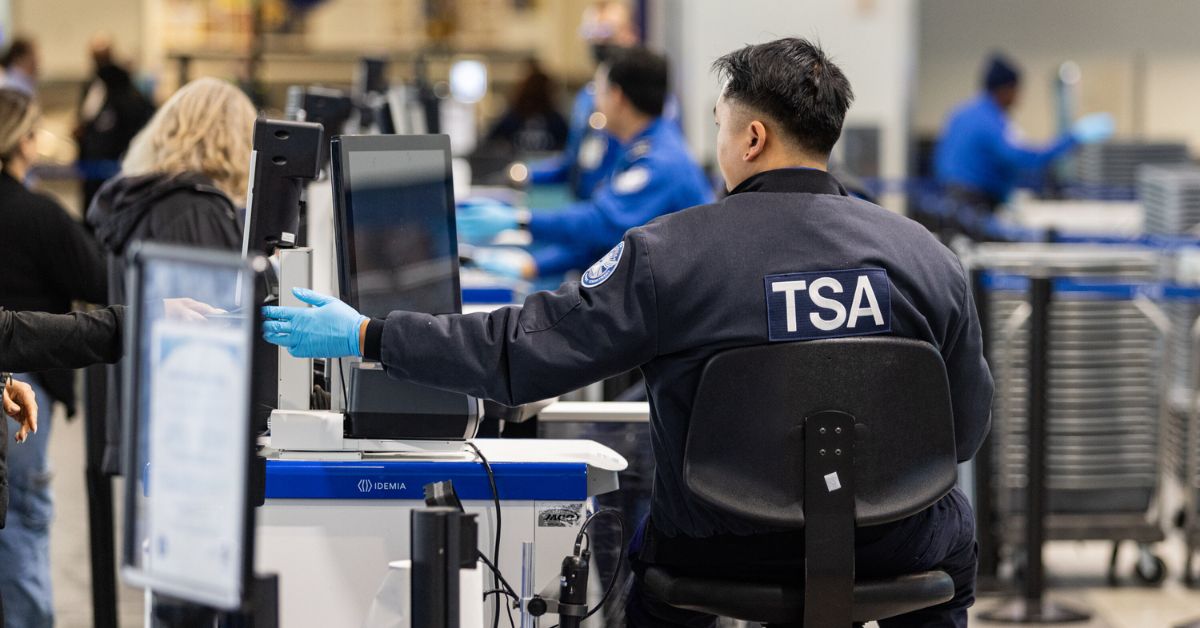
The issue of TSA pay has rapidly emerged as one of the most urgent concerns during the ongoing federal funding lapse, with significant consequences for both airport operations and national security systems. As thousands of Transportation Security Administration officers continue to report for duty without clarity on compensation, the situation has intensified pressure on policymakers to act swiftly.
In response to mounting operational strain and growing public concern, President Donald Trump announced plans to authorize immediate payments to affected officers. The decision signals a shift toward emergency administrative intervention, even as legislative negotiations remain stalled.
The situation has drawn widespread attention due to its direct impact on daily travel, workforce stability, and broader federal operations.
Federal Response to TSA Pay Crisis
TSA pay has become central to the federal government’s response to the shutdown, particularly as reports of unpaid frontline workers began to surface. The administration’s executive action aims to ensure that officers tasked with maintaining airport security continue receiving financial support despite the lapse in congressional funding.
Officials indicated that the order would direct the Department of Homeland Security to take immediate steps to release payments, though the precise mechanisms and funding sources have not been fully disclosed. The move is widely seen as an effort to stabilize operations in one of the most visible sectors affected by the shutdown.
While the executive order provides short-term relief, it does not resolve the underlying budget impasse that led to the current situation.
Growing Pressure on Airport Operations
The disruption linked to TSA pay has had a measurable effect on airport efficiency across multiple regions. Staffing shortages, driven in part by financial uncertainty, have contributed to longer wait times and operational delays.
In several major airports, absentee rates among security personnel have risen sharply, creating logistical challenges during peak travel periods. Travelers have reported extended screening times, with some experiencing delays lasting several hours.
To address immediate staffing gaps, authorities have deployed additional personnel from related agencies. However, these measures are temporary and highlight the dependency of airport systems on a stable and fully compensated workforce.
Why TSA Pay Became a Critical Issue
The challenges surrounding TSA pay stem from a broader funding lapse affecting key government agencies. Although airport security operations are considered essential, the absence of approved funding has disrupted regular payroll processes.
Officers have continued working under the expectation of eventual compensation, but the delay has placed financial strain on many individuals and families. This strain has, in turn, contributed to workforce instability, making it more difficult to maintain consistent staffing levels.
Unlike certain other agencies that operate under separate funding arrangements, the Transportation Security Administration has been directly impacted by the lapse, exposing vulnerabilities in how essential services are financed during shutdown periods.
Legislative Deadlock Continues
Efforts to resolve the TSA pay situation through legislative action have encountered significant obstacles. Lawmakers remain divided over broader policy issues tied to the funding bill, preventing a swift resolution.
Recent votes in the Senate have fallen short of the threshold required to advance funding legislation. While some bipartisan support has emerged, it has not been sufficient to break the impasse.
The ongoing disagreement reflects deeper political divisions that extend beyond the immediate issue of compensation. As a result, even measures with widespread support, such as restoring payments to frontline workers, have become entangled in larger negotiations.
TSA Pay During Shutdown and Workforce Morale
The uncertainty surrounding TSA pay during shutdown has had a noticeable impact on workforce morale. Officers who continue to perform critical security duties without guaranteed compensation face both financial and psychological stress.
Many workers have expressed concerns about meeting basic expenses, leading to increased absenteeism and reduced workforce availability. This trend not only affects operational capacity but also raises concerns about long-term retention within the agency.
Maintaining morale among essential personnel is crucial for ensuring consistent performance, particularly in high-pressure environments such as airport security. The current situation underscores the importance of reliable compensation systems for frontline workers.
Temporary Measures vs Long-Term Solutions
While the executive order addresses immediate concerns related to TSA pay, it does not offer a permanent solution. Temporary administrative actions can alleviate short-term challenges, but they cannot replace comprehensive funding legislation.
Experts emphasize that a sustainable resolution requires agreement on a full budget for the Department of Homeland Security. Without such an agreement, similar disruptions could occur in future funding cycles.
The current approach highlights the limitations of relying on emergency measures to manage systemic issues. Long-term stability depends on consistent legislative action rather than reactive interventions.
Impact on Travelers and Public Confidence
The effects of the TSA pay situation extend beyond government operations, influencing the experience of millions of travelers. Delays, uncertainty, and reduced staffing levels have contributed to frustration among passengers.
Public confidence in airport security systems can be affected when operational challenges become visible. Ensuring smooth and efficient screening processes is essential for maintaining trust in the overall travel infrastructure.
Authorities have sought to reassure the public that security standards remain intact despite the challenges. However, the ongoing disruptions serve as a reminder of how closely workforce stability is tied to service quality.
Economic and Operational Implications
The broader implications of the TSA pay issue include economic and logistical considerations. Airports serve as critical hubs for commerce and travel, and disruptions can have ripple effects across multiple sectors.
Extended wait times and operational inefficiencies can lead to missed flights, reduced travel demand, and increased costs for airlines and passengers. These impacts highlight the interconnected nature of federal workforce management and economic activity.
Ensuring consistent funding for essential services is therefore not only a matter of employee welfare but also of maintaining economic stability.
What Comes Next for TSA Pay
The future of TSA pay remains closely linked to ongoing negotiations in Congress. While the executive order provides immediate relief, lawmakers continue to work toward a comprehensive funding agreement.
Potential next steps include renewed legislative efforts, temporary funding measures, and further administrative actions if the stalemate persists. The timeline for resolution remains uncertain, particularly as broader policy debates continue to influence negotiations.
Observers note that resolving the issue will require compromise and coordination among multiple stakeholders, including both political parties and federal agencies.
Conclusion
The situation surrounding TSA pay has highlighted the challenges of managing essential services during periods of funding uncertainty. While the decision to authorize immediate payments offers temporary relief, it also underscores the need for a more stable and predictable funding framework.
As negotiations continue, the focus remains on balancing immediate operational needs with long-term policy solutions. The outcome will not only determine the future of compensation for airport security personnel but also shape how similar situations are handled in the future.
A lasting resolution will depend on the ability of policymakers to move beyond short-term fixes and establish a system that ensures continuity, reliability, and fairness for those tasked with protecting critical infrastructure.
For more updates, read the latest news on Digital Chew.