

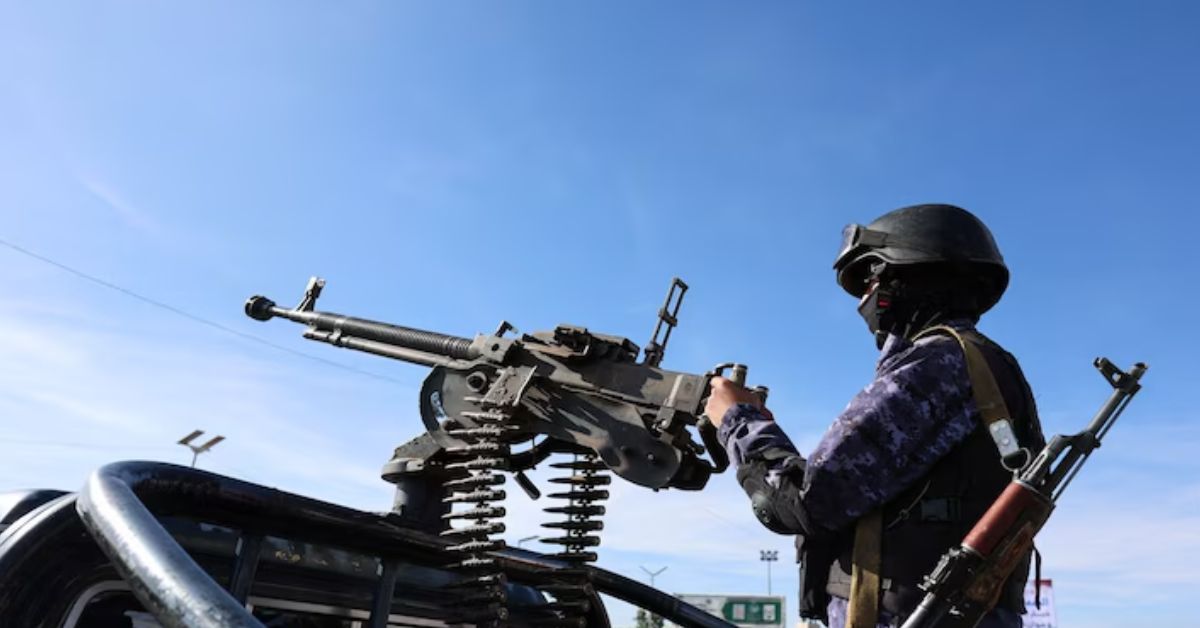

Houthis Iran conflict: Key Takeaways
Houthis Iran conflict is central to this story, and this analysis explains what matters most right now.
Quick Summary
- Houthis Iran conflict is central to this story, and this analysis explains what matters most right now.
- The recent entry of the Houthis into the Iran conflict marks a significant turning point in the ongoing geopolitical struggles in the Middle East.
- The Houthis, a Yemeni rebel group with longstanding ties to Iran, have officially declared their involvement in the conflict.
- The conflict’s expansion has already had a noticeable impact on global oil markets.
Houthis’ Entry into Iran Conflict: Understanding Regional Dynamics
Background and Recent Developments
The recent entry of the Houthis into the Iran conflict marks a significant turning point in the ongoing geopolitical struggles in the Middle East. This move has drawn considerable attention from global powers, including the United States, due to the potential ramifications for regional stability and international energy markets. As of today, March 29, 2026, the situation remains fluid, with analysts closely monitoring developments.
Houthis’ Involvement: A New Dimension
The Houthis, a Yemeni rebel group with longstanding ties to Iran, have officially declared their involvement in the conflict. This development adds a new layer to an already complex geopolitical landscape. The Houthis’ involvement could potentially shift power dynamics in the region, prompting both regional and international responses. Political analysts suggest that this move could exacerbate tensions between Iran and its regional rivals, including Saudi Arabia and the United Arab Emirates.
Impact on Global Oil Markets
The conflict’s expansion has already had a noticeable impact on global oil markets. Oil prices have surged, with Brent crude heading for a record monthly increase. This rise in oil prices is largely attributed to concerns over potential disruptions to oil supplies from the region, which is a critical source of global energy. According to CNBC, these developments have prompted discussions in the U.S. about strategic responses, including potential energy policy shifts.
- Brent Crude Prices: Brent crude has surged to new heights, reflecting market concerns.
- U.S. Energy Policy: Discussions on energy policy adjustments are ongoing.
- Regional Stability: Potential disruptions to the regional oil supply are a significant concern.
U.S. Response and Strategic Interests
The United States, under President Trump, is reportedly considering various options to address these developments. The potential for increased U.S. involvement in the region could have significant implications for both domestic and international policy. The administration’s focus on securing energy interests in the region may result in increased military presence or diplomatic efforts to stabilize the situation.
Implications for U.S. and Global Security
The addition of the Houthis into the conflict introduces new security challenges for the U.S. and its allies. The possibility of further escalation could lead to broader military engagements, impacting global security dynamics. Analysts warn that a prolonged conflict could result in humanitarian crises, with displaced populations and strained resources. As the situation evolves, the international community will need to consider coordinated responses to mitigate potential fallout.
Conclusion
As the conflict enters a new phase with the Houthis’ involvement, the international community remains on high alert. The potential for significant geopolitical shifts necessitates careful monitoring and strategic responses. For U.S. readers, understanding these developments is crucial, as they have direct implications for energy markets and national security.
For more on this evolving situation, explore our latest coverage or visit the Guardian’s ongoing analysis.
Analysts say Houthis Iran conflict now sits at the center of a broader shift, with consequences that could extend beyond the immediate headline and shape decisions in the coming weeks. They note that early signals often appear in policy language and market behavior before they are reflected in official summaries, which is why context matters as much as the headline itself.
Reporting around Houthis Iran conflict has also highlighted how quickly circumstances can change, making context and verified updates essential for readers trying to separate signal from noise. The most reliable coverage connects each new update to the timeline of prior events so audiences can understand what is genuinely new and what is part of a longer trend.
Officials and industry observers are watching Houthis Iran conflict closely, noting that the next phase of the story may depend on timing, policy responses, and cross-market reactions. Until those responses become clearer, experts recommend focusing on confirmed developments instead of speculation that can distort short-term expectations.
For audiences tracking Houthis Iran conflict, the key is to follow credible sources and focus on developments that reveal direction rather than isolated short-term swings. That approach helps readers understand not just what happened today, but why the story could carry broader implications over the coming weeks.
The latest developments connected to Houthis Iran conflict have reopened questions about strategy, risk, and timing, particularly for stakeholders who need clearer signals before making their next move. In practical terms, that means watching both official statements and real-world indicators to understand whether the current direction is likely to hold.
In recent coverage, Houthis Iran conflict has become a reference point for wider discussions about accountability, communication, and how institutions respond under pressure. Observers say this broader lens is important because the immediate event is often only one part of a larger sequence of decisions.
Beyond the immediate updates, Houthis Iran conflict is drawing attention because it links short-term events to longer-term structural trends that are still unfolding. Readers following the story closely are paying particular attention to what changes in response and what remains unresolved after each update.
As the story evolves, reporting on Houthis Iran conflict is expected to focus increasingly on measurable impacts, official follow-through, and whether early assumptions hold up. That evidence-based framing helps audiences evaluate momentum without overreacting to isolated developments.
Taken together, these updates show why Houthis Iran conflict matters now and why the next round of confirmed information will be critical to understanding the full impact. Analysts caution that the most meaningful shifts may appear gradually, making sustained coverage more useful than one-off snapshots.
Readers looking for practical clarity can treat Houthis Iran conflict as a developing story, where each official update adds context to what may happen next. Following that progression over time gives a clearer picture of direction, risk, and likely outcomes.
What Comes Next
What happens next with Houthis Iran conflict will likely depend on upcoming decisions, official statements, and how fast new information is confirmed.
For now, the most reliable approach is to follow verified updates closely and focus on the signals that could shape the next phase of this story.