


Russian military plane crash: Key Takeaways
Russian military plane crash is central to this story, and this analysis explains what matters most right now.
Quick Summary
- Russian military plane crash is central to this story, and this analysis explains what matters most right now.
- In a devastating incident, a Russian military plane has crashed in Crimea, resulting in the tragic loss of 29 lives.
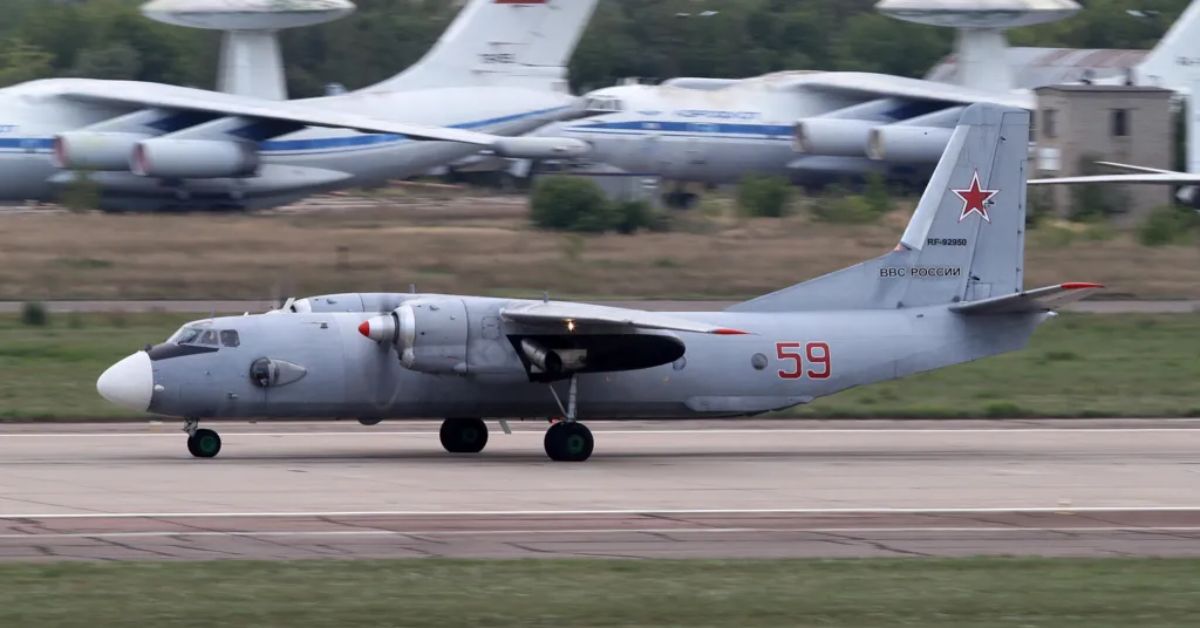
- According to reports, the aircraft involved was an Antonov An-26, a Soviet-era transport plane.
- Eyewitnesses reported seeing the aircraft descending rapidly before crashing.
Tragic Military Plane Crash in Crimea: 29 Lives Lost
In a devastating incident, a Russian military plane has crashed in Crimea, resulting in the tragic loss of 29 lives. The crash, which occurred on March 31, 2026, has sent shockwaves through the international community and raises questions about aviation safety protocols in military operations.
Details of the Incident
According to reports, the aircraft involved was an Antonov An-26, a Soviet-era transport plane. The crash happened near a military airfield in the region of Crimea, which has been under Russian control since its annexation in 2014. Initial reports suggest that the plane was carrying military personnel at the time of the crash.
Eyewitnesses reported seeing the aircraft descending rapidly before crashing. Emergency response teams were quick to arrive at the scene, but unfortunately, there were no survivors among the 29 individuals on board. The identities of the victims have not yet been released pending notification of their families.
Investigation Underway
An investigation has been launched to determine the cause of the crash. Preliminary assessments suggest that technical failure could be a contributing factor, but no official statement has been released by Russian authorities as of yet. The Russian Ministry of Defense has expressed condolences to the families of the victims and assured a thorough investigation.
This tragedy brings to light the need for stringent safety checks and maintenance, especially with older aircraft models like the An-26, which have been in service for decades. Aviation experts have pointed out that aging military fleets may pose risks if not adequately maintained.
- Previous incidents involving the An-26 have been reported, highlighting potential vulnerabilities in older aircraft models.
- The region’s geopolitical significance adds a layer of complexity to the investigation.
- International aviation bodies may be called upon to assist in the investigation.
Geopolitical Implications
Crimea, a region of significant geopolitical tension, has been in the spotlight since Russia’s annexation in 2014. The crash comes at a time of heightened military activity in the area, with both Russian and Ukrainian forces engaging in maneuvers. This tragedy could potentially impact international relations and negotiations concerning the region.
In the United States, officials are closely monitoring the situation as it unfolds. The U.S. government has previously expressed concerns over Russia’s military activities in Crimea, and this incident may reignite discussions on international security and cooperation.
Global Reaction
The international community has responded with condolences and calls for a comprehensive investigation. The United Nations and other global organizations have offered support and expertise to assist in the investigation if requested by Russia.
For more on the unfolding situation, visit Digital Chew for continuing coverage. Additional details are available from trusted sources such as AP News.
Analysts say Russian military plane crash now sits at the center of a broader shift, with consequences that could extend beyond the immediate headline and shape decisions in the coming weeks. They note that early signals often appear in policy language and market behavior before they are reflected in official summaries, which is why context matters as much as the headline itself.
Reporting around Russian military plane crash has also highlighted how quickly circumstances can change, making context and verified updates essential for readers trying to separate signal from noise. The most reliable coverage connects each new update to the timeline of prior events so audiences can understand what is genuinely new and what is part of a longer trend.
Officials and industry observers are watching Russian military plane crash closely, noting that the next phase of the story may depend on timing, policy responses, and cross-market reactions. Until those responses become clearer, experts recommend focusing on confirmed developments instead of speculation that can distort short-term expectations.
For audiences tracking Russian military plane crash, the key is to follow credible sources and focus on developments that reveal direction rather than isolated short-term swings. That approach helps readers understand not just what happened today, but why the story could carry broader implications over the coming weeks.
The latest developments connected to Russian military plane crash have reopened questions about strategy, risk, and timing, particularly for stakeholders who need clearer signals before making their next move. In practical terms, that means watching both official statements and real-world indicators to understand whether the current direction is likely to hold.
In recent coverage, Russian military plane crash has become a reference point for wider discussions about accountability, communication, and how institutions respond under pressure. Observers say this broader lens is important because the immediate event is often only one part of a larger sequence of decisions.
Beyond the immediate updates, Russian military plane crash is drawing attention because it links short-term events to longer-term structural trends that are still unfolding. Readers following the story closely are paying particular attention to what changes in response and what remains unresolved after each update.
As the story evolves, reporting on Russian military plane crash is expected to focus increasingly on measurable impacts, official follow-through, and whether early assumptions hold up. That evidence-based framing helps audiences evaluate momentum without overreacting to isolated developments.
Taken together, these updates show why Russian military plane crash matters now and why the next round of confirmed information will be critical to understanding the full impact. Analysts caution that the most meaningful shifts may appear gradually, making sustained coverage more useful than one-off snapshots.
Readers looking for practical clarity can treat Russian military plane crash as a developing story, where each official update adds context to what may happen next. Following that progression over time gives a clearer picture of direction, risk, and likely outcomes.
What Comes Next
What happens next with Russian military plane crash will likely depend on upcoming decisions, official statements, and how fast new information is confirmed.
For now, the most reliable approach is to follow verified updates closely and focus on the signals that could shape the next phase of this story.