


Key Takeaways
• Vice President JD Vance hosted a White House lunch to share midterm warnings with Donald Trump.
• Conservative pollster Mark Mitchell showed data on slipping support for the party.
• Trump briefly reviewed the midterm warnings then shifted to talk about golf and fundraising.
• The lunch failed to convince Trump to change course ahead of the 2026 midterm elections.
Midterm Warnings Fall Flat in White House Lunch
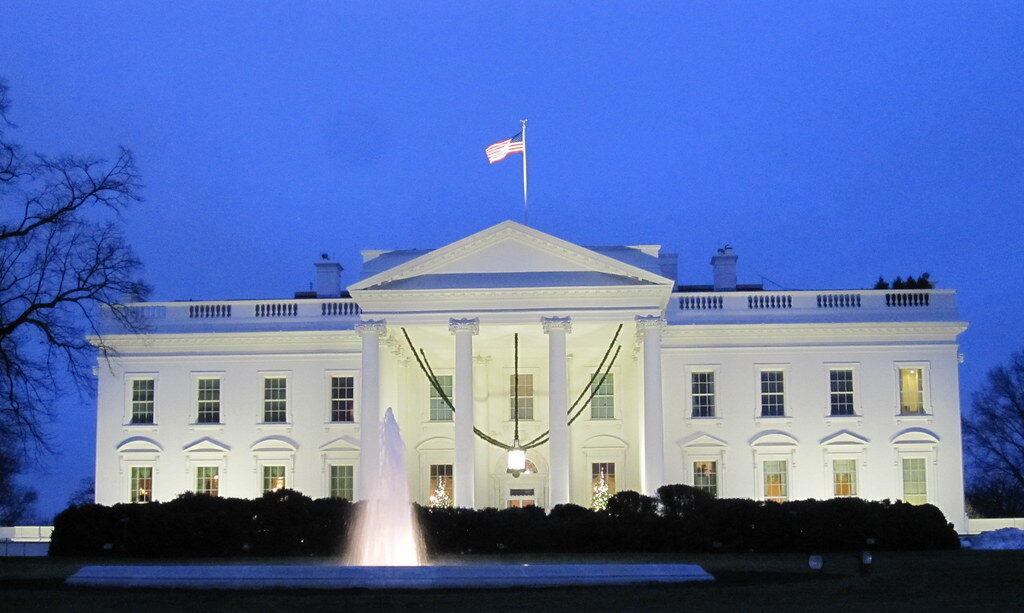
Vice President JD Vance hoped to use data to convince Donald Trump. He invited conservative pollster Mark Mitchell to the White House. They aimed to warn Trump about looming midterm losses. Yet their message failed to gain traction. Trump glanced at charts on polling. However, he soon switched the chat to golf and fundraising.
A Lunch Packed with Data
Vance opened the meeting by stressing the need for honest feedback. He introduced Mitchell, who presented the latest polling. Mitchell showed trends of declining support in key swing districts. He laid out risks for Republicans in the 2026 midterm elections. The midterm warnings centered on voter fatigue and unpopular policies.
Trump’s Brief Focus on Numbers
At first, Trump leaned forward and asked a few questions. He pointed to bars that dipped below threshold levels. Yet he let the midterm warnings slip away quickly. Instead, he stroked his chin and nodded without much comment. The mood changed as Trump shifted his gaze.
From Charts to Clubs
As Mitchell wrapped up, Trump steered the talk away from polls. He asked Vance about his golf game. The conversation turned to favorite courses and upcoming fundraisers. Instead of midterm warnings, Trump asked about green fees and clubs he should use. Meanwhile, the data sat untouched on the table.
Why Midterm Warnings Matter for 2026
Midterm warnings signal potential problems in key races. They show where the party may lose seats in Congress. Therefore, leaders can adjust strategies before it’s too late. Polls can guide campaign spending and messaging. Ignoring these warnings can cost valuable seats.
Voter Sentiment on the Sidelines
Polling experts say voter mood matters a lot in midterms. When people feel tired of a party in power, they often vote for change. Therefore, midterm warnings can highlight driver issues like the economy or social policies. Pollsters track shifts in public opinion every week. That data can save campaigns from surprises on Election Day.
The Role of Conservative Polls
Conservative pollsters often shape party strategy. They know which messages work with their base. They can also spot trouble in unexpected areas. Mitchell’s survey focused on districts that Joe Biden won in 2020. He flagged several seats where Republicans saw early warning signs. Those signs pointed to a possible 2026 wave against the party in office.
Failed Attempts at Persuasion
Vance and Mitchell hoped Trump would redirect the party’s focus. They wanted him to back targeted ads and local outreach. Their plan leaned on facts rather than slogans. Yet their midterm warnings did not land. Trump remained locked on golf trips and fundraising targets.
The Cost of Ignoring Data
When leaders ignore midterm warnings, they risk losing control of Congress. That can block policy goals and weaken approval ratings. If Republicans lose the House or Senate, major bills could stall. Also, it could affect the next presidential race. Therefore, party strategists stress early action.
Trump’s Shift to Fundraising
After the midterm warnings session, Trump pivoted to asking about donors. He wanted to know which fundraising events filled stadiums. He asked about ticket prices and guest lists. The poll data no longer drew his interest. Instead, Trump planned his next big rally and donor pitch.
White House Lunch as a Symbol
This lunch shows how data can fall on deaf ears. It also underlines Trump’s priorities. Instead of midterm warnings, he zeroes in on events that boost his image. For him, fundraising and personal popularity come first. Policy risks come second, if at all.
What Comes Next for the Party
Republican strategists now face a choice. They can push more midterm warnings to the top of the agenda. Or they can follow Trump’s lead on rallies and fundraising. Some fear that without a data-driven plan, the party could lose momentum. Others believe Trump’s brand will carry them through.
Grassroots Teams Step Up
In the meantime, local GOP groups plan to ramp up door knocking. They aim to offset any midterm losses flagged by polls. Volunteers will deliver messages tailored to swing voters. They hope personal outreach can beat data neglect at the top.
Bridging the Gap with Trump
Some advisers suggest blending Trump’s style with hard data. They urge setting aside time to discuss polling at each meeting. They also propose shorter presentations to keep Trump’s focus. If they succeed, the midterm warnings might finally stick.
A Crucial Moment for 2026
With just over a year until the 2026 midterms, time is short. Parties must act fast on any warning signs. Failure to adapt can lead to unexpected setbacks. As of now, the midterm warnings sit on the table, waiting for action.
FAQs
What were the midterm warnings about?
They warned that Republican support was slipping in key districts. The data suggested possible losses in the 2026 midterms.
Who attended the White House lunch?
Vice President JD Vance, Donald Trump, and conservative pollster Mark Mitchell attended the lunch.
Why did Trump lose interest in the midterm warnings?
He found the data less engaging than topics like golf and fundraising. He quickly shifted the conversation.
What could be the impact of ignoring these warnings?
Ignoring them could lead to losing seats in Congress. That might block major policies and weaken party power.