


Key takeaways
- President Trump called Venezuela a “dead” country and said it needs big oil investments to recover.
- US forces captured Venezuelan leader Nicolás Maduro and flew him to the US to face narco-terrorism and gun charges.
- Trump said oil companies are ready to rebuild Venezuela’s oil infrastructure.
- The move comes amid pressure from the release of Epstein files and threats at the US border.
Trump’s Take on Venezuela
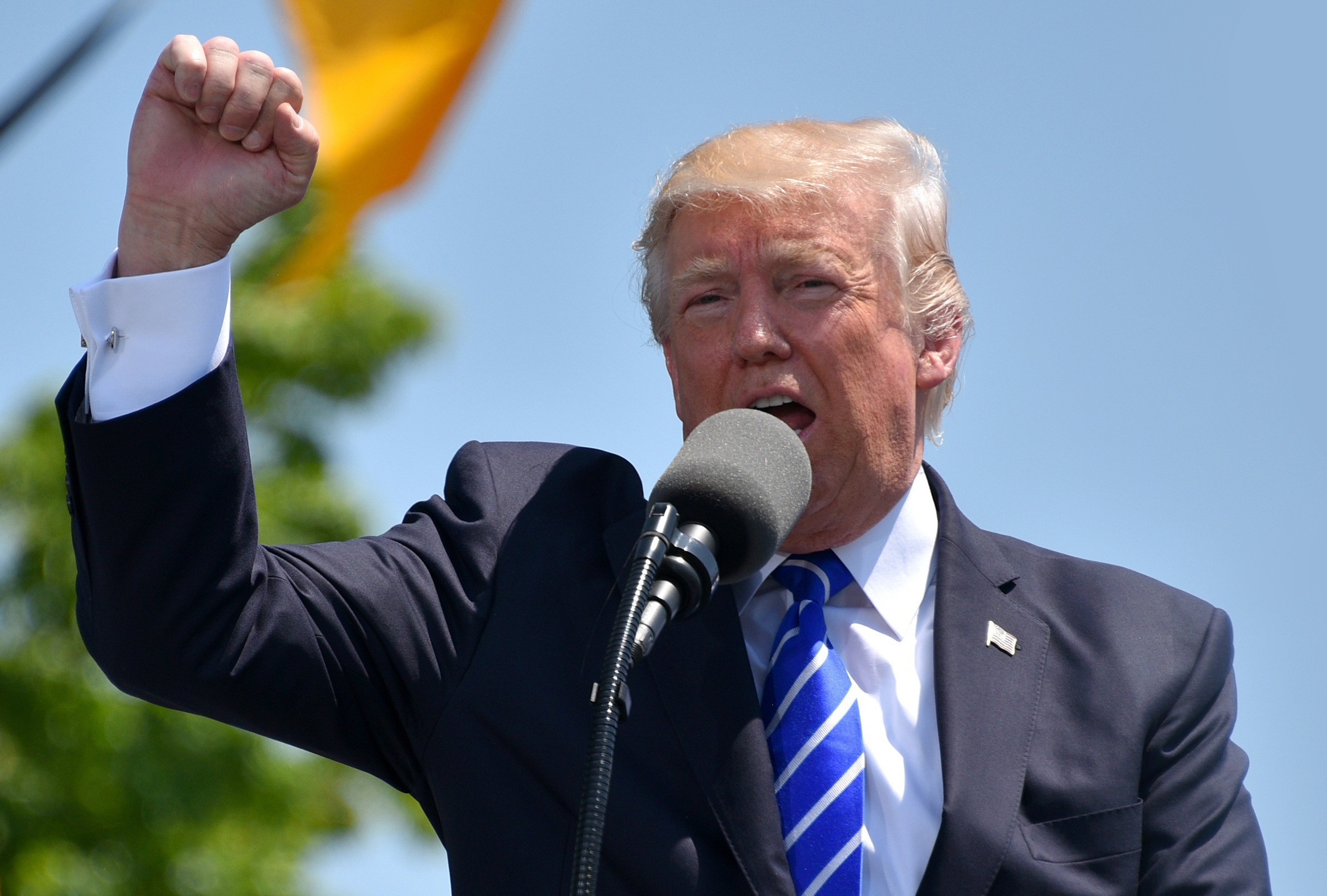
President Trump spoke about Venezuela as he flew back to Washington from his Florida estate. He told reporters that Venezuela is “dead” and on life support. He said the country’s oil fields need massive money to get back on track. “We built it to start off with many years ago. They took it away,” he said. In his view, only big oil firms can bring Venezuela back to life.
Oil Companies Ready to Rebuild Venezuela
According to Trump, large oil companies already want to move into Venezuela. He said they will restore pipelines, fix wells, and rebuild refineries. Moreover, he argued that US firms have the best expertise after decades of work in the region. By inviting private investment, Trump hopes to jump-start Venezuela’s economy. He added that this plan could create jobs and renew hope for Venezuelans.
Maduro Arrest Sparks Debate
Early on Saturday, US agents flew into Venezuela and arrested President Nicolás Maduro and his wife. They brought both back to the United States to face narco-terrorism and gun charges. The sudden operation surprised many world leaders and sparked a heated debate. Some praised the move as justice for drug crimes. Others warned it could destabilize the region and lead to conflict.
Political Sensitivity and Timing
This arrest came at a tricky moment for the Trump administration. The Justice Department had just released files on the FBI’s probe into Jeffrey Epstein. Those documents showed questionable ties between Trump and the convicted sex criminal. At the same time, Trump has warned he might invade Mexico or Colombia if those nations don’t stop drug flows. Therefore, critics say the Venezuela action may serve political goals at home.
What Comes Next for Venezuela
With Maduro in US custody, power in Venezuela faces a void. Interim leaders must step in to run the nation. Trump said the US could help set up a temporary government. Then, after some stability returns, oil companies would pour in money to rebuild. Still, many questions remain. How will Venezuelan citizens react? Will rival nations challenge the US move? Also, investors will watch closely before risking big sums.
Rebuilding the Oil Sector
Venezuela once had one of the largest oil reserves on Earth. However, years of neglect and corruption have crippled its industry. Pumps stand idle, and refineries sit in ruins. Trump believes private firms can reverse this. He pointed out that contractors would need to fix old pipelines, train local staff, and update safety systems. In addition, these projects could boost local economies by creating thousands of jobs.
Economic and Human Challenges
Even if oil cash flows in, Venezuela faces steep hurdles. Basic services like water, power, and healthcare barely function. Food shortages persist in many cities. Thus, oil money must also support hospitals and schools. Trump did not outline a full social plan, but he hinted that profits from oil could fund public needs. However, some experts worry that wealth will flow only to big companies and not help ordinary people.
Regional Reactions and Risks
Latin American neighbors reacted with caution. Some governments praised the removal of a dictator. Others warned that US forces acting on foreign soil risk sparking conflict. Russia and China, which have ties to Maduro’s regime, have decried the arrest as unlawful. Tensions on the world stage could rise if these powers push back. Meanwhile, regional bodies may call for a peaceful solution and a return to democracy.
Legal Battles Ahead
Back in the US, Maduro will face a federal court. Prosecutors will present evidence of drug trafficking and illegal arms deals. Maduro’s team is expected to file motions challenging his detention. They may argue that US courts lack jurisdiction over a foreign head of state. The case could drag on for months or even years. Trump’s allies say swift justice is needed to send a message to other drug lords.
Public Opinion and Political Gains
Domestically, the arrest could boost Trump’s standing with voters who favor a tough stance on crime. It also gives him a bold foreign policy victory to tout on the campaign trail. However, critics argue that using military force abroad for political gain sets a dangerous precedent. How Americans view this action may shape future elections and the balance of power in Congress.
Next Steps for Investors
For oil companies eyeing Venezuela, caution is key. They must negotiate new contracts with local authorities and meet US sanctions rules. Contracts will likely require guarantees for worker safety and environmental protection. Some firms may form joint ventures with smaller local players to spread risk. If all goes well, investment deals could unlock billions of dollars in value from Venezuelan oil fields.
What It Means for Ordinary Venezuelans
Beyond oil profits, Venezuelans hope for relief from a humanitarian crisis. Many families still lack food and medical supplies. Electricity blackouts are common. If reconstruction plans include social aid, life could improve. Yet, millions have already left the country in search of work and safety. Restoring confidence among those who fled will take more than oil money alone.
Moving Forward
President Trump’s declaration that Venezuela is “dead” has set the stage for a major rebuilding effort. By bringing Maduro to trial, the US has signaled zero tolerance for drug crimes. Meanwhile, oil firms stand ready to invest and restore production. Despite regional tensions and legal hurdles, the plan could reshape Venezuela’s future. However, success will depend on careful diplomacy, legal clarity, and real support for citizens in need.
Frequently Asked Questions
Why did Trump call Venezuela a “dead” country?
He meant that the nation’s economy and oil industry have collapsed. He said only big investments by oil firms can revive its infrastructure.
What charges does Nicolás Maduro face in the US?
Maduro faces narco-terrorism and weapons charges. Prosecutors accuse him of running a drug trafficking network and using violence to stay in power.
How will oil companies invest in Venezuela?
Firms will repair pipelines, modernize refineries, and train local workers. They must secure new agreements with interim Venezuelan authorities and follow US sanction rules.
What risks could derail the rebuilding plan?
Legal fights over Maduro’s detention, pushback from rival nations, and local social needs could slow progress. Ensuring that oil profits help ordinary Venezuelans will be crucial.