


Key Takeaways
- President Trump announced a new Venezuela oil deal that requires Venezuela to buy only U.S. goods.
- Oil revenues from the Venezuela oil deal must be spent on American agricultural products, medicines, and power equipment.
- Trump says the deal strengthens ties between the United States and Venezuela.
- Critics question how the Venezuela oil deal will work and if Venezuela can afford it.
- The agreement aims to boost American businesses and help rebuild Venezuela’s energy grid.
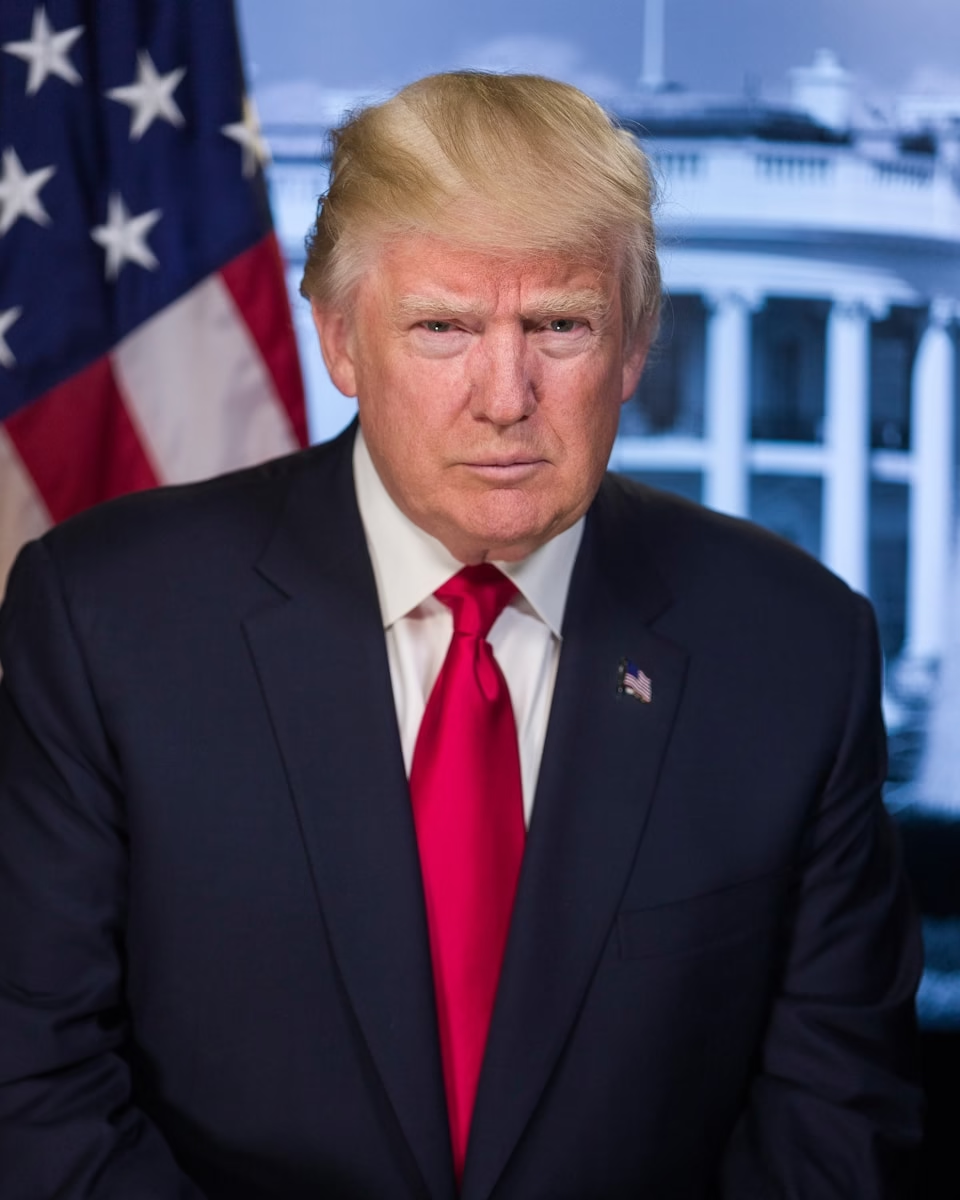
President Trump unveiled a plan called the Venezuela oil deal. He made the announcement on his Truth Social page. Under the deal, Venezuela must use its oil earnings to buy American-made products. The Venezuelan government will lock in U.S. goods as its main supply. This agreement covers farming items, medicines, medical tools, and energy equipment. Trump says this deal will lift both economies. He believes Venezuelans will get better goods and the U.S. will see more exports.
How the Venezuela Oil Deal Works
The Venezuela oil deal ties oil sales to strict buying rules. First, Venezuela sells its oil to U.S. buyers or U.S.-approved partners. Next, the money they earn can only buy U.S. items. Those items include fruit, grains, and vegetables from U.S. farms. They also include medicines made in America and medical devices like hospital beds and scanners. Finally, the deal covers equipment to fix Venezuela’s electric grid and energy plants. As a result, Venezuela uses U.S. products to rebuild its power system.
Why Trump Pushed the Venezuela Oil Deal
Trump says the Venezuela oil deal is a win for his “America First” approach. He wants to boost U.S. businesses and create more jobs. Moreover, he argues that Venezuela needs to rebuild its failing power grid and hospitals. By buying American products, Venezuela helps U.S. farmers, factories, and tech firms. In addition, Trump claims the deal builds a strong partnership with Venezuela. He believes stronger ties will bring stability to the region.
What Must Venezuela Buy?
Under the Venezuela oil deal, purchases will focus on key areas:
• Agricultural goods: corn, soybeans, fruits, and meat from U.S. farms
• Medicines: American-made vaccines, antibiotics, and treatments
• Medical devices: hospital beds, ventilators, and imaging machines
• Energy equipment: transformers, cables, and parts for power plants
This list shows a wide range of needs. For example, Venezuela’s electric grid needs major repairs. U.S. transformers and cables could help restore power quickly. Similarly, medical staff need reliable devices to care for patients.
Potential Benefits for Both Countries
The Venezuela oil deal could help on several fronts. First, U.S. farmers and factories may sell more goods. That could mean more jobs and higher profits at home. Second, Venezuela could get high-quality products to restore its power system and health sector. Third, linking oil sales to U.S. purchases may reduce corruption. By using a clear trade channel, both sides can track money and goods. Finally, closer relations might open doors for future trade agreements.
Challenges and Criticisms
However, the Venezuela oil deal faces key challenges. Critics point out that Venezuela’s economy is weak. They question if the country can produce enough oil to cover the deal. In addition, U.S. sanctions still restrict many Venezuelan transactions. Some experts ask how Venezuela will pay for shipping and logistics. Moreover, political opponents say Venezuela has a history of breaking promises. They warn that the deal could stall if trust breaks down.
What Happens Next?
For now, Trump’s announcement is a statement of intent. Next steps will involve talks between U.S. and Venezuelan officials. They must agree on details like oil volumes, pricing, and delivery schedules. Lawyers and trade experts will draft contracts to lock in the terms. In addition, both sides need to clear any legal hurdles posed by existing sanctions. Finally, U.S. businesses must prepare to meet Venezuela’s incoming orders. They might need to scale up production or adjust shipping plans.
In the coming weeks, keep an eye on updates from both governments. If they sign formal agreements, the Venezuela oil deal could become reality. Yet, until then, many questions remain about its feasibility and impact.
FAQs
How will Venezuela pay for the U.S. goods?
Venezuela will use oil revenue earned under the deal. That revenue must go directly to buying U.S. goods.
Could U.S. sanctions block the deal?
Yes. Existing sanctions may require special approvals to allow trade. Officials must agree on waivers or exemptions.
What sectors benefit most from the deal?
American farmers, pharmaceutical makers, medical device firms, and energy equipment suppliers stand to gain.
When might the deal start?
If both sides agree quickly, trade could begin within months. However, final approvals and contracts could delay the process.