


Key takeaways
• President Trump vowed to use the US military to cut off oil and resources to Cuba.
• Cuba’s leader says the nation will defend its sovereignty at any cost.
• Humanitarians and anti-war groups call Trump’s actions illegal extortion.
• Critics warn the move escalates US imperial aggression in Latin America.
• Many fear this Cuba threat endangers regional stability and self-determination.
Inside Trump’s Cuba Threat
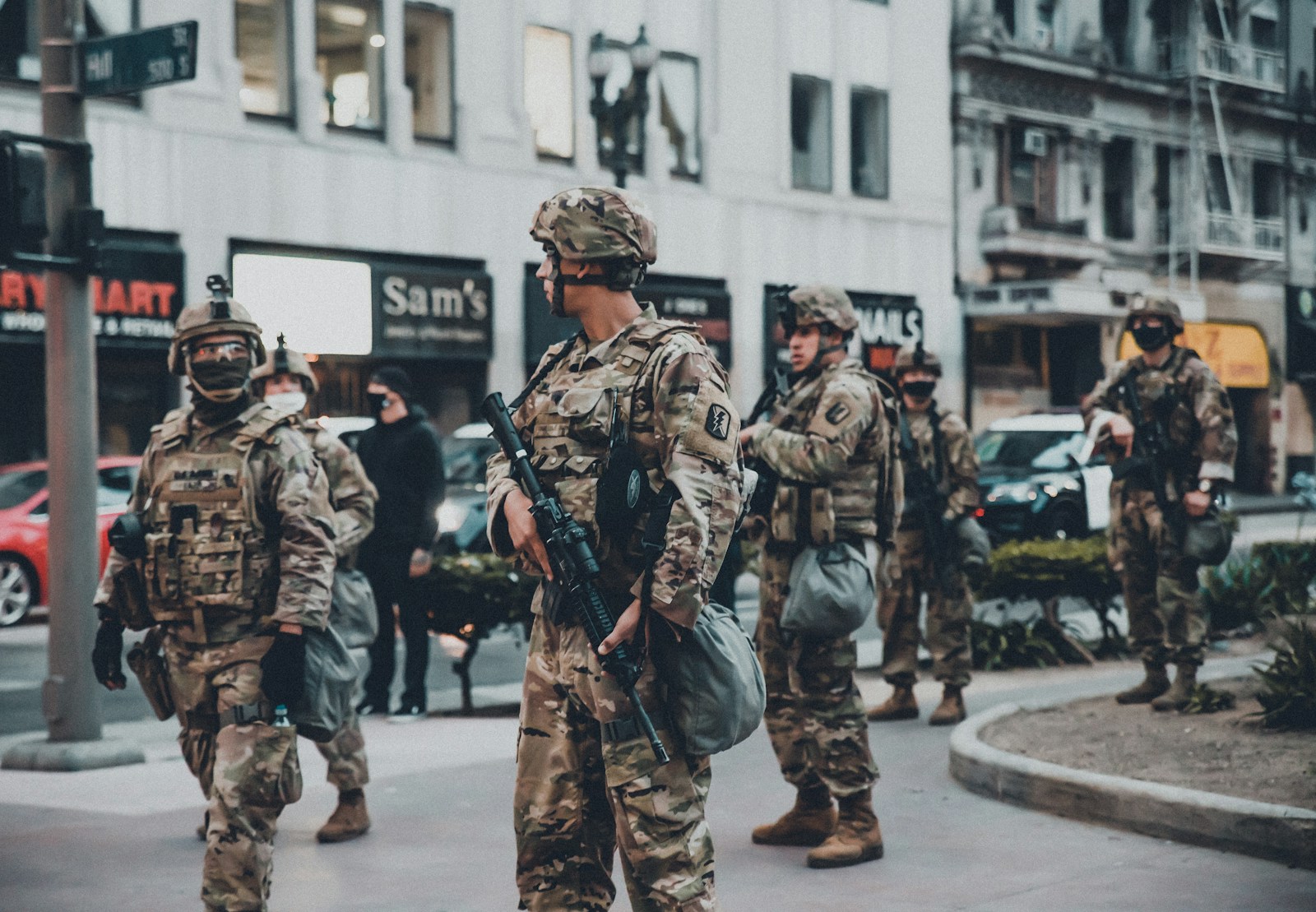
President Donald Trump issued a stark Cuba threat on social media. He said the United States would block all oil and money shipments to the island. Trump added that the US military could enforce this ban. His goal is to punish Cuba for its support of past Venezuelan leaders.
Trump claimed that most Cuban agents died in a recent US attack on Venezuela. He warned Cuba to negotiate or face severe consequences. He wrote, “THERE WILL BE NO MORE OIL OR MONEY GOING TO CUBA – ZERO!” The president urged Cuban officials to “make a deal, BEFORE IT IS TOO LATE.”
Why Trump’s Cuba Threat Matters
This Cuba threat touches on several serious issues. First, it violates international law by using force to stop vital resources. Second, it risks harming millions of Cuban civilians who rely on fuel and supplies. Third, it deepens tensions between the US and Latin American countries. Finally, it raises fears of a wider military conflict in the region.
Cuban Response and Sovereignty
Cuba’s leader, Miguel Díaz-Canel, rejected Trump’s Cuba threat immediately. He affirmed that Cuba is a free and sovereign nation. He reminded the world that his country has faced US attacks for 66 years. He said Cuba does not seek conflict, but stands ready to defend itself “to the last drop of blood.”
Díaz-Canel’s post stressed that no outside power will dictate Cuban policy. He emphasized the island’s long history of resisting US aggression. He called on the international community to support Cuba’s right to self-defense.
Critics Call It Illegal Extortion
Progressive voices quickly condemned the Cuba threat. Medea Benjamin, co-founder of anti-war group CodePink, labeled Trump the “true extortionist.” She argued that seizing Venezuelan oil and cutting off Cuba harms ordinary people. She said taking 30 to 50 million tons of oil is the real extortion.
Similarly, David Adler of Progressive International called the move “cruel and illegal punishment.” He pointed out that the US embargo on Cuba is already the world’s longest act of collective punishment. He warned that Trump’s new threats mark a dangerous escalation.
US Lawmakers Weigh In
On Sunday, Republican Congresswoman María Elvira Salazar praised Trump’s Cuba threat. She told CBS News that choking off resources is “like magic” for Miami’s Cuban-American community. Salazar called Cuba an “immense threat” to the United States due to its poverty and lack of power.
Meanwhile, many other US lawmakers oppose military force and resource blockades. They argue that most Americans reject intervention in foreign conflicts. They fear Trump’s Cuba threat could spiral into a full-blown war.
Regional and Global Impact
Latin American leaders watched Trump’s Cuba threat with alarm. Several heads of state warned it could destabilize the entire region. They see the US move as a revival of the Monroe Doctrine, a policy once used to justify empire-building.
Progressive International issued an alert calling this an “emergency.” It said Trump aims to dominate Latin America through coercion and violence. The group sees a direct link between corporate interests and US foreign policy. They point out that oil majors and arms manufacturers profit from conflict.
The report highlights that US aggression undermines democracy and self-determination. It claims ordinary people in Venezuela, Cuba, and other nations face the real costs of this power play.
Possible Scenarios Ahead
What might happen after such a bold Cuba threat? Here are some possible paths:
1. Diplomatic talks: Cuba and the US could return to negotiation to ease tensions.
2. Regional alliance: Latin American nations might unite to condemn US actions.
3. Military standoff: Trump could deploy naval forces near Cuba to enforce the blockade.
4. Humanitarian crisis: Cubans may face severe shortages of fuel, food, and medicine.
Each scenario carries risks. A military standoff could spark direct conflict. A humanitarian crisis could lead to mass migration. And divided global opinion might weaken US standing abroad.
Why Self-Determination Is at Risk
At its core, Trump’s Cuba threat challenges a nation’s right to control its own destiny. Cuba has long sought to manage its resources and govern without foreign meddling. Observers say this fight reflects a larger class struggle.
On one side stand big oil companies and defense contractors. They gain massive profits when conflicts flare. On the other side stand citizens who want peace and fair access to resources. Trump’s Cuba threat shifts power toward the corporate elite and away from ordinary people.
The Future of US-Cuba Relations
The legacy of tension between Washington and Havana spans six decades. While past administrations eased some sanctions, Trump tightened restrictions. Now his Cuba threat may foreclose any chance of thawing relations for years.
If the blockade holds, Cuban families could endure fuel shortages this winter. Farmers may lack gasoline for tractors. Hospitals could struggle to run essential equipment. Schools might face blackouts, disrupting lessons.
International Pressure Grows
The United Nations has condemned the US embargo on Cuba every year for decades. Almost every country votes against it. Now, many nations will speak out again against Trump’s Cuba threat.
Global public opinion largely opposes punishing civilians to achieve political goals. Human rights groups will demand the US lift all sanctions and threats. They argue that genuine policy change arises from dialogue, not force.
Conclusions
Trump’s Cuba threat represents a major turning point in US foreign policy. It raises urgent questions about legality, morality, and strategic sense. As international pressure mounts, the world will watch how both sides respond. Will cooler heads prevail, or will this conflict spiral further?
FAQs
What exactly did President Trump threaten?
He warned that the US military could block all oil and money shipments to Cuba. He said no resources would reach the island unless Cuban leaders “make a deal.”
How did Cuba’s government react?
Cuba’s president called Trump’s warning illegal and insulting. He affirmed that Cuba will defend its independence and sovereignty at any cost.
Why do critics call this action “extortion”?
They argue that seizing resources and blocking vital supplies to punish a nation violates international law. They say the move targets civilians and serves corporate interests.
What might be the global consequences?
Experts fear a humanitarian crisis in Cuba, regional instability in Latin America, and a decline in US diplomatic standing worldwide.