


Key Takeaways:
- President Trump aims to boost military spending by $600 billion a year starting in October.
- He plans to fund this increase with much higher import taxes, known as tariffs.
- The hike equals almost 2 percent of GDP and adds up to $6 trillion over ten years.
- Tariffs may jump by 30 points after imports drop and some goods get waivers.
- Higher tariffs will push up consumer prices and shift jobs toward defense contractors.
- The plan may bypass Congress, raising constitutional issues over taxing and spending power.
Trump’s Tariffs Plan: Big Military, Bigger Taxes
President Trump now wants a huge $600 billion boost in military spending every year. To pay for it, he’ll raise import taxes—tariffs—by a massive amount. Yet the U.S. Constitution says only Congress can set taxes and approve spending. So far, Trump and many in Congress have shown little respect for that rule. Therefore, it remains unclear if he will actually seek Congress’s approval or just impose the plan on his own.
How Tariffs Could Pay for the Buildup
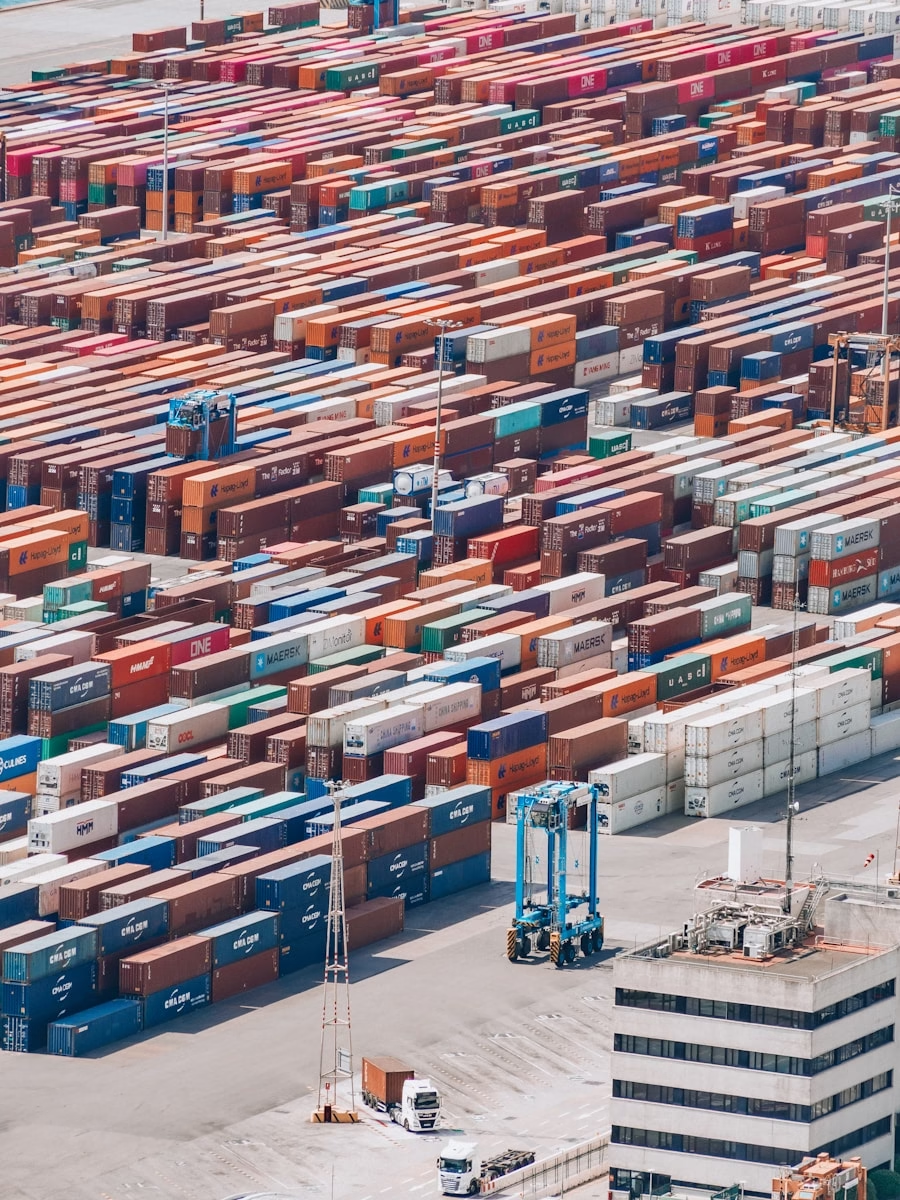
Imports into the U.S. total about $3.2 trillion each year. A simple math trick shows that a 19 percent tariff hike across all goods would raise $600 billion if imports stayed the same. However, imports will fall when prices rise. If they drop by 15 percent, they fall to $2.7 trillion. To still hit $600 billion, the average tariff jump must reach 22 points.
Moreover, Trump may grant special exemptions to key industries or big donors at Mar-a-Lago. That forces even higher rates on most goods to make up the shortfall. As a result, tariffs on many items could climb by about 30 points.
Constitutional Concerns Over Tariffs
The U.S. Constitution clearly assigns tax and spending powers to Congress. Yet Trump’s second term has seen few clear votes on major tax hikes or big budget moves. Meanwhile, the Supreme Court has stayed silent on these sidesteps. If Trump imposes huge tariffs and redirects the revenues to defense without a vote, he would break this core rule. That could spark a major legal battle—if anyone dares to challenge it.
Impact on Households and Businesses
Tariffs act like a hidden tax on shoppers. When rates rise, importers pay more and pass the cost onto consumers. As a result, families face higher prices for clothes, electronics, food, and cars. In many cases, the full burden lands on households, not foreign exporters. Thus, this plan undercuts any talk of making life more affordable.
U.S. businesses also suffer. High tariffs on intermediate goods—parts used to build finished items—raise costs for factories. Car makers, aircraft builders, and tech firms will pay more. That hurts their global competitiveness and can lead to layoffs or higher prices on U.S. exports. In effect, the tariffs meant to strengthen the economy would slow it down.
Resource Shift to Defense Jobs
A $600 billion annual boost creates jobs. Yet most of these would go to military contractors and their supply chains. Engineers designing jets, scientists working on weapon systems, and many factory workers would move to defense projects. Meanwhile, civilian industries lose talent. Researchers who might develop better computers, medical devices, or new drugs end up doing military work instead.
The same story holds for less-skilled workers. Teachers, health aides, or home care assistants could see fewer job openings. Instead, they might find roles in shipyards, arms factories, or maintenance crews for military bases. This shift drains resources from schools and hospitals into tanks and warships. In the long run, that drags down overall growth and living standards.
The Toll on Innovation
History shows that even in wartime, diverting too many scientists and engineers can hurt progress in other fields. World War II spurred major advances, but it also delayed many civilian projects. Today’s tech landscape depends on breakthroughs in AI, biotech, and clean energy. Forcing talent into defense work risks slowing advances that raise life quality and drive the next wave of business growth.
Why Exemptions Drive Tariffs Higher
Trump has exempted some imports from past tariff hikes. Apple’s CEO visited Mar-a-Lago and secured relief for some parts. Other executives have followed suit. If Trump lets big companies dodge the new tariffs, then smaller importers and families shoulder an even bigger share. This pushes average rates past 30 percent on most goods. In effect, wealthy insiders get breaks while everyone else pays more.
No Clear Case for the Buildup
Large military spending might make sense if a dire threat rose, similar to Nazi Germany in World War II. Yet no one in the Trump camp has offered that argument. Instead, Trump threatened to invade Venezuela and drew maps like it was a video game. While some find that entertaining, a real war would be costly for lives and budgets.
At least a big national threat can unite people and speed up production. Without it, the plan looks like partisan theater—one man playing commander-in-chief. He may enjoy it, yet taxpayers face the actual bill.
The Economic Trade-Off
A $6 trillion rise in taxes over ten years is real money. It equals about $45,000 per household. Even if the tariff hike slows imports, families will pay more each time they buy. Meanwhile, the diverted resources won’t help schools, hospitals, or green energy. Instead, they fund arms, ships, and aircraft jets.
If the tariffs simply patch the federal budget, deficits stay under control. Yet if Trump fails to use the extra revenue correctly, the federal debt swells further. Either way, the economy bears the burden.
What Happens Next?
First, we await Trump’s formal announcement. Then we watch Congress. Will they vote on or block this plan? Or will the administration try to enforce it without approval? Legal experts predict court fights either way.
In the short term, importers will plan for higher costs. Consumers may rush to buy goods now before tariffs bite. Investors could shift money toward defense stocks. Over the longer haul, the economy may slow as spending shifts away from homes, schools, and hospitals.
The Big Question
Is this the best way to strengthen America’s security? Or does it weaken the nation by fueling higher prices and misallocating talent? Perhaps a more balanced plan, combining a modest budget boost with clear targets, would win broader support. For now, the U.S. faces uncertainty. Will the rule of law hold firm? Or will the power of the presidency redefine taxes and spending?
Only time will tell how far Trump goes with his tariffs plan. Yet one thing is clear: families, businesses, and workers will all feel the impact, for better or worse.
Frequently Asked Questions
What are tariffs and how do they work?
Tariffs are taxes on imported goods. When a government raises tariffs, importers pay more. They pass on the higher cost to consumers in the form of higher prices.
Could Congress block these tariff hikes?
Yes. The Constitution gives Congress the sole power to set taxes. If members unite, they can pass a law to stop or limit the tariff increase. Yet political divisions may complicate that effort.
How would higher tariffs affect everyday families?
Families would pay more for clothes, electronics, cars, and many other goods. Since importers pass tariffs onto shoppers, household budgets shrink. That reduces spending on other items.
What happens to U.S. jobs under this plan?
Some jobs move into defense manufacturing and research. Yet civilian sectors like education, healthcare, and tech lose talent. Over time, this shift can slow growth and innovation.