


Key Takeaways
- Linda McMahon says public schools are failing and need a “hard reset.”
- She seeks to shift power from the federal Department of Education to the states.
- Over 20 ultraconservative advisers push for private, religious, and charter schools.
- Tax dollars may flow away from public schools toward homeschooling and private options.
- Civil rights enforcement in public schools has slowed, affecting students’ protections.
What’s Next for Public Schools?
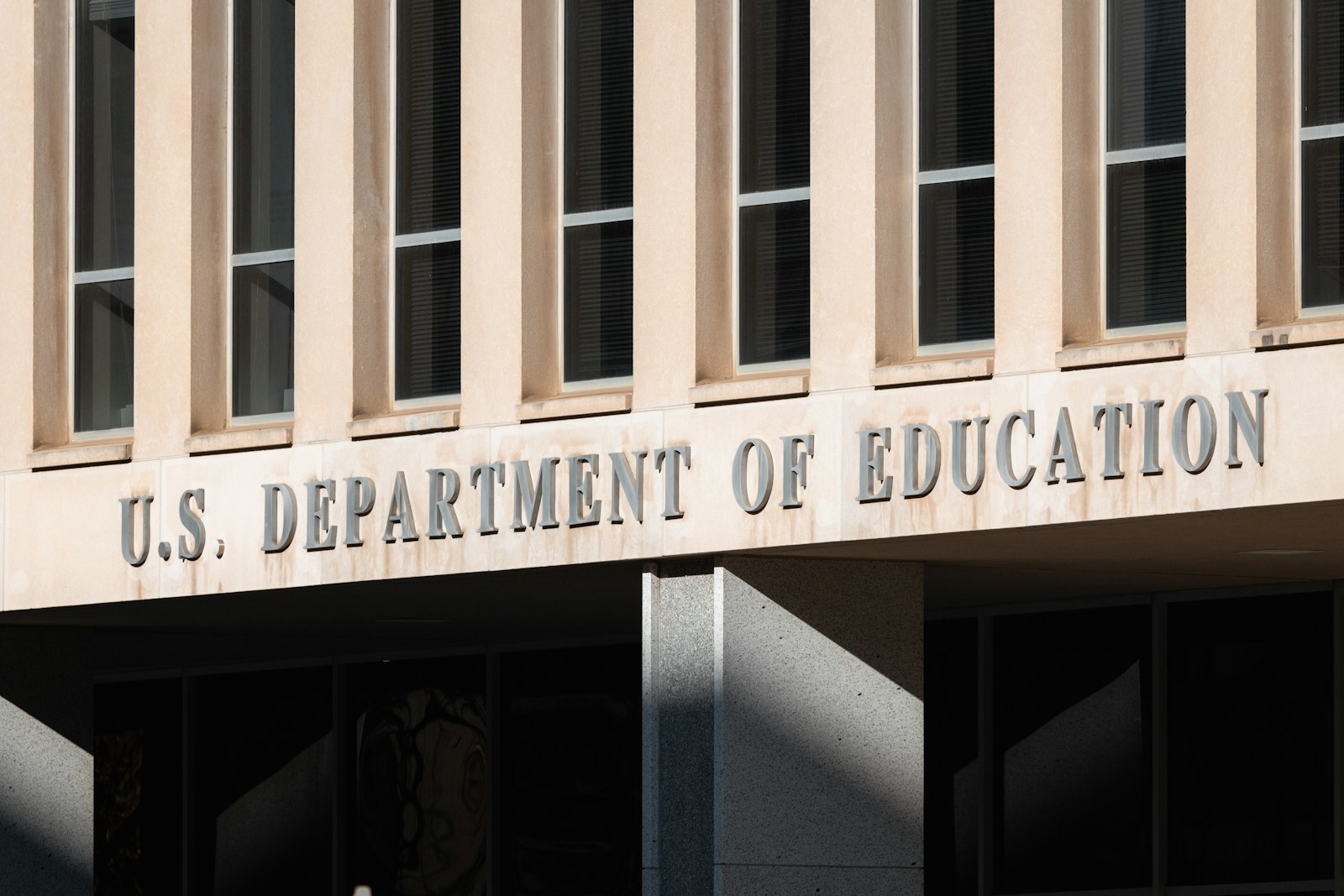
Secretary Linda McMahon vowed in November to change how public schools work. She claims more than 80 percent of U.S. children attend failing schools. Yet she has focused on breaking up the federal Department of Education. As a result, states may gain full control over public schools funding and rules. Meanwhile, federal oversight will shrink and change profoundly.
McMahon’s Vision for Public Schools
McMahon spoke about an “educational renaissance” led by states. She wants to remove federal rules that guide public schools. Instead, she plans to let each state decide on curriculum, testing, and staffing. Consequently, she and her team aim to replace broad federal standards with local control. In doing so, they hope to bring more freedom, they say, to parents and teachers.
Advisers Reshaping Public Schools Policy
To achieve these goals, McMahon hired over 20 advisers from ultraconservative think tanks. These advisers doubt the value of public schools. They instead favor private, religious, and charter schools. They also support homeschooling and vouchers that let state funds follow individual students. Therefore, public schools face a new challenge in keeping their budgets and students.
Funding Shifts Away from Public Schools
Under McMahon’s plan, federal funds may divert to private and charter schools. Taxpayer money would follow children rather than schools. In other words, if a family chooses a private school, state funds go with them. As a result, some public schools could lose crucial budgets. This could lead to fewer teachers, larger class sizes, and reduced programs in many districts.
New Curriculum Aims and Public Schools
The Education Department now backs a “pro-America” curriculum for public schools. It promotes an “uplifting portrayal” of the nation’s founding ideals. However, critics warn this downplays slavery and discrimination. They say it risks whitewashing history in public schools. Meanwhile, advisers want Christian values taught openly in the classroom. This blurs the line between church and state in public education.
Civil Rights Office and Public Schools
Since 1979, the Office for Civil Rights enforced anti-discrimination in public schools. Parents turned to it when their children faced bias or unequal access. Yet under the current leadership, much of its staff was laid off. Investigations now focus on bias against white and Jewish students, not on racism or sexism. Sexual orientation and gender identity complaints also receive less attention. As a result, public schools may offer weaker protection for students with disabilities, students of color, and girls.
What Families Should Know
First, public schools may see sharp changes in funding. Second, local districts could adopt new, patriotic curricula that sideline tough parts of history. Third, civil rights oversight will likely remain weaker, leaving fewer ways for families to report discrimination. Finally, parents may get more school choices, but public schools could lose needed support. Therefore, families should watch how their state education department uses new powers.
Possible Effects on Teaching and Learning
Teachers in public schools may face new requirements from their state boards. They might teach more religious ideas or patriotic lessons. Some may feel pressured to follow a specific viewpoint. Others could choose private or charter schools to avoid new rules. This could create teacher shortages in public schools. In turn, student learning may suffer if schools cannot find enough qualified staff.
States Taking the Torch of Public Schools
McMahon’s team often says states know best how to run schools. States could set graduation tests, choose textbooks, or adjust the school calendar. However, some states may lack resources to handle this task. Others may push strict religious and political views into public schools. Meanwhile, states without strong oversight bodies may let bias go unchecked. As a result, the quality of public schools could vary widely across the country.
Homeschooling and Alternative Choices
The push for alternatives means more homeschooling families. States may offer more support for home education programs. Private and charter schools may expand in many communities. This will give families more options outside public schools. Yet those options often lack the same accountability rules as public schools. Therefore, families should weigh choices carefully before leaving a public school.
What Critics Are Saying
Critics argue this overhaul could weaken a system that serves most U.S. children. They worry about underfunded public schools as funds flow to private and religious schools. They also fear students with special needs will lose strong safeguards. Critics call for maintaining civil rights protections in public schools. They hope for a balanced curriculum that covers all aspects of American history.
Moving Forward with Public Schools
As states take control, local communities will shape the future of public schools. School boards and parent groups must stay alert to changes in policy and funding. They can speak up at local meetings, write to state leaders, and form alliances. By doing so, they can help ensure public schools remain open, fair, and well-funded. Ultimately, the fate of public schools rests with parents, teachers, and local leaders.
Frequently Asked Questions
What is the main goal of McMahon’s plan for public schools?
Her plan aims to shift power from the federal Department of Education to state governments. She wants local control over funding, curriculum, and policies in public schools.
How could funding change for public schools?
Under the new plan, state funds may follow students to private, charter, or religious schools. This shift could reduce budgets for many public schools.
Will public schools still enforce civil rights rules?
The Office for Civil Rights has cut staff and narrowed its focus. It now prioritizes certain cases, leaving less support for students facing discrimination in public schools.
How can families stay involved in decisions about public schools?
Parents should attend local school board meetings, join community education groups, and contact their state education officials. This will help them voice concerns and protect public schools.