


Key takeaways
- Ronn Easton, a 76-year-old Vietnam veteran, felt compelled to join an ICE protest after an agent shot a local mother.
- He stopped at the Bishop Henry Whipple Federal Building, laid flowers, and spoke out on live TV.
- Easton struggles with PTSD and fears rising hatred in Minneapolis is tearing families and businesses apart.
- Local leaders dispute ICE’s account, citing video evidence and calling for a fair investigation.
- Despite his anger, Easton urges peaceful yet powerful action to protect hard-won rights.
Last Thursday, Ronn Easton drove past the federal building where ICE now has its command center. He was on his way back from lunch in Minneapolis. He saw a small crowd gathering to protest after an ICE agent shot Renee Good, a 37-year-old mother. He said he had no plan to join them, but something inside just would not let him leave.
Why he felt he had to act in the ICE protest
Easton, who lives just outside Minneapolis, says he first noticed the protest on his drive home. He pulled over, grabbed flowers, and walked right up to the group. He did not carry signs or wear protest gear. In fact, he left his coat in the car. Yet when cameras flashed, he spoke about his anger and sorrow. He even ended up on national TV.
The next day, he returned. He knelt by the spot where Renee Good’s SUV once stood. He placed the flowers there and quietly wept. “I’ve never done that,” he said. “But I had to do it.”
What happened that sparked the ICE protest
On Wednesday, ICE agents carried out a large raid near Good’s Minnesota home. Officials say her vehicle blocked their trucks in the snow. They claim she revved her engine, honked, and tried to hit an officer. An agent then fired his weapon, killing her.
However, videos of the scene tell a different story. They show Good pulling away slowly, not speeding toward anyone. Neighbors say she was protecting them from a tense encounter. These clips have led local leaders to question ICE’s version of events.
Officials clash over that day’s events
At a press briefing, the head of Homeland Security labeled Good’s actions as violent. The president quickly blamed her for her own death. A top adviser even called it a tragedy of her own making. Yet Minnesota’s governor warned against believing a “propaganda machine.” The city’s mayor bluntly called ICE’s claims “bull—.” Both have insisted on a full, fair inquiry.
How past trauma fed into the ICE protest
Easton served in Vietnam and was exposed to Agent Orange. He now lives with PTSD, nerve damage, diabetes, and hearing loss. He says he has spent years learning to calm the alarms in his mind. But seeing families torn apart by ICE sweeps re-ignited old fears. He hears the same tension he felt in combat.
He described Minneapolis as “on a hair trigger,” much like it was after George Floyd’s killing in 2020. He said the air feels heavy with fear, but this time the target is immigrants. He worries the use of thousands of ICE agents and even the National Guard signals a march toward martial law.
A call for peaceful action amid rising anger
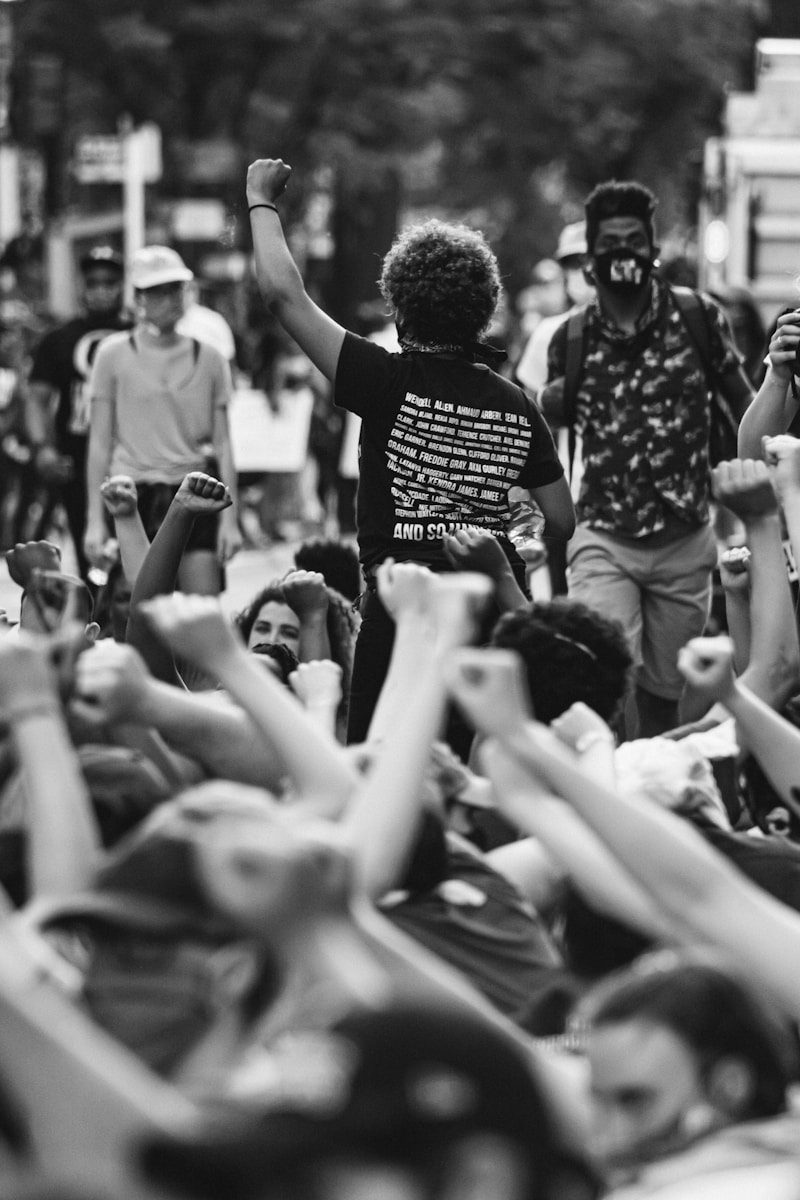
Despite his rage, Easton refuses to embrace violence. He believes peaceful protest holds more power than chaos. “Violence destroys your message,” he said. He urges fellow Minnesotans to stand firm without resorting to riot. He fears that any outbreak of violence will only give authorities an excuse to crack down harder.
He also sees hope. He talks about the courage of bystanders who refused to stay silent. He believes that if enough people join in calm yet firm protest, they can protect neighbors and push for real change.
Lessons from this ICE protest story
One person truly can make a difference, even on a crowded street. Trauma may linger, but it can also spark acts of compassion and courage. Eyewitness videos and local voices often reveal truths lost in official statements. And most importantly, a peaceful crowd can change minds and shape policy.
Ronn Easton plans to keep speaking out. He says he will protest as long as ICE raids tear families apart. He knows he cannot fix everything alone. But he believes a chorus of concerned citizens can push back against hate and protect the rights that generations have fought for.
Frequently asked questions
Why did Ronn Easton join the ICE protest?
Easton felt an urgent drive to act after learning an ICE agent shot a local mother. He said his mind wouldn’t rest until he showed up.
What sparked the Minneapolis ICE protest?
The demonstration began when an ICE agent killed Renee Good as she drove away from a raid near her home.
How have city and state leaders responded?
Minnesota’s governor and Minneapolis’s mayor have challenged ICE’s account. Both demand a fair, fast investigation and warn against believing political spins.
Can peaceful protests still make a difference?
Many believe calm, organized protests have more power than riots. They can shift public opinion and influence policy without losing focus.