

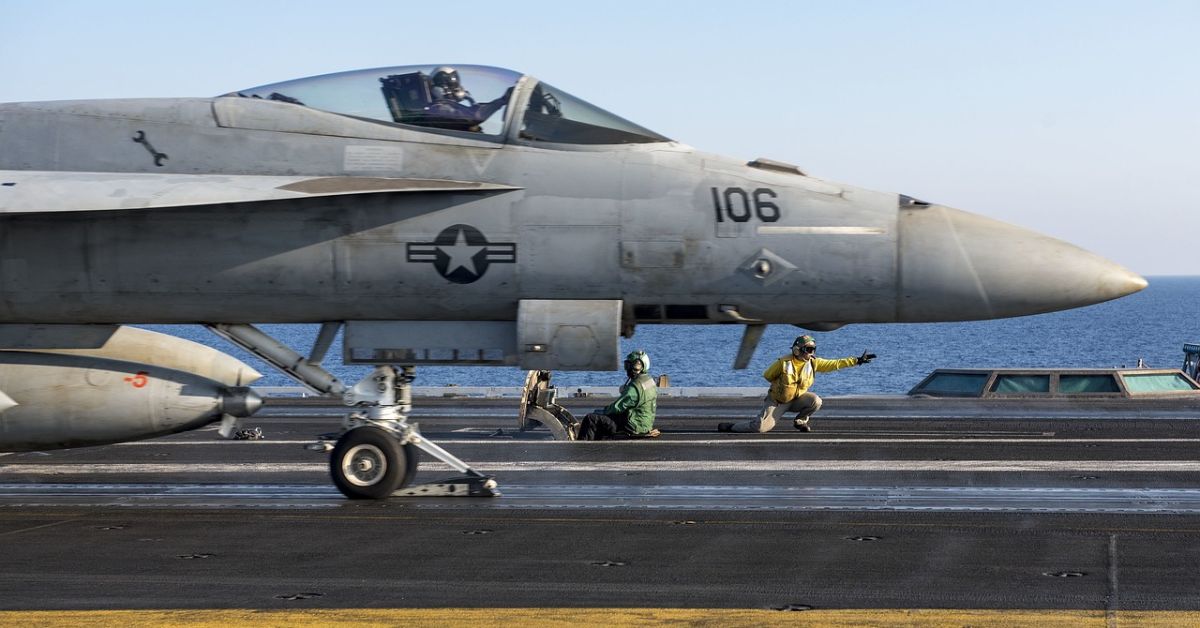

The US military strike on a drug-smuggling vessel in the eastern Pacific Ocean has drawn renewed attention to how Washington is reshaping its counter-narcotics strategy far from US shores.
The February 9, 2026 operation, conducted in international waters, resulted in the deaths of two individuals identified by U.S. officials as members of a transnational criminal network. The incident highlights a growing reliance on military force in maritime drug interdiction, a role traditionally led by civilian law enforcement agencies.
While US defense officials described the strike as lawful and targeted, the operation has triggered debate among legal experts and regional analysts over the boundaries between military action and criminal enforcement.
Operation Details and Military Authorization
According to U.S. officials, the strike followed intelligence assessments indicating that the vessel was actively transporting large quantities of illegal narcotics toward North American markets.
The operation was authorized under US Southern Command and carried out by a joint task force specializing in maritime security. Military officials said the vessel failed to comply with interception attempts and was assessed as posing an immediate threat to enforcement personnel.
Two individuals aboard the boat were killed during the engagement. A third person survived and was later transferred to U.S. Coast Guard custody for questioning and processing.
Defense officials emphasized that the decision to use force followed multiple layers of intelligence review and command approval, a process they say is designed to minimize risk to noncombatants.
Why the Eastern Pacific Matters
The eastern Pacific Ocean has long been one of the world’s most active drug-smuggling corridors, connecting production zones in South America with transit routes toward the United States.
Trafficking groups operating in the region rely on speed, distance, and concealment. Common tactics include high-powered “go-fast” boats, low-profile vessels designed to evade radar, and semi-submersible craft that are difficult to detect from the air.
U.S. officials say these methods have grown more sophisticated in recent years, forcing enforcement agencies to adapt their approach.
The sheer size of the operating area, combined with limited jurisdictional reach, has made interdiction increasingly complex, prompting policymakers to reassess how maritime threats are addressed.
Expanding Military Role in Counter-Narcotics
The latest US military strike on a drug-smuggling vessel reflects a broader trend in counter-narcotics policy.
According to defense officials, criminal organizations involved in maritime trafficking are no longer limited to smuggling drugs. Many now operate as armed, transnational enterprises linked to weapons trafficking, money laundering, and human smuggling.
In response, the US government has increasingly treated certain maritime smuggling operations as national security threats rather than purely criminal matters.
Military leaders argue that law enforcement vessels are often outmatched when confronting heavily equipped crews operating far from shore, where backup and detention options are limited.
Legal Authority and Rules of Engagement
Pentagon officials maintain that the operation complied with both US law and international legal frameworks governing action in international waters.
Authorities cited include statutes permitting the use of force against designated transnational criminal organizations when there is credible intelligence linking them to broader security threats.
Officials say lethal force is considered a last resort and is authorized only when interception or boarding would pose unacceptable risks to personnel.
Each operation, according to defense sources, undergoes legal review to ensure compliance with the law of armed conflict and international maritime conventions.
Human Rights and Oversight Concerns
Despite official assurances, human rights advocates have raised concerns about the growing use of military force in drug interdiction.
Critics argue that lethal strikes at sea limit transparency and complicate independent verification of casualties. Unlike traditional arrests, maritime strikes often leave little opportunity for judicial oversight.
Some legal scholars warn that expanding the definition of “security threat” could blur the line between armed conflict and criminal enforcement, potentially setting precedents with global implications.
U.S. officials counter that vessels targeted in a US military strike typically operate outside normal legal frameworks and present immediate danger to enforcement forces.
Regional Security and Trafficking Networks
Beyond drug shipments, analysts note that maritime trafficking networks often support broader criminal ecosystems.
These groups may facilitate arms movement, fund organized violence on land, and destabilize coastal communities across Central and South America.
Regional governments have largely supported maritime interdiction efforts while calling for greater investment in economic development, judicial reform, and anti-corruption measures.
Security experts emphasize that interdiction alone cannot dismantle trafficking networks without parallel efforts on land.
Conclusion
The February operation underscores how the US military strike on a drug-smuggling vessel marks a significant evolution in counter-narcotics policy.
As security threats become more complex and transnational, the United States appears increasingly willing to project military power far from its borders to disrupt criminal networks.
Whether this approach delivers lasting results remains an open question, one likely to shape future debates over law, security, and the global fight against narcotics trafficking.