

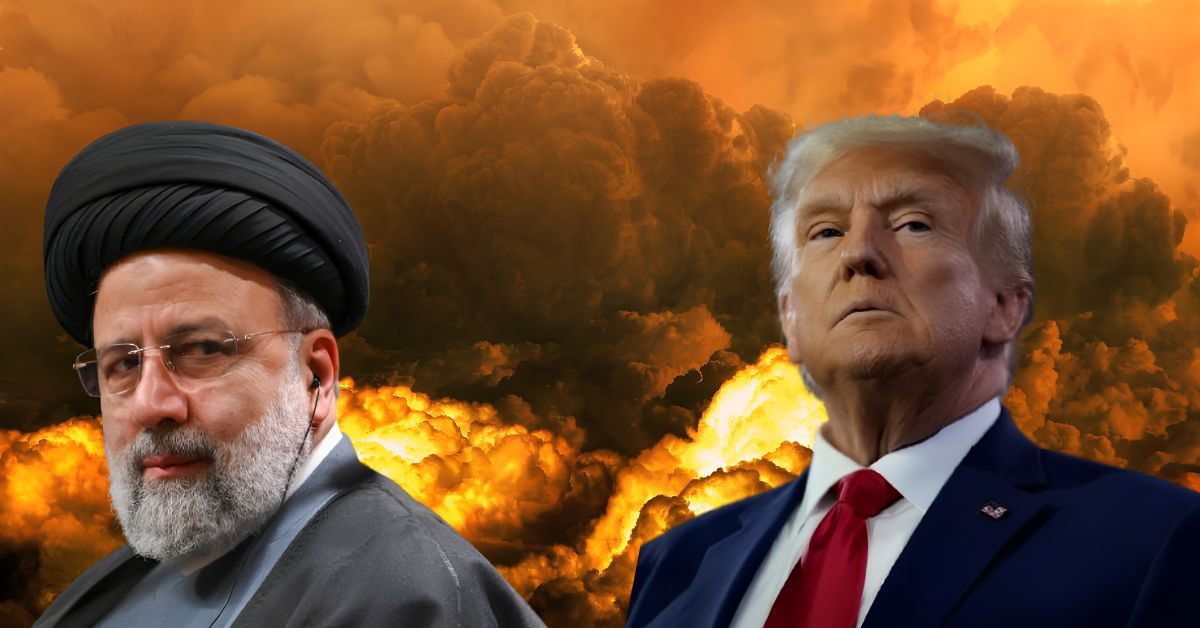

Tensions in the Middle East have intensified as Washington weighs a decision that could alter the strategic balance of the region. Military assets are positioned, intelligence assessments are under review, and diplomatic channels remain open but strained. Officials describe the moment as fluid, with multiple pathways still under consideration.
US strike on Iran
The phrase has dominated briefings, cable news panels, and diplomatic exchanges in recent days. While no authorization has been issued, preparations and contingency planning have pushed the possibility into the center of global attention.
Senior defense officials say readiness does not automatically translate into action. Instead, it reflects the principle that credible deterrence depends on visible capability. Aircraft carriers have adjusted their patrol patterns, air units have increased operational readiness, and regional partners are closely monitoring developments.
Behind closed doors, advisers are evaluating how a US strike on Iran could unfold if authorized. Discussions reportedly include limited precision operations, targeted infrastructure actions, and calibrated messaging designed to avoid a broader conflict. Each scenario carries consequences that extend far beyond immediate military calculations.
Markets have reacted cautiously. Oil prices have shown volatility, but investors appear to be waiting for clearer signals. Diplomats in Europe and Asia have urged restraint, emphasizing that escalation could reverberate across supply chains and energy corridors.
Military Readiness and Strategic Calculations
Pentagon officials have confirmed that assets are positioned to respond rapidly if directed. Naval groups, long-range aircraft, and support units are aligned to provide flexibility across multiple theaters. The posture is described as defensive and precautionary, though analysts agree that such alignment also signals resolve.
A US strike on Iran would represent one of the most consequential decisions in recent years. It would not be undertaken lightly. Strategic planners are modeling potential responses, including missile retaliation, cyber operations, and proxy engagement across neighboring states.
Officials insist that preparedness enhances negotiating leverage rather than guaranteeing conflict. By demonstrating operational readiness, Washington aims to underscore that deterrence commitments are credible. The objective, they say, is to prevent miscalculation, not invite it.
In classified sessions, lawmakers have reportedly sought clarification on scope and duration. Would any action be narrowly confined? Could it expand beyond initial targets? These questions underscore the gravity of the deliberations.
Strategic Risks Surrounding a US strike on Iran
The most immediate concern surrounding a US strike on Iran is regional destabilization. The Middle East remains interconnected through alliances, economic ties, and security arrangements. A limited military action could ripple outward, drawing in actors that might otherwise remain neutral.
Defense analysts caution that retaliation may not follow conventional patterns. Instead of symmetrical response, adversaries could employ asymmetric tactics, including cyber intrusions or indirect pressure through aligned groups. Such complexity makes forecasting outcomes difficult.
A US strike on Iran could also test the resilience of diplomatic partnerships. Nations balancing relationships with both Washington and Tehran may face pressure to clarify their positions. In such an environment, neutrality becomes harder to sustain.
Strategists emphasize that every option carries trade-offs. Inaction may embolden adversarial behavior, while action risks escalation. The calculus is not binary but layered with strategic nuance.
Regional Response and Deterrence Calculus
Regional governments are watching developments closely. Some have quietly reinforced security protocols around energy infrastructure and diplomatic missions. Others have engaged in behind-the-scenes mediation, seeking to prevent further deterioration.
A US strike on Iran would likely trigger swift rhetorical and potentially operational responses. While full-scale confrontation is widely viewed as unlikely, localized incidents cannot be ruled out. Military planners account for such contingencies in their scenario modeling.
The deterrence argument hinges on credibility. Advocates contend that demonstrating willingness to act may discourage further provocation. Critics argue that force could validate hardline positions and reduce space for compromise.
The balance between deterrence and de-escalation remains delicate. Regional security dynamics rarely remain static, and even calibrated action can produce unintended consequences.
Energy Markets and Global Economic Shockwaves
Energy markets have long responded sharply to geopolitical uncertainty. Even speculation about a US strike on Iran has historically influenced crude benchmarks and shipping insurance rates. The Strait of Hormuz, through which a significant share of global oil transits, remains a focal point for market observers.
Financial institutions are preparing risk assessments based on varying degrees of escalation. A short-lived disruption could produce temporary volatility, while prolonged instability might affect inflation trends and growth forecasts.
A US strike on Iran would intersect with broader economic currents, including supply chain resilience and monetary policy decisions. Policymakers in major economies are therefore monitoring developments alongside defense officials.
Market reaction often hinges not only on action but on perception. Clarity of objectives and communication strategy can shape investor confidence as much as operational outcomes.
Military Planning and Operational Scope
Operational planning for a US strike on Iran would emphasize precision and speed. Modern doctrine prioritizes targeted engagement designed to limit collateral impact. Military leaders stress that any authorized action would adhere to established rules of engagement and international law.
Technological advancements have transformed how such scenarios are conceived. Satellite reconnaissance, cyber capabilities, and real-time intelligence integration allow for refined targeting. Yet planners acknowledge that uncertainty cannot be eliminated entirely.
A US strike on Iran would also demand coordinated communication with allies. Shared intelligence and synchronized messaging are critical to maintaining cohesion among partners.
Defense officials reiterate that readiness does not equate to inevitability. Instead, it reflects the principle that preparedness underpins strategic choice.
Diplomacy Under Pressure
Diplomatic channels remain active despite heightened tension. Indirect discussions have addressed technical concerns related to monitoring, compliance, and transparency. Negotiators describe conversations as difficult but not closed.
A US strike on Iran could narrow diplomatic space significantly. Even if limited in scope, it might shift the tone of engagement for months, if not years. Conversely, visible preparedness may strengthen negotiating leverage.
Some diplomats argue that credible threat of action can coexist with ongoing dialogue. Others caution that military escalation risks hardening positions. The interplay between diplomacy and deterrence has long shaped regional security frameworks.
The coming weeks may determine whether talks regain momentum or stall under pressure.
Domestic Political Considerations
National security decisions rarely occur in isolation from domestic context. Congressional leaders from both parties have requested briefings on the implications of a US strike on Iran. Public opinion, shaped by memories of previous regional conflicts, adds another dimension to deliberations.
Policy advisers are mindful that sustained engagement abroad can carry political consequences at home. Transparency and clarity of objectives are therefore central to internal discussions.
A US strike on Iran would not only shape foreign policy but also influence broader debates about strategic priorities. Balancing global commitments with domestic expectations remains a persistent challenge.
Historical Precedent and Lessons Learned
History offers instructive parallels. Previous confrontations in the region demonstrate how quickly limited engagements can evolve. Analysts examining a potential US strike on Iran frequently reference earlier episodes in which deterrence and diplomacy intersected uneasily.
Past experience suggests that escalation control requires disciplined communication and calibrated response. Leaders often rely on backchannels to prevent misunderstanding from spiraling into sustained confrontation.
A US strike on Iran would unfold in a different technological and geopolitical landscape than earlier conflicts. Cyber capabilities, information warfare, and globalized media would shape perceptions in real time.
Strategists emphasize that lessons from history do not dictate outcomes, but they illuminate potential pathways.
Intelligence Assessments and Uncertainty
Intelligence agencies continue refining their assessments. Analysts evaluate not only military capacity but also intent, leadership dynamics, and internal pressures. Decision-makers rely on these insights to gauge proportionality and risk.
A US strike on Iran would rest on evolving intelligence inputs. While capabilities can be measured, reactions remain probabilistic rather than certain.
Uncertainty underscores every major security decision. Leaders must weigh incomplete information against strategic imperatives. That tension defines the present moment.
Conclusion
The possibility of a US strike on Iran reflects a convergence of military readiness, diplomatic strain, and strategic calculation. No final decision has been announced, and officials continue to evaluate options carefully.
Whether through dialogue, deterrence, or limited action, the stakes remain significant. A US strike on Iran would carry implications far beyond immediate objectives, influencing regional stability, global markets, and diplomatic alignment.
For now, preparedness coexists with negotiation. Intelligence reviews continue, allied consultations remain active, and policymakers face a decision defined not by simplicity but by layered complexity.
In the days ahead, clarity may emerge through renewed diplomacy or formal authorization. Until then, the question of a US strike on Iran remains at the center of international attention, underscoring how fragile strategic balance can be in a rapidly shifting geopolitical landscape.