


Core Summary
- Trump says the U.S. has control over the Strait of Hormuz, but tensions remain unresolved
- Iran seized two commercial ships, escalating maritime confrontation
- Military officials warn disruption could last months due to sea mines
- Oil prices surged close to $100 per barrel amid supply concerns
- Experts say the crisis may impact global inflation and trade stability
Optimized Article Content
The Strait of Hormuz has once again become the center of global attention as geopolitical tensions escalate between the United States and Iran. A critical maritime route for global oil supply, the narrow waterway is now witnessing heightened military activity, vessel seizures, and competing claims of control that are unsettling energy markets and international trade.
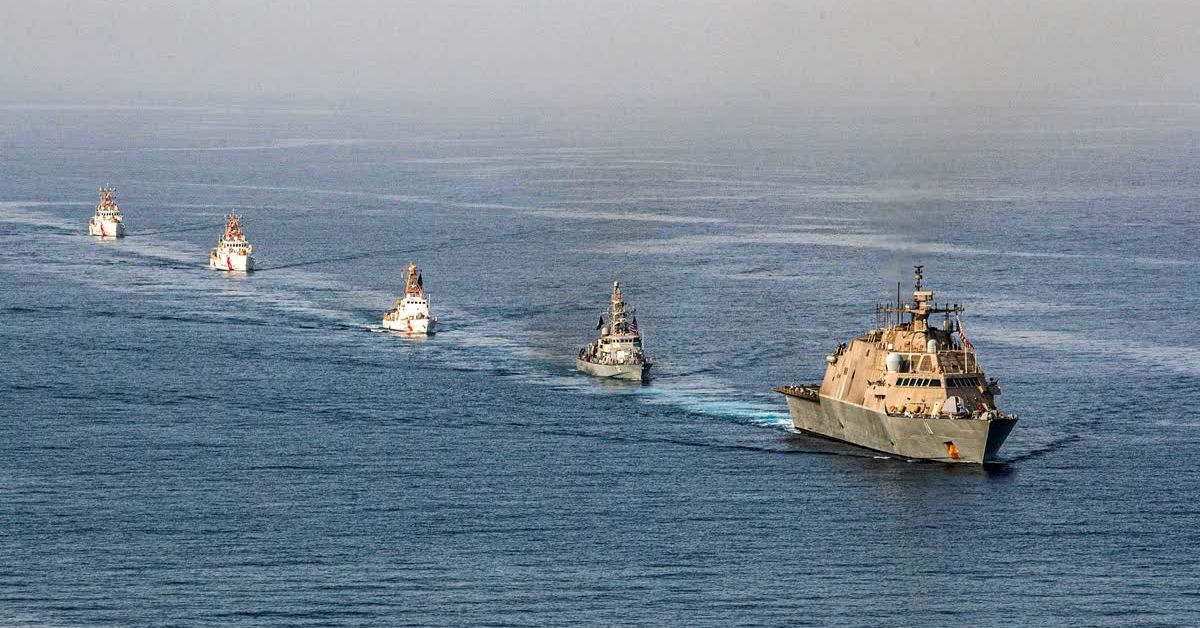
The situation intensified after U.S. President Donald Trump publicly stated that American forces have secured full operational control over the Strait of Hormuz. His remarks came amid reports of increased naval deployment in the region, including minesweeping operations and surveillance missions aimed at maintaining open shipping lanes.
Strait of Hormuz
The Strait of Hormuz is widely regarded as one of the most strategically important waterways in the world. Nearly one-fifth of global oil consumption passes through this narrow channel, connecting the Persian Gulf with international markets. Any disruption in this region immediately affects global energy supply chains, making it a focal point during geopolitical conflicts.
Strait of Hormuz and Rising Military Tensions
Despite claims of control from Washington, the reality on the ground appears far more complex. Iran has continued to assert its own authority over the region, leading to overlapping enforcement zones and increased risks for commercial shipping.
Iranian naval forces recently intercepted and seized two container vessels, reportedly citing violations of maritime regulations. According to officials, the ships were accused of disabling navigation tracking systems and entering restricted waters without authorization.
These actions have raised concerns among global shipping companies, many of which are now reassessing routes and insurance risks. Maritime experts warn that continued confrontations could lead to a slowdown in cargo movement, further straining already fragile global supply chains.
Strait of Hormuz Disruption and Naval Operations
Military officials have indicated that the situation could persist for an extended period. Reports suggest that sea mines may have been deployed in parts of the waterway, complicating navigation and requiring extensive clearance operations.
Clearing such hazards is a time-consuming process. Defense analysts estimate that it could take several months to fully secure affected zones, depending on the number and sophistication of the devices used.
Naval units have increased patrol frequency, and minesweeping operations are underway. However, the presence of both U.S. and Iranian forces operating in close proximity increases the likelihood of miscalculation or accidental escalation.
Economic Impact of Strait of Hormuz Crisis
The economic consequences of the current crisis are already being felt. Oil prices have surged significantly, nearing the $100 per barrel mark as traders react to potential supply disruptions.
Energy markets are particularly sensitive to developments in the Strait of Hormuz, given its role as a key transit route for crude oil exports from major producers in the Middle East.
Analysts note that even the perception of instability can trigger price volatility. In this case, the combination of vessel seizures, military presence, and uncertainty around shipping safety has created a strong upward pressure on prices.
Higher energy costs have a cascading effect on global economies. Increased fuel prices translate into higher transportation costs, which can lead to inflation across various sectors, including food, manufacturing, and logistics.
Strait of Hormuz and Global Trade Concerns
Beyond oil, the Strait of Hormuz is also vital for the movement of goods and commodities. Container ships carrying consumer products, industrial materials, and essential supplies pass through the region daily.
With rising tensions, shipping companies are exploring alternative routes, though these often come with higher costs and longer transit times. Insurance premiums for vessels operating in the area have also increased, reflecting the heightened risk.
Trade experts warn that prolonged disruption could impact global commerce, particularly for economies heavily dependent on imports and exports through this route.
Diplomatic Uncertainty and Regional Stability
Efforts to de-escalate the situation have so far yielded limited results. Diplomatic channels remain active, but progress has been slow, with both sides maintaining firm positions.
Recent developments in the broader region have added another layer of complexity. While some ceasefire agreements have been discussed in neighboring areas, sporadic clashes continue to be reported, highlighting the fragile nature of regional stability.
The lack of clear resolution increases uncertainty for policymakers, businesses, and investors alike. Governments are closely monitoring the situation, with some considering strategic reserves and contingency measures to mitigate potential impacts.
Strait of Hormuz and Energy Security Risks
Energy security has become a central concern as the crisis unfolds. The Strait of Hormuz serves as a lifeline for many countries that rely on oil imports, particularly in Asia and Europe.
Disruptions in this region can force nations to seek alternative sources or tap into reserves, both of which come with economic and logistical challenges.
Experts emphasize that the current situation underscores the vulnerability of global energy infrastructure. Dependence on a limited number of transit routes increases exposure to geopolitical risks, making diversification a long-term priority for many countries.
Long-Term Outlook for Strait of Hormuz Situation
Looking ahead, the duration and outcome of the crisis remain uncertain. While military operations may stabilize certain aspects of the situation, underlying political tensions are unlikely to be resolved quickly.
Market analysts believe that volatility in oil prices could persist in the near term, particularly if incidents such as vessel seizures or naval confrontations continue.
Shipping companies, energy firms, and governments are expected to adapt strategies based on evolving conditions. This may include route diversification, increased security measures, and investment in alternative energy sources.
Conclusion
The ongoing developments in the Strait of Hormuz highlight the intricate balance between geopolitical strategy, economic stability, and global energy security. While claims of control may project confidence, the reality on the ground reflects a complex and evolving situation.
As tensions continue, the world watches closely, aware that the outcome will have far-reaching implications not only for the region but for global markets and international relations as a whole.
For more updates, read the latest news on Digital Chew.