


Key takeaways:
- A viral clip shows a bag flying from an upstairs window at the White House.
- Former President Trump calls the clip a fake White House video, likely made by AI.
- He points out all White House windows are sealed and bulletproof.
- The exchange highlights how AI can spread misleading content.
What Happened in the White House Video?
A new White House video has gone viral online. It shows someone tossing a dark bag from an upstairs window. People see the bag falling fast toward the ground. The clip sparks questions and worries about security and truth.
The video circulates on social media and news sites. Many viewers wonder if it is real or just a trick. Some believe it shows a real incident at the residence. Others suspect it is a deepfake.
Why Trump Calls the White House Video Fake
When asked about the clip, former President Trump dismissed it on camera. He said he had not seen it before but had to deny it. According to him, the video is “probably AI-generated.” He then explained why the clip could not show reality.
First, Trump reminded everyone that White House windows are bulletproof. He said you cannot open them by hand. Second, he noted the windows weigh around 600 pounds each. He added it would take a strong person to lift one. Finally, he said many cameras cover the entire area. Therefore, any real event would be caught on tape.
Trump also joked that if something bad happens, people blame AI. He said this clip falls into that category. He argued no one could open those heavy, sealed windows to throw a bag out.
How AI Can Create Fake Videos
As technology advances, AI tools become more powerful. They can generate moving images that look real. Meanwhile, many apps let users design realistic scenes in minutes. Sometimes these scenes mix real faces with fake actions. As a result, deepfake videos can fool viewers.
Moreover, AI can match lighting, shadows, and sound. This boosts the illusion that a clip is true. Consequently, viewers might share it without checking the source. Also, social media algorithms push popular clips to more people. So one fake White House video can spread fast.
However, experts say a few signs can spot a deepfake. Check for odd facial movements or mismatched shadows. Listen for unnatural audio or sudden changes in voice pitch. In this case, the heavy window claim serves as a practical test. If the window is sealed, the scene must be fake.
What Makes White House Windows Unique
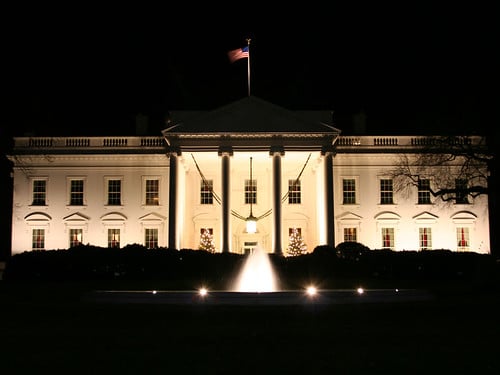
The White House is a secure building. Over the years, leaders added safety features. One main upgrade is bulletproof glass on every window. This glass keeps guests and residents safe from outside threats.
Also, these windows are sealed tightly for extra protection. They help control air flow and temperature. In fact, Trump said his wife wished for fresh air but could not open them. This detail shows how strong the seals are.
Each window in the residence section weighs about 600 pounds. Maintenance crews need special tools to remove them. No one can lift a window from the inside without help. This fact alone makes the viral White House video impossible.
The Bigger Picture on AI and Truth
The rise of AI deepfakes raises new challenges for news and public trust. On one hand, this tech can help make movies more real or aid medical research. On the other hand, it can also spread false stories that damage reputations.
Therefore, every viral clip now faces more scrutiny. Viewers must ask: Who made this video? What is the source? Is there any proof beyond the clip itself? Asking these questions slows down the viral spread of lies.
Besides, news outlets and social platforms work on better tools. They aim to spot AI fakes before harm spreads. Some tools check for signs of editing or pixel errors. Others use blockchain or watermark systems to mark real footage.
Still, no system is perfect. That is why interviews and on-site checks remain vital. In this case, Trump’s direct answer helped settle doubts. His knowledge of the building gave him authority to comment.
Lessons Learned from the Viral Clip
First, don’t trust everything you see online. Just because a video looks real does not mean it is. Second, check if any expert or eyewitness has weighed in. In this case, the former president knew about window specs. That made his denial strong.
Third, think about the setting. A White House window is not like a home window. Understanding context helps you judge a clip’s trustworthiness. Lastly, stay curious but critical. Learning about tech risks makes you a smarter viewer.
Moving Forward: Guarding Against Fake Videos
To protect yourself, follow these steps when you spot a strange clip:
• Pause before sharing. Take a moment to verify what you watched.
• Search for reliable reports. Look for trustworthy news outlets or official statements.
• Watch for small errors. Odd shadows or mismatched audio can signal a deepfake.
• Learn about the location. Knowing building features, like bulletproof windows, can help.
• Use fact-checking sites. They often analyze viral videos and reveal truths.
By taking these actions, you make it harder for fake videos to go viral. You also help others by not spreading unverified content.
Wrapping Up
The viral White House video debate shows how easily people can be fooled. Yet, with a few checks, we can spot a deepfake. In this case, sealed windows and camera coverage made the clip impossible. Moreover, Trump’s own words underlined the point. As AI technology grows, so does the risk of misleading clips. However, fact-checking, expert views, and common sense can keep truth alive.
Frequently Asked Questions
How can you tell if a White House video is real?
Look for signs of editing, odd lighting, and mismatched audio. Also, check official statements or news reports.
Are White House windows really bulletproof and sealed?
Yes. They use heavy bulletproof glass that weighs hundreds of pounds and cannot open by hand.
Why do people make fake AI-generated videos of the White House?
Some aim to trick viewers or spread false stories. Others test tech or seek online attention.
What can viewers do to avoid sharing hoax videos?
Pause before sharing, verify with reliable sources, and watch for visual or audio glitches in the clip.