


Key takeaways:
- Brazil’s Supreme Court will rule on the Bolsonaro coup verdict by September 12.
- If convicted, Bolsonaro faces decades behind bars for plotting to overturn an election.
- Around the world, failed coup leaders face varied punishments, from exile to execution.
- Punishing a former president could deter future power grabs but may not end threats.
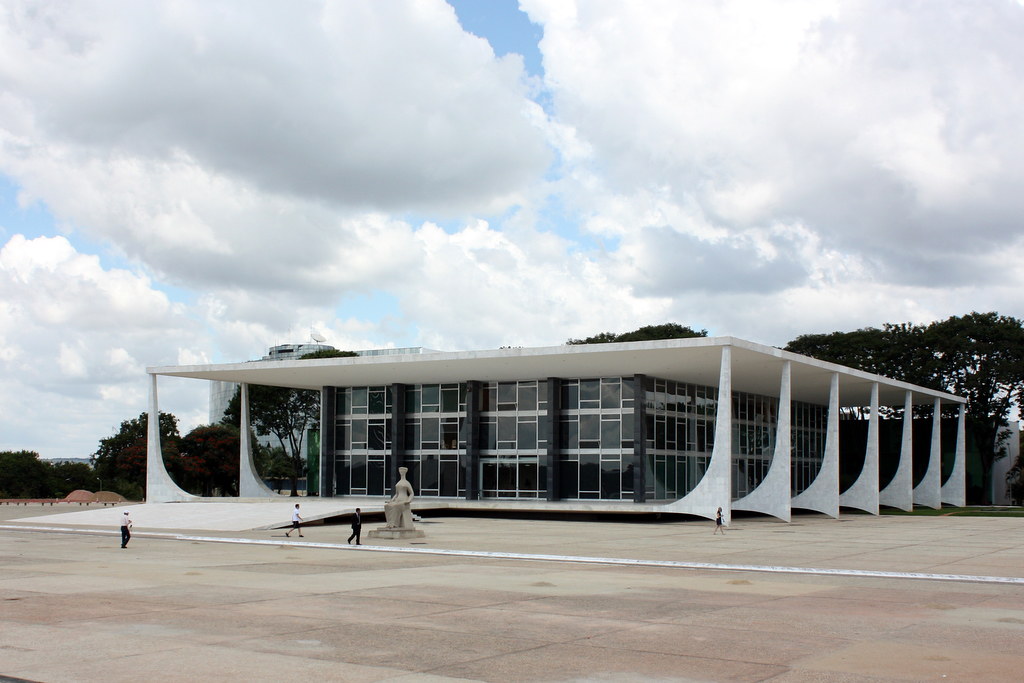
Brazil’s highest court will soon decide the fate of former President Jair Bolsonaro. Prosecutors say he plotted a coup to reject his 2022 election loss. They also allege he discussed killing President Lula da Silva. Meanwhile, his supporters launched violent riots on January 8, 2023. Bolsonaro denies all charges. However, a guilty verdict could mean 40 or more years in prison. As a result, Brazil may end up setting a global example for holding failed coup plotters accountable.
Understanding the Bolsonaro coup verdict
The Bolsonaro coup verdict revolves around two main accusations. First, Bolsonaro and allies allegedly planned to block vote counts and install him in power. Second, they are accused of inciting the January 8 mob to pressure the military. Prosecutors claim private messages reveal their scheme. In court, witnesses have described secret meetings. Bolsonaro’s defense argues the messages lack proof of a real plot. Nevertheless, judges must weigh all evidence by September 12. If they find him guilty, the former president could lose his political rights. Therefore, he could never run for office again.
How failed coups are punished
Across history, failed coups bring harsh consequences. Yet the severity depends on the country and type of coup. Self-coups involve a sitting leader seizing more power. In these cases, removal from office or impeachment is common. For example, Indonesia’s president was impeached in 2001 after a self-coup attempt. Peru’s leader faced removal in 2022 for similar actions. In contrast, plotters aiming to oust a government often face prison or death. Some are killed on the spot. Christian Malanga, who tried to seize power in Congo, died in a shootout. Meanwhile, his American co-conspirators received life sentences.
Often, punishments vary. About 40 percent of coup plotters only face light penalties. They may be demoted or sent into exile. Former Haitian president Dumarsais Estimé was forced abroad after his failed self-coup in 1950. In Zaire, Mobutu Sese Seko executed dozens of junior officers after a 1978 plot. Thus, the fate of a failed coupist can range from mild to deadly.
Why punishment may not end the threat
Punishing a failed coup leader does not always stop him from plotting again. Exiled figures can plan counter-coups from abroad. Ferdinand Marcos, the Philippines’ ousted president, tried several comeback attempts after 1986. Although he never returned to power, his actions unsettled Philippine politics. Sometimes plotters succeed in a later effort. Jerry Rawlings led a failed coup in Ghana in 1979 but seized power in two later operations. Even imprisonment does not always end ambition. Hugo Chávez was jailed for a failed 1992 coup in Venezuela. Then in 1998, he won the presidency. Consequently, putting failed coup leaders behind bars is only part of the solution.
Lessons from past coup attempts
History shows that leaders often dodge justice or return to power. In El Salvador, Nayib Bukele threatened a self-coup in 2020. Despite armed soldiers surrounding the legislature, he faced no real backlash. His party later gained a supermajority and lifted term limits. Now Bukele could rule for life. Similarly, Donald Trump tried to overturn his election loss in 2020. Yet he faced no legal punishment and later won the presidency again. In contrast, a firm conviction can block a political comeback. If the court hands down a guilty Bolsonaro coup verdict, he may never run again. Even an amnesty bill in Brazil would not erase a guilty record under current law.
What happens next for Brazil
With the Bolsonaro coup verdict due by September 12, political tension runs high. Supporters and opponents both plan rallies around the decision. Judges will review months of testimony and thousands of documents. After the verdict, Brasilia could see mass protests either way. If convicted, Bolsonaro will likely appeal to Brazil’s Supreme Federal Court. He may also ask for a presidential pardon. Meanwhile, his potential prison term could keep him out of politics for years. On the other hand, an acquittal would boost his supporters and weaken Lula’s government. In either scenario, Brazil’s democracy faces a critical test.
Ultimately, the Bolsonaro coup verdict will have long-term effects. A conviction would signal that even ex-presidents face justice. It could deter other leaders from attempting power grabs. However, if Bolsonaro escapes punishment, he may rally his base for future elections. Therefore, many Brazilians watch closely, hoping the rule of law prevails.
FAQs
What could happen if Bolsonaro is found guilty?
A guilty verdict could send him to prison for decades. It would also strip him of his political rights, making him ineligible to run for office again. Even if pardoned later, he would still have a criminal record that blocks future campaigns.
Could Bolsonaro’s supporters react violently?
Possibly. Bolsonaro’s base has shown strong loyalty and willingness to protest. Mass rallies or clashes with police could erupt if they believe the verdict is unfair. Security forces may need to prepare for unrest.
Is there a chance Bolsonaro will be acquitted?
Yes. His defense argues the evidence is weak and the charges politically motivated. If judges find doubts about the plot’s reality, they could vote for acquittal. Political pressure could also influence the outcome.
How will this verdict impact Brazil’s democracy?
A conviction would strengthen the idea that no one is above the law. It could deter future coup attempts and reinforce democratic norms. Conversely, an acquittal might embolden other leaders to challenge election results.