


Quick Summary: Alphabet Breaks Borrowing Records to Fund AI Expansion in Global Markets
- Hyperscalers’ non-dollar issuance has doubled to 30% of their bond funding this year, highlighting a shift in financing strategies.
- Alphabet set borrowing records in yen, Canadian dollars, Swiss francs, and sterling, marking a significant change in corporate debt issuance.
- Amazon’s 14.5 billion euro bond sale was the largest ever in the euro corporate bond market, underscoring the scale of AI investment.
- Bankers expect the pace of AI capital spending and overseas bond issuance to accelerate over the next 12 months.
- AI-linked borrowing is creating new concentration risks, with heavy issuance potentially pressuring bond performance.
Source: Read original article
In a bold move that is reshaping the global bond markets, Alphabet and Amazon are leading the charge in AI debt sales, turning Europe, Japan, and Switzerland into major funding hubs. This strategic shift is not just a financial maneuver but a structural transformation in how these tech giants fund their AI infrastructure investments.
The numbers speak for themselves. Amazon’s record-breaking 14.5 billion euro bond sale in March was the largest in the euro corporate bond market, while Alphabet has set new borrowing records across multiple currencies. This isn’t just a temporary detour; it’s a calculated strategy to leverage international markets for AI expansion.
As AI capital spending intensifies, bankers predict a continued surge in overseas bond issuance. This trend is not without risks, as the concentration of AI-linked borrowing could lead to volatility. Yet, the potential for growth and innovation in AI infrastructure is driving these companies to explore new financial landscapes.
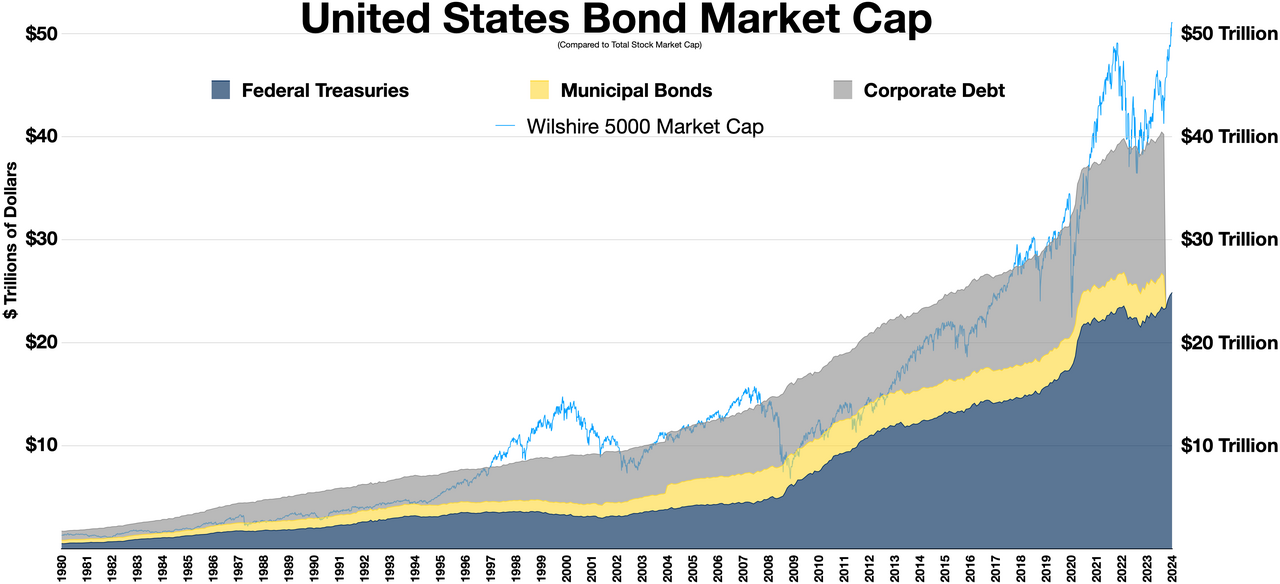
With hyperscalers’ non-dollar issuance doubling to 30% of their total bond funding, the landscape of corporate debt is evolving rapidly. As more U.S. companies consider following Alphabet and Amazon’s lead, the question remains: will overseas bond markets become a permanent fixture in AI financing?
Bank of America data cited by Reuters shows hyperscalers’ non-dollar issuance has doubled to 30% of their total bond funding this year, underscoring how fast the financing mix is changing. Morgan Stanley expects about 50 billion euros of total euro borrowing from hyperscalers this year, according to Reuters, a volume large enough that it could help the United States overtake France as the euro zone’s biggest source of overall corporate debt.
5 billion euro bond sale in March, which Reuters says was the largest ever deal in the euro corporate bond market, while Alphabet has simultaneously set borrowing records in yen, Canadian dollars, Swiss francs and sterling. companies in euros to more than 60 billion euros this year, another record.
If that continues through 2026, the next big development will be whether overseas bond markets become a permanent financing base for AI infrastructure rather than a one-off funding detour. Amazon’s record euro transaction came in March 2026; by the end of April, Alphabet had already climbed into the top tier of sterling and Swiss franc borrowers; and Reuters’ June 1 analysis says bankers now expect the pace to accelerate over the next 12 months as AI capital spending intensifies.
-only story: the key new development in Reuters’ June 1 report is that Alphabet and Amazon are now using overseas bond markets at record scale, turning Europe, Japan and Switzerland into major funding hubs for the AI buildout and reshaping who dominates corporate debt issuance worldwide. Reuters frames this as part of a push by “hyperscalers” to fund what bankers say will be trillions of dollars of AI infrastructure investment, especially data centers, over the coming years.
The central tension is that the same AI-linked borrowing boom drawing investors into these bonds is also creating a new concentration risk. Reuters reports that these companies are often keeping the money in the currencies they raise rather than swapping it back into dollars, which suggests this is tied to real overseas asset and data-center exposure, not just financial engineering.
With hyperscalers’ non-dollar issuance doubling to 30% of their total bond funding, the landscape of corporate debt is evolving rapidly. 5 billion euro bond sale in March, which Reuters says was the largest ever deal in the euro corporate bond market, while Alphabet has simultaneously set borrowing records in yen, Canadian dollars, Swiss francs and sterling.
The central tension is that the same AI-linked borrowing boom drawing investors into these bonds is also creating a new concentration risk. Alphabet set borrowing records in yen, Canadian dollars, Swiss francs, and sterling, marking a significant change in corporate debt issuance.
The scale and speed of this development has caught many observers off guard. Each new update adds another dimension to a story that is still unfolding, and the full picture will only become clear as more verified details emerge from the people and institutions directly involved.
Analysts who have tracked this issue closely say the current moment represents a genuine turning point. The decisions made in the coming weeks are expected to set the direction for months ahead, with ripple effects likely to extend well beyond the immediate actors in the story.
For those directly affected, the practical impact is already visible. People navigating this fast-changing situation are dealing with real consequences while new information continues to reshape what is known and what remains open to interpretation.
Historical parallels offer some context, though experts caution against drawing too close a comparison. Similar situations have played out before, but the specific combination of pressures, personalities, and timing here makes this moment distinct in ways that matter for how it ultimately resolves.
The political and economic dimensions of this story are deeply intertwined. What appears as a single event on the surface is in practice the convergence of multiple pressures that have been building quietly over a longer period than most public reporting has captured.