64.6 F
San Francisco
Friday, May 15, 2026
Home Blog Page 1027

USIP Clash: Trump Admin Sees Pushback and Possible Charges

0

Introduction:

In a tense showdown, the U.S. Institute for Peace (USIP) found itself at odds with the Trump administration. After President Trump ordered the institute to scale back operations, some officials openly resisted, leading to barricades, damaged property, and a potential criminal investigation by the DOJ. Here’s a breakdown of the situation.

The Conflict:

The U.S. Institute for Peace, established in 1984 to promote diplomatic solutions globally, faced a directive from the Trump administration to limit activities. This order was met with fierce resistance from some officials within USIP.

The Resistance:

When Trump’s officials arrived to enforce the directive, they were refused entry. Former USIP officials barricaded the building, damaging locks and disabling communication systems. Flyers were distributed, instructing staff not to cooperate with the incoming administration. These actions led to a police intervention and a standoff.

The Legal Battle:

The DOJ launched an investigation into potential criminal charges for the ex-officials involved. The White House defended their actions, stating the board members were lawfully removed for non-compliance. Courts sided with the administration, allowing the takeover of USIP, which ex-officials challenged, claiming Trump overstepped his authority.

The Mission and Budget:

USIP, with a mission to prevent violent conflicts, is currently seeking over $55 million for its 2025 operations. The conflict raises questions about its future under the Trump administration.

What’s Next?

The legal battle continues, with the ex-officials suing to halt the takeover. The courts will decide the extent of Trump’s authority over such organizations, setting a precedent for future administrations.

Conclusion:

The clash between USIP and the Trump administration highlights the tensions between bureaucratic resistance and executive authority. As the legal proceedings unfold, the outcome may significantly impact how such organizations operate under presidential directives.

Homeland Security Chief Visits El Salvador Amid Deportation Push

0

Key Takeaways:

  • Homeland Security Secretary Kristi Noem visits El Salvador to inspect a detention center.
  • Recent transfer of hundreds of illegal aliens to the center from the U.S. highlighted.
  • Meetings with officials in Colombia and Mexico part of broader deportation strategy.
  • Focus on targeting violent gang members, particularly Tren de Aragua.
  • Administration encourages self-deportation through campaigns and a mobile app.

Homeland Security Secretary Kristi Noem Embarks on Latin America Tour

Homeland Security Secretary Kristi Noem is set to visit El Salvador’s Terrorism Confinement Center, marking a significant step in the Trump administration’s aggressive deportation efforts. This visit follows the recent transfer of hundreds of illegal aliens to the center and includes stops in Colombia and Mexico.


A Closer Look at the Visit and Meetings

Secretary Noem’s tour of the detention center alongside Salvadoran Justice Minister Héctor Gustavo Villatoro underscores the U.S.’s commitment to addressing illegal immigration. Her meetings with El Salvador’s President Nayib Bukele, Colombian President Gustavo Petro, and Mexican President Claudia Sheinbaum highlight the region-wide focus on combating criminal activity.


Targeting the Tren de Aragua Gang

The Trump administration has designated Tren de Aragua, a violent Venezuelan gang, as a terrorist organization. This designation enables enhanced efforts to arrest and deport gang members involved in crimes like murder and drug trafficking. Recent arrests of 68 gang members indicate the administration’s resolve.


Broader Deportation Campaign and Self-Deportation Encouragement

Beyond targeting criminals, DHS encourages illegal immigrants to leave voluntarily through an ad campaign and the CBP Home app. While the administration emphasizes removal, Secretary Noem suggests that leaving now might offer future opportunities for legal re-entry.


Mixed Reactions to the Deportation Push

Supporters applaud the tough stance on illegal immigration, viewing it as crucial for public safety. Critics argue for comprehensive reform and addressing root causes. Others highlight humanitarian concerns and the need for due process.


Secretary Noem’s tour and the administration’s actions reflect a strategic approach to immigration enforcement, seeking to balance security with humanitarian considerations. As the situation evolves, reactions remain divided, with ongoing debates on the most effective solutions.

Washington D.C. Commuters Face Office Challenges as They Return to Work

0

The streets of Washington, D.C., are buzzing again as commuters return to their offices. But the shift back to in-person work has revealed some big problems left behind when everyone worked remotely during the COVID-19 pandemic.

Here’s what you need to know:

  • Many offices are outdated and not ready for workers to return.
  • Parking and transportation are now a big hassle.
  • Childcare options are still limited, causing stress for working parents.
  • Federal workers are struggling to adjust to these challenges.

The Push to Return to the Office

After years of working from home, federal employees in Washington, D.C., are heading back to their desks. President Donald Trump’s administration and local leaders made returning to the office a top priority. But as people trickle back, they’re finding out that things aren’t as smooth as they hoped.

One major issue is the state of the offices themselves. Many government buildings were empty for years, and their outdated technology and old systems are causing headaches for workers. Imagine trying to do your job with slow computers or unreliable internet—it’s frustrating for everyone.


The Problem with Parking and Transportation

Another challenge is parking and getting to work. During the pandemic, streets were quieter, and parking was easier. Now, with more people driving back to the city, parking spots are scarce. Commuters are spending more time and money on fuel and parking passes, adding to their daily stress.

Public transportation is also struggling to keep up. Some buses and trains are still running on reduced schedules, leaving people waiting longer to get to work. For those who rely on public transit, this can mean longer commutes and less time for personal life.


Childcare Struggles Persist

Working parents are facing another hurdle: finding childcare. During the pandemic, many daycare centers closed or reduced their services. Now, with parents returning to the office, there aren’t enough spots for all the kids. This leaves families scrambling to find reliable childcare, adding to their already busy schedules.


The Impact on Federal Workers

Federal workers are bearing the brunt of these challenges. Many feel overwhelmed as they try to balance their jobs with the stress of commuting, outdated office systems, and limited childcare options. Some employees are calling for more flexible work arrangements, like hybrid schedules, to ease the transition.

Meanwhile, the federal government is trying to address these issues. Updates to office buildings, better parking solutions, and more childcare support are on the agenda. But for now, commuters are dealing with the growing pains of returning to in-person work.


Looking Ahead

As Washington, D.C., adjusts to the new normal, there’s hope for improvement. With time and effort, the city can overcome these challenges and create a better work environment for everyone. For now, commuters are doing their best to navigate the hurdles and make the transition back to the office as smooth as possible.


This shift back to the office is a big change for everyone involved. While there are challenges, there’s also an opportunity to build a better future for workers in Washington, D.C. Let’s see how things unfold in the coming months.

Trump Imposes Tariffs on Venezuela Oil Imports: Here’s What You Need to Know

0

Key Takeaways:

  • The U.S. will impose 25% tariffs on countries buying oil and gas from Venezuela.
  • The tariffs start on April 2 and target trade with these nations.
  • The move aims to pressure Venezuelan President Nicolas Maduro and China.

What’s Happening?

President Donald Trump announced a new plan to punish countries that buy oil and gas from Venezuela. Starting April 2, these countries will face a 25% tariff on their trade with the U.S. This means any nation that imports Venezuelan energy will pay higher taxes on goods they sell to America.

The president shared this news on his social media platform, Truth Social. He said the goal is to increase pressure on Venezuelan leader Nicolas Maduro and China, which has been a major buyer of Venezuelan oil.


Why Is This Happening?

The U.S. has long been critical of Venezuela’s government, led by President Maduro. American officials accuse Maduro of running an authoritarian regime and mismanaging the country’s economy.

By targeting countries that buy Venezuelan oil, the U.S. hopes to cut off a key source of income for Maduro’s government. This could weaken his power and push for political change in Venezuela.

But China is also in the spotlight. As one of the biggest buyers of Venezuelan oil, China’s trade with the U.S. could be heavily impacted. This move may strain relations between Washington and Beijing.


How Does This Affect You?

If you’re in a country that imports Venezuelan oil, your government might face higher taxes on exports to the U.S. This could lead to price increases on goods like electronics, clothes, or other products.

For Americans, this might mean higher prices on imported goods if other countries pass on the costs. However, the U.S. hopes this move will help stabilize the region and promote democracy in Venezuela.


What’s Next?

The tariffs will kick in on April 2, so countries have a few weeks to adjust. Some nations might stop buying Venezuelan oil to avoid the tariffs. Others, like China, might find ways to work around the rules.

The U.S. will likely monitor the situation closely to see if this strategy works. If it does, we might see more economic pressure on Venezuela in the future.

AI Revamps Content Creation: A Balanced Perspective

Key Takeaways:

  • AI tools like ChatGPT are transforming content creation processes.
  • They offer speed and efficiency, making content creation faster.
  • Concerns arise about originality and job security.
  • New opportunities emerge for creators to leverage AI.
  • The future likely holds a blend of human and AI collaboration.

Introduction: The world of content creation is evolving rapidly, with Artificial Intelligence (AI) playing a pivotal role. This article explores how AI is reshaping the landscape, balancing innovation with traditional methods.

What is Happening: AI tools such as ChatGPT are increasingly used in content creation, from drafting articles to generating ideas. These tools allow for quick and efficient content production, enabling creators to focus on other aspects of their work.

Why It Matters: While AI offers speed and cost-effectiveness, it raises concerns about originality and job displacement. However, it also presents opportunities for creators to enhance their work through AI-assisted collaboration.

What’s Next: Looking ahead, the future of content creation may involve a harmonious blend of human creativity and AI efficiency. This collaboration could lead to more innovative and high-quality content.

How It Affects You: Whether you’re a content creator, business owner, or industry professional, understanding AI’s role is crucial. It offers new avenues for growth while challenging traditional practices.

Conclusion: AI is a double-edged sword in content creation, offering benefits and posing challenges. Embracing this change with a strategic approach can help navigate the evolving landscape effectively.

This structured approach ensures a comprehensive exploration of AI’s impact on content creation, providing a balanced view of its implications and future possibilities.

Top Trump Officials Expose National Security Secrets in Stunning Leak

0

Key Takeaways:

  • High-ranking Trump administration officials accidentally revealed sensitive national security discussions.
  • The leak involved Vice President JD Vance, Defense Secretary Pete Hegseth, and National Security Adviser Mike Waltz.
  • The discussion was about recent strikes against the Houthi terror group in Yemen.
  • The Atlantic editor Jeffrey Goldberg exposed the breach after being mistakenly added to a private chat.

A Stunning Mistake with Serious Consequences

In a shocking turn of events, top officials in the Trump administration have made a grave error that could have far-reaching implications for national security. A private message chain detailing sensitive discussions about military strikes against the Houthi group in Yemen was accidentally shared with a journalist. This slip-up has raised concerns about how classified information is handled at the highest levels of government.

Jeffrey Goldberg, editor-in-chief of The Atlantic, revealed the alarming mistake in a recent article. On March 11, Goldberg received a message from Mike Waltz, the national security adviser, inviting him to join a private chat on the messaging app Signal. The chat was titled something innocuous, but its content was anything but.

Unbeknownst to Waltz, Goldberg was not meant to be part of this conversation. The chat included Vice President JD Vance and Defense Secretary Pete Hegseth, among other high-ranking officials. The group was discussing recent military actions against the Houthi terror group, a militia based in Yemen that has been designated as a terrorist organization by the U.S. government.


What Does This Leak Mean?

The leak is a worrying sign of how easily sensitive information can be exposed, even at the highest levels of government. National security is one of the most critical responsibilities of any administration, and breaches like this can undermine trust and put lives at risk.

Goldberg’s involvement adds another layer to the story. As a journalist, he has a responsibility to report on matters of public interest. However, he also faced a difficult decision: Should he reveal the leak publicly or keep quiet to protect national security? In the end, Goldberg chose to expose the breach, arguing that the public has a right to know how their leaders are handling sensitive information.


The Houthi Group and Why It Matters

The Houthi group, officially known as Ansar Allah, has been a major player in Yemen’s civil war since 2015. The U.S. government has accused the group of carrying out violent attacks, including targeting American allies in the region. Recent strikes against the Houthis suggest that the Trump administration is taking a more aggressive approach to countering the group’s influence.

However, the details of these military operations are typically classified to protect operational security and prevent retaliation. By accidentally sharing this information, the administration may have put troops, allies, and the entire operation at risk.


A Journalist’s Dilemma

Jeffrey Goldberg found himself in an unusual position when he realized he had been added to the private chat. As a journalist, he understood the significance of the leak and the potential consequences of reporting it. However, he also knew that the public has a right to know when their leaders are mishandling sensitive information.

Goldberg’s decision to write about the leak has sparked debate. Some argue that he did the right thing by holding the administration accountable for its mistake. Others believe he should have kept quiet to avoid further damage to national security.


What Happens Next?

The leak has already sparked calls for an investigation into how this breach occurred.Questions are being raised about the security protocols in place to protect classified information. This incident is a stark reminder of how easily mistakes can happen, even at the highest levels of government.

Meanwhile, the Trump administration has yet to comment on the matter. Officials are likely scrambling to assess the damage and prevent further leaks. The situation is a clear wake-up call for the importance of vigilance when handling sensitive information.


Conclusion: A Lesson in Accountability

This stunning leak is a reminder that no one is above mistakes, not even the most powerful officials in the country. While the Trump administration works to address the fallout, the incident serves as a lesson in accountability and transparency.

The public deserves to know how their leaders are handling matters of national security. At the same time, those in power must do everything in their power to protect sensitive information. This incident highlights the delicate balance between accountability and security—and the high stakes involved when that balance is disrupted.

In the end, this leak is more than just a headline. It’s a call to action for greater scrutiny and better safeguards to ensure that national security is never again compromised so carelessly.

Stock Market Rebounds as Tech Stocks Soar, Tariff Fears Ease

0

Key Takeaways:

  • The stock market bounced back on Monday after investors became less worried about the impact of President Trump’s tariffs.
  • Tech stocks, especially those hit hard by tariff concerns, led the rally.
  • Tesla had its best day on Wall Street in over four months.
  • Investors are starting to think tariffs might not be as damaging as initially feared.

Stock Market Takes a Breath of Relief

The stock market is always full of surprises, and Monday was no exception. After weeks of uncertainty, the market rebounded strongly. Investors seemed to feel better about the situation with President Trump’s tariffs.

At first, many people thought tariffs would hurt the economy and slow down businesses. But now, it looks like the impact might not be as bad as everyone feared. This shift in thinking gave the market a much-needed boost.

Tech stocks, which had been struggling because of tariff worries, were the biggest winners. Companies like Tesla, Amazon, and Google’s parent company, Alphabet, saw their stock prices rise sharply.


Why Tech Stocks Are Back in the Spotlight

Tech stocks are some of the most popular and influential in the market. When they do well, the market often follows. On Monday, these companies led the charge.

Tesla, for example, had its best day in over four months. Investors were excited about the company’s future prospects, and the stock price reflected that optimism. This was a big turnaround for Tesla, which had been through a rough patch recently.

Other tech giants also saw their stock prices rise. This shows that investors are regaining confidence in the sector. Many experts believe tech companies are strong enough to handle challenges like tariffs.


Tariffs: The Big Fear That’s Starting to Fade

Tariffs, or taxes on imported goods, have been a major concern for investors. President Trump introduced tariffs on products from countries like China, which led to worries about higher costs and slower economic growth.

However, as time goes on, investors are realizing that the tariffs might not be as harmful as they initially thought. Some companies are finding ways to adapt, like moving production to countries where tariffs don’t apply. Others are absorbing the extra costs rather than passing them on to consumers.

As a result, the fear of tariffs is starting to fade. This has given investors more confidence to buy stocks again, especially in industries like tech that were hit hard by tariff concerns.


What This Means for Investors

For regular people who invest in the stock market, Monday’s rally was a welcome sign. It suggests that the economy is still strong, and companies are finding ways to thrive even with tariffs in place.

Of course, the stock market is always unpredictable. Just because things looks good now doesn’t mean there won’t be more ups and downs. But for the moment, it seems like investors are feeling hopeful again.


The Road Ahead

The stock market is like a rollercoaster—full of ups and downs. While Monday’s rally was exciting, it’s important to remember that the market can change quickly.

As investors move forward, they’ll be keeping a close eye on how tariffs impact the economy. They’ll also be watching tech companies to see if they can continue to lead the market higher.

For now, though, it looks like the stock market is taking a step in the right direction. And that’s good news for everyone who invests in it.

Trump Praises Bezos for Making Washington Post More Fair

0

Key Takeaways:

  • Donald Trump shared details of a conversation with Jeff Bezos, owner of The Washington Post.
  • Trump called Bezos a “good guy” and praised his efforts to make the outlet’s coverage more balanced.
  • Bezos recently made significant changes to the Post’s opinion section.
  • The two discussed how to improve fairness in media reporting.

President Donald Trump recently opened up about his conversation with Jeff Bezos, the billionaire owner of The Washington Post. During an interview with Clay Travis of OutKick radio, Trump shared his thoughts on Bezos and the changes happening at the Post. This conversation has sparked interest, given their influential roles in media and politics.

Trump Praises Bezos for Pushing Fairness

Trump described Bezos as a “good guy” during the interview. He also praised Bezos for making The Washington Post more balanced in its reporting. Trump said Bezos deserves credit for trying to make the outlet’s opinion section fairer. This is a significant comment, as Trump has often criticized the media for bias.

Bezos Makes Big Changes

Bezos, who is also the founder of Amazon, has been making waves by shaking up the Post’s opinion section. He wants the outlet to include a wider range of voices and perspectives. This move could signal a shift in how the Post covers politics and other controversial topics.

What Does This Mean for the Media?

Trump’s comments suggest he believes Bezos is taking steps in the right direction. He thinks the media should strive for fairness and balance. Trump has long accused outlets like the Post of being biased against him and his policies. Now, he seems to think Bezos is working to change that.

Trump and Bezos: An Interesting Relationship

Trump and Bezos have had a complicated relationship over the years. While they have disagreed on many issues, Trump acknowledged Bezos’s efforts to improve the Post. This could indicate a softer tone between the two influential figures.

Bezos’s Role in Shaping Media

As one of the richest people in the world, Bezos has the power to shape the media landscape. His changes at the Post reflect his desire to create a more balanced outlet. This could have a big impact on how news is reported and consumed.

A New Era for the Washington Post?

The changes at the Post might mark a new chapter for the outlet. With Bezos at the helm, the paper could become a model for balanced journalism. Trump’s praise suggests this shift is getting attention from high places.

Conclusion

Trump’s comments on Bezos and the Post highlight the ongoing debate about media bias. While it remains to be seen how these changes will play out, one thing is clear: Bezos is making moves to reshape the media landscape. Whether this leads to a more balanced press is something many will be watching closely.

23andMe Files for Bankruptcy, CEO Steps Down

0

Key Takeaways:

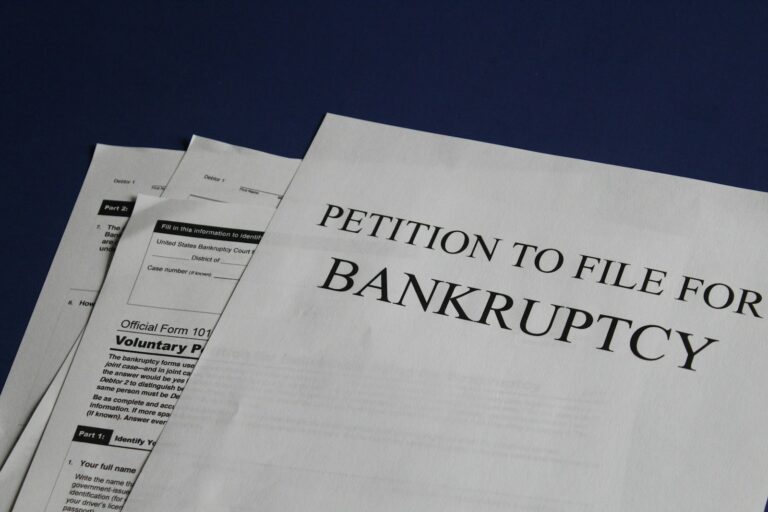
  • 23andMe Files for Chapter 11 Bankruptcy
  • Co-Founder and CEO Anne Wojcicki Resigns
  • Company Aims to Sell Assets and Cut Costs

Introduction: 23andMe, a well-known genetic testing company, has recently filed for Chapter 11 bankruptcy. This decision comes as the company faces financial struggles and aims to restructure. In a significant move, co-founder and CEO Anne Wojcicki has stepped down but will remain involved as a board member. This article explores the reasons behind this decision, the company’s next steps, and what this means for its future.

Understanding Chapter 11 Bankruptcy: Filing for Chapter 11 bankruptcy allows a company to restructure while continuing operations. It provides a chance to reorganize debts and explore options like selling assets to regain financial stability. For 23andMe, this means selling most of its assets to address financial challenges.

Why 23andMe is Struggling: The genetic testing market has become increasingly competitive, with numerous companies offering similar services. Additionally, the cost of research and development in genetics is high. 23andMe has likely faced declining sales and rising expenses, leading to this difficult decision.

What’s Next for 23andMe: The company plans to sell its assets through a court-approved process. This could mean new ownership or significant changes in operations. The goal is to find a sustainable path forward, possibly under new management or with a restructured business model.

Anne Wojcicki’s Departure: Anne Wojcicki, who co-founded 23andMe nearly two decades ago, has resigned as CEO. Her leadership has been instrumental in the company’s growth. While she steps down as CEO, she remains committed as a board member, continuing her involvement in shaping the company’s future.

Impact on Employees and Customers: Bankruptcy filings can cause uncertainty for employees regarding job security. Customers may worry about data privacy and the continuity of services. 23andMe will need to reassure its customers and employees during this transition period to maintain trust and loyalty.

Looking Ahead: The future of 23andMe hangs in the balance as it navigates bankruptcy. The company’s vision of making genetic testing accessible faces a critical juncture. Success will depend on effective restructuring and new strategies to regain market position.

Conclusion: 23andMe’s decision to file for bankruptcy and change leadership highlights the challenges in the competitive genetic testing industry. As the company reorganizes, its ability to adapt and innovate will determine its future success. This chapter may mark the end of an era but could also pave the way for a new beginning.

Turkey Protests Surge as Thousands Demand Erdoğan’s Resignation

0

Key Takeaways:

  • Mass protests erupt across Turkey after Istanbul Mayor Ekrem İmamoğlu’s arrest.
  • Demonstrators call for President Recep Tayyip Erdoğan to resign after 20 years in power.
  • Protests enter sixth day, spreading to multiple cities nationwide.
  • Tensions rise as crackdowns on protesters intensify.

Turkish Streets Erupt in Protest Over Mayor’s Arrest

Thousands of protesters flooded the streets of Turkey, demanding an end to President Recep Tayyip Erdoğan’s two-decade rule. This uprising follows the arrest of Istanbul Mayor Ekrem İmamoğlu, a key political rival. Protests have now endured for nearly a week, signaling growing unrest.


Why Are People Protesting?

Protesters are angered by the arrest of Ekrem İmamoğlu, who many see as a threat to Erdoğan’s leadership. His detainment on uncertain charges has ignited fears of political suppression. Demonstrators argue that the move aims to eliminate opposition ahead of crucial elections. They seek free and fair polls and an end to Erdoğan’s tenure.


Who Is Ekrem İmamoğlu?

Ekrem İmamoğlu, Istanbul’s mayor, rose to prominence by winning a crucial election against Erdoğan’s party. His success positioned him as a potential challenger in the 2024 presidential race. Known for his inclusive policies and transparency, İmamoğlu’s popularity has made him a significant figure in Turkish politics.


What’s Happening on the Ground?

Protesters, including young people and families, chant slogans in Istanbul, Ankara, and Izmir. The atmosphere is tense, with occasional clashes between demonstrators and police. Authorities have detained activists, while social media highlights the unrest, drawing international attention.


What’s Next for Turkey?

The protests highlight deep political divisions. As elections approach, the situation could escalate, influencing Turkey’s future. The government dismisses the unrest as minor, but critics warn of rising authoritarianism. The international community watches closely, concerned about democracy and human rights in Turkey.


How Are People Reacting?

Public reaction is mixed. Some support the government, while others feel disillusioned. Opposition parties demand İmamoğlu’s release, seeing his arrest as a political move. Globally, human rights groups urge Turkey to respect freedoms and fair elections.


Conclusion

Turkey’s protests reflect widespread discontent with Erdoğan’s rule. The arrest of Ekrem İmamoğlu has unified opposition forces, potentially impacting upcoming elections. As tensions rise, the world waits to see Turkey’s path forward. Will the government respond with reform, or will the unrest deepen? Only time will tell.