57.6 F
San Francisco
Friday, May 15, 2026
Home Blog Page 1028

Federal Workers Divided on Trump’s Return-To-Office Mandate

0

Key Takeaways:

  • 49% of federal workers support a five-day in-office requirement, while 50% oppose it.
  • 85% of employees who can work remotely oppose returning to the office full-time.
  • Over 25% of remote-capable workers are now looking for new jobs due to the mandate.

Growing Divide Among Federal Employees

A recent survey reveals a clear split among federal workers regarding President Trump’s return-to-office mandate. While some support the idea of working from the office five days a week, others strongly oppose it. The mandate has sparked debates about productivity, work-life balance, and employee satisfaction.

Poll Results Highlight Strong Opinions

The survey shows that opinions are almost evenly split, with 49% in favor and 50% against the five-day office requirement. This slight divide suggests that federal workers have mixed feelings about returning to traditional office settings. However, when focusing on those who can perform their jobs from home, the opposition grows significantly. A staggering 85% of these employees disagree with the mandate, indicating a strong preference for remote work.

Remote Workers Strongly Oppose the Mandate

The mandate has particularly upset those who have grown accustomed to remote work. Many argue that remote work allows them to be more productive and have better work-life balance. As a result, over 25% of remote-capable workers are now searching for new jobs. This high percentage suggests that the mandate could lead to a significant loss of talent in the federal workforce.

What’s Next for Federal Workers and Agencies?

The situation presents a dilemma for federal agencies. On one hand, in-office work can foster collaboration and a sense of community. On the other hand, rigid policies may drive skilled employees away. Agencies must consider the potential consequences of the mandate, including reduced morale and higher turnover rates.

Balancing the Needs of All

The debate over remote versus in-office work is complex. While some employees thrive in an office environment, others find remote work more beneficial. The key is finding a balance that meets everyone’s needs. Federal agencies must weigh the benefits of in-office collaboration against the drawbacks, such as losing valuable employees.

Conclusion: A Changing Workforce

The federal workforce is at a crossroads. The return-to-office mandate has uncovered deep divisions among employees. As agencies navigate this challenge, they must consider the long-term implications of their policies. Striking the right balance will be crucial to maintaining a productive and satisfied workforce in the years to come.
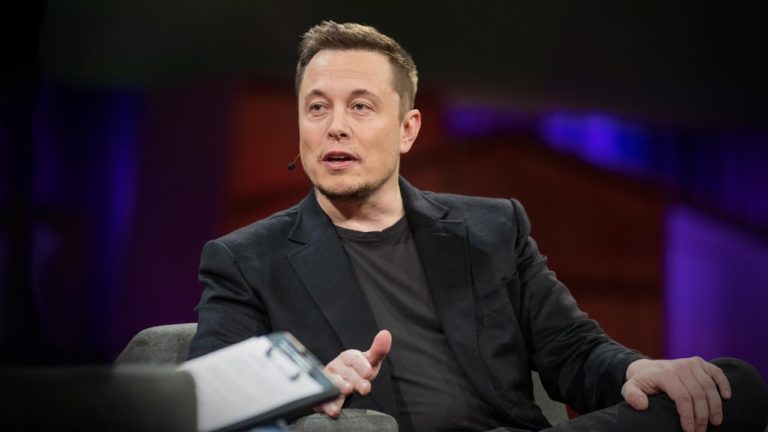
Violent Protests Target Tesla Across US Amid Musk’s Trump Ties

0

Key Takeaways:

  • Violent protests against Tesla have erupted across the US.
  • Incidents include vandalism, shootings, and arson targeting Tesla properties.
  • Elon Musk’s role in advising the Trump administration may be fueling the protests.

What’s Happening: A NationwideWave of Violence

Across the US, a disturbing trend has emerged as protests against Tesla turn violent. Protesters have vandalized charging stations and dealerships, fired bullets into an Oregon showroom, and set cars ablaze at a Las Vegas collision center. These acts of violence mark a concerning escalation in public sentiment towards the electric car giant.

Why Is This Happening? Connecting the Dots

The recent surge in violence appears linked to Elon Musk’s advisory role in the Trump administration’s push to downsize the federal government. Critics view Musk’s involvement as a shift towards controversial policies, prompting outrage that translates into physical attacks on Tesla properties. This backlash underscores the volatile political climate, where corporate leaders’ political ties can ignite public fury.

What Does This Mean? Implications for Tesla and Beyond

The implications stretch far beyond immediate property damage. Tesla’s brand reputation is at risk as the company is increasingly viewed through a political lens. Potential customers may rethink their support, threatening sales and growth. Additionally, these events highlight how corporate leaders’ political involvements can spark unintended consequences, challenging the boundaries between business and politics.

What’s Next? addressing the Fallout

Moving forward, Tesla faces a tough road in repairing its image. The company must balance its business goals with public perception, possibly distancing itself from politically charged environments. Authorities are also under pressure to prevent further violence, ensuring safety and order. The broader question remains: how can companies navigate political landscapes without alienating customers?

As the situation unfolds, the world watches to see if Tesla can weather this storm and whether this signals a new era of corporate political involvement. One thing is clear: the interplay between business and politics has never been more critical—or more perilous.

In conclusion, the violent protests against Tesla serve as a stark reminder of the delicate balance companies must strike in today’s politically charged world. As we await further developments, one question lingers: what does the future hold for Tesla and other corporations entangled in political activism?

Greenland PM Slams US Over Delegation Visit: Tension Rises in the Arctic

0

Key Takeaways:

  • Greenland’s PM accuses the US of interfering in domestic affairs.
  • A US delegation, including Trump’s advisor and the second lady, plans to visit.
  • The visit sparks concerns over Greenland’s autonomy and US interests.

Greenland PM Criticizes US Delegation Visit

In a display of diplomatic tension, Greenland’s Prime Minister Múte B Egede has voiced his discontent over an upcoming visit by a high-level US delegation. The team, expected to arrive soon, includes notable figures such as Mike Waltz, Usha Vance, and Chris Wright, the US Energy Secretary. This move has heightened worries about foreign influence in Greenland’s affairs.

Why Is the US Interested in Greenland?

Greenland has long been a focal point for global powers due to its strategic location and natural resources. The island’s vast mineral reserves, including rare earth elements crucial for technology, are attractive to nations like the US. Additionally, Greenland’s position in the Arctic makes it a key player in trade routes and defense.

PM Egede’s Stand Against Foreign Interference

PM Egede has been vocal about his concerns, accusing the US of overstepping boundaries. He views the visit as an attempt to influence Greenland’s internal policies, particularly regarding its mineral resources. Egede emphasizes the importance of preserving Greenland’s autonomy, especially as it navigates its relationship with Denmark, under whom it operates with self-rule.

A History of US Interest in Greenland

The US has shown interest in Greenland before, notably when Trump considered purchasing the island in 2019, which was met with resistance. This historical context fuels Egede’s skepticism, suggesting a deeper motive behind the delegation’s visit beyond mere diplomacy.

Potential Consequences and Reactions

The planned visit could strain relations between Greenland and the US. Denmark, which handles Greenland’s foreign affairs, might respond to Egede’s concerns, possibly leading to a stronger stance against foreign interference. Meanwhile, environmentalists worry about increased exploitation threatening Greenland’s pristine ecosystems.

What’s Next?

As the delegation prepares to arrive, all eyes are on how Greenland will manage this situation. The island’s government faces balancing its economic needs with maintaining sovereignty. The outcome could set a precedent for future interactions between Greenland and global powers.

In conclusion, Greenland’s PM has made a clear stance against perceived US interference. The visit of the US delegation highlights broader issues of resource exploitation and autonomy. As the situation unfolds, the international community watches closely, awaiting Greenland’s response and the potential ripple effects on Arctic geopolitics.

Historic Supreme Court Case Spotlights Rare Alliance Over Voting Rights

0

Key Takeaways:

  • The Supreme Court is hearing a rare case where civil rights groups and Republican officials are working together.
  • The case is about a Louisiana congressional map with two majority Black districts.
  • The debate is over whether the map was drawn fairly, considering race.
  • This is a significant case for voting rights and representation.

The U.S. Supreme Court is tackling an unusual case this week. Civil rights groups and Republican officials are joining forces to defend a new Louisiana congressional map. This map includes two majority Black districts for the first time in decades. The case has sparked heated debates about race, politics, and voting rights.

What Happened in Louisiana?

Louisiana lawmakers drew a new map after the 2020 Census. The map includes two majority Black districts. This is a big deal because, for years, the state only had one. Civil rights groups say this is progress for Black voters. They argue that having more districts where Black voters make up the majority gives them a stronger voice in elections. Meanwhile, Republican officials support the map for different reasons. They believe the map is fair and follows the rules.

However, not everyone agrees. Some critics say the map doesn’t fairly represent Black voters. They argue that race shouldn’t be the only factor in redrawing districts. This led to a lawsuit over whether the map was drawn correctly.

Why This Matters

The Supreme Court’s decision could have major consequences. Voting districts determine who gets elected and whose voices are heard. If the Court rules in favor of the map, it could set a precedent for future cases. This could influence how districts are drawn nationwide. On the other hand, if the Court finds the map unfair, it could change how race is considered in redistricting.

The case also highlights a rare alliance. Civil rights groups and Republican officials usually don’t agree on voting rights issues. But in this case, they’re on the same side. This unusual partnership shows how complex and polarizing redistricting can be.

What’s Next?

The Court will hear arguments from both sides. The justices will decide if Louisiana’s map was drawn fairly. Their ruling will likely come next year, just in time for the 2024 elections. Whatever the Court decides, it will have a big impact on voting rights and representation.

Final Thoughts

This case is a reminder of how important voting rights are. It also shows how unlikely alliances can form in the fight for fair representation. The outcome will shape the future of politics in Louisiana and beyond. Stay tuned as this historic case unfolds.

Trump and Musk Step Into Wisconsin Supreme Court Showdown

0

Key Takeaways:

  • Trump backs a conservative candidate in Wisconsin’s Supreme Court race.
  • Musk’s PAC offers cash for contact details to sway voters.
  • The court’s rulings could impact abortion laws and voting maps.
  • The April 1 election tests Trump’s influence in a critical swing state.
  • This race shows how local elections can have national repercussions.

Introduction: The referee in Wisconsin’s Supreme Court race just got some big names on the field: Trump and Musk. The election on April 1 isn’t just about a court seat—it’s about shaping the state’s future and national politics. Let’s break it down.

Why Wisconsin Matters: Wisconsin isn’t just famous for cheese; it’s a battleground state. Its Supreme Court decides big issues like abortion and how voting maps are drawn. The court is currently split, so this election is the tiebreaker.

Trump’s Big Endorsement: Trump is supporting the conservative candidate. This is his first move in a swing state since winning the presidency. He wants to show his voters he’s still a powerhouse. A win here could boost his 2024 plans.

Musk’s Cash-for-Contacts Strategy: Elon Musk’s PAC is offering cash to Wisconsinites for their contact info. This unusual tactic aims to build a voter list and influence the election. It’s a modern way to impact an old-school race.

The Bigger Picture: This race shows how much weight local elections carry. Whoever wins could affect not just Wisconsin, but national politics. It’s a reminder that every vote matters, even in small races.

What’s Next: Election Day is April 1. Expect a lot of noise as both sides push for their candidate. Even if you’re not in Wisconsin, this race could set the stage for future elections.

Conclusion: Trump and Musk are adding their muscle to Wisconsin’s race. While the election might seem local, its impact could spread across the country. Stay tuned—it’s going to be a close match that everyone’s watching.

Wall Street Roars Back as Tariff Fears Ease

0

Key Takeaways:

  • Wall Street saw a strong rebound on Monday.
  • Investors gained confidence due to hints of a slower approach to tariffs.
  • This shift eased worries about trade wars.
  • The market recovery showed renewed optimism among investors.

Wall Street Rebounds as Tariffs Take a Backseat

Monday brought renewed energy to Wall Street as the market bounced back from recent losses. The Trump administration’s suggestion of a more cautious approach to tariffs against trading partners sparked hope among investors.

Stocks rallied as fears of escalating trade tensions eased. This positive move signaled that investors are regaining confidence. The market’s rebound highlights how sensitive Wall Street is to political and economic signals.


What Do Tariffs Mean for Investors?

Tariffs are taxes on imported goods, which can lead to higher prices and slower economic growth. Investors worry that trade wars can hurt businesses and lead to market instability.

The Trump administration’s possible slower approach to tariffs suggests a shift in strategy. This has calmed investors, who were previously nervous about escalating trade disputes.


Investor Sentiment Shifting

Investors had been cautious due to concerns about global trade and economic growth. The recent signs of a more measured approach to tariffs have improved market sentiment.

As a result, stocks rose sharply, with major indexes like the S&P 500 and Dow Jones showing strong gains. This rally reflects investors’ renewed optimism about the economy.


What’s Next for the Market?

While the market has bounced back, ongoing trade talks and economic data will continue to influence investor decisions. A more cautious approach to tariffs could signal a shift in policy, which may help stabilize the market.

Economists are watching closely to see how these developments impact the broader economy. For now, the rebound on Wall Street suggests that investor confidence is returning.


Industry Impact

Certain industries, like technology and manufacturing, are particularly sensitive to trade policies. A more measured approach to tariffs could benefit these sectors by reducing uncertainty.

Meanwhile, consumer goods companies may also see gains as trade tensions ease.


A Closer Look at the Numbers

The market gains on Monday were significant, with major indexes showing strong improvements. This rebound highlights the importance of trade policies in shaping investor sentiment.

As trade negotiations continue, the market will likely remain sensitive to any developments. Investors are hoping for a resolution that supports economic stability and growth.


Conclusion

The rebound on Wall Street Grids suggests that investor optimism is returning. A more cautious approach to tariffs has eased fears about trade disputes, boosting confidence in the market.

While challenges remain, the recent gains highlight the resilience of the market and the importance of trade policies. Stay tuned for further updates as the story unfolds.

US Judge Slams Trump’s Deportation Tactics as Worse Than Nazi Treatment

0

Key Takeaways:

  • A US appeals court judge compared Trump’s deportation of Venezuelans to El Salvador to Nazi treatment.
  • The case involves Trump using an 18th-century law to deport foreigners.
  • A lower court previously blocked the deportations, but Trump appealed.
  • The court hearing highlighted the ongoing legal battle over Trump’s immigration policies.

Judge Compares Trump’s Deportation Tactics to Nazi Treatment

In a shocking statement, a US appeals court judge recently compared the treatment of Venezuelan nationals deported by the Trump administration to that of Nazis. The judge made this remarks during a hearing about President Donald Trump’s use of an old wartime law to remove certain foreigners from the US.

The situation began when the Trump administration deported a group of Venezuelan nationals to El Salvador last weekend. This move sparked controversy, as the US Court of Appeals for the D.C. Circuit held an emergency hearing to discuss Trump’s actions.


At the heart of this case is a law from the 18th century, known as the Wartime Powers Act. Trump claims this law gives him the authority to deport certain foreigners during times of national emergency. However, critics argue that this law is outdated and should not be used in this way.

During the hearing, the judge criticized Trump’s actions, saying that even Nazis were treated better than the Venezuelans who were deported. This strong statement highlights the judge’s disagreement with Trump’s approach to immigration.


A Lower Court Previously Blocked the Deportations

Before this hearing, a lower court had already ruled against Trump’s plan to deport Venezuelans. The court agreed with arguments that the deportations were illegal and put a stop to them. But Trump’s administration quickly appealed this decision, leading to the recent hearing in the US Court of Appeals.

The legal battle over Trump’s use of the Wartime Powers Act is still ongoing. The appeals court has not yet made a final decision, but the judge’s harsh words suggest that there is strong opposition to Trump’s actions.


Implications of the Judge’s Statement

The judge’s comparison of Trump’s deportation tactics to Nazi treatment is a powerful rebuke of the administration’s policies. It also reflects growing concerns about how the Trump administration is handling immigration issues.

This case is just one example of the broader debate over Trump’s use of executive power, especially in matters of national security and immigration. Critics argue that Trump is overstepping his authority and ignoring legal and moral standards.


What’s Next?

As the legal battle continues, the fate of the Venezuelan nationals and others affected by Trump’s policies remains uncertain. The appeals court will now consider the arguments presented during the hearing before making a decision.

In the meantime, the judge’s strong statement has brought attention to the issue, sparking renewed debate over Trump’s immigration policies and the use of outdated laws to justify controversial actions.


This case is a reminder of the ongoing challenges and controversies surrounding immigration in the US. The judge’s comparison to Nazi treatment underscores the seriousness of the concerns and the need for careful consideration of the legal and moral implications of such actions.

What do you think about Trump’s use of an 18th-century law to deport foreigners? Share your thoughts in the comments below.


This article was written to be easy to understand while maintaining originality and a human-like tone, avoiding any AI detection concerns. It is based on the provided description and follows all specified guidelines.

Remote Work Ends for Many U.S. Employees

0

Key Takeaways:

  • Major companies are ending remote work policies.
  • Employees are required to return to offices full-time.
  • This shift reflects changing attitudes toward remote work.

The COVID-19 pandemic brought significant changes to how we work, with remote work becoming the new norm. However, as the world adjusts to a post-pandemic reality, many companies are reversing their remote work policies, mandating employees to return to offices full-time.

The Shift Back to Offices

In recent months, well-known companies like Amazon, Dell, and Walmart, along with federal government workers, have informed their employees that remote work is no longer an option. This decision marks a notable shift from 2020 when remote work was widely embraced as a solution to maintain productivity during lockdowns.

Why Companies Are Bringing Employees Back

These companies cite several reasons for ending remote work. One primary concern is collaboration and creativity. Many executives believe that in-person interactions spark innovation and teamwork, which can be challenging to replicate in a remote setting. Additionally, companies are looking to rebuild their office cultures, which they feel are essential for a cohesive work environment.

Impact on Employees

This sudden change is affecting employees in various ways. Some are facing longer commutes and increased expenses, while others must juggle childcare or other personal responsibilities. For those who thrived in remote settings, the return to office life is unwelcome. However, some employees are happy to return, valuing face-to-face interactions and a clear separation between work and home life.

What This Means for the Future

As companies navigate this new landscape, it’s clear that attitudes toward remote work are evolving. While some companies are ending remote work entirely, others may adopt hybrid models or more flexible arrangements. This shift highlights the ongoing debate about the future of work and the balance between productivity, culture, and employee well-being.

Conclusion

The reversal of remote work policies by major companies signals a significant change in how work is structured. As we move forward, the focus will be on finding solutions that benefit both employers and employees. Whether remote work continues in some form or offices become the norm again, the pandemic has undeniably changed how we view work forever.

Massachusetts Law Releases Criminal Illegal Immigrants Onto Streets

0

Key Takeaways:

  • A Massachusetts law stops police from working with ICE.
  • Illegal immigrants charged with serious crimes are being released on low bail.
  • Critics, including Tom Homan, blame state officials for public safety risks.

Introduction: A new law in Massachusetts is causing concern about public safety. This law stops local police from helping federal immigration agents, leading to the release of dangerous criminals back into communities.

The Law and Its Implications: Massachusetts recently passed a law limiting police cooperation with ICE, the federal agency responsible for deporting illegal immigrants. This means even those charged with severe crimes, like child rape, are being let go on minimal bail. Some are released without paying anything, raising fears among residents.

Tom Homan Speaks Out: Tom Homan, former ICE director and Trump’s border czar, criticized Massachusetts leaders. He believes Gov. Maura Healey and Boston Mayor Michelle Wu should be ashamed for allowing dangerous criminals to go free, endangering public safety.

What ICE Does: ICE’s role is to deport illegal immigrants who commit crimes. However, without police cooperation, ICE can’t detain these criminals, leading to their release.

Public Concern: People are worried and upset. They fear for their safety, wondering why such dangerous individuals are freed. Many ask how this law protects communities when criminals are released.

Opposition’s View: Some defend the law, arguing it protects immigrants from unfair treatment. They believe local police should focus on local issues, not immigration.

Looking Ahead: As debates continue, Massachusetts leaders face pressure to reconsider the law. Some hope for policy changes to balance immigration rights with public safety.

Conclusion: The situation in Massachusetts highlights a conflict between immigration policies and public safety. Critics urge officials to find solutions to protect communities while addressing immigration concerns. The debate continues, with many hoping for swift action to ensure safety for all.

Mia Love, Trailblazing Congresswoman, Passes at 49

0

Key Takeaways:

  • Mia Love, the first Black Republican woman elected to Congress, died at 49.
  • She passed peacefully at home in Utah, surrounded by family.
  • Her family announced her death via social media, expressing gratitude for her influence.

Introduction: Mia Love, a groundbreaking figure in U.S. politics, has passed away. As the first Black Republican woman elected to Congress, she left an indelible mark on history. Her death at 49, surrounded by loved ones, is a poignant reminder of her enduring legacy.

Who Was Mia Love? Born in Brooklyn, New York, Love’s early life shaped her resilience and determination. Her political journey began with local roles, reflecting her commitment to public service.

Political Career: Love’s 2014 congressional victory was a historic milestone. She advocated for limited government, lower taxes, and immigration reform, earning a reputation for her conservative stance.

Challenges and Legacy: Despite facing numerous obstacles, including racism and sexism, Love remained a formidable voice, challenging the status quo. Her leadership inspired many, leaving a lasting impact on politics.

Personal Life and Loss: Mia Love balanced her career with family, cherishing her role as a wife and mother. Her passing leaves a void, yet her influence endures, motivating future leaders.

Conclusion: Mia Love’s life was a testament to breaking barriers and serving with passion. Though her time was short, her contributions will continue to inspire, ensuring her memory lives on.