53 F
San Francisco
Thursday, May 14, 2026
Home Blog Page 1044

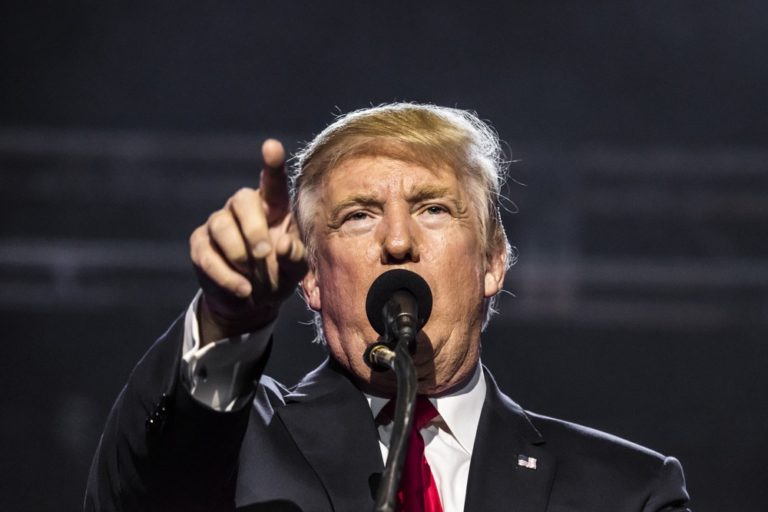
Trump to Release Thousands of JFK Files, Sparking Curiosity

0

Key Takeaways:

  • The U.S. government will release around 80,000 pages of documents related to John F. Kennedy (JFK).
  • President Donald Trump announced the release, following an earlier executive order.
  • These files could shed light on JFK’s assassination and other high-profile cases.
  • Some documents may still remain classified for national security reasons.

President Donald Trump recently announced that his administration will release thousands of pages of documents related to former President John F. Kennedy. This move is part of a larger effort to make public records about the assassinations of JFK, his brother Robert Kennedy, and civil rights leader Martin Luther King Jr.

A Long-Awaited Release

The documents, totaling around 80,000 pages, are set to become public. This decision comes after Trump signed an executive order earlier this year. The order directed federal agencies to create a plan for releasing these records. Many of these files have been kept secret for decades, sparking curiosity and conspiracy theories.

Why Now?

The release of these documents is a significant step toward transparency. It could answer lingering questions about JFK’s assassination, which happened in 1963. People have speculated about the events surrounding his death for years. While some hope the files will reveal new information, others worry that sensitive details might still be withheld.

What Might We Learn?

The documents could include details about the investigation into JFK’s death. They might also shed light on the roles of government agencies and other individuals involved. However, some files may remain classified to protect national security or personal privacy.

Public Interest and Debate

The release of these records has sparked debate. Some see it as a way to uncover the truth, while others fear it could cause confusion or harm. Either way, the public will soon have access to more information about one of America’s most tragic events.

What’s Next?

The release of these files is just the beginning. The government plans to review and release additional documents related to Robert Kennedy and Martin Luther King Jr. in the coming years. This process ensures that the public gains a clearer understanding of these historic events.

Stay tuned as more details emerge about this significant release. It could bring clarity to mysteries that have haunted the nation for decades.

Digital Chew Embraces AI: What You Need to Know

0

Key Takeaways:

  • Digital Chew is shifting its focus to artificial intelligence and machine learning.
  • The platform aims to enhance user experience through smarter content recommendations.
  • Experts predict significant changes in how we interact with technology.
  • Stay tuned for exciting updates as Digital Chew embraces this new direction.

In a bold move to stay ahead in the digital world, Digital Chew has announced a major shift in its strategy. The platform is now focusing on artificial intelligence and machine learning to make your experience even better. Let’s break this down and see what it means for you.

What’s Changing at Digital Chew?

Digital Chew is known for keeping things fresh and exciting. Now, they’re taking it to the next level by diving into AI and machine learning. These technologies can learn and adapt, making your interactions with the platform smarter and more personalized.

Imagine getting content recommendations that feel like they’re made just for you. That’s what Digital Chew is aiming for. By using AI, they can understand your preferences better and serve up content that you’ll love.

Why AI and Machine Learning?

Artificial intelligence and machine learning are big deals in tech right now. They allow systems to get better over time without being explicitly programmed. For Digital Chew, this means:

  • Smarter Content Recommendations: No more scrolling through stuff you don’t care about. AI will learn what you like and show you more of it.
  • Improved User Experience: Everything from how you navigate the site to how you interact with content could get smoother.
  • Better Engagement: With more relevant content, you’re likely to spend more time exploring and enjoying what Digital Chew has to offer.

What Do Experts Say?

Experts in the field are excited about this move. “AI and machine learning are the future,” says one tech analyst. “Platforms like Digital Chew that embrace these technologies now are setting themselves up for long-term success.”

Others point out that this shift could change how we use technology every day. From smarter apps to more intuitive interfaces, the possibilities are endless.

What’s Next for Digital Chew?

While Digital Chew is just starting its AI journey, there are already hints of what’s to come. The platform plans to roll out new features gradually, ensuring a seamless transition for users.

Here’s what you can expect in the coming months:

  1. Enhanced Content Delivery: AI-powered recommendations will start appearing, making your browsing experience more enjoyable.
  2. New Tools and Features: Digital Chew might introduce new tools that leverage machine learning to help users discover content they didn’t know they’d love.
  3. Even Better User Experience: The platform will keep refining its interface based on user behavior, making it easier and more fun to use.

How Will This Affect You?

If you’re a regular user of Digital Chew, you’ll notice these changes firsthand. The platform will likely become more intuitive, offering you content that’s a perfect match for your interests.

For creators and publishers, this shift could open up new opportunities. AI-driven insights might help them understand their audience better, allowing them to produce even more compelling content.

The Future of Digital Chew

As Digital Chew embraces AI and machine learning, the future looks bright. The platform is positioning itself as a leader in the digital space, and users are set to benefit the most.

Whether you’re a casual browser or a content creator, this shift promises to bring exciting changes. Stay tuned as Digital Chew continues to innovate and evolve in the ever-changing world of technology.


Conclusion:

Digital Chew’s move into AI and machine learning is a step in the right direction. With smarter content recommendations and a better user experience on the horizon, there’s plenty to be excited about. Keep an eye on Digital Chew as they continue to shape the future of digital content.

Trump May Swap Rural Internet Funds to Favor Musk’s Starlink

0

Key Takeaways:

  • The Trump administration is considering shifting Biden’s rural internet funds to Elon Musk’s Starlink.
  • Former official Evan Feinman criticizes the change, favoring fiber over satellite internet.
  • Fiber offers reliability and affordability, while Starlink is cheaper but less reliable.
  • Feinman urges public action to maintain internet quality in rural areas.

Think about this: the Trump administration might change how funds for rural internet are used, possibly benefiting Elon Musk’s Starlink. This shift could impact the internet quality in rural areas, which is a big deal for communities that often struggle with connectivity.

Evan Feinman, who used to lead a major broadband program, is worried. He wrote an email expressing his concerns about switching from fiber to satellite internet. Let’s break this down.


The Debate Over Rural Internet

The Biden administration aimed to improve rural internet with a $42 billion budget, focusing on fiber. Fiber is like a strong, fast connection. It’s reliable and can be more affordable in the long run. However, setting it up is expensive.

Now, the Trump administration is thinking about changing this plan. They might favor Starlink, a satellite internet service owned by Elon Musk. Satellite internet is cheaper to set up but isn’t as fast or reliable as fiber.


Why This Matters

Rural areas often have poor internet access. If they get slower, less reliable service, it could affect work, school, and daily life. Fibher might cost more upfront, but it’s a better long-term solution. Starlink could save money but might not provide the quality needed.

Feinman believes this change isn’t fair to rural communities. He thinks it’s wrong to sacrifice quality to make Musk richer.


A Call to Action

Feinman is urging people to act. He wants communities to tell their leaders to keep the focus on getting the best internet possible. Contacting representatives can help ensure that decisions prioritize quality over profits.

This situation shows how important it is for communities to speak up about issues affecting their future.


In conclusion, the decision on rural internet could have lasting effects. The choice between fiber and Starlink isn’t just about cost—it’s about quality and fairness. Making the right choice ensures rural areas get the connectivity they deserve.

JFK Files Unveiled: Uncovering the Truth Behind the Assassination

0

Key Takeaways:

  • The US National Archives released the final batch of JFK assassination files.
  • President Trump ordered the unredacted release of these records.
  • The files shed light on one of history’s most enduring mysteries.
  • Conspiracy theories continue to surround JFK’s death, despite evidence.

What’s in the Files?

After decades of secrecy, the US National Archives has finally released the last remaining files related to the assassination of President John F. Kennedy. These documents are part of a collection that has been slowly unveiled over the years, but thousands of pages were kept hidden until now.

The files include raw intelligence reports, FBI leads, and CIA operations. While many of these details were already known, they still offer a glimpse into the events surrounding JFK’s tragic death in 1963. For example, some documents reveal that the CIA had planned to kill Cuban leader Fidel Castro, though these plots never succeeded.


The Assassination and Its Aftermath

John F. Kennedy, the 35th President of the United States, was assassinated in Dallas, Texas, on November 22, 1963. Lee Harvey Oswald, a former Marine sharpshooter, was identified as the lone gunman. Oswald acted alone, according to the Warren Commission, which investigated the assassination.

However, just two days after the assassination, Oswald was shot and killed by Jack Ruby, a local nightclub owner. This chain of events has fueled countless conspiracy theories over the years.


History of Secrecy

The Warren Commission concluded that Oswald acted alone, but many Americans remained skeptical. This skepticism grew as the government withheld thousands of documents, citing national security concerns.

In 1992, Congress passed a law requiring the National Archives to release all JFK assassination records by 2017. However, some files were delayed until now.

President Trump ordered the release of these remaining documents in January, fulfilling a promise to transparency.


Conspiracy Theories Persist

The slow release of these files has only added to the mystery. Over the years, theories have pointed to suspects like the Soviet Union, Cuba, the Mafia, and even Vice President Lyndon Johnson. Movies like JFK (1991) have fueled these ideas, turning the assassination into a cultural phenomenon.

Yet, scholars say these newly released files are unlikely to reveal any shocking secrets. Most of the information was already known, and there’s no evidence to support the wild theories.


Why It Matters

The release of these files is a significant moment in American history. For decades, the assassination has been shrouded in mystery, leaving the public with unanswered questions. While these documents may not solve every mystery, they bring closure to a chapter that has haunted the nation.

For historians, the files provide a treasure trove of information to study. For conspiracy theorists, they may offer little comfort. But for the American people, the release of these records is a step toward transparency and trust in government.


The JFK assassination is a reminder of how one event can shape a nation’s history and culture. While the truth may never fully satisfy everyone, the release of these files brings us closer to understanding what really happened.

Ceasefire Talks: Trump and Putin’s Different Perspectives

0

Key Takeaways:

  • Trump and Putin discussed a ceasefire in their recent call.
  • Trump claims agreement on stopping attacks on energy and infrastructure.
  • Russia may be selectively complying to benefit their position.
  • Analysts highlight discrepancies in the ceasefire terms.
  • The situation reflects challenges in reaching a full agreement.

A Call with Different Interpretations

In a recent phone conversation, former President Donald Trump and Russian President Vladimir Putin discussed a potential ceasefire in the ongoing conflict between Russia and Ukraine. While Trump announced a mutual agreement to halt attacks on energy and infrastructure, analysts suggest Russia’s commitment may not be as straightforward.

What Trump Stated

Trump shared details of the call on social media, expressing optimism. He mentioned that both leaders agreed to immediately stop targeting energy and infrastructure, aiming for a broader ceasefire soon. This announcement suggested a step toward peace, but experts caution that Russia’s intentions may differ.

Russia’s Stance and Analyst Insights

According to Beth Sanna, a national security analyst, Russia’s strategy involves appearing compliant with U.S. wishes while actually resisting a full ceasefire. By focusing on specific areas like energy infrastructure, which Ukraine has effectively targeted, Russia gains an advantage. This partial ceasefire may protect Russian assets without fully addressing the broader conflict resolution sought by the international community.

Implications for the Conflict

This nuanced approach by Russia highlights the complexities of negotiations. While Trump’s announcement presents a positive outlook, the reality on the ground may be more complex. Ukraine’s successes in targeting Russian infrastructure make such a ceasefire strategically beneficial for Russia, potentially weakening Ukraine’s position.

Looking Ahead

The discrepancy in interpretations underscores the challenges in achieving a comprehensive ceasefire. As negotiations continue, the international community remains cautious, recognizing the need for clear terms that address the root issues of the conflict.

In summary, while the Trump-Putin call offered hope for de-escalation, the differing perspectives on ceasefire terms remind us of the intricate and delicate nature of such negotiations.

Elon Musk Enters Wisconsin Supreme Court Race: What It Means

0

Key Takeaways:

  • Elon Musk supports conservative Judge Brad Schimel in Wisconsin’s supreme court race.
  • A Schimel win could shift the court to conservative, impacting abortion, voting, and more.
  • Musk’s PACs have spent millions, with ads that may misleadingly support another candidate.
  • Concerns arise over a billionaire influencing state politics and potential financial motives.
  • The election is April 1, with early voting starting soon.

Why It Matters

Elon Musk is stepping into Wisconsin’s political arena, backing Judge Brad Schimel for the state’s supreme court. This race isn’t just local; it could change the court’s majority, affecting big issues like abortion and voting laws. Musk’s involvement highlights how powerful individuals can influence politics, raising questions about democracy.

Big Spending in a Small Race

Musk isn’t just endorsing Schimel; he’s also spending big. His PACs, AmericaPAC and Building America’s Future, have poured in millions. Another group linked to Musk, Progress 2028, is running ads that seem to support Schimel’s opponent but actually help Schimel. This strategy is clever but might be misleading, critics say.

What’s at Stake

If Schimel wins, the court could become conservative, affecting laws on abortion, voting rights, and election maps. The outcome could also influence how Wisconsin’s elections work, which is crucial for future races.

Musk’s Motives: Ideology or Profit?

Musk might have more than ideology on his mind. His company Tesla is suing Wisconsin over dealership rules, which could end up in the state supreme court. A favorable court might help Tesla’s case, showing how personal and business interests can mix in politics.

The Bigger Picture

This isn’t just about Wisconsin; it’s about how billionaires can sway state politics. It raises concerns about fairness and whether one person’s influence is too much in a democracy. This could motivate voters to push back against such power.

What’s Next

The election is set for April 1, with early voting starting soon. The outcome could have lasting effects on Wisconsin and set a precedent for other states. Voters have a chance to make their voices heard, showing if they’re okay with such influence or want change.

Trump-Putin Talks: Behind the Ceasefire Negotiations

0

Key Takeaways:

  • No 30-day ceasefire agreement reached between Trump and Putin.
  • Russian attacks on Kyiv continued despite claims of halting energy infrastructure targeting.
  • Russia may be exploiting Trump’s eagerness for a deal.
  • Potential deals could disproportionately favor Russia.

Introduction: The recent phone call between Donald Trump and Vladimir Putin addressed the ongoing Ukraine-Russia conflict, with journalist Julia Ioffe offering insights into the negotiations. Despite discussions of a ceasefire, attacks persisted, suggesting deeper strategic plays.

What Happened in the Call: During their call, Trump and Putin talked about the conflict, but no concrete ceasefire was agreed. Putin claimed to have halted attacks on energy infrastructure, yet Kyiv faced drone attacks, indicating ongoing hostilities despite diplomatic efforts.

What’s Behind Russia’s Strategy: Ioffe suggests Russia is leveraging Trump’s desire for a deal. Trump’s eagerness for an agreement, regardless of terms, may lead Russia to impose conditions favorable to them, exploiting his focus on achieving a diplomatic win.

The Problem with the Deal: The proposed deal’s true nature is questionable. While it might offer benefits like U.S. energy companies returning to Russia, the hostile business environment and sanctions make this unlikely, raising concerns about the deal’s sincerity and balance.

What’s Next: As negotiations continue, the situation remains uncertain. The focus will be on whether any agreement holds and if Russia’s actions align with their commitments, or if they continue to exploit the situation for their advantage.

Conclusion: The talks highlight the complexities of international diplomacy, where apparent progress may mask underlying strategic maneuvers. The ongoing conflict and potential deals underscore the need for scrutiny to ensure any agreement genuinely benefits all parties involved.

Elon Musk’s DOGE Embarrassed by False Savings Claims

0

Key Takeaways:

  • Elon Musk’s Department of Government Efficiency (DOGE) has made significant errors in calculating savings for taxpayers.
  • Major discrepancies include incorrect reporting of savings from ICE, USAID, and IRS contracts.
  • These errors undermine the credibility of DOGE’s efforts in identifying government waste.

Introduction: Elon Musk’s DOGE aimed to showcase taxpayer savings, but recent revelations highlight a series of miscalculations. Reporter David Fahrenthold exposed these errors, casting doubt on DOGE’s efficiency claims.

ICE Contract Error: DOGE initially claimed an $8 billion saving from an ICE contract, later correcting it to $8 million, and finally zero. This typo in government records led to a significant overstatement, which was eventually retracted.

USAID Contract Overstatement: DOGE reported a $655 million saving from terminating a USAID contract. However, the figure was triple-counted and overestimated, leading to a revised saving of zero. This error raised questions about their accounting accuracy.

IRS Contract Misattribution: A $1.9 billion IRS contract cancellation was cited as a saving, but it had been canceled under President Biden. DOGE deleted the claim after the mistake was uncovered, highlighting issues with their data verification.

Conclusion: DOGE’s errors jeopardize their credibility and efficiency efforts. Accurate data is crucial for identifying genuine waste, as inaccuracies may hinder future efforts. The importance of reliable accounting in government transparency cannot be overstated.

Trump Allies Push for Supreme Court Overhaul

0

Title:

Key Takeaways:

  • Supreme Court Chief Justice John Roberts defends federal courts against President Trump’s call for a judge’s impeachment.
  • Trump’s supporters react strongly, some calling for the Supreme Court’s dissolution.
  • Roberts emphasizes appellate review as the proper channel for addressing judicial disagreements.
  • Far-right figures accuse Roberts of bias against Trump and protecting ‘terrorists.’

What Happened

In a recent turn of events, Chief Justice John Roberts stepped into the spotlight to defend the federal courts. This came after President Donald Trump called for the impeachment of Judge James Boasberg, who blocked deportation flights. Roberts stressed that impeachment is not the right response to judicial rulings one disagrees with, advising the use of the appellate process instead.

Judge Boasberg’s decision halted flights carrying individuals Trump linked to a Venezuelan gang. Despite Trump’s claims, Boasberg argued that gang membership doesn’t equate to hostility from a foreign government, prompting Trump’s impeachment call.


The Reaction

Roberts’ stance didn’t sit well with Trump’s supporters. Far-right commentators like Michael Cernovich and Catturd voiced their discontent. Cernovich suggested abolishing the Supreme Court, claiming it hinders the people’s will. Catturd went further, calling for Roberts’ impeachment, accusing him of opposing Trump.

Sean Davis of The Federalist also criticized Roberts, alleging he protects ‘terrorists.’ He warned that Roberts’ actions could undermine the judiciary’s credibility.


The Broader Implications

This clash highlights growing tensions between the judiciary and Trump’s base. While Roberts advocates for judicial independence, Trump’s allies view the courts as obstacles to their agenda. This divide could signal deeper political conflicts, potentially reshaping the judiciary’s role.

The situation underscores the delicate balance between branches of government and the ongoing debate over judicial authority versus executive power. As these tensions rise, the future of the Supreme Court and its role in American democracy remains uncertain.

Trump Allies Push for Supreme Court Overhaul

0

Key Takeaways:

  • Supreme Court Chief Justice John Roberts defends federal courts against President Trump’s call for a judge’s impeachment.
  • Trump’s supporters react strongly, some calling for the Supreme Court’s dissolution.
  • Roberts emphasizes appellate review as the proper channel for addressing judicial disagreements.
  • Far-right figures accuse Roberts of bias against Trump and protecting ‘terrorists.’

What Happened

In a recent turn of events, Chief Justice John Roberts stepped into the spotlight to defend the federal courts. This came after President Donald Trump called for the impeachment of Judge James Boasberg, who blocked deportation flights. Roberts stressed that impeachment is not the right response to judicial rulings one disagrees with, advising the use of the appellate process instead.

Judge Boasberg’s decision halted flights carrying individuals Trump linked to a Venezuelan gang. Despite Trump’s claims, Boasberg argued that gang membership doesn’t equate to hostility from a foreign government, prompting Trump’s impeachment call.


The Reaction

Roberts’ stance didn’t sit well with Trump’s supporters. Far-right commentators like Michael Cernovich and Catturd voiced their discontent. Cernovich suggested abolishing the Supreme Court, claiming it hinders the people’s will. Catturd went further, calling for Roberts’ impeachment, accusing him of opposing Trump.

Sean Davis of The Federalist also criticized Roberts, alleging he protects ‘terrorists.’ He warned that Roberts’ actions could undermine the judiciary’s credibility.


The Broader Implications

This clash highlights growing tensions between the judiciary and Trump’s base. While Roberts advocates for judicial independence, Trump’s allies view the courts as obstacles to their agenda. This divide could signal deeper political conflicts, potentially reshaping the judiciary’s role.

The situation underscores the delicate balance between branches of government and the ongoing debate over judicial authority versus executive power. As these tensions rise, the future of the Supreme Court and its role in American democracy remains uncertain.