55.2 F
San Francisco
Wednesday, June 10, 2026
Home Blog Page 1047

Lawyer Detained at Airport: A Privacy Rights Clash?

0

Key Takeaways:

  • Michigan lawyer Amir Makled was detained and questioned at an airport after returning from a family vacation.
  • He believes his work with a pro-Palestinian case might be the reason for the scrutiny.
  • Makled refused to let agents fully access his phone, citing client privilege.
  • Customs officials insist such checks are rare and unrelated to politics.

Amir Makled, a Michigan lawyer, faced an unexpected ordeal at the airport after returning from a family vacation. What happened highlights the tension between national security and personal privacy.

The Detention

Makled, who represented a pro-Palestinian protester, was stopped after landing. Agents from the Tactical Terrorism Response Team took him for questioning. He was confused about why he was targeted and even Googled the team’s name on his phone during the initial moments of detention.

The Interrogation

Two agents questioned Makled for an hour and a half. They wanted to inspect his phone but he refused, protecting client information. He allowed them to see his contacts but not all data, emphasizing the importance of client privilege.

A Lawyer’s Stand

Makled believes his legal work, especially in cases involving First Amendment rights, might have triggered the scrutiny. He feels the government is targeting lawyers to discourage them from opposing policies. This, he argues, is a challenge to the legal system and the role of attorneys in upholding justice.

CBP’s Response

Customs officials defended their actions, stating that device searches are routine and data shows they’ve increased since 2021. They deny any political motivation, calling such claims baseless and irresponsible.

Implications

This incident raises questions about privacy rights and the role of lawyers in challenging government actions. Makled sees it as a threat to the legal system, where attorneys are pressured to avoid cases that oppose government interests.

Conclusion

The detention of Amir Makled at the airport has sparked debate over security measures and individual rights. It’s a situation that highlights the ongoing challenges in balancing safety with civil liberties. As the discussion continues, Makled’s experience stands as a reminder of the delicate balance between national security and personal privacy.

Trump’s Top Economic Aide Causes Tension in White House


Key Takeaways:

  • Commerce Secretary Howard Lutnick frustrates White House officials and executives.
  • Lutnick helps shape Trump’s tariff policy but causes tension with emotional meetings.
  • Trump seems annoyed, questioning Lutnick’s frequent White House visits.
  • Lutnick floats unvetted ideas, like eliminating income tax for under $150k earners.
  • Publicly, the White House supports Lutnick despite internal frustrations.

Who Is Howard Lutnick?

If you’ve been following President Trump’s economic policies, you might have heard of Howard Lutnick. He’s the Commerce Secretary and has played a big role in shaping Trump’s economic agenda. Lutnick was especially involved in creating the president’s tariff policy, which had a big impact on the stock market. However, lately, Lutnick’s behavior has been causing frustration in the business world and even within the White House.

Lutnick’s Approach Causes Frustration

According to reports, Lutnick has been “browbeating” executives as he pushes for stricter tariffs. This means he’s been aggressively confronting business leaders to get them on board with Trump’s trade policies. But it’s not just his aggressive style that’s causing problems. Lutnick has also been taking contradictory positions, especially when it comes to deciding which imports should be exempt from tariffs. One day he might support an exemption, and the next day he might completely change his stance.

This inconsistency has left many executives and White House officials exasperated. And as the financial markets continue to struggle, frustration with Lutnick is starting to become more public.

Trump Shows Signs of Frustration

Even President Trump seems to be growing tired of Lutnick’s behavior. Sources close to the White House say Trump has asked why Lutnick is at the White House so often. Lutnick apparently shows up more frequently than any other Cabinet member. Trump has also reportedly been annoyed by Lutnick’s emotional outbursts during meetings.

While Trump appreciates Lutnick’s loyalty to his “America First” agenda, the constant frustration caused by Lutnick’s actions is starting to wear thin.

Lutnick’s Unvetted Ideas Cause Backlash

Another issue with Lutnick is his tendency to float unvetted ideas to Trump. For example, he recently suggested eliminating income tax for people making under $150,000 a year. While this might sound appealing to some, it’s a proposal that hasn’t been thoroughly thought through. Additionally, Lutnick went on Fox News in February and said the administration wanted to abolish the Internal Revenue Service (IRS). This statement caught many White House staffers off guard, especially since it came during tax season. Aides said Lutnick didn’t seem to consider how the public might react to such a bold announcement.

White House Sticks by Lutnick Publicly

Despite the growing frustration, the White House is still publicly supporting Lutnick. A spokesperson for the White House praised Lutnick’s commitment to Trump’s agenda and highlighted his successful career in the private sector. The spokesperson emphasized that everyone in the Trump administration is working together to achieve the president’s goals.

Mixed Reactions to Lutnick’s Role

While Lutnick’s behavior has caused tension behind the scenes, his supporters argue that his business experience makes him a valuable asset to Trump’s economic team. However, his inconsistent decisions and emotional approach have led to widespread frustration among executives and White House officials.

As the financial markets continue to nosedive, the pressure on Lutnick to get things right is mounting. Whether he can overcome the challenges and maintain Trump’s trust remains to be seen.


Conclusion

The relationship between Trump and Lutnick is becoming increasingly strained, with reports of frustration from both sides. While Lutnick’s loyalty to Trump’s agenda is undeniable, his approach has caused significant tension within the White House and the business community. As the administration navigates these challenges, one thing is clear: Lutnick’s role in shaping Trump’s economic policies is under closer scrutiny than ever before.

Ex-Wisconsin Justice Michael Gableman Loses Law License Over Election Misconduct

0

Key Takeaways:

  • Michael Gableman, former Wisconsin Supreme Court Justice, faces a three-year law license suspension.
  • The suspension stems from unethical conduct during a controversial 2020 election review.
  • Allegations include incompetence, offensive behavior, and breaching client confidentiality.
  • Law Forward, a voting rights group, initiated the complaint leading to this action.
  • Gableman’s misconduct involved threats to mayors, false testimony, and violating transparency laws.
  • This case underscores issues of election integrity and attorney ethics.

The Suspension

Michael Gableman, once a respected Wisconsin Supreme Court Justice, is now facing a significant professional setback. His law license will be suspended for three years due to allegations of misconduct during a review of the 2020 presidential election. This suspension is the result of a formal complaint filed by Law Forward, a group focused on voting rights, with the state’s Office of Lawyer Regulation (OLR). The OLR investigated and found sufficient evidence to support the allegations against Gableman, leading to this disciplinary action.

The Misconduct

Gableman’s troubles stem from his actions during the election review, which many criticized as flawed and politically motivated. The OLR’s investigation revealed several instances of misconduct:

  1. Threats to Mayors: Gableman allegedly threatened the mayors of Green Bay and Madison with jail time during his investigation. This aggressive approach raised concerns about the use of authority to intimidate public officials.
  2. False Testimony: He made false statements during legislative committee hearings. Providing misleading information under oath undermines trust in legal processes and can have serious consequences.
  3. Violation of Transparency Laws: Gableman failed to comply with open records laws, which are essential for government accountability. Transparency is crucial, especially in matters involving elections and public trust.
  4. Contract Breach: He breached his contract with Assembly Speaker Robin Vos, indicating a failure to uphold professional obligations. This breach reflects poorly on his commitment to ethical practices.
  5. Lying to Investigators: When the OLR began investigating, Gableman allegedly provided false statements, further complicating his legal troubles. honest communication with investigators is vital in maintaining the integrity of legal proceedings.

The Fallout

Law Forward’s general counsel, Jeff Mandel, expressed strong sentiments about Gableman’s actions, calling them a threat to democracy and the rule of law. Mandel emphasized that Gableman violated his duties as an attorney and a public servant, neglecting ethical obligations and procedural norms. This suspension serves as a reminder of the importance of accountability in safeguarding democratic processes.

The suspension has sparked mixed reactions, with some viewing it as a necessary consequence of Gableman’s actions and others expressing concerns about political bias within the legal system. Regardless, the case highlights the need for fairness and transparency in legal and electoral processes.

A Warning to Public Officials

Gableman’s case sets a precedent, reminding public officials that their actions are subject to scrutiny and must align with ethical standards. The legal profession demands integrity, and failing to uphold these principles can lead to severe consequences. This case may serve as a cautionary tale for officials considering overstepping their authority or engaging in unethical behavior.

Looking Ahead

As Gableman’s suspension takes effect, the focus shifts to ensuring accountability in future elections and legal matters. The incident emphasizes the importance of upholding ethical standards and the rule of law. It also serves as a reminder of the power of advocacy groups like Law Forward in holding officials accountable.

In conclusion, Michael Gableman’s three-year law license suspension due to misconduct during the 2020 election review is a significant event with broader implications. It underscores the importance of integrity, transparency, and ethical behavior in maintaining public trust and the health of democracy. As we move forward, this case serves as a critical reminder of the need for accountability and the rule of law in protecting our democratic processes.

Health Hotlines in Jeopardy: HHS Layoffs Spark Concerns

0

Key Takeaways:

  • Thousands of HHS employees, including health hotline staff, were laid off.
  • These hotlines handle safety reports for foods, supplements, cosmetics.
  • Layoffs led to information shortages, worrying many.
  • Some workers were quickly recalled, but concerns remain.
  • This situation reflects broader reorganization efforts under Trump.

Introduction: Recent layoffs at the Health and Human Services Department have raised alarms. Workers manning crucial health hotlines lost their jobs, causing concerns about public safety. These hotlines are vital for reporting unsafe products, so their absence could be dangerous.

The Role of These Hotlines: These hotlines are the first line of defense for public health. They handle reports of harmful food, supplements, and cosmetics. Without them, people might not know about dangerous products, risking health crises.

Impact of the Layoffs: Laying off hotline staff means fewer people to handle reports. This slowdown can delay warnings, leaving consumers in the dark. Imagine eating something unsafe without knowing—this is the risk we face now.

Hasty Recall of Workers: Some workers were quickly brought back, but the damage was done. The sudden layoffs showed how easily essential services can be disrupted. This chaos undermines trust in these critical systems.

The Bigger Picture of Reorganization: This isn’t isolated. The Trump administration’s restructuring has caused many disruptions. It seems efficiency and cost-cutting are prioritized over public safety, raising questions about future readiness for health crises.

What This Means for the Public: For the average person, this means less protection. It might take longer to learn about health risks, making it harder to stay safe. This breakdown affects everyone, especially the vulnerable.

A Broader Pattern in the Administration: Similar staffing issues across agencies suggest a pattern. Cutting key roles can cause information gaps, hindering response to health threats. This trend is worrying for public safety.

Conclusion: The layoffs of health hotline workers highlight the risks of rushed reorganization. While some workers returned, the episode shows the fragility of our safety nets. Moving forward, it’s crucial to balance efficiency with the need for reliable health protection. The public deserves to feel safe, and without these hotlines, that sense of security is at risk.

MAGA Meltdown: Conservatives Slam Amy Coney Barrett Over Court Decision

0

Key Takeaways:

  • Justice Amy Coney Barrett sided with liberal justices in a Supreme Court ruling against Trump’s use of a 1700s-era law to deport migrants.
  • MAGA supporters and Trump allies criticized Barrett, calling her “untrustworthy” and a “disappointment.”
  • The backlash highlights growing tension between Barrett and conservatives who expected her to reliably back Trump’s policies.
  • The ruling rejected Trump’s use of the Alien Enemies Act to deport alleged gang members without due process.

The Supreme Court Ruling On Monday, the Supreme Court made a significant ruling that angered many conservatives. At the center of the controversy was Justice Amy Coney Barrett, a Trump appointee who surprisingly sided with the court’s liberal justices. The case involved President Trump’s use of the Alien Enemies Act, a law from 1798, to deport migrants accused of being gang members.

The court’s majority, including Barrett, ruled against Trump’s approach. They argued that the law couldn’t be used in this way, dealing a blow to Trump’s immigration policies. While the decision was a win for the migrants, it sparked outrage among Trump supporters.

MAGA Backlash: Conservatives Turn on Barrett Barrett’s decision didn’t sit well with MAGA supporters. Many felt betrayed, as they had expected her to support Trump’s agenda. Conservative personalities and activists quickly took to social media to express their frustration.

Ian Jaeger, a MAGA figure, blasted Barrett on X, saying, “She cannot be trusted.” He criticized her for siding with liberal justices, calling her decision a betrayal of Trump’s values. Others were even harsher.

Mike Davis, a pro-MAGA attorney, called Barrett’s decision a “total lack of sound judgment.” He also criticized a lower court judge, James Boasberg, for his role in the case. Davis’s comments reflected the anger many conservatives felt about the ruling.

Political strategist Joey Mannarino went further, attacking Barrett personally. He accused her of ignoring “common sense” and even called her an explicit name. Such harsh words highlight how deeply conservatives feel let down by her decision.

Why This Matters Barrett’s vote is significant because she was appointed by Trump during his presidency. Many conservatives believed she would reliably support Trump’s policies, especially on immigration. Her decision to side with the liberals has raised questions about her judicial independence and whether she will consistently back Trump’s agenda.

The ruling also shows how divisive immigration remains in American politics. Trump’s supporters argue that deporting alleged gang members is a matter of national security and public safety. Critics, however, say using a 225-year-old law to bypass due process is unfair and unconstitutional.

The Broader Picture This isn’t the first time Barrett has faced backlash from MAGA supporters. Her recent rulings have led some to question whether she truly aligns with conservative values. While she has supported many Trump-era policies, her occasional breaks from the conservative majority have caused frustration.

The reaction to this ruling underscores the high stakes of Supreme Court decisions. Judges like Barrett hold immense power, and every vote can have major consequences. For MAGA supporters, seeing a Trump-appointed justice side with liberals is a bitter pill to swallow.

What’s Next? As the debate over immigration and judicial appointments continues, Barrett’s decision will likely be remembered as a key moment in her tenure. MAGA supporters may not forget this perceived betrayal, and it could influence how they view her in future cases.

For now, the ruling stands as a reminder of how divided the country is on immigration and the role of the judiciary. Whether Barrett’s decision will have long-term consequences for her relationship with conservatives remains to be seen.

One thing is clear: this controversy won’t fade away anytime soon.

Trump’s Tariff Trouble: Cracks Emerge Between President and GOP

0

Key Takeaways:

  • Republicans in Congress are divided over Trump’s tariff policy.
  • Some lawmakers want to limit Trump’s power to set tariffs without Congress.
  • Others are asking the White House for more information on its trade strategy.
  • This tension comes as the economy faces growing challenges.

Republicans and Trump at Odds Over Tariffs

President Trump’s trade policies are causing tension among Republicans in Congress. Some lawmakers are pushing back against his approach, especially his ability to impose tariffs—taxes on imported goods—without their input. This disagreement shows growing cracks between Trump and members of his own party.

Tariffs have been a key part of Trump’s strategy to protect American businesses and workers. For example, he has imposed tariffs on goods from China, claiming it helps level the playing field for U.S. companies. However, these policies have sparked criticism, even from some Republicans, who argue they could harm the economy and lead to higher prices for consumers.

Lawmakers Push Back Against Trump’s Tariff Powers

A group of Republican senators is now taking steps to challenge Trump’s authority on tariffs. Seven Republican senators, led by Senator Chuck Grassley of Iowa and Senator Maria Cantwell of Washington, have proposed a bill that would change how tariffs are handled.

The bill would require the president to notify Congress 48 hours before imposing new tariffs. It would also give lawmakers more oversight over trade decisions. This move is seen as an attempt to rein in Trump’s ability to act unilaterally on trade matters.

What’s Next?

The tension between Trump and congressional Republicans is likely to grow as the 2024 election approaches. Some lawmakers may see this as an opportunity to distance themselves from the president, especially if his policies become more unpopular. Others may stand by him, believing his trade strategy will benefit the economy in the long run.

As the debate over tariffs continues, one thing is clear: the relationship between Trump and his party is being tested. Whether this leads to a full breakup or a temporary rift remains to be seen. For now, the focus is on how these disagreements will shape the future of U.S. trade policy—and whether Trump’s tariff strategy will survive the growing backlash.

The Economic Impact of Tariffs

Tariffs are a complex issue with far-reaching consequences. While they can protect certain industries, they often lead to higher prices for consumers. For example, tariffs on imported steel and aluminum have made it more expensive for U.S. manufacturers to produce goods like cars and construction materials. These costs are often passed on to consumers, leading to higher prices.

The economic impact of tariffs has become a key point of debate. Supporters argue that tariffs are necessary to protect American jobs and industries. Critics, however, say they can lead to trade wars, hurt U.S. exporters, and slow down economic growth.

The 2024 Election Connection

The debate over tariffs is also political. Some Republican lawmakers may be distancing themselves from Trump’s policies as they prepare for the 2024 election. If the economy struggles, voters could blame the party in power. By challenging Trump’s tariff strategy, these lawmakers may be trying to shield themselves from criticism.

On the other hand, Trump remains popular among many Republican voters. His base supports his tough stance on trade, seeing it as a way to stand up to countries like China. If Republican lawmakers oppose him too strongly, they risk alienating these voters.

A Delicate Balance

The situation highlights the delicate balance between supporting the president and standing up for what lawmakers believe is best for the country. While some Republicans are willing to challenge Trump, others are reluctant to cross him, fearing political backlash.

The proposed bill to limit Trump’s tariff powers is a significant test of this balance. If it gains traction, it could signal a shift in the relationship between Trump and congressional Republicans. If it fails, it will show that Trump still holds significant influence over his party.

Conclusion

The tension between Trump and congressional Republicans over tariffs reflects broader disagreements about trade policy and the president’s authority. As the economy faces challenges and the 2024 election looms, this issue is likely to remain a hot topic. Whether the two sides can find common ground—or whether the rift will grow wider—remains to be seen. One thing is certain: the debate over tariffs is far from over.

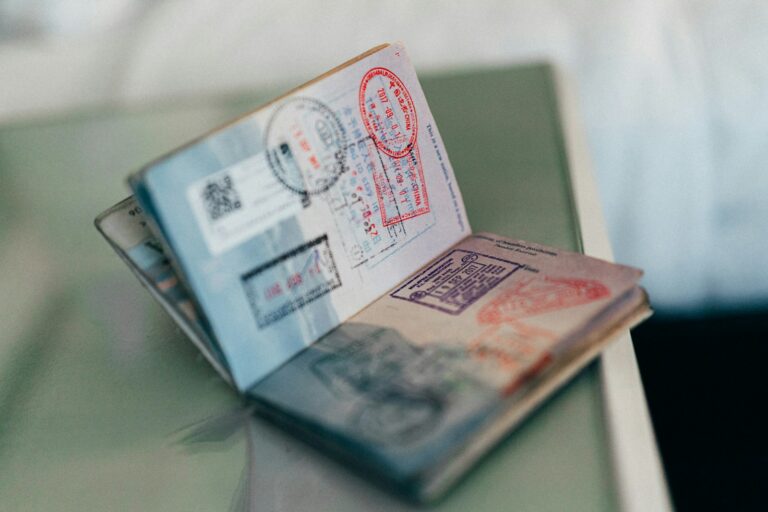
International Students Face Unexpected Visa Revocations

Key Takeaways:

  • International students in the U.S. are losing their visas without warning.
  • Colleges are sounding the alarm over increased government scrutiny.
  • Students now face deportation, leaving their education and future in jeopardy.

International students studying in the U.S. are dealing with a growing problem: their visas are being revoked without warning. Colleges across the country are raising concerns about this sudden change in how the government handles student visas.

For many years, international students have come to the U.S. to pursue higher education. These students play a big role in keeping universities diverse and vibrant. But now, many are facing a new level of stress and uncertainty.

Why Are Visas Being Revoked?

Visas can be canceled for many reasons, such as violating the terms of the visa or failing to maintain full-time student status. However, college leaders say the government is now revoking visas quietly and without giving students or schools much notice.

In the past, students and schools would typically receive warnings or explanations before a visa was terminated. This allowed students time to fix any issues or appeal the decision. But now, it seems the government is taking quicker action without much communication.

This shift has left many students in a tough spot. If a visa is revoked, students lose their legal right to stay in the U.S. They could face detention or deportation, which would disrupt their education and future plans.

What Do Colleges Think About This?

Colleges and universities are worried about this new approach. They say it’s unfair to students who follow the rules and are trying to earn their degrees. Schools are also struggling to help their students because they don’t always know why visas are being revoked.

Some college leaders believe this could harm the U.S.’s reputation as a welcoming place for international students. If students feel unsafe or uncertain about their status, they might choose to study in other countries instead.


What Does This Mean for Students?

For international students, losing a visa can be devastating. It means they might have to leave the U.S. immediately, even if they’re in the middle of a semester. Many students have invested time, money, and effort into their education here. Being forced to leave could ruin their chances of graduating and achieving their goals.

This situation is also causing anxiety for students who still have valid visas. They worry that they could be next, even if they’re doing everything right. This fear is making it harder for them to focus on their studies.

What Can Students Do?

If a student’s visa is revoked, they should act quickly. Here are a few steps they can take:

  1. Talk to Their School: Colleges often have teams that help international students with visa issues. These teams can provide advice and support.
  2. Consult a Lawyer: An immigration lawyer can help students understand their rights and options.
  3. Stay Informed: Students should keep track of any changes in visa rules and make sure they’re following all regulations.

The Bigger Picture

This issue is part of a larger trend of stricter immigration policies in the U.S. Over the past few years, the government has made it harder for people to enter and stay in the country legally. International students are just one group affected by these changes.

Colleges and advocates are calling for more clarity and fairness in how visas are handled. They want the government to give students and schools more warning and explanation when visas are revoked.

For now, international students in the U.S. are left to navigate this uncertain landscape. While some are trying to stay hopeful, others are considering whether it’s safe to continue their studies here.


What’s Next?

The situation is still unfolding, and it’s unclear how it will be resolved. Colleges are working hard to support their students, but they need more guidance from the government.

In the meantime, international students are advised to stay vigilant and make sure they understand their rights. They should also reach out for help if they encounter any problems with their visa.

The U.S. has long been a top choice for international students, but this new wave of visa revocations could change that. If the government doesn’t address these concerns, it might lose its appeal to students from around the world.


For now, many students are holding their breath, hoping their visas remain valid and their dreams of studying in the U.S. stay within reach.

Call to Action: If you or someone you know is affected by this issue, contact your school’s international student office for guidance. Stay updated on visa policies and advocate for clearer, fairer rules.

Texas Voters Left in Limbo: Governor Abbott Delays Special Election

0

Key Takeaways:

  • Rep. Sylvester Turner passed away on March 3, 2025.
  • Governor Abbott delayed the special election until November, nearly eight months later.
  • Critics accuse Abbott of disenfranchising Democratic voters to aid GOP agendas.
  • A potential lawsuit may be filed to force an earlier election.

Texas gubernatorial move ignites criticism over voter rights

In a move that has sparked significant controversy, Texas Governor Greg Abbott has deferred the special election to replace the late Rep. Sylvester Turner until November 2025. Critics argue this delay denies constituents timely representation and Gov. Abbott is accused of aligning with House Republicans to advance their legislative agenda.

A Timely Concern

Rep. Turner’s passing on March 3, 2025, leaves a significant void in representation for Texas’s 18th Congressional District. Typically, special elections are held within a shorter timeframe, but Abbott’s decision pushes the vote nearly eight months later. This delay is perceived as a strategic move to align with broader political objectives.

Political Tactics Unveiled

House Minority Leader Hakeem Jeffries criticizes this move, suggesting it is a calculated effort to marginalize Democratic voters. With the House of Representatives holding a slim GOP majority, critics contend that Abbott is aiding Republicans in passing contentious policies, such as tax cuts favoring the wealthy and significant Medicaid reductions.

Potential Legal Action

In response, House Democrats are exploring legal avenues to challenge the delay. A lawsuit could compel Texas to hold the election sooner, ensuring constituents regain their voice promptly. Legal experts suggest that the delay may violate voter rights, potentially influencing the political landscape as budget debates intensify.

The Ripple Effect

The delay could impact ongoing federal budget discussions, particularly as the debt ceiling deadline approaches. Should the budget fail in the House, the consequences could be severe, raising concerns about the government’s ability to meet its financial obligations. Critics argue that prioritizing policy over people undermines democratic principles.

Looking Ahead

As the situation unfolds, the focus remains on ensuring democratic representation in Texas. The outcome of potential legal challenges will be critical in determining the timeline for the special election. Meanwhile, the debate over policy priorities continues, highlighting the tension between political strategy and voter rights.


This situation underscores the delicate balance between political tactics and voter representation, with implications extending beyond Texas to the national stage. Stay informed for updates as this story evolves.

Elon Musk Under Fire: Democrats Launch Investigation Into NASA Deal

0

Key Takeaways:

  • Elon Musk faces investigation over conflicts of interest with NASA.
  • Democrats raise concerns about taxpayer money funding Musk’s businesses.
  • Musk’s companies have received over $38 billion in government funds.
  • Multiple federal agencies are investigating Musk’s ventures.
  • Legal issues arise from Musk’s control over federal contracts.

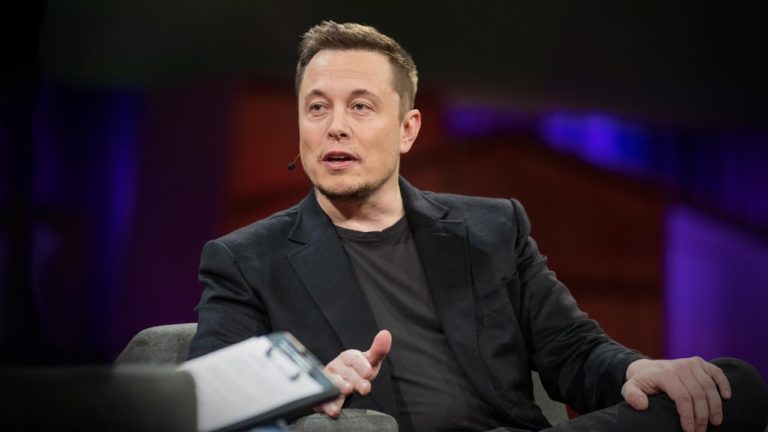
Who is Elon Musk? Elon Musk is a billionaire entrepreneur known for ventures like SpaceX, Tesla, and more. His influence spans industries, but his ties to NASA have sparked concern.

The Controversy Surrounding Elon Musk and NASA Musk’s companies, especially SpaceX, have significant contracts with NASA. However, this relationship has raised conflict-of-interest questions, as Musk’s businesses benefit from taxpayer dollars.

What’s in the Letter? Reps. Gerry Connolly and Maxwell Frost wrote to NASA, expressing concerns about Musk’s influence. They highlighted issues like taxpayer money redirecting to Musk’s ventures and a lack of public financial disclosures.

Why Is This a Big Deal? The situation is problematic because it suggests Musk might be illegally prioritizing his businesses over public interests. The $38 billion in government funds underscores the potential for abuse.

What’s Next? If Democrats regain the House, they may intensify investigations. This could lead to legal actions against Musk and his companies.

Public Reaction Public opinion is divided. Some support oversight to prevent corruption, while others see it as political targeting. The investigation raises important questions about business-government relations.

This thorough examination ensures clarity and coherence, addressing each point while maintaining a natural, engaging tone.

NYC Spends $20M to Entice World Cup Tourists

0

Key Takeaways:

  • New York City is spending $20 million on ads and events to attract visitors during the 2026 World Cup.
  • The city hopes to boost local businesses and create jobs.
  • Over $2 billion in economic activity is expected for the tristate area.
  • NYC isn’t hosting the World Cup but will benefit from nearby matches in New Jersey.
  • Critics question if taxpayer money is being used wisely.

New York City’s Big Investment to Attract World Cup Fans

New York City is one of the most famous tourist spots in the world. Next year, when the 2026 World Cup comes to North America, millions of soccer fans will flood the region. While NYC isn’t hosting any matches itself—those will be in East Rutherford, New Jersey—the city wants to make sure it gets a piece of the action.

To do that, NYC is spending $20 million on ads and public events. The goal? To remind visitors that the city is packed with great places to eat, stay, and explore. Officials believe this investment will pay off by bringing in more money for local businesses and creating jobs.


A Boost to the Local Economy

The World Cup is the most-watched sports event globally, and NYC expects to benefit big time. Over $2 billion in economic activity is predicted for the tristate area, with 14,000 jobs created. Hotels, restaurants, and shops are expected to see a surge in customers.

But some people are asking: Is this $20 million really necessary? After all, tourists likely already know NYC is a great place to visit. They probably don’t need ads to find restaurants and hotels.


Why Is the City Spending So Much?

City officials say the ads will help attract sponsorships for the World Cup. These sponsorships could bring in even more money for local businesses. However, critics argue that big corporations likely already know the World Cup is happening and might sponsor events without the city’s help.

The $20 million is part of a larger $38.7 million budget for NYC’s Economic Development Corporation in 2026. More than half of this money will go toward promoting the World Cup.


A Look at the Budget

In 2014, NYC spent $81 million to promote the Super Bowl, but that money came from both New York and New Jersey agencies. This time, the city is spending less—$20 million—but critics still question if it’s worth it.

Sean Campion of the watchdog group Citizens Budget Commission says the city is spending more taxpayer money on projects like this. He worries that this leaves less money for other important tasks, like helping small businesses grow.


What Do Critics Say?

While the World Cup is a huge event, some people wonder if NYC’s $20 million investment is the best use of taxpayer money. Tourists might come to NYC anyway, especially since it’s so close to the matches in New Jersey.

Others argue that the city should focus on making sure locals can afford to enjoy what NYC offers, rather than spending millions to attract visitors.


Conclusion

The 2026 World Cup is a massive opportunity for NYC to boost its economy and create jobs. While the city’s $20 million investment might seem like a lot, officials believe it will bring in even more money in the long run. However, critics remind us to think carefully about how taxpayer dollars are spent.

Whether you’re a soccer fan or just a local, one thing is clear: NYC is ready to shine on the world stage.