55.2 F
San Francisco
Wednesday, June 10, 2026
Home Blog Page 1048

NY Medicaid Scheme Under Fire: Billion-Dollar Scandal Unveiled?

0

Key Takeaways:

  • Rep. Eric Burlison accuses New York of a billion-dollar Medicaid fraud scheme.
  • Nassau University Medical Center (NUMC) allegedly deprived of $1 billion over 20 years.
  • Violations of federal Medicaid law and contract breaches are claimed.
  • Call for federal investigation by Attorney General and FBI Director.

Introduction: In a shocking turn of events, Rep. Eric Burlison has brought to light allegations of a billion-dollar Medicaid fraud scheme involving New York State. This claims that Nassau University Medical Center (NUMC) has been deprived of funds over nearly two decades, sparking a call for a federal investigation.

The Accusations Explained: Rep. Burlison asserts that New York State has engaged in a large-scale financial scheme, diverting over $1 billion meant for NUMC. These funds, intended to support low-income patient care, were allegedly withheld, raising serious legal concerns.

What is the DSH Program?: The Medicaid Disproportionate Share Hospital (DSH) program provides financial support to hospitals treating large numbers of uninsured and Medicaid patients. New York State’s alleged misuse of these funds could have severe repercussions for both the state and the healthcare system.

Potential Consequences: If proven, the allegations could lead to legal action against New York State, including fines and repayment of misused funds. This couldalso impact the state’s ability to secure future Medicaid funding, affecting healthcare services for vulnerable populations.

Call for Federal Investigation: Rep. Burlison has urged Attorney General Pam Bondi and FBI Director Kash Patel to investigate these claims. A thorough probe would determine the validity of the allegations and ensure accountability, maintaining the integrity of the Medicaid system.

Conclusion: The allegations against New York State are grave, highlighting potential misuse of funds intended for crucial healthcare services. A federal investigation is essential to uncover the truth, ensuring fairness and accountability in the Medicaid system. The outcome of this inquiry could have significant implications for healthcare funding and legal standards nationwide.
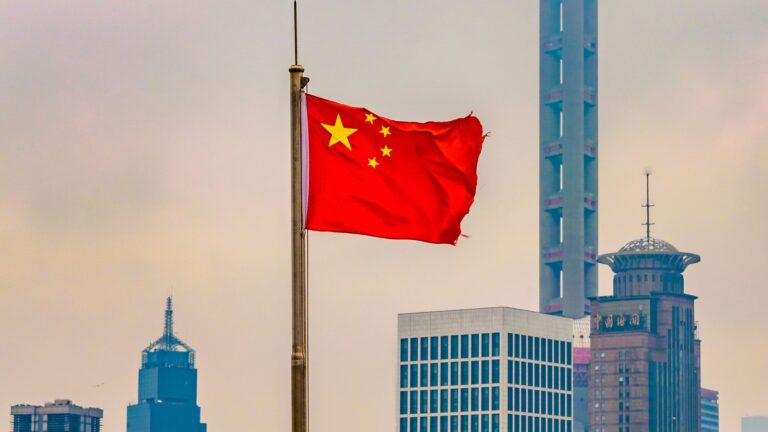
Pelosi’s Shocking Flip-Flop on China Trade Exposed

0

Key Takeaways:

  • Nancy Pelosi criticized China’s unfair trade practices in the 1990s.
  • She supported tough actions against China back then.
  • Today, she opposes President Trump’s trade policies with China.
  • This shift in her stance has raised eyebrows.

Introduction: The Stage of Politics

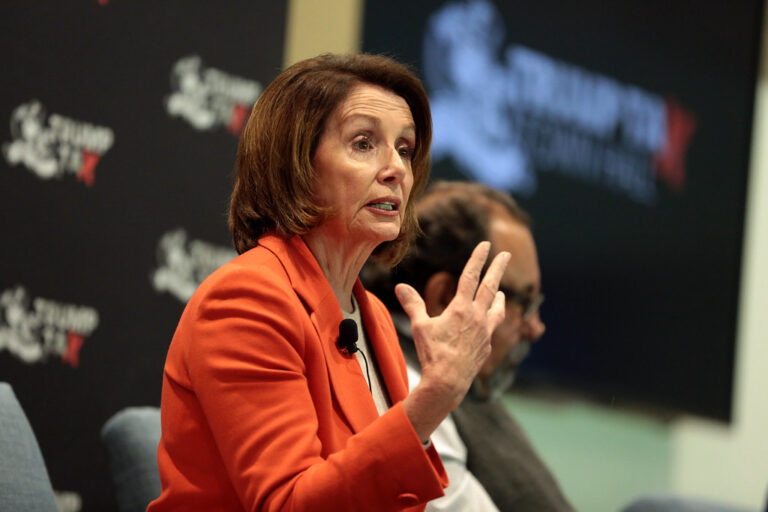
Imagine this: A well-known politician sounds tough on China one day and then changes their tune the next. This isn’t a movie script—it’s real life. In Washington, D.C., what politicians say today might not be what they said yesterday. Nancy Pelosi, a famous Democratic leader, is the latest example of this trend.

Decades ago, Pelosi spoke out strongly against China’s unfair trade practices. She even sounded like she could have been part of former President Trump’s team. But now, when Trump takes action to protect American jobs, Pelosi calls it dangerous. What changed?

Pelosi’s Tough Talk in the 90s

In the 1990s, Pelosi was clear about China’s unfair trade practices. She criticized China for stealing U.S. jobs and demanded tough action. Her words back then sounded like she was fighting for American workers.

Fast forward to today, and Pelosi’s tone has changed. When President Trump tried to level the playing field with China, Pelosi called his actions dangerous and warned they could harm the country. This dramatic shift has left many people confused.

What Changed?

So why did Pelosi’s stance on China change so much? Was she always against tough trade policies, or did something else happen? The answer isn’t entirely clear, but one thing is obvious: Politics in Washington is full of twists and turns.

Pelosi’s change in position highlights a bigger problem in politics. Today’s heroes can become tomorrow’s villains, and vice versa, depending on who’s in power. This flip-flopping leaves voters questioning what their leaders truly stand for.

Why Does This Matter?

Pelosi’s shift on China trade isn’t just about politics—it’s about real people. American workers have been hurt by unfair trade practices for decades. When leaders change their positions, it makes it harder to find solutions.

The U.S.-China trade relationship is complicated. For years, China has been accused of stealing intellectual property, manipulating currency, and ignoring trade rules. These actions have cost the U.S. millions of jobs.

When President Trump imposed tariffs on Chinese goods, his goal was to punish China for these unfair practices. But Pelosi and other critics argue that these tariffs hurt American businesses and consumers more than they help.

Conclusion: The Big Picture

Nancy Pelosi’s change in stance on China trade is just one example of how politics can shift with the wind. What was once seen as a bold move to protect American jobs is now labeled as dangerous.

This isn’t just about Pelosi or Trump—it’s about the broader game of politics. Leaders often change their positions based on who’s in power and what’s politically convenient.

As voters, it’s up to us to pay attention and hold our leaders accountable. We deserve consistency, not convenience, when it comes to the issues that matter most.

China Keeps Grip on Key Assets in US Trade Talks

0

Key Takeaways:

  • China is holding onto ports near the Panama Canal and TikTok’s algorithm as bargaining chips in US trade negotiations.
  • The US wants control of these assets, citing national security and privacy concerns.
  • These assets give China leverage in ongoing trade disputes with the United States.

China’s Strategic Hold on Key Assets

The Panama Canal is one of the world’s most important waterways, connecting the Atlantic and Pacific Oceans. At its entrances, there are ports that play a crucial role in global trade. China owns or operates some of these ports, and the US is trying to take control of them.

Meanwhile, TikTok, a popular social media app, is also at the center of this power struggle. Its algorithm, which decides what videos users see, is owned by a Chinese company. The US government worries this gives China too much influence over American users.

These two things—a few ports and a social media app—might seem unrelated, but they’re key tools for China in its trade talks with the US.


Why the Panama Canal Ports Matter

The Panama Canal is a lifeline for global trade. Ships from around the world pass through it, including many heading to or from the US. The ports at the canal’s entrances are like gatekeepers, controlling the flow of goods.

The US is concerned that China’s control of these ports could give it too much power. For example, China could theoretically slow down or block American ships if tensions rise. This is why the Trump administration wants American companies to take over majority control of these ports.

China, however, is not willing to let go. These ports are a bargaining chip in trade negotiations. By holding onto them, China can demand better deals from the US.


The Power of TikTok’s Algorithm

TikTok is a social media app used by millions of people worldwide, including in the US. Its algorithm determines what videos go viral and what trends dominate the platform. This gives TikTok’s parent company, ByteDance, significant influence over what people see and think.

The US government is worried that this influence could be used to shape public opinion in ways that benefit China. For example, the algorithm could prioritize certain types of content to sway voters or spread information that favors Chinese interests.

Because of these concerns, the Trump administration pushed for TikTok to be sold to a US company. However, China has resisted, arguing that the app’s algorithm is a valuable asset. Like the Panama Canal ports, TikTok gives China leverage in trade talks.


Why These Assets Are So Important

At first glance, the Panama Canal ports and TikTok’s algorithm might seem unrelated. One is about ships and trade routes, while the other is about social media and algorithms. But both are critical for different reasons.

The Panama Canal ports are a physical asset, giving China control over a vital trade route. TikTok’s algorithm, on the other hand, is a digital asset, giving China influence over public opinion. Together, they represent two sides of China’s strategy in dealing with the US.

By holding onto both, China can negotiate from a position of strength. The US wants these assets for its own security and interests, but China is unwilling to give them up without getting something in return.


What This Means for the Future

The tug-of-war over these assets highlights the broader trade tensions between the US and China. Both countries are trying to protect their interests while gaining the upper hand in negotiations.

For the US, securing control of the Panama Canal ports and TikTok’s algorithm is about national security and protecting American citizens. For China, keeping these assets is about maintaining its leverage in trade talks and ensuring it doesn’t give away valuable resources.

As trade negotiations continue, these two assets will likely remain central to the discussions. The outcome could shape the balance of power between the US and China for years to come.

One thing is clear: China is not willing to let go of these bargaining chips without a fight.

Trump’s Tough But Talk-First Approach to Iran’s Nuclear Threat

0

Key Takeaways:

  • President Trump is pushing for a nuclear deal with Iran to prevent it from obtaining a nuclear weapon.
  • He prefers negotiations over military action, despite Iran’s aggressive activities.
  • A four-part strategy—military deterrence, regional cooperation, financial pressure, and strict monitoring—is proposed to tackle the issue.

Introduction: As tensions rise over Iran’s nuclear ambitions, particularly at the Fordow facility, President Trump is advocating for a deal to prevent Iran from acquiring nuclear weapons. With time pressing, as Iran nears weapons-grade uranium and UN sanctions set to expire, Trump is prioritizing dialogue, having even sent a letter to Iran’s Supreme Leader for talks. This approach comes as Iran faces internal and external pressures, making it a strategic moment for negotiations.

Credible Military Deterrence: A credible military threat is crucial. While Trump emphasizes dialogue, he hasn’t ruled out military action. Iran’srecent aggressive moves, including missile attacks and support for regional conflicts, highlight the need for a strong stance. The U.S. and its allies, including Israel, must preparedness to act if necessary. This includes coalition efforts with European and Arab partners to address Iran’s destabilizing activities, ensuring any military action is part of a unified strategy.

Transregional Cooperation: Cooperation with Europe and the Middle East is vital. European allies, benefiting from Israeli technology against Russian threats, must recognize the Iranian threat more urgently. Recent talks with Iran, despite its missile development, underscore the need for stronger European commitment. By aligning strategies, the U.S. and its allies can present a united front against Iran’s nuclear ambitions.

Financial Tools: Financial pressure is another key lever. Iran’s access to European banks and movement of officials within Europe must be curtailed. The EU should designate the IRGC as a terrorist group and close financial loopholes, like those used by banks such as Varengold. Cutting off funding sources will weaken Iran’s ability to support proxies and invest in its nuclear program, making negotiations more favorable for the West.

Thorough Monitoring: robust monitoring ensures compliance. The U.S. and its partners must build a verification system to track Iran’s nuclear activities and military ambitions. Transparency is non-negotiable; any breach must be met with swift action. This infrastructure will underpin the deal’s effectiveness, preventing Iran from covertly advancing its nuclear goals.

Conclusion: The path forward demands a balanced approach—toughness paired with dialogue. By combining military readiness, regional unity, financial pressure, and strict monitoring, the U.S. can negotiate a deal that halts Iran’s nuclear program. The focus is on collective action and maintaining vigilance, ensuring a safer, more stable global landscape.

California in Crisis: How Progressive Policies Led to Its Decline

0

Key Takeaways:

  • California faces severe economic and social challenges due to progressive policies.
  • The state has the highest cost-of-living and poverty rates despite its massive GDP.
  • Homelessness, fires, and poor infrastructure plague the state.
  • Businesses and residents are fleeing due to high taxes and regulations.
  • The middle class is shrinking as housing becomes unaffordable.

California’s Golden Dream Fades

Once a beacon of opportunity and innovation, California is now grappling with a crisis. Skyrocketing costs of living, rampant homelessness, and failing policies have turned the state’s golden promise into a fading memory. This article explores how progressive policies have led to this decline.


A State Divided: Rich and Poor

California boasts a huge economy, but wealth doesn’t trickle down. It’s home to many billionaires, yet millions live in poverty. High costs mean even working families struggle. The gap between rich and poor grows, with the middle class squeezed out.


Fires and Failures

Homelessness and fires are symptoms of deeper issues. Half the nation’s homeless live in California, often in unsafe conditions. Fires rage, yet policies focusing on climate change over management worsen the crisis. Officials blame climate change, but experts say poor management is the real culprit.


Driven Out: Businesses and Families

California’s high taxes and strict rules are chasing businesses away. From tech giants to food producers, companies are leaving. Families, especially young ones, are fleeing too. The state’s population growth is stagnant, with many leaving for affordable areas.


The Housing Nightmare

Housing is a middle-class killer. Home prices are 11 times the average income, up from four times in the 90s. Ownership is rare, especially for the young and minorities. Restrictive climate policies limit building, making things worse.


A State in Decline

California’s economy is losing steam. While the tech sector thrives, blue-collar jobs vanish. Public sector jobs grow, but they depend on high taxes that hurt the private sector. The state’s aging population and low birthrates signal a grim future.


Time for Change

California’s problems are clear, but solutions are possible. Instead of fighting federal policies, the state could work with them. Updating infrastructure and smarter management could help. Embracing innovation without chasing businesses away is key.


Conclusion: A New Path

California’s decline isn’t final. With reforms and collaboration, it can regain its status as a land of opportunity. The state’s unique strengths in innovation and location offer hope. Time to steer a new course before it’s too late.

Red Heifers Stoke Mideast Tensions: A Religious Spark

0

Key Takeaways:

  • Five red heifers were brought to Israel, sparking tensions with Hamas and Hezbollah.
  • These heifers are central to a Jewish purification ritual tied to the Third Temple.
  • A new book by Adam Berkowitz explores their significance and debunks myths.
  • The issue is tied to the disputed Temple Mount, a key religious site.

The Red Heifers and Rising Tensions

In a region already simmering with conflict, the arrival of five red heifers in Israel has ignited new tensions. These calves, brought by a group called Boneh Israel—a collaboration between Orthodox Jews and Evangelical Christians—are at the heart of a religious ritual that could pave the way for the Third Temple. This event has drawn the ire of Hamas and Hezbollah, who cite it as a reason for their attacks.

The Ritual’s Significance

The red heifers are crucial for a purification ritual that hasn’t been performed in 2,000 years. The process involves burning the heifers and using their ashes to purify those entering the Temple. Author Adam Berkowitz’s book explains this complex ritual, detailing how the heifers must be flawless and perfectly red, with no more than one non-red hair.

Debunking Misinformation

Despite the heifers’ religious importance, misinformation has spread, with some claiming they’re a provocation. Berkowitz’s book sets the record straight, offering insights into the ritual’s history and significance, while addressing the myths perpetuated by some YouTubers and documentaries.

The Temple Mount: A Flashpoint

The Temple Mount, a site sacred to Jews, Christians, and Muslims, is central to these tensions. While the red heifer ritual is performed on the Mount of Olives, avoiding direct conflict, it’s a symbolic step towards the Temple’s reconstruction. This has led to fierce debates, with some Muslims fearing it threatens the Dome of the Rock and Al-Aqsa Mosque.

Political and Religious Debates

The return of the red heifers has sparked political discussions about religious freedom. Some argue that rebuilding the Temple encroaches on Muslim rights, while others see it as a part of Jewish heritage. Berkowitz highlights how the ritual bypasses some of these issues, as it’s conducted away from the Temple Mount.

A Shared Vision Across Faiths

Interestingly, some Christians support the ritual, seeing it as part of their faith to aid Jews in this endeavor. Berkowitz’s book explores these interfaith connections, offering a nuanced view of the ritual’s significance beyond Jewish tradition.

Conclusion: A Delicate Balance

As the Middle East navigates this volatile situation, the red heifers symbolize the deep-rooted religious and political tensions. Berkowitz’s book provides clarity, urging understanding and respect for differing perspectives. The story of the red heifers is a potent reminder of the complex interplay between faith, history, and conflict in this sacred land.

Shocking Truth: Illegal Immigrants on Gov Programs

0

Key Takeaways:

  • 1.3 million illegal immigrants on Medicaid, growing rapidly.
  • Illegal immigrants misusing Social Security, risking bankruptcy.
  • Thousands illegally voting in U.S. elections.

Introduction:

In a stunning interview on the All In podcast, Antonio Gracias, founder of Valor Equity Partners, revealed alarming findings about illegal immigrants accessing U.S. government programs. These revelations have sparked significant concern about the integrity of our systems and the potential for fraud.

Medicaid Abuse

Antonio Gracias highlighted that 1.3 million illegal immigrants are currently enrolled in Medicaid. This number is growing quickly, raising questions about the program’s sustainability. Medicaid, designed to aid low-income citizens, is facing unexpected strain from ineligible participants, threatening its future.

Social Security Drain

Gracias also exposed that illegal immigrants are improperly receiving Social Security benefits, depleting funds meant for citizens. With Social Security projected to face bankruptcy in a decade, this misuse exacerbates the financial strain, endangering the program for those who rely on it.

Voting Issues

Perhaps most concerning, Gracias revealed that thousands of illegal immigrants are registered to vote and have cast ballots in recent elections. This undermines election integrity and raises questions about the fairness of the democratic process.

Consequences

The financial burden on government programs is significant, but the larger issue is the fairness to legal citizens and the integrity of our systems. These findings highlight vulnerabilities in our current structures and the need for immediate attention.

Solutions

To address these issues, stricter eligibility checks and verifications could help ensure benefits reach only those eligible. Additionally, advocating for policy reforms can strengthen program integrity and protect taxpayer investments.

Conclusion

The revelations from Antonio Gracias underscore critical issues needing urgent action. Protecting government programs’ integrity ensures they serve their intended purpose and maintain public trust. Addressing these challenges is essential for a fair and sustainable future.

California in the Spotlight: Newsom Navigates Transgender Sports Ban and School Policies

0

Key Takeaways:

  • California Governor Gavin Newsom faces pressure over transgender athletes in sports and school policies.
  • Recent podcast comments and federal funding threats intensify the debate.
  • Parents’ rights and state laws clash with federal regulations.
  • National implications emerge as other states take opposing stands.

A Growing Storm Over Sports and Schools

Governor Gavin Newsom of California finds himself at the center of a brewing storm. Recent comments on his podcast about transgender athletes have sparked both support and backlash. Newsom agreed that biological males competing in women’s sports is unfair, aligning himself with conservative views. This stance has drawn attention nationwide, especially as the state faces pressure from federal authorities.

Budget Battles and Federal Funding

U.S. Education Secretary Linda McMahon has issued an ultimatum: comply with the federal ban on transgender athletes or risk losing $8 billion in education funds. This threat comes as California grapples with a $46.8 billion budget deficit, making the stakes even higher. McMahon’s letter emphasizes the majority of Americans opposing biological males in women’s sports, urging Newsom to clarify his position.

The Parental Rights Debate

California’s approach to gender transitions in schools adds fuel to the fire. A state law prevents schools from informing parents about students’ gender changes, leading to legal battles. The U.S. Education Department is investigating whether this violates federal privacy laws, highlighting the tension between state autonomy and federal regulations.

A National Divide

While California resists the federal ban, states like New Hampshire have already prohibited transgender athletes in women’s sports. In contrast, Maine stands firm, with Governor Janet Mills vowing to fight the issue in court. This divide reflects broader national disagreements on gender issues, shaping the political landscape.

The Road Ahead

As California’s Assembly prepares for hearings on banning biological males in women’s sports, the debate intensifies. Parents, activists, and policymakers are at odds, with each side adamant about their stance. The outcome could influence not just California but the entire nation, setting a precedent for states navigating similar challenges.

In conclusion, California’s struggles with transgender policies in sports and schools underscore a nation divided. As the legal and legislative battles unfold, Governor Newsom’s decisions will be closely watched, potentially shaping the future of gender rights and parental involvement in education.

Transportation Secretary Sean Duffy: Unsafe Subways Will Lose Federal Funding

0

Key Takeaways:

  • Secretary of Transportation Sean Duffy threatens to cut federal funds to cities with unsafe public transit systems.
  • Duffy singled out New York’s subway system, blaming Governor Kathy Hochul for failing to address safety issues.
  • New York officials claim subway crime has dropped due to increased police presence.
  • Duffy insists cities must prioritize safety and efficiency to receive federal transportation funding.

Federal Funds on the Line: What You Need to Know

Secretary of Transportation Sean Duffy recently appeared on Fox News, where he made a bold statement about the future of federal funding for public transportation. Duffy warned that cities with unsafe or poorly managed transit systems could lose out on federal money. He specifically called out New York’s struggling subway system, placing blame on Democratic Governor Kathy Hochul.

Duffy’s comments came after a series of violent incidents in New York’s subway system, including shootings and assaults. He criticized what he sees as a lack of progress in making the subways safer for riders.


Subway Safety in the Spotlight

Duffy argued that while Democratic mayors like Eric Adams encourage people to use public transit, they fail to make it safe. He said, “Transit across America is dangerous. These liberal mayors want everyone out of cars and into trains, but they make the trains unsafe, so no one really wants to ride them.”

He also pointed out that while some people feel safe riding the subway during the day, nighttime trips can feel risky, even for men. “If it’s in the morning or at night, even big men don’t want to ride the subway,” Duffy added.


New York’s Response to Rising Crime

New York officials have tried to address the safety concerns. As of April 2024, the city has increased police presence in the subway system. Mayor Eric Adams and NYPD Transit Chief Joseph Gulotta claim these efforts have led to historic lows in subway crime. Adams even invited Duffy to see the improvements firsthand, taking him on a tour of the city’s public transportation system.

Despite these claims, Duffy remains unconvinced. He believes the real problem lies with Governor Hochul’s handling of the Metropolitan Transportation Authority (MTA). “This is really a failure of the governor of New York,” he said.


The Fight Over Funding and Accountability

Duffy made it clear that federal funding for transit systems will depend on how cities manage their money and prioritize safety. He criticized Hochul for not focusing enough on security and efficiency. “They have homelessness and crazy people that live and reside inside of subways. So it’s unacceptable,” he said.

He also suggested that New York needs to do more to eliminate fraud, waste, and abuse in its transit system. “We need to send DOGE into the MTA and actually look at how they spend their money,” Duffy said, referring to a popular cryptocurrency often used as a meme.


Hochul’s Plan to Fix the Subway System

Governor Hochul has proposed new initiatives to protect subway riders and workers. These include stationing 750 NYPD officers throughout the city and adding 300 more in train cars. While these steps aim to address safety concerns, Duffy says they don’t go far enough.

“Our position is, if you don’t clean up your act, we’re not going to invest in you,” Duffy said. “We’ll make those investments as taxpayers if you do it well and have beautiful trains that are on time, that are safe. But if you don’t, we’re going to pull the money and put it somewhere else.”


The Bottom Line: Safety First

For cities like New York, the stakes are high. If they can’t show improvement in safety and efficiency, they risk losing critical federal funding for their transit systems. While New York officials insist they’re making progress, Duffy and others remain skeptical.

Only time will tell if New York can turn its subway system around and secure the federal funds it needs. One thing is certain: the debate over transit safety and funding is far from over. Stay tuned for more updates as this story unfolds.

Obama’s Call for Sacrifice Sparks Credibility Questions

0

Key Takeaways:

  • Senior Fellow Victor Davis Hanson claims Obama’s call for personal sacrifice contradicts his lavish lifestyle.
  • Hanson argues that Obama’s message of resistance to President Trump’s policies lacks credibility.
  • The critique highlights a growing divide between Democratic leaders and their supporters.

Obama’s Call for Sacrifice Sparks Credibility Questions

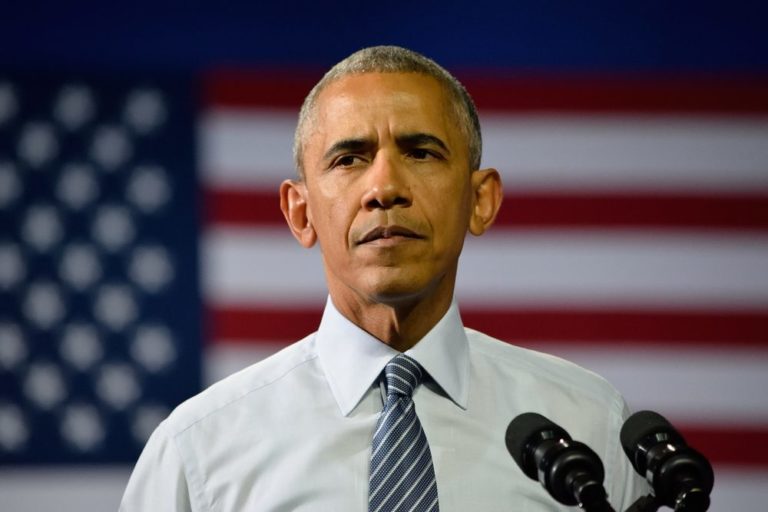
At a recent event at Hamilton College, former President Barack Obama urged young Americans to resist President Donald Trump’s policies, even if it requires personal sacrifice. However, his message has faced criticism from some, with some questioning whether his own lifestyle aligns with the values he’s promoting.

During an appearance on “Jesse Watters Primetime,” Hoover Institution Senior Fellow Victor Davis Hanson accused Obama of hypocrisy. Hanson pointed out the contrast between Obama’s calls for sacrifice and his own affluent lifestyle. “He’s telling young people to give up things when he’s living in mansions and flying on private jets,” Hanson said. “That’s a tough message to sell.”


Obama’s Speech at Hamilton College

Obama’s remarks at Hamilton College were part of a broader push to encourage activism among young people. He said: “When you’re advocating for social justice or free speech, it’s easy to say you’re for something. But now, you might actually have to do something and possibly sacrifice a little bit.”

While Obama’s speech was meant to inspire, critics argue that it rings hollow given his own privileged position. Hanson criticized Obama for lecturing others about sacrifice while enjoying a life of luxury. “Why doesn’t he sell one of his mansions if he’s so serious about this?” Hanson asked.


The Hypocrisy of Elites

Hanson also criticized Obama’s approach to engaging with voters during his recent public appearances. “He flew in from one of his four mansions on a private jet and told young black men they didn’t know what was good for them,” Hanson said. “He told them to listen more to him and Michelle Obama. That’s not a message voters respond to.”

Hanson believes this disconnect has hurt Obama’s public image. “He had a bad campaign. He’s becoming a caricature of himself,” Hanson said. “When he talks about sacrifice, it’s hard to take him seriously.”


The Democratic Party’s Leadership Crisis

Hanson also weighed in on the broader challenges facing the Democratic Party. He suggested that the party lacks direction and is unwilling to embrace centrist policies. “The only one who comes close to a moderate is [Pennsylvania Sen. John] Fetterman, but even he’s not ideologically centrist,” Hanson said.

Hanson’s comments reflect a growing criticism of Democratic leadership. Many believe the party is out of touch with everyday Americans, and figures like Obama are seen as part of the problem rather than the solution.


The New Normal: Sacrifice for Some, Luxury for Others

Obama’s call for resistance and sacrifice has sparked a larger conversation about the role of leadership in times of crisis. While his message may resonate with some, others question whether he and other Democratic leaders are willing to practice what they preach.

For many Americans, the idea of sacrifice is personal. It means making hard choices about jobs, families, and resources. But when leaders like Obama preach sacrifice while enjoying lives of luxury, it erodes trust.


A Party in Search of Direction

The Democratic Party is at a crossroads. With figures like Obama and other prominent leaders struggling to connect with voters, the party is facing an identity crisis. Hanson’s critique of Obama’s hypocrisy is just one example of a larger issue: the gap between the party’s elite and its base.

As the 2024 election approaches, Democrats will need to address these concerns if they hope to rebuild trust with voters. For now, the party’s leadership continues to grapple with the same challenges that cost them support in recent elections.


The Bottom Line

Barack Obama’s call for resistance and sacrifice has reignited debates about leadership, credibility, and the role of elites in politics. While his message may inspire some, it has also raised questions about whether Democratic leaders are willing to lead by example.

For voters, the issue is simple: if leaders like Obama want them to sacrifice, they should be willing to do the same. Until then, many will remain skeptical of their calls to action.