64.7 F
San Francisco
Saturday, May 16, 2026
Home Blog Page 1048

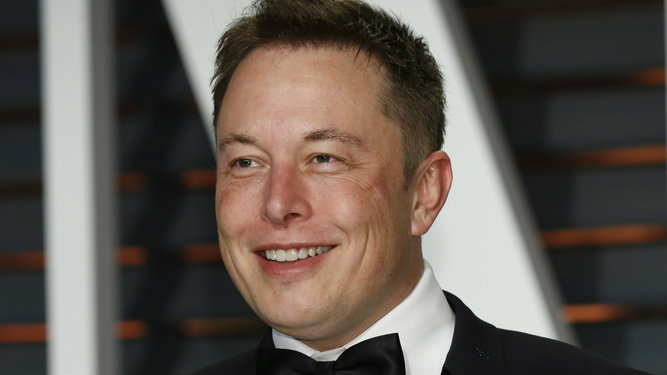
Elon Musk Enters Wisconsin Supreme Court Race: What It Means

0

Key Takeaways:

  • Elon Musk supports conservative Judge Brad Schimel in Wisconsin’s supreme court race.
  • A Schimel win could shift the court to conservative, impacting abortion, voting, and more.
  • Musk’s PACs have spent millions, with ads that may misleadingly support another candidate.
  • Concerns arise over a billionaire influencing state politics and potential financial motives.
  • The election is April 1, with early voting starting soon.

Why It Matters

Elon Musk is stepping into Wisconsin’s political arena, backing Judge Brad Schimel for the state’s supreme court. This race isn’t just local; it could change the court’s majority, affecting big issues like abortion and voting laws. Musk’s involvement highlights how powerful individuals can influence politics, raising questions about democracy.

Big Spending in a Small Race

Musk isn’t just endorsing Schimel; he’s also spending big. His PACs, AmericaPAC and Building America’s Future, have poured in millions. Another group linked to Musk, Progress 2028, is running ads that seem to support Schimel’s opponent but actually help Schimel. This strategy is clever but might be misleading, critics say.

What’s at Stake

If Schimel wins, the court could become conservative, affecting laws on abortion, voting rights, and election maps. The outcome could also influence how Wisconsin’s elections work, which is crucial for future races.

Musk’s Motives: Ideology or Profit?

Musk might have more than ideology on his mind. His company Tesla is suing Wisconsin over dealership rules, which could end up in the state supreme court. A favorable court might help Tesla’s case, showing how personal and business interests can mix in politics.

The Bigger Picture

This isn’t just about Wisconsin; it’s about how billionaires can sway state politics. It raises concerns about fairness and whether one person’s influence is too much in a democracy. This could motivate voters to push back against such power.

What’s Next

The election is set for April 1, with early voting starting soon. The outcome could have lasting effects on Wisconsin and set a precedent for other states. Voters have a chance to make their voices heard, showing if they’re okay with such influence or want change.

Trump-Putin Talks: Behind the Ceasefire Negotiations

0

Key Takeaways:

  • No 30-day ceasefire agreement reached between Trump and Putin.
  • Russian attacks on Kyiv continued despite claims of halting energy infrastructure targeting.
  • Russia may be exploiting Trump’s eagerness for a deal.
  • Potential deals could disproportionately favor Russia.

Introduction: The recent phone call between Donald Trump and Vladimir Putin addressed the ongoing Ukraine-Russia conflict, with journalist Julia Ioffe offering insights into the negotiations. Despite discussions of a ceasefire, attacks persisted, suggesting deeper strategic plays.

What Happened in the Call: During their call, Trump and Putin talked about the conflict, but no concrete ceasefire was agreed. Putin claimed to have halted attacks on energy infrastructure, yet Kyiv faced drone attacks, indicating ongoing hostilities despite diplomatic efforts.

What’s Behind Russia’s Strategy: Ioffe suggests Russia is leveraging Trump’s desire for a deal. Trump’s eagerness for an agreement, regardless of terms, may lead Russia to impose conditions favorable to them, exploiting his focus on achieving a diplomatic win.

The Problem with the Deal: The proposed deal’s true nature is questionable. While it might offer benefits like U.S. energy companies returning to Russia, the hostile business environment and sanctions make this unlikely, raising concerns about the deal’s sincerity and balance.

What’s Next: As negotiations continue, the situation remains uncertain. The focus will be on whether any agreement holds and if Russia’s actions align with their commitments, or if they continue to exploit the situation for their advantage.

Conclusion: The talks highlight the complexities of international diplomacy, where apparent progress may mask underlying strategic maneuvers. The ongoing conflict and potential deals underscore the need for scrutiny to ensure any agreement genuinely benefits all parties involved.

Elon Musk’s DOGE Embarrassed by False Savings Claims

0

Key Takeaways:

  • Elon Musk’s Department of Government Efficiency (DOGE) has made significant errors in calculating savings for taxpayers.
  • Major discrepancies include incorrect reporting of savings from ICE, USAID, and IRS contracts.
  • These errors undermine the credibility of DOGE’s efforts in identifying government waste.

Introduction: Elon Musk’s DOGE aimed to showcase taxpayer savings, but recent revelations highlight a series of miscalculations. Reporter David Fahrenthold exposed these errors, casting doubt on DOGE’s efficiency claims.

ICE Contract Error: DOGE initially claimed an $8 billion saving from an ICE contract, later correcting it to $8 million, and finally zero. This typo in government records led to a significant overstatement, which was eventually retracted.

USAID Contract Overstatement: DOGE reported a $655 million saving from terminating a USAID contract. However, the figure was triple-counted and overestimated, leading to a revised saving of zero. This error raised questions about their accounting accuracy.

IRS Contract Misattribution: A $1.9 billion IRS contract cancellation was cited as a saving, but it had been canceled under President Biden. DOGE deleted the claim after the mistake was uncovered, highlighting issues with their data verification.

Conclusion: DOGE’s errors jeopardize their credibility and efficiency efforts. Accurate data is crucial for identifying genuine waste, as inaccuracies may hinder future efforts. The importance of reliable accounting in government transparency cannot be overstated.

Trump Allies Push for Supreme Court Overhaul

0

Title:

Key Takeaways:

  • Supreme Court Chief Justice John Roberts defends federal courts against President Trump’s call for a judge’s impeachment.
  • Trump’s supporters react strongly, some calling for the Supreme Court’s dissolution.
  • Roberts emphasizes appellate review as the proper channel for addressing judicial disagreements.
  • Far-right figures accuse Roberts of bias against Trump and protecting ‘terrorists.’

What Happened

In a recent turn of events, Chief Justice John Roberts stepped into the spotlight to defend the federal courts. This came after President Donald Trump called for the impeachment of Judge James Boasberg, who blocked deportation flights. Roberts stressed that impeachment is not the right response to judicial rulings one disagrees with, advising the use of the appellate process instead.

Judge Boasberg’s decision halted flights carrying individuals Trump linked to a Venezuelan gang. Despite Trump’s claims, Boasberg argued that gang membership doesn’t equate to hostility from a foreign government, prompting Trump’s impeachment call.


The Reaction

Roberts’ stance didn’t sit well with Trump’s supporters. Far-right commentators like Michael Cernovich and Catturd voiced their discontent. Cernovich suggested abolishing the Supreme Court, claiming it hinders the people’s will. Catturd went further, calling for Roberts’ impeachment, accusing him of opposing Trump.

Sean Davis of The Federalist also criticized Roberts, alleging he protects ‘terrorists.’ He warned that Roberts’ actions could undermine the judiciary’s credibility.


The Broader Implications

This clash highlights growing tensions between the judiciary and Trump’s base. While Roberts advocates for judicial independence, Trump’s allies view the courts as obstacles to their agenda. This divide could signal deeper political conflicts, potentially reshaping the judiciary’s role.

The situation underscores the delicate balance between branches of government and the ongoing debate over judicial authority versus executive power. As these tensions rise, the future of the Supreme Court and its role in American democracy remains uncertain.

Trump Allies Push for Supreme Court Overhaul

0

Key Takeaways:

  • Supreme Court Chief Justice John Roberts defends federal courts against President Trump’s call for a judge’s impeachment.
  • Trump’s supporters react strongly, some calling for the Supreme Court’s dissolution.
  • Roberts emphasizes appellate review as the proper channel for addressing judicial disagreements.
  • Far-right figures accuse Roberts of bias against Trump and protecting ‘terrorists.’

What Happened

In a recent turn of events, Chief Justice John Roberts stepped into the spotlight to defend the federal courts. This came after President Donald Trump called for the impeachment of Judge James Boasberg, who blocked deportation flights. Roberts stressed that impeachment is not the right response to judicial rulings one disagrees with, advising the use of the appellate process instead.

Judge Boasberg’s decision halted flights carrying individuals Trump linked to a Venezuelan gang. Despite Trump’s claims, Boasberg argued that gang membership doesn’t equate to hostility from a foreign government, prompting Trump’s impeachment call.


The Reaction

Roberts’ stance didn’t sit well with Trump’s supporters. Far-right commentators like Michael Cernovich and Catturd voiced their discontent. Cernovich suggested abolishing the Supreme Court, claiming it hinders the people’s will. Catturd went further, calling for Roberts’ impeachment, accusing him of opposing Trump.

Sean Davis of The Federalist also criticized Roberts, alleging he protects ‘terrorists.’ He warned that Roberts’ actions could undermine the judiciary’s credibility.


The Broader Implications

This clash highlights growing tensions between the judiciary and Trump’s base. While Roberts advocates for judicial independence, Trump’s allies view the courts as obstacles to their agenda. This divide could signal deeper political conflicts, potentially reshaping the judiciary’s role.

The situation underscores the delicate balance between branches of government and the ongoing debate over judicial authority versus executive power. As these tensions rise, the future of the Supreme Court and its role in American democracy remains uncertain.

Gaza Conflict Escalates: Israel Resumes Military Operations Against Hamas

0

Key Takeaways:

  • Israel restarts military operations in Gaza due to Hamas’s failure to release hostages.
  • A ceasefire, brokered with international help, allowed prisoner exchanges and humanitarian aid.
  • Hamas’s refusal to free more hostages led to the breakdown of the ceasefire.
  • Israel’s airstrikes target Hamas leaders and infrastructure, causing significant casualties.
  • The conflict stems from Hamas’s invasion of Israel on October 7, 2023, resulting in civilian deaths and hostage-taking.
  • Israeli Prime Minister Netanyahu vows to continue the war until all hostages are freed and Hamas’s military strength is diminished.

What Led to the Ceasefire Collapse?

The ceasefire between Israel and Hamas, facilitated by international mediators, aimed to bring temporary peace and facilitate hostage exchanges. However, Hamas’s reluctance to release additional hostages led to its collapse. The agreement had allowed Israel to free prisoners and deliver humanitarian aid to Gaza, offering a glimmer of hope. Unfortunately, Hamas’s actions dashed these hopes, leading to renewed conflict.

Hamas’s Breach of Faith

Hamas’s failure to adhere to the ceasefire terms was the final straw. Some hostages released were already deceased, intensifying the situation. The sight of coffins being paraded through Palestinian streets highlighted the human cost of the conflict. Prime Minister Netanyahu emphasized that Israel would persist in its efforts until hostages are safe and Hamas’s military capabilities are dismantled.

Israel’s Resumption of Operations

In response to Hamas’s breach, Israel resumed airstrikes, focusing on key targets. These operations targeted Hamas leaders and underground tunnels used by militants. The airstrikes resulted in significant casualties, with reports indicating hundreds of deaths. Specifically, four senior Hamas leaders were killed, including Bahjat Abu Sultan and Issam Da’alis, dealing a blow to Hamas’s leadership and infrastructure.

International Support for Israel

The United States showed strong support for Israel’s actions. A White House spokesperson underscored that President Trump made it clear that groups threatening Israel and the U.S. would face severe consequences. This stance highlights the international community’s firm stand against terrorism, supporting Israel’s right to defend itself.

Humanitarian Impact

The resumption of hostilities has exacerbated the humanitarian crisis in Gaza. Civilians face increased danger as airstrikes continue, disrupting aid delivery. The conflict’s toll on innocent lives underscores the urgent need for a peaceful resolution.

The Path Ahead

Hamas’s actions have prolonged the conflict, causing further suffering. Israel remains committed to freeing all hostages and weakening Hamas’s military. The international community calls for a peaceful resolution, hoping diplomacy can end the cycle of violence.

Conclusion

The situation in Gaza remains tense, with both sideslıkely to continue fighting. The humanitarian impact is severe, with civilians bearing the brunt. The need for a peaceful resolution is urgent, requiring international cooperation to end the violence and restore hope to the region.

ChatGPT Just Got a Major Upgrade—What You Need to Know

0

Key Takeaways:

  • OpenAI released GPT-4, the latest version of its AI model.
  • It’s smarter, understands images, and can process up to 8x more data.
  • Early testers say it’s more accurate and creative than before.
  • GPT-4 could change how we use AI in everyday life.

What Is GPT-4, and Why Does It Matter?

If you’ve heard of ChatGPT, you know how impressive it is. Now, OpenAI just took it to the next level with GPT-4. This new update is the most advanced version of their AI model yet. But what makes it so special?

GPT-4 is designed to be smarter, faster, and more capable than its predecessor. For starters, it can process way more data—up to 8 times more than GPT-3.5, the version that powers ChatGPT today. This means it can handle longer conversations, understand complex topics, and give more detailed answers.

But that’s not all. GPT-4 also understands images! While earlier versions could only read text, this new model can look at pictures and describe what’s happening in them. Imagine asking an AI to explain what’s in your vacation photos or help you solve a math problem by looking at a screenshot. It’s like having a super-smart friend who can see and understand the world around you.


How Is GPT-4 Different from Previous Versions?

So, what makes GPT-4 stand out? Let’s break it down:

  1. Better Understanding of Data: GPT-4 can process up to 8x more data than GPT-3.5. That means it can handle longer, more complex tasks without getting confused. For example, it can write longer essays, solve harder math problems, or even code more advanced software.
  2. Image Recognition: For the first time ever, GPT-4 can understand images. You can upload a picture, and it will describe what’s happening in it. This feature opens up new possibilities, like helping visually impaired people “see” images or letting students get explanations for diagrams and charts.
  3. Improved Safety: OpenAI has worked hard to make GPT-4 safer to use. It’s less likely to give harmful or incorrect answers. The company says it tested the model with experts to make sure it behaves responsibly.
  4. More Creative and Accurate: Early testers of GPT-4 say it’s more creative and accurate than before. It can write stories, design products, and even come up with innovative ideas.

How Could GPT-4 Change the World?

GPT-4 has the potential to change how we live and work. Here are a few ways it could make a big impact:

  • Education: Students could use GPT-4 to get help with homework, understand complicated topics, or even learn new languages. It could act like a personal tutor, available 24/7.
  • Healthcare: Doctors might use GPT-4 to analyze medical images or help diagnose diseases. It could also assist in creating personalized treatment plans for patients.
  • Business: Companies could use GPT-4 to improve customer service, generate marketing content, or even help with complex data analysis.
  • Accessibility: For people who are blind or have low vision, GPT-4’s image recognition feature could be life-changing. It could describe photos, read signs, or even help navigate the world.

What Do People Think of GPT-4 So Far?

OpenAI let a few people test GPT-4 before releasing it to the public. Here’s what they’re saying:

  • lawyer used GPT-4 to analyze legal documents and even write court filings. They said it was faster and more accurate than doing it themselves.
  • math teacher used it to solve complex problems and create quizzes for students. They were impressed by how well it understood advanced math.
  • writer said GPT-4 helped them brainstorm ideas and even write entire drafts. They called it a game-changer for creativity.

What’s Next for GPT-4?

Now that GPT-4 is out, the next step is to see how the world uses it. OpenAI is already working with companies and researchers to explore its possibilities.

But as AI gets more powerful, there are also concerns. For example, some worry that GPT-4 could be used for scams, fake news, or other harmful activities. That’s why OpenAI has built safeguards to limit how the model can be used.


Should You Be Excited About GPT-4?

Yes! GPT-4 is a huge leap forward for AI technology. It’s smarter, more helpful, and capable of things we never imagined just a few years ago.

Whether you’re a student, a worker, or just someone curious about the future, GPT-4 has something to offer. It’s not just a tool—it’s a glimpse into what’s possible with modern technology.

So, keep an eye out for GPT-4. It might just change the way you live, work, and interact with the world.


Final Thoughts:

GPT-4 is here, and it’s bigger and better than ever. With its ability to process more data, understand images, and give accurate answers, it’s set to revolutionize industries and everyday life.

While there are concerns about its use, the potential benefits are enormous. Whether it’s helping students learn, doctors heal, or businesses grow, GPT-4 is a powerful tool that could shape the future.

Get ready to experience the next generation of AI. It’s going to be an exciting ride!

Whistleblowers Promoted to Lead IRS Investigation

0

Key Takeaways:

  • U.S. Treasury Secretary Scott Bessent promoted two IRS whistleblowers to leadership roles.
  • The whistleblowers, Gary Shapley and Joseph Ziegler, exposed alleged wrongdoing at the IRS.
  • They claimed the IRS treated Hunter Biden leniently and targeted conservatives.
  • The whistleblowers faced retaliation after speaking out.
  • Secretary Bessent wants to ensure transparency and accountability in the IRS.

U.S. Treasury Secretary Scott Bessent made a bold move this week by promoting two IRS whistleblowers to key leadership roles. This decision comes after the whistleblowers, Gary Shapley and Joseph Ziegler, exposed alleged corruption within the IRS and faced retaliation for their actions. Secretary Bessent’s announcement highlights a strong commitment to transparency and accountability in government.


Who Are the Whistleblowers?

Gary Shapley and Joseph Ziegler are former IRS employees who gained attention in 2023 when they testified about alleged favoritism toward Hunter Biden, the son of President Joe Biden. They claimed that Hunter Biden did not pay taxes on millions of dollars from international dealings and received special treatment from Biden-appointed prosecutors.

The whistleblowers also alleged that the IRS unfairly targeted conservatives while helping Democrats hide evidence. They even stated that the Biden administration blocked investigations into Hunter Biden’s activities, including those related to the infamous “laptop” controversy.


What Did the Whistleblowers Reveal?

In a 2024 interview, Shapley and Ziegler shared shocking details about the IRS’s alleged bias. They said:

  • The IRS and Justice Department knew about the authenticity of Hunter Biden’s laptop but avoided investigating it before the 2024 election.
  • Prosecutors were instructed not to ask about “the big guy,” a term they believed referred to Joe Biden.
  • The Biden administration allegedly ignored evidence of wrongdoing by Hunter Biden, including foreign business dealings.

Retaliation Against the Whistleblowers

After coming forward, Shapley and Ziegler faced harassment and retaliation within the IRS. They shared their struggles with Secretary Bessent before President Joe Biden’s address to Congress. Bessent was moved by their story and decided to take action.


Secretary Bessent’s Decision

Secretary Bessent announced that he is bringing Shapley and Ziegler into the Treasury Department to lead an investigation into IRS wrongdoing. Shapley will serve as the Senior Deputy for Investigation and Enforcement. They will work to uncover what went wrong at the IRS and ensure such issues never happen again.

Bessent emphasized the importance of whistleblowers in a democracy. “The culture of being able to come forward when you see wrongdoing is a central part of our democracy,” he said. By promoting Shapley and Ziegler, Bessent is sending a clear message: honesty and courage should be rewarded, not punished.


What’s Next for the Whistleblowers?

Shapley and Ziegler’s new roles give them the power to investigate the IRS and push for reforms. Their primary goal is to ensure fairness and accountability within the agency. They will focus on understanding how Hunter Biden’s case was handled and preventing similar situations in the future.


A Message of Integrity

Secretary Bessent’s decision to promote the whistleblowers is a significant step toward restoring trust in government institutions. It shows that speaking out against wrongdoing can lead to positive change. As Bessent said, “People of integrity and courage are being rewarded for their actions.”

This move could also set a precedent for other whistleblowers to come forward, knowing they will be protected and valued for their bravery.


In conclusion, the promotion of Gary Shapley and Joseph Ziegler is a powerful statement about the importance of integrity in government. Their new roles will help uncover the truth and ensure the IRS operates fairly for all Americans, regardless of political affiliation. Secretary Bessent’s decision is a step toward a more transparent and accountable government.

Elon Musk’s DOGE Drives Big Changes in U.S. Government

0

Key Takeaways:

  • DOGE helps USPS with lease renewals and counterfeit stamps.
  • New leaders at U.S. Institute of Peace align with DOGE’s goals.
  • Hundreds of federal building leases may end by June 30.
  • DOGE employees take over U.S. Institute of Peace headquarters amid criticism.
  • Democrats investigate Musk for possible corruption.

Introduction: Elon Musk’s Department of Government Efficiency, or DOGE, is making waves in the U.S. government. Recently, DOGE has taken significant steps to reshape federal operations, drawing both praise and criticism. From aiding the Postal Service to restructuring federal agencies, DOGE’s actions are sparking debates nationwide. Let’s break down the key developments and their implications.

Helping the U.S. Postal Service: DOGE has stepped in to assist the U.S. Postal Service (USPS) with two major issues. First, USPS is struggling to renew leases for 31,000 retail centers. Without these leases, many post offices might close, affecting communities. DOGE is helping USPS negotiate better deals to keep these locations open.

Second, USPS is facing a $1 billion loss from fake stamps. These counterfeit stamps are sold online, causing huge financial losses. DOGE is working to stop this illegal activity, aiming to protect USPS funds and ensure customers receive genuine services.

New Leadership at the U.S. Institute of Peace: The Trump administration recently replaced most of the board members at the U.S. Institute of Peace. This change aligns with DOGE’s goal to streamline federal agencies. The new leadership is expected to support DOGE’s mission to reduce agency sizes and improve efficiency.

Ending Federal Building Leases: According to a document from the General Services Administration, DOGE plans to end contracts for hundreds of federal office spaces by June 30. This move aims to cut costs and consolidate operations. However, some agencies are concerned about the impact on their work and are asking for exceptions.

DOGE Takes Over Headquarters: Following the leadership change, DOGE employees entered the U.S. Institute of Peace’s headquarters. This move shows DOGE’s active role in reshaping how federal agencies operate. However, it has also raised concerns about the influence of a private group on government activities.

Democrats Demand Investigation: Leading Democrats are calling for an investigation into Elon Musk’s involvement in DOGE. They are looking into possible criminal corruption, questioning whether Musk’s role in DOGE is ethical or legal. This adds another layer of controversy to DOGE’s actions.

Conclusion: DOGE’s efforts to improve government efficiency are making significant changes across federal agencies. While supporters see these actions as necessary reforms, critics worry about the impact on public services and potential corruption. As DOGE continues to reshape the government, debates over its role and influence are likely to grow. Stay tuned for more updates on this evolving story.

Google Stadia Shuts Down: What You Need to Know

0

Key Takeaways:

  • Google Stadia is ending its service on January 18, 2024.
  • Users can play games until the shutdown date.
  • Refunds will be issued for purchases, including hardware.

Introduction: Google Stadia, a cloud gaming service that once promised revolutionized game access, is closing down in January 2024. Let’s dive into what this means for players and the future of gaming.

The Shutdown Explained: Google Stadia’s closure marks the end of an era. Despite its innovative approach, the service couldn’t gain enough traction. Players can continue using the service until January 18, 2024, after which it will no longer be available.

Reasons for Shutdown: Stadia faced challenges from the start. High costs, limited game selection, and stiff competition were major hurdles. These factors likely contributed to the decision to discontinue the service.

Refund Policy: Google will refund all Stadia hardware and game purchases made through the Google Store. Players can expect refunds to process automatically in the coming months.

What’s Next? While Stadia is ending, cloud gaming’s future looks promising. Companies like Microsoft and Sony continue to invest in similar services, offering hope for gamers seeking innovative experiences.

Conclusion: Stadia’s shutdown is a reminder of the competitive tech world’s challenges. However, the legacy of cloud gaming lives on, with other platforms pushing the industry forward. Stay tuned for more updates as this story unfolds.