64.7 F
San Francisco
Saturday, May 16, 2026
Home Blog Page 1049

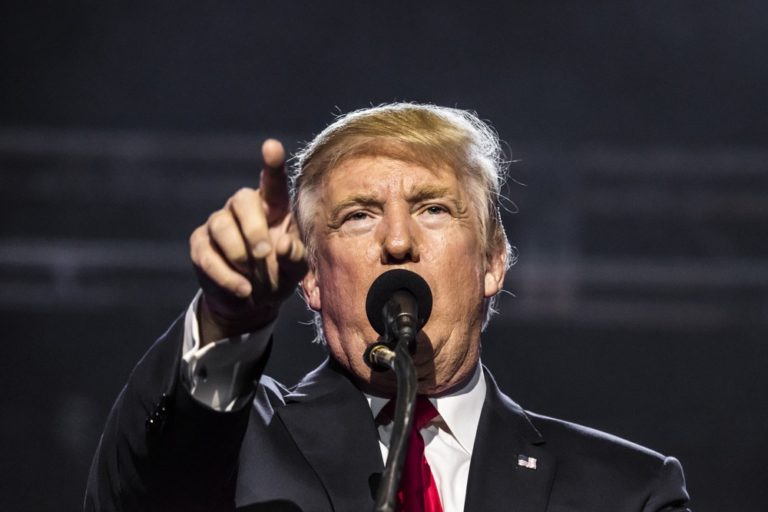
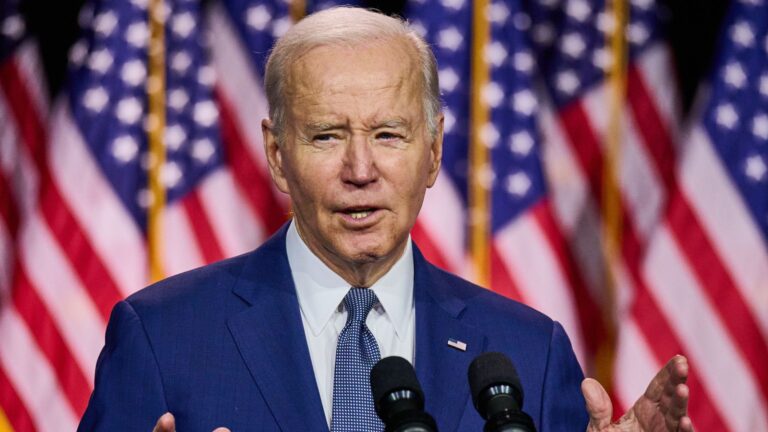
Trump Claims Biden’s Pardons Are Void—Here’s Why

0

Key Takeaways:

  • Trump claims Biden’s pardons are void due to concerns over Biden’s mental fitness and the use of an autopen.
  • Legal analysts argue that Biden’s mental capacity could affect the validity of his official actions.
  • A whistleblower may be needed to prove Biden didn’t authorize certain documents.
  • This debate highlights growing concerns about Biden’s leadership abilities.
  • The situation could have significant political implications for the 2024 election.

Trump Declares Biden’s Pardons Void—Here’s What’s Happening

In a dramatic move, former President Donald Trump has declared President Joe Biden’s pardons as “VOID, VACANT, AND OF NO FURTHER FORCE OR EFFECT.” Trump made this announcement on his social media platform, Truth Social, sparking a heated debate over the legality of Biden’s actions. The main issue? Biden’s use of an autopen—a mechanical device that signs documents automatically—and concerns about Biden’s declining mental fitness.

Trump’s announcement came after he claimed that Biden’s pardons, particularly for members of the “Unselect Committee of Political Thugs,” are invalid. But what’s behind this bold claim? Let’s dive into the details.


What’s an Autopen? And Why Does It Matter?

An autopen is a machine that signs documents on behalf of a person, often used when a president or other official needs to sign a large number of papers. It’s been used by many presidents, including Harry Truman, and is generally considered legal as long as the president gives consent.

However, Trump and some legal experts, like Fox News’ Gregg Jarrett, argue that Biden’s use of the autopen raises serious questions. The key issue is whether Biden actually gave consent for the signings. If Biden is incapable of granting consent due to declining mental fitness, then any documents signed by the autopen—including pardons—could be considered null and void.

Jarrett explained on Sean Hannity’s show, “Hannity,” that consent must be voluntary, willing, and conscious. If Biden’s mental capacity is declining, he may not meet these criteria, making his actions invalid.


Mental Fitness in Question

Concerns about Biden’s mental fitness have been a topic of debate since early in his presidency. While Biden’s staff and Democratic lawmakers have defended his abilities, some Republicans have openly questioned whether he’s fit to lead.

These concerns escalated after Biden’s performance in the June 2024 presidential debate against Trump. Many Democrats and corporate media outlets began to criticism Biden, with some even calling for him to drop out of the race.

Jarrett pointed out that if Biden is incapable of making conscious decisions, any documents signed using the autopen could be considered fraudulent. This could potentially lead to charges of forgery and fraud, but proving this would be a major challenge.


The Role of a Whistleblower

Jarrett believes that a whistleblower with incriminating evidence could be the only way to prove Biden didn’t authorize the autopen signings. However, finding such a whistleblower would be extremely difficult.

As Jarrett explained, “You can’t really ask [Biden] because he doesn’t remember what he had for breakfast. You can’t get people who did it in the White House to confess to forgery and fraud.” This makes gathering proof nearly impossible.

In January, Republican House Speaker Mike Johnson shared an incident where Biden seemed to forget signing an executive order pausing liquefied natural gas (LNG) exports. When Johnson asked Biden about the LNG pause, Biden reportedly said, “I didn’t do that.”

This incident and others like it have fueled speculation about Biden’s mental state and whether he’s truly in control of his presidential duties.


The Validity of Pardons and Executive Orders

At the heart of this debate is the question of whether Biden’s pardons and executive orders are legally valid. If Biden’s mental fitness is in question, and if he didn’t consciously consent to the use of the autopen, then his official actions could be deemed null and void.

Jarrett emphasized that this is a serious issue, stating, “If you’ve got a president like Joe Biden, who is [incapable of granting consent], then those documents … are null and void.”

This could have far-reaching consequences, not just for Biden’s pardons but for all his executive actions. If Biden’s mental fitness is successfully challenged, it could potentially invalidate a wide range of his decisions.


Political Implications and the 2024 Election

This debate is not just about legal technicalities—it’s also deeply political. With the 2024 presidential election just around the corner, Trump is using this issue to undermine Biden’s credibility and question his fitness to lead.

Trump’s announcement could energize his base and shift attention away from his own legal challenges. At the same time, it could put pressure on Democrats to address concerns about Biden’s leadership abilities.

However, Democrats remain steadfast in their support for Biden, with many defending his mental fitness. For now, the debate over Biden’s pardons and mental capacity is likely to remain a hot topic in the lead-up to the 2024 election.


What’s Next?

The question of whether Biden’s pardons and executive orders are valid is complex and multifaceted. It touches on issues of mental fitness, legal consent, and the integrity of the presidency.

For now, Trump’s claim that Biden’s pardons are void remains a bold assertion without concrete evidence. However, if a whistleblower comes forward with incriminating information, the situation could change dramatically. Until then, the debate over Biden’s mental fitness and the legality of his actions will likely continue to dominate political discussions.

Stay tuned for more updates as this story unfolds.
Trump Makes Big Moves: Pardons, Strikes, and More

0

Key Takeaways:

  • President Trump says he will ignore pardons signed by Biden using an autopen.
  • Trump nominates Bryan Bedford to lead the FAA amid air travel safety concerns.
  • U.S. airstrikes hit Yemen after Houthi rebels attacked American ships.
  • The Trump administration continues deporting Venezuelans despite a court order.
  • Trump and Putin will talk about power plants and ending the Ukraine war.

Trump Dismisses Biden’s Pardons

President Trump has announced that he will not honor pardons issued by former President Biden. These pardons were signed using an autopen, a machine that signs documents automatically. Trump claims that since Biden didn’t personally sign them, they are not valid. This move has sparked a lot of debate about the legality of using autopen for important documents.


New FAA Administrator Nominated

Amid growing concerns about air travel safety, President Trump has nominated Bryan Bedford as the new head of the Federal Aviation Administration (FAA). Bedford is the CEO of Republic Airways and has years of experience in the aviation industry. His nomination comes after a recent midair collision raised questions about air safety. If confirmed, Bedford will play a key role in improving air travel standards.


Airstrikes in Yemen

In response to Houthi rebel attacks on American ships in the Red Sea, President Trump ordered military airstrikes on targets in Yemen. The Houthi rebels have been a growing threat in the region, and this move by Trump is seen as a strong response to protect American interests. The airstrikes are intended to weaken the rebels and prevent future attacks.


Defying Deportation Orders

The Trump administration is facing criticism for ignoring a federal judge’s order to stop deportation flights. The administration has continued to deport alleged Venezuelan gang members to El Salvador. This has led to a constitutional crisis, with many questioning the administration’s disregard for court orders. Critics argue that this sets a dangerous precedent for future administrations.


Upcoming Call with Putin

The Kremlin has confirmed that President Trump and Russian President Vladimir Putin will hold talks soon. The main topics on the agenda are power plants and territorial issues related to ending the Ukraine war. This call is seen as an important step towards finding a resolution to the ongoing conflict. However, many are skeptical about whether the talks will lead to real progress.


What’s Next?

These recent actions by President Trump show that he is taking a firm stance on both domestic and international issues. From dismissing Biden’s pardons to ordering airstrikes in Yemen, Trump is making his presence known. The upcoming call with Putin and the nomination of a new FAA administrator are just a few examples of how Trump is shaping policy and responding to global challenges.

As the situation continues to unfold, one thing is clear: Trump’s decisions are causing big waves in politics and beyond. Stay tuned for more updates as these stories develop.

Maddow Slams Trump: Is DOGE Turning Into a Private Army?

0

Key Takeaways:

  • Rachel Maddow criticizes the Trump administration over DOGE’s unauthorized entries into independent government agencies.
  • DOGE, accompanied by individuals claiming to be U.S. Marshals, forcefully entered the U.S. African Development Foundation and the U.S. Institute of Peace.
  • Maddow describes these actions as an armed assault on government offices, raising concerns about legal authority and the use of force.
  • She questions whether DOGE is becoming a private army, highlighting implications for the balance of power in the government.

Introduction: Rachel Maddow’s recent MSNBC segment highlighted alarming actions by the Directorate of Government Efficiency (DOGE), part of the Trump administration. DOGE’s role in cost-cutting measures has taken a concerning turn, with reports of unauthorized entries into independent agencies, sparking worries about authority and the rule of law.

The Incidents: DOGE’s actions at the U.S. African Development Foundation and the U.S. Institute of Peace have drawn sharp criticism. The agencies, independent of the executive branch, were reportedly entered by DOGE employees and individuals claiming to be U.S. Marshals. These incidents raise questions about DOGE’s authority and the appropriateness of using force against government entities.

Maddow’s Reaction: Maddow condemned the actions, labeling them an armed assault. She emphasized that legal disputes should be resolved through proper channels, not force. Maddow’s strong statements underscored the seriousness of using guns against government offices, deeming it a break-in warranting police intervention.

Implications of a Private Army: Maddow questioned whether DOGE is evolving into a private army, challenging the separation of powers. If U.S. Marshals are aiding DOGE against other government branches, it signals a significant shift in governmental power dynamics.

warnings About Authoritarianism: Maddow warned of a potential slide towards authoritarianism, noting the rapid escalation of aggressive actions during Trump’s term. She highlighted the importance of checks and balances in preventing the concentration of power.

Purpose of DOGE: DOGE’s primary role as a cost-cutting agency has come under scrutiny. While efficiency is crucial, the use of force to achieve goals raises ethical and legal concerns, prompting a reevaluation of DOGE’s methods and authority.

Conclusion: The unfolding situation with DOGE and the Trump administration has significant implications for governance. Maddow’s critique serves as a reminder of the importance of adhering to legal processes and maintaining the balance of power within the government. As events continue to develop, the nation watches closely, concerned about the potential erosion of democratic norms.

Trump’s Deportation Plan Sparks Legal Showdown

0

Key Takeaways:

  • President Trump is deporting Venezuelan migrants despite a court order stopping him.
  • He’s using a 1798 law to bypass legal processes, which critics call dangerous.
  • Legal experts warn this could lead to a constitutional crisis.
  • Trump’s actions are part of his campaign promise to deport criminals and gang members.

Trump Defies Court Order on Deportations

President Donald Trump is moving forward with his plan to deport undocumented immigrants, but he’s hitting a roadblock. A federal court recently ordered the Trump administration to stop deporting Venezuelan migrants, but officials ignored it. This has sparked a heated debate about whether the president is following the law.

The deported migrants were reportedly members of the Tren de Aragua gang, known for violent crimes. While the administration argues these individuals are criminals, critics say they were sent back without a hearing or trial. This raises concerns about fairness and due process.


Using a Law From 1798

The Trump administration is relying on the Alien Enemies Act, a law passed over 200 years ago, to justify these deportations. This law allows the president to deport foreigners during wartime without legal proceedings. However, the U.S. is not officially at war, and Congress hasn’t approved any such action.

Critics, including the Wall Street Journal’s conservative editorial board, call this move troubling. They argue that using such an old law sets a dangerous precedent. If presidents can ignore court orders and skip legal steps, it could weaken the rule of law in the U.S.


The Importance of Due Process

The editorial board points out that deporting people without hearings or trials is a slippery slope. While targeting criminals and gang members may be popular, the board warns that bypassing the legal system is not the right way to do it.

“Deporting illegal migrants, especially criminals, is a promise Mr. Trump made to voters,” the board wrote. “But he must do it within the law. Otherwise, he risks taking the country down a path of lawlessness.”


A Constitutional Crisis?

The situation escalated when the administration continued deportations despite the court’s order. This led to a tense courtroom battle on Monday. The stakes are high, with many questioning whether the administration is ignoring court orders altogether.

The editorial board asked a critical question: “Are we already at a point where the administration thinks it can ignore court orders?” If this continues, it could lead to a constitutional crisis, where the executive branch acts without regard for the judiciary.


The Broader Debate

Trump won the election partly by promising to crack down on illegal immigration and gang violence. Many of his supporters applaud his actions, seeing them as a fulfillment of his campaign pledges. However, legal experts and even some conservatives are sounding the alarm. They argue that while the goals may be legitimate, the methods are not.

The Wall Street Journal’s editorial board compared Trump’s actions to those of the Biden administration, which they accused of abusing the justice system. “Mr. Trump was elected to stop that kind of abuse, not copy it,” they wrote.


What Happens Next?

The administration can appeal the court’s decision, but ignoring a court order outright is another matter. If the administration continues down this path, it could face serious consequences.

At the heart of this debate is a simple but critical question: Can the president bypass the courts and ignore the law to achieve his goals? The answer will have far-reaching implications for the country’s legal system and the balance of power in the U.S. government.

As the situation unfolds, one thing is clear: The Trump administration’s approach to deportations is sparking a wildfire of legal and political challenges. The question now is whether the president can fulfill his campaign promises without undermining the very laws he swore to uphold.


This story highlights the delicate balance between enforcing immigration laws and upholding the Constitution. It also raises important questions about the limits of presidential power and the role of the judiciary in holding the executive branch accountable. Stay tuned for further updates as this situation continues to unfold.

Trump’s Trade Wars: Is Commerce Secretary in the Hot Seat?

0

Key Takeaways:

  • Economic troubles from Trump’s tariffs have administration officials blaming Commerce Secretary Howard Lutnick.
  • Lutnick has upset officials by speaking out before Trump on trade policies, sometimes disagreeing with him.
  • He wants Trump to ease tough tariffs on goods from Canada and Mexico.
  • Lutnick faces rivalry with Treasury Secretary Scott Bessent, causing tension within the administration.

Trump’s Tariffs Cause Tension: Is Lutnick the Scapegoat?

The economic challenges caused by President Donald Trump’s tariffs have sparked finger-pointing among administration officials. According to reports, many are pointing the blame at Commerce Secretary Howard Lutnick. Why? It seems Lutnick hasn’t always been on the same page as Trump when it comes to trade policies.

Lutnick, who is supposed to be Trump’s top cheerleader for economic policies, has sometimes contradicted the president. He’s even spoken out before Trump made official announcements about trade policies. This has annoyed administration officials, making him a target for blame.

But why is Lutnick taking this stand? Reports suggest he wants Trump to ease up on some of the toughest tariffs, especially those on goods from Canada and Mexico. Lutnick thinks these tariffs are causing more harm than good and wants to see a softer approach to the trade war.


A Difficult Role for Lutnick

Lutnick’s job is tricky. He needs to support Trump publicly, even if he doesn’t fully agree with the president’s trade policies. One Wall Street executive described it this way: “He’s got to be the guy out there advocating for Trump, even if he doesn’t own the policy design.”

This means Lutnick often has to defend policies he might not entirely believe in. It’s like being a spokesperson for decisions he didn’t make. This balancing act has put him in a tough spot, making him a target for criticism.


Rivalry Within the Administration

The situation gets even more complicated because of Lutnick’s rivalry with Treasury Secretary Scott Bessent. Lutnick reportedly wanted Bessent’s job but didn’t get it. Now, the two are competitors, and their tension is obvious.

“Within the administration, there are still ‘knives out’ between Lutnick and Bessent,” said one senior advisor. This rivalry has created a divided White House, where staff feel forced to choose sides. During Bessent’s confirmation hearings, White House employees had to decide whether to help prepare Bessent or Lutnick for their roles.


What Does This Mean for Trump’s Trade Policies?

The drama between Lutnick and Bessent highlights the challenges within the Trump administration. It’s not just about tariffs and trade wars; it’s also about personal rivalries and conflicting opinions.

As the economic situation remains uncertain, all eyes are on Lutnick. Will he continue to try to influence Trump’s policies, or will the pressure become too much? And how will his relationship with Bessent affect the administration’s ability to work together?


What’s Next?

The tension between Lutnick and Bessent, along with Lutnick’s disagreements with Trump, could have big implications for the administration’s economic decisions. If Lutnick continues to face criticism and pressure, his role in the administration might be in jeopardy. Could he be the next official to leave the Trump administration?

For now, one thing is clear: The economic turmoil from Trump’s tariffs has created a messy situation, and Lutnick is caught in the middle.


Final Thoughts: The story of Howard Lutnick and the Trump administration’s trade policies shows how politics and personal rivalries can mix. It’s a reminder that even in the highest levels of government, disagreements and competition can shape important decisions. Stay tuned to see how this drama unfolds and what it means for the future of Trump’s trade policies.

Schumer Faces Backlash Over Funding Bill Vote

0

Key Takeaways:

  • Schumer votes for GOP’s stopgap funding bill, causing Democratic uproar.
  • Liberals feel excluded from the bill’s creation, linking it to Elon Musk’s influence.
  • Schumer defends his vote to avoid a government shutdown.
  • Tense meetings with liberal groups like Indivisible yield no resolution.
  • Indivisible calls for Schumer to step down as Senate Minority Leader.

What Happened? Senate Minority Leader Chuck Schumer recently faced intense backlash from liberals after voting for a GOP stopgap funding bill. This bill was intended to prevent a government shutdown, but many Democrats felt it was crafted without their input. Progressive Representative Alexandria Ocasio-Cortez criticized the bill, associating it with the chaos she believes Elon Musk is causing in the government. Schumer met with liberal groups to address concerns but found little success, with groups like Indivisible demanding his resignation.

Why Democrats Are Upset Democrats are angered because they felt excluded from the bill’s creation, which they believe supports Musk’s government efficiency initiatives. Many see this as handing more power to Musk, whose actions they view with skepticism. The bill’s passage, with some Democratic support, has deepened internal party divisions, especially between the Senate and House.

Schumer’s Defense Schumer argues that avoiding a shutdown was crucial, as it would have played into Musk’s hands, potentially worsening government dysfunction. He emphasizes that a shutdown would harm many and disrupt essential services, making his decision a tough but necessary choice.

The Meeting With Liberals Schumer’s meetings with liberal groups were tense. Indivisible, a prominent group, called for his resignation, frustrating Schumer’s attempts to ease tensions. Despite his efforts to explain his position, the meetings were unproductive, highlighting the deep divide within the Democratic party.

What’s Next? The aftermath leaves Schumer in a challenging position. With some groups demanding new leadership, his role as Senate Minority Leader faces scrutiny. The situation reflects broader tensions within the Democratic party, as progressives push for stronger opposition to GOP policies, even if it risks a shutdown.

Conclusion Schumer’s vote and the ensuing backlash reveal significant fissures within the Democratic party. As the political landscape evolves, Schumer’s leadership and the party’s unity will be tested. The situation underscores the challenges of balancing immediate political gains with long-term vision in a divided government.

Elon Musk’s Starlink Raises Security Alarms in White House

0

Key Takeaways:

  • Elon Musk’s Starlink satellite system is now integrated into the White House’s data center, raising security concerns.
  • Technologist Waldo Jaquith warns this could expose sensitive government data to risks.
  • Starlink is also being rolled out to other federal agencies, sparking worries about the motivations behind this move.

Elon Musk’s Starlink system, which provides satellite-based internet, is now connected to a White House data center. This means the White House is relying on Musk’s technology for some of its internet services.

While this might seem like a minor tech upgrade, experts like Waldo Jaquith are sounding the alarm. Jaquith, who used to manage IT contracts for the federal government, says this is a bad idea. He believes it creates a major security risk.


Why Is This a Security Concern?

Jaquith tweeted his worries, saying, “This is extremely bad. There is absolutely no need for this.” He explained that connecting Starlink to the White House’s systems could expose sensitive government data.

Here’s why experts are worried:

  1. Private Company Control: Starlink is owned by Elon Musk, a private company. This means the government is relying on a system it doesn’t fully control.
  2. Potential Security Gaps: Satellite internet systems like Starlink can have vulnerabilities that hackers might exploit.
  3. Unnecessary Risk: Jaquith argues that the White House already has secure, high-speed internet. There’s no clear reason to switch to Starlink.

The White House isn’t the only place adopting Starlink. The General Services Administration, a major agency that manages government buildings and services, has also started using the system.

This raises questions about why Starlink is being expanded so quickly across the government. Some speculate that it’s part of Musk’s broader efforts to influence or reshape how federal agencies operate.


Why Should You Care?

This issue might seem technical, but it has big implications for national security and transparency.

  1. Security Risks: If Starlink is hacked, sensitive government data could be leaked or stolen.
  2. Private Influence: Companies like Musk’s could gain too much control over government systems, blurring the line between public and private sectors.
  3. Lack of Transparency: It’s unclear why the government is adopting Starlink so quickly. Without clear reasons, it’s hard to trust the decision.

What’s Next?

Jaquith and other experts are calling for more oversight and transparency. They want to know why the government is relying on Starlink and what safeguards are in place to protect data.

For now, the integration of Starlink into the White House and other federal agencies remains a contentious issue. With so much at stake, it’s crucial to monitor how this situation unfolds.


This story highlights the delicate balance between technology, security, and government operations. As Musk’s influence grows, so do the questions about the risks and benefits of private companies shaping public systems.

Gaetz Scandal Risks Future House Investigations, Reports Say

0

Key Takeaways:

  • The House Ethics Committee is struggling after releasing findings in the Matt Gaetz scandal.
  • Few lawmakers want to join the committee due to the fallout.
  • The panel’s reputation is damaged, making it harder to investigate future cases.
  • Confidentiality concerns are rising after internal conflicts and leaks.

What Happened with Matt Gaetz?

Matt Gaetz, a former U.S. Representative, was investigated for alleged misconduct, including sexual wrongdoing, drug use, and obstructing justice. The House Ethics Committee found evidence suggesting he broke laws, but the Department of Justice decided not to charge him. Gaetz denies all allegations.

When Gaetz resigned, the Ethics Committee broke tradition by publicly releasing its findings. Normally, these reports remain private when a lawmaker steps down. This move sparked criticism, with many arguing it violated the committee’s confidentiality rules.


Why Is This a Big Deal?

The Ethics Committee is responsible for investigating lawmakers accused of wrongdoing. But now, lawmakers are hesitant to join the committee after what happened in the Gaetz case.

One lawmaker told reporters, “Nobody ever wants to sit on the committee.” Others added that the role was already unpopular, but the Gaetz scandal has made it even more toxic.


What’s Next for the Ethics Committee?

The committee is preparing to tackle a growing backlog of cases after months of delays. But it’s facing a major problem: finding members willing to serve.

Former committee members warn that the fallout from the Gaetz case could make the panel dysfunctional. “It is a monster cloud,” said former Rep. Mike Conaway, who once chaired the committee.

Internal conflicts and leaks during the Gaetz investigation have further damaged the committee’s reputation. News reports revealed secret votes and disagreements among members about how to handle the case. This has led to a lack of trust in the committee’s ability to keep investigations confidential.


A Cloud Over the Committee’s Future

The Ethics Committee’s main strength has always been its confidentiality. Lawmakers trusted the process because they knew details wouldn’t leak out. But after the Gaetz scandal, that trust has been shaken.

Without willing members and with its reputation in question, the committee may struggle to investigate future cases. This could make it harder to hold lawmakers accountable for wrongdoing.

Lawmakers and former members agree: The Gaetz scandal has left a lasting mark on the Ethics Committee. The question now is whether the committee can recover and continue its important work.


This story highlights how a single scandal can have far-reaching consequences for how Congress investigates its own members. Stay tuned for more updates on this developing story.

Tesla’s Share Price Plunges Amid Insider Selling, Protests

Key Takeaways:

  • Tesla’s share price has dropped sharply in recent weeks.
  • Insiders, including Elon Musk’s brother and board members, have sold over $100 million in shares since February.
  • Protests are targeting Tesla dealerships nationwide due to Musk’s controversial actions.
  • The company’s market value has lost hundreds of billions of dollars.

Insiders Cash Out as Tesla’s Value Drops

Tesla’s stock has taken a nosedive recently, and insiders are jumping ship. Since February, top executives and board members have sold over $100 million in shares. This wave of selling comes as the company’s value has plummeted by hundreds of billions of dollars.

One of the biggest sellers is James Murdoch, a longtime ally of Elon Musk and a Tesla board member since 2017. Murdoch sold shares worth around $13 million on March 10, the same day Tesla’s stock fell by the largest single-day drop in five years.

Musk’s own brother, Kimbal Musk, who is also on Tesla’s board, sold 75,000 shares last month, worth about $27 million. Meanwhile, Robyn Denholm, the chairman of the board, has sold over $75 million in shares in just a few weeks.

Shareholders Feel the Pain

As insiders sell, regular shareholders are left wondering what’s next. Tesla’s falling stock price has wiped out billions of dollars in value for investors. Many are worried that the company’s leadership and controvers­ies are driving the losses.

Protests Hit Tesla Dealerships

The backlash against Tesla isn’t just happening in the stock market. Across the country, activists are protesting at Tesla dealerships. They’re angry because of Elon Musk’s recent actions, particularly his push to cut federal jobs. Protesters are trying to hurt Tesla’s business by organizing boycotts anddemo­nstrations.

Musk’s Controversial Moves

Elon Musk has been in the headlines for more than just Tesla’s struggles. His efforts to slash the federal workforce have sparked outrage. Critics say his actions are reckless and hurt innocent workers. This backlash is adding to the pressure on Tesla’s stock price.

What’s Next for Tesla?

The future of Tesla is uncertain. While the company remains a leader in electric cars, the ongoing controversies and insider selling have investors nervous. If Musk can’t stabilize the company and calm critics, the stock may continue to fall.

For now, Tesla’s troubles show how quickly things can change in the high-stakes world of business and investing. Stay tuned to see how this story unfolds.

Revolutionizing Tech: Generative AI Makes Giant Leap

Key Takeaways:

  • Generative AI is advancing rapidly, offering exciting possibilities.
  • It is transforming industries from healthcare to entertainment.
  • The future holds immense potential but also brings challenges.

Imagine technology that can create stunning images, compose music, or even help doctors diagnose diseases. Welcome to the world of generative AI, a type of artificial intelligence that’s becoming increasingly sophisticated. This technology is not just a sci-fi concept anymore; it’s here and making waves.

What is Generative AI?

Generative AI is a branch of artificial intelligence designed to create content. Unlike traditional AI that processes data, generative AI learns patterns from large datasets to produce new content, such as images or text. Think of it like a super-smart tool that can generate ideas or solutions on its own.

Recent Advancements in Generative AI

Recent breakthroughs have taken generative AI to new heights. For instance, models now can generate highly realistic images from simple text prompts. These advancements are not just about creating art; they’re solving complex problems too. For example, scientists use generative AI to design new materials that could revolutionize industries.

Applications of Generative AI in the Real World

The impact of generative AI is vast. In healthcare, it helps analyze medical images, speeding up diagnoses. Educators use it to create personalized study materials, making learning easier. Creative industries are booming too, as generative AI helps artists and writers spark new ideas, blending human creativity with machine intelligence.

The Future of Generative AI

Looking ahead, generative AI holds immense potential. It could solve some of the world’s toughest challenges, like climate change, by simulating solutions. However, there are concerns about misuse, like creating fake news or art theft. As generative AI evolves, balancing innovation with responsibility is key.

Conclusion

Generative AI is a game-changer, offering tools that can transform industries and daily life. From helping doctors to inspiring artists, its possibilities are endless. As we embrace this technology, we must remember the importance of ethical use. The future is exciting, and generative AI is leading the charge. Stay tuned to see how this technology continues to shape our world.