58.4 F
San Francisco
Thursday, May 14, 2026
Home Blog Page 1049

Microsoft’s Update Removes Copilot: What You Need to Know

Key Takeaways:

  • Microsoft’s latest Windows update accidentally uninstalled Copilot.
  • Users are working to reinstall the app.
  • Microsoft is addressing the issue and promises a fix.
  • The majority of users are unaffected.
  • A fix is expected soon.

What Happened?

Microsoft’s recent Windows update surprised users by removing the Copilot app on some devices. Users woke up to find Copilot gone, sparking confusion and concern. Microsoft quickly acknowledged the issue and assured users they’re working on a solution. For now, users are left reinstalling the app manually.


Why Did This Happen?

The exact cause is still under investigation, but it’s likely a bug in the update. Such glitches, though rare, can cause unexpected changes. Microsoft regularly updates Windows to improve security and functionality, but this time, something went wrong.


How to Fix It

If Copilot is missing, reinstalling it is straightforward. Here’s how:

  1. Open Microsoft Store: Find it in your Start menu.
  2. Search for Copilot: Type in the search bar.
  3. Reinstall: Click ‘Install’ to restore the app.

Tips: Restart your PC after installation and ensure your Windows is updated.


What’s Next?

Microsoft is committed to preventing similar issues. They’re improving update testing to catch such errors. Users are advised to keep their systems updated but remain cautious with major updates.


Conclusion

While the sudden removal of Copilot caused inconvenience, Microsoft’s prompt response is reassuring. Stay proactive, keep systems updated, and look forward to smoother future updates.

Trump’s DOGE Cuts: Updates on Department Rollbacks and Legal Battles

0

Introduction President Trump’s administration has introduced the Department of Government Efficiency (DOGE), led by Elon Musk, aiming to reduce federal spending. This article explores the departments affected, significant rollbacks, and legal challenges faced by DOGE.

Key Takeaways

  • DOGE aims to cut federal spending, with various departments affected.
  • Significant rollbacks are occurring in education, environmental protection, and healthcare.
  • Judges have blocked some cuts, citing legal and ethical concerns.

Which Departments Were Cut? DOGE has targeted several federal departments to reduce spending. The Education Department faces budget cuts, potentially affecting school funding. The Environmental Protection Agency sees reductions, alarming environmentalists. Healthcare programs have also been scaled back, concerning patient advocates and providers.

The Biggest Rollbacks The Education Department’s cuts may impact school resources and programs, raising concerns about educational quality. Environmental rollbacks include slower climate change efforts, worrying activists. Healthcare reductions affect Medicaid and research funding, sparking debates on public health impacts.

Legal Challenges Judges have intervened in several cases. A federal court halted cuts to the EPA, citing unauthorized actions. Another ruling blocked healthcare reductions, highlighting the need for Congressional approval. These rulings show the legal complexities DOGE faces.

What’s Next? DOGE plans further cuts, but legal and political challenges loom. Critics argue these cuts harm vital services, while supporters see them as necessary for efficiency. The debate continues, with potential long-term impacts on government operations and public services.

Conclusion DOGE’s actions spark significant debate. Staying informed about these changes is crucial as they shape the future of federal spending and public programs.

Bill Gates Urges Trump to Keep Global Health Funding

0

Key Takeaways:

  • Bill Gates is lobbying the Trump administration to maintain funding for global health programs.
  • Programs include childhood vaccinations and HIV treatments.
  • Gates warns his foundation cannot fill funding gaps alone.
  • Meetings with the National Security Council and lawmakers have taken place.

Introduction: Bill Gates, known for co-founding Microsoft and his global health philanthropy, is urging the Trump administration to continue funding vital health programs worldwide. These initiatives, including childhood vaccinations and HIV treatments, are crucial for saving millions of lives. Gates emphasizes that his foundation can’t cover potential funding cuts, stressing the importance of continued government support.

Why Global Health Funding Matters: Global health programs are essential for preventing diseases and saving lives. Vaccinations protect children from deadly diseases like measles and polio. HIV treatment and prevention programs have drastically reduced infections and saved countless lives. Without funding, these efforts could unravel, leading to more deaths and the resurgence of preventable diseases.

What’s At Stake? If funding is cut, the impact would be severe. Millions of people, especially in poor countries, rely on these programs for life-saving treatments. Without support, these nations might struggle to continue their health initiatives, leading to increased disease spread. The consequences would be felt globally, as diseases can cross borders easily.

Gates’ Efforts: Gates recently met with the National Security Council and lawmakers to stress the importance of sustained funding. He’s highlighting how global health is a shared responsibility, requiring government commitment. His foundation has been instrumental in these efforts but emphasizes that it can’t replace government funding.

Challenges of Philanthropy: While the Gates Foundation does significant work, it’s not a substitute for government funding. Governments have more resources and infrastructure to implement large-scale health programs. Relying solely on philanthropy could lead to inconsistent funding and inadequate coverage.

Conclusion: Bill Gates’ advocacy underscores the critical need for continued global health funding. Programs like vaccinations and HIV treatments are vital for public health and save millions of lives. Gates urges the importance of government support, as philanthropic efforts alone cannot sustain these essential initiatives. The call to action is clear: continued funding is necessary to prevent a global health crisis.

Trump Administration Faces Deadline Over Venezuelan Deportation Flights

0

Key Takeaways:

  • The Trump administration must provide details on deportation flights by noon Eastern Time.
  • A federal judge is seeking answers about flights to El Salvador.
  • President Trump used a 1798 law to justify the deportations.
  • The case highlights a growing legal battle over immigration policies.

Introduction The Trump administration is under pressure to explain its actions after a federal judge stepped in to halt the deportation of Venezuelans. By midday Tuesday, government lawyers must answer questions about recent flights sending migrants to El Salvador. This legal showdown raises questions about immigration policies and the use of centuries-old laws to justify deportations.

What’s Happening? In recent weeks, the U.S. has been deporting Venezuelans, but a judge has temporarily stopped these actions. Now, the government must explain why it sent migrants to El Salvador and how it followed the law. President Trump cited a law from 1798, known as Title 8, U.S. Code 1182, to back these deportations. This law allows the president to restrict entry of non-citizens if it serves the national interest.

The Judge’s Questions U.S. District Judge James Boasberg wants clarity on two main issues: the flights to El Salvador and how the administration used the 1798 law. The judge’s order shows concerns about whether the deportations followed legal rules and respected migrants’ rights.

What’s at Stake? This case is part of a larger debate over U.S. immigration policies. Critics argue that the government is not giving migrants a fair chance to seek asylum. Supporters say the administration is acting to secure the border and enforce the law. The outcome could set a precedent for future immigration cases.

The.Response So Far Government lawyers have until Tuesday noon to respond. If they don’t meet the deadline, the judge could take further action. Meanwhile, the situation highlights the challenges of balancing border security with humanitarian concerns.

Conclusion The Trump administration is in a tough spot as it tries to enforce its immigration policies while facing legal challenges. The next steps in this case will be crucial, not just for the Venezuelans involved but for the future of U.S. immigration law. Stay tuned for updates as this story unfolds.

Germany’s Historic Vote: A €500 Billion Push for Defense and Climate

0

Key Takeaways:

  • Germany’s parliament will vote on a major fiscal package.
  • The package includes changes to debt rules to boost defense spending.
  • A €500 billion fund will focus on infrastructure and climate action.
  • The plan needs over two-thirds support to pass and become law.
  • The Bundesrat must also approve it by Friday.

A New Era for Germany’s Finances

Later today, Germany’s Bundestag will make a big decision. Lawmakers are set to vote on a massive fiscal package worth €500 billion. This plan is designed to strengthen the country’s defenses and tackle climate change. But what does it really mean for Germany and its people?


What’s in the Package?

The package is packed with big ideas. First, it changes Germany’s debt rules. For years, the country has followed strict limits on borrowing money. Now, the rules are being relaxed to allow more spending on defense. This comes as many European countries step up their military budgets amid global tensions.

The second major part is a €500 billion fund for infrastructure and climate projects. This money will go toward building better roads, expanding renewable energy sources, and creating greener cities. It’s a bold move to make Germany more sustainable and prepared for the future.


Why Is This Vote So Important?

Passing this package won’t be easy. More than two-thirds of the Bundestag must support it. That’s a high bar, but it shows how significant this plan is. If approved, it will be written into Germany’s constitution, making it a long-term commitment.

After the Bundestag vote, the Bundesrat, which represents Germany’s 16 states, will also weigh in on Friday. If both bodies agree, the package will become law.


What’s at Stake?

This vote is about more than just numbers. It’s about Germany’s role in the world. The country has long been known for its financial discipline, but this package signals a shift. By spending more on defense and climate action, Germany is showing it’s ready to take on bigger challenges.

At the same time, there are risks. Changing debt rules could lead to more borrowing and higher taxes in the future. Critics worry about the long-term impact on Germany’s economy. Supporters argue that these investments are necessary to keep the country safe and sustainable.


Looking Ahead

If the package passes, it will likely have far-reaching effects. More money for defense could strengthen Germany’s military and its role in NATO. The climate fund could help slash carbon emissions and create new jobs in green industries.

But if it fails, Germany’s plans for growth and security might be put on hold. The vote is a turning point for the country.


What’s Next?

The vote is set for later today, and all eyes are on the Bundestag. Lawmakers will debate the plan, and citizens will wait anxiously for the results. Whatever happens, one thing is clear: this is a moment that will shape Germany’s future for years to come.

Trump Releases JFK Files: Historic Disclosure

0

Key Takeaways:

  • Trump announced the release of 80,000 unredacted JFK files.
  • The announcement was made at the JFK Center in Washington, D.C.
  • Files relate to the 1963 assassination and were released the next day.
  • Public reaction is mixed, with anticipation and skepticism.

Introduction: President Donald Trump revealed plans to release 80,000 previously classified documents related to the assassination of President John F. Kennedy. This announcement, made at the JFK Center, marked a significant moment in American history, shedding light on a tragedy that has sparked decades of speculation.

What Are the JFK Files? The JFK files are documents collected during investigations into Kennedy’s assassination in 1963. They include FBI and CIA records, witness testimonies, and other evidence. Many files were partially redacted, fueling conspiracy theories about government involvement or foreign interference.

Why the Delay? The files were initially classified to protect sensitive information and national security. Over the years, releases have been partial, leaving unanswered questions. Despite a 1997 law mandating disclosure by 2017, some documents remained secret, citing national security concerns.

What’s in the Files? While the content is unknown, speculation suggests they detail CIA plots, FBI surveillance, and international involvements. The files might clarify aspects of Lee Harvey Oswald’s background, connections, and the assassination’s circumstances.

Public Reaction: Reactions vary from excitement to skepticism. Some hope for clarity on unanswered questions, while others doubt new revelations. Historians and researchers anticipate insights, but others expect more questions to arise.

Conclusion: The release of these files is a historic step, potentially altering our understanding of a pivotal event. The significance lies in their potential to provide closure or reopen discussions, ensuring the Kennedy assassination remains a topic of public interest.

Massive Protest in Serbia Over Railway Collapse

0

Key Takeaways:

  • Hundreds of thousands protested in Belgrade over a railway collapse that killed 15.
  • The incident in Novi Sad sparked widespread anger across Serbia.
  • Protesters accuse the government of corruption and negligence.
  • It’s the largest protest in Serbia’s history, with estimates over 325,000 attendees.

The Background

In November, a devastating railway station collapse in Novi Sad shocked Serbia. Fifteen lives were lost, and many more were injured. This tragedy exposed deep concerns about the country’s infrastructure. The collapse was not just an accident but a symptom of broader issues, leading to a massive protest in Belgrade.

People from all over Serbia gathered in the capital, united by grief and anger. They demanded accountability for the lives lost and better governance. The protest became a platform for citizens to voice their frustrations over corruption and neglect.


Why the Anger?

The Novi Sad tragedy was the final straw for many Serbians. For years, citizens have felt that their leaders are out of touch, prioritizing personal gain over public safety. The railway collapse highlighted how infrastructure projects might have been compromised by corruption and cost-cutting.

Public projects in Serbia are often seen as opportunities for officials to enrich themselves. Many believe that without proper oversight and honest leadership, such tragedies are inevitable. The collapse resonated deeply, turning grief into outrage and sparking demands for systemic change.


Government’s Response

The Serbian government reported that 107,000 people attended the protest, but independent monitors claimed over 325,000, making it the largest in the country’s history. This discrepancy fueled further distrust.

President Aleksandar Vucic dismissed accusations of corruption but acknowledged room for improvement. He emphasized that the government is committed to progress, though many remain skeptical. The government’s response did little to quell the public’s fury, as citizens seek tangible actions, not mere assurances.


As Protests Continue

The protest in Belgrade marked a turning point for Serbia. The scale of the demonstration shows a united public front against corruption and negligence. Whether this momentum leads to political change remains to be seen.

The railway collapse has become a symbol of wider frustrations. As protests continue, Serbians are pushing for a government that prioritizes the people’s needs over personal interests. The question now is whether these voices will lead to real reforms.


Conclusion

The railway collapse in Novi Sad ignited a nation’s demand for change. This protest, the largest in Serbia’s history, reflects a collective call for accountability and honesty. The government must listen to its people and take concrete steps to rebuild trust and improve infrastructure.

As Serbia moves forward, the legacy of this tragedy and the protests will depend on the government’s response. The people have made their voices heard; the challenge now is to ensure their calls for change are answered.

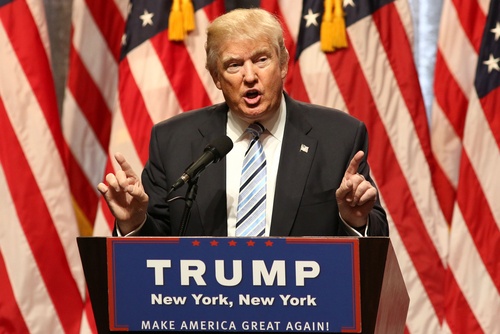
Trump’s Speech: False Claims and Controversy

0

Key Takeaways:

  • President Trump made several false claims during a speech at the Department of Justice.
  • He discussed various topics, including crime, immigration, and the Ukraine war.
  • Trump alleged unspecified crimes and corruption without providing evidence.
  • His statements are part of a pattern of spreading misinformation.

Introduction: President Donald Trump recently delivered a speech at the Department of Justice, addressing several topics. His remarks, however, sparked controversy due to multiple false claims, some of which were not supported by evidence. This instance is not isolated, as Trump has a history of making contentious statements.

A Pattern of Falsehoods: Trump’s speech at the DOJ is the latest in a series of public addresses where he has made questionable claims. This pattern raises concerns about the accuracy of information presented by public figures, highlighting the importance of fact-checking.

Allegations Without Evidence: During his speech, Trump alleged unspecified crimes during the Biden administration and corruption among judges. However, he did not provide any evidence to support these claims. This lack of substantiation undermines the credibility of his allegations.

Topics Beyond the DOJ: Trump also discussed immigration and the Ukraine war, borrowing heavily from his political agenda. Addressing such topics at the DOJ, which focuses on legal matters, appeared more like a campaign strategy than an official address.

Why This Matters: Honesty in leadership is crucial for maintaining public trust. When leaders make false statements, it can erode faith in government institutions, affecting societal stability and decision-making processes.

Fact-Checking Trump’s Claims: Several of Trump’s assertions have been disputed. For instance, his claims about crime rates and the situation in Ukraine are not entirely accurate. Verifying such statements is essential to ensure informed public discourse.

The Bigger Picture: This incident reflects a broader trend where political figures use unsubstantiated claims to shape narratives. It underscores the need for media scrutiny and public awareness to hold leaders accountable.

Public Reaction: Reactions to Trump’s speech were mixed. Supporters defended his comments, while critics expressed concern over the potential impact of his false claims on public trust in government.

Conclusion: President Trump’s speech at the DOJ highlighted the issue of misinformation in politics. The importance of truthful leadership and the need for accountability cannot be overstated. As public figures continue to shape narratives, the responsibility to seek truth and hold them accountable rests with us all.

Court Reverses Block on Trump’s DEI Spending Orders

0

Key Takeaways:

  • A federal appeals court lifted a block on Trump’s orders to limit taxpayer funding for DEI programs.
  • The ruling allows Trump’s orders to be enforced during ongoing legal challenges.
  • The debate over DEI programs continues, with critics arguing they undermine merit-based practices.

Introduction: In a significant legal move, the 4th U.S. Circuit Court of Appeals has overturned a lower court’s decision, enabling President Trump’s executive orders to restrict federal funding for Diversity, Equity, and Inclusion (DEI) programs. This decision allows the orders to take effect while legal challenges proceed.

What the Ruling Means: The appeals court determined that the initial block by Judge Adam Abelson was overly broad. The Department of Justice supported Trump, stating the orders target DEI programs that may violate civil rights laws. This ruling reflects ongoing debates about the role of DEI initiatives in federal agencies and contracting.

The Debate Over DEI Programs: Critics, including Republicans, argue that DEI programs can undermine merit-based hiring and promotions, potentially favoring certain groups over others. They believe such practices may lead to less qualified candidates being selected based on race or gender, rather than skill or experience.

Judges’ Opinions: Judge Pamela Harris, appointed by President Biden, noted that Trump’s orders were limited and did not outlaw all DEI efforts. She emphasized that the orders only targeted programs violating civil rights laws. Conversely, Judge Albert Diaz expressed strong support for DEI, praising their role in fostering a fair and inclusive society. However, legal scholar Jonathan Turley pointed out that such personal opinions from judges can overstep their role, which is to interpret law rather than express personal views.

Conclusion: The appeals court’s decision to lift the block on Trump’s orders highlights the contentious nature of DEI programs. As the legal battle continues, the ruling underscores the balance between promoting diversity and ensuring fairness in federal practices. The outcome may set a precedent for future policies on DEI initiatives nationwide.

Musk Claims Democrats Use Tax Money to Attract Immigrant Voters

0

Key Takeaways: Elon Musk accuses Democrats of using taxpayer money to attract immigrant voters.

  • He claims this strategy could cost taxpayers $200 billion annually.
  • Musk suggests this tactic aims to turn swing states into Democrat strongholds.
  • He warns this could lead to a permanent socialist government in the U.S.

Introduction: Elon Musk has sparked controversy by alleging that Democrats are using taxpayer funds to attract immigrant voters. Speaking on a podcast, Musk claimed this strategy is part of a broader plan to secure long-term political power. This article explores his claims and their implications.

What’s the Issue? Musk points to fraudulent entitlement payments as a significant problem. He believes Democrats are using these payments to gain political advantage by attracting immigrants who may vote for them. This, he argues, costs taxpayers billions and undermines the electoral system.

The Strategy Behind It: Musk explains that by bringing in large numbers of immigrants, Democrats can shift voting dynamics in key states. For example, in a state with a small voting margin, adding thousands of new voters could tip the balance. This strategy, Musk claims, aims to create a permanent Democrat majority, leading to a socialist government.

Evidence and Implications: Musk claims to have evidence of this strategy, citing the effectiveness of his Department of Government Efficiency in reducing fraud. He warns that if successful, this could lead to unchecked Democrat control, making it impossible to reverse through elections.

Conclusion: Musk’s allegations highlight a contentious issue in U.S. politics. While his claims are controversial, they underscore concerns about electoral integrity and the use of taxpayer funds. The implications, if true, could significantly impact the nation’s political landscape.