66 F
San Francisco
Saturday, May 16, 2026
Home Blog Page 1053

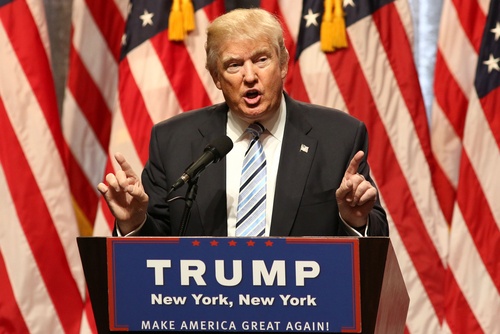
Trump Releases JFK Files: Historic Disclosure

0

Key Takeaways:

  • Trump announced the release of 80,000 unredacted JFK files.
  • The announcement was made at the JFK Center in Washington, D.C.
  • Files relate to the 1963 assassination and were released the next day.
  • Public reaction is mixed, with anticipation and skepticism.

Introduction: President Donald Trump revealed plans to release 80,000 previously classified documents related to the assassination of President John F. Kennedy. This announcement, made at the JFK Center, marked a significant moment in American history, shedding light on a tragedy that has sparked decades of speculation.

What Are the JFK Files? The JFK files are documents collected during investigations into Kennedy’s assassination in 1963. They include FBI and CIA records, witness testimonies, and other evidence. Many files were partially redacted, fueling conspiracy theories about government involvement or foreign interference.

Why the Delay? The files were initially classified to protect sensitive information and national security. Over the years, releases have been partial, leaving unanswered questions. Despite a 1997 law mandating disclosure by 2017, some documents remained secret, citing national security concerns.

What’s in the Files? While the content is unknown, speculation suggests they detail CIA plots, FBI surveillance, and international involvements. The files might clarify aspects of Lee Harvey Oswald’s background, connections, and the assassination’s circumstances.

Public Reaction: Reactions vary from excitement to skepticism. Some hope for clarity on unanswered questions, while others doubt new revelations. Historians and researchers anticipate insights, but others expect more questions to arise.

Conclusion: The release of these files is a historic step, potentially altering our understanding of a pivotal event. The significance lies in their potential to provide closure or reopen discussions, ensuring the Kennedy assassination remains a topic of public interest.

Massive Protest in Serbia Over Railway Collapse

0

Key Takeaways:

  • Hundreds of thousands protested in Belgrade over a railway collapse that killed 15.
  • The incident in Novi Sad sparked widespread anger across Serbia.
  • Protesters accuse the government of corruption and negligence.
  • It’s the largest protest in Serbia’s history, with estimates over 325,000 attendees.

The Background

In November, a devastating railway station collapse in Novi Sad shocked Serbia. Fifteen lives were lost, and many more were injured. This tragedy exposed deep concerns about the country’s infrastructure. The collapse was not just an accident but a symptom of broader issues, leading to a massive protest in Belgrade.

People from all over Serbia gathered in the capital, united by grief and anger. They demanded accountability for the lives lost and better governance. The protest became a platform for citizens to voice their frustrations over corruption and neglect.


Why the Anger?

The Novi Sad tragedy was the final straw for many Serbians. For years, citizens have felt that their leaders are out of touch, prioritizing personal gain over public safety. The railway collapse highlighted how infrastructure projects might have been compromised by corruption and cost-cutting.

Public projects in Serbia are often seen as opportunities for officials to enrich themselves. Many believe that without proper oversight and honest leadership, such tragedies are inevitable. The collapse resonated deeply, turning grief into outrage and sparking demands for systemic change.


Government’s Response

The Serbian government reported that 107,000 people attended the protest, but independent monitors claimed over 325,000, making it the largest in the country’s history. This discrepancy fueled further distrust.

President Aleksandar Vucic dismissed accusations of corruption but acknowledged room for improvement. He emphasized that the government is committed to progress, though many remain skeptical. The government’s response did little to quell the public’s fury, as citizens seek tangible actions, not mere assurances.


As Protests Continue

The protest in Belgrade marked a turning point for Serbia. The scale of the demonstration shows a united public front against corruption and negligence. Whether this momentum leads to political change remains to be seen.

The railway collapse has become a symbol of wider frustrations. As protests continue, Serbians are pushing for a government that prioritizes the people’s needs over personal interests. The question now is whether these voices will lead to real reforms.


Conclusion

The railway collapse in Novi Sad ignited a nation’s demand for change. This protest, the largest in Serbia’s history, reflects a collective call for accountability and honesty. The government must listen to its people and take concrete steps to rebuild trust and improve infrastructure.

As Serbia moves forward, the legacy of this tragedy and the protests will depend on the government’s response. The people have made their voices heard; the challenge now is to ensure their calls for change are answered.

Trump’s Speech: False Claims and Controversy

0

Key Takeaways:

  • President Trump made several false claims during a speech at the Department of Justice.
  • He discussed various topics, including crime, immigration, and the Ukraine war.
  • Trump alleged unspecified crimes and corruption without providing evidence.
  • His statements are part of a pattern of spreading misinformation.

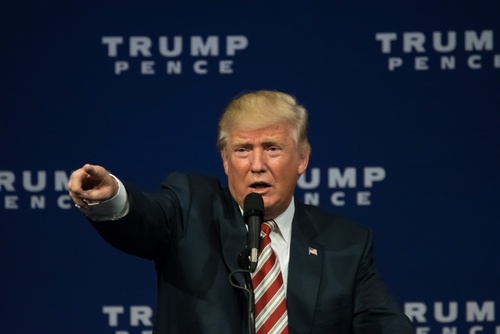
Introduction: President Donald Trump recently delivered a speech at the Department of Justice, addressing several topics. His remarks, however, sparked controversy due to multiple false claims, some of which were not supported by evidence. This instance is not isolated, as Trump has a history of making contentious statements.

A Pattern of Falsehoods: Trump’s speech at the DOJ is the latest in a series of public addresses where he has made questionable claims. This pattern raises concerns about the accuracy of information presented by public figures, highlighting the importance of fact-checking.

Allegations Without Evidence: During his speech, Trump alleged unspecified crimes during the Biden administration and corruption among judges. However, he did not provide any evidence to support these claims. This lack of substantiation undermines the credibility of his allegations.

Topics Beyond the DOJ: Trump also discussed immigration and the Ukraine war, borrowing heavily from his political agenda. Addressing such topics at the DOJ, which focuses on legal matters, appeared more like a campaign strategy than an official address.

Why This Matters: Honesty in leadership is crucial for maintaining public trust. When leaders make false statements, it can erode faith in government institutions, affecting societal stability and decision-making processes.

Fact-Checking Trump’s Claims: Several of Trump’s assertions have been disputed. For instance, his claims about crime rates and the situation in Ukraine are not entirely accurate. Verifying such statements is essential to ensure informed public discourse.

The Bigger Picture: This incident reflects a broader trend where political figures use unsubstantiated claims to shape narratives. It underscores the need for media scrutiny and public awareness to hold leaders accountable.

Public Reaction: Reactions to Trump’s speech were mixed. Supporters defended his comments, while critics expressed concern over the potential impact of his false claims on public trust in government.

Conclusion: President Trump’s speech at the DOJ highlighted the issue of misinformation in politics. The importance of truthful leadership and the need for accountability cannot be overstated. As public figures continue to shape narratives, the responsibility to seek truth and hold them accountable rests with us all.

Court Reverses Block on Trump’s DEI Spending Orders

0

Key Takeaways:

  • A federal appeals court lifted a block on Trump’s orders to limit taxpayer funding for DEI programs.
  • The ruling allows Trump’s orders to be enforced during ongoing legal challenges.
  • The debate over DEI programs continues, with critics arguing they undermine merit-based practices.

Introduction: In a significant legal move, the 4th U.S. Circuit Court of Appeals has overturned a lower court’s decision, enabling President Trump’s executive orders to restrict federal funding for Diversity, Equity, and Inclusion (DEI) programs. This decision allows the orders to take effect while legal challenges proceed.

What the Ruling Means: The appeals court determined that the initial block by Judge Adam Abelson was overly broad. The Department of Justice supported Trump, stating the orders target DEI programs that may violate civil rights laws. This ruling reflects ongoing debates about the role of DEI initiatives in federal agencies and contracting.

The Debate Over DEI Programs: Critics, including Republicans, argue that DEI programs can undermine merit-based hiring and promotions, potentially favoring certain groups over others. They believe such practices may lead to less qualified candidates being selected based on race or gender, rather than skill or experience.

Judges’ Opinions: Judge Pamela Harris, appointed by President Biden, noted that Trump’s orders were limited and did not outlaw all DEI efforts. She emphasized that the orders only targeted programs violating civil rights laws. Conversely, Judge Albert Diaz expressed strong support for DEI, praising their role in fostering a fair and inclusive society. However, legal scholar Jonathan Turley pointed out that such personal opinions from judges can overstep their role, which is to interpret law rather than express personal views.

Conclusion: The appeals court’s decision to lift the block on Trump’s orders highlights the contentious nature of DEI programs. As the legal battle continues, the ruling underscores the balance between promoting diversity and ensuring fairness in federal practices. The outcome may set a precedent for future policies on DEI initiatives nationwide.

Musk Claims Democrats Use Tax Money to Attract Immigrant Voters

0

Key Takeaways: Elon Musk accuses Democrats of using taxpayer money to attract immigrant voters.

  • He claims this strategy could cost taxpayers $200 billion annually.
  • Musk suggests this tactic aims to turn swing states into Democrat strongholds.
  • He warns this could lead to a permanent socialist government in the U.S.

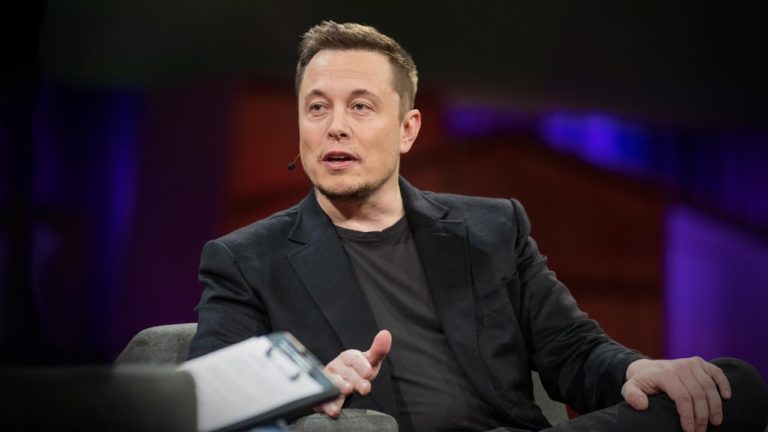
Introduction: Elon Musk has sparked controversy by alleging that Democrats are using taxpayer funds to attract immigrant voters. Speaking on a podcast, Musk claimed this strategy is part of a broader plan to secure long-term political power. This article explores his claims and their implications.

What’s the Issue? Musk points to fraudulent entitlement payments as a significant problem. He believes Democrats are using these payments to gain political advantage by attracting immigrants who may vote for them. This, he argues, costs taxpayers billions and undermines the electoral system.

The Strategy Behind It: Musk explains that by bringing in large numbers of immigrants, Democrats can shift voting dynamics in key states. For example, in a state with a small voting margin, adding thousands of new voters could tip the balance. This strategy, Musk claims, aims to create a permanent Democrat majority, leading to a socialist government.

Evidence and Implications: Musk claims to have evidence of this strategy, citing the effectiveness of his Department of Government Efficiency in reducing fraud. He warns that if successful, this could lead to unchecked Democrat control, making it impossible to reverse through elections.

Conclusion: Musk’s allegations highlight a contentious issue in U.S. politics. While his claims are controversial, they underscore concerns about electoral integrity and the use of taxpayer funds. The implications, if true, could significantly impact the nation’s political landscape.

Trump Ends Secret Service Protection for Biden’s

0

Key Takeaways:

  • President Trump suspends Secret Service protection for Hunter and Ashley Biden.
  • The decision cites high costs and questions South Africa’s human rights.
  • 18 agents were assigned to Hunter, and 13 to Ashley.
  • South Africa loses U.S. economic aid due to human rights concerns.

Trump Ends Secret Service Protection for Biden’s Children

In a significant move, President Trump has announced the suspension of Secret Service protection for Hunter Biden, son of former President Joe Biden, and his sister Ashley. This decision, made public on March 10, 2025, highlights concerns over costs and international relations.

Reasons Behind the Decision

President Trump expressed that the protection, funded by taxpayers, was unnecessary and costly. He noted that Hunter Biden, currently in South Africa, had a detail of 18 agents, which Trump deemed excessive. Additionally, Trump criticized South Africa’s human rights record, leading to the withdrawal of U.S. economic assistance.

Impact on the Bidens

The suspension affects both Hunter and Ashley Biden, who had 13 agents. This change may alter their security arrangements, potentially affecting their personal safety and public activities.

What’s Next?

This decision could spark political debate and raise questions about the criteria for Secret Service protection. The Bidens may seek alternative security measures, while the move might influence future policies on protection for public figures’ families.

Conclusion

President Trump’s decision reflects a shift in security priorities and economic policies. As the situation unfolds, the implications for the Biden family and U.S. foreign relations remain to be seen.

Statue of Liberty Sparks US-France Debate

0

Key Takeaways:

  • A French politician suggests returning the Statue of Liberty to France.
  • The US has refused, citing historical ties and shared values.
  • The debate highlights current tensions between the two nations.

Introduction

The Statue of Liberty, a symbol of freedom and democracy, has become a point of contention between the US and France. Recently, a French politician proposed returning the statue, sparking a heated exchange.

The Debate

Raphael Glucksmann, a French MEP, argued that the US no longer represents the values the statue embodies. He pointed to actions that, in his view, contradict liberty and justice, suggesting the statue should return to France. This idea quickly gained attention, especially when Peter Doocy from Fox News brought it up during a White House briefing.

Historical Context

The Statue of Liberty, a gift from France, was dedicated in 1886. It symbolizes the friendship between the two countries and the shared pursuit of freedom. Over the years, it has become an iconic symbol of American ideals, welcoming immigrants seeking a better life.

White House Response

Karoline Leavitt, the White House Press Secretary, firmly rejected the idea. She emphasized the historical support the US has provided to France, particularly during World War II, and suggested that without US intervention, France might be speaking German today. Her response underscored the US commitment to its values and the statue’s symbolic role.

Implications and Reactions

Leavitt’s response drew strong reactions, with some interpreting it as dismissive and others viewing it as a defense of American principles. The exchange reflects current tensions between the US and France, highlighting differing views on global leadership and values.

Conclusion

The debate over the Statue of Liberty’s future reveals deeper issues in US-France relations. While the statue remains in the US, the conversation underscores the evolving dynamics between two historically aligned nations. Whether this exchange leads to further discussion or resolution remains to be seen, but it certainly highlights the enduring significance of the Statue of Liberty as a symbol of freedom and friendship.

TV Anchor Rick Sanchez Loses Job for Refusing to Parrot Zelensky’s Talking Points

0

Key Takeaways:

  • Rick Sanchez, a veteran TV anchor, was forced out of his job at RT last summer.
  • He faced threats of jail time for refusing to repeat Zelensky’s talking points.
  • This incident raises concerns about the freedom of speech in media.
  • The case highlights the pressure on journalists to toe the line of political narratives.

In a shocking turn of events, veteran television anchor Rick Sanchez found himself at the center of a political storm last summer. Sanchez, who has spent decades in the television industry and was one of the top-rated anchors at RT, was abruptly forced out of his job. The reason? He refused to repeat talking points from Ukrainian President Volodymyr Zelensky. The Biden administration reportedly threatened him with jail time for his stance.

This incident has sparked a heated debate about the state of free speech in media. Is journalistic independence under threat? Are anchors being pressured to parrot political narratives? Let’s dive deeper into this story and explore its implications.


What Happened Behind the Scenes?

Rick Sanchez, a well-known face in the TV industry, had built a reputation for his sharp commentary and straightforward reporting style. His show on RT was popular for its unfiltered take on current events. However, last summer, Sanchez found himself in a tough spot.

According to reports, the Biden administration pushed Sanchez to repeat specific talking points from Zelensky, presumably to align his reporting with the official U.S. and Ukrainian stance on the Russia-Ukraine conflict. When Sanchez refused, he was not only fired but also threatened with legal consequences.

This move raised eyebrows in the media community. Journalists around the world began questioning whether the U.S. government overstepped its boundaries. Is it acceptable for a government to dictate what journalists must say? The answer, for many, is a resounding no.


What Does This Mean for Journalists?

Sanchez’s case is not an isolated incident. In recent years, there have been growing concerns about the pressure on journalists to follow specific political narratives. Governments, corporations, and other powerful entities often try to influence media coverage to suit their agendas.

Journalists are supposed to act as the fourth estate, holding power to account and providing unbiased information to the public. However, cases like Sanchez’s highlight the challenges they face. When journalists refuse to toe the line, they risk losing their jobs or even facing legal action.

This raises an important question: Is the media still free, or is it becoming a mouthpiece for those in power?


The Personal Cost for Rick Sanchez

For Rick Sanchez, the fallout was immediate. He lost his job, and his reputation came under scrutiny. The threats of jail time added to the pressure, making it clear that the stakes were high.

Sanchez’s firing serves as a warning to other journalists. It shows that standing up for journalistic integrity can come at a great personal cost. Many are now wondering: Will other journalists feel pressured to compromise their values to keep their jobs?

The situation also brings attention to the broader issue of censorship. In a world where information is tightly controlled, how can the public trust what they’re being told?


The Broader Implications

The case of Rick Sanchez goes beyond one journalist’s story. It speaks to a larger trend of media manipulation and the erosion of free speech. In democratic societies, the media is supposed to act as a watchdog, holding those in power accountable. But when journalists are forced to parrot specific narratives, that watchdog role is compromised.

This incident also highlights the challenges of covering international conflicts. The Russia-Ukraine war, in particular, has been a contentious topic, with both sides pushing their own narratives. Journalists who attempt to provide balanced coverage often find themselves in the crosshairs.

The situation raises questions about the role of governments in shaping media content. Should governments have the power to dictate what journalists say? Or should journalists be free to report the facts as they see them?


What Does This Mean for the Future of Media?

The firing of Rick Sanchez is a wake-up call for the media industry. It shows that journalists are not immune to political pressure, even in democracies. As governments and other powerful entities continue to exert influence over the media, the public may lose trust in the information they receive.

For journalists, this means they must be more vigilant than ever. They must strive to maintain their independence and resist pressure from external forces. It’s not an easy task, but it’s essential for preserving the integrity of journalism.

For the public, this means being critical of the information they consume. It’s important to seek out multiple sources and question the narratives being presented. In a world where misinformation is rampant, media literacy is more crucial than ever.


Conclusion

Rick Sanchez’s story is a troubling reminder of the challenges facing journalists today. His refusal to repeat Zelensky’s talking points cost him his job and put him at risk of legal consequences. This incident underscores the pressures journalists face to conform to political narratives and the potential consequences of standing their ground.

As the media landscape continues to evolve, it’s crucial to protect the independence of journalists. Without a free and independent press, democratic societies lose a vital check on power. The case of Rick Sanchez serves as a warning: The death of free speech in media could have far-reaching consequences.

In the end, this story is not just about one journalist. It’s about the future of journalism itself.

Trump Warns Iran: Houthi Attacks Will Have Dire Consequences

0

Key Takeaways:

  • President Trump blames Iran for Houthi rebel attacks in Yemen.
  • Houthi rebels have attacked over 100 ships since November 2023.
  • Trump vows to hold Iran responsible forfuture attacks.
  • The U.S. has launched airstrikes against Houthi targets in Yemen.
  • Trump reimposed sanctions on Iran amid rising tensions.

Trump Warns Iran: Houthi Attacks Will Have Dire Consequences

President Donald Trump has sent a strong message to Iran, warning that the U.S. will hold the country accountable for any military attacks carried out by the Houthi rebels in Yemen. The Houthis, a rebel group supported by Iran, have been launching attacks on ships in the Red Sea, sparking global concern over the safety of international shipping routes.

Why is this important? Yemen’s location makes it a critical point for global trade. The Red Sea and the Gulf of Aden are major routes for merchant vessels, and any disruption could have far-reaching consequences for the global economy.


The Houthis and Their Attacks

The Houthi rebels have attacked over 100 merchant ships since November 2023. These attacks involve drones and missiles, targeting vessels passing through the Red Sea. The Houthis claim their actions are aimed at ending Israel’s conflict with Hamas, but their methods have drawn criticism worldwide.

President Trump has made it clear that the U.S. believes Iran is behind these attacks. He claims that Iran is funding the Houthis, providing them with weapons, money, and military equipment. Trump warns that any future attacks will be seen as direct actions by Iran, and Tehran will face severe consequences.


Trump’s Response: Airstrikes and Sanctions

In response to the Houthi attacks, the U.S. launched airstrikes against Houthi targets in Yemen over the weekend. These strikes aimed at missile sites and leadership positions, killing at least 53 people. Secretary of State Marco Rubio explained that the U.S. is acting to protect global shipping and eliminate the threat posed by the Houthis.

In addition to military action, Trump has reintroduced strict sanctions on Iran. These sanctions were relaxed under former President Joe Biden, but Trump has reimposed them as tensions rise. Iran is accused of funding groups like Hamas, Hezbollah, and militias in Iraq, all of which have attacked Israel or U.S. interests in the Middle East.

The sanctions are part of Trump’s “maximum pressure” campaign, aimed at limiting Iran’s ability to support these groups financially. However, the move has sparked debate, with critics questioning whether sanctions will achieve their intended goals.


What’s Next?

The situation remains tense, and the U.S. has made it clear that it will not tolerate further attacks. The Houthis, meanwhile, continue to claim that their actions are justified, arguing that they are fighting against Israel’s actions in the region.

As the conflict escalates, the focus remains on Iran’s role. Trump’s warning to Tehran leaves little room for misinterpretation: the U.S. is prepared to take decisive action if Iran continues to support the Houthis.

The global community is watching closely, as the stakes are high. Any further escalation could have far-reaching consequences, not just for the region but for global trade and security.


Conclusion

President Trump’s warning to Iran is a clear signal that the U.S. is taking the Houthi attacks seriously. With airstrikes underway and sanctions in place, the message is simple: Iran will be held accountable for any future attacks, and the consequences will be severe.

As the situation continues to unfold, one thing is certain: the world is bracing for what comes next in this volatile region. Stay tuned for more updates as this story develops.

Trump Announces JFK Files Release: What You Need to Know

0

Key Takeaways:

  • President Trump to release JFK Files, ending decades of secrecy.
  • Files may reveal new insights into JFK’s assassination.
  • Public eagerly awaits potential truth after long wait.
  • Release could fuel more conspiracy theories or provide closure.

PRESIDENT TRUMP ANNOUNCES JFK FILES RELEASE: A HISTORIC MOMENT

In a recent announcement, President Trump revealed that the JFK Files will be released, bringing an end to decades of secrecy. These files, related to President John F. Kennedy’s assassination, have been awaited with bated breath by many. Let’s explore what this means and why it matters.

WHO WAS JFK?

John F. Kennedy, the 35th U.S. President, was a charismatic leader whose life was tragically cut short in 1963. His assassination in Dallas shocked the nation, leading to numerous theories about the events surrounding his death. The upcoming release of the JFK Files promises to shed light on these mysteries.

WHAT ARE THE JFK FILES?

The JFK Files are documents related to the assassination. They include FBI and CIA records that have been partially disclosed over the years but with many parts still classified. These files could contain information on the investigation, possible conspiracies, and individuals involved.

WHY ARE PEOPLE EXCITED?

The release of these files is significant because they might reveal new details about the assassination. For years, speculation has run rampant, with theories ranging from government involvement to foreign intervention. The files could provide answers, though they may also raise more questions.

WHAT MIGHT THE FILES REVEAL?

While the exact content is unknown, possibilities include:

  • New Evidence: Previously undisclosed evidence could challenge existing theories or confirm them.
  • Government Involvement: The files might show if any government agencies knew about the assassination beforehand.
  • Foreign Involvement: They could reveal if other countries played a role, affecting international relations.
  • Personal Details: Insights into Kennedy’s personal life and policies might emerge, though this is less likely.

THE WAIT IS OVER

For decades, the public has awaited these files, with previous presidents delaying their release. President Trump’s decision ends this wait, fulfilling a campaign promise. This move aligns with his commitment to transparency, though some records may remain classified for national security.

WHAT’S NEXT?

Once released, experts will analyze the files for new information. Historians will study them to refine our understanding of events. However, it’s unlikely all questions will be answered, and the release might spark further debate and theories.

PUBLIC REACTION

Excitement and curiosity dominate public sentiment. People hope for clarity, while others brace for potential shocks. Social media buzzes with anticipation, as this release could be a defining moment in American history.

CONCLUSION

The release of the JFK Files is a significant event, offering potential closure or new mysteries. As we await the release, the nation holds its breath, hoping for truths that may finally be revealed. Stay tuned as history unfolds.