62.9 F
San Francisco
Saturday, May 16, 2026
Home Blog Page 1054

Missouri AG Orders Planned Parenthood to Stop Chemical Abortions

0

Key Takeaways:

  • Missouri Attorney General Andrew Bailey orders Planned Parenthood to stop performing chemical abortions in the state.
  • The order cites non-compliance with a state law requiring a plan to treat complications from chemical abortions.
  • Planned Parenthood faces felony charges if it ignores the order.
  • The organization has a history of violating Missouri laws, including reporting and informed consent requirements.

Missouri Attorney General Andrew Bailey has taken a strong stance against Planned Parenthood, ordering the organization to stop performing chemical abortions in the state. In a recent cease-and-desist letter, Bailey instructed Planned Parenthood Great Rivers-Missouri to halt these procedures immediately or face legal consequences, including felony charges.

Why the Order?

The letter explains that Planned Parenthood is not following a Missouri law, specifically § 188.021.2. This law requires organizations performing chemical abortions to have a valid plan in place to treat complications that may arise. According to the FDA, up to 4.6% of women who undergo chemical abortions need emergency medical care. Missouri law demands that any organization using chemicals that result in more than 1% of patients needing surgical intervention after administration must have an approved treatment plan.

Bailey’s investigation found that Planned Parenthood does not have such a plan approved, putting women’s health at risk.

Planned Parenthood’s History of Violations

The Attorney General also highlighted Planned Parenthood’s history of breaking Missouri laws. He pointed to recent cases where Planned Parenthood physicians admitted under oath to violating the law. Investigators have found the organization repeatedly fails to comply with reporting requirements, informed consent laws, and sterilization standards.

What’s Next?

Liberty Counsel, a legal team that has been involved in many abortion-related cases, supports Bailey’s actions. Mat Staver, Chairman of Liberty Counsel, said, “Chemical abortions harm women physically and emotionally and kill defenseless children in the womb. The abortion industry ignores the lives of unborn children and the health of their mothers.”

Despite the order, Planned Parenthood officials have stated that their Missouri facilities are not currently offering chemical abortions. They say they will wait until their complication plans are approved before resuming the practice.


This battle over chemical abortions in Missouri is part of a larger debate about abortion rights in the state. Earlier this year, Missouri voters passed a constitutional amendment making abortion a “right” in the state, overturning a near-total abortion ban. Since then, Planned Parenthood has restarted surgical abortions at several locations.

However, the fight over chemical abortions shows that the debate is far from over. As politicians, legal teams, and organizations like Planned Parenthood continue to clash, the focus remains on balancing women’s health, legal compliance, and the rights of the unborn.

Stay tuned for more updates as this story unfolds.

Clubhouse Drops Invite-Only System, Becomes Latest Social Media Hotspot

Key Takeaways:

  • Clubhouse is no longer invite-only and is now open to everyone.
  • The app is becoming a hotspot for real-time discussions on various topics.
  • Celebrities and thought leaders are joining the platform, making it more popular.

If you haven’t heard of Clubhouse yet, you’re missing out on one of the hottest new social media platforms. Until recently, Clubhouse was exclusive—you needed an invite to join. But now, the app is open to everyone, and it’s quickly becoming the go-to place for real-time discussions.


What’s Clubhouse All About?

Clubhouse is different from other social media apps like Instagram or TikTok. Instead of sharing photos or videos, Clubhouse focuses on audio. Users can join virtual rooms where people discuss topics like business, entertainment, or even hobbies. Imagine being in a conference call with your favorite celebrities or experts—it’s that cool!


Why Is Clubhouse So Popular?

1. Celebrities Are Joining In

One reason Clubhouse is blowing up is that big names are on the app. Imagine listening to a discussion between Oprah and Elon Musk in real-time. Yep, that’s happened! When famous people join, they bring their fans with them, making the app more exciting.

2. Real-Time Conversations

Unlike other platforms where you scroll through posts, Clubhouse is all about live chats. You can jump into a room and listen to what’s happening right now. It feels more personal and immediate, which makes it addicting.

3. Exclusive Feel Without the Invites

Now that Clubhouse is open to everyone, it’s easier than ever to join. But even without the invite system, the app still feels special because of the live, interactive format. Users love the idea of stumbling upon unexpected conversations.


How Does Clubhouse Work?

When you open Clubhouse, you’ll see a list of active rooms. Each room has a topic, and you can choose which ones to join. Some rooms are just for listening, while others let you speak. It’s a great way to learn something new or share your thoughts with others.


What’s Next for Clubhouse?

Now that the app is open to everyone, it’s likely to grow even more. More people means more conversations, and more chances to meet interesting users. But Clubhouse will have to compete with big names like Twitter and Facebook, which are also trying to get into live audio.


Should You Join Clubhouse?

If you’re into real-time discussions and want to hear from experts or celebrities, Clubhouse is worth a try. It’s still a new platform, so there’s a lot of potential for growth. Plus, it’s free and easy to use.


Conclusion

Clubhouse is changing how we interact online by focusing on live audio. With the invite system gone, it’s the perfect time to check it out. Who knows who you’ll meet or what you’ll learn?

Arkansas Voucher Program’s Racial Mix Option Sparks Outrage

0

Key Takeaways:

  • Arkansas’s school voucher application included an option about seeking a different racial mix.
  • The program, part of the LEARNS Act, offers $7,000 per student for private or homeschooling expenses.
  • Public backlash led to the removal of the controversial option.
  • Despite its brief availability, 110 applicants selected the racial mix option.
  • Voucher systems are debated, with concerns they may increase segregation and favor wealthy families.

A Controversial Option in the Arkansas Voucher Program

Understanding the Issue:

A recent controversy in Arkansas’s education system has sparked debate after a school voucher application included an option that allowed parents to indicate they were seeking a different racial mix for their child’s education. This option, part of the LEARNS Act voucher program initiated by Governor Sarah Sanders, aimed to provide financial assistance for private or homeschooling expenses. However, the inclusion of this specific choice has raised significant concerns about racial segregation and equity in education.

Why It’s Controversial:

The school voucher program, designed to offer financial support to families, has become a focal point of debate due to the racial mix option. Critics argue that such an option could facilitate racial segregation by allowing families to choose schools based on racial demographics, potentially undermining efforts to integrate schools and promote diversity.

Moreover, the program’s accessibility has been questioned. While vouchers are intended to assist families in accessing better educational opportunities, critics highlight that low-income and rural areas often lack the private schools necessary to benefit from the program. This has led to concerns that the vouchers primarily advantage wealthier families who already have access to private education, potentially exacerbating educational inequality.

The Backlash and Its Aftermath:

The inclusion of the racial mix option in the voucher application sparked widespread criticism, prompting the Arkansas Department of Education to remove the controversial choice shortly after its introduction. Despite its brief presence, the option was selected by 110 applicants, indicating that some families were indeed considering racial demographics in their educational choices.

Implications and Future Considerations:

The controversy surrounding the Arkansas voucher program underscores broader debates about the effectiveness and equity of school voucher systems. While proponents argue that vouchers provide families with more educational choices, critics caution against the potential for increased segregation and unequal access, particularly for low-income and minority students.

As education policies continue to evolve, the Arkansas incident serves as a reminder of the need for careful consideration and equitable implementation to ensure that all students have access to quality education, regardless of their background or circumstances.

AP Article on Seed Oils Sparks Debate Over Media Bias

Key Takeaways:

  • The Associated Press (AP) published a biased article on seed oils.
  • Critics accuse AP of slanting the story against those who question seed oils.
  • The article used selective quotes and ignored some viewpoints.
  • AP’s approach has raised concerns about fair reporting.

What Happened?

The Associated Press recently wrote about the debate over seed oils, like sunflower and soybean oil. But instead of giving a balanced view, the article seemed to side with one group—nutrition scientists who support seed oils. Critics say AP ignored important points from those who question the health benefits of these oils.


How Was the Article Biased?

  1. Slanted Headline: The headline read, “Kennedy and influencers bash seed oils, baffling nutrition scientists.” This immediately painted critics as unreasonable. Words like “bash” and “baffling” suggested that critics had no valid points.
  2. Selective Quotes: The article mostly quoted scientists who support seed oils. It barely mentioned the arguments of critics, like some health influencers and experts who worry about the high omega-6 content in seed oils.
  3. Word Choice Bias: AP used words like “influencers bash” to describe critics but called seed oil supporters “scientists.” This made critics sound less credible.
  4. Leaving Out Key Points: The article didn’t explore why some people doubt seed oils. For example, it didn’t mention concerns about how seed oils are processed or their impact on health.
  5. One-Sided Expert Opinions: AP cited experts who dismissed critics but didn’t give equal space to critics’ experts. This made it seem like all scientists agree on seed oils, which isn’t true.

Why Does This Matter?

Media bias can shape public opinion. If an article doesn’t present all sides fairly, readers might adopt one viewpoint without hearing the full story. In this case, AP’s article may have led readers to think critics of seed oils are misinformed.


Conclusion

Bias in reporting is a serious issue. It’s important for media outlets like AP to present balanced stories, especially on topics that affect public health. By ignoring some viewpoints, AP missed an opportunity to help readers understand the full debate over seed oils. Let’s hope for fairer reporting in the future!


Read more about healthy eating and nutrition trends on DigitalChew.com.

Rich Nations’ Climate Pledges in Jeopardy as Budgets Shrink

0

Key Takeaways:

  • Rich nations may fail to meet their climate finance promises to poorer countries.
  • Budget cuts and shifting priorities threaten global climate action.
  • The US and European countries are cutting back on environmental spending.
  • Developing nations face a massive funding gap to combat climate change.

Rich Nations’ Climate Promises in Doubt

Rich countries, like the US and those in Europe, promised to help poorer nations fight climate change. But now, there are growing fears they won’t keep their word.

At a major UN climate summit last year, these nations agreed to give poorer countries $300 billion annually by 2035. This money is meant to help them switch to clean energy and adapt to the effects of global warming. However, many say this amount is still far too small.

Since the summit, things have gotten worse. The US has stopped contributing to global climate funds, and President Donald Trump has pulled out of a deal to help developing countries go green. Meanwhile, the UK and other European nations are cutting their foreign aid budgets to focus on defense and other priorities.

Experts warn that climate funding might be the next to get cut. Laetitia Pettinotti, a climate economist, says the signs are “not good” and predicts cuts are likely. “It’s really hard to see where the money is going to come from,” she says.


US and Europe: Where’s the Money Coming From?

The US, under President Trump, has halted its climate funding and withdrawn from key agreements. This leaves a big gap, as the US was once a major contributor to global climate efforts.

Europe, historically a leader in climate finance, is also under pressure. The European Union faces budget strains due to US tariffs, increased military spending, and support for Ukraine. Plus, right-wing politicians, who often oppose climate policies, are gaining power in many countries.

Countries like France, Germany, and the UK have recently cut their aid budgets. Li Shuo, a climate analyst, says the EU needs to “find a new way to prioritize its limited resources.” But this will make it harder to meet climate finance goals.


Developing Countries Left in a Tight Spot

Developing nations, which are less responsible for climate change but suffer its worst effects, urgently need help. They require around $1.3 trillion annually by 2035 to transition away from fossil fuels and adapt to rising temperatures.

Without enough funding, these countries could struggle to meet their climate goals. Brazil, which is hosting this year’s COP30 summit, is exploring ways to raise the needed money. But it’s unclear where the funds will come from.

Diplomats from Azerbaijan, which hosted last year’s COP29 summit, are seeking reassurances from rich nations. They want to know if budget cuts will affect climate funding. “We are opposed to any action that reduces funding for climate action,” says Yalchin Rafiyev, Azerbaijan’s top climate diplomat.


A History of Broken Promises

Even before these budget cuts, rich nations struggled to meet their climate finance commitments. In 2022, they provided only about $116 billion, far short of the $300 billion promised.

Now, with the US freezing its contributions, other countries will have to step up. But experts doubt they can fill the gap. Avantika Goswami, a climate change expert in India, says, “It’s not looking good. You’re going to hear more and more that there simply isn’t money out there.”


The Road Ahead

The situation is dire, but there is still hope. Rich nations must find creative ways to meet their climate pledges, such as increasing loans from global banks or encouraging private investments.

However, time is running out. Without enough funding, developing countries will struggle to address climate change, and the world will fall short of its goals. As Brazil’s COP30 presidency warns, “Climate finance for developing countries was already insufficient, but recent cuts to foreign aid budgets represent a renewed challenge.”

The world needs action, not promises. Rich nations must prioritize climate finance to ensure a sustainable future for all.

Heated Debate Erupts Between Mehdi Hasan and Dan Crenshaw

0

Key Takeaways:

  • Former MSNBC host Mehdi Hasan and Rep. Dan Crenshaw (R-TX) clashed during a fiery exchange on Piers Morgan Uncensored.
  • The debate centered on the immigration arrest of Palestinian activist Mahmoud Khalil.
  • Crenshaw defended the arrest, claiming it was legal and justified due to Khalil’s alleged incitement of violence.
  • Hasan criticized Crenshaw, questioning the GOP’s stance on free speech and civil liberties.
  • The conversation turned tense after Crenshaw told Hasan to “be quiet,” prompting a sharp response.

The Heated Exchange Explained

A lively debate turned into a shouting match on Piers Morgan Uncensored when Mehdi Hasan and Rep. Dan Crenshaw went head-to-head over a controversial topic: immigration and free speech. The argument started when the two discussed the arrest of Mahmoud Khalil, a Palestinian activist and former Columbia University student.

Crenshaw, a Republican lawmaker from Texas, stood firm in his belief that Khalil’s arrest was both legal and necessary. He argued that Khalil had broken the law by inciting violence, which he described as “an actual law-breaking exercise.”

Hasan, known for his bold critiques, shot back at Crenshaw, accusing him of hypocrisy. He referenced the January 6 Capitol riot, pointing out that many of the participants were pardoned despite their violent actions.

“Your party pardoned 1,500 domestic terrorists,” Hasan said, his voice rising in frustration. “Dan, spare me your faux morality.”

Crenshaw seemed taken aback by the accusation. “My party didn’t pardon anyone,” he replied, attempting to defend himself.


The Conversation Turns Personal

The debate quickly became personal as Crenshaw tried to calm Hasan down. At one point, Crenshaw told Hasan to “be quiet for a second.” But Hasan refused to back down.

“No, I’m not going to ‘be quiet’!” Hasan fired back. “This whole thing is about free speech. I’m not a green card holder, Dan. You can’t disappear me as well.”

The exchange grew more heated as Crenshaw repeated his request for Hasan to “be quiet,” only to be met with further defiance. Hasan accused Crenshaw of losing his mind, while Crenshaw suggested Hasan needed to talk to a lawyer to understand the issue better.

At one point, Morgan, the host, struggled to keep the conversation on track as all three participants began speaking over each other.


What’s at Stake?

The debate over Khalil’s arrest touches on bigger issues, like free speech and civil liberties. Crenshaw argued that inciting violence is a serious crime, and law enforcement has the right to act.

On the other hand, Hasan emphasized that speech, even controversial speech, is protected in the U.S. He questioned whether Khalil’s arrest was a fair application of the law.

The back-and-forth highlighted a deeper divide in American politics over where to draw the line between free speech and safety.


Why It Matters

The clash between Hasan and Crenshaw is part of a larger conversation about civil liberties and government accountability. While some argue that laws must protect public safety, others worry that such laws could be used to silence critics or marginalized groups.

Hasan’s reference to the Capitol riot and domestic terrorism added fuel to the fire, pointing out what he sees as double standards in how certain groups are treated.

The debate also shows how tensions over immigration and free speech continue to dominate political discussions in the U.S.


Watch the Full Exchange

To see the full debate and decide for yourself, you can watch Piers Morgan Uncensored on YouTube.


This fiery exchange between two strong personalities reminds us how passionate and complicated political debates can get. Whether you agree with Hasan or Crenshaw, one thing is clear: the conversation about free speech and accountability is far from over.

Top IP Attorneys Share NIL Licensing Tips

0

Introduction

A group of top IP attorneys gathered this week at a special conference to guide athletes about NIL licensing. This conference took place at an event called I Love Trademarks. The meeting brought together experts and young athletes. The speakers explained how copyright, trademarks, and licensing work in simple language. They aimed to help everyone understand their rights when using a name, image, or likeness.

What is NIL Licensing

NIL stands for name image and likeness. It is a rule that lets athletes earn money off their personal brand. Young stars believe they have the right to profit from their hard work. These changes can affect college sports and amateur leagues. The session explained how NIL licensing works and why it matters. Athletes learned that they can make deals with companies legally. They received advice on how to protect their image through licensing. The attorneys urged them to use knowledge as power when signing deals.

Benefits of NIL Licensing

The experts explained many benefits of acquiring NIL licensing tips. First the advice can help athletes unlock new income streams. They learned how to get professional help when making deals. The attorneys also explained how to keep personal brands safe. They showed that following legal steps can avoid future pitfalls. In addition the new rules let athletes focus on both sports and business. Athletes have more control when they know the law. The session also underlined the importance of ethics in signing deals.

Important Points Raised by the Attorneys

The speakers shared essential points during the session. One point emphasized the need to have clear contract terms. They said that writing all details is important. Another point discussed the importance of protecting personal ideas. This step ensures that athletes do not lose control over their likeness. The attorneys noted that clarity in agreements can prevent disputes later on. They urged athletes to always read every detail in a contract. They stressed that a small mistake could become a big problem later on.

Learning from Real Examples

One of the best parts of the conference was hearing real world examples. The attorneys talked about cases that went wrong and cases that worked well. These stories made the laws come alive in the room. The speakers used plain language to share their experiences. Athletes listened to the stories and felt more prepared. The stories also showed that laws can change quickly. They learned to stay up to date with legal news. The event taught that every new deal brings its own challenges.

How to Protect Your Brand

During the conference the experts shared advice on brand protection. They told athletes to register their trademarks as soon as possible. This step helps secure an athlete’s identity. They also suggested frequent checks on deals and agreements. The attorneys explained that a registered trademark reassures potential sponsors. They stressed that using a trademark protects athletes from scams. They said young stars must always consult an attorney before signing a deal. This precaution can guard them against hidden traps in contracts.

Steps for Creating a Winning Deal

The conference broke down steps that help create a winning deal. First the attorneys advised athletes to plan ahead. They said every agreement should be thought out carefully. They also recommended being honest about expectations. Athletes learned to list their goals and limits clearly. Next the experts advised to review every contract with a professional. They stressed that legal support is essential at every step. The speakers added that staying transparent builds trust with business partners. This trust is often the foundation of a strong brand.

Advice for College Athletes

College athletes received special advice at the conference. The attorneys reminded them that focus on education is crucial. They said that sports and studies go hand in hand. Nevertheless young stars must not ignore legal matters. The session taught them how to balance academics with business interests. They learned that even small deals must be managed well. The IP attorneys encouraged athletes to ask questions. They also recommended constant learning about new legal trends. Keeping informed can save an athlete from a costly mistake in the future.

Handling Sponsorship and Partnerships

The experts discussed sponsorship deals and how to handle them properly. They explained that sponsorships can change an athlete’s career. The attorneys urged athletes to read sponsorship contracts with caution. They highlighted that these deals come with obligations. The speakers said that a clear line in a contract is the best way to start. They stressed that athletes must know what sponsors expect from them. Moreover the attorneys pointed out how licensing can power sponsors to use an athlete’s image correctly. Following legal guidelines helps both parties in a deal enjoy success.

The Role of Social Media

Social media plays a big part in NIL licensing. In today’s world online presence can make a huge difference. The attorneys explained how athletes use social media. They discussed using platforms to build a strong personal brand. The session also reviewed how online actions can affect licensing deals. The experts warned that a single misstep online might harm an athlete’s image. They advised to always keep content positive and professional. They said that every post builds the athlete’s brand. They encouraged a thoughtful approach when sharing photos and videos.

Questions and Answers Session

A lively question and answers session followed the talks. Many attendees asked for more details about licensing rules. Several questions about trademark registration came up. The attorneys answered all questions clearly and patiently. They repeated many key points to ensure everyone understood. Athletes asked what first steps they should take when approached by a new sponsor. The attorneys advised that caution and advice from a trusted professional is best. This part of the event was filled with valuable insights. Everyone left with more confidence about handling deals.

The Future of NIL Licensing

The experts also looked at the future of NIL licensing. They explained that laws may change as more athletes join the market. The attorneys suggested that staying updated is very important. They told young stars that times of change bring new challenges. They also wrote about how technology can influence legal rules. With every new device comes new methods for safeguarding an image. The panel stressed the need to adapt quickly. They encouraged athletes to watch the news and speak with professionals often. This proactive attitude helps athletes stay ahead.

Practical Tips You Can Use Today

An important goal of the event was to give practical tips. The attorneys shared a list of easy steps. First they advised to do homework before accepting any offer. It is wise to take time and think about every deal. Second they suggested seeking guidance from experts. This step might seem extra but it saves trouble later. Third they taught to get contracts in writing. They said that verbal promises are not enough. Finally they stressed the need to protect your online image. Athletes should decide what picture best represents them. Using these simple tips can guide young stars to smart decisions.

Bridging the Gap Between Law and Sports

The conference proved that law and sports can work together. Expert attorneys helped athletes understand how to use their image safely. They showed that legal advice is not scary. They explained that with the right steps, anyone can benefit. Athletes learned that their image is valuable. They discovered that knowledge is a strong tool against unfair deals. The talk gave them a sense that legal language can be friendly. Athletes now see law as a useful partner rather than an obstacle to success.

Real-Life Success Stories

Attendees enjoyed hearing success stories from athletes who used licensing properly. These real-life examples showed that legal advice can change lives. One athlete shared how winning a sponsorship took his career higher. Another explained how a smart branding step prevented a major dispute. The stories gave hope to many young sports stars. They learned that with a little research and advice, they can keep their brand safe. Each story brought a lesson about using legal knowledge for wins both on and off the field.

Tips for Parents and Advisors

The conference also included advice for parents and advisors of young athletes. They often help guide decisions in sports and business. The IP experts reminded caregivers to support education on brand licensing. They urged adults to ask questions during every meeting. This practice makes sure that teenagers are not alone. Parents learned that supporting legal learning brings long term benefits. Advisors can now better check on deals. They shared that teamwork between athletes and trusted adults creates a solid foundation for success.

Conclusion

The event proved to be an excellent resource for young athletes. The IP attorneys kept their messages clear and friendly. They explained that protecting one’s image requires care and proper legal steps. Athletes gained valuable advice from passionate professionals. They learned that every deal needs a strong plan backed by legal support. The conference made clear that rules such as college sports and licensing are evolving. Many now see that having expert advice is a smart move. The meeting showed that law is not hard to understand if explained well. It also encouraged constant learning to keep up with industry changes.

Looking Ahead

After the event the energy in the room stayed high. Many young athletes felt empowered to take the next steps toward protecting their future. They promised themselves that they would educate more and ask more questions. The session sparked many ideas about building personal brands safely. Teachers and advisors listened closely and took notes. They realized that this is a new field where knowledge has great value. Everyone agreed that further sessions would help continue the conversation on safe licensing. The event left everyone excited about a future with more smart deals.

Final Thoughts

The I Love Trademarks conference showed that law can help athletes shine outside the field. Top IP attorneys made every tip count with clear words. They shared their wisdom with care and genuine concern. The speakers set a friendly tone that encouraged everyone to learn more. Their simple steps showed every small decision can lead to big rewards. Athletes left with a practical list of dos and donts. They now know how to protect and use their image with confidence. The event turned legal jargon into everyday language. This move helped bridge the gap between sports and law.

The Path Forward

Young athletes now have a roadmap for future licensing deals. They know they must think twice before penning any agreement. They also learned to ask professionals for advice. The event stressed that a solid partnership between athletes and legal experts is key. With every deal, athletes have the chance to unlock more value from their image. The new rules and guidelines provide a framework for success. This meeting was a step toward a future where every athlete has a strong personal brand. They feel more ready to face business challenges out in the real world.

Empowerment Through Learning

The session was not just about contracts and trademarks. It was about empowering young stars to take charge. The experts taught that knowledge is never a burden. In fact, it is a tool that brings freedom and creativity. With every new piece of advice, the athletes gained power over their decisions. They left confident that they can navigate the tricky waters of sponsorship and deals. Their eyes opened to a world where law and sports can cooperate for mutual benefit.

A Call to Action

The conference ended with a call to action for everyone present. The IP lawyers said it is time to be proactive. They encouraged athletes to research the basics of licensing on their own. They advised scheduling additional sessions with mentors or legal advisors. The call was strong and clear as a simple task to move forward. Every attendee was reminded that protecting a personal brand starts with the first step. They must keep learning and sharing their stories. The session made it clear that success is a journey built on small smart steps.

Future Meetings

The energy from the meeting is expected to continue. Future events may focus on more topics in intellectual property and sports law. Organizers plan to host another conference soon. They believe that regular events will continue to build this important conversation. Each meeting will help athletes and their support teams become even more informed. With each session, the gap between sports and law will close further. This progress builds a strong community united by passion and legal knowledge.

Keeping it Simple

The best part of the event was its simplicity. The speakers avoided hard legal terms. They made the advice simple to understand. This approach helped make the material easy to follow. It also encouraged participation from everyone, including those who are new to the world of licensing. The attorneys showed that you do not need to be an expert to protect your name and image. In this way, the conference broke down barriers between complicated legal work and everyday decisions. Young athletes walked away feeling ready to share their own story in the world of sports and business.

In Summary

The I Love Trademarks conference proved to be a win for everyone involved. The top IP attorneys delivered smart, clear, and friendly advice on NIL licensing. They helped young athletes learn every step required for better deals. The speakers stressed the importance of taking time to review every detail and consult professionals when needed. They also reminded all that legal knowledge is a stepping stone to a brighter future in sports. Now athletes are more prepared to face the fast-changing world of sponsorships and licensing. The guidance provided is expected to help many thrive in both sports and life.

Keep Growing and Learning

The message from the event is clear and simple. Empower yourself through education and careful planning. Never feel shy to ask for help from professionals. Each wise decision today will pave the way for a successful future. The meeting taught that understanding contracts and licensing can be fun. It is also essential for protecting what matters most. Athletes now know that simple legal steps can lead to big rewards. They are encouraged to always stay curious and informed.

Moving Forward with Confidence

The conference showed that future deals need careful thought and support from experts. Young stars now have a clear path to follow. Every step taken during the event leads to a stronger, more protected personal brand. The top IP attorneys worked hard to share tips in a friendly way. Every idea was explained with care and in clear language. The event has opened many doors for athletes to take control of their future.

A Bright Future for Athletes

Students and athletes now have the chance to use these tips to create a brighter future. They will build partnerships based on trust and careful planning. The advice on NIL licensing will help them make smart choices. The event has sparked a wave of optimism among young talents. Now more than ever, athletes feel ready to take on challenges in both sports and business. Their journey begins with knowledge and ends with success.

Looking to the Future

The top IP attorneys hope that the lessons from this conference will stay with every athlete. They insist that learning about trademark protection and NIL licensing is vital. With every new generation, the need for legal knowledge grows. They are excited to see how the next wave of athletes uses these tips to rise above challenges. The future looks bright when you know your rights and understand your contracts. Every classroom note and every session at the conference is a building block for a better tomorrow.

Final Word

Today, many young athletes walk away with clear advice. They now understand that every photograph and every endorsement deal matters. They have learned that protecting their image is a necessary part of their journey. The professionals made the law seem friendly and reachable. With this new outlook, athletes are ready to face the world of sports with fresh eyes. They know the right legal steps to make the best out of their talents. The lessons learned here will guide them long into the future. Every legal tip given was a step toward greater self-reliance and success.

This friendly meeting was a reminder that knowledge is power. The conference showed that sharing ideas and simple language can make a big difference. It broke down complexities and turned them into clear steps for success. With every tip shared, young stars left more confident. They now have the tools to protect their name and image at every turn. The experience has sparked a desire to learn more about law and its role in sports. It will motivate many to become more informed in the future.

This event was a big success. It changed how athletes see intellectual property matters. They now know that following simple guidelines can help them earn money safely. The gathering of expert IP attorneys was a true gift to every athlete present. Their advice will lead to smarter deals and safer choices. The message is now clear for everyone who wants to share their talent and protect their brand.

Moving Ahead

Every athlete leaves this meeting with a clear set of action points. They know what steps to take in every deal that comes their way. They are now ready to negotiate smartly with companies and sponsors. As they move ahead in their careers they will think twice about every contract. The simple yet powerful idea is that learning about legal matters is a lifelong tool for success. Athletes will continue to use these tips to shine both on the field and off it.

In Conclusion

The friendly event at I Love Trademarks brought wisdom, hope, and clear guidelines to everyone involved. The top IP attorneys spoke in a language everyone could understand. They kept the tips short and sweet. Young athletes now have a roadmap for turning their name and image into a safe and smart business. Every moment spent learning adds up to a brighter future. You too can take these steps to secure your own story and thrive in your future endeavors.

Keep these lessons in mind and build your future with confidence. The road ahead is filled with many opportunities if you take the proper steps and seek the right advice. Enjoy every learning moment and share your success with others. With simple legal tips and clear guidance, every athlete can win both on the field and in business.Check the full story on https://projectcasting.com/blog/content-creators/top-ip-attorneys-to-share-nil-licensing-tips-at-i-trademarks-conference

Trump Urges DOJ to Target Media Instead of Criminals in Unhinged Speech

0

Key Takeaways:

  • Trump claims media frightens judges, affecting their decisions.
  • He praises Judge Cannon for dismissing a case against him.
  • Accuses media of illegal actions and suggests DOJ action against them.

Attacking the Media: Trump’s Familiar Strategy

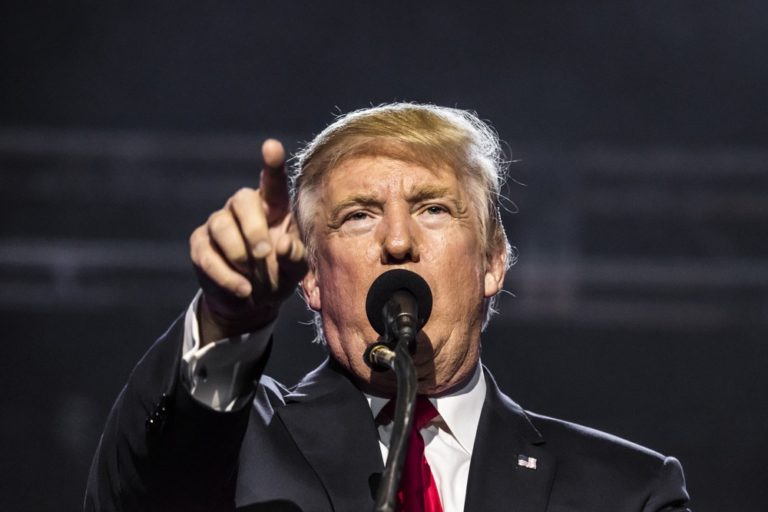
Donald Trump, known for his fiery speeches, recently directed his anger at the media. He accused major outlets like The New York Times and CNN of intimidating judges to influence their rulings. Trump suggested that judges, fearing bad publicity, could be swayed by media pressure, which he likened to illegal interference.

Judge Cannon: A Symbol of Courage

Trump highlighted Judge Aileen Cannon, who dismissed a case against him, as a courageous figure. He admired her resilience in the face of media criticism, suggesting her strength set an example for others in similar situations.

DOJ’s New Target: The Media

In a bold move, Trump urged the Department of Justice to focus on media organizations he disapproves of. He labelled MSNBC and CNN as illegal, proposing that the DOJ investigates and prosecutes them, shifting attention from criminals to media entities.

Implications of Trump’s Words

Trump’s speech raises concerns about press freedom and justice independence. By suggesting media illegalities and judicial influence, he challenges the balance of power in American democracy. His words could inspire lawsuits or policy changes targeting media criticism.

Conclusion: A Call to Action

Trump’s speech reflects his ongoing feud with the media, portraying them as adversaries. While his comments spark debate on media influence, they also highlight the importance of a free press in democracy. As the legal landscape shifts, the impact of Trump’s words on justice and media remains a significant issue.

Schumer Backs Down: Democrats Fume Over Shutdown Decision

0

Key Takeaways:

  • Schumer supported a Republican spending bill, avoiding a shutdown.
  • Some Democrats wanted to fight Trump but feel let down.
  • This decision shows how hard it is for Democrats to challenge Trump.
  • The move has caused frustration among Senate Democrats.

What Happened?

Chuck Schumer, the top Democrat in the Senate, made a big decision last Thursday night. He agreed to support a short-term spending bill proposed by Republicans. This bill keeps the government funded and avoids a shutdown. But this decision upset many Democrats who were ready to fight against President Donald Trump.

Some veteran Democrats, who have been in politics for a long time, thought Schumer’s decision was inevitable. They believed it was the only way to avoid a shutdown. However, others were disappointed. They wanted Schumer to lead them in a tough battle against Trump. Instead, they feel like the party backed down.


Why It Matters

This decision highlights a tough reality for Democrats. Challenging Trump, especially in his second term, is not easy. Schumer’s move shows that Democrats are struggling to use their power effectively. This is the first major test of their ability to stand up to Trump since he took office again. Many in the party hoped they could make a strong statement.

By supporting the Republican bill, Schumer avoided a shutdown. But this also meant giving up on a key opportunity to challenge Trump’s agenda. Democrats were hoping to use this moment to push back against some of Trump’s policies. Instead, they feel like they missed their chance.


What’s Next?

This decision has left many Democrats frustrated. They wonder if the party can unite and stand up to Trump in the future. Some are questioning Schumer’s leadership. They want to see more fight from their leaders.

Looking ahead, this could set the tone for how Democrats handle future battles with Trump. If they back down now, it might be harder to challenge him later. On the other hand, avoiding a shutdown might have been the smart move to prevent unnecessary drama.

Schumer’s decision has sparked a lot of debate. Whether it was the right move or not, one thing is clear: Democrats have a tough road ahead if they want to oppose Trump effectively.


Conclusion

Chuck Schumer’s decision to support the Republican spending bill has caused mixed reactions among Democrats. While some see it as a necessary step to avoid a shutdown, others are frustrated by the lack of resistance against Trump. This moment reveals the challenges Democrats face in opposing the president. What happens next will determine how they handle future battles with Trump.

Trump’s Tesla Deal Sparks Controversy

0

Key Takeaways:

  • Donald Trump showcased Tesla cars at the White House, promoting Elon Musk’s company.
  • Trump stated that vandalizing Teslas could be labeled as domestic terrorism.
  • Critics highlight potential conflicts of interest between Trump and Musk.
  • The decision has sparked debate over politics, corporate ties, and free speech.
  • The move raises questions about government impartiality and ethical practices.

Introduction: In a surprising move, former President Donald Trump transformed the White House lawn into a Tesla showroom, endorsing Elon Musk’s electric cars. This event, along with Trump’s announcement that vandalizing Teslas could be deemed terrorism, has ignited significant controversy. Critics argue this blurs the lines between politics and business, raising ethical concerns.

The Announcement and Event: Trump recently revealed his plan to purchase a Tesla and hosted an event on the White House lawn, showcasing the vehicles. This event not only highlighted Tesla’s products but also drew attention to Trump’s alliance with Musk. The use of a government location for a corporate promotion has led many to question the appropriateness of this endorsement.

The Terrorism Label: Trump’s statement equating Tesla vandalism with domestic terrorism has sparked backlash. Critics argue this criminalizes protest and sets a concerning precedent. They fear it could silence dissent and unfairly target those expressing opposition to Musk or Tesla.

Conflict of Interest Concerns: The alliance between Trump and Musk has raised eyebrows, with critics pointing out potential conflicts. Using the White House for a corporate event and the terrorism label both suggest a close alignment that some see as unethical. This has fueled debates on political neutrality and corporate influence.

Public Reaction and Debate: Reactions are divided, with some supporting Trump’s pro-business stance and others decrying the ethics. The broader debate touches on free speech, corporate power, and political impartiality, reflecting deeper societal tensions.

Conclusion: Trump’s Tesla promotion and terrorism label have stirred debate, highlighting concerns over politics and business ties. The implications of this move could influence future policies and corporate-government relations, making it a pivotal moment in ethical discourse. As discussions continue, the focus remains on balancing political impartiality with corporate interests.