56.5 F
San Francisco
Wednesday, June 10, 2026
Home Blog Page 109

Elon Musk Drives Bold Shift in US Strategy to Counter Propaganda

0

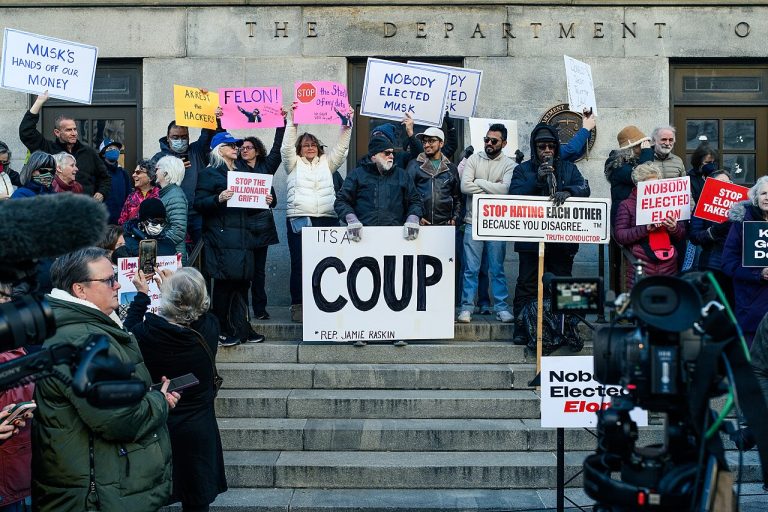
The evolving role of Elon Musk in global digital communication has become a focal point in Washington’s latest strategy to counter foreign propaganda, reflecting a broader shift in how the United States approaches information warfare in an increasingly connected world.

In recent months, policymakers have signaled a growing reliance on private technology platforms to shape narratives and counter misinformation originating from adversarial nations. At the center of this transformation is Elon Musk, whose platform X has emerged as a significant tool in amplifying real-time responses to misleading or false narratives circulating globally.

A Strategic Pivot Toward Digital Platforms

The United States has long relied on traditional diplomacy and media outreach to influence global opinion. However, the rapid spread of information through social media has forced a recalibration of these strategies. Officials now view platforms like X not just as communication tools, but as active battlegrounds in the fight against disinformation.

Elon Musk’s approach to platform governance, particularly through features such as Community Notes, has drawn attention from policymakers seeking scalable and transparent methods to challenge misleading content. Rather than relying solely on centralized moderation, this system allows users to collaboratively add context to posts, creating a decentralized mechanism for fact-checking.

This shift represents a notable departure from earlier strategies that depended heavily on institutional messaging. By leveraging a platform associated with Elon Musk, officials are attempting to harness the speed and reach of digital networks while maintaining a degree of openness aligned with democratic values.

Elon Musk’s Platform Gains Strategic Importance

The growing prominence of Elon Musk in this context reflects not only the scale of his platform but also the philosophy underpinning its operations. Since acquiring and rebranding the platform, Elon Musk has emphasized transparency, reduced censorship, and user-driven accountability.

These principles have resonated with policymakers concerned about balancing free expression with the need to counter harmful misinformation. By highlighting Elon Musk’s platform as a preferred channel, the United States is signaling confidence in alternative approaches to content moderation.

At the same time, this reliance introduces new complexities. Unlike government-controlled communication channels, a privately owned platform operates with its own priorities and governance structures. The alignment between public policy goals and platform management decisions will likely remain an area of close scrutiny.

Coordination Across Government Agencies

The integration of Elon Musk’s platform into broader strategic efforts is not occurring in isolation. Multiple agencies, including diplomatic and defense institutions, are exploring ways to coordinate messaging and respond more effectively to emerging narratives.

Officials have indicated that psychological operations units may play a role in shaping these responses. Traditionally focused on influencing perceptions during military operations, these units are increasingly being adapted to address digital information challenges.

The involvement of such entities underscores the seriousness with which the government views the threat of disinformation. By combining technological tools with established expertise in strategic communication, authorities aim to create a more cohesive and responsive system.

Global Concerns Over Disinformation Campaigns

The emphasis on Elon Musk’s platform comes amid heightened concerns about coordinated campaigns originating from countries such as Russia, China, and Iran. These campaigns often exploit social media to amplify divisive content, undermine trust in institutions, and influence public opinion.

Recent assessments suggest that these efforts have grown more sophisticated, leveraging artificial intelligence, automated accounts, and targeted messaging to reach specific audiences. As a result, the challenge of countering such campaigns has become increasingly complex.

In this environment, the ability to respond quickly and effectively is critical. Platforms associated with Elon Musk offer a level of immediacy that traditional channels cannot match, enabling real-time engagement with evolving narratives.

Balancing Free Speech and Information Integrity

One of the central challenges in this strategy is maintaining a balance between protecting free speech and ensuring the integrity of information. Elon Musk has consistently advocated for minimal restrictions on content, arguing that open discourse is essential for a functioning democracy.

This philosophy aligns with broader principles of free expression but also raises questions about how to address harmful or misleading content without resorting to heavy-handed moderation. The use of community-driven tools reflects an attempt to navigate this tension by empowering users rather than imposing top-down controls.

For policymakers, the appeal of this approach lies in its scalability and perceived neutrality. However, its effectiveness in addressing complex and coordinated disinformation campaigns remains a subject of ongoing debate.

The Role of Technology in Modern Diplomacy

The involvement of Elon Musk highlights a broader trend in which technology leaders play an increasingly influential role in shaping global policy discussions. As digital platforms become central to communication, their operators are effectively becoming stakeholders in geopolitical dynamics.

This development has implications for how diplomacy is conducted. Traditional state-to-state interactions are now complemented by engagements that involve private sector actors, particularly those with control over widely used communication networks.

In this context, Elon Musk’s influence extends beyond business and technology into the realm of international relations. Decisions made at the platform level can have far-reaching consequences for how information is disseminated and perceived across borders.

Challenges and Criticisms

Despite the strategic advantages, the reliance on Elon Musk’s platform has not been without criticism. Some observers argue that placing significant responsibility on a single private entity introduces risks related to accountability and consistency.

Concerns have also been raised about the potential for bias, unintended consequences, and the limitations of user-driven moderation systems. While Community Notes offers a novel approach, its effectiveness depends on active participation and the accuracy of contributions.

Additionally, the evolving nature of the platform under Elon Musk’s leadership means that policies and features may change, potentially affecting its suitability as a long-term tool in countering disinformation.

Future Implications

The current strategy suggests that digital platforms will play an increasingly central role in addressing global information challenges. As governments continue to adapt to the realities of the digital age, partnerships with technology providers are likely to become more common.

Elon Musk’s involvement represents a significant moment in this transition, illustrating how private innovation can intersect with public policy objectives. Whether this model proves sustainable will depend on its ability to deliver measurable results while maintaining public trust.

Looking ahead, the effectiveness of this approach will be closely monitored. Success could lead to broader adoption of similar strategies, while shortcomings may prompt a reevaluation of how best to counter disinformation in a rapidly changing environment.

A New Phase in Information Strategy

The integration of Elon Musk into this evolving framework marks a new phase in how nations approach the challenge of propaganda. By leveraging the capabilities of modern technology, the United States is attempting to stay ahead in a domain where speed, reach, and credibility are critical.

This approach reflects a recognition that the nature of conflict has expanded beyond physical and economic dimensions to include the realm of information. As such, the tools and strategies employed must evolve accordingly.

In this context, Elon Musk’s platform serves as both a resource and a test case for how public and private efforts can converge to address shared challenges.

Conclusion

The growing role of Elon Musk in efforts to counter foreign propaganda underscores a broader transformation in global communication strategies. By incorporating digital platforms into its approach, the United States is adapting to the realities of an interconnected world where information flows rapidly and influence is often shaped online.

While this strategy offers new opportunities, it also introduces complexities that will require careful management. The balance between innovation, accountability, and effectiveness will be key to determining its long-term success.

As the landscape continues to evolve, the involvement of figures like Elon Musk highlights the increasing importance of collaboration between governments and technology leaders in addressing the challenges of the modern information environment.

For more updates, read the latest news on Digital Chew.

Michigan temple: FBI warns of dangerous Hezbollah-inspired attack

0

Summary

A violent incident at a Michigan temple has been classified by federal authorities as a terrorism-related attack influenced by extremist ideology. Investigators say the suspect acted alone but drew inspiration from foreign militant narratives, raising fresh concerns about domestic radicalization and security risks facing religious communities in the United States.


The Michigan temple attack has triggered a nationwide security response after investigators determined that the incident was driven by extremist ideology linked to foreign militant narratives. Federal officials confirmed that the assault targeted a Jewish place of worship and was carried out with intent to cause mass harm.

Authorities described the event as a serious escalation in threats against religious institutions, emphasizing that such incidents increasingly reflect global tensions spilling into domestic environments. The case is now being handled with heightened scrutiny due to its ideological connections and potential implications for national security.


Michigan temple attack raises serious security concerns

The Michigan temple attack unfolded in West Bloomfield, where law enforcement officials responded to reports of a vehicle crashing into a synagogue followed by gunfire. According to early findings, the suspect used a truck loaded with combustible materials, attempting to ignite a fire after breaching the premises.

Emergency responders quickly contained the situation, preventing further damage and loss of life. While there were injuries reported, officials confirmed that no civilian fatalities occurred. The attacker was neutralized at the scene after a confrontation with security personnel.

The nature of the attack has raised urgent concerns among federal and local agencies, especially regarding preparedness at religious institutions. Officials are now reassessing existing security protocols to ensure faster response times and stronger preventive measures.


Federal investigation points to extremist influence

Investigators from the Federal Bureau of Investigation stated that the Michigan temple attack was influenced by extremist propaganda associated with Hezbollah. Officials said the suspect had consumed and engaged with radical content online prior to the incident.

Authorities emphasized that while there is no evidence of direct operational support from any group, the ideological influence remains a critical factor. This type of self-radicalization has become increasingly common, where individuals act independently but are inspired by global extremist narratives.

The investigation revealed that the suspect had been monitoring geopolitical developments closely and had expressed grievances linked to international conflicts. Digital evidence, including online activity and communications, played a key role in establishing motive and intent.


Timeline of events leading to the incident

Law enforcement officials reconstructed the sequence of events leading up to the Michigan temple attack to better understand how the situation escalated.

In the days prior to the incident, the suspect reportedly purchased weapons and gathered materials that could be used to create fire hazards. Surveillance data and transaction records confirmed these activities, indicating premeditation.

On the day of the attack, the suspect drove toward the temple and forcibly entered the premises using a vehicle. Shortly after, gunfire was reported, prompting an immediate response from on-site security and local police.

The rapid response helped prevent the situation from turning into a larger tragedy. Officials highlighted that preparedness and quick coordination among responders were crucial in minimizing casualties.


Background of the suspect and possible motivations

Authorities identified the suspect as a U.S. citizen with ties to Lebanon. Investigators are examining personal history, including travel patterns, communication records, and psychological factors, to determine the full scope of motivations behind the Michigan temple attack.

Preliminary findings suggest that the suspect may have been influenced by personal grievances linked to ongoing conflicts in the Middle East. Officials noted that exposure to extremist narratives combined with emotional triggers can lead to radicalization.

The suspect reportedly shared messages and content before the attack that indicated intent to carry out violence. These communications are now part of a broader investigation aimed at identifying patterns that could help prevent similar incidents in the future.


Michigan temple attack and global geopolitical tensions

The Michigan temple attack comes at a time when geopolitical tensions involving Israel, Iran, and militant groups continue to dominate global headlines. Experts believe that such conflicts can have indirect consequences, including inspiring individuals far from conflict zones.

Security analysts have warned that ideological spillover is becoming more frequent, with individuals acting on narratives shaped by international events. The rise of online propaganda has further amplified this risk, making it easier for extremist messages to reach a global audience.

Officials under the administration of Donald Trump have emphasized the need for stronger monitoring of extremist content and enhanced collaboration between intelligence agencies.


Law enforcement response and preventive measures

Following the Michigan temple attack, law enforcement agencies across the country have increased security at religious institutions. Additional patrols, surveillance measures, and coordination with community leaders have been implemented to prevent further incidents.

Federal officials are also working with local authorities to identify potential threats early. This includes monitoring online platforms, analyzing behavioral patterns, and strengthening intelligence-sharing systems.

Community leaders have urged vigilance while also calling for unity and resilience. They emphasized that acts of violence should not create fear but rather reinforce the importance of collective security and awareness.


Impact on local communities and national discourse

The Michigan temple attack has deeply affected the local community, with many residents expressing concern over safety and the rising frequency of targeted incidents. Religious leaders have called for calm while advocating for stronger protections.

Across the country, the incident has sparked discussions about domestic extremism and the challenges of preventing lone-actor attacks. Policymakers are now examining whether additional measures are needed to address these evolving threats.

Experts argue that addressing the root causes of radicalization is as important as improving security infrastructure. This includes education, community engagement, and countering misinformation online.


Broader implications for national security

The Michigan temple attack highlights a growing trend in modern security challenges, where individuals influenced by global events carry out localized acts of violence. This shift has made it more difficult for authorities to detect threats in advance.

Security agencies are now focusing on predictive strategies, using data analysis and behavioral insights to identify potential risks. The goal is to intervene before individuals act on extremist motivations.

Officials stressed that while the immediate threat has been neutralized, the broader challenge remains ongoing. Continuous monitoring and adaptive strategies will be essential in addressing future risks.


Conclusion

The Michigan temple attack underscores the complex nature of modern threats, where global tensions and digital influence converge to create local security challenges. While authorities have contained the immediate situation, the incident serves as a reminder of the importance of vigilance and preparedness.

As investigations continue, officials are working to strengthen security measures and prevent similar incidents. The focus remains on protecting communities while addressing the underlying factors that contribute to radicalization.

For more updates, read the latest news on Digital Chew.

Amazon Big Spring Sale: Discounts on Apple Devices

0

Amazon Big Spring Sale: Key Takeaways

Amazon Big Spring Sale is central to this story, and this analysis explains what matters most right now.

Quick Summary

  • Amazon Big Spring Sale is central to this story, and this analysis explains what matters most right now.
  • As the season transitions into spring, Amazon is launching its anticipated Big Spring Sale, offering significant discounts on last-generation technology products from renowned brands like Apple and Sony.
  • The Big Spring Sale features a variety of tech gadgets, including smartphones, headphones, and home entertainment systems.
  • This sale aligns perfectly with the current market trend where consumers are increasingly seeking value for money.

Amazon’s Big Spring Sale Offers Discounts on Apple and Sony

As the season transitions into spring, Amazon is launching its anticipated Big Spring Sale, offering significant discounts on last-generation technology products from renowned brands like Apple and Sony. This sale provides an excellent opportunity for tech enthusiasts and consumers looking to upgrade their gadgets without breaking the bank.

Exciting Deals on Tech Gadgets

The Big Spring Sale features a variety of tech gadgets, including smartphones, headphones, and home entertainment systems. Notably, Apple’s previous generation of iPhones and iPads are receiving notable price reductions. Sony, known for its high-quality audio and visual equipment, is also offering discounts on its range of headphones and television sets.

This sale aligns perfectly with the current market trend where consumers are increasingly seeking value for money. The discounts allow customers to access premium technology at reduced prices, making it more affordable for families and individuals to own top-tier gadgets.

Impact on the Technology Market

Sales events like Amazon’s Big Spring Sale play a significant role in the technology market. They not only drive consumer purchases but also help clear out inventory of last-generation products, paving the way for newer models. This cycle benefits manufacturers by ensuring a steady flow of product releases while keeping consumers engaged and eager for the latest innovations.

  • Apple: Discounts on iPhones, iPads, and accessories
  • Sony: Offers on headphones, TVs, and home entertainment systems
  • Other brands: Various tech gadgets and electronics on sale

These sales often trigger competitive pricing strategies among other retailers, leading to a ripple effect in the market. Consumers benefit from the competitive prices and the opportunity to compare products across different platforms.

Consumer Tips for Smart Shopping

To maximize the benefits of the Big Spring Sale, consumers are advised to compare prices and read reviews before making a purchase. It’s also important to verify the specifications of the last-generation products to ensure they meet current technology standards and personal needs. Additionally, keeping an eye on limited-time deals can result in even greater savings.

For more tips on smart shopping during sales events, check out this guide on Digital Chew.

Conclusion

Amazon’s Big Spring Sale presents an excellent opportunity for consumers to acquire premium technology products at discounted prices. As the sale continues, it’s expected to draw significant attention from tech enthusiasts and bargain hunters alike. Interested buyers should act quickly to take advantage of these limited-time offers.

For further details on the sale and to explore a wide range of discounted products, visit Amazon’s official website or read the original source.

Analysts say Amazon Big Spring Sale now sits at the center of a broader shift, with consequences that could extend beyond the immediate headline and shape decisions in the coming weeks. They note that early signals often appear in policy language and market behavior before they are reflected in official summaries, which is why context matters as much as the headline itself.

Reporting around Amazon Big Spring Sale has also highlighted how quickly circumstances can change, making context and verified updates essential for readers trying to separate signal from noise. The most reliable coverage connects each new update to the timeline of prior events so audiences can understand what is genuinely new and what is part of a longer trend.

Officials and industry observers are watching Amazon Big Spring Sale closely, noting that the next phase of the story may depend on timing, policy responses, and cross-market reactions. Until those responses become clearer, experts recommend focusing on confirmed developments instead of speculation that can distort short-term expectations.

For audiences tracking Amazon Big Spring Sale, the key is to follow credible sources and focus on developments that reveal direction rather than isolated short-term swings. That approach helps readers understand not just what happened today, but why the story could carry broader implications over the coming weeks.

The latest developments connected to Amazon Big Spring Sale have reopened questions about strategy, risk, and timing, particularly for stakeholders who need clearer signals before making their next move. In practical terms, that means watching both official statements and real-world indicators to understand whether the current direction is likely to hold.

In recent coverage, Amazon Big Spring Sale has become a reference point for wider discussions about accountability, communication, and how institutions respond under pressure. Observers say this broader lens is important because the immediate event is often only one part of a larger sequence of decisions.

Beyond the immediate updates, Amazon Big Spring Sale is drawing attention because it links short-term events to longer-term structural trends that are still unfolding. Readers following the story closely are paying particular attention to what changes in response and what remains unresolved after each update.

As the story evolves, reporting on Amazon Big Spring Sale is expected to focus increasingly on measurable impacts, official follow-through, and whether early assumptions hold up. That evidence-based framing helps audiences evaluate momentum without overreacting to isolated developments.

Taken together, these updates show why Amazon Big Spring Sale matters now and why the next round of confirmed information will be critical to understanding the full impact. Analysts caution that the most meaningful shifts may appear gradually, making sustained coverage more useful than one-off snapshots.

Readers looking for practical clarity can treat Amazon Big Spring Sale as a developing story, where each official update adds context to what may happen next. Following that progression over time gives a clearer picture of direction, risk, and likely outcomes.

What Comes Next

What happens next with Amazon Big Spring Sale will likely depend on upcoming decisions, official statements, and how fast new information is confirmed.

For now, the most reliable approach is to follow verified updates closely and focus on the signals that could shape the next phase of this story.

Further Reading

Read more on Digital Chew.

U.S.-Iran tensions: Investors on Edge as Impact Markets

0

Growing Investor Concerns Amid U.S.-Iran Tensions

Entering the fifth week of heightened tensions between the United States and Iran, investors worldwide are expressing increasing unease. As the geopolitical conflict continues, financial markets are reacting with notable volatility. The ongoing situation is driving significant fluctuations in global stock markets, with Asian shares seeing a marked decline.

Market Reactions Across the Globe

The conflict has had a profound impact on various sectors. Asian markets have been particularly affected, with investors responding to the uncertainty by moving away from riskier assets. This shift has been mirrored in other parts of the world, including Wall Street, where similar trends were observed last week.

  • Asian Markets: Major indices in Asia have dropped significantly as investors grapple with the ramifications of the geopolitical conflict. The decline is largely attributed to concerns over rising oil prices and potential disruptions in global supply chains.
  • Oil Prices: The price of Brent crude oil has surged, heading for a record monthly rise. This increase is primarily driven by fears of supply shortages due to the ongoing conflict between the U.S. and Iran, a major oil-producing region.
  • Wall Street Response: Although the U.S. markets are yet to open for the week, previous trading sessions have shown a clear decline, echoing the trends observed in Asian markets.

Impact on U.S. Investors

For U.S. investors, the situation presents a complex landscape. The uncertainty surrounding the U.S.-Iran tensions is contributing to anxiety among market participants. The immediate impact is seen in the fluctuating stock prices, as well as the rise in commodities such as oil. Analysts are advising caution, suggesting that investors may want to consider adjusting their portfolios to mitigate potential risks.

The conflict’s influence extends beyond just market movements. It is affecting consumer confidence and economic forecasts, with many experts predicting potential long-term impacts on trade and investment. The U.S. government has yet to announce any new measures in response to the conflict, but the possibility of further economic sanctions remains on the table.

Global Economic Implications

The geopolitical tensions are not only a concern for the U.S. and Iran but have broader implications for the global economy. The potential for disrupted trade routes and increased energy costs could affect many countries. European markets are closely monitoring the situation, preparing for possible economic repercussions.

Moreover, developing nations that rely heavily on oil imports are particularly vulnerable. Rising oil prices can lead to increased inflation and economic instability in these regions, complicating recovery efforts from recent global economic challenges.

Conclusion

As the geopolitical situation between the U.S. and Iran remains unresolved, investors worldwide are navigating uncertain waters. The ongoing conflict is causing significant market volatility, impacting various sectors and economies. For U.S. investors, the focus remains on assessing risks and adjusting investment strategies accordingly.

Stay informed about the latest developments and expert analysis on this evolving situation by visiting Digital Chew.

For more in-depth coverage, read the original report on Bloomberg.

Analysts say U.S.-Iran tensions now sits at the center of a broader shift, with consequences that could extend beyond the immediate headline and shape decisions in the coming weeks. They note that early signals often appear in policy language and market behavior before they are reflected in official summaries, which is why context matters as much as the headline itself.

Reporting around U.S.-Iran tensions has also highlighted how quickly circumstances can change, making context and verified updates essential for readers trying to separate signal from noise. The most reliable coverage connects each new update to the timeline of prior events so audiences can understand what is genuinely new and what is part of a longer trend.

Officials and industry observers are watching U.S.-Iran tensions closely, noting that the next phase of the story may depend on timing, policy responses, and cross-market reactions. Until those responses become clearer, experts recommend focusing on confirmed developments instead of speculation that can distort short-term expectations.

For audiences tracking U.S.-Iran tensions, the key is to follow credible sources and focus on developments that reveal direction rather than isolated short-term swings. That approach helps readers understand not just what happened today, but why the story could carry broader implications over the coming weeks.

The latest developments connected to U.S.-Iran tensions have reopened questions about strategy, risk, and timing, particularly for stakeholders who need clearer signals before making their next move. In practical terms, that means watching both official statements and real-world indicators to understand whether the current direction is likely to hold.

In recent coverage, U.S.-Iran tensions has become a reference point for wider discussions about accountability, communication, and how institutions respond under pressure. Observers say this broader lens is important because the immediate event is often only one part of a larger sequence of decisions.

Beyond the immediate updates, U.S.-Iran tensions is drawing attention because it links short-term events to longer-term structural trends that are still unfolding. Readers following the story closely are paying particular attention to what changes in response and what remains unresolved after each update.

As the story evolves, reporting on U.S.-Iran tensions is expected to focus increasingly on measurable impacts, official follow-through, and whether early assumptions hold up. That evidence-based framing helps audiences evaluate momentum without overreacting to isolated developments.

Taken together, these updates show why U.S.-Iran tensions matters now and why the next round of confirmed information will be critical to understanding the full impact. Analysts caution that the most meaningful shifts may appear gradually, making sustained coverage more useful than one-off snapshots.

Readers looking for practical clarity can treat U.S.-Iran tensions as a developing story, where each official update adds context to what may happen next. Following that progression over time gives a clearer picture of direction, risk, and likely outcomes.

Quick Summary

  • Entering the fifth week of heightened tensions between the United States and Iran, investors worldwide are expressing increasing unease.
  • The conflict has had a profound impact on various sectors.
  • For U.S. investors, the situation presents a complex landscape.
  • The conflict’s influence extends beyond just market movements.

What Comes Next

What happens next with U.S.-Iran tensions will likely depend on upcoming decisions, official statements, and how fast new information is confirmed.

For now, the most reliable approach is to follow verified updates closely and focus on the signals that could shape the next phase of this story.

Further Reading

Read more on Digital Chew.

Cayden Boozer: Reflects on Turnover in Duke’s Elite Eight Loss

0

Cayden Boozer Reflects on Turnover in Duke’s Elite Eight Loss

In a candid moment following Duke University’s heartbreaking exit from the NCAA Men’s Basketball Tournament, Cayden Boozer, son of former NBA star Carlos Boozer, took responsibility for a critical turnover that he believes contributed to the team’s downfall. The Blue Devils fell to the University of Connecticut, ending their journey in the Elite Eight.

Elite Eight Showdown: Duke vs. UConn

The highly anticipated matchup between Duke, a No. 1 seed, and UConn, a No. 7 seed, was a thrilling contest that saw both teams showcasing their best. The game was marked by intense plays, strategic coaching, and a nail-biting finish that kept fans on the edge of their seats. Despite Duke’s strong start, UConn’s relentless defense and strategic plays enabled them to secure a victory, advancing to the Final Four. This marks a significant achievement for UConn, who will join Illinois, Arizona, and Michigan in the next round.

Boozer’s Critical Moment

In the final minutes of the game, with Duke trailing narrowly, Boozer attempted a risky pass that was intercepted by UConn’s defense. This turnover proved costly as it allowed UConn to capitalize and increase their lead. Speaking to reporters post-game, Boozer expressed his regret, stating, “I ruined our team’s season. That turnover was a turning point, and I take full responsibility.” His candid admission highlights the pressure athletes face in high-stakes competitions and the weight of expectations on young players.

Reflection and Resilience

While Boozer’s turnover was a pivotal moment, basketball analysts emphasize that the game is a team effort, and multiple factors contributed to the loss. Duke’s head coach defended Boozer, pointing out that the team as a whole could have executed better in various aspects. “Cayden’s a fantastic player, and this experience will only make him stronger,” the coach remarked.

Boozer’s statement, while filled with personal accountability, also serves as a learning moment for the young athlete. Many sports professionals affirm the importance of resilience and the ability to bounce back from setbacks as crucial components of a successful sports career. As Duke looks to regroup and prepare for the next season, Boozer’s dedication and resolve will be critical in motivating the team.

The Road Ahead

With the Final Four set, the focus shifts to the next stage of the tournament. UConn’s victory over Duke places them as formidable contenders, and their upcoming matches promise to deliver more exciting basketball action. For Duke, this offseason will be a time for reflection and preparation, with the aim to return stronger in the next tournament cycle.

To stay updated on sports news and follow the journey of teams in the NCAA tournament, visit our sports section. For detailed coverage of the tournament, including team analysis and expert opinions, you can also check out the New York Times.

Analysts say Cayden Boozer now sits at the center of a broader shift, with consequences that could extend beyond the immediate headline and shape decisions in the coming weeks. They note that early signals often appear in policy language and market behavior before they are reflected in official summaries, which is why context matters as much as the headline itself.

Reporting around Cayden Boozer has also highlighted how quickly circumstances can change, making context and verified updates essential for readers trying to separate signal from noise. The most reliable coverage connects each new update to the timeline of prior events so audiences can understand what is genuinely new and what is part of a longer trend.

Officials and industry observers are watching Cayden Boozer closely, noting that the next phase of the story may depend on timing, policy responses, and cross-market reactions. Until those responses become clearer, experts recommend focusing on confirmed developments instead of speculation that can distort short-term expectations.

For audiences tracking Cayden Boozer, the key is to follow credible sources and focus on developments that reveal direction rather than isolated short-term swings. That approach helps readers understand not just what happened today, but why the story could carry broader implications over the coming weeks.

The latest developments connected to Cayden Boozer have reopened questions about strategy, risk, and timing, particularly for stakeholders who need clearer signals before making their next move. In practical terms, that means watching both official statements and real-world indicators to understand whether the current direction is likely to hold.

In recent coverage, Cayden Boozer has become a reference point for wider discussions about accountability, communication, and how institutions respond under pressure. Observers say this broader lens is important because the immediate event is often only one part of a larger sequence of decisions.

Beyond the immediate updates, Cayden Boozer is drawing attention because it links short-term events to longer-term structural trends that are still unfolding. Readers following the story closely are paying particular attention to what changes in response and what remains unresolved after each update.

As the story evolves, reporting on Cayden Boozer is expected to focus increasingly on measurable impacts, official follow-through, and whether early assumptions hold up. That evidence-based framing helps audiences evaluate momentum without overreacting to isolated developments.

Taken together, these updates show why Cayden Boozer matters now and why the next round of confirmed information will be critical to understanding the full impact. Analysts caution that the most meaningful shifts may appear gradually, making sustained coverage more useful than one-off snapshots.

Readers looking for practical clarity can treat Cayden Boozer as a developing story, where each official update adds context to what may happen next. Following that progression over time gives a clearer picture of direction, risk, and likely outcomes.

Quick Summary

  • In a candid moment following Duke University’s heartbreaking exit from the NCAA Men’s Basketball Tournament, Cayden Boozer, son of former NBA star Carlos Boozer, took responsibility for a critical turnover that he believes contributed to the team’s downfall.
  • The highly anticipated matchup between Duke, a No.
  • In the final minutes of the game, with Duke trailing narrowly, Boozer attempted a risky pass that was intercepted by UConn’s defense.
  • While Boozer’s turnover was a pivotal moment, basketball analysts emphasize that the game is a team effort, and multiple factors contributed to the loss.

What Comes Next

What happens next with Cayden Boozer will likely depend on upcoming decisions, official statements, and how fast new information is confirmed.

For now, the most reliable approach is to follow verified updates closely and focus on the signals that could shape the next phase of this story.

Further Reading

Read more on Digital Chew.

Eli Lilly Insilico deal: Eli Lilly and Insilico Forge $2.75B AI Drug

0

Eli Lilly Insilico deal: Key Takeaways

Eli Lilly Insilico deal is central to this story, and this analysis explains what matters most right now.

Quick Summary

  • Eli Lilly Insilico deal is central to this story, and this analysis explains what matters most right now.
  • In a landmark agreement, American pharmaceutical giant Eli Lilly and Company has announced a collaboration with Insilico Medicine, a pioneering biotech firm specializing in artificial intelligence-driven drug discovery.
  • This strategic partnership marks a significant milestone in the pharmaceutical industry, highlighting the growing importance of artificial intelligence in drug research and development.
  • Insilico Medicine, based in Hong Kong with offices in several countries, has established itself as a leader in AI-driven drug discovery.

Eli Lilly and Insilico Medicine Forge Groundbreaking $2.75 Billion AI Drug Development Deal

In a landmark agreement, American pharmaceutical giant Eli Lilly and Company has announced a collaboration with Insilico Medicine, a pioneering biotech firm specializing in artificial intelligence-driven drug discovery. The deal, valued at up to $2.75 billion, aims to accelerate the development and commercialization of novel drugs using cutting-edge AI technologies.

A Strategic Partnership for Innovation

This strategic partnership marks a significant milestone in the pharmaceutical industry, highlighting the growing importance of artificial intelligence in drug research and development. Eli Lilly, known for its extensive range of therapeutic products, including treatments for diabetes, cancer, and autoimmune diseases, sees this collaboration as a vital step towards enhancing its research capabilities and bringing innovative solutions to the market.

Insilico Medicine, based in Hong Kong with offices in several countries, has established itself as a leader in AI-driven drug discovery. The company employs advanced machine learning algorithms to identify promising drug candidates faster and more efficiently than traditional methods. By partnering with Insilico, Eli Lilly aims to leverage these capabilities to expand its pipeline of potential treatments.

Implications for the Pharmaceutical Industry

The collaboration is set to benefit not only the involved parties but also the broader pharmaceutical industry and patients worldwide. The use of AI in drug development can significantly reduce the time and cost associated with bringing new therapies to market, ultimately improving patient outcomes and providing more timely access to critical medications.

  • AI technology enables rapid analysis of vast datasets, identifying potential drug candidates with higher accuracy.
  • Insilico’s AI platform can model complex biological processes, offering insights that traditional methods might miss.
  • This partnership highlights a trend towards increasingly digitalized and automated drug discovery processes.

According to industry experts, the integration of AI in drug research represents a paradigm shift that could redefine how pharmaceutical companies approach innovation. As AI technologies continue to evolve, they are expected to play an even more integral role in the discovery and development of new therapies.

Looking Ahead

While details of the specific drugs or therapeutic areas being targeted in this collaboration have not been disclosed, both Eli Lilly and Insilico Medicine express optimism about the potential impact of their joint efforts. The companies plan to combine their expertise to explore new treatment modalities that could address unmet medical needs across various disease areas.

This agreement comes at a time when the pharmaceutical industry faces increasing pressure to innovate and deliver effective treatments more efficiently. By leveraging AI, companies like Eli Lilly and Insilico Medicine are positioning themselves at the forefront of this transformative era in drug discovery.

For more insights on the implications of AI in pharmaceuticals, visit our Digital Chew AI in Pharma article. For the original news release, see the Bloomberg article.

Analysts say Eli Lilly Insilico deal now sits at the center of a broader shift, with consequences that could extend beyond the immediate headline and shape decisions in the coming weeks. They note that early signals often appear in policy language and market behavior before they are reflected in official summaries, which is why context matters as much as the headline itself.

Reporting around Eli Lilly Insilico deal has also highlighted how quickly circumstances can change, making context and verified updates essential for readers trying to separate signal from noise. The most reliable coverage connects each new update to the timeline of prior events so audiences can understand what is genuinely new and what is part of a longer trend.

Officials and industry observers are watching Eli Lilly Insilico deal closely, noting that the next phase of the story may depend on timing, policy responses, and cross-market reactions. Until those responses become clearer, experts recommend focusing on confirmed developments instead of speculation that can distort short-term expectations.

For audiences tracking Eli Lilly Insilico deal, the key is to follow credible sources and focus on developments that reveal direction rather than isolated short-term swings. That approach helps readers understand not just what happened today, but why the story could carry broader implications over the coming weeks.

The latest developments connected to Eli Lilly Insilico deal have reopened questions about strategy, risk, and timing, particularly for stakeholders who need clearer signals before making their next move. In practical terms, that means watching both official statements and real-world indicators to understand whether the current direction is likely to hold.

In recent coverage, Eli Lilly Insilico deal has become a reference point for wider discussions about accountability, communication, and how institutions respond under pressure. Observers say this broader lens is important because the immediate event is often only one part of a larger sequence of decisions.

Beyond the immediate updates, Eli Lilly Insilico deal is drawing attention because it links short-term events to longer-term structural trends that are still unfolding. Readers following the story closely are paying particular attention to what changes in response and what remains unresolved after each update.

As the story evolves, reporting on Eli Lilly Insilico deal is expected to focus increasingly on measurable impacts, official follow-through, and whether early assumptions hold up. That evidence-based framing helps audiences evaluate momentum without overreacting to isolated developments.

Taken together, these updates show why Eli Lilly Insilico deal matters now and why the next round of confirmed information will be critical to understanding the full impact. Analysts caution that the most meaningful shifts may appear gradually, making sustained coverage more useful than one-off snapshots.

Readers looking for practical clarity can treat Eli Lilly Insilico deal as a developing story, where each official update adds context to what may happen next. Following that progression over time gives a clearer picture of direction, risk, and likely outcomes.

What Comes Next

What happens next with Eli Lilly Insilico deal will likely depend on upcoming decisions, official statements, and how fast new information is confirmed.

For now, the most reliable approach is to follow verified updates closely and focus on the signals that could shape the next phase of this story.

Further Reading

Read more on Digital Chew.

oil prices: Surge Amid Escalating Iran Conflict

0

Oil Prices Surge as Iran Conflict Intensifies

As tensions in the Middle East escalate, oil prices have surged past $115 per barrel, marking a significant increase. This development comes amidst an escalation in the conflict involving Iran, which has sent ripple effects through global markets, particularly in Asia where stocks have seen a notable decline. According to industry analysts, the current geopolitical climate is reminiscent of past oil crises and could have far-reaching economic implications.

Impact on Global Oil Markets

The price of Brent crude, a major benchmark for oil, has risen sharply, heading for a record monthly jump. The escalation of the conflict in Iran, which is a key oil-producing nation, has heightened concerns about potential disruptions to global oil supplies. Analysts have warned that the ongoing conflict could lead to a new oil shock, affecting not only energy prices but also the broader global economy.

  • Oil prices have exceeded $115 per barrel.
  • Asia stocks have declined in response to the conflict.
  • Potential for a new oil shock as the conflict continues.

Regional and Global Economic Implications

The conflict’s impact is being felt across Asian financial markets, with stocks in several countries seeing a downward trend. Investors are wary of the potential for further escalation and its effects on supply chains and economic stability. The uncertainty is also influencing currency markets, with fluctuations observed in major currencies as investors seek safe-haven assets.

In the United States, the rising oil prices may lead to higher costs for consumers and businesses, potentially affecting everything from transportation to manufacturing. The economic ramifications could be significant if the conflict continues, with inflationary pressures and changes in consumer spending patterns.

U.S. and Global Responses

The U.S. government and its allies are closely monitoring the situation. There are concerns about the potential for the conflict to widen, which could involve other nations and further complicate the geopolitical landscape. Diplomatic efforts are underway to de-escalate tensions, but the situation remains precarious.

Globally, there is a concerted effort to stabilize oil markets and ensure that supply disruptions are minimized. The International Energy Agency (IEA) has indicated readiness to release strategic reserves if necessary to stabilize markets.

Looking Ahead

The coming weeks are expected to be crucial in determining the trajectory of the conflict and its impact on global oil markets. Analysts suggest that the situation could either stabilize or deteriorate further, with significant implications for global trade and economic stability.

In conclusion, the ongoing conflict involving Iran has led to heightened uncertainty in energy markets and global economies. Stakeholders are advised to stay informed and prepared for potential market volatility as the situation develops.

For further updates, keep an eye on our comprehensive coverage and BBC’s latest reports on the evolving situation.

Analysts say oil prices now sits at the center of a broader shift, with consequences that could extend beyond the immediate headline and shape decisions in the coming weeks. They note that early signals often appear in policy language and market behavior before they are reflected in official summaries, which is why context matters as much as the headline itself.

Reporting around oil prices has also highlighted how quickly circumstances can change, making context and verified updates essential for readers trying to separate signal from noise. The most reliable coverage connects each new update to the timeline of prior events so audiences can understand what is genuinely new and what is part of a longer trend.

Officials and industry observers are watching oil prices closely, noting that the next phase of the story may depend on timing, policy responses, and cross-market reactions. Until those responses become clearer, experts recommend focusing on confirmed developments instead of speculation that can distort short-term expectations.

For audiences tracking oil prices, the key is to follow credible sources and focus on developments that reveal direction rather than isolated short-term swings. That approach helps readers understand not just what happened today, but why the story could carry broader implications over the coming weeks.

The latest developments connected to oil prices have reopened questions about strategy, risk, and timing, particularly for stakeholders who need clearer signals before making their next move. In practical terms, that means watching both official statements and real-world indicators to understand whether the current direction is likely to hold.

In recent coverage, oil prices has become a reference point for wider discussions about accountability, communication, and how institutions respond under pressure. Observers say this broader lens is important because the immediate event is often only one part of a larger sequence of decisions.

Beyond the immediate updates, oil prices is drawing attention because it links short-term events to longer-term structural trends that are still unfolding. Readers following the story closely are paying particular attention to what changes in response and what remains unresolved after each update.

As the story evolves, reporting on oil prices is expected to focus increasingly on measurable impacts, official follow-through, and whether early assumptions hold up. That evidence-based framing helps audiences evaluate momentum without overreacting to isolated developments.

Taken together, these updates show why oil prices matters now and why the next round of confirmed information will be critical to understanding the full impact. Analysts caution that the most meaningful shifts may appear gradually, making sustained coverage more useful than one-off snapshots.

Readers looking for practical clarity can treat oil prices as a developing story, where each official update adds context to what may happen next. Following that progression over time gives a clearer picture of direction, risk, and likely outcomes.

Quick Summary

  • As tensions in the Middle East escalate, oil prices have surged past $115 per barrel, marking a significant increase.
  • The price of Brent crude, a major benchmark for oil, has risen sharply, heading for a record monthly jump.
  • The conflict’s impact is being felt across Asian financial markets, with stocks in several countries seeing a downward trend.
  • In the United States, the rising oil prices may lead to higher costs for consumers and businesses, potentially affecting everything from transportation to manufacturing.

What Comes Next

What happens next with oil prices will likely depend on upcoming decisions, official statements, and how fast new information is confirmed.

For now, the most reliable approach is to follow verified updates closely and focus on the signals that could shape the next phase of this story.

stock futures: Decline Ahead of Shortened Trading Week

0

Stock Futures Decline as Holiday-Shortened Week Begins

As the U.S. stock market approaches a holiday-shortened trading week, stock futures have experienced a noticeable decline. This drop comes ahead of a week marked by several economic indicators and geopolitical tensions that could impact investor sentiment.

Market Overview

Investors are closely watching the Dow Jones Industrial Average, S&P 500, and Nasdaq Composite futures, all of which have shown downward trends entering the week. The current movements are influenced by a combination of domestic economic data releases and international geopolitical issues, particularly tensions in the Middle East.

Impact of Economic Indicators

The upcoming trading week is expected to provide crucial insights into the U.S. economy through various reports. The jobs report, which is anticipated later this week, is a key indicator that could influence market movements. A strong or weak jobs report can significantly sway investor confidence, impacting stock market performance.

Additionally, the release of consumer confidence data and manufacturing indices will provide further clues about the state of the economy. These reports are essential for investors assessing the health of the U.S. market and making informed decisions.

Geopolitical Tensions

Aside from domestic economic factors, international geopolitical tensions continue to play a significant role in market dynamics. Recent developments in the Middle East, particularly involving Iran, have added a layer of uncertainty to the markets. Investors are weighing the potential implications of these tensions on global oil prices and overall market stability.

President Trump’s comments have offered some relief, but the situation remains fluid. Market participants are advised to stay informed about any new developments that could impact global markets.

Investor Sentiment

Investor sentiment remains cautious as market participants navigate this complex landscape. The combination of economic data and geopolitical risks creates an environment where market volatility is likely. Investors are encouraged to remain vigilant and consider diversifying their portfolios to mitigate potential risks.

  • Key Reports: Jobs report, consumer confidence data, manufacturing indices
  • Geopolitical Factors: Tensions in the Middle East, potential impact on oil prices
  • Market Strategy: Diversification and risk management

Conclusion

As the trading week unfolds, investors should pay close attention to economic indicators and geopolitical developments. The current decline in stock futures highlights the market’s sensitivity to these factors. By staying informed and adopting a strategic approach, investors can better navigate the uncertainties of the market.

For more insights on how these developments might affect your investments, visit our Market Updates page. For a detailed analysis of the current geopolitical situation, consider reading this CNBC report.

Analysts say stock futures now sits at the center of a broader shift, with consequences that could extend beyond the immediate headline and shape decisions in the coming weeks. They note that early signals often appear in policy language and market behavior before they are reflected in official summaries, which is why context matters as much as the headline itself.

Reporting around stock futures has also highlighted how quickly circumstances can change, making context and verified updates essential for readers trying to separate signal from noise. The most reliable coverage connects each new update to the timeline of prior events so audiences can understand what is genuinely new and what is part of a longer trend.

Officials and industry observers are watching stock futures closely, noting that the next phase of the story may depend on timing, policy responses, and cross-market reactions. Until those responses become clearer, experts recommend focusing on confirmed developments instead of speculation that can distort short-term expectations.

For audiences tracking stock futures, the key is to follow credible sources and focus on developments that reveal direction rather than isolated short-term swings. That approach helps readers understand not just what happened today, but why the story could carry broader implications over the coming weeks.

The latest developments connected to stock futures have reopened questions about strategy, risk, and timing, particularly for stakeholders who need clearer signals before making their next move. In practical terms, that means watching both official statements and real-world indicators to understand whether the current direction is likely to hold.

In recent coverage, stock futures has become a reference point for wider discussions about accountability, communication, and how institutions respond under pressure. Observers say this broader lens is important because the immediate event is often only one part of a larger sequence of decisions.

Beyond the immediate updates, stock futures is drawing attention because it links short-term events to longer-term structural trends that are still unfolding. Readers following the story closely are paying particular attention to what changes in response and what remains unresolved after each update.

As the story evolves, reporting on stock futures is expected to focus increasingly on measurable impacts, official follow-through, and whether early assumptions hold up. That evidence-based framing helps audiences evaluate momentum without overreacting to isolated developments.

Taken together, these updates show why stock futures matters now and why the next round of confirmed information will be critical to understanding the full impact. Analysts caution that the most meaningful shifts may appear gradually, making sustained coverage more useful than one-off snapshots.

Readers looking for practical clarity can treat stock futures as a developing story, where each official update adds context to what may happen next. Following that progression over time gives a clearer picture of direction, risk, and likely outcomes.

Quick Summary

  • As the U.S. stock market approaches a holiday-shortened trading week, stock futures have experienced a noticeable decline.
  • Investors are closely watching the Dow Jones Industrial Average, S&P 500, and Nasdaq Composite futures, all of which have shown downward trends entering the week.
  • The upcoming trading week is expected to provide crucial insights into the U.S.
  • Additionally, the release of consumer confidence data and manufacturing indices will provide further clues about the state of the economy.

What Comes Next

What happens next with stock futures will likely depend on upcoming decisions, official statements, and how fast new information is confirmed.

For now, the most reliable approach is to follow verified updates closely and focus on the signals that could shape the next phase of this story.

Further Reading

Read more on Digital Chew.

UCLA Health AI: UCLA Appoints First Dean for Health AI Strategy

0

UCLA Health AI: Key Takeaways

UCLA Health AI is central to this story, and this analysis explains what matters most right now.

Quick Summary

  • UCLA Health AI is central to this story, and this analysis explains what matters most right now.
  • In a significant move towards integrating artificial intelligence into healthcare, UCLA has appointed its first dean for Health AI Strategy and Innovation.
  • The newly appointed dean will be responsible for developing strategic partnerships with technology companies, fostering research collaborations, and integrating AI-driven solutions into the healthcare system.
  • The integration of AI in healthcare is expected to revolutionize the industry by providing more accurate diagnostics, personalized treatment plans, and efficient management of patient data.

UCLA Pioneers Health AI Strategy with New Dean Appointment

Leadership in Health AI

In a significant move towards integrating artificial intelligence into healthcare, UCLA has appointed its first dean for Health AI Strategy and Innovation. This appointment highlights UCLA’s commitment to leading the transformation of healthcare through cutting-edge technology. The new dean will spearhead initiatives aimed at leveraging AI to enhance healthcare delivery, improve patient outcomes, and streamline operations within the medical field.

Role and Responsibilities

The newly appointed dean will be responsible for developing strategic partnerships with technology companies, fostering research collaborations, and integrating AI-driven solutions into the healthcare system. This role is crucial in ensuring that UCLA remains at the forefront of innovation in health sciences. The dean will also work closely with faculty members and researchers to identify areas where AI can provide the most significant impact.

Implications for Healthcare

The integration of AI in healthcare is expected to revolutionize the industry by providing more accurate diagnostics, personalized treatment plans, and efficient management of patient data. AI technologies can analyze vast amounts of data faster and more accurately than human capabilities, leading to better-informed healthcare decisions. By establishing a dedicated leadership role for Health AI Strategy, UCLA aims to harness these technologies to address current and future healthcare challenges.

UCLA’s Commitment to Innovation

UCLA has a long-standing reputation for excellence in research and innovation. The establishment of this new role underscores the university’s dedication to advancing medical science through technological integration. With advancements in AI, UCLA is poised to make significant contributions to improving healthcare systems not only in the United States but globally.

Future Prospects

Looking ahead, the dean’s leadership is expected to facilitate the development of innovative health AI applications that can be implemented in clinical settings across the country. These advancements hold the potential to transform patient care and set new standards in medical practices. As UCLA embarks on this journey, the collaboration between academia and industry will be pivotal in driving progress in health AI.

  • AI-driven diagnostics and treatment plans
  • Enhanced patient data management
  • Strategic industry partnerships
  • Research collaborations and innovation
  • Global influence on healthcare practices

The appointment of the first dean for Health AI Strategy and Innovation marks a new chapter for UCLA and the broader healthcare community. As the university continues to explore the possibilities of AI, it will play a critical role in shaping the future of healthcare. For more information about UCLA’s latest initiatives, visit the original article. For related stories, explore Digital Chew’s technology section.

Analysts say UCLA Health AI now sits at the center of a broader shift, with consequences that could extend beyond the immediate headline and shape decisions in the coming weeks. They note that early signals often appear in policy language and market behavior before they are reflected in official summaries, which is why context matters as much as the headline itself.

Reporting around UCLA Health AI has also highlighted how quickly circumstances can change, making context and verified updates essential for readers trying to separate signal from noise. The most reliable coverage connects each new update to the timeline of prior events so audiences can understand what is genuinely new and what is part of a longer trend.

Officials and industry observers are watching UCLA Health AI closely, noting that the next phase of the story may depend on timing, policy responses, and cross-market reactions. Until those responses become clearer, experts recommend focusing on confirmed developments instead of speculation that can distort short-term expectations.

For audiences tracking UCLA Health AI, the key is to follow credible sources and focus on developments that reveal direction rather than isolated short-term swings. That approach helps readers understand not just what happened today, but why the story could carry broader implications over the coming weeks.

The latest developments connected to UCLA Health AI have reopened questions about strategy, risk, and timing, particularly for stakeholders who need clearer signals before making their next move. In practical terms, that means watching both official statements and real-world indicators to understand whether the current direction is likely to hold.

In recent coverage, UCLA Health AI has become a reference point for wider discussions about accountability, communication, and how institutions respond under pressure. Observers say this broader lens is important because the immediate event is often only one part of a larger sequence of decisions.

Beyond the immediate updates, UCLA Health AI is drawing attention because it links short-term events to longer-term structural trends that are still unfolding. Readers following the story closely are paying particular attention to what changes in response and what remains unresolved after each update.

As the story evolves, reporting on UCLA Health AI is expected to focus increasingly on measurable impacts, official follow-through, and whether early assumptions hold up. That evidence-based framing helps audiences evaluate momentum without overreacting to isolated developments.

Taken together, these updates show why UCLA Health AI matters now and why the next round of confirmed information will be critical to understanding the full impact. Analysts caution that the most meaningful shifts may appear gradually, making sustained coverage more useful than one-off snapshots.

Readers looking for practical clarity can treat UCLA Health AI as a developing story, where each official update adds context to what may happen next. Following that progression over time gives a clearer picture of direction, risk, and likely outcomes.

What Comes Next

What happens next with UCLA Health AI will likely depend on upcoming decisions, official statements, and how fast new information is confirmed.

For now, the most reliable approach is to follow verified updates closely and focus on the signals that could shape the next phase of this story.

Russian oil tanker: U.S. Greenlights to Cuba Amid Tensions

0

U.S. Policy Shift Allows Russian Oil Tanker Access to Cuba

In a notable development, a Russian oil tanker has been permitted to reach Cuba despite a longstanding blockade, signifying a potential shift in U.S. foreign policy. This decision, which breaks from the previous administration’s hardline stance, could have significant implications for both U.S.-Cuba relations and global energy markets. The tanker’s arrival is expected as early as tomorrow, March 30, 2026.

Background on the U.S. Blockade

The U.S. blockade against Cuba, particularly targeting energy supplies, has been in effect for several years. Initially intensified under the Trump administration, the blockade aimed to exert economic pressure on the Cuban government. However, this latest move to allow a Russian tanker to deliver oil suggests a strategic reconsideration by the current administration.

Implications for U.S.-Cuba Relations

This decision could mark a thaw in the historically chilly relationship between the U.S. and Cuba. By permitting the tanker, the U.S. may be signaling a willingness to engage in more diplomatic dialogue, potentially opening doors to future negotiations and cooperation. This comes at a time when Cuba is facing severe economic challenges, exacerbated by energy shortages.

Reactions and Global Impact

The international response to this policy change has been mixed. While some view it as a pragmatic approach to international diplomacy, others criticize it as a concession to Russia amidst ongoing geopolitical tensions. The move has drawn attention from energy markets, as Cuba’s access to Russian oil could alter regional supply dynamics.

  • Energy Markets: The tanker’s arrival is likely to impact local fuel prices in Cuba and could influence broader market trends, especially in the Caribbean.
  • Geopolitical Reactions: Allies and adversaries alike are watching closely, with some nations expressing concern over the U.S.’s perceived leniency towards Russian interests.
  • Domestic Politics: The decision has sparked debate within the U.S., with critics arguing it undermines the country’s previous foreign policy stance.

Future Outlook

As this situation develops, the focus will be on how U.S. foreign policy continues to evolve under current global pressures. The allowance of this tanker may be a tactical decision amidst rising global energy demands and shifting diplomatic priorities. Analysts will be watching for further policy announcements that might indicate a broader strategy shift.

For more insights on international energy policies, visit our energy policy section. For the original reporting on this development, see The New York Times.

Analysts say Russian oil tanker now sits at the center of a broader shift, with consequences that could extend beyond the immediate headline and shape decisions in the coming weeks. They note that early signals often appear in policy language and market behavior before they are reflected in official summaries, which is why context matters as much as the headline itself.

Reporting around Russian oil tanker has also highlighted how quickly circumstances can change, making context and verified updates essential for readers trying to separate signal from noise. The most reliable coverage connects each new update to the timeline of prior events so audiences can understand what is genuinely new and what is part of a longer trend.

Officials and industry observers are watching Russian oil tanker closely, noting that the next phase of the story may depend on timing, policy responses, and cross-market reactions. Until those responses become clearer, experts recommend focusing on confirmed developments instead of speculation that can distort short-term expectations.

For audiences tracking Russian oil tanker, the key is to follow credible sources and focus on developments that reveal direction rather than isolated short-term swings. That approach helps readers understand not just what happened today, but why the story could carry broader implications over the coming weeks.

The latest developments connected to Russian oil tanker have reopened questions about strategy, risk, and timing, particularly for stakeholders who need clearer signals before making their next move. In practical terms, that means watching both official statements and real-world indicators to understand whether the current direction is likely to hold.

In recent coverage, Russian oil tanker has become a reference point for wider discussions about accountability, communication, and how institutions respond under pressure. Observers say this broader lens is important because the immediate event is often only one part of a larger sequence of decisions.

Beyond the immediate updates, Russian oil tanker is drawing attention because it links short-term events to longer-term structural trends that are still unfolding. Readers following the story closely are paying particular attention to what changes in response and what remains unresolved after each update.

As the story evolves, reporting on Russian oil tanker is expected to focus increasingly on measurable impacts, official follow-through, and whether early assumptions hold up. That evidence-based framing helps audiences evaluate momentum without overreacting to isolated developments.

Taken together, these updates show why Russian oil tanker matters now and why the next round of confirmed information will be critical to understanding the full impact. Analysts caution that the most meaningful shifts may appear gradually, making sustained coverage more useful than one-off snapshots.

Readers looking for practical clarity can treat Russian oil tanker as a developing story, where each official update adds context to what may happen next. Following that progression over time gives a clearer picture of direction, risk, and likely outcomes.

Quick Summary

  • In a notable development, a Russian oil tanker has been permitted to reach Cuba despite a longstanding blockade, signifying a potential shift in U.S.
  • The U.S. blockade against Cuba, particularly targeting energy supplies, has been in effect for several years.
  • This decision could mark a thaw in the historically chilly relationship between the U.S.
  • The international response to this policy change has been mixed.

What Comes Next

What happens next with Russian oil tanker will likely depend on upcoming decisions, official statements, and how fast new information is confirmed.

For now, the most reliable approach is to follow verified updates closely and focus on the signals that could shape the next phase of this story.