54 F
San Francisco
Saturday, May 16, 2026
Home Blog Page 1090

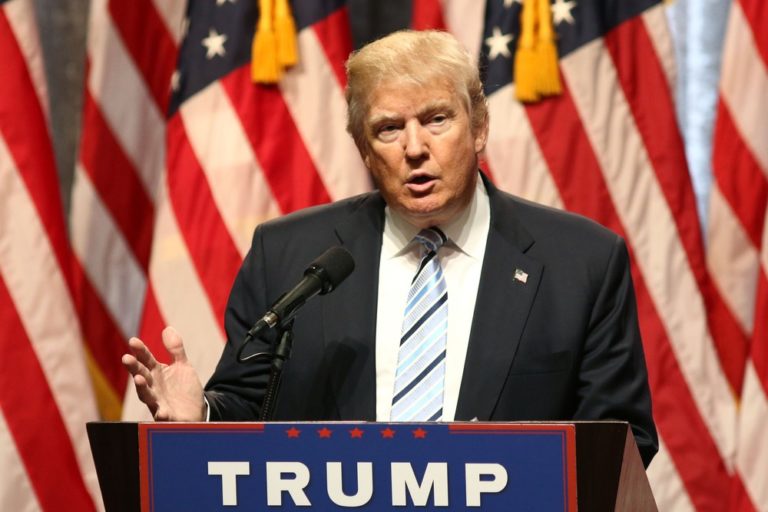
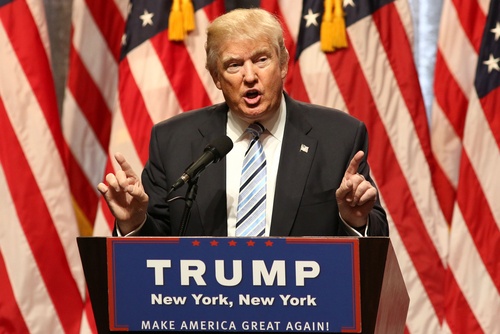
Trump’s Speech Gets Mixed Reactions from GOP Crowd, Says Poll

0

Key Takeaways:

  • President Trump’s speech on Tuesday received mixed reactions from GOP viewers.
  • Many supporters think Trump’s policies are good for the country but have doubts about his leadership.
  • Polls show republicans trust his policy ideas but are less confident in his personal judgment.

President Donald Trump’s recent speech left Republican viewers with mixed feelings. While many agreed with his policies, some questioned his leadership style and decision-making.

Reactions to Trump’s Speech

A recent poll shows republican viewers who watched the speech mostly liked Trump’s plans. They believe his ideas could help the country move in the right direction. But when it comes to trusting Trump personally, people are less sure. For example, fewer viewers said they trust him to use his power wisely or care about regular people.

GOP Support for Trump’s Policies

The poll focused on five main issues Trump talked about in his speech. Most viewers agreed with his ideas on all five topics. Many feel optimistic that Trump’s policies could solve some of the country’s big problems.

However, even though people like his plans, they are not as confident in Trump as a person. Questions about his judgment and ability to represent everyday Americans are still a concern for some supporters.

Mixed Feelings About Trump’s Leadership

The poll also asked viewers how they feel about Trump’s leadership. Most said they trust him to handle big issues like the economy and national security. But when it comes to smaller, personal matters, trust drops.

Some viewers said they like Trump’s bold ideas but worry about how he makes decisions. Others think he fights for what they believe in but wish he would act more like a traditional leader.

What This Means for 2024

These poll results could be important as Trump looks ahead to 2024. His ability to convince republican voters that he is both a good leader and a trustworthy person will matter a lot. If he can address their concerns about his judgment, he might gain more support. But if these doubts grow, it could hurt his chances.

A Closer Look at the Poll

The poll asked viewers about five key areas of Trump’s speech. Here’s what they said:

  1. Economy: Most viewers think Trump’s ideas will help the economy. They like his plans for jobs and lowering costs.
  2. Immigration: A large majority agreed with Trump’s border security plans. Many feel his approach is tough but necessary.
  3. Healthcare: Most viewers said Trump’s healthcare ideas are on the right track. They like his focus on lowering costs and improving access.
  4. Education: Many supporters like Trump’s education plans, especially his push for school choice and parental rights.
  5. Crime: A strong majority agreed with Trump’s crime policies. They think his ideas will make communities safer.

GOP Voters Want More

Even though viewers liked Trump’s policies, many want to see more from him. They want a leader who not only has good ideas but also acts responsibly and cares about people like them.

What’s Next?

Trump’s speech was a key moment for his campaign. The poll shows he still has strong support from republicans, but there are areas where he needs to improve. If he can win back the trust of his base, he could be in a strong position for 2024.

Final Thoughts

The poll’s findings remind us that elections are not just about policies—they’re also about trust and leadership. Trump’s ability to balance his bold ideas with responsible leadership will be crucial in the months ahead.


By staying focused on what matters most to voters, Trump can keep his supporters hopeful and engaged. But he also needs to address their concerns about his judgment and personal leadership style. Only time will tell if he can do both successfully.

DOJ Investigates University of California Over Antisemitism Concerns

0

Key Takeaways:

  • The Department of Justice (DOJ) has launched a civil rights investigation into the University of California (UC) system.
  • The investigation focuses on concerns about antisemitism.
  • A letter was sent to UC President Michael Drake, informing him of the probe.
  • The DOJ is examining whether the UC system complies with civil rights laws in addressing antisemitism.

The Department of Justice (DOJ) has announced an investigation into the University of California (UC) system. The probe focuses on antisemitism concerns, marking a significant move to address discrimination on campus.

What’s Happening

The DOJ’s Civil Rights Division informed UC President Michael Drake about the investigation. This comes amid growing worries about antisemitism incidents within the UC system. The investigation aims to ensure the university complies with federal civil rights laws, protecting all students from discrimination.

What We Know So Far

Antisemitism on college campuses has sparked national concern. The UC system, with its diverse student body, has faced allegations of inadequate responses to such incidents. The DOJ’s investigation will examine how the university handles these issues.

UC officials have expressed commitment to providing an inclusive environment. They are cooperating with the DOJ and have not provided further details on the investigation’s specifics.

Why It Matters

This investigation is crucial as it highlights the DOJ’s commitment to enforcing civil rights in education. It emphasizes the need for universities to address all forms of discrimination, ensuring students feel safe and respected.

What’s Next?

The outcome may lead to changes in how UC addresses antisemitism. Possible measures include updated policies, enhanced reporting mechanisms, or diversity training. The DOJ’s findings could influence other universities’ approaches to similar issues.

Conclusion

The DOJ’s investigation into antisemitism at the UC system reflects broader national efforts to combat discrimination. As the inquiry unfolds, it may set precedents for other institutions, underscoring the importance of fostering inclusive environments. Stay updated as this story develops.

Trump’s Border Success: How He Achieved What Others Couldn’t

0

Key Takeaways:

  • Donald Trump successfully controlled the U.S.-Mexico border, achieving what his predecessor deemed impossible.
  • In the Yuma sector, illegal crossings dropped significantly under Trump’s policies.
  • Trump’s strategies focused on stricter enforcement and policy changes to manage the border crisis effectively.

Introduction: A New Era of Border Control

In a surprising turn of events, former President Donald Trump has made significant strides in managing the U.S.-Mexico border, contrary to his predecessor’s claims that it was an impossible task. This achievement highlights Trump’s proactive approach to addressing the border crisis, setting a new standard for effective immigration management. By implementing strict policies and enforcement measures, Trump demonstrated that controlling illegal crossings is achievable.


How Trump Tackled the Border Crisis

Trump’s approach to the border crisis was straightforward: enforce existing laws and implement new policies to deter illegal crossings. His administration focused on building physical barriers, increasing the number of border patrol agents, and introducing stricter asylum rules. These measures created a significant deterrent effect, making it harder for individuals to cross the border illegally. The strategies employed by Trump were designed to restore order and ensure the safety of both migrants and U.S. citizens.


The Yuma Sector: A Case Study in Success

One of the most notable examples of Trump’s success is the Yuma sector, where the number of encounters with illegal aliens dropped dramatically. During the final year of Trump’s first term, encounters in this region reached an unprecedented low of 8,600. This sharp decline underscores the effectiveness of Trump’s policies in curbing illegal immigration. By addressing the root causes of illegal crossings and enforcing laws consistently, the Yuma sector became a model for successful border management.


The Broader Impact and Lessons Learned

The success in the Yuma sector reflects the broader impact of Trump’s border policies. By implementing a combination of physical barriers and stricter enforcement, Trump created a system that discouraged illegal crossings without infringing on legal immigration pathways. This approach not only reduced the number of illegal aliens entering the country but also streamlined the process for legitimate asylum seekers. The success of these policies offers valuable lessons for future administrations on how to manage the border effectively.


Conclusion: A Legacy of Achievement

Donald Trump’s ability to bring the border under control is a testament to the effectiveness of his policies. By taking a proactive and enforceable approach, he achieved what many thought was impossible. The Yuma sector serves as a prime example of how targeted strategies and consistent enforcement can lead to significant reductions in illegal crossings. As the U.S. continues to grapple with immigration challenges, Trump’s legacy in border control offers a roadmap for achieving success without compromising on national security or humanitarian values.


This article highlights Trump’s strategic approach and the tangible results achieved during his tenure, providing a clear and relatable overview of his border management successes.

Rep. Al Green Faces Censure for Disrupting Trump’s Speech

0

Key Takeaways:

  • House Speaker Mike Johnson says the GOP may censure Rep. Al Green for disrupting Trump’s speech.
  • Rep. Green protested Trump’s claim of having a mandate by shouting and shaking his cane.
  • The incident highlights deep divisions in Congress over Trump’s presidency.
  • A censure is a formal rebuke, though it doesn’t remove Green from office.
  • The move could escalate political tensions in an already divided Congress.

The Disruption During Trump’s Speech

On Tuesday night, during President Trump’s joint address to Congress, Rep. Al Green (D-TX) caused a stir. He stood up, shook his cane, and shouted, “You have no mandate!” This was his response to Trump’s statement about having a mandate from voters to implement his agenda.

Why Did Rep. Green Protest?

Rep. Green’s actions were a direct challenge to Trump’s claim of having widespread support. Green believes Trump does not have the backing of the majority, especially after the 2020 election. This isn’t the first time Green has opposed Trump. He has been a vocal critic, even filing impeachment articles against him in the past.

What’s Next for Rep. Green?

House Speaker Mike Johnson suggested that the GOP majority may censure Rep. Green for his actions. A censure is a formal rebuke, though it doesn’t remove someone from office. It’s a way for Congress to express disapproval of a member’s behavior.

A Divided Congress

This incident reflects the deep political divide in Congress. Supporters of Rep. Green see his actions as a justified stand against Trump’s claims. Others, including many Republicans, view it as disrespectful and disruptive. The potential censure is likely to worsen these tensions, as Democrats may see it as an unfair attack.

What’s a Censure, Anyway?

A censure is a formal condemnation by Congress. It’s a step short of expulsion but is still a significant reprimand. It’s usually used when a member’s behavior is deemed unacceptable. If the GOP moves forward, it would mark a rare instance of such action against a sitting representative.

Conclusion

Rep. Al Green’s protest and the potential censure highlight the ongoing political clash in Washington. While some see his actions as a necessary stand, others view them as disruptive. This incident underscores the challenges of functioning in a deeply divided Congress, where even moments of unity are overshadowed by conflict. The outcome of this situation will likely influence how future disruptions are handled, setting a precedent for political expression in Congress.

Trump’s Dilemma: Secret Talks with Hamas Amid Gaza Tensions

0

Key Takeaways:

  • Trump’s administration is in talks with Hamas to end the Gaza conflict.
  • This move contrasts with Trump’s public statements on flattening Gaza.
  • The U.S. has a history of negotiating with groups it labels as terrorists.
  • Critics and supporters have mixed reactions to this strategy.

Introduction: In a surprising twist, the Trump administration is negotiating with Hamas, a group the U.S. designates as a terrorist organization, to resolve the Gaza conflict. While Trump publicly speaks of harsh measures, private talks aim to end the war and free hostages, highlighting a complex foreign policy approach.

Conflicting Messages from the Trump Administration President Trump’s recent statements on Gaza have been firm, suggesting drastic actions. However, behind the scenes, his administration is engaging in diplomatic efforts with Hamas. This dual approach raises questions about the consistency of U.S. foreign policy and the practicality of such negotiations.

A History of Secret Negotiations The U.S. has negotiated with controversial groups before, such as during Reagan’s dealings with Iran despite the hostage crisis. These historical examples show that political expediency often leads to pragmatic decisions, even with adversaries.

Reactions from Supporters and Critics Supporters view these talks as a strategic move to save lives and stabilize the region. Critics argue it undermines U.S. credibility and legitimizes terrorist groups. This divide reflects broader debates on when and how to engage with such organizations.

What’s Next? The outcome of these negotiations remains uncertain. Success could mean hostage releases and ceasefires, while failure might escalate tensions. Public opinion is divided, with some praising the effort and others criticizing the approach as weak.

Conclusion: Trump’s negotiations with Hamas underscore the complexities of foreign policy, where tough rhetoric may mask quieter diplomatic efforts. As the situation unfolds, the implications for regional stability and U.S. policy will be closely watched.

Trump’s Bold Vision Unveiled: Key Takeaways from His Congressional Address

0

Key Takeaways:

  • President Trump emphasized significant changes since returning to office.
  • The address focused on Ukraine and the economy.
  • Trump defended his policies against criticism.
  • He outlined a future vision, sparking debate.

President Trump recently delivered his first congressional address of his second term, marking a pivotal moment to highlight recent achievements and address critics. The speech centered on two pressing issues: the evolving situation in Ukraine and the state of the economy.

A Focus on Two Big Issues

In the days leading up to the address, Ukraine dominated the headlines, particularly following a tense meeting between Trump, Vice President Kamala Harris, and Ukrainian President Volodymyr Zelenskyy. This meeting highlighted the ongoing challenges in U.S.-Ukraine relations, with discussions revolving around military aid and regional stability. Trump used his speech to outline his strategy, emphasizing the need for a balanced approach that considers both American interests and global security.

The economy was another cornerstone of Trump’s address. Despite criticism, he showcased improvements in job numbers and economic growth, arguing that his policies have rejuvenated American industries. Critics, however, point to rising inflation and debt levels, challenging the sustainability of this growth.

Defending His Policies

Trump faced backlash on multiple fronts, particularly his handling of Ukraine and economic strategies. In his speech, he addr essed these criticisms head-on, asserting that his decisions are in the nation’s best interest. He emphasized the need for a strong military to protect American security and economic dominance.

His defense was met with mixed reactions. Supporters praised his commitment to American strength and prosperity, while opponents argued his policies could lead to global instability and economic inequality.

A Vision for the Future

Beyond current issues, Trump painted a future vision centered on innovation, infrastructure development, and education reform. He proposed investments in cutting-edge technologies, such as AI and renewable energy, to maintain U.S. leadership. Infrastructure plans included modernizing transportation and expanding internet access. Education reforms focused on vocational training and STEM fields to prepare the workforce for future challenges.

Environmental policies were also addressed, with Trump advocating for energy independence and reduced regulations to boost domestic production. Critics raised concerns about the environmental impact, emphasizing the need for sustainable practices.

Conclusion

President Trump’s address underscored hisadministration’s priorities and defense of controversial policies. While supporters applauded his vision, critics remain skeptical about the implications. The speech sets the stage for ongoing debates on Ukraine, the economy, and America’s future direction. As Trump’s second term progresses, his ability to implement this vision will be closely watched.

Supreme Court to EPA: Tighten Water Rules Now

0

Key Takeaways:

  • The Supreme Court ruled 5-4 against the EPA’s wastewater permit system.
  • The EPA must now set specific limits on water pollution from factories and treatment plants.
  • This decision aims to clarify Clean Water Act regulations.
  • Justice Amy Coney Barrett dissented, arguing the ruling could lead to overregulation.

U.S. Supreme Court Tightens EPA Water Regulations

In a significant move, the U.S. Supreme Court recently made a landmark decision affecting how the Environmental Protection Agency (EPA) handles water pollution. On March 4, the court ruled 5-4 that the EPA’s current system for permitting wastewater discharges doesn’t align with the Clean Water Act. This decision marks a shift in federal water protection policies.

What Happened?

The case brought attention to the EPA’s previous approach to issuing permits for wastewater discharge. The court found that the EPA’s system was too vague and didn’t set clear limits on pollutants, which violates the Clean Water Act. This Act, established to ensure U.S. waters remain clean, requires specific guidelines to control pollution from factories, power plants, and sewage treatment facilities.

In a dissenting opinion, Justice Amy Coney Barrett, joined by Justices Sonia Sotomayor, Elena Kagan, and Ketanji Brown Jackson, expressed concerns that the ruling might lead to stricter regulations than intended by Congress.

EPA’s Response

The EPA has expressed commitment to adjusting their permitting process to meet the court’s requirements. They acknowledged the need for clearer guidelines and are preparing to implement more precise effluent limits. This means polluters will now face stricter rules, ensuring they discharge fewer harmful pollutants into waterways.

What’s Next?

This ruling could have widespread implications for various industries. Factories and treatment plants may need to upgrade their technology to meet the new standards, potentially increasing costs. Environmental groups are hailing this decision as a victory, anticipating cleaner rivers and lakes. However, some industries worry about the financial burden of complying with the new rules.

Conclusion

The Supreme Court’s decision is a significant step in water pollution control, setting a precedent for stricter regulations. While industries face new challenges, environmental advocates see this as a step toward better water quality. The EPA’s next moves will be crucial in shaping how these regulations are enforced and their impact on both the environment and the economy.


This decision reflects a balancing act between environmental protection and industrial interests, emphasizing the importance of clear guidelines in maintaining clean water for future generations.

Trump’s Victory Lap Wins Over 57% of Viewers in New Poll

0

Key Takeaways:

  • 57% of Americans approved of Trump’s recent speech to Congress.
  • 32% disapproved, while others were undecided.
  • The speech lasted 99 minutes and included both boasts and jabs.
  • A snap poll of 774 viewers was conducted after the event.

Trump’s Speech Wins Over Most Viewers

President Donald Trump’s 99-minute speech to Congress on Tuesday night was a hit with most Americans who watched it. According to a new poll, 57% of viewers liked the speech, even though it included some taunts and boasts. Meanwhile, only 32% of people said they disapproved of it.

The poll, conducted by a group called J.L. Partners, asked 774 viewers for their opinions right after the speech. The results show that Trump’s message resonated with a majority of the audience.


What Did Trump Say?

Trump’s speech was long and fiery. He talked about his achievements and took credit for several things. He also took some shots at his opponents. While some people found his style bold and confident, others argued it was too divisive.

Despite the mixed reactions, the poll shows that more people liked the speech than not. This could be a good sign for Trump, as he continues to be a polarizing figure in American politics.


How Did Americans React?

The poll gave a snapshot of how Americans felt about the speech. Most people either liked it or disliked it strongly, with very few saying they were undecided.

Some viewers praised Trump for his confidence and ability to connect with his supporters. Others criticized him for not offering enough solutions to the country’s problems.

One thing is clear: Trump’s speech kept people talking. It’s a reminder of how passionate Americans are about their politics.


What Does This Mean for Trump?

The poll results could be a boost for Trump, especially if he decides to run for office again. It shows that he still has strong support among many Americans.

However, the 32% who disapproved of the speech are just as important. They remind us that Trump is a divisive figure, and not everyone agrees with his style or ideas.

In the end, the speech was another chapter in Trump’s long and dramatic career. Whether you loved it or hated it, one thing is certain—it kept people watching.


Stay Tuned for More Updates

The reaction to Trump’s speech is just one piece of a much bigger story. As American politics continues to unfold, Digital Chew will keep you updated on all the latest developments. Stay connected for more news, polls, and insights!

Trump’s False Claims in Congress Address Exposed

0

Key Takeaways:

  • Trump claimed massive fraud findings, but official data shows smaller numbers.
  • He exaggerated immigration numbers and misrepresented border security.
  • His statements on Ukraine aid, the economy, and autism were misleading.
  • Fact-checking reveals inaccuracies in multiple areas of his speech.

In his first address to Congress since winning his second term, President Donald Trump made several claims that don’t add up. From fraud to immigration, Ukraine aid to the economy, Trump’s speech was filled with distorted facts. Let’s break it down.

Fraud Claims: Separating Fact from Fiction

One of Trump’s biggest claims was about fraud. He said the Department of Government Efficiency, or DOGE, found “hundreds of billions of dollars of fraud.” But when you look at DOGE’s website, the numbers don’t match. The department says it has saved $105 billion, but only $19.8 billion of that has clear evidence. This means Trump’s claim is way off.

Why does this matter? Exaggerating fraud can make people lose trust in government programs. It’s important to know the real numbers before jumping to conclusions.

Immigration: Misleading Numbers

Trump also talked about immigration, saying he has made the border more secure than ever. But experts say this isn’t true. While some policies have changed, the number of people trying to cross the border is still high. Trump’s numbers don’t tell the full story.

Another issue is his claim that other countries are sending their “worst” people to the U.S. This is a hurtful stereotype and not based on facts. Immigration is a complex issue, and oversimplifying it doesn’t help.

Ukraine Aid: What Trump Left Out

Trump mentioned aid to Ukraine, saying the U.S. has sent too much money. But he didn’t explain why this aid is important. Ukraine is fighting a war, and U.S. support helps them defend themselves. Trump’s focus on the cost ignores the bigger picture.

The Economy: Taking Credit Where It’s Not Due

The president also bragged about the economy, saying it’s doing great under his leadership. But economists disagree. While some areas are strong, others are struggling.Trump’s policies aren’t the only reason for economic changes. Global events and previous administrations also play a role.

Autism: Spreading Misinformation

Trump’s comment on autism was another low point. He suggested a link between autism and vaccines, even though scientists have proven this is false. This kind of talk can scare parents and hurt kids who need help. It’s dangerous to spread lies about medical issues.


Why Fact-Checking Matters

Trump’s speech shows why it’s important to check the facts. Leaders have power with their words, and when they bend the truth, it can mislead people. By looking at the real numbers and expert opinions, we can see where Trump went wrong.

The economy, immigration, and fraud are all serious topics. They deserve honest discussion, not exaggerated claims. Next time you hear a big statement, take a moment to fact-check. The truth matters, and staying informed helps us all make better decisions.


Stay alert. Stay informed.

Trump’s Speech to Congress: 26 False or Misleading Claims

0

Key Takeaways:

  • President Trump made 26 untrue, misleading, or out-of-context statements during his speech to Congress.
  • Many of these claims have been fact-checked and disproven before.
  • The speech included exaggerated numbers and disputed facts on topics like the economy, immigration, and healthcare.
  • Trump’s speaking style during the address was described as long and rambling.

Trump’s Speech: A Mix of Facts and Fictions

President Donald Trump recently gave a long speech to a joint session of Congress. While speeches by presidents are important, this one stood out for a different reason: it included many claims that were not true, misleading, or lacked proper context. Let’s break down what happened.


26 False or Misleading Statements

During his speech, Trump made 26 statements that were either completely false, misleading, or missing important details. Here are some of the most notable ones:

  1. Economic Growth: Trump claimed the economy is growing at a record pace. While the economy has grown, it’s not the fastest growth ever.
  2. Jobs Created: He said his administration created millions of jobs, but many of these jobs were already being created before he took office.
  3. Unemployment Rate: Trump called the current unemployment rate the lowest in 50 years. This is true, but he didn’t mention that it has risen recently.
  4. Wage Growth: He claimed wages are rising for the first time in decades. Actually, wages started rising under his predecessor, Barack Obama.
  5. Tax Cuts: Trump said his tax cuts were the biggest ever. They were large, but not the largest in U.S. history.
  6. Regulations: He claimed he’s removed more regulations than any other president. While he has cut regulations, the numbers don’t fully back this claim.
  7. China Trade War: Trump said China is paying tariffs to the U.S. This is misleading because American businesses and consumers are the ones paying these taxes.
  8. Immigration: He said illegal immigration is at its lowest point in years. This is not entirely accurate, as border crossings have gone up recently.
  9. Border Wall: Trump claimed Mexico is paying for the wall. So far, Mexico has not paid a dime for it. The U.S. government is footing the bill.
  10. Healthcare: He said Democrats want to eliminate private health insurance. This is an exaggeration of their actual proposals.
  11. Drug Prices: Trump claimed drug prices are dropping. In reality, many drug prices have gone up under his administration.
  12. Veterans’ Healthcare: He said he passed a law to help veterans get better healthcare. While he did sign a bill, it was built on earlier efforts by other lawmakers.
  13. NASA and Space Force: Trump said he created the Space Force. It was actually approved by Congress before his presidency.
  14. Climate Change: He dismissed climate change as a hoax, even though most scientists agree it’s a real and serious problem.
  15. Russia Investigation: Trump called the Russia probe a witch hunt. However, the investigation did find evidence of Russian interference in the 2016 election.

This list is much longer, but these examples show how Trump’s speech included many disputed claims.


Why Do These Claims Matter?

It’s important to fact-check speeches by public figures, especially the president. When claims are misleading or false, they can confuse people and make it harder to understand what’s really happening in the country.

For example, if people believe that China is paying tariffs when they’re actually paying themselves, they might misunderstand how trade works. Or if they’re told the economy is growing faster than ever when it’s not, they might have unrealistic expectations about the future.


What’s Next?

Trump’s speech to Congress was just one moment in a long debate about the direction of the country. As the 2024 election approaches, voters will need to pay close attention to the facts behind the claims made by all politicians.

Fact-checking is a tool everyone can use. By verifying information before sharing it, we can help ensure that the conversations about important issues are based on truth, not misleading claims.

In the end, speeches like this remind us why staying informed and critically thinking about the news is so important. Whether you agree with Trump or not, understanding the facts is key to making decisions about who should lead the country.