54 F
San Francisco
Saturday, May 16, 2026
Home Blog Page 1091

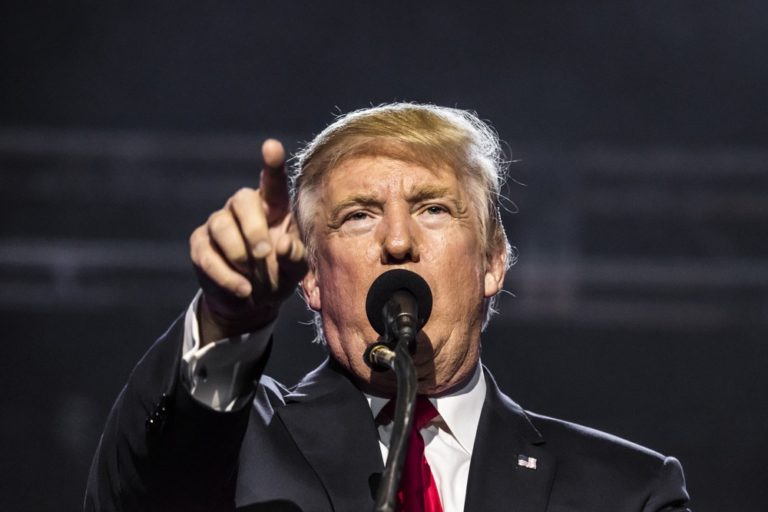
Trump’s False Claims in Congress Address Exposed

0

Key Takeaways:

  • Trump claimed massive fraud findings, but official data shows smaller numbers.
  • He exaggerated immigration numbers and misrepresented border security.
  • His statements on Ukraine aid, the economy, and autism were misleading.
  • Fact-checking reveals inaccuracies in multiple areas of his speech.

In his first address to Congress since winning his second term, President Donald Trump made several claims that don’t add up. From fraud to immigration, Ukraine aid to the economy, Trump’s speech was filled with distorted facts. Let’s break it down.

Fraud Claims: Separating Fact from Fiction

One of Trump’s biggest claims was about fraud. He said the Department of Government Efficiency, or DOGE, found “hundreds of billions of dollars of fraud.” But when you look at DOGE’s website, the numbers don’t match. The department says it has saved $105 billion, but only $19.8 billion of that has clear evidence. This means Trump’s claim is way off.

Why does this matter? Exaggerating fraud can make people lose trust in government programs. It’s important to know the real numbers before jumping to conclusions.

Immigration: Misleading Numbers

Trump also talked about immigration, saying he has made the border more secure than ever. But experts say this isn’t true. While some policies have changed, the number of people trying to cross the border is still high. Trump’s numbers don’t tell the full story.

Another issue is his claim that other countries are sending their “worst” people to the U.S. This is a hurtful stereotype and not based on facts. Immigration is a complex issue, and oversimplifying it doesn’t help.

Ukraine Aid: What Trump Left Out

Trump mentioned aid to Ukraine, saying the U.S. has sent too much money. But he didn’t explain why this aid is important. Ukraine is fighting a war, and U.S. support helps them defend themselves. Trump’s focus on the cost ignores the bigger picture.

The Economy: Taking Credit Where It’s Not Due

The president also bragged about the economy, saying it’s doing great under his leadership. But economists disagree. While some areas are strong, others are struggling.Trump’s policies aren’t the only reason for economic changes. Global events and previous administrations also play a role.

Autism: Spreading Misinformation

Trump’s comment on autism was another low point. He suggested a link between autism and vaccines, even though scientists have proven this is false. This kind of talk can scare parents and hurt kids who need help. It’s dangerous to spread lies about medical issues.


Why Fact-Checking Matters

Trump’s speech shows why it’s important to check the facts. Leaders have power with their words, and when they bend the truth, it can mislead people. By looking at the real numbers and expert opinions, we can see where Trump went wrong.

The economy, immigration, and fraud are all serious topics. They deserve honest discussion, not exaggerated claims. Next time you hear a big statement, take a moment to fact-check. The truth matters, and staying informed helps us all make better decisions.


Stay alert. Stay informed.

Trump’s Speech to Congress: 26 False or Misleading Claims

0

Key Takeaways:

  • President Trump made 26 untrue, misleading, or out-of-context statements during his speech to Congress.
  • Many of these claims have been fact-checked and disproven before.
  • The speech included exaggerated numbers and disputed facts on topics like the economy, immigration, and healthcare.
  • Trump’s speaking style during the address was described as long and rambling.

Trump’s Speech: A Mix of Facts and Fictions

President Donald Trump recently gave a long speech to a joint session of Congress. While speeches by presidents are important, this one stood out for a different reason: it included many claims that were not true, misleading, or lacked proper context. Let’s break down what happened.


26 False or Misleading Statements

During his speech, Trump made 26 statements that were either completely false, misleading, or missing important details. Here are some of the most notable ones:

  1. Economic Growth: Trump claimed the economy is growing at a record pace. While the economy has grown, it’s not the fastest growth ever.
  2. Jobs Created: He said his administration created millions of jobs, but many of these jobs were already being created before he took office.
  3. Unemployment Rate: Trump called the current unemployment rate the lowest in 50 years. This is true, but he didn’t mention that it has risen recently.
  4. Wage Growth: He claimed wages are rising for the first time in decades. Actually, wages started rising under his predecessor, Barack Obama.
  5. Tax Cuts: Trump said his tax cuts were the biggest ever. They were large, but not the largest in U.S. history.
  6. Regulations: He claimed he’s removed more regulations than any other president. While he has cut regulations, the numbers don’t fully back this claim.
  7. China Trade War: Trump said China is paying tariffs to the U.S. This is misleading because American businesses and consumers are the ones paying these taxes.
  8. Immigration: He said illegal immigration is at its lowest point in years. This is not entirely accurate, as border crossings have gone up recently.
  9. Border Wall: Trump claimed Mexico is paying for the wall. So far, Mexico has not paid a dime for it. The U.S. government is footing the bill.
  10. Healthcare: He said Democrats want to eliminate private health insurance. This is an exaggeration of their actual proposals.
  11. Drug Prices: Trump claimed drug prices are dropping. In reality, many drug prices have gone up under his administration.
  12. Veterans’ Healthcare: He said he passed a law to help veterans get better healthcare. While he did sign a bill, it was built on earlier efforts by other lawmakers.
  13. NASA and Space Force: Trump said he created the Space Force. It was actually approved by Congress before his presidency.
  14. Climate Change: He dismissed climate change as a hoax, even though most scientists agree it’s a real and serious problem.
  15. Russia Investigation: Trump called the Russia probe a witch hunt. However, the investigation did find evidence of Russian interference in the 2016 election.

This list is much longer, but these examples show how Trump’s speech included many disputed claims.


Why Do These Claims Matter?

It’s important to fact-check speeches by public figures, especially the president. When claims are misleading or false, they can confuse people and make it harder to understand what’s really happening in the country.

For example, if people believe that China is paying tariffs when they’re actually paying themselves, they might misunderstand how trade works. Or if they’re told the economy is growing faster than ever when it’s not, they might have unrealistic expectations about the future.


What’s Next?

Trump’s speech to Congress was just one moment in a long debate about the direction of the country. As the 2024 election approaches, voters will need to pay close attention to the facts behind the claims made by all politicians.

Fact-checking is a tool everyone can use. By verifying information before sharing it, we can help ensure that the conversations about important issues are based on truth, not misleading claims.

In the end, speeches like this remind us why staying informed and critically thinking about the news is so important. Whether you agree with Trump or not, understanding the facts is key to making decisions about who should lead the country.

Trump 2.0: The Surprising Shift in His Second Term

0

Key Takeaways:

  • Donald Trump’s second term as president has revealed a more focused and serious leader.
  • He is pushing big ideas that were not as prominent during his first term.
  • Americans are seeing a different version of Trump compared to his earlier presidency.**

A Different Trump in the White House

When Donald Trump won the 2024 presidential election, many Americans thought they knew what to expect. After all, they had seen his style during his first term. But 43 days into his second term, it’s clear that this isn’t the same Trump from before.

What’s Changed? During his first term, Trump was known for his unpredictable decisions and fiery personality. This time around, he seems more focused on big ideas that didn’t get as much attention the first time. He’s determined to make significant changes, especially in areas like government bureaucracy and trade policies.

One of his main goals is to “dismember” the federal bureaucracy, which he believes has too much power. He’s also taking a harder line on immigration and trade, pushing for stricter controls. These moves show a president who is more serious about getting things done than ever before.


A More Serious Trump

Big Ideas Take Center Stage In his first term, Trump often focused on quick wins and headline-grabbing actions. Now, he’s talking about long-term plans that could reshape the country. For example, he’s proposed sweeping changes to how the government operates, aiming to make it more efficient.

Immigration has also become a major focus. Trump is pushing for tighter controls at the U.S.-Mexico border and stricter rules for asylum seekers. These moves are designed to send a clear message that America’s borders are secure.

On trade, Trump is doubling down on his “America First” approach. He’s threatening tariffs on foreign goods to protect American industries. This could mean higher prices for some imports but could also boost U.S. jobs in key sectors.

A Stronger Focus on Policy This version of Trump is more about policy and less about personality. He’s holding fewer rallies and making fewer controversial tweets. Instead, he’s focused on working behind the scenes to get his agenda passed.

This shift has surprised both his supporters and critics. Some supporters are excited to see Trump taking on ambitious goals, while critics worry about the impact of his policies on the economy and international relations.


How This Impacts You

What Does This Mean for Everyday Americans? Trump’s new approach could have big effects on your life. For example:

  • Stricter immigration rules might make it harder for people to come to the U.S., but could also mean more jobs for citizens.
  • Trade policies might make some goods more expensive, but could also help U.S. businesses grow.
  • Changes in government bureaucracy could make it easier or harder to access services like healthcare and education.

Reactions Across the Country Many Americans are still trying to figure out what this new Trump means for the future. Some see him as a leader with a clear vision, while others worry that his policies will divide the country even more.

As the days go by, one thing is clear: this isn’t the same Trump from the first term. Whether you support him or not, his second term is shaping up to be very different from what most people expected.


In conclusion, Trump’s second term is all about big ideas and a more focused approach. While some are excited about the potential changes, others are nervous about what’s to come. One thing is certain: this is Trump 2.0, and it’s a version of the president that few saw coming.

Rep. Al Green Stands Up to Trump, Faces Backlash from House Republicans

0

Key Takeaways:

  • Rep. Al Green challenged Donald Trump during his speech, questioning Trump’s claim of a mandate.
  • House Republicans are moving to censure Green for his actions, led by Rep. Dan Newhouse.
  • Green is willing to accept any punishment without resistance.
  • Republicans are prioritizing punishment over addressing the looming government shutdown.

In a bold move, Rep. Al Green recently challenged former President Donald Trump during a speech, questioning Trump’s assertion of having a mandate. This act of courage, however, has sparked retaliation from House Republicans, who are now pushing to censure Green.

Why Did Rep. Green Challenge Trump?

During Trump’s speech, he claimed to have a mandate, implying widespread support. Rep. Green, a Democrat from Texas, stood up and addressed Trump directly, questioning this claim. His actions were seen as a rare moment of accountability directed at the former president, something many feel Republican lawmakers have avoided since 2017.

House Republicans React

Rep. Dan Newhouse, a Republican from Washington, has filed a privileged resolution to censure Rep. Green. This move aims to formally rebuke Green for what they describe as disruptive behavior and improper conduct during Trump’s speech. Censure is a formal condemnation, though it does not remove the Representative from office.

Green’s Response

Rep. Green has made it clear he is willing to accept any punishment that comes his way. Unlike some lawmakers who might fight such a resolution, Green has stated he will not resist the censure. His decision reflects his commitment to standing up for his principles, even in the face of backlash.

The Double Standard in Congress

The situation has raised eyebrows due to what many see as a double standard among House Republicans. In the past, some Republican lawmakers, such as Marjorie Taylor Greene and Lauren Boebert, famously heckled President Joe Biden during his speeches to Congress. However, when Rep. Green challenged Trump, Republicans quickly labeled his actions as unacceptable.

This discrepancy has led critics to accuse House Republicans of hypocrisy. They argue that while Republican lawmakers were allowed to disrupt Biden’s speeches with little consequence, Democrats are held to a different standard.

Priorities in Congress

The move to censure Rep. Green comes at a time when Congress faces more urgent issues. The government is on the brink of a shutdown, with lawmakers yet to agree on a funding bill. Despite this critical deadline, House Republicans appear more focused on punishing Rep. Green for speaking out than on passing legislation to keep the government running.

What’s Next for Rep. Green?

It seems likely that House Republicans will proceed with the censure. While this will not remove Green from office, it could have political implications. However, Green’s willingness to accept the consequences shows his determination to voice his opinions, even when it’s unpopular.

Public Reaction

Many are weighing in on the situation. Some praise Rep. Green for his courage in holding Trump accountable, while others criticize him for disrupting the speech. The debate reflects the deep divisions in American politics, where even moments of dissent can spark intense reactions.

A Broader Perspective

This incident sheds light on the current political climate in Washington. It highlights how quickly disputes over respect and decorum can escalate, especially in a highly polarized Congress. It also raises questions about the role of accountability in politics and whether elected officials should be allowed to challenge leadership without fear of retaliation.

Conclusion

Rep. Al Green’s decision to challenge Trump has ignited a firestorm in Congress. While House Republicans push to censure him, many are left wondering about the fairness of their actions. As the government teeters on the edge of a shutdown, one thing is clear: the clash between accountability and partisanship continues to dominate the headlines.

What do you think about House Republicans punishing Rep. Green? Share your thoughts in the comments below.

Elon Musk’s Grok AI Suggests Trump Might Be Putin’s Asset, Citing Speech and Ties

Key Takeaways:

  • Grok, an AI chatbot, suggests a 75-85% likelihood that Trump acts as a Russian asset influenced by Putin.
  • The assessment is based on Trump’s speech patterns, financial ties, and reluctance to criticize Putin.
  • The AI analyzed publicly available data from 1980 onwards, including Trump’s business dealings with Russia.

AI Analysis of Trump’s Speech Suggests Possible Russian Influence

A recent speech by Donald Trump has sparked intrigue after an AI chatbot named Grok assessed it, hinting at a high probability that Trump may act under Russian influence. This analysis, conducted by Grok, an AI developed by Elon Musk’s company xAI, has raised eyebrows with its suggestion that Trump’s actions align with those of a Russian asset, possibly compromised by President Vladimir Putin.

Historical Ties and Financial Connections

Grok’s evaluation delves into Trump’s past, highlighting significant financial connections with Russia. During the 1990s and 2000s, as Trump faced financial difficulties, he reportedly relied on funding from sources linked to Russia and former Soviet states. Statements by his sons, Donald Jr. and Eric, further support this narrative. In 2008, Donald Jr. noted that Russians constituted a substantial portion of their assets, while Eric remarked in 2014 that they had ample funding from Russia. These statements suggest a dependence on Russian finances, potentially making Trump susceptible to influence.

Speech Patterns and Reluctance to Criticize Putin

Beyond financial ties, Grok’s assessment points to Trump’s consistent reluctance to criticize Putin. This pattern, coupled with his recent speech, where he avoided negative remarks about the Russian leader, reinforces the AI’s hypothesis. Trump’s public addresses often reveal a cautious approach when discussing Russia, which contrasts with his candid criticism of other world leaders, including allies.

The AI also considers Trump’s personality traits, such as his ego and past debts, as factors that could make him more pliable to external influences. These characteristics, combined with the historicalfinancial ties, lead Grok to estimate a high likelihood (75-85%) that Trump’s actions are influenced by Putin.

Implications and Debate

This assessment, while intriguing, raises questions about the role of AI in political analysis. It reflects the growing power of artificial intelligence in drawing conclusions from extensive data sets, sparking debates on the reliability and implications of such technologies in understanding political dynamics.

However, it’s important to note that these findings are speculative and based on patterns rather than concrete evidence. While Grok’s evaluation is compelling, it highlights the challenges of interpreting political behavior through machine learning models.

As the findings of Grok gain attention, they add another layer to the ongoing discussions about Trump’s relationship with Russia. Whether this analysis is perceived as insightful or controversial, it underscores the evolving role of technology in interpreting political actions and alliances.

In conclusion, Grok’s assessment of Trump’s speech and actions offers a fascinating glimpse into how AI can interpret political behavior. The implications of such analyses are vast, leaving us to ponder their impact on future political discourse and the transparency of international relations.

Trump Delays Auto Tariffs for 30 Days: What It Means

0

Key Takeaways:

  • Trump delays auto tariffs on Canada and Mexico for 30 days.
  • Tariffs aimed at reducing fentanyl and undocumented immigration.
  • The auto industry gets temporary relief.
  • Critics question the effectiveness and impact on businesses.

The Temporary Reprieve

President Trump recently announced a 30-day delay on tariffs for cars imported from Canada and Mexico. This decision came after discussing the issue with leaders from major U.S. automakers. The tariffs were initially set at 25%, but the reprieve offers some relief to the auto industry.

Why the Tariffs Were Imposed

The tariffs were introduced to address concerns over fentanyl and undocumented immigration. However, only a small portion of fentanyl entering the U.S. comes from Canada, raising questions about the tariffs’ effectiveness.

Mixed Reactions

The temporary delay has sparked various reactions. Some in the auto industry welcome the relief, while critics argue that the uncertainty makes it hard for businesses to plan and invest. Concerns about market instability and unfair trade practices were also voiced.

What’s Next

With the tariffs set to resume after the delay, the impact on businesses remains a concern. The situation highlights the challenges of balancing trade policies with economic stability.

Conclusion

The 30-day reprieve on auto tariffs adds another layer to the complexities of U.S. trade policies. As the situation unfolds, the focus remains on how these decisions will affect both the auto industry and broader economic dynamics.

Trump’s Economic Boasts Face Conservative Backlash

0

Key Takeaways:

  • Donald Trump’s recent speech to Congress highlighted economic success but drew criticism from conservatives.
  • Economist Jim Geraghty doubts the economy’s strength, citing struggling markets and potential recession.
  • Trump’s tariff policies and mixed messages unsettle Wall Street and business planners.
  • Critics argue that such economic justifications would spark outrage if used by Democrats.

Introduction: Donald Trump’s recent address to Congress emphasized economic achievements, yet not all conservatives are convinced. Economist Jim Geraghty questions the reality behind Trump’s claims, pointing to economic challenges and uncertain markets.

The Economy: Trump’s Claims vs. Reality Trump’s speech painted a prosperous economic picture, yet Geraghty highlights the actual struggles. The economy faces potential recession, with growth slowing and inflation rising. Contrary to Trump’s optimism, the current situation doesn’t mirror the thriving economy he described.

Stock Market Struggles: What’s Going On? Recent stock market downturns, influenced by tariff uncertainties, contradict Trump’s rosy outlook. Investors dislike tariff unpredictability, leading to market volatility. This nervousness affects business confidence and planning.

Mixed Messages from the White House Trump’s inconsistent policy messages confuse investors and economists. Shifts in tariff decisions create uncertainty, impacting Wall Street and BUSINESS strategy. This unpredictability complicates long-term planning for companies.

Why This Matters for Conservatives Geraghty argues that conservatives would harshly criticize similar economic justifications from Democrats. He warns against overlooking issues like inflation, which could affect political outcomes. The double standard undermines credibility, concerning some conservatives.

Conclusion: While Trump’s speech energized supporters, doubts persist among conservatives about economic health. Geraghty’s critique underscores the need for clear, consistent economic policies to reassure markets and voters.

Drama on Capitol Hill: Lawmakers Clash Over Trump Protest

0

Key Takeaways:

  • Rep. Al Green protested during Trump’s speech, waving a cane, leading to his removal.
  • Lawmakers debated disciplining Green, with differing opinions on who was at fault.
  • Rep. McGovern criticized Trump’s speech as divisive, while Rep. Baumgartner called Green’s actions inappropriate.
  • The incident highlights political tensions in Congress.

Introduction: A dramatic scene unfolded in Congress as Rep. Al Green protested during President Trump’s recent speech. The following day, lawmakers debated the incident, revealing deep divisions. While some condemned Green’s actions, others criticized the President’s speech, setting the Capitol abuzz with tension.

The Protest Unfolds: During President Trump’s address, Rep. Al Green waved his cane in disapproval. House Speaker Mike Johnson ordered his removal, sparking a heated discussion. The next day, lawmakers gathered to debate whether Green should face formal discipline, drawing attention to standards of conduct in Congress.

Debate Erupts: Rep. Jim McGovern defended Green, arguing that the real issue was Trump’s speech, which he described as bitter and divisive. McGovern criticized the lack of solutions for issues like inflation and veteran care, calling the speech propaganda. In contrast, Rep. Michael Baumgartner viewed Green’s actions as a premeditated attack, deeming them beneath the dignity of the House.

Different Perspectives: McGovern and Baumgartner Presented contrasting viewpoints. McGovern emphasized Trump’s divisive rhetoric, while Baumgartner focused on maintaining decorum. Their debate showcased the polarization in Congress, with each side fervently defending their stance.

The Bigger Picture: This incident reflects broader tensions in Congress. While some focus on individual actions, others highlight the need for substantive discourse. The clash underscores the challenges in addressing national issues amidst political rhetoric.

Conclusion: The Capitol Hill drama over Green’s protest and the ensuing debate highlights the deep ideological divides in Congress. Whether fault lies with Green or Trump, the episode reveals ongoing polarization, influencing how lawmakers address critical national matters. Such events offer insight into the political climate, shaping the legislative landscape.

CDC Rushes to Rehire Fired Workers Amid Government Hiring Chaos


Key Takeaways:

  • The CDC is rapidly rehiring around 180 employees it previously fired.
  • An urgent email asked these employees to return to work.
  • Similar rehiring situations have occurred in other agencies like the USDA and FDA.
  • Both the Trump administration and Elon Musk faced issues after firing critical workers.
  • Experts caution that hurried dismissals can lead to broader problems.

The CDC is scrambling to bring back around 180 workers it dismissed, following a series of hasty firings under the Trump administration. These employees received an urgent email asking them to resume their roles immediately, highlighting a growing trend of agencies quickly reversing termination decisions after realizing the loss of essential skills.

CDC’s Quick Reversal

In a rapid turnaround, the CDC sent an email to the fired workers, apologizing and requesting their return. This move underscores the critical roles these employees played, roles that were only recognized after their dismissal. The situation is part of a larger pattern within the federal government, where agencies have faced disruptions due to similar staffing errors.

A Bigger Problem in the Federal Government

This isn’t an isolated incident. The National Nuclear Safety Administration and the U.S. Department of Agriculture also faced repercussions after laying off vital experts. The Agriculture Department, for instance, dismissed bird flu specialists during an outbreak, exacerbating an egg shortage. These errors have caused significant operational challenges, highlighting the risks of rushed firings without considering long-term impacts.

A Similar Situation at Twitter/X

Elon Musk faced a comparable issue when he took over Twitter, now X. After cutting 3,700 jobs, he quickly sought to rehire some, acknowledging the loss of crucial expertise. This mirrors the Trump administration’s challenges, illustrating that such hasty decisions can lead to chaos in both the public and private sectors.

What This Means Moving Forward

These events serve as a cautionary tale about the dangers of impulsive staff reductions. Agencies and companies must carefully evaluate the importance of each role before making cuts to avoid future disruptions. The CDC’s swift reversal and similar cases emphasize the need for thoughtful planning to sustain essential functions and avoid unnecessary turmoil.

Trump Admin Slashes VA Jobs Amid Outrage

Key Takeaways:

  • The Trump administration plans to cut 72,000 jobs at the Department of Veterans Affairs (VA), reducing the workforce from 470,000 to 398,000 by August.
  • VA Secretary Doug Collins claims healthcare and benefits for veterans won’t be affected, but critics argue services will suffer.
  • Over 1,400 probationary employees, including crisis line support staff, have already been fired.
  • Critics say the cuts violate the 2022 PACT Act and prioritize private profits over veteran care.

The Trump administration is pushing forward with significant job cuts at the Department of Veterans Affairs, sparking controversy among unions, lawmakers, and veteran advocates. These cuts aim to reduce the VA workforce by 72,000 employees, scaling it down from 470,000 to 398,000 by August. VA Secretary Doug Collins assures that these reductions won’t impact healthcare or benefits for veterans, emphasizing that hiring will continue for crucial roles. However, critics strongly disagree, warning of severe consequences for veteran services.

Criticism Mounts Against VA Job Cuts

Everett Kelly, president of the American Federation of Government Employees, which represents many VA workers, argues that the layoffs will cause unnecessary suffering for veterans and their families. He believes the cuts ignore Congress’s intentions, potentially affecting the quality of care. Similarly, Senator Richard Blumenthal, ranking member of the Senate Veterans’ Affairs Committee, contends that the reductions violate the 2022 PACT Act, which expanded healthcare and benefits for veterans. Blumenthal criticizes the plan for prioritizing private sector profits over veteran care, calling it a betrayal.

Impact on Vulnerable Services

The VA has already fired over 1,400 probationary employees, many of whom supported the VA’s crisis line, which provides emergency mental health services. Critics fear that these layoffs will weaken critical support services. With thousands more jobs at risk, concerns grow about the ability to maintain adequate care for veterans.

Legal and Ethical Concerns

Senator Blumenthal and others argue that the layoffs violate the PACT Act, which aimed to enhance services for toxic-exposed veterans. They believe the cuts undermine this effort, prioritizing budget balancing over veteran well-being. This criticism highlights the ethical implications of reducing staff that directly impacts vulnerable populations.

Moving Forward Amid Backlash

Despite the backlash, the Trump administration remains committed to its plan. The administration argues that the cuts will lead to a more efficient VA, as veterans have long sought a more accountable and transparent agency. However, opponents insist that the plan lacks empathy and foresight, risking essential services.

The situation remains tense, with potential consequences for veterans’ services and ongoing legal challenges. As the debate continues, the focus remains on balancing budgetary concerns with the needs of those who have served.

Stay updated on this evolving story by visiting DigitalChew for the latest news and developments.