70.4 F
San Francisco
Friday, June 12, 2026
Home Blog Page 1161

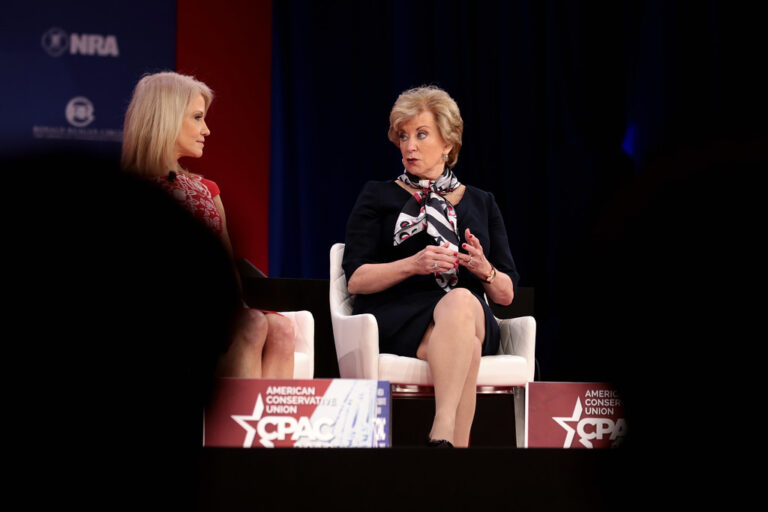
Linda McMahon Tapped as Education Secretary: What You Need to Know

0

Key Takeaways:

  • Linda McMahon is confirmed as the new Education Secretary.
  • She previously worked in the wrestling industry and government.
  • The Education Department may be restructured under Trump.
  • Her appointment has sparked both support and criticism.

Who is Linda McMahon?

Linda McMahon, known for her role in WWE, is now leading the Education Department. This move surprised many because she isn’t an educator but a business leader.

McMahon started in wrestling, helping WWE grow globally. She later entered politics, running for Senate and serving in Trump’s administration as head of the Small Business Administration.


What’s Next for Education?

Trump plans to change the Education Department, possibly downsizing it. McMahon’s business background might influence how she manages the department.

McMahon supports school choice and vocational training. She believes in giving students more options beyond traditional college paths.


Why the Controversy?

Some worry McMahon lacks education experience. Teachers and unions fear changes might hurt public schools and favor private ones.

Others see her as a strong leader who can bring new ideas. Supporters think her business skills can make the department more efficient.


Challenges Ahead

McMahon faces big challenges, like budget cuts and policy changes. Education reforms could affect many students and schools.

She’ll need to work with Congress, educators, and parents. Balancing different opinions while pushing Trump’s agenda will be tough.


What Does This Mean for You?

If you’re a student or parent, changes in education policy could affect your school. More focus on vocational training might offer different learning paths.

Public schools might see changes if the department shifts resources. McMahon’s leadership could shape education in unexpected ways.


Looking Ahead

McMahon’s appointment is a significant move by the Trump administration. The future of the Education Department is uncertain, with possible big changes.

Stay tuned as Linda McMahon starts her new role. Her decisions will influence education for years to come.
Democrats Plan to Disrupt Trump’s Speech

0

Key Takeaways:

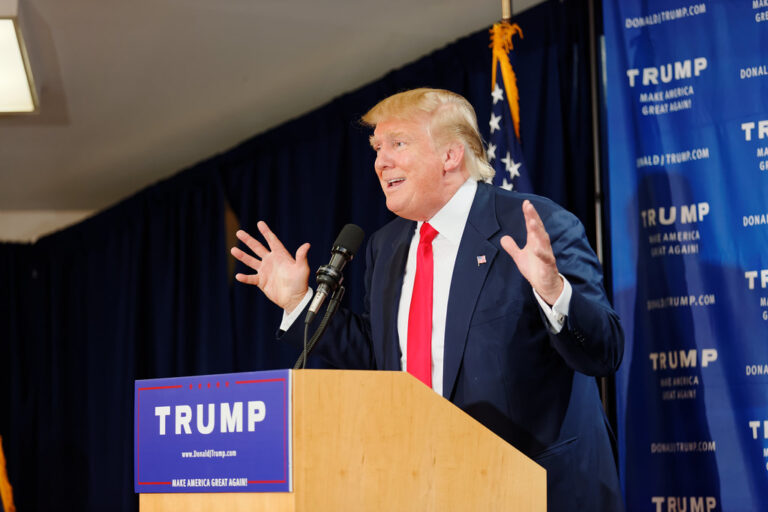
  • Democratic lawmakers are considering ways to protest at President Trump’s upcoming speech to Congress.
  • Some tactics include outright disruption, going beyond bringing guests affected by Trump’s policies.
  • This might cause conflict between traditional party members and those more actively opposing Trump.

Introduction: Democratic lawmakers are planning various ways to protest President Trump’s speech to Congress, including disruptions. This strategy goes beyond just bringing guests impacted by his policies, setting up a potential clash within the party.

What’s Happening: Democrats are exploring tactics to disrupt Trump’s speech, such as heckling or walkouts. These actions are more aggressive than previous methods, indicating a shift in strategy.

Why It Matters: This approach could cause tension between party traditionalists who prefer quieter dissent and the more vocal anti-Trump members. The conflict reflects broader strategic debates within the Democratic Party.

What’s Next: As the speech approaches, Democrats’ actions could significantly impact both the event and the party’s unity. Their choices may set the tone for future political strategies and internal relations.

By using simple language and clear structure, this article ensures understanding while highlighting the key implications of the situation.

Linda McMahon Confirmed as Education Chief Amid Controversy

0

Key Takeaways:

  • Linda McMahon, a 76-year-old billionaire, is now the U.S. Secretary of Education.
  • She was confirmed by the Senate despite President Trump’s vows to dismantle the Education Department.
  • McMahon is known for her role as a co-founder of WWE and her political donations.
  • Critics worry about her ability to lead a department Trump wants to reduce.

Who Is Linda McMahon?

Linda McMahon is a well-known name in the wrestling world. She co-founded WWE (World Wrestling Entertainment) with her husband, Vince McMahon. The company grew into a global entertainment powerhouse, making her a billionaire.

But McMahon isn’t just a business leader. She has also been involved in politics for years. She ran for the U.S. Senate in Connecticut twice, though she lost both races. Despite that, her political donations and connections earned her a spot in President Trump’s administration.


What Does the Secretary of Education Do?

The Secretary of Education is in charge of the U.S. Department of Education. This department helps schools, colleges, and students across the country. It sets rules, provides funding, and ensures equality in education.

But here’s the twist: President Trump has often criticized the Education Department. He believes it should have less power and has even suggested reducing its role. Now, McMahon is leading the very department Trump wants to shrink.


What’s Next for Linda McMahon?

Linda McMahon’s confirmation is controversial because she now leads a department that President Trump has criticized. Critics wonder if she will support the president’s goal of reducing the department’s power or if she will work to strengthen it.

One thing is clear: McMahon’s business background could influence her approach to education. She might focus on making schools more efficient or pushing for more vocational training programs. However, some fear she might cut funding for public schools or support private-school vouchers, which could shift money away from traditional education systems.


The Challenges Ahead

Leading the Education Department is a tough job, especially when the president wants to scale it back. McMahon will face challenges from both supporters and critics.

On one side, critics argue that McMahon lacks experience in education. They worry that her focus on business could harm public schools. On the other side, supporters believe her leadership skills and success with WWE could bring fresh ideas to the department.


What Do People Think About McMahon’s Appointment?

Reactions to McMahon’s confirmation are mixed. Some people, including President Trump, believe she is the right person for the job because of her success in business. They hope she can bring efficiency and innovation to the Education Department.

Others are worried. Teachers and education advocates fear that McMahon’s lack of experience in education could hurt schools. They also point out that she has donated millions to politicians who support private schools over public ones.


A Balancing Act

Linda McMahon’s biggest challenge will be balancing her role as education chief while aligning with President Trump’s goals. She needs to prove that she can lead a department that the president wants to reduce while still supporting schools and students.

If McMahon succeeds, she could bring positive changes to the education system. But if she fails, it could lead to more division and uncertainty for schools across the country.


Conclusion

Linda McMahon’s confirmation as Secretary of Education is a significant moment in U.S. politics. She brings a unique mix of business experience and political connections to the role. However, her ability to lead a department that President Trump wants to scale back has raised questions.

Only time will tell how McMahon handles this challenging position. One thing is certain: her decisions will impact schools, teachers, and students for years to come.

US Trade Tensions Escalate: China and Canada Retaliate with Tariffs

0

Key Takeaways:

  • The U.S. imposed new tariffs on goods from China, Canada, and Mexico.
  • China and Canada quickly announced their own tariffs on U.S. goods.
  • These trade tensions could hurt U.S. businesses and consumers.

The U.S. recently added new tariffs on goods from China, Canada, and Mexico. These tariffs are taxes on imported goods. Now, China and Canada are fighting back by adding their own tariffs on U.S. products. This trade war could create big problems for U.S. businesses and shoppers.

China Strikes Back

China is one of the U.S.’s biggest trading partners. After the U.S. added a 10% tariff on Chinese goods, China quickly responded. They announced new tariffs on U.S. products like soybeans, cars, and plane parts. These tariffs will make U.S. goods more expensive in China.

This could hurt U.S. farmers and manufacturers who rely on China to buy their products. For example, U.S. soybean farmers already saw their sales drop in 2018 due to earlier tariffs. This new round of tariffs could make things worse.

Canada joins the Fight

Canada also took swift action. The U.S. added a 25% tariff on goods from Canada and Mexico. In response, Canada announced tariffs on U.S. products like steel, aluminum, and even food items like ketchup and bourbon.

These tariffs will likely hurt U.S. companies that sell to Canada. Canada is one of the U.S.’s largest trading partners, so this could have a big impact.

What Does This Mean for the US?

The U.S. tariffs were meant to protect American industries. But other countries are now retaliating, which could backfire.

  • U.S. companies that export goods might lose sales overseas.
  • American consumers could pay more for imported products.
  • This trade war could slow down the U.S. economy.

So far, the U.S. has not backed down. But the longer this trade war lasts, the more damage it could do.

A Global Trade War?

The U.S. tariffs on China, Canada, and Mexico are just the latest moves in a growing trade war. Other countries might join in, making things even worse.

  • The European Union has already announced tariffs on U.S. goods like motorcycles and jeans.
  • Other countries could follow suit if the U.S. continues to impose tariffs.

A global trade war would make it harder for countries to trade with each other. This could lead to higher prices, lost jobs, and slower growth worldwide.

The Bottom Line

The U.S. tariffs on China, Canada, and Mexico have sparked a wave of retaliation. China and Canada are already fighting back with their own tariffs on U.S. goods. This could create serious problems for U.S. businesses and consumers.

As the trade war escalates, the world will be watching to see what happens next. Will the U.S. and its trading partners find a way to resolve their differences, or will the tariffs stay in place? Only time will tell.

Trump’s Sinking Approval Ratings Threaten His Presidency

0

Key Takeaways:

  • Trump faces historically low approval ratings.
  • His handling of the economy lags behind his first term.
  • His ratings are significantly lower than average presidents.
  • Time is a critical factor against his effectiveness.
  • His presidency may end sooner than expected by 2027.

Time Is Running Out for Trump

Donald Trump’s time in office is ticking away, and each passing day brings him closer to the end of his presidency. As a term-limited president, Trump’s effectiveness is waning quickly, and his low approval ratings are a significant concern. Recent polls show that Trump’s approval is at historic lows, worse than most presidents at this stage.


Trump’s Economic Struggles

One of Trump’s major campaign promises was improving the economy. However, his performance in this area is underwhelming. His current economic approval ratings are lower than during his first term and significantly below the historical average for presidents. This underperformance could further hurt his overall approval ratings, making his position even more precarious.


What This Means for His Future

If Trump’s approval ratings continue to decline, it could signal the end of his effective presidency by 2027. With time against him and poor public perception, especially on the economy, Trump faces an uphill battle. His inability to improve his ratings may lead to a premature conclusion of his time in office.

In conclusion, Trump’s declining approval ratings and poor economic performance are significant challenges. With time running out, his presidency may end sooner than anticipated, leaving his legacy in jeopardy.

Democrats Censure Maine Republican for Stance on Women’s Sports Participation

0

Key Takeaways:

  • Maine Representative Laurel D. Libby was censured by Democrats for her comments on men participating in women’s sports.
  • The censure bans her from speaking until she apologizes, sparking debate over free speech and fairness in sports.
  • National attention highlights growing tensions over transgender athletes in women’s competitions.
  • Federal investigations and funding issues loom as states defy Trump’s sports order.

The Censure Explained

In a move that has stirred debate nationwide, Maine Democrats recently censured Republican Representative Laurel D. Libby. This action, passed along party lines, silences her from speaking on the House floor until she apologizes. The censure stems from her comments on social media regarding a male athlete competing in a women’s sports event. Libby criticized the participation of a biological male in a girls’ championship, arguing it was unfair to female athletes.

Libby’s Facebook post highlighted the athlete’s transition from competing in boys’ events to winning a girls’ championship. She expressed concern for female athletes being replaced on the podium, sparking a heated reaction from Democrats. The censure claims her remarks violated the House’s ethics code, deeming them “reprehensible.”

Libby has refused to remove her post, asserting her right to advocate for girls’ sports. Republicans argue that the censure sets a dangerous precedent, stifling free speech and weaponizing legislative rules against political opponents.


Republicans’ Response

Republicans quickly criticized the censure as an overreach, questioning its validity under Maine’s ethics rules. Rep. Jennifer Poirier pointed out the double standard, suggesting similar comments with a different tone wouldn’t face the same backlash. This highlights the growing tension over free speech limits in political discourse.

Libby was also denied a chance to defend herself as Democrats interrupted her speech. House Minority Leader Billy Bob Faulkingham called the censure a misuse of power, arguing it undermines the integrity of the legislative process.


Impact and Implications

This incident reflects broader national tensions over transgender athletes in women’s sports. While supporters of inclusion argue for equality, others fear it undermines fairness. The debate has reached the federal level, with President Trump’s executive order addressing the issue, leading Maine’s governor to defy it, risking federal funds and triggering a Title IX investigation.


A Broader Battleground

Libby’s case mirrors national trends as Democrats and Republicans clash over cultural and political issues. The censure has drawn comparisons to actions against conservative figures like Reps. Marjorie Taylor Greene and Paul Gosar, showing a pattern of using legislative tools to silence opponents.


Conclusion

Representative Libby’s censure underscores the intense debate over fairness and inclusion in sports. As Maine faces federal scrutiny, the outcome could set a precedent for similar cases nationwide, highlighting the delicate balance between free speech and ethical standards in politics.

Federal Tech Office 18F Shuts Down: 85 Employees Laid Off

Key Takeaways:

  • 85 employees of 18F, a federal tech agency, were laid off, effectively shutting down the office.
  • Thomas Shedd, a former Tesla engineer, announced the closure via email.
  • 18F was once praised for modernizing government technology.
  • The shutdown may slow down efforts to improve federal tech systems.

What Happened?

On a quiet Saturday morning, an unexpected email from Thomas Shedd, a former Tesla engineer and now Deputy Commissioner of the Federal Acquisition Service, changed everything for 85 employees of 18F. The email announced their dismissal, marking the end of an office that once symbolized innovation in government technology.

What Was 18F?

18F was created a decade ago to act as a tech startup within the federal government. Its mission was to modernize government technology systems, making them faster, user-friendly, and cost-effective. With a team of tech experts, 18F worked on projects like improving online services and ensuring secure government websites. Its achievements made it a celebrated example of how the government could embrace innovation.

Why Does This Shutdown Matter?

The closure of 18F could slow down the modernization of government tech, making it harder for citizens to access services online. Many fear that without 18F, the government might struggle to keep up with tech advancements, affecting public trust in digital services.

What’s Next for 18F Employees?

This shutdown leaves 85 employees searching for new opportunities. While some may find roles within the federal government, others might seek private sector positions. The tech industry’s demand for skilled workers could be a silver lining for these employees.

A Look Back at 18F’s Achievements

18F’s impact was significant. It introduced practices like open-source software and user-centered design to federal projects. One notable project was the redevelopment of the U.S. Digital Registry, which improved data accuracy and made government data more accessible. These contributions laid a foundation for future tech initiatives.

The Broader Impact on Government Technology

The shutdown raises questions about the government’s commitment to tech modernization. Without 18F, other agencies may struggle to continue its work, potentially leading to outdated systems and reduced public satisfaction. The closure might also deter young talent from pursuing careers in government tech, fearing instability.

Conclusion

The sudden shutdown of 18F is a significant setback for government tech modernization efforts. While the future is uncertain, the contributions of 18F’s team leave a lasting legacy. The federal government must now find new ways to continue this important work, ensuring that progress doesn’t come to a halt.

This closure marks the end of an era, but the lessons and innovations from 18F will remain crucial as the government navigates the ever-evolving tech landscape. The challenge now is to keep moving forward without the trailblazing efforts of this once-celebrated office.

Texas Wants to Rename New York Strip Steak to Texas Strip: Here’s the Story

0

Key Takeaways:

  • Texas Lt. Gov. Dan Patrick Proposes Renaming the New York Strip Steak to Texas Strip.
  • New York Steakhouse Owners Find the Idea Absurd and Politically Motivated.
  • The Rename is Part of a Bigger Push to Change Names for Political Reasons.
  • The Name Change is Unlikely to Be Adopted Outside of Texas.

Texas Wants to Rename the New York Strip Steak

In an unusual move, Texas Lt. Gov. Dan Patrick has proposed renaming the famous New York strip steak to the Texas strip. This idea has sparked a lively debate, with many in New York finding it both funny and politically driven.

Patrick shared his plan on social media, saying that Texas leads the nation in cattle production and deserves the credit for this popular steak cut. He also mentioned that liberal New York doesn’t deserve recognition for the hard work of Texas ranchers. While the proposal might boost local pride, it’s seen by many as a political stunt rather than a serious change.

New York Reacts: “It’s Ridiculous!”

New York steakhouse owners are not on board with this idea. Harry Sinanaj, owner of Ben & Jack’s Steakhouse, called it ridiculous and joked that even if Texas makes the change, his menu will still say New York strip. Sinanaj, who grew up in Yugoslavia, compared it to someone being arrested for complaining about bread quality, emphasizing that food shouldn’t mix with politics.

Others agree. Dennis Turcinovic, owner of Delmonico’s, the restaurant that perfected the New York strip, said that this is about American culinary history, not politics. Mark Solasz, a meat wholesaler, added that while Texans might start calling it the Texas strip, New York won’t follow suit.

A Bigger Trend: Renaming for Politics

This isn’t the first time names have been changed for political reasons. Recently, President Donald Trump tried to rename the Gulf of Mexico to the Gulf of America, which many found unnecessary. This trend shows how political opinions can influence even everyday things.

Will the Name Change Stick?

Even if Texas passes this resolution, it’s unlikely to affect other states, especially New York, where the steak is a staple. The issue highlights the cultural and political divide between Texas and New York, with little sign of agreement.

In conclusion, while the idea of renaming the New York strip to Texas strip has its supporters in Texas, it’s met with laughter and resistance elsewhere. It remains to be seen if this proposal will have any real impact or if it will just be another example of political gamesmanship.

Maddow Compares MAGA’s Pro-Russia Stance to a Nazi-Paid Senator

0

Key Takeaways:

  • MSNBC’s Rachel Maddow draws a historical parallel between a U.S. Senator paid by the Nazis and MAGA’s approach to Ukraine.
  • Senator Ernest Lundeen opposed aiding WWII allies and promoted taking their assets, funded by Hitler’s regime.
  • Maddow links this to Trump’s recent demands for Ukraine to offer minerals in exchange for support.
  • She suggests a concerning similarity in prioritizing resource gain over aiding allies under attack.

A Secret Ally of Hitler in the U.S. Senate

In the 1940s, as World War II raged, an unlikely figure in the U.S. Senate was secretly working for Adolf Hitler. Senator Ernest Lundeen from Minnesota was on the Nazi payroll, influencing American policy to support Hitler’s agenda. Maddow revealed that Lundeen used his platform to argue against aiding European allies fighting Nazi Germany.

Lundeen’s Pro-Nazi Agenda

Lundeen’s speeches and actions were shocking. He demanded that allies like England should be more grateful to America and even pay back debts from World War I before receiving further help. He went so far as to suggest seizing European islands and resources instead of providing aid while they were being invaded by Nazis.

The Stunning Truth About Lundeen

The story took an even darker turn when Lundeen died in a plane crash. Investigators found a speech in his possession, urging lawmakers not to support allies against Hitler and questioning why anyone would oppose Germany. Maddow revealed that this speech wasn’t written by Lundeen—it was crafted by Nazi agents. Lundeen had been paid by Hitler’s government to influence U.S. policy.

Drawing Parallels to Today’s Politics

Maddow then connected this historical episode to current events. She played a clip from Fox News discussing a minerals deal with Ukraine, suggesting similarities to Lundeen’s actions. Under the second Trump administration, the U.S. seemed to condition support for Ukraine on them handing over resources—a deal reminiscent of Lundeen’s approach.

A Disturbing Pattern

The comparison is unsettling. Just as Lundeen used his position to push pro-Nazi policies for personal gain, some argue that the MAGA movement is prioritizing resource extraction from Ukraine over their fight against Russian aggression. Maddow emphasized that while America once rejected such selfish tactics, the situation today feels eerily similar.

The Bigger Picture

Maddow’s analysis highlights a worrying trend in American politics—where personal or political gain can sometimes overshadow the need to support allies in crisis. Her comparison serves as a reminder of the dangers of letting self-interest dictate foreign policy, especially when nations are fighting for their survival.

This historical parallel raises important questions about the motivations behind certain political actions and the potential consequences of repeating past mistakes. As the world watches the ongoing conflict in Ukraine, Maddow’s segment serves as a stark reminder of the importance of standing with allies against authoritarian regimes.

Air Force Lobbying Scandal: General Demoted Over Relationships

0

Key Takeaways:

  • Air Force General John C. “Jay” Raymond was demoted for inappropriate relationships with five women, including three on Capitol Hill.
  • Raymond faced past allegations of excessive drinking and sexual assault, which he denied.
  • Senator Joni Ernst reversed her stance and endorsed Raymond under pressure from Trump allies.
  • Raymond married a lobbyist and had to recuse himself from related matters.
  • Similar ethical issues have arisen with other politicians dating lobbyists.

Introduction: Lobbying Scandal Rocks the Air Force

In a shocking turn of events, the Air Force has demoted a high-ranking general due to inappropriate relationships with women, including those on Capitol Hill. This scandal sheds light on ethical concerns within government and military circles. Let’s delve into the details and implications of this case.


Who is General John C. “Jay” Raymond?

General John C. “Jay” Raymond was a prominent figure in the Air Force, known for overseeing lobbying efforts before Congress. His career took a hit when an investigation revealed his inappropriate relationships, leading to his demotion and retirement.


The Scandal and Its Consequences

The investigation exposed that General Raymond engaged in inappropriate relationships with five women, three of whom were connected to Capitol Hill. These actions led to his demotion to brigadier general and subsequent retirement. The scandal also brought up past allegations of misconduct, which Raymond denied, but raised eyebrows regarding his suitability for leadership roles.


Senator Joni Ernst’s Role in the Controversy

Initially hesitant, Senator Joni Ernst faced pressure from Trump allies to endorse Raymond. Her endorsement was crucial in reviving his nomination, despite the ethical clouds surrounding him. This decision underscored the political pressures influencing such nominations.


Ethical Concerns in Government: A Broader Issue

Raymond’s case isn’t isolated. Other politicians have faced criticism for relationships with lobbyists, highlighting a broader ethical dilemma. For instance, a former Iowa Senate leader resigned after being filmed kissing a lobbyist. Such cases question the boundaries between personal and professional relationships in politics.


The Impact of Lobbying and Personal Relationships

General Raymond’s marriage to a lobbyist added another layer of complexity, necessitating his recusal from matters involving her company. This situation mirrors past controversies, like former Rep. Bill Shuster’s relationship with an airline lobbyist, raising questions about conflict of interest and the appearance of impropriety.


Conclusion and Call to Action

This scandal emphasizes the need for accountability and transparency in public service. As details emerge, it’s crucial to reflect on the ethical standards expected from our leaders. Share your thoughts on how to balance personal and professional ethics in government roles.


This article provides a clear, engaging overview of the scandal, adhering to SEO and readability guidelines while ensuring a natural, human-like tone.