67.2 F
San Francisco
Friday, June 12, 2026
Home Blog Page 1162

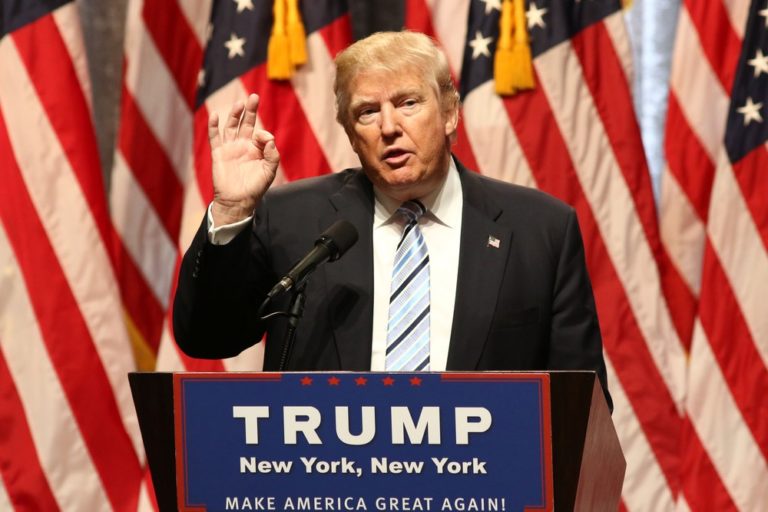
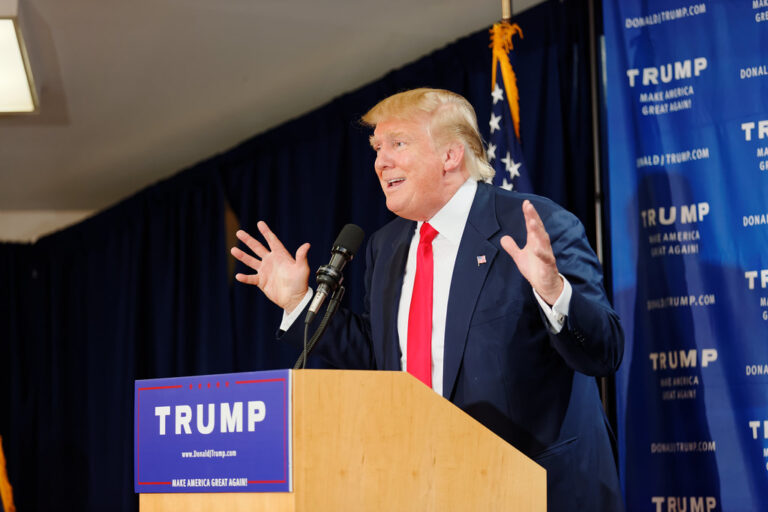
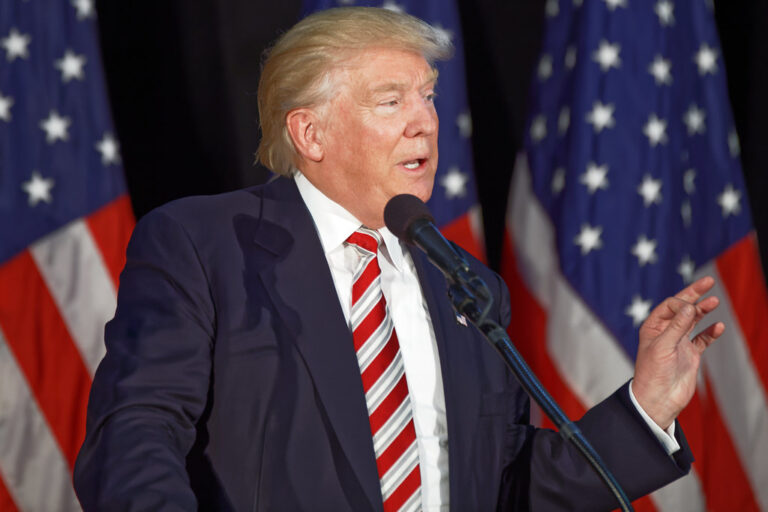
Trump Vows to Defund Schools Over Protests

0

Key Takeaways:

  • Trump threatens to cut federal funding to schools allowing protests he deems illegal.
  • His definition of illegal protests is unclear.
  • The move may conflict with the First Amendment.

Introduction

In a recent statement, former President Donald Trump announced his plan to stop federal funding to schools that permit protests he labels as illegal. This decision has sparked debates about free speech and educational funding.

Trump’s Threat

Trump made his announcement on his social platform, warning schools that allow such protests could lose their federal funds. He also mentioned consequences for participants, including expulsion or even imprisonment if they’re not U.S. citizens. While his post didn’t specify what makes a protest illegal, it raised concerns about freedom of expression.

First Amendment Issues

The First Amendment protects Americans’ rights to free speech and peaceful assembly. Many are worried Trump’s threat could contradict these rights, especially in schools where students often express their opinions. Legal experts are questioning how this plan would align with constitutional laws.

Reactions and Concerns

Educators and civil rights groups have expressed concerns. They fear this could discourage schools from letting students voice their opinions, potentially stifling free speech. Some are also worried about the lack of clarity in defining illegal protests, which could lead to unfair treatment.

What’s Next?

It’s unclear how Trump plans to enforce this policy or define illegal protests. If he were to implement it, it could set a precedent affecting students’ rights nationwide. Schools might feel pressured to limit protests, changing how they handle student activism.

Conclusion

Trump’s proposal to cut funding over protests has sparked concerns about free speech and education. As debates continue, the impact on schools and students remains uncertain. This situation highlights the balance between regulating behavior and protecting constitutional rights.

Warning Signs: Could the U.S. Face a Reichstag Fire Moment?

0

Key Takeaways:

  • Trump’s popularity is plummeting amid growing authoritarian concerns.
  • The U.S. faces a heightened terror threat, potentially exploitable for power.
  • Historical parallels with Hitler and Putin’s rise to power are alarming.
  • Federal workers’ anger and political turmoil create a volatile environment.
  • Experts warn of a possible authoritarian takeover in America.
  • Vigilance is crucial to protect democracy from potential threats.

The Current Political Landscape: A Recipe for Crisis

The U.S. is witnessing a surge in resistance against billionaire influence in politics, with figures like Bernie Sanders mobilizing large crowds. Simultaneously, federal workers are expressing outrage, and Republican politicians are dodging town halls, indicating deep public discontent. Trump’s polling numbers are in free fall, while his alliance with Putin strengthens, raising concerns about authoritarian tendencies.

Experts like Professor Timothy Snyder and James Carville have sounded the alarm, suggesting the administration is on the brink of collapse. The political climate is tense, with some Republicans resorting to intimidating tactics, such as Nazi salutes, to silence opposition.

Historical Echoes: Lessons from the Past

History offers chilling parallels. The 1933 Reichstag Fire in Germany allowed Hitler to seize power, suspend civil liberties, and dismantle democracy. Similarly, Putin exploited the 2002 Moscow theater siege and 1999 apartment bombings to consolidate control in Russia. These events highlight how leaders can manipulate crises to their advantage, often with devastating consequences for democracy.

In the U.S., leaders like George W. Bush and Benjamin Netanyahu have previously used national emergencies to bolster their power, ignoring warnings of impending attacks. The 9/11 attacks and the 2002 Moscow theater siege are stark reminders of how crises can be weaponized to erode freedoms and consolidate authority.

The Rise of Authoritarianism: A Global Trend

Dangerous authoritarian trends are resurgent, threatening global democracies. Leaders are leveraging fear and division to dismantle democratic norms. In the U.S., Trump’s administration has faced multiple crises, from the COVID-19 pandemic to the Capitol riot, each exploited to consolidate power and undermine democratic institutions.

The scenario is terrifying: a major attack could provide the pretext for declaring a national emergency, suspending elections, and imposing authoritarian rule. The historical script is clear, and the warning signs are flashing red.

The Current Threat Level: Cause for Alarm

The U.S. faces an unprecedented terror threat, with elevated risk levels and vulnerable targets. The intelligence community warns of potential attacks from various groups, exploiting grievances and weak security measures. The case of the January 6th bombs at the RNC and DNC remains unsolved, highlighting vulnerabilities.

Federal worker unrest adds to the volatile mix, as_unsettlement among disbanded federal agents could lead to violent extremism. The FBI is in disarray, with key counterterrorism leaders replaced by loyalists, undermining competence and independence.

Preparation and Vigilance: The Path Forward

While the scenario is dire, there are steps to mitigate the threat. Public awareness and pressure on leaders are crucial to prevent power grabs. Supporting independent media and civil liberties organizations can help safeguard democracy.

In conclusion, while the U.S. faces a critical moment, informed citizens can make a difference. By staying vigilant and proactive, we can resist authoritarianism and protect our democratic future. The time to act is now.

Trump Administration Slashes Foreign Aid Despite Dire Health Warnings

0

Key Takeaways:

  • The Trump administration is cutting nearly all U.S. foreign aid, ignoring warnings from health experts about devastating consequences.
  • Over a million children may die from malnutrition, and thousands more could succumb to malaria and tuberculosis.
  • Global health programs are shutting down, causing instability in regions like Africa and the Middle East.
  • Internal memos reveal top officials tried to stop the cuts but were blocked by political appointees.
  • The administration claims it’s rooting out waste, but critics say the process is chaotic and harmful.

Life-Saving Programs Shutdown Sparks Global Health Crisis

The Trump administration has made unprecedented cuts to U.S. foreign aid, slashing nearly all programs run by the U.S. Agency for International Development (USAID). These cuts, which took effect recently, have stunned global health experts and humanitarian organizations.

Internal documents and interviews reveal that top health officials warned the administration about the deadly consequences of these cuts. They estimated that:

  • One million children will not receive treatment for severe malnutrition.
  • Up to 166,000 people will die from malaria.
  • Tuberculosis cases will surge by 30%.
  • Polio could paralyzed 200,000 more children in the next decade.

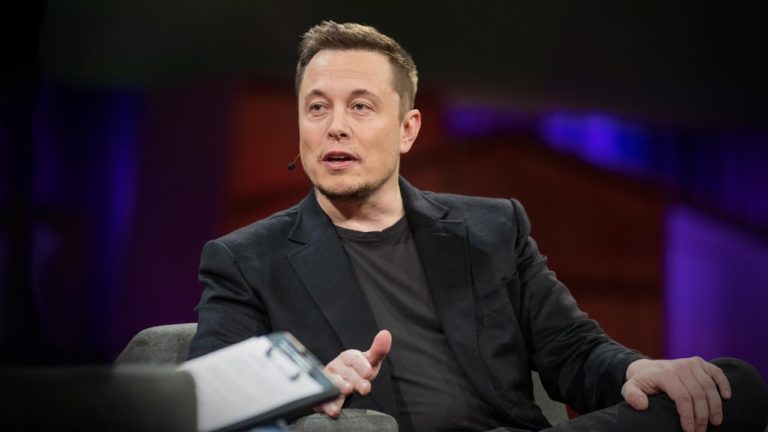
Despite these warnings, political appointees, including Secretary of State Marco Rubio and Elon Musk’s Department of Government Efficiency, pushed ahead with the cuts. They ignored pleas from health experts to keep critical programs running.


Chaos and Confusion Follow Aid Cuts

The cuts have caused widespread confusion and chaos. Thousands of foreign aid projects, which made up 90% of USAID’s work, were abruptly canceled. Many of these programs were lifesaving, providing food, medicine, and clean water to millions of people worldwide.

Behind the scenes, USAID staff tried to protect these programs. They shared detailed information with political leaders about the harm the cuts would cause. However, their efforts were repeatedly blocked by administration officials.

One internal memo described the situation as an “incompetent mess.” Officials say the process was so disorganized that even basic information, like how to approve waivers for lifesaving programs, was unclear. Payments to aid organizations were also halted, leaving many without the funds to continue their work.


Global Consequences of U.S. Aid Cuts

The impact of these cuts will be felt across the globe.

  1. Tuberculosis Surge: The funding cuts will disrupt treatment for TB, the deadliest infectious disease worldwide. New infections are expected to rise by 30%, and patients may develop drug-resistant strains of the disease. This poses a threat not just to other countries but also to the U.S., where treating multi-drug-resistant TB can cost nearly $500,000 per patient.
  2. Malaria Epidemic: In regions like the Sahel in Africa, mosquito nets and malaria treatments can no longer be delivered. This could lead to 12 million to 18 million new malaria infections, many of which will be deadly for young children.
  3. Regional Instability: In the Democratic Republic of Congo, health services have collapsed, leaving over 400 mpox patients without care. Food and water shortages are also worsening, raising the risk of malnutrition, cholera, and measles outbreaks.

In addition to the health crisis, the cuts could destabilize entire regions. Without U.S. aid, war-torn areas may become even more volatile, threatening global security.


A Careless Process

The Trump administration claims it’s carefully reviewing foreign aid programs to root out waste and fraud. However, insiders describe the process as chaotic and hurried.

For example, contract officers responsible for overseeing aid programs had no idea which programs were being canceled or why. In one case, employees were told not to review programs before canceling them. When mistakes were made, officials scrambled to fix them, but it’s unclear how many programs will be reinstated.


A Violent Break from Tradition

The Trump administration’s approach to foreign aid is a stark departure from U.S. policy in recent decades. Programs that were once widely supported by both political parties are now being dismantled.

Nicholas Enrich, a senior health official at USAID, was placed on leave after releasing internal memos that criticized the administration’s actions. He and other whistleblowers have warned that the cuts will lead to preventable deaths, destabilization, and threats to national security.


What’s Next?

The full impact of these cuts will take time to unfold, but the consequences are likely to be severe. Without U.S. aid, global health crises will worsen, and the U.S. will become more vulnerable to infectious diseases.

As legal challenges mount, the Trump administration continues to defend its actions. However, the memos and interviews paint a picture of a reckless and poorly planned process. For now, millions of people worldwide are left without the lifeline of U.S. aid, facing an uncertain and dangerous future.

Trump-Ukraine Drama Sparks Global Concern

0

Key Takeaways:

  • President Trump criticized Ukrainian President Volodymyr Zelenskyy during a White House meeting.
  • Republican lawmakers defended Trump’s actions despite concerns about U.S. credibility.
  • A conservative analyst accused Republicans of supporting Trump’s pro-Russia stance.
  • The U.S. has paused military aid to Ukraine, raising worries about the conflict’s future.

Introduction

In a surprising turn of events, President Donald Trump recently clashed with Ukrainian President Volodymyr Zelenskyy at the White House. This incident has sparked debate and worry, especially among Republican lawmakers who support Trump despite the potential damage to U.S.-Ukraine relations.

The Incident

During the meeting, Trump reportedly scolded Zelenskyy for asking about a security agreement. This altercation led to Zelenskyy being dismissed from the White House. Conservative analyst Noah Rothman criticized this behavior, stating that Republicans are making excuses for Trump’s actions, which could harm U.S. alliances abroad.

The Reaction

Rothman argued that Republicans are trying to justify Trump’s actions by blaming Zelenskyy. They pointed out minor issues with Zelenskyy’s behavior, such as his military attire in the Oval Office. Some even suggested that Zelenskyy’s questions about Russia’s trustworthiness provoked Trump’s reaction.

The Consequences

The analyst emphasized that this kind of behavior damages U.S. credibility. Trump’s decision to pause military aid to Ukraine has left many concerned. This move could weaken Ukraine’s ability to defend itself against Russia and strain relationships with European allies.

Conclusion

The situation highlights a worrying shift in U.S. foreign policy under Trump. Republicans are struggling to balance their support for Trump with the need to maintain strong international alliances. As tensions rise, the future of U.S.-Ukraine relations remains uncertain.

This unfolding drama has significant implications for global security and U.S. leadership on the world stage.

Kansas Man Stands Up to Senator and Tech Billionaire,Demanding Accountability

3

Key Takeaways:

  • Chuck Nunn, a Kansas town hall attendee, confronted Sen. Roger Marshall about federal cuts affecting veterans, leading to a heated exchange.
  • Nunn later criticized Elon Musk and his Department of Government Efficiency, finding Musk’s behavior offensive and un-American.
  • Nunn dismissed a conspiracy theory by former President Donald Trump about paid troublemakers at town halls.

In a bold display of civic engagement, Chuck Nunn of Kansas has made headlines for his confrontations with both a U.S. senator and tech titan Elon Musk. Nunn’s matter-of-fact approach has sparked discussions on accountability, truth, and leadership.

Confronting Sen. Roger Marshall

At a recent town hall, Nunn questioned Sen. Roger Marshall about federal budget cuts impacting veterans. His passionate query led to the senator exiting the event, a moment that has drawn attention to the challenges veterans face and the importance of political transparency.

Nunn expressed confusion over Marshall’s reaction, questioning whether the senator thinks constituents are uninformed. He emphasized that his intent wasn’t to attack Marshall personally but to seek truthful answers.

Speaking Out Against Elon Musk

Beyond politics, Nunn directed strong criticism at Elon Musk, calling his actions offensive and un-American. He referred to Musk’s behavior as repulsive and criticized the access Musk’s initiatives have to personal data.

Addressing Conspiracy Theories

Nunn also dismissed claims by Donald Trump about paid protestors, humorously questioning the logic behind such theories. His stance underscores the importance of genuine civic engagement.

A Message to Leaders

Through his actions, Nunn highlighted the need for accountability and truth in leadership. His approach serves as a reminder of the power of an informed electorate in demanding transparency and honesty from elected officials.

As Nunn gains attention, his story emphasizes the impact of individual voices in shaping public discourse and holding leaders accountable.

Backyard Chickens: A Fix for High Egg Prices?

0

Key Takeaways:

  • Avian flu outbreak leads to soaring egg prices.
  • Agriculture Secretary Brooke Rollins suggests raising backyard chickens.
  • Challenges include costs, space, and regulations.
  • Political debate over egg price causes and solutions.

Egg Prices Soar Due to Avian Flu

The avian flu outbreak has caused egg prices to skyrocket, leaving many families struggling. This crisis highlights the fragility of our food supply chain and the need for innovative solutions.


A Creative Solution: Backyard Chickens

Agriculture Secretary Brooke Rollins proposed an unusual solution during a Fox News appearance: raising backyard chickens. She shared her own experience, mentioning that her chickens recently started laying eggs. This idea has sparked interest as people look for ways to offset rising costs.


Challenges of Backyard Farming

While backyard chickens offer a solution, there are significant challenges. Setting up a backyard flock can be expensive, and not all neighborhoods allow it. Moreover, small-scale farming can’t compete with industrial farms on cost or efficiency, making it more of a hobby than a practical solution.


Political Finger-Pointing Over Egg Prices

Meanwhile, the Trump administration blames President Biden for the price surge, criticizing the mass culling of chickens. However, this cull was necessary to prevent the spread of a dangerous flu strain that could potentially lead to a global pandemic.


The Bigger Picture

The debate over egg prices reflects broader issues in food production. While backyard chickens offer a personal solution, they aren’t a large-scale fix. The discussion underscores the need for a balanced approach that considers both personal and industrial solutions to ensure food security.

As the situation evolves, the focus remains on finding sustainable and practical solutions to stabilize egg prices and protect public health.

Democrats Boycott Trump’s Speech: Tension Grows in Congress

0

Key Takeaways:

  • Several Democratic senators plan to skip President Trump’s speech to Congress.
  • They oppose Trump’s policies, like a federal spending freeze.
  • Party leaders encourage Democrats to attend but respect their choices.
  • Republicans call for respect during the speech.

Introduction A growing number of Democratic senators are choosing not to attend President Trump’s upcoming speech to Congress. This decision reflects rising tensions between Democrats and the President, particularly over his recent policies. Let’s explore the reasons behind this boycott and its potential impact.

Who’s Boycotting? Senators Patty Murray, Ron Wyden, Chris Murphy, and Don Beyer are among those skipping the speech. They feel strongly about Trump’s actions, such as the federal spending freeze, which they believe harms vital programs.

Why the Boycott? These senators are protesting Trump’s policies, arguing they negatively impact areas like healthcare and social security. Their absence is a symbolic stand against what they see as unfair decisions.

Democratic Leaders’ Response While leaders like Hakeem Jeffries encourage a strong Democratic presence, they respect individual choices. Jeffries emphasized dignity and strength, noting the House belongs to the people.

Republican Reaction House Speaker Mike Johnson has called for respect towards Trump during the speech. This highlights the ongoing political divide and differing views on how to address the President.

What’s Next? This boycott may signal increased resistance to Trump’s agenda. It could also affect how Democrats and Republicans work together in the future, potentially leading to more political clashes.

Conclusion The decision by Democratic senators to boycott Trump’s speech underscores deep political divisions. As the situation evolves, the impact on future policies and bipartisanship remains to be seen.

Trump’s Education Pick: What It Means for U.S. Schools

0

Key Takeaways:

  • Linda McMahon, former WWE CEO, confirmed as Education Secretary.
  • She supports Trump’s plan to decrease federal control over education.
  • Critics fear this could harm public schools.
  • McMahon faces challenges in closing the Education Department.
  • Her past with WWE includes a scandal involving teenage employees.

Who is Linda McMahon?

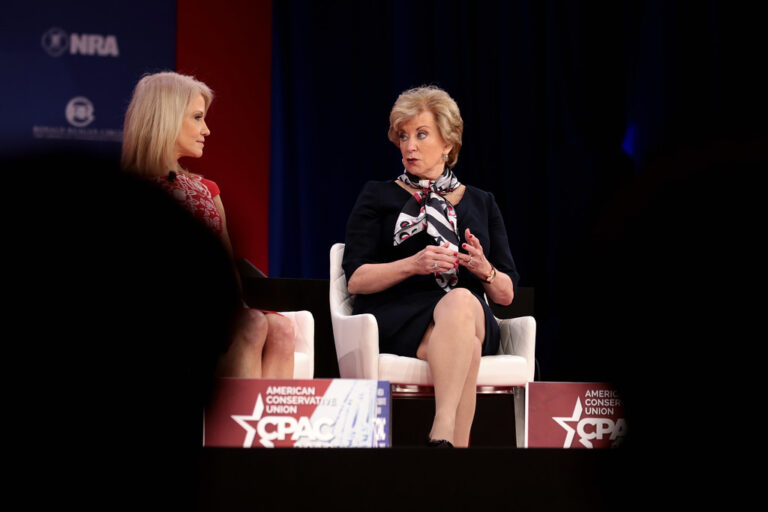
Linda McMahon is a well-known businesswoman and former CEO of WWE. She now leads the U.S. Education Department, a role she might help dismantle. McMahon believes schools should have more local control, aligning with Trump’s plans to reduce federal influence.


What Does This Mean for Education?

Trump and McMahon want to give more power to states and schools, believing this leads to better education. Critics, including Democrats and teachers, worry this could weaken public education and increase local taxes.


Support and Opposition

Conservatives praise McMahon’s nomination, viewing it as a way to empower local schools. However, opponents argue that federal support is crucial for underfunded schools, especially those in poorer areas.


A Controversial Past

McMahon faced scrutiny over past WWE scandals, including allegations of sexual assault involving teenage employees. She denies any wrongdoing.


The Challenge Ahead

Closing the Education Department is a tough task. It’s a large organization, and dismantling it will take time. Many question if McMahon can handle this responsibility.


What’s Next?

McMahon’s leadership will likely bring significant changes to education. Supporters see her as a strong leader, while critics fear for the future of public schools.


Balanced Views

While some see McMahon’s appointment as a positive change, others are worried about the impact on public education. The debate continues as the country waits to see how she will lead.


This article provides a clear and concise overview of Linda McMahon’s confirmation and its implications, ensuring it’s accessible and engaging for all readers.

Trump’s Shocking Move: What It Means for Global Alliances

0

Key Takeaways:

  • President Trump’s heated exchange with Ukraine’s leader has raised concerns about the U.S. commitment to its global allies.
  • This marks a significant shift in U.S. foreign policy, prioritizing power over partnerships.
  • Experts warn this could weaken trust in the U.S. among democratic nations and create opportunities for rival powers like China.
  • Taiwan and NATO members are particularly alarmed, as they rely heavily on U.S. support.

Trump’s Bold Move: Power Over Partnerships

President Donald Trump recently made headlines after a tense meeting with Ukrainian President Volodymyr Zelensky in the Oval Office. Trump and Vice President JD Vance openly criticized Zelensky, questioning his leadership and even calling him ungrateful for U.S. aid. This dramatic scene has sparked fears that the U.S. is stepping away from its role as a global leader and protector of democracies.

For decades, the United States has supported countries like Ukraine, Taiwan, and NATO members to maintain stability and counter threats from Russia and China. However, Trump’s recent actions suggest a change in approach. He has described past U.S. foreign policies as “foolish” and claims he’s making a “decisive break” from them.

Secretary of State Marco Rubio has also hinted at a new direction, saying the U.S. should focus on its own interests first, similar to how Russia and China operate. This shift is worrying allies who have long relied on the U.S. for protection and partnership.


A New Era for Global Alliances?

Trump’s comments about Ukraine have raised questions about America’s commitment to its allies. For instance, he told Zelensky, “You don’t have the cards,” implying that Ukraine is weak and lacks leverage. This kind of language is unprecedented for a U.S. president and has left many wondering if the country is turning its back on its friends.

European leaders are already reacting. German Foreign Minister Annalena Baerbock called the situation a “new age of infamy,” suggesting that the U.S. is no longer the reliable partner it once was. This could push countries like Germany and others in NATO to strengthen their own defenses without counting on the U.S.

Meanwhile, countries like Taiwan are closely watching. Taiwan relies almost entirely on the U.S. for weapons and support as it faces threats from China. Experts warn that if the U.S. turns its back on Ukraine, Taiwan could feel less secure about American promises.

Bonnie Glaser, a leading expert on Asia, says Taiwan “has reason to be nervous.” Unlike Ukraine, which has strong support from Europe, Taiwan depends solely on the U.S. for military aid. However, Glaser also points out that Taiwan’s importance as a global leader in semiconductor production could give it more leverage than Ukraine.


What’s Next for Democracy and Human Rights?

Trump’s actions have also raised concerns about the future of democracy and human rights worldwide. Max Bergmann, an expert on Europe and Eurasia, says the U.S. is no longer pretending to uphold democratic values. This, he warns, could hurt emerging democracies and embolden authoritarian leaders like Russia’s Vladimir Putin.

Bergmann also notes that Trump’s approach gives China an opportunity to expand its influence. “The U.S. has been telling countries that dealing with China is risky because China might betray you,” Bergmann said. “But now, the U.S. is essentially doing the ultimate betrayal by abandoning a democracy at war.”


A Profound Shift in Global Power

Trump’s foreign policy has always been unpredictable. While he has criticized NATO allies in the past, he has also taken steps to strengthen the alliance. For example, during his first term, he increased the number of U.S. troops in Europe. However, his recent actions suggest a more drastic change in how the U.S. views its role in the world.

Joshua Rovner, a political scientist, says Trump’s strategy often involves creating uncertainty. “What really matters is what he ultimately does with U.S. forces,” Rovner said. While Trump’s words can be alarming, the actual impact will depend on the actions he takes next.

For now, one thing is clear: Trump’s,stdemands and criticism of Ukraine have sent shockwaves through the global community. Allies are questioning whether they can still count on the U.S., and rival powers like China and Russia are taking note. As the world watches, the future of global alliances and democratic values hangs in the balance.

Medicaid Work Requirements: A Closer Look at the Controversy

Key Takeaways:

  • Republicans are considering adding work requirements to Medicaid to cut spending.
  • Rep. Dusty Johnson claims work requirements are effective, but examples he cited show problems.
  • Maine rejected work requirements, while Arkansas’ program was stopped by a judge.
  • Studies show work requirements lead to uninsured people and medical debt.

Medicaid Work Requirements: A Closer Look at the Controversy

As Republicans discuss ways to cut spending to pay for President Donald Trump’s tax cuts, one idea they’re considering is adding work requirements to Medicaid. Medicaid is a program that provides health insurance to low-income people. Work requirements mean people would have to work a certain number of hours each month to keep their Medicaid benefits.

Rep. Dusty Johnson, a Republican from South Dakota, recently said that work requirements are a good idea. He mentioned Maine and Arkansas as examples of where this has worked well. But a closer look shows that these examples actually highlight problems with the idea.

Maine’s Story

Rep. Johnson pointed to Maine as a success story. However, Maine actually rejected work requirements. In 2018, then-Gov. Paul LePage, a Republican, asked to add work requirements to Maine’s Medicaid program, and President Trump approved the request. But when Democratic Gov. Janet Mills took office in 2019, she stopped the plan.

Gov. Mills explained why she opposed the idea. She said Maine’s low unemployment rate and spread-out population made work requirements problematic. She also said the state needed better support systems, like job training, and exemptions for certain groups, such as people in treatment programs. Without these supports, she believed the requirements would leave more people uninsured without helping them find jobs.

Arkansas’ Experience

Arkansas tried implementing work requirements in 2018. The state required Medicaid recipients aged 30 to 49 to work at least 80 hours a month. But the results were not what supporters expected. Almost 17,000 people lost their Medicaid coverage because they couldn’t meet the requirements.

Even though 97% of those affected were eligible to keep their benefits, many struggled to report their work hours. Some didn’t have internet access, which made it hard to comply with the rules. A study published in the New England Journal of Medicine found that people were confused by the policy, and many ended up losing coverage.

By 2019, a federal judge stopped the Arkansas program, ruling that the requirements were unlawful. An appeals court later agreed, saying the program failed to consider whether people would lose their health insurance.

The Impact of Work Requirements

The Arkansas experience shows that work requirements can have serious consequences. While they didn’t increase workforce participation, they did lead to more uninsured people. Many of those who lost Medicaid coverage delayed medical care because they couldn’t afford it. For example, 64% of people affected by the Arkansas program delayed taking their medications due to cost.

A report by the Congressional Budget Office (CBO) in 2023 also found that work requirements wouldn’t change how many hours Medicaid recipients work. However, they would lead to more uninsured Americans. The CBO based this conclusion, in part, on data from Arkansas.

The Ongoing Debate

Despite the evidence from Arkansas and Maine, Rep. Johnson and other Republicans continue to support work requirements. Johnson argued that the CBO shouldn’t draw conclusions based on one state’s experience. He believes work requirements can still be effective in helping people find jobs and improve their lives.

However, critics argue that work requirements are not the solution to helping people find work. They say these policies often punish people who are already struggling, leading to more uninsured individuals and higher medical debt. Instead of adding work requirements, some suggest focusing on improving job training programs and making healthcare more affordable.

Conclusion

The debate over Medicaid work requirements is complex. While some argue that they help people find jobs, the experiences in Maine and Arkansas show that these policies can have serious unintended consequences. As Republicans look for ways to cut spending, it’s important to consider the impact of such policies on vulnerable populations. The goal should be to create programs that truly help people, rather than leaving them without the healthcare they need.