64.2 F
San Francisco
Friday, June 12, 2026
Home Blog Page 1165

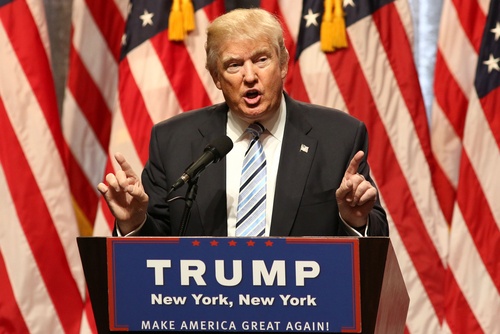
Trump’s Push to Shrink Government: What You Need to Know

0

Key Takeaways:

  • The Trump administration is working to reduce the size of the federal government.
  • Thousands of federal jobs have been cut to reduce waste and fraud.
  • This effort is part of a larger plan to make the government more efficient.
  • Critics argue that this could harm public services and hurt workers.
  • The outcome of this effort will shape the future of government operations.

Introduction: The Trump administration is taking big steps to make the federal government smaller. This effort is led by Elon Musk’s Department of Government Efficiency. The goal is to reduce waste, fraud, and abuse by cutting thousands of federal jobs. While this is just the start, the real challenge will be in making the government smaller and more controlled.

What’s Happening Now: The Department of Government Efficiency is focusing on making the government work better. By firing thousands of federal employees, the administration hopes to reduce waste and fraud. This is part of a bigger plan to make the government more efficient and accountable.

The Bigger Picture: President Trump’s plan goes beyond just cutting jobs. He wants to take control of government agencies that have been acting independently. This could change how the government operates and make it more responsive to the administration’s goals.

Challenges Ahead: Not everyone agrees with this plan. Progressives and federal employee unions are pushing back. They argue that cutting jobs could hurt public services and leave workers without income. The administration will have to address these concerns to succeed.

What It Means for You: This effort to shrink the government could affect everyday Americans. Fewer federal workers might mean changes in how services are delivered. It could also set a precedent for future administrations to follow.

Looking Ahead: The success of this plan will depend on how well the administration can manage the changes. If it works, it could lead to a more efficient government. If it fails, it might create more problems than it solves.

Conclusion: The Trump administration’s push to shrink the government is a bold move with big implications. While the goal is to make the government work better, the challenges ahead will determine if this effort succeeds. Stay tuned to see how this plays out.
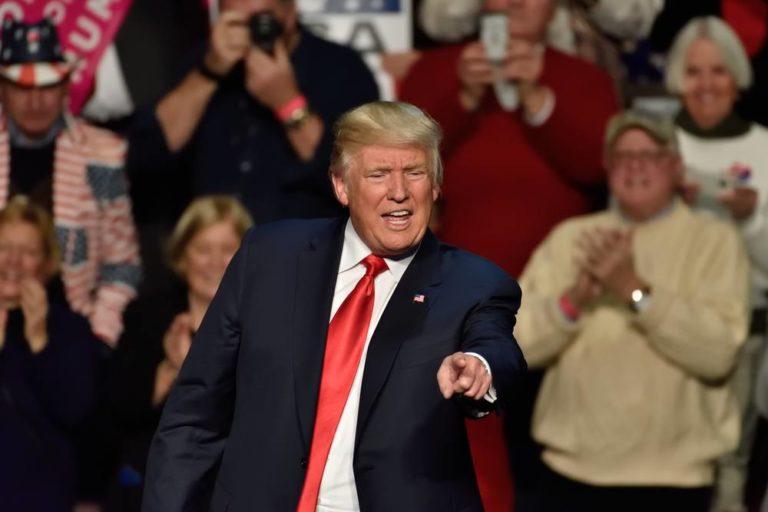

Trump’s Takeover of the Kennedy Center: A Quiet Power Play in the Arts World

0

Key Takeaways:

  • The Kennedy Center’s leadership change during Trump’s presidency signals a broader shift in cultural influence.
  • While overshadowed by other dramatic events, this move reflects Trump’s effort to reshape American institutions.
  • The takeover highlights a clash between artistic freedom and political control.
  • Trump’s actions at the Kennedy Center mirror his larger agenda of consolidating power and challenging traditional norms.

Introduction

President Donald Trump’s first month in office was nothing short of chaotic. Between radical policy changes, controversial executive orders, and explosive tweets, it was hard to keep up. But one move that flew under the radar was Trump’s quiet takeover of the John F. Kennedy Center for the Performing Arts. While it may seem like a minor detail compared to the drama of politics, this decision speaks volumes about Trump’s vision for America—and his desire to leave his mark on every corner of society.


What’s the Big Deal About the Kennedy Center?

The Kennedy Center is more than just a fancy venue for concerts and plays. It’s a symbol of American culture and artistic excellence. As the nation’s premier performing arts center, it hosts world-class performances and celebrates creativity in all its forms. However, Trump’s involvement in its leadership raised eyebrows. Why would a president known for his focus on politics and business suddenly take an interest in the arts?

The answer lies in Trump’s broader strategy to reshape America’s institutions. From the government to the media to now the arts, Trump made it clear he wanted to leave his imprint on every part of American life. By influencing the Kennedy Center, he aimed to extend his reach into the cultural sphere, blending politics with art in a way that felt unsettling to many.


How Did Trump Take Control?

Trump’s takeover of the Kennedy Center wasn’t as obvious as his other moves. Instead of making bold announcements, he quietly appointed loyal allies to key positions. These individuals shared his vision for a more “patriotic” and “America-first” approach to the arts. The message was clear: the Kennedy Center would no longer be a space for independent artistic expression but a tool to promote Trump’s agenda.

This move was part of a larger pattern. Trump repeatedly challenged the independence of institutions, from the judiciary to the press. By doing the same with the Kennedy Center, he sent a message that no sector of American life was off-limits to his influence.


Why Should We Care?

At first glance, the Kennedy Center’s leadership might seem like a trivial matter compared to issues like healthcare or foreign policy. But here’s the thing: art has always been a powerful reflection of a society’s values. When politicians interfere with artistic institutions, it raises questions about freedom of expression and the role of government in culture.

Trump’s takeover of the Kennedy Center wasn’t just about the arts—it was about control. By exerting influence over a space that celebrates creativity and diversity, he aimed to reshape the cultural narrative in his image. This wasn’t just about politics; it was about defining what America stands for.


What Does This Mean for the Future?

The takeover of the Kennedy Center is a reminder that Trump’s presidency was unlike any other. His willingness to challenge norms and push boundaries raised concerns about the balance of power in America. While the Kennedy Center may seem like a small piece in the larger puzzle, it represents a larger trend of political leaders seeking to control every aspect of public life.

As Americans look to the future, the question remains: where do we draw the line between leadership and overreach? The arts, like all sectors of society, deserve to thrive independently. But when politics and power interfere, the consequences can be far-reaching.


Conclusion

The story of Trump’s takeover of the Kennedy Center is a microcosm of his presidency—a blend of ambition, controversy, and a relentless push to challenge the status quo. While it may seem like a minor footnote in the history books, it speaks to a much larger issue: the tension between artistic freedom and political influence. As we move forward, it’s worth asking ourselves what kind of society we want to build—one where creativity thrives, or one where politics dictates every move?

The answer to that question will shape not just the future of the Kennedy Center, but the future of America itself.

US Pauses Cyberattacks Against Russia, Fearing More Vulnerability

0

Key Takeaways:

  • The US has stopped planning cyberattacks against Russia.
  • This pause could make the US more vulnerable to cyber threats.
  • Russia has skilled hackers who might target the US.
  • This move is seen as a significant setback for US cybersecurity.

Introduction

The US recently decided to halt its plans for offensive cyber operations against Russia. This decision is causing concern among officials who believe it might weaken the country’s cybersecurity. Offensive cyber operations are like digital weapons used to disrupt or damage an adversary’s systems. Stopping these plans could leave the US more open to attacks.


The Suspension of Cyber Operations

The US government has paused its offensive cyber strategies aimed at Russia. Offensive cyber operations involve actions like hacking into systems to gather intelligence or disable infrastructure. Planning these operations requires extensive time and research, making them crucial for national defense.

By stopping these operations, the US might lose its strategic edge. Officials fear this could embolden Russia to launch more cyberattacks. Russia has demonstrated strong cyber capabilities in the past, such as attacks on energy companies and government systems.


Concerns About Increased Vulnerability

The pause in offensive operations worries US officials. Without proactive measures, the US might be more exposed to cyber threats. Russia’s history of cyberattacks suggests it could exploit this situation.

Cybersecurity experts emphasize the importance of offensive capabilities as a deterrent. Without them, adversaries may feel more confident in launching attacks.


Russia’s Cyber Capabilities

Russia is known for its sophisticated cyber warfare tactics. Groups like Fancy Bear and Sandworm have been linked to high-profile attacks. These groups have targeted power grids, elections, and critical infrastructure worldwide.

The fear is that without US offensive operations, Russia might escalate its attacks. This could lead to significant disruptions in sectors like finance, healthcare, and transportation.


Implications of the Suspension

The suspension of cyber operations could have long-term impacts. It might affect the US’s ability to respond to future threats and set a precedent for other nations. Countries like China and North Korea might see this as an opportunity to increase their cyber activities.

This decision also reflects the complex nature of cyber warfare. The digital battlefield has no clear boundaries, making it challenging to predict outcomes.


Conclusion

The US’s decision to pause offensive cyber operations against Russia is a strategic shift with significant implications. While the reasons behind this move are unclear, the potential risks are evident. As the digital landscape evolves, the balance between defense and offense remains crucial for national security.

The coming months will reveal whether this strategy strengthens or weakens the US’s position in the global cyber arena. For now, the focus remains on safeguarding critical systems and preparing for potential threats.

Bitcoin Jumps on Trump’s Digital Asset Plan

Key Takeaways:

  • Bitcoin and major cryptocurrencies surge after President Trump suggests a national digital asset reserve.
  • Bitcoin drops from $108,786 in December 2025 to $78,200 before the recent rally.
  • The digital asset reserve idea excites investors, hinting at crypto’s growing legitimacy.

Bitcoin and other major cryptocurrencies saw a significant rise recently, thanks to a promising announcement by US President Donald Trump. The president mentioned the possibility of creating a national strategic reserve of digital assets, which has sparked hope among investors.

Bitcoin’s Recent Rally

After a tough start to 2025, Bitcoin is making headlines again. Last December, Bitcoin reached an all-time high of $108,786. This was partly due to expectations of a more crypto-friendly environment under President Trump’s second term. However, as the year progressed, the excitement faded, and Bitcoin’s value dropped to around $78,200 by the end of the year.

The recent rally has brought new energy to the cryptocurrency market. Major cryptocurrencies like Ethereum and others have also seen their values rise, showing that investors are once again optimistic about the future of digital currencies.

What Is a Strategic Reserve of Digital Assets?

So, what exactly is a national strategic reserve of digital assets? In simple terms, it’s like a savings account held by the government, but instead of cash, it’s stocked with cryptocurrencies like Bitcoin and Ethereum. The idea is to have a store of value that the country can rely on in times of economic uncertainty.

Having such a reserve could mean big things for cryptocurrencies. It could make digital assets more mainstream and legitimate, which is exciting for investors. If the US government starts holding cryptocurrencies, it could encourage other countries to do the same, further boosting their value.

Why Does This Matter?

The US government showing interest in digital assets is a huge deal. It signals that cryptocurrencies are becoming more accepted and valued on a global scale. This could lead to more businesses and individuals investing in digital currencies, driving their prices up.

Moreover, a strategic reserve of digital assets could provide a safety net for the US economy. Just like how countries hold gold reserves to back their currencies, digital assets could serve a similar purpose in the future. This could add stability to the financial system and make digital currencies a more reliable investment.

The Future of Cryptocurrencies

The recent rally in Bitcoin and other cryptocurrencies shows that investors are still very interested in digital assets. Despite the ups and downs of the market, the underlying technology behind cryptocurrencies continues to gain traction.

President Trump’s announcement has reminded everyone of the potential of digital currencies. It also highlights the need for clearer regulations to ensure that these assets are used responsibly and securely.

As more governments and institutions take notice of cryptocurrencies, we can expect to see more developments in this space. Whether it’s through the creation of a national digital asset reserve or new regulations, one thing is clear: the world of cryptocurrency is here to stay.

In conclusion, the recent surge in Bitcoin and other cryptocurrencies is a sign of the ongoing interest and potential of digital assets. With governments and institutions taking notice, the future of cryptocurrency looks bright. As always, investing in digital currencies carries risks, but for those who believe in their potential, the rewards could be substantial. Whether you’re a seasoned investor or just starting out, it’s worth keeping an eye on how this story unfolds.

Trump, Trudeau, and the Kiss That Stirred Controversy

0

Key Takeaways:

  • Some people think Trump is still upset about his failed Canadian hotel deals.
  • A 2019 photo of Justin Trudeau leaning in close to Melania Trump has sparked rumors.
  • This incident might have fueled Trump’s apparent grudge against Trudeau.
  • The situation has added to Trump’s reputation for holding personal grudges in politics.

The Canadian Connection

For years, former President Donald Trump has had a complicated relationship with Canada. One reason? His failed hotel ventures. Trump once partnered with a Canadian company to build and manage hotels. But things didn’t go as planned. Several of these projects either went bankrupt or faced legal issues.

Now, some speculate that Trump’s frustration with these failed deals has spilled over into his dealings with Canada’s leader, Justin Trudeau. Trump has often criticized Trudeau publicly, sometimes in harsh terms. While the exact reasons are unclear, some point to a 2019 incident that may have soured their relationship.


The Photo That Sparked Controversy

In August 2019, a photo went viral. It showed Justin Trudeau, then the Prime Minister of Canada, leaning in close to Melania Trump, the ex-President’s wife, at a G7 summit in France. It looked like Trudeau was about to kiss Melania on the cheek.

The photo caused a stir on social media. Many people interpreted it as a awkward or flirty moment. Some even joked that Melania seemed uncomfortable. Others thought Trump might have taken the photo personally, seeing it as a sign of disrespect.

Trump himself didn’t publicly comment on the photo. But according to rumors, he wasn’t happy. This may have added fuel to his apparent dislike for Trudeau.


Why the Speculation?

So, why do people think this photo is connected to Trump’s grudge against Trudeau? Well, Trump has a history of taking personal slights very seriously. He often lashes out at people he feels have wronged him, either in person or on social media.

After the photo, some noticed a change in Trump’s behavior toward Trudeau. Trump became more critical of Canada’s policies and even seemed to snub Trudeau at public events. While no one knows for sure what’s in Trump’s mind, the timing of these incidents has led people to connect the dots.


The Fallout

The rumored feud between Trump and Trudeau has had real-world consequences. Diplomatic relations between the U.S. and Canada became strained during Trump’s presidency. Trade deals were slow to progress, and public disagreements were common.

Some say Trump’s personal feelings got in the way of important international business. Others argue that Trudeau’s charm and popularity may have made Trump feel overshadowed. Whatever the case, the situation has been a hot topic in political circles.


What’s Next?

Today, Trump is no longer in office, but his influence remains strong in American politics. Meanwhile, Trudeau is still leading Canada, working to repair relations with the U.S.

The photo incident has become a symbol of the personal side of politics. While it’s just one moment in time, it highlights how even small actions can have big consequences.

As for Trump’s hotels in Canada? Most of them are gone now, leaving behind only memories of what could have been.


In the end, this story reminds us that in politics, personal feelings and public duties often collide. Whether Trump truly holds a grudge against Trudeau is unclear. But one thing’s for sure – the drama keeps people talking.

Republicans Push Trump to Mend Ties with Ukraine After Heated Meeting

0

Key Takeaways:

  • Top Republicans urge Trump to repair relationship with Ukraine after Oval Office clash.
  • rare-earth minerals deal at risk due to the breakdown in talks.
  • GOP leaders emphasize the importance of resolving the issue quickly.
  • Rep. Brian Fitzpatrick says a deal is near after speaking with Ukraine officials.

Republicans Call for Calm After Trump-Zelensky Blowup

Top Republican leaders are stepping in to calm tensions between President Donald Trump and Ukrainian President Volodymyr Zelensky. Last week, a heated meeting between the two leaders in the Oval Office caused concerns about the future of U.S.-Ukraine relations. Now, key lawmakers are urging Trump to smooth things over and move forward with an important minerals deal.

Who’s Involved? Some of Trump’s strongest supporters on Capitol Hill are weighing in. These include:

  • Rep. Brian Fitzpatrick (R-PA): A member of the House Intelligence Committee and a close ally of Trump.
  • Sen. John Thune (R-SD): The Senate Majority Leader, who has been a steady voice in the GOP.
  • House Speaker Mike Johnson (R-LA): One of Trump’s most loyal backers in Congress.

All three leaders agree that fixing the relationship is crucial. They’re pushing Trump to resolve the public feud and finalize the rare-earth minerals deal, which was put on hold after the meeting fell apart.


Fitzpatrick Says a Deal is Near

Rep. Brian Fitzpatrick shared some hopeful news. After speaking with Andriy Yermak, Zelensky’s chief of staff, Fitzpatrick said the minerals deal will be signed “in short order.” “We are 100% getting this train back on the tracks,” Fitzpatrick wrote. He believes the deal will strengthen the economic and security partnership between the U.S. and Ukraine.

Fitzpatrick also hinted that Europe will be asked to step up its support for Ukraine. “Stay tuned for further details,” he added.


Johnson Stays Loyal to Trump but Calls for Action

House Speaker Mike Johnson remains a strong supporter of Trump. However, he made it clear that resolving the conflict is a priority. “I encourage President Zelenskyy to come back to the table and accept the deal,” Johnson told reporters. He called the situation a “missed opportunity” but expressed optimism that things can get back on track.

Johnson emphasized the importance of acted in “good faith.” If both sides negotiate fairly, he believes the deal can still happen.


The Bigger Picture

The rare-earth minerals deal isn’t just about economics. It also ties into security assistance for Ukraine, which is crucial as the country continues to defend itself against Russian aggression. Fitzpatrick made it clear that securing this deal will naturally lead to more support for Ukraine’s security needs.

At the same time, the U.S. is signaling that Europe needs to do more to help Ukraine. This could mean increased pressure on European nations to step up their contributions.


What’s Next?

For now, Republican leaders are focused on preventing the situation from spiraling further. They’re betting that a combination of diplomacy and economic incentives can salvage the relationship.

Fitzpatrick’s optimism about the deal suggests progress is possible. However, the path forward won’t be easy. Both Trump and Zelensky will need to compromise and work together to rebuild trust.

The stakes are high, but the potential rewards are even higher. A successful deal could strengthen U.S.-Ukraine ties, boost economic cooperation, and show unity in the face of global challenges.

Stay tuned for updates as this story continues to unfold.

Trump’s Tariffs Spark Market Chaos as Kudlow Shifts Blame to Biden

0

Key Takeaways:

  • The Dow Jones plunged 650 points after Trump announced tariffs on Mexico and Canada.
  • Ex-Trump advisor Larry Kudlow blamed the economic slump on Biden.
  • Critics on social media called out Kudlow for ignoring Trump’s role in the market drop.

The stock market took a nosedive this week after former President Donald Trump announced tariffs on Mexico and Canada. Investors rushed to sell their stocks, worried about the economic fallout. The Dow Jones dropped a whopping 650 points, signaling panic in the financial world. But according to Larry Kudlow, a former Trump advisor, the blame for the struggling economy lies squarely on President Joe Biden.

Kudlow Points Finger at Biden

During an appearance on Fox Business, Kudlow claimed, “What’s left of the Biden economy is slumping right now.” He suggested that Biden’s policies are responsible for the market downturn. White House Press Secretary Karoline Leavitt countered, saying the administration is working hard to lower living costs for Americans. However, critics weren’t convinced by Kudlow’s argument.

Social Media Reacts: “Are They Serious?”

Reactions on social media were quick and blunt. Many pointed out the irony of Kudlow blaming Biden while ignoring Trump’s tariffs. “Hahaha,” tweeted former CNN analyst John Harwood. Others questioned Fox Business’s credibility, with one user asking, “This is a news network?”

Political strategist Fred Wellman summed up the frustration: “Yeah… they drop tariffs for no reason whatsoever, and the market collapses, but it’s the guy who left a month and a half ago. What a jacka—.”

The Tennessee Holler, a progressive social media account, mocked Kudlow and Fox for trying to shift blame. “WATCH: As the stock market drops because of Trump’s tariffs and trade war, Larry Kudlow & Fox hilariously try to blame ‘the Biden Economy.’”

Why the Backlash?

Critics argue that Kudlow’s comments ignore the root cause of the market panic: Trump’s tariffs. Just last month, Kudlow himself warned of stagflation signs in the economy. Now, he’s changed his tune, pinning the blame on Biden. This sudden shift has many calling out Kudlow for being inconsistent and biased.

The Bigger Picture

The market drop and the tariffs are part of a larger debate about economic policies. Trump’s tariffs have long been controversial, with critics arguing they can hurt trade relationships and slow economic growth. Meanwhile, the Biden administration is focused on reducing inflation and lowering costs for everyday Americans.

As the economy continues to show signs of struggle, one thing is clear: the blame game is in full swing. Whether it’s tariffs, policies, or who’s in office, both sides are trying to shape the narrative. For now, investors and everyday Americans are left to wonder what’s next.

Stay tuned for more updates as this story continues to unfold.

Melania Trump Calls Out Democrats Over Deepfake Issue

0

Key Takeaways

  • Melania Trump hosted a roundtable to discuss deepfake and revenge porn.
  • She criticized Democrats for not attending in large numbers.
  • She urged Congress to pass the Take It Down Act to fight online harm.
  • She emphasized protecting children over political differences.

Melania Trump Speaks Out on Deepfakes and Revenge Porn

First Lady Melania Trump recently addressed a serious issue affecting many young people: deepfake and revenge porn. She spoke at a roundtable event, calling for action to protect kids from online harm.

A Call for Bipartisan Support

During her speech, Melania expressed disappointment that more Democratic leaders didn’t attend the event. “I must admit, I expected to see more Democrats here today,” she said. However, she acknowledged the efforts of Senators Ted Cruz and Amy Klobuchar, who worked together to address the issue.

Melania stressed the importance of putting children’s safety above politics. “Surely, as adults, we can prioritize America’s children ahead of partisan politics,” she said.

The Push for New Legislation

The First Lady also called on Congress to pass the Take It Down Act. This bill would make sharing deepfake and revenge porn a felony. She explained that this law is crucial for improving online safety and protecting people’s rights.

Why This Matters

Deepfake and revenge porn are serious problems in the digital age. Deepfakes use fake images or videos to harm people’s reputations, while revenge porn involves sharing private photos or videos without consent. Both can have devastating effects on victims, especially young people.

By supporting laws like the Take It Down Act, leaders can help create a safer online space. Melania’s message was clear: protecting children from harm should be a priority for everyone, regardless of political differences.

A Shared Goal

The First Lady ended her speech by encouraging unity. “I’m here today with a common goal: to protect our youth from online harm,” she said. She hopes that lawmakers will come together to make the internet a safer place for all.

This event shows how important it is for leaders to work together on issues that affect everyone. By focusing on shared goals, they can create real change and help keep young people safe online.

Related Story: Learn more about Take It Down Act and how it aims to combat deepfakes.

This issue is a reminder that online safety is a responsibility we all share. With leaders like Melania Trump pushing for change, there’s hope for a healthier digital world.

Afghan National Plot Exposes Gaps in US Vetting Process

0

Key Takeaways:

  • Afghan nationals entering the U.S. through Operation Allies Welcome undergo thorough vetting.
  • Nasir Ahmad Tawhedi, admitted under humanitarian parole, plotted an attack.
  • The incident raises questions about the immigration screening process.
  • Authorities stress the importance of maintaining robust security measures.

Understanding the Situation

The U.S. welcomed thousands of Afghan nationals fleeing Taliban rule through Operation Allies Welcome. Among them was Nasir Ahmad Tawhedi, who was granted humanitarian parole. However, Tawhedi’s actions raised serious concerns after he plotted an attack on American soil. This incident has sparked debates about the effectiveness of the vetting process for those entering the country under such programs.

The Vetting Process Explained

Before arriving in the U.S., Afghan nationals like Tawhedi go through extensive screening. This includes background checks, interviews, and biometric data collection. The goal is to ensure that only those who pose no threat are allowed entry. Despite these measures, Tawhedi’s case highlights potential gaps in the system.

The Incident and Its Implications

Tawhedi’s plot has led to increased scrutiny of humanitarian parole programs. While most Afghans who entered the U.S. are law-abiding, this incident underscores the challenges of balancing compassion with security. It has prompted calls for a review of current vetting procedures to prevent similar occurrences.

Reactions and Responses

Government officials and security experts are weighing in on the issue. Some argue for stricter vetting, while others emphasize the need for a fair and efficient process. The debate reflects the complexities of managing immigration while safeguarding national security.

The Purpose of Operation Allies Welcome

Operation Allies Welcome was launched to provide a safe haven for Afghans at risk due to their association with the U.S. during the war. The program aims to uphold American values of compassion and gratitude. However, the Tawhedi case serves as a reminder of the delicate balance required in such endeavors.

Moving Forward

As the U.S. continues to welcome refugees and asylum seekers, the Tawhedi incident serves as a stark reminder to remain vigilant. Strengthening the vetting process without undermining the humanitarian mission is crucial. This balance is essential to ensuring the safety and security of all Americans while upholding the nation’s values of compassion and generosity.

Conclusion

The case of Nasir Ahmad Tawhedi has shed light on the challenges faced by programs like Operation Allies Welcome. While the U.S. has a proud history of offering refuge, the incident highlights the need for continuous improvement in vetting procedures. By learning from such events, the country can better protect its citizens while maintaining its commitment to humanitarian efforts.

Government Shutdown Looms: Conservatives Push for Cuts

0

Key Takeaways:

  • Hardline conservatives in the House want deep cuts to government spending.
  • These cuts could delay or block a funding bill, risking a government shutdown.
  • Speaker Mike Johnson faces pressure to keep conservatives happy while avoiding a shutdown.
  • The Department of Government Efficiency (DOGE) proposed the cuts.
  • passing a funding bill will require bipartisan support.

The U.S. government is just two weeks away from a potential shutdown, and tensions in Congress are rising. Hardline conservatives in the House are demanding that deep spending cuts proposed by the Department of Government Efficiency (DOGE) be included in a new funding bill. Critics warn that this could derail efforts to keep the government running.


What’s Happening?

With the shutdown deadline looming, Congress is racing to approve a funding bill. If they fail, federal agencies will close, and millions of workers could face furloughs or delayed paychecks.

At the center of this storm is Speaker Mike Johnson, who must balance the demands of his party’s conservative wing with the need to pass a bill. Conservatives are pushing for significant budget reductions, arguing that the government spends too much.


What Are the Cuts?

The cuts proposed by DOGE aim to reduce government waste and streamline bureaucracy. Conservatives argue that this is a step toward fiscal responsibility.

For example, DOGE has suggested cutting funds for unnecessary programs and reducing administrative costs. These cuts could save billions of dollars, but critics say they could also harm vital services.


Why Are These Cuts Controversial?

Democrats and some Republicans worry that the cuts go too far. They argue that slashing funding for certain programs could hurt low-income families, education, and healthcare.

For example, some cuts could reduce funding for food assistance programs or limit support for small businesses. Critics say these changes would harm vulnerable communities.


What’s Next?

The path forward is uncertain. Speaker Johnson must decide whether to include the cuts in the funding bill or find another way to appease conservatives.

If the bill fails, a government shutdown would have serious consequences. National parks could close, passport processing could halt, and federal loans might be delayed.

Conservatives, however, are willing to take that risk. They say reducing government spending is more important than avoiding a shutdown.


Can a Shutdown Be Avoided?

To avoid a shutdown, lawmakers must reach a compromise. This might involve passing a short-term funding bill while negotiations continue.

But with conservatives digging in their heels, reaching an agreement won’t be easy. Speaker Johnson will need to work closely with both parties to find a solution.


The Bottom Line

The clock is ticking. Conservatives are pushing for deep cuts, but the stakes are high. If lawmakers fail to act, millions of Americans could feel the consequences of a government shutdown.

As the deadline approaches, all eyes are on Speaker Johnson. Can he find a way to keep the government open while satisfying his party’s demands? Only time will tell.