64.2 F
San Francisco
Friday, June 12, 2026
Home Blog Page 1166

GOP Division Exposed: Rebels Challenge Speaker Johnson’s Budget

0

Key Takeaways:

  • GOP Speaker Mike Johnson faces opposition from fellow Republicans over his budget plan tied to Trump’s agenda.
  • Rep. Victoria Spartz and others refused to back down, leading to tense moments in the chamber.
  • The conflict highlights growing divisions within the Republican Party.
  • The budget resolution is crucial for advancing Trump’s domestic policies.

A Growing Rift in the GOP

On Tuesday evening, the Republican Party’s internal struggles came to the forefront as Speaker Mike Johnson tried to push through a controversial budget resolution. This plan is closely linked to former President Donald Trump’s sweeping domestic policy agenda. However, not all Republicans are on board.

Rep. Victoria Spartz of Indiana emerged as a key figure in the opposition. She and a small group of GOP members, including Rep. Thomas Massie, held firm against supporting Johnson’s budget. Their resistance caused tension in the chamber, with some heated discussions taking place.

Rebels Hold Their Ground

Earlier in the day, Spartz made her stance clear to reporters. She stated that nothing could change her mind or that of her fellow opponents. This defiance set the stage for a dramatic showdown later in the evening.

As the evening wore on, the situation became more intense. Reps. Guy Reschenthaler and Tom Emmer were seen backing Spartz and Massie against a wall. This physical grouping highlighted the stark divisions within the party.

Why This Matters

The budget resolution is more than just a financial plan. It’s a vehicle for advancing Trump’s domestic agenda, which includes significant changes to various policies. If Johnson’s plan fails, it could stall Trump’s initiatives and create further chaos within the GOP.

The rebellion led by Spartz and Massie shows that not all Republicans are willing to fall in line. This internal conflict could have far-reaching consequences for the party’s unity and its ability to govern effectively.

A Night of High Tension

The back of the chamber became a focal point as Spartz and her allies huddled together. Their determination to stand against Johnson’s budget was evident. Despite the pressure, they remained committed to their stance, even as tensions rose.

The involvement of Reschenthaler and Emmer added another layer to the drama. Their support for the rebels demonstrated that the opposition to Johnson’s plan was more widespread than initially thought.

What’s Next?

As the night unfolded, the outcome of the budget resolution remained uncertain. One thing was clear: the GOP is facing significant internal challenges. The divisions exposed on Tuesday could have lasting effects on the party’s ability to work together.

For now, all eyes are on Speaker Johnson and whether he can rally enough support to pass his budget plan. The success or failure of this resolution could shape the direction of the Republican Party for months to come.

The Bigger Picture

The events of Tuesday evening are just one chapter in the ongoing saga of the GOP’s internal struggles. As the party prepares for the upcoming elections, these divisions could prove costly. Unity will be key if Republicans hope to achieve their goals.

For now, the focus remains on the budget resolution and the rebels who dared to challenge their leadership. Only time will tell if Johnson can bring the party together or if the rifts will continue to grow.
UK PM Sir Keir Starmer Meets Donald Trump in Washington

0

Key Takeaways:

  • Sir Keir Starmer visits the White House for the first time.
  • He presents a surprise letter from King Charles to Trump.
  • Discussions on climate change and trade highlight differing views and future collaborations.

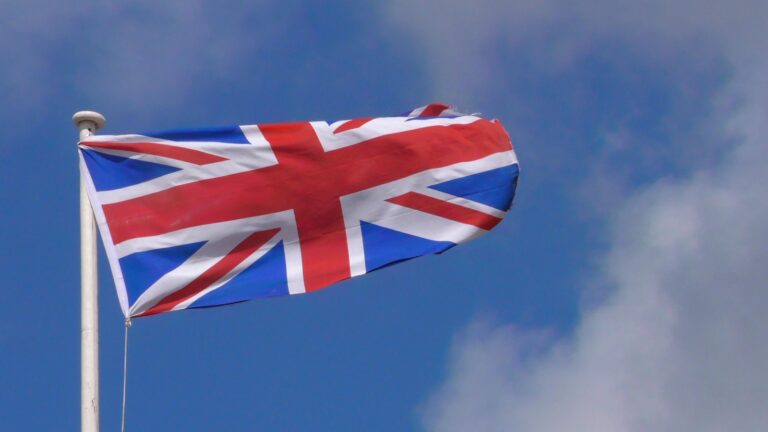
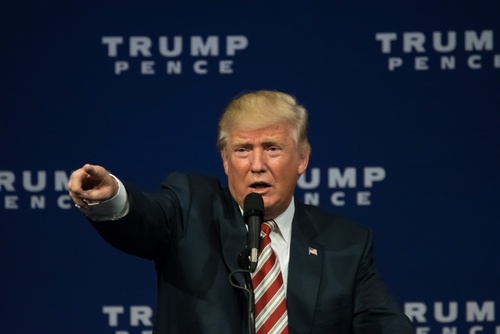
Sir Keir Starmer, the UK Prime Minister, made his first official visit to the White House, meeting with US President Donald Trump. This significant meeting showcased diplomatic efforts and highlighted key discussions.


A Surprise Letter from King Charles

In an unexpected moment, Starmer revealed a letter from King Charles III during their meeting. The letter invited Trump to an event, though details remained under wraps. This gesture showcased the UK’s diplomatic approach, sparking curiosity and media interest.


Climate Change Discussions

Climate change was a hot topic, with Starmer and Trump holding differing views. Despite disagreements, both leaders explored potential areas of cooperation, indicating a willingness to collaborate despite their differences.


Innovation and Trade Collaboration

The leaders discussed future partnerships in technology and clean energy. They emphasized the importance of innovation, suggesting a focus on advancing these sectors together.


Differing Views on International Relations

Their discussion on global issues, particularly Russia and Ukraine, revealed contrasting stances. Starmer expressed strong support for Ukraine, while Trump’s views were more nuanced, highlighting the complexities of international diplomacy.


Conclusion

The meeting between Starmer and Trump balanced agreement and disagreement, setting the stage for future UK-US relations. Despite differences, both leaders showed a commitment to collaboration, signaling potential for progress in key areas. This visit underscored the enduring importance of diplomatic dialogue.

Trump’s New Orders Target Foreign Students in Pro-Palestinian Protests

0

Key Takeaways:

  • President Trump signed orders targeting foreigners with hateful views or antisemitism.
  • The rules focus on international students involved in pro-Palestinian protests at U.S. universities.
  • Activist groups say this helps combat antisemitism on campuses.
  • Critics worry about free speech and unfair targeting of certain groups.

What’s in the Executive Orders?

In January, President Donald Trump signed new executive orders aimed at foreigners who promote hateful ideas or antisemitism. These orders particularly focus on international students taking part in pro-Palestinian protests at U.S. universities. The goal, according to supporters, is to stop the spread of hatred and create a safer environment for Jewish students.

However, the orders have sparked debate. Critics argue they could unfairly target certain groups and limit free speech on campus.


Who Supports These Orders?

Several activist groups, including Mothers Against College Antisemitism and the Chicago Jewish Alliance, have praised the orders. They believe these rules give universities a stronger tool to address antisemitism.

Other groups, like the U.S. branches of the Zionist organization Betar and the Shirion Collective surveillance network, also support the measures. They say it’s a step toward protecting Jewish students from discrimination and hostility.


What Does This Mean for International Students?

International students involved in pro-Palestinian protests may face closer scrutiny. Universities could now have more power to monitor and discipline students accused of promoting hateful ideologies.

Supporters say this will help protect Jewish students from feeling threatened or harassed. However, critics worry that the orders could be used to unfairly target students from certain countries or backgrounds.

Some fear that the rules could chill free speech, making students hesitant to express their opinions on sensitive issues like the Israeli-Palestinian conflict.


Reactions and Controversy

The orders have caused a lot of discussion. On one hand, supporters believe they are necessary to combat antisemitism, which they say has been rising on college campuses. They point to incidents where Jewish students felt unsafe or were targeted because of their faith.

On the other hand, critics argue that the orders could be used to silence legitimate protests or criticism of Israeli policies. They worry that labeling pro-Palestinian activism as antisemitic could lead to unfair treatment of Arab or Muslim students.

Universities are now in a tricky position. They need to balance protecting students from hatred while also respecting free speech.


The Broader Impact

These orders are part of a larger debate about campus safety, free speech, and antisemitism. For years, there have been concerns about Jewish students facing discrimination or hostility, especially during pro-Palestinian protests.

At the same time, pro-Palestinian groups argue they are fighting for human rights and justice, not promoting hatred. They say their activism is about standing up for oppressed people, not attacking others.

The executive orders add fuel to this fire. While some see them as a solution to a serious problem, others fear they could lead to overreach and unintended consequences.


What’s Next?

The impact of these orders will depend on how universities enforce them. Activist groups are urging schools to take strong action against antisemitism, while civil rights organizations are calling for caution to protect students’ rights.

As this plays out, one thing is clear: the debate over campus safety, free speech, and antisemitism is far from over.


This story highlights how political decisions can have far-reaching effects on students’ lives, especially when it comes to sensitive issues like antisemitism and free speech. While some see these orders as a victory, others worry about the consequences for international students and campus activism.

California Judge Blocks Trump Administration from Firing Workers

0

Key Takeaways:

  • A California judge stopped the Trump administration from firing recently hired federal workers.
  • The Office of Personnel Management (OPM) was accused of not having the authority to fire these employees.
  • Labor unions and other groups sued, arguing the mass firings broke federal rules.
  • The ruling protects federal workers who were at risk of losing their jobs.
  • This is a major setback for the Trump administration’s hiring policies.

A judge in California made a big decision last week, stopping the Trump administration from firing federal workers who were recently hired. These workers were still in their probationary period, which is like a trial period for new employees. The judge said the Office of Personnel Management (OPM), the agency in charge of managing federal employees, didn’t have the power to fire these workers.

This decision came during a court hearing about a lawsuit filed by labor unions and other groups. They argued that the Trump administration’s plan to fire these workers was unfair and broke federal rules. The lawsuit specifically mentioned the Administrative Procedure Act, which is a law that ensures government agencies act fairly and follow proper procedures.

What Does This Mean for Federal Workers?

The judge’s ruling is great news for federal workers who were in danger of losing their jobs. It means they get to keep their positions for now, and the Trump administration can’t just fire them without following the right rules.

The ruling also sends a message to the Trump administration: they can’t ignore the laws and rules that govern federal employment. The OPM must follow proper procedures when dealing with employee firings, and mass terminations without a good reason won’t be allowed.

What Happens Next?

It’s unclear what the Trump administration will do next. They could try to appeal the decision or find another way to achieve their goals. But for now, the judge’s ruling is a win for federal workers and labor unions who fought to protect their jobs.

This case is also a reminder of the importance of checks and balances in our government. The judicial system played its role by stepping in to ensure the executive branch didn’t overstep its authority.

In the end, this ruling shows that even in tough political times, the rules are in place to protect workers and ensure fairness. Federal employees can breathe a sigh of relief knowing their jobs are safer, at least for now.

Tate Brothers Return to U.S., Stirring Controversy

0

Key Takeaways:

  • Influencers Andrew and Tristan Tate returned to the U.S. after a two-year travel ban.
  • They faced charges in Romania, including human trafficking, but the ban was lifted.
  • Their return is causing splits among right-wing supporters.
  • The brothers are known for controversial views, especially on women.

Tate Brothers Return to the U.S., Dividing the Right

After two years of being stuck in Romania, Andrew and Tristan Tate are back in the U.S. The brothers, known for their outspoken and divisive views, landed in Florida on February 27. Their return has sparked heated debates, especially among conservatives.

Who Are the Tate Brothers?

Andrew and Tristan Tate are well-known online personalities. They gained fame through social media, sharing controversial opinions on masculinity, wealth, and women. Andrew, in particular, has been called out for his remarks, which some label as misogynistic. Both brothers have built a large following, but they’ve also faced backlash for their views.

Why Were They in Romania?

The brothers were in Romania because of serious charges. Authorities there investigated them for alleged human trafficking and other crimes. Though they denied any wrongdoing, they couldn’t leave the country due to a travel ban. Recently, Romanian prosecutors agreed to lift the ban, allowing them to return to the U.S.

What’s Next for the Tate Brothers?

Now back in the U.S., the Tates are likely to face continued scrutiny. While some fans welcome them, others criticize their return, fearing they’ll spread harmful ideas. The brothers’ presence has divided the right, with some defending them as free speech advocates and others rejecting their views as toxic.

Why Are People Split?

The Tates’ return has sparked a divide among conservatives. Some see them as symbols of free speech and masculinity. Others criticize their rhetoric, arguing it promotes sexism and harm toward women. This split shows how controversial the brothers are, even within groups that might otherwise support them.

What Do the Tates Say?

Andrew and Tristan have always denied the charges against them. They claim they’re innocent and that the allegations are false. They’ve also doubled down on their views, saying they’re just expressing their opinions. Their confidence has fueled both support and anger.

The Bigger Picture

The Tates’ return to the U.S. highlights broader debates about free speech, influencers, and cultural values. Their popularity shows how divisive figures can shape public opinion, especially online. Love them or hate them, the Tate brothers are a household name, and their impact on the right is undeniable.

What’s Next?

As the Tates settle back in the U.S., expect more debates about their influence. Whether they’ll face legal consequences or continue to grow their following remains to be seen. One thing is clear: their return has stirred up a lot of emotions, splitting opinions and sparking important conversations.


This article breaks down the key points of the Tate brothers’ return and its impact on the political landscape. It’s written in simple terms to make the story easy to understand for all readers.

Trump’s Crime Policy: A Mixed Message

0

Key Takeaways:

  • The Trump administration is cracking down on some crimes but easing up on others.
  • White-collar crime prosecutions have been dropping for decades and may decline even more under Trump.
  • The Justice Department is making big changes in policies and personnel.
  • This shift could impact how crimes are punished in the U.S.

Introduction

The Trump administration is sending mixed signals about crime. While it’s tough on some offenses, it’s lenient on others. White-collar crimes, like fraud or insider trading, are seeing fewer prosecutions. This trend isn’t new, but it might get worse under President Trump and Attorney General Pam Bondi.


What’s Happening with White-Collar Crimes?

White-collar crimes happen in offices, not on streets. They include fraud, insider trading, and tax evasion. These crimes can hurt people’s money and trust in the system. Yet, the number of prosecutions for these crimes has been dropping for decades. Under Trump, this trend might speed up.

The Justice Department is changing its policies and people. These changes could make it harder to prosecute white-collar crimes. This means wealthy individuals and big businesses might face less scrutiny, even if they break the law.


Why Is This Happening?

There are a few reasons why white-collar crime prosecutions are dropping. One reason is a shift in priorities. The Trump administration is focusing more on crimes like illegal immigration and gang activity. While these are important issues, they leave less room for white-collar cases.

Another reason is politics. Some people believe the administration is closer to big businesses. This could make it harder to hold companies and executives accountable for their actions.

Additionally, there are changes in the Justice Department. New leadership and policies might make it harder to pursue white-collar cases. This could lead to even fewer prosecutions in the future.


What About Other Crimes?

While white-collar crimes are getting less attention, the administration is being tough on other types of crime. For example, there’s a strong focus on immigration violations and violent crimes. This disconnect shows a clear set of priorities.

The administration wants to appear tough on crime, but it’s choosing specific areas to focus on. This leaves other important areas, like white-collar crimes, with less attention. Critics argue that this creates an uneven justice system, where some crimes are punished harshly while others are overlooked.


How Does This Affect Regular People?

The decline in white-collar crime prosecutions could have real-world impacts. For example, if businesses are not held accountable for fraud, consumers might lose money or trust in the system. It could also create a sense of unfairness, where the wealthy and powerful are treated differently than everyday people.

This could lead to frustration and mistrust in the justice system. If people feel the system isn’t fair, they might lose confidence in the government’s ability to protect them. This is a serious concern because trust in institutions is crucial for a functioning society.


What Critics Are Saying

Critics of the Trump administration’s approach argue that this shift in policy is creating inequality. They say that while some crimes are punished harshly, others are ignored or downplayed. This, they argue, undermines the principle of equal justice for all.

Some also point out that white-collar crimes can have widespread consequences. For example, financial fraud can hurt millions of people and damage the economy. By not prioritizing these crimes, the administration might be leaving the door open for more harm.

Additionally, critics argue that the administration’s ties to big businesses could be influencing these policies. They suggest that the Justice Department is less likely to pursue cases that involve powerful corporations or executives, further imbalances the justice system.


The Bigger Picture

The Trump administration’s approach to crime is sending a mixed message. On one hand, it’s being tough on certain crimes, like immigration violations and violent offenses. On the other hand, it’s easing up on white-collar crimes, which can have serious consequences.

This shift in priorities could have long-term effects on the justice system. It could create a system where some crimes are punished harshly, while others are overlooked. This raises questions about fairness and equality under the law.


What’s Next?

As the Trump administration continues to shape the Justice Department, the trend of declining white-collar crime prosecutions is likely to continue. This could lead to more debates about the fairness of the justice system and the priorities of the administration.

Critics will likely keep pushing for stronger enforcement of white-collar crimes, while supporters of the administration will argue that the focus on other crimes is more important. This tension will likely continue, shaping the future of crime policy in the U.S.


Conclusion

The Trump administration’s approach to crime is complex. While it’s being tough on some crimes, it’s being lenient on others. This creates a mixed message about justice in America. White-collar crime prosecutions are declining, raising concerns about fairness and accountability.

As the administration continues to shape the Justice Department, these trends are likely to continue. This could lead to a justice system that prioritizes some crimes over others, creating a sense of imbalance and inequality. The implications of this shift will be important to watch as the debate over crime policy continues.

US-China Trade War Escalates: Trump Imposes New Tariffs

0

Key Takeaways:

  • The U.S. is imposing a 10% tariff on Chinese goods starting soon.
  • China reacts angrily, calling fentanyl a U.S. issue.
  • Additional tariffs on Canada and Mexico are also set to begin.
  • Trade tensions between the U.S. and its trading partners are rising.

US-China Trade War Heats Up: New Tariffs Announced

The U.S. is set to increase tariffs on Chinese goods, sparking a strong reaction from China. President Trump’s announcement to impose a 10% tariff on Chinese products, effective soon, has intensified the ongoing trade dispute. China responded by stating that the fentanyl issue is an internal U.S. problem.


What’s Happening with the Tariffs?

President Trump revealed that the U.S. will introduce a 10% tariff on Chinese goods. This move comes on top of existing tariffs and is part of the U.S.’s strategy to address trade imbalances and intellectual property issues. Additionally, the U.S. will impose a 25% tariff on products from Canada and Mexico. These tariffs aim to pressure these countries to renegotiate trade deals and address concerns like illegal immigration.

The tariffs on Canada and Mexico are particularly notable, as they are key trading partners. The U.S. hopes these measures will coerce these nations into stronger enforcement of trade rules and border security. However, these actions have the potential to disrupt supply chains and increase costs for businesses and consumers.


Why is China Angry?

China expressed strong dissatisfaction with the new tariffs, labeling them unjust and harmful. They argue that these measures will not only hurt Chinese businesses but also affect American consumers. China emphasized that fentanyl, a drug at the center of the U.S. opioid crisis, is a domestic issue and not a result of Chinese actions.

China’s response highlights their frustration with the U.S.’s approach to trade and drug policy. They stress that the trade war benefits no one and call for a return to negotiations. China remains open to dialogue but warns against further escalation, which could lead to countermeasures.


What Does This Mean for Trade?

The latest tariffs add to the growing tensions in international trade. The global economy faces instability as major powers impose protective measures. Consumers may face higher prices as companies pass on increased costs. Businesses, especially those reliant on imports, are bracing for impacts on their profitability and competitiveness.

This escalation also raises concerns about the impact on jobs. As trade becomes more restrictive, industries dependent on exports might suffer, leading to potential layoffs. The uncertainty surrounding these tariffs creates a challenging environment for businesses to plan and invest.


How Are Other Countries Reacting?

Canada and Mexico have expressed disappointment over the tariffs, viewing them as unfair and counterproductive. They are considering retaliatory measures to protect their industries. The European Union and other trading partners are also monitoring the situation closely, as these tariffs could have broader implications for global trade.

The reactions from Canada and Mexico underscore the potential for a wider trade conflict. These nations are crucial to the U.S. economy, supplying key goods like automobiles and agricultural products. Retaliation could lead to a cycle of escalating tariffs, further straining international relations.


The Big Picture: Trade Wars and the Global Economy

The U.S.-China trade war is part of a larger shift in global trade dynamics. The rise of protectionism is altering how countries interact economically, with tariffs becoming a common tool for exerting pressure. The long-term effects of these policies are uncertain, but there are concerns about reduced economic growth and increased costs for consumers.

The trade war also reflects broader tensions between the U.S. and China, extending beyond trade to issues like technology and security. As the world’s two largest economies, their rivalry has significant implications for global stability and prosperity.


What’s Next?

The immediate future likely holds continued tension as the tariffs take effect. Both the U.S. and China may impose further measures, intensifying the trade war. However, there is still room for negotiation. If both sides can find common ground, a resolution might be reached, easing trade relations.

Without a resolution, the conflict could escalate, leading to further economic instability. Consumer confidence and business investment may waver, potentially slowing global economic growth. The onus is on both nations to navigate these challenging waters and find a balanced approach.


How Does This Affect You?

For consumers, the tariffs could mean higher prices on imported goods like electronics, clothing, and cars. Businesses might face increased costs, potentially affecting job availability and wages. The overall economy may slow as trade becomes more restricted and uncertain.

Staying informed and understanding how these changes could affect you personally is crucial. Whether through higher prices or changes in the job market, these tariffs have real-world implications for many individuals and families.


The U.S.-China trade war continues to shape global trade and economic conditions. With tensions rising and no clear resolution in sight, the world watches as these two economic giants navigate a complex and challenging landscape.

Greece Halts: National Strike Marks Deadliest Train Crash Anniversary

0

Key Takeaways:

  • Greece sees a nationwide general strike today.
  • The strike honors the anniversary of the country’s deadliest train crash.
  • Transportation, schools, and public services grind to a halt.
  • Protesters demand justice and better safety measures.
  • Thousands gather to mourn the lives lost in the tragic accident.

Greece has come to a standstill today as people across the country join a massive general strike. The strike marks one year since a devastating train crash claimed dozens of lives, leaving the nation in shock.

What Happened in the Train Crash?

On February 28, 2024, two trains collided in a remote area of Greece. The accident resulted in one of the worst rail disasters in the country’s history. Dozens of people lost their lives, and many more were injured. The crash sparked widespread anger and grief, as many blamed outdated infrastructure and poor safety regulations for the tragedy.

How the Strike Affects Daily Life

Today’s strike has brought Greece to a virtual halt. Buses, trains, and ferries are not running, making it difficult for people to travel. Schools and universities have also closed, while hospitals are operating with limited staff. Even flights have been disrupted, as air traffic controllers joined the strike.

Shops and businesses remain shut, and public services like garbage collection have stopped. The strike is a clear show of solidarity among workers, students, and citizens who are demanding change.

Why Are People Protesting?

The main reason for the strike is to demand justice for the victims of the train crash. Families of the deceased and survivors are still seeking answers and accountability. Protesters are also calling for improved safety measures in Greece’s transportation system to prevent similar tragedies in the future.

The strike is not just about the train crash. It’s also a broader protest against the government’s handling of public services and infrastructure. Many Greeks feel that the country’s systems are outdated and unsafe, putting lives at risk.

Protests Across Greece

Thousands of people have taken to the streets in cities like Athens, Thessaloniki, and Patras. They are holding banners, chanting slogans, and demanding action from the government. Families of the victims have also joined the protests, sharing emotional stories about their loved ones.

Meanwhile, unions and political parties are organizing rallies and speeches. They are calling for immediate reforms and increased funding for public transportation. “We cannot afford to wait any longer,” said one union leader. “Lives are at stake.”

A Day of Mourning and Solidarity

Today is not just a day of protest; it’s also a day of mourning. Across Greece, people are paying tribute to those who lost their lives in the train crash. Churches are holding special services, and candles are being lit in memory of the victims.

The strike has brought people together, creating a sense of unity and purpose. “We are all in this together,” said a protester in Athens. “We need to stand up for change before another tragedy happens.”


What’s Next?

The strike is set to end later today, but its impact will be felt for a long time. The government is under pressure to respond to the protesters’ demands. If no action is taken, more strikes and protests are likely in the coming weeks and months.

For now, Greece remains at a standstill, united in grief and determination. Today’s strike is a powerful reminder that people will not stay silent in the face of tragedy and injustice.


This article is written in a way that’s easy to understand, with short sentences and clear language. It’s organized with headings to make it easier to read and follow.

Trump and Zelenskyy Meet: What You Need to Know

0

Key Takeaways:

  • A 46-minute meeting between President Trump and President Zelenskyy took place in the Oval Office.
  • The discussion covered various topics affecting both nations and global issues.
  • The meeting highlighted the importance of U.S.-Ukraine relations and mutual goals.

Introduction

In a significant diplomatic event, Presidents Trump and Zelenskyy recently met in the Oval Office for a 46-minute discussion. This meeting, held on February 28, 2025, was captured in a video released by Rapid Response 47, offering insights into their conversation.

Significance of the Meeting

This meeting is crucial as it underscores the ongoing collaboration between the U.S. and Ukraine. Given the current geopolitical climate, such discussions are vital for addressing mutual interests and global challenges.

Key Discussions

While specific details from the video are not provided, it’s reasonable to assume the conversation touched on areas like security, economic partnerships, and regional stability. Both leaders likely explored ways to strengthen bilateral ties and address pressing international issues.

Tone and Atmosphere

The tone of the meeting appeared constructive, reflecting a focus on cooperation. Both presidents engaged in a respectful and productive dialogue, indicating a commitment to mutual understanding and progress.

Reactions and Implications

Public and political reactions to the meeting have been varied, with many emphasizing its importance for international relations. The discussion may influence future policies and collaborations, shaping the trajectory of U.S.-Ukraine relations.

Conclusion

The meeting between Presidents Trump and Zelenskyy highlights the enduring importance of diplomatic engagement. As details emerge, the implications for both nations and global dynamics will become clearer, emphasizing the need for continued cooperation and dialogue.

IDF Releases Investigation Findings on Hamas Attack

0

Key Takeaways:

  • IDF investigates the October 7 Hamas attack.
  • Over 5,000 militants infiltrated Israel in three waves.
  • Nearly 5,000 rockets fired, resulting in high casualties.
  • IDF admits failure in understanding Hamas’s attack plans.
  • Incoming IDF chief to address recommendations.

On October 7, 2023, a devastating attack shook Israel as Hamas militants launched a surprise assault, leading to significant loss of life. The Israel Defense Forces (IDF) has now released its investigation findings, revealing critical details about the attack and its aftermath.

Understanding the Attack

In the early hours of October 7, a large number of Hamas militants entered Israel in three coordinated waves. The IDF reports that between 5,000 to 5,600 militants infiltrated the borders, catching both military and civilians off guard. Simultaneously, a barrage of 4,696 rockets and mortars rained down on Israeli cities. This dual attack strategy led to chaos and destruction, overwhelming Israel’s defenses.

Casualties and Hostages

The human cost of the attack was severe. A total of 829 Israeli civilians and 76 foreign nationals lost their lives, while 415 security personnel were also killed. Additionally, 251 people were taken hostage and forced into the Gaza Strip. These numbers highlight the tragic consequences of the attack, leaving many families shattered.

IDF’s Acknowledgment of Failure

The IDF’s investigation revealed a significant failure in intelligence and readiness. Senior officials admitted that the attack succeeded due to a misunderstanding of Hamas’s intentions and plans. This oversight left Israel unprepared for the scale and ferocity of the assault, leading to the tragic events that unfolded.

Personal Stories

The attack has left many families grieving. One man, who wishes to remain anonymous, shared his heart-wrenching story of losing his entire family. His voice trembled as he recounted the day, emphasizing the profound impact such events have on individuals and communities.

Moving Forward

The IDF’s report is a crucial step toward understanding the mistakes made. The incoming IDF Chief of Staff is expected to use these findings to improve future strategies and prevent similar tragedies. While the report provides closure for some, it also serves as a reminder of the ongoing challenges Israel faces in ensuring its security.

In conclusion, the October 7 attack underscores the need for vigilance and preparedness. The IDF’s transparency is a step toward healing, but the true test lies in how these lessons will be applied to safeguard the future.