58.5 F
San Francisco
Saturday, June 13, 2026
Home Blog Page 1178

Newark to House Largest ICE Detention Center on East Coast

0

Key Takeaways:

  • Newark will be home to the East Coast’s largest ICE detention center, with 1,000 beds.
  • The facility, run by Geo Group, is under a 15-year, $60 million annual contract with ICE.
  • It’s the first such center under Trump’s administration, focusing on increased deportations.
  • The center’s proximity to Newark airport aids ICE operations.
  • Critics highlight the state’s inaction on protective legislation for immigrants.

New Immigration Detention Center in Newark Sparks Debate

A significant development in immigration enforcement is unfolding in Newark, where the largest ICE detention center on the East Coast is set to open. This move marks a notable step in the Trump administration’s deportation efforts, drawing both support and criticism from various stakeholders.

A Closer Look at the Facility

The new center, named Delaney Hall, boasts 1,000 beds and is situated near the Essex County jail. Geo Group, a private prison contractor, will manage the facility under a substantial contract. The center’s location near Newark airport is strategic, facilitating easier transportation for ICE operations. This opening underscores the administration’s push for increased deportations, a key campaign promise of President Trump.

Reaction and Resistance

Not everyone is pleased with this development. Local advocates, including Amy Torres of the New Jersey Alliance for Immigrant Justice, express frustration over the state’s delay in protecting immigrants. Proposed legislation, such as the Immigrant Trust Act, aims to limit cooperation between local authorities and ICE but has stalled. Critics argue that such laws could have mitigated the impact of the new center.

Newark Mayor Ras Baraka strongly opposes the center, vowing to challenge its opening through legal means. His stance reflects broader concerns about public health and the ethical implications of detention centers.

The Broader Implications

The opening of Delaney Hall occurs amid a surge in migrant arrests, with DHS reporting over 20,000 detentions since January. This trend indicates a ramped-up enforcement effort under the Trump administration. Advocates like Eliana Fernández suggest that state resources could be better utilized to support deportation defense, offering a countermeasure to federal actions.

What Lies Ahead?

As the debate intensifies, the focus shifts to potential solutions. Lawmakers are urged to revisit protective legislation, despite concerns about legal challenges. The situation in Newark serves as a catalyst for broader discussions on immigration policies and state-federal dynamics.

In conclusion, the opening of Delaney Hall in Newark signals a significant shift in immigration enforcement, with_aclimate of both opposition and strategic planning for the future. As the situation evolves, the balance between federal enforcement and state protection will remain a critical issue.

US Economy Chilled by Tariffs and Layoffs

0

Economy Chilled by Tariffs and Layoffs

  • Key Takeaways:
  • New tariffs on Mexico, Canada, and China may slow the economy.
  • Federal job cuts are causing fear and uncertainty.
  • Experts warn of rising costs, potential layoffs, and decreased spending.
  • Consumer confidence has hit a two-year low.

What’s Happening?

Recent actions by President Trump and Elon Musk are causing concern about the economy. Trump plans to impose tariffs on goods from Mexico, Canada, and China, while Musk is leading efforts to reduce the federal workforce. These changes are making it hard for businesses to plan and may lead to job losses.

The Impact on Jobs and Spending

Experts like Rachel Ziemba point out that higher tariffs could make everyday items more expensive. For example, building a house or buying a car might cost more. If production costs rise, companies might lay off workers. This fear is making people save more and spend less.

Consumer Confidence at a Low

A recent survey shows that people are feeling pessimistic about the economy. They are worried about job security and future income. This fear is leading to less spending, which could slow economic growth.

Rising Prices Add to Concerns

Inflation is making life more expensive, especially for basics like eggs. The new tariffs are expected to push prices even higher, leaving people with less money to spend on other things.

Conclusion

The combination of tariffs and job cuts is creating uncertainty and slowing economic growth. Experts warn of higher costs, possible layoffs, and reduced consumer spending. As the situation develops, it’s important to stay informed about how these changes might affect you.

US Halts Cyber Plans Against Russia, Sparks Alarm

Key Takeaways:

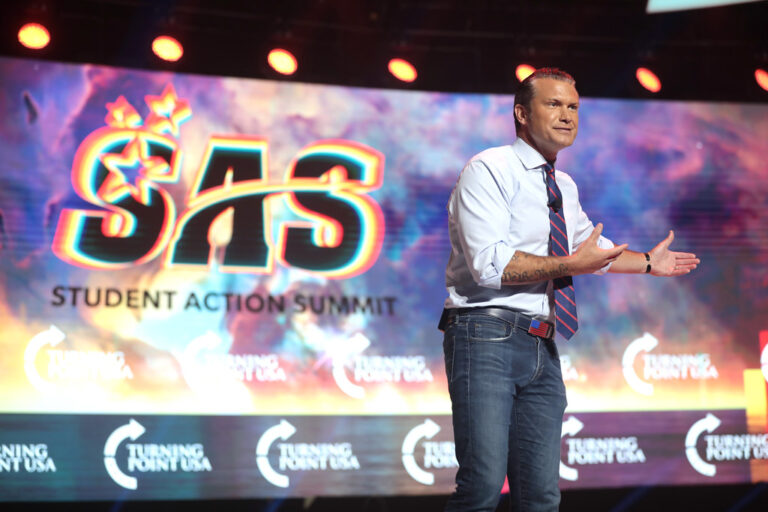
  • US Defense Secretary Pete Hegseth ordered Cyber Command to stop planning against Russian cyber threats.
  • The move has caused concern among policy experts and political observers.
  • Critics fear this could weaken US global influence and benefit Russia.
  • The decision is part of shifting US-Russia relations under the Trump administration.

Introduction

In a surprising move, Defense Secretary Pete Hegseth has instructed US Cyber Command to cease planning efforts to counter Russian cyber aggression. This decision has sparked widespread concern among policy experts and political analysts, who fear it could undermine US global influence and bolster Russian interests.


What Happened?

The Cyber Command, a key player in US cyber defense, has been directed to halt its strategic planning against Russian cyber threats. This shift in approach, part of the broader changes in US-Russia relations under President Trump, has raised eyebrows. Critics argue that this move could signal a strategic withdrawal, allowing Russia to operate more freely in cyberspace.


Expert Reactions

Experts have expressed strong opinions on the implications of this decision. Analysts like Charles Gaba fear it signals a surrender to Russian influence, while Shashank Joshi highlights the potential loss of leverage for the US. Alina Polyakova warns of a significant shift towards alignment with Russian interests, undermining US global dominance. Political scientist Steve Saideman questions the logic of standing down Cyber Command, suggesting it may hint at support for Russian agendas.


Implications of the Decision

The cessation of cyber planning could have far-reaching consequences. It may weaken US defenses against Russian cyberattacks, potentially leading to increased vulnerability. Additionally, this move might be perceived as a sign of US reluctance to confront Russian aggression, impacting international relations and alliances.


What’s Next?

The future of US cybersecurity under this new directive remains uncertain. While the order is clear, the impact on national security and global perceptions is yet to be seen. Observers are watching closely to see how Russia responds and whether this policy will be revisited.


Public Opinion

Reactions on social media have been intense, reflecting public concern. Many view this as a dangerous shift in policy, while others defend it as a strategic move to ease tensions. The debate highlights the polarized views on how the US should engage with Russia.


Conclusion

The decision to halt cyber planning against Russia has ignited a fiery debate on its implications for US security and global standing. As the situation evolves, the world waits to see the outcome of this significant policy change. The balance between deterrence and diplomacy remains a critical challenge for the US in navigating its relationship with Russia.

Zelensky’s Thank You Tweet Sparks Debate Over Diplomacy

0

Key Takeaways:

  • Ukrainian President Volodymyr Zelensky faced criticism for a tweet thanking the U.S. after his White House visit.
  • Analysts suggest his approach may risk Republican support due to not flattering former President Trump.
  • Diplomacy experts argue that private negotiations are more effective.
  • Zelensky received widespread support from European leaders.

A Tweet That Stirred Controversy

President Volodymyr Zelensky’s recent visit to the White House ended with a tweet that sparked debate. His message of gratitude to America, President Biden, Congress, and the American people was straightforward. However, critics, including MSNBC’s Katy Tur, felt the timing and nature of the tweet were misjudged. Tur questioned whether the tweet might provoke Republican lawmakers, potentially harming Ukraine’s U.S. support.

The Risk of Losing GOP Support

Jake Sherman from Punchbowl News highlighted that Zelensky’s approach might weaken Republican backing. He suggested that flattery towards Trump could have secured more support, as Trump is known to respond positively to compliments. Sherman’s analysis indicated that without such gestures, GOP support could waver, fearing repercussions from Trump loyalists.

Diplomacy Behind Closed Doors

Ravi Agrawal, editor-in-chief of Foreign Policy, offered a different perspective. He emphasized that diplomacy thrives in private, away from public scrutiny. Agrawal noted that Zelensky’s tweet acknowledging his potential misstep and expressing thanks to Trump and others might be a step toward mending relations. He suggested that public displays of diplomacy can often complicate matters, highlighting the need for discrete negotiations.

European Support and Solidarity

Despite the U.S. debate, Zelensky found strong support from European allies. Leaders from Spain, Moldova, Lithuania, and others publicly backed him on social media. Zelensky’s reposting of these messages underscored his appreciation, demonstrating Ukraine’s strong European ties and the global nature of his diplomatic efforts.

The Art of Diplomacy in the Modern Age

The incident reflects the challenges of modern diplomacy, where public perception and social media play crucial roles. Leaders must navigate the delicate balance between public engagement and private negotiations. Zelensky’s experience serves as a reminder that diplomacy’s success often lies in its subtlety and the ability to adapt to different audiences.

In conclusion, Zelensky’s tweet has become a focal point in discussing effective diplomacy. As Ukraine seeks international support, the interplay between public statements and private negotiations remains crucial. The situation highlights the evolving landscape of global relations, where every word, public or private, carries significant weight.

Fact Check: JD Vance’s Claims About Ukraine Aid Called Out

0

Title: Fact Check: JD Vance’s Claims About Ukraine Aid Called Out

Key Takeaways:

  • MSNBC host Nicolle Wallace fact-checked JD Vance for false claims about Ukraine aid.
  • Vance claimed Ukraine’s president didn’t thank the US, but Zelensky did thank Americans.
  • Vance also falsely said the US spent $350 billion on Ukraine when the real number is $183 billion.
  • The US hasn’t spent $200 billion more than Europe on Ukraine.
  • Europe has actually spent $18 billion more than the US on Ukraine since 2022.

Nicolle Wallace Fact-Checks JD Vance Over Ukraine Aid Claims

MSNBC host Nicolle Wallace recently called out JD Vance for spreading false information during a visit from Ukrainian President Volodymyr Zelensky. Vance, who is now Vice President, made several claims that Wallace quickly debunked.

1. Vance’s Claims About Zelensky Not Thanking the US

Wallace started by addressing Vance’s claim that Zelensky didn’t thank the American people. She showed a clip of Zelensky’s speech to Congress where he thanked Americans repeatedly for their support. Zelensky even praised the warm welcome he received during his visit.

Wallace pointed out that Vance has access to top-secret intelligence but still lied about Zelensky’s gratitude. She emphasized the importance of correcting such lies before they spread internationally.

2. The $350 Billion Claim: Fact vs. Fiction

Vance also claimed that Zelensky convinced the US to spend $350 billion on Ukraine. Wallace debunked this, stating that the actual number is $183 billion since Russia’s invasion in 2022. This includes $46.5 billion for increased US military activity in Europe.

Wallace also corrected Vance’s claim that the US spent $200 billion more than Europe on Ukraine. She explained that the US has actually spent $18 billion less than European donors combined from 2022 to 2024.

3. Why These Lies Matter

Wallace reminded viewers that spreading false information to an ally like Ukraine is damaging. She noted that such lies can hurt trust and relationships between nations.

4. Trump’s Past False Claims

Wallace also brought up Donald Trump’s previous false claims about Ukraine. Trump once blamed Zelensky for the war, claiming that Russia’s invasion started in 2014. However, experts and fact-checkers have repeatedly proven this wrong. Russia’s full-scale invasion began in 2022, and its illegal actions, like the annexation of Crimea, have been widely condemned.

5. The True Cost of US Support for Ukraine

To give context, Wallace broke down the $183 billion the US has allocated for Ukraine. This includes money for weapons, supplies, and humanitarian aid. She also highlighted that Europe has played a significant role in supporting Ukraine financially.

Wallace’s fact-checking comes at a time when accurate information is crucial. With the war in Ukraine ongoing, ensuring that leaders share the truth is more important than ever.


Conclusion

Nicolle Wallace’s fact-checking serves as a reminder of the importance of honesty in politics. By setting the record straight, she helps prevent misinformation from overshadowing the reality of the situation. As the war in Ukraine continues, accurate reporting will remain vital for keeping the public informed and holding leaders accountable.

Washington Ignore Trump’s Sports Order as Teen Athlete Faces Backlash

0

Key Takeaways:

  • The state of Washington is ignoring President Trump’s executive order banning biological boys from girls’ sports.
  • A 15-year-old girl, Frances Staudt, refused to play in a game against a biological male.
  • Frances is now being disciplined by her school district and accused of bullying.
  • This situation highlights the ongoing debate over fairness in sports and gender policies.

Washington Defies Trump’s Order on Girls’ Sports

In a bold move, the state of Washington has decided to ignore President Trump’s executive order. This order aimed to keep biological boys out of girls’ sports. The decision has sparked controversy, especially after a high school athlete faced consequences for standing up for her beliefs.

Frances Staudt, a 15-year-old basketball player, found herself at the center of the debate. She refused to play in a game because her team was set to compete against an 18-year-old biological male. Frances was clear about her stance: “There is a boy on the team. I will not play or participate in any part of this game.”

What happened next shocked Frances and her family. Instead of support, Frances was accused of bullying and is now facing discipline from her school district.


Frances Staudt: A Teenager’s Stand for Fairness

Frances Staudt is like many high school athletes—passionate about her sport and dedicated to her team. But when she learned a biological male would be playing against her team, she felt something was unfair.

“I just want to play fair,” Frances said. “I train hard, and I believe every girl deserves an even playing field.”

Frances’s mother supports her daughter’s decision. “Frances knows what she believes in, and we stand by her,” she said. “It’s not about hate or intolerance. It’s about fairness in sports.”

Despite her strong beliefs, Frances is now paying a price. Her school district claims her actions amount to bullying. This has left Frances and her family confused and upset.


Why Is Washington Ignoring Trump’s Order?

The state of Washington’s decision to go against President Trump’s executive order has added fuel to the fire. State officials argue that the order discriminates against transgender athletes. They want to create an inclusive environment where everyone can play sports, regardless of their gender identity.

Supporters of the state’s decision say it’s about equality. “Every student should have the chance to play sports, no matter who they are,” said one advocate. “This is about giving everyone an equal opportunity.”

Critics, however, argue that letting biological males compete in girls’ sports is unfair. They point out physical differences that could give biological males an advantage. “It’s not fair to the girls who work so hard to excel in their sports,” said a parent of a student athlete.


The Bigger Picture: Fairness vs. Inclusion

This situation in Washington is part of a larger debate happening across the country. Should biological males be allowed to compete in girls’ sports? Or does it create an uneven playing field?

The answer depends on whom you ask. Some argue that inclusivity is the most important thing. They believe everyone should have the chance to play, even if it means some teams might be at a disadvantage.

Others, like Frances and her supporters, believe fairness should come first. They argue that biological differences can give some athletes an unfair advantage. “It’s not about being against anyone,” Frances said. “It’s about keeping sports fair for everyone.”


What’s Next for Frances Staudt?

As Frances faces discipline, her story is gaining attention nationwide. Many are asking whether schools should punish students for standing up for what they believe in.

Frances’s family is considering legal action. They argue that the school’s decision violates her rights. “Frances has the right to express her beliefs,” her mother said. “She shouldn’t be punished for standing up for what she thinks is fair.”

This case could set an important precedent. Will schools continue to allow biological males to play in girls’ sports? Or will they find a way to balance fairness and inclusion?

One thing is clear: Frances Staudt’s courage has sparked a much-needed conversation. Whether you agree with her or not, her story is a reminder of how complicated these issues can be.


Conclusion: A Nation Divided

The state of Washington’s defiance of President Trump’s order, combined with Frances Staudt’s courageous stand, has brought the debate over fairness in sports to a boiling point. As the nation watches, one thing is certain: this issue is far from resolved.

Will Washington’s decision pave the way for other states to ignore federal orders? How will schools balance fairness and inclusion in sports? Only time will tell. For now, Frances Staudt’s story serves as a reminder of how complex and emotional this topic can be.

Dark Money Ties Exposed: Soros, USAID Linked in Shady Dealings

0

Key Takeaways:

  • A dark money network tied to George Soros and USAID has been uncovered.
  • This network allegedly hides money flows to influence politics and policies.
  • The exposure reveals how powerful groups secretly fund operations worldwide.
  • Critics warn of potential dangers to democratic processes.

On February 27, 2025, shocking revelations emerged about a shadowy network funneling money to influence global politics. This network, linked to billionaire George Soros and the U.S. Agency for International Development (USAID), has raised eyebrows worldwide. Here’s what you need to know.


What’s the Big Deal About Dark Money?

Dark money refers to funds raised and spent to influence elections, policies, or public opinion without disclosing the source. It’s like a secret piggy bank used by powerful groups to push their agendas.

This latest expose reveals that some of this dark money is connected to George Soros, a famous philanthropist, and USAID, a U.S. government agency meant to help developing countries. The way these funds are used has sparked concerns about transparency and fairness in global politics.


How Does USAID Fit Into This?

USAID is known for providing aid to countries in need. But according to recent findings, some of its funds might have been diverted to support political activities instead of purely humanitarian efforts.

Imagine sending money to help people in a poor country, only to find out it’s being used to sway their elections. That’s what critics are worried about. They say this blurs the line between charity and politics, undermining trust in aid organizations.


What’s George Soros’ Role Here?

George Soros is no stranger to controversy. He’s a billionaire who supports causes like democracy and human rights through his network of organizations. However, his critics accuse him of using his wealth to influence politics in ways that benefit his own interests.

The recent revelations suggest that Soros-linked groups might have received funds from dark money networks, which could have been used to shape public opinion and political outcomes. While Soros supporters argue his intentions are good, others fear this kind of influence undermines democratic systems.


Why Should You Care?

Even if you’re not a politics junkie, this story matters. Dark money can affect everything from how your country is governed to how foreign aid is used. If powerful groups can secretly influence decisions, it can lead to policies that don’t reflect what ordinary people want.

For example, imagine your government passes a law that benefits a foreign country more than your own. If dark money played a role in that decision, it’s a problem for democracy.


What’s Happening Now?

The exposure of these ties has sparked heated debates. Some people are calling for stricter laws to track money flows and make fundraising more transparent. Others argue that this kind of scrutiny could hurt legitimate charitable work.

Meanwhile, investigations are underway to uncover more details about how these funds were used. If the allegations are true, it could lead to major reforms in how money is raised and spent for political purposes.


What’s Next?

As more information comes to light, the public will have a better understanding of how dark money operates. But for now, one thing is clear: the way money influences politics needs more transparency.

Whether you agree with George Soros’ goals or not, most people can agree that hiding money sources to sway politics isn’t fair. The question now is, will governments take action to stop it?


Call to Action

What do you think about dark money and its influence on politics? Should there be stricter rules to ensure transparency? Let us know your thoughts in the comments below!

Stay tuned for more updates on this developing story, and keep an eye out for ways you can demand more accountability from those in power.


This story is still unfolding, but one thing is certain: the fight for transparency in politics is more important than ever. By staying informed and speaking out, you can help ensure that money doesn’t silence the voices that matter most—yours.

Taxpayer Money Funding Terrorism?

0

Key Takeaways:

  • Billions in U.S. foreign aid meant for global development is being misused by terrorist groups.
  • Taxpayer money is unknowingly funding these organizations.
  • officials are raising concerns about lack of accountability and oversight.
  • This misuse could have serious consequences for global security and taxpayer trust.

What’s Happening?

Imagine paying taxes to help people in need around the world. That’s what U.S. foreign aid is supposed to do. But something shocking has come to light. Billions of dollars from U.S. foreign aid programs are ending up in the wrong hands—terrorist organizations.

These terror groups are using this money to fund their dangerous activities. Meanwhile, taxpayers are unknowingly footing the bill. This revelation has sparked outrage and calls for immediate action.

How Is This Possible?

Foreign aid is meant to support countries in need, improve living conditions, and promote stability. However, the system has flaws. Sometimes, the money doesn’t reach its intended destinations. Instead, it gets diverted by corrupt officials or groups with ties to terrorism.

Tracking where the money goes is a huge challenge. In some cases, cash is handed over without proper checks. This makes it easy for terrorist organizations to seize the funds.

For example, aid meant for food or medical supplies might be stolen by militants. This not only hurts the people who need help but also puts global security at risk.

What Are The Consequences?

The consequences are alarming. If taxpayer money is funding terrorism, it undermines everything the U.S. stands for. Terrorist groups use this money to recruit fighters, buy weapons, and plan attacks. This puts innocent lives in danger and makes the world a more dangerous place.

Taxpayers are also losing trust in the system. Why pay taxes if the money isn’t being used as promised? This erosion of trust could lead to bigger problems for governments and aid organizations.

What’s Next?

officials are now scrambling to fix this problem. They’re calling for stricter checks and better oversight of foreign aid. This might include more transparency, better tracking systems, and harsher penalties for those who misuse funds.

But solving this issue won’t be easy. It requires cooperation from multiple countries and agencies. Until then, the risk of taxpayer money funding terrorism remains.

What You Can Do

As a taxpayer, you deserve to know where your money is going. Staying informed and holding leaders accountable can make a difference. Demand transparency and support efforts to ensure aid reaches its intended targets.

The situation is serious, but with awareness and action, it’s possible to prevent taxpayer money from funding terrorism. Let’s make sure our taxes are used to build a safer, better world—not to finance danger and destruction.

In conclusion, the misuse of U.S. foreign aid is a pressing issue that demands urgent attention. By understanding the problem and taking steps to address it, we can ensure taxpayer money is used for good, not evil.

Wyoming House Approves Universal School Choice Bill

0

Key Takeaways:

  • The Wyoming House passed a universal school choice bill with a 42-19 vote.
  • The bill now moves to the Senate for final approval.
  • If approved, it could give families more control over their children’s education.

What Happened?

In a significant move, the Wyoming House of Representatives recently voted to pass a universal school choice bill. The vote was 42 in favor and 19 against. This bill, known as House Bill 199, aims to give families more freedom in choosing how and where their children are educated.

Now, the bill heads to the Wyoming Senate for its final approval. If the Senate passes it, the bill will go to the governor’s desk to be signed into law. This could make Wyoming one of the states with the most expansive school choice policies in the country.


What Does the Bill Do?

Universal school choice allows parents to use public funds to pay for private schools, homeschooling, or other educational options. Right now, many parents in Wyoming pay taxes that fund public schools but may not feel those schools are the best fit for their kids. This bill could change that.

Supporters of the bill argue that it gives families more control over their children’s education. They say it’s about ensuring every child has access to the best possible learning environment, regardless of where they live or how much money their family makes.

On the other hand, critics worry that this could take money away from public schools, which are already struggling in some areas. They argue that public schools are the backbone of the community and that taking funds away could hurt students who rely on them.


What’s Next?

The bill is now in the hands of the Wyoming Senate. If senators vote yes, it will go to the governor for a final decision. If the governor signs it, Wyoming will join a growing list of states embracing universal school choice.

If passed, this law could have a big impact on education in Wyoming. More families might choose private schools or homeschooling, while public schools might see changes in funding and enrollment.

For now, all eyes are on the Senate. Supporters and opponents are likely to weigh in heavily as the bill moves forward.


Why Does This Matter?

Education is one of the most important issues for families and communities. This bill could reshape how Wyoming funds and delivers education.

For parents, it’s about having more options for their kids. For teachers and schools, it’s about how resources are allocated. And for lawmakers, it’s about balancing the needs of all stakeholders.

This debate is not unique to Wyoming. Many states are grappling with similar issues. As more states consider school choice bills, Wyoming’s decision could set an example for others.


A Closer Look at the Debate

Supporters Say:

  • Every child deserves access to a quality education, no matter their zip code or income level.
  • Families should have the freedom to choose the best educational path for their kids.
  • Competition between schools could improve education overall.

Opponents Argue:

  • Public schools are the foundation of our education system and need support, not less funding.
  • Private schools may not be accessible or affordable for all families, even with state funds.
  • This could lead to unequal opportunities for students.

What Do You Think?

This bill sparks a lot of questions. Should families have more control over their children’s education? How can we ensure all schools have the resources they need? What does the future of education look like in Wyoming?

As the bill moves through the Senate, these are the kinds of questions lawmakers and voters will be thinking about. Stay tuned for updates as this story continues to unfold.

Maine Governor’s Risky Tax Move Sparks Debate

0

Key Takeaways:

  • Maine’s governor is pushing a controversial tax plan that critics say could harm taxpayers.
  • The proposal has sparked outrage, with many calling it a risky move.
  • Critics argue the plan is more about politics than problem-solving.
  • The debate has heated up on social media, with #LockHerUp trending.

Maine Governor’s Proposal Stirs Controversy

In a move that has left many scratching their heads, Maine’s governor has proposed a tax plan that some say could put taxpayers at risk. The plan, which aims to make a political point, has ignited a firestorm of criticism. Many are questioning whether the governor is prioritizing politics over people.

The governor’s plan is seen by critics as a gamble that could backfire. By pushing this proposal, she’s being accused of using taxpayers as pawns in a losing battle. The backlash has been fierce, with opponents calling it reckless and short-sighted.


What’s the Big Deal?

So, why are people so upset? The plan reportedly involves restructuring how taxes are collected and spent in Maine. Critics claim it could lead to financial instability for everyday citizens. They argue that the governor is taking a huge risk without a clear plan to protect taxpayers.

Supporters, however, say the proposal is necessary to address long-term issues in the state. They believe it’s a bold step toward fixing problems that have been ignored for too long. But even some supporters admit the timing and approach are questionable.


Social Media Erupts in Outrage

The debate isn’t just happening in government halls. Social media platforms have blown up with reactions. The hashtag #LockHerUp has started trending, with many calling for the governor to face consequences. While some see it as a joke, others are dead serious.

Memes and tweets are flooding the internet, with users expressing their frustration. One tweet summed it up: “Why would you put taxpayers at risk to prove a losing point?” The outrage shows no signs of slowing down.


The Bigger Picture

This isn’t just about taxes. It’s about trust. Many feel the governor is prioritizing her own agenda over the needs of her constituents. When leaders make risky decisions without clear explanations, people get nervous.

Some wonder if this is part of a larger pattern. Have other politicians made similar moves in the past? How did those play out? History shows that risky tax plans can have long-lasting effects, both good and bad.


A Divided State

Maine is no stranger to political battles, but this one feels different. The divide between supporters and critics is deepening. On one side, people believe the governor is fighting for what’s right. On the other, they see her as out of touch with reality.

Local businesses are also weighing in. Some say the plan could hurt small businesses already struggling to stay afloat. Others believe it’s a necessary step to create a stronger economy in the long run.


What’s Next?

As the debate rages on, one thing is clear: this isn’t going away anytime soon. The governor faces an uphill battle to convince critics that her plan is the right move. Public opinion will play a huge role in whether the proposal passes.

For now, taxpayers are left wondering what this means for them. Will their finances be at risk? Only time will tell.


In conclusion, Maine’s governor has stirred up a hornet’s nest with her tax plan. While some see it as a bold move, others believe it’s a recipe for disaster. As the debate continues, one thing is certain: this is a story worth keeping an eye on.