67.3 F
San Francisco
Saturday, June 13, 2026
Home Blog Page 1179

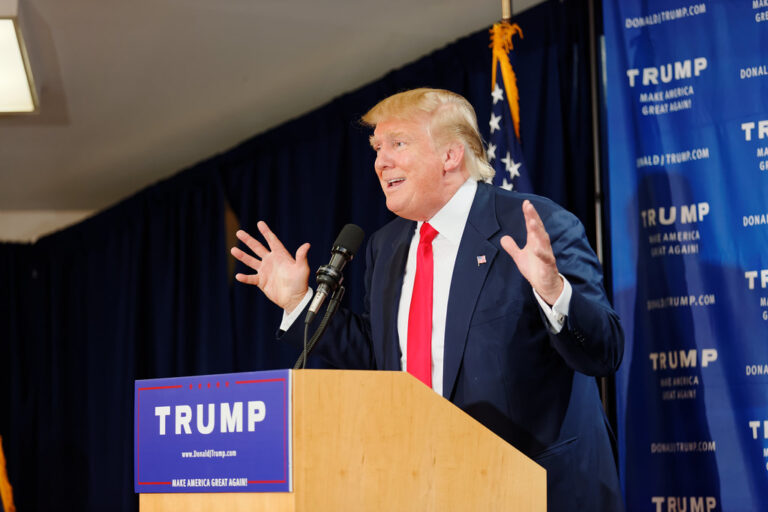
Trump’s Last-Minute Push Saves GOP Bill in House

0

Key Takeaways:

  • House Republicans almost lost a major vote but pulled off a narrow win.
  • The resolution supports President Trump’s agenda.
  • Some GOP lawmakers initially opposed the bill but changed their minds.
  • Trump reportedly called key Republicans to secure their votes.

A Night of High Drama in Washington

Tuesday night was filled with tension as House Republican leaders faced what seemed like certain defeat. They were planning to vote on a resolution that would outline a massive bill supporting President Trump’s agenda. But with severalGOP lawmakers hesitant to back the plan, things looked grim.

Reps. Tim Burchett of Tennessee, Victoria Spartz of Indiana, Warren Davidson of Ohio, and Thomas Massie of Kentucky were among those who signaled they might vote against the bill. Their opposition could have derailed the entire effort.

A Sudden Turnaround

Just when it seemed like the resolution was doomed, something unexpected happened. Lawmakers rushed back to the nearly empty House chamber. Minutes later, GOP leaders erupted in cheers. The resolution had narrowly passed in a 217-to-215 vote, with only one Republican voting against it.

This dramatic shift raised eyebrows. What caused these lawmakers to change their minds? Multiple sources point to President Trump as the key figure behind the last-minute reversal.


Trump’s Influence Pays Off

In the hours leading up to the vote, Trump reportedly had long phone calls with Reps. Burchett and Spartz. These conversations may have been crucial in securing their support.

Trump’s ability to persuade lawmakers has always been one of his strengths. Even though he’s not in office, his influence over Republican members of Congress remains significant. Without his intervention, the resolution might have failed.


What This Means for the GOP

The close call highlights the challenges House Republicans are facing as they try to pass legislation supporting Trump’s agenda. Divisions within the party are evident, and leaders are struggling to keep their members united.

However, Tuesday’s outcome also shows that Trump’s endorsement still carries weight. His ability to rally support could be vital as the GOP tries to push through more controversial bills in the coming months.


A Preview of Future Fights

This resolution is just the beginning. A much larger bill aiming to advance Trump’s policies is on the horizon. Passing it will likely require even more hefty negotiations and arm-twisting.

Tuesday’s drama makes one thing clear: The road ahead for House Republicans will be filled with tough battles and high-stakes decisions. Trump’s leadership will likely play a central role in shaping their success.


Stay Tuned for More Updates

As the situation unfolds, Digital Chew will keep you updated on the latest developments. Follow us for breaking news and in-depth analysis on politics, technology, and more!


J.D. Vance Challenges UK PM on Free Speech Infringements

0


Key Takeaways:

  • J.D. Vance confronts UK Prime Minister Keir Starmer over free speech concerns.
  • Issues include technology use and social media tracking by the UK government.
  • Vance emphasizes the global impact of these infringements, affecting Americans too.

J.D. Vance Calls Out UK Prime Minister on Free Speech

In a bold move, J.D. Vance recently addressed UK Prime Minister Keir Starmer about concerns over free speech. This confrontation took place during a meeting where Vance expressed his views straightforwardly, even suggesting a further discussion over lunch. Vance’s stance highlights growing worries about how governments are using technology to monitor citizens, potentially stifling free expression.

The Core of the Issue

Vance pointed out that the UK’s approach to managing speech, particularly through technology and social media tracking, sets a concerning precedent. He argued that these actions not only affect UK citizens but could also have repercussions in the United States, emphasizing the interconnected nature of global communication.

Why This Matters to Americans

Vance’s argument centers on the idea that free speech is a cornerstone of democracy, and any erosion in one country can influence others. With the internet’s global reach, policies in the UK could inspire similar measures in the U.S., impacting Americans’ ability to express themselves freely online.

Understanding the Technologies Involved

The UK’s use of technology to track social media posts is a key concern. Advanced algorithms can identify and flag content deemed inappropriate, sometimes leading to censorship. While intended to curb hate speech or misinformation, critics argue this could suppress legitimate dissent and diverse viewpoints.

Vance’s Direct Approach

Vance’s decision to address Starmer directly underscores the gravity of the issue. By bringing it up in a face-to-face meeting, he aims to raise awareness and potentially influence policy changes. His straightforward approach—“I said what I said”—reflects his commitment to this cause.

The Broader Implications

This isn’t just about the UK or the U.S.; it’s about global freedoms. As more countries adopt similar surveillance measures, the risk of a chilling effect on free speech grows. Vance’s challenge to Starmer serves as a reminder of the need for continuous vigilance in protecting these liberties.

Why Free Speech Matters

Free speech is fundamental to innovation, creativity, and democracy. When people fear censorship, they’re less likely to share ideas, hindering progress. Protecting this right ensures a vibrant exchange of thoughts, essential for societal growth.

Conclusion

J.D. Vance’s confrontation with Prime Minister Starmer brings attention to the delicate balance between security and freedom. As governments worldwide grapple with regulating online content, open dialogue about the consequences of these actions is crucial. Vance’s stance reminds us that safeguarding free speech is a global responsibility, ensuring that the digital age remains a time of open expression and innovation.

Tennessee Wins Supreme Court Battle Over Drag Shows

0

Key Takeaways:

  • The U.S. Supreme Court ruled in favor of Tennessee, allowing the state to restrict drag shows where children are present.
  • The Tennessee Adult Entertainment Act prohibits adult-oriented performances in public spaces or areas accessible to minors.
  • Violators face misdemeanor charges, with potential felonies for repeat offenses.
  • The decision upholds a state law protecting children from explicit content.

Introduction: In a significant decision, the U.S. Supreme Court supported Tennessee’s right to limit drag shows in front of children. This ruling enforces the Tennessee Adult Entertainment Act, which restricts adult performances in public areas or where minors might be present. The outcome highlights the balance between free speech and child protection.

The Supreme Court Decision: The Supreme Court declined to hear a challenge to Tennessee’s law, effectively supporting its enforcement. This decision allows the state to maintain restrictions on adult performances where children could be exposed, emphasizing community standards and child welfare.

Details of the Law: Passed in 2023, the Tennessee Adult Entertainment Act targets adult-oriented performances, aiming to shield minors from explicit content. The law applies to public spaces and any areas accessible to children, ensuring a protective environment for young individuals.

Legal Journey: Initially, a lower court blocked the law, deeming it vague and overly broad. However, an appellate court reversed this decision, and the Supreme Court’s refusal to intervene finalized its standing. This underscores the law’s constitutionality and its alignment with community values.

Reactions: Tennessee Attorney General Jonathan Skrmetti and Senate Majority Leader Jack Johnson praised the decision. They emphasized the importance of protecting children from explicit content while acknowledging the balance with free speech rights.

Other Legal Battles: Tennessee is also addressing another case before the Supreme Court regarding transgender medical treatments for minors, showing the state’s active role in shaping policies affecting children.

Conclusion: The Supreme Court’s decision reinforces Tennessee’s authority to protect children from explicit performances. This ruling highlights the state’s commitment to child welfare while navigating evolving societal issues.

New Portal Lets Parents Report Classroom DEI Issues

0

Key Takeaways:

  • The U.S. Department of Education (DOE) has launched a new portal for parents to report classroom concerns.
  • Parents can visit EndDEI.gov to share issues related to discrimination or bias.
  • The DOE aims to ensure education is fair and free from divisive ideologies.
  • Reports will be reviewed for potential investigations.

Introduction: Education is a top priority, and now parents have a new way to ensure their children’s learning environments are fair and balanced. The DOE’s new portal is a tool for transparency and accountability.

What Is This Portal? The DOE introduced a new portal called EndDEI.gov, allowing parents to report concerns about classroom practices. This tool is designed to be user-friendly, making it easy for anyone to share their experiences.

Why Is This Important? This portal is crucial because it gives parents a voice in their children’s education. It ensures that schools remain places of learning, free from bias, where every student feels valued and respected.

What Can Parents Report? Parents can report any issues they believe are unfair or biased. For example, if a teacher seems unfair or lessons make a student uncomfortable, parents can share these concerns through the portal.

How Does It Work? Using the portal is straightforward. Parents visit EndDEI.gov, fill out a form with details of the issue, and submit it. The DOE then reviews each report to decide if further action is needed.

What Happens Next? After submitting a report, the DOE will assess it. If necessary, they may investigate or provide support to address the issue. Parents can rest assured their concerns are taken seriously.

A New Era of Transparency: This portal reflects a commitment to making education more accountable. It encourages schools to be open and fair, building trust between parents and educators.

Conclusion: The DOE’s new portal is a step toward ensuring education is fair and unbiased. Parents are encouraged to use this tool to help create a better learning environment for all students. For more information, visit EndDEI.gov and make your voice heard.

Hungarian News Outlet Fights for Survival as US Funding Dries Up

0

Key Takeaways:

  • Hungarian investigative outlet Atlatszo faces financial challenges after losing US-funded grants.
  • The loss of funding comes amid President Trump’s efforts to shut down USAID.
  • Atlatszo plans to seek new donors and boost crowdfunding to stay afloat.
  • Independent media in Hungary may struggle without external financial support.

Independent Media in Hungary Faces an Uncertain Future

On February 10, journalists from Atlatszo, a Hungarian investigative news outlet, gathered for an urgent meeting. The topic? How to secure new funding after losing critical grants from intermediaries tied to the US Agency for International Development (USAID).

The grants, which were halted amid President Donald Trump’s push to close USAID, have left Atlatszo in a tough spot. Without these funds, maintaining independent journalism in Hungary just got a lot harder.


Why This Funding Matters

International grants like those from USAID have long been a lifeline for independent media in Hungary. These funds allow outlets like Atlatszo to investigate important stories, hold power to account, and operate without interference from the government or other powerful interests.

However, President Trump’s efforts to dissolve USAID have rippled across the globe, leaving many organizations that rely on its funding in a financial bind. Atlatszo is one of them.


The Impact on Atlatszo

Tamas Bodoky, Atlatszo’s managing editor, made it clear: without these grants, maintaining independent media in Hungary will be incredibly challenging. “Independent journalism is already under pressure in this country,” Bodoky said. “Losing this funding could make it even harder to survive.”

Atlatszo has been a vocal advocate for transparency and accountability in Hungary. The outlet has exposed corruption, investigated misuse of public funds, and given a voice to marginalized communities. But without funding, these efforts may grind to a halt.


Looking for New Solutions

So, what’s next for Atlatszo? The outlet is turning to new strategies to stay financially stable. Journalists at the meeting discussed reaching out to new donors and increasing their reliance on crowdfunding.

Crowdfunding, where individuals contribute small amounts of money to support a cause, has become a vital tool for independent media. Atlatszo hopes that its audience will step up to help fill the funding gap.

But crowdfunding isn’t a guaranteed solution. It requires constant effort to engage donors and build trust. Atlatszo will need to convince its supporters that independent journalism is worth fighting for.


A Broader Struggle for Press Freedom

Atlatszo’s situation reflects a larger challenge for independent media in Hungary. Over the years, the Hungarian government has been accused of tightening its grip on the press, making it harder for outlets to operate freely.

International funding has been a critical lifeline for many independent outlets. But as these funds dry up, the future of press freedom in Hungary grows increasingly uncertain.


What’s at Stake?

Independent media plays a crucial role in any democracy. It holds those in power accountable, provides accurate information to the public, and gives a platform to diverse voices.

In Hungary, where the government has been accused of eroding democratic norms, independent outlets like Atlatszo are more important than ever. If they disappear, there will be few voices left to challenge authority and speak truth to power.


The Road Ahead

Atlatszo’s journalists are determined to keep fighting. They’re exploring new funding sources, building relationships with international donors, and ramping up their crowdfunding efforts.

But the road ahead won’t be easy. Atlatszo will need to adapt quickly and find creative ways to sustain itself. The outlet is also calling on its audience to get involved, whether through donations or by spreading the word about its work.


Final Thoughts

The story of Atlatszo is a reminder of the challenges faced by independent media around the world. In Hungary, where press freedom is under threat, outlets like Atlatszo are a vital lifeline for democracy.

While the loss of USAID funding is a significant blow, it’s not the end of the story. With determination, innovation, and support from readers, Atlatszo can continue its important work.

The fight for independent journalism in Hungary is far from over. But one thing is clear: the future of press freedom depends on it.

New U.S. Immigration Rule: Undocumented Immigrants Must Register with the Government

0

Key Takeaways:

  • Undocumented immigrants aged 14 and older must register with the U.S. government.
  • Registration requires providing fingerprints and an address.
  • Failure to register may result in fines, imprisonment, or both.
  • The government aims to track undocumented residents more effectively.
  • Registration will be mandatory, with the deadline to be announced.

Understanding the New Immigration Rule

The U.S. government has introduced a new rule requiring all undocumented immigrants aged 14 and above to register. This new policy mandates that each individual provide their fingerprints and current address. The purpose of this registration is to help the government keep track of undocumented residents more efficiently.

Why This New Rule?

The government believes that by requiring undocumented immigrants to register, they can better manage who is in the country. This, according to officials, will help ensure public safety and maintain order. The rule is part of a broader strategy to address illegal immigration and enforce existing laws more effectively.

What Needs to Be Done

Those affected by this rule must take a few steps:

  • Registration: Everyone aged 14 and older without legal status must register.
  • Information Required: During registration, individuals will need to provide their fingerprints and current address.
  • Purpose of Registration: The government aims to create a system to monitor undocumented residents.

Why Is This Happening?

The new rule reflects the government’s focus on immigration enforcement. Officials argue that knowing who is in the country and where they live will help prevent illegal activities and ensure national security. Additionally, the government hopes this rule will encourage undocumented immigrants to come forward and register, providing a clearer picture of the population.

What Happens If You Don’t Register?

Failure to register can lead to serious consequences, including fines and imprisonment. The government is emphasizing that this rule is mandatory and that not complying will result in penalties. This enforcement measure aims to ensure that all undocumented immigrants take the registration process seriously.

What’s Next?

The exact deadline for registration has not been announced yet. However, undocumented immigrants are advised to be prepared to register once the process begins. The government is expected to provide more details on how and where to register in the coming weeks or months.

Impact on Undocumented Immigrants

This new rule could significantly affect undocumented immigrants living in the U.S. Some may view registration as a way to avoid legal trouble, while others might be concerned about potential risks, such as deportation. The government, however, assures that the primary goal is to create a more organized system for tracking undocumented residents.

Public Reaction

The announcement of this new rule has sparked various reactions. Some people support the measure, believing it will help maintain public safety and order. Others criticize it, arguing that it could lead to increased fear and mistrust within undocumented communities. The debate over immigration policies continues to be a contentious issue in the U.S.

What Should You Do If You’re Affected?

If you or someone you know is an undocumented immigrant, it’s important to stay informed. Here are some steps you can take:

  • Seek Legal Advice: Consult with an immigration attorney to understand your rights and obligations.
  • Stay Updated: Keep an eye on official announcements regarding the registration process.
  • Prepare Documents: Gather any necessary documents that might be required for registration.

The Bigger Picture

This new rule is part of a larger conversation about immigration in the U.S. The government is trying to balance enforcing laws with addressing the complexities of undocumented immigration. While some see this as a step toward more effective management, others worry about the potential consequences for undocumented individuals and their families.

Looking Ahead

As the registration process is set to begin, many questions remain unanswered. How will the government ensure that undocumented immigrants feel safe registering? How will the information collected be used? These are important questions that will likely be addressed in the coming months.

Conclusion

The new rule requiring undocumented immigrants to register with the government is a significant development in U.S. immigration policy. While the details are still unfolding, it’s clear that this rule will have a major impact on undocumented residents. Stay informed, seek legal advice if needed, and be prepared for the registration process.

Epstein Files Released to Influencers: What You Need to Know

0

Key Takeaways:

  • The Department of Justice shared Jeffrey Epstein files with a small group of conservative influencers.
  • It’s unclear if the files will be made public or released to the press.
  • President Trump ordered the release of these files, along with JFK, RFK, and MLK assassination documents.

On Thursday, the Department of Justice took a surprising step by sharing files related to Jeffrey Epstein with a select group of conservative influencers. This move has sparked curiosity and confusion across the country. Here’s what we know so far.


What Was Released?

The files in question pertain to Jeffrey Epstein, a wealthy financier accused of serious crimes before his death in 2019. The Department of Justice has not revealed what these files contain, but they are likely connected to Epstein’s legal battles or investigations surrounding his activities.

President Donald Trump, during his second term, signed an executive order requiring the release of these files. The order also demanded the declassification of documents tied to the assassinations of President John F. Kennedy, Robert F. Kennedy, and civil rights leader Martin Luther King Jr. This move was part of a broader push for transparency in high-profile cases.


Who Got Access?

For now, the Epstein files have only been shared with a small group of conservative influencers. It’s unknown if the Justice Department plans to release this information to the broader press or the public. This limited access has raised questions about fairness and transparency.

Why were these influencers chosen? The Justice Department hasn’t provided a clear explanation. Some speculate it’s part of a strategy to control the narrative or test public reaction before a wider release.


What Happens Next?

The Justice Department’s decision to share these files with a select group has left many wondering what comes next. Will the public eventually see these documents? Will they shed light on unanswered questions about Epstein’s case?

The release of sensitive information is always a delicate process. Legal and security experts must review the files to ensure they don’t compromise ongoing investigations or reveal sensitive personal information. This process could take weeks, months, or even years.

Meanwhile, the influencers who received the files are likely to share their findings on social media platforms. This could lead to a mix of speculation, misinformation, or legitimate insights, making it harder to separate fact from fiction.


Public Reaction and the Media’s Role

News of the file release has already caused a stir online. Many people are frustrated that the information isn’t available to everyone. Others are eager to see what the documents reveal, hoping they’ll provide closure or confirm long-held theories.

The media plays a crucial role in situations like this. Journalists must balance the public’s right to know with the need to avoid spreading unverified claims. If the files are eventually released to the press, expect a flurry of reports as news outlets dig through the details.

For now, the public will have to wait and see what happens next.


Why Now?

President Trump’s executive order was a significant factor in the release of these files. Trump has long pushed for transparency in government, particularly in high-profile cases. His supporters view this move as a step toward accountability, while critics argue it could lead to the release of sensitive or misleading information.

The timing of the release is also interesting. Coming during Trump’s second term, it’s seen by some as an effort to satisfy his base and distract from other political issues. Others believe it’s a genuine attempt to uncover truth.

Only time will tell if this decision helps or harms the public’s trust in government.


What Does This Mean for You?

While the release of the Epstein files is a major development, it’s important to stay calm and cautious. Until the documents are widely available, it’s hard to know what they contain or how significant they are.

If the files are made public, they could answer lingering questions about Epstein’s case. They might also raise new ones. Either way, it’s up to all of us to approach the information with an open mind and a critical eye.

Transparency is a cornerstone of democracy, but it must be handled responsibly. Whether these files will ultimately shed light on the truth or create more confusion remains to be seen.

US Tech Companies Torn Between EU, Brazil, and Trump Policies

Key Takeaways:

  • US tech firms face growing pressure from EU regulators over privacy and competition.
  • Brazil demands stricter controls on content and data.
  • The Trump administration pushes for more control over tech companies at home.
  • Companies must balance these demands while maintaining global operations.

The Growing Struggle for Tech Companies

US tech companies are caught in a tough spot. Imagine being pulled in three different directions at once. That’s what’s happening as governments in the European Union, Brazil, and the US under the Trump administration make new demands. Each region wants tech companies to follow its own rules, making it hard for these firms to please everyone.

The EU’s Push for More Regulations

The European Union has always been strict about privacy and competition. Now, it’s taking things further. EU regulators are demanding that tech companies do more to protect user data and stop anti-competitive practices. For example, they want companies to share data more openly with smaller competitors and ensure users have more control over their information.

But this isn’t just about privacy. The EU is also concerned about how big tech companies dominate the market. They want to make sure smaller businesses have a fair chance to compete. This means tech companies may have to change how they operate in Europe.

Brazil’s Tough Stance on Content and Data

While the EU focuses on privacy and competition, Brazil is taking a different approach. The Brazilian government wants tech companies to control certain types of content more carefully. This includes cracking down on fake news and illegal activities online.

Brazil also has strict data protection laws. Tech companies must store data locally and ensure it’s protected. This can be expensive and complicated, especially for smaller firms.

The Trump Administration’s New Approach

In the US, the Trump administration is changing how it handles tech companies. Unlike previous administrations, which were more hands-off, Trump’s team is taking a more active role. They’re pushing for more control over how tech companies operate, particularly when it comes to content moderation.

The administration is also concerned about competition. They want to ensure that big tech companies don’t stifle innovation or harm smaller businesses. This has led to investigations and lawsuits against major players in the industry.

The Balancing Act for Tech Companies

So, what does this mean for tech companies? They’re stuck in the middle, trying to satisfy three very different sets of demands. In the EU, they must focus on privacy and competition. In Brazil, they need to control content and protect data. In the US, they’re under pressure to allow more government oversight.

This isn’t just about following rules. It’s also about maintaining trust with users. Tech companies need to show they’re responsible and transparent. But with so many different requirements, it’s getting harder to keep everyone happy.

The Future of Tech Companies in a Global Marketplace

As these tensions grow, tech companies will have to find creative solutions. They might need to develop different strategies for different regions. For example, they could create systems that meet EU privacy standards while also complying with Brazil’s content rules.

But this isn’t just about technology. It’s also about politics. Tech companies are becoming more involved in global policy debates. They’re hiring lobbyists and experts to help navigate these complex issues.

In the end, the challenge for tech companies is clear. They must find a way to operate in a world where different regions have very different expectations. This won’t be easy, but it’s essential for their survival in a global marketplace.

Elon Musk Accuses Norm Eisen of Misusing Funds for Muppet Show

0

Key Takeaways:

  • Elon Musk claims Norm Eisen misused $17 million intended for democracy promotion.
  • Funds were allegedly used for a Muppet show.
  • Musk suggests this could be a criminal act.

What Happened?

On February 26, 2025, Elon Musk made a surprising claim on social media. He accused Norm Eisen, a well-known political figure, of misusing $17 million. This money was supposedly meant to promote democracy but was allegedly spent on a Muppet show. Musk hinted that this could be illegal, drawing attention to the issue.

Who Is Norm Eisen?

Norm Eisen is a former U.S. Ambassador and a prominent figure in political and legal circles. Known for his work in ethics and anti-corruption, Eisen has been involved in various initiatives promoting democracy. His background makes Musk’s accusation quite unexpected.

Elon Musk’s Claim

Musk’s tweet suggested that Eisen might have used funds meant for serious political efforts on a Muppet show instead. This kind of allegation is rare and raises questions about accountability. While details are still emerging, the claim has sparked significant interest and debate.

Reaction and Implications

Musk’s accusation has led to mixed reactions. Some are calling for an investigation, while others question the credibility of the claim. The situation highlights the importance of transparency in funding and the potential for misuse. It also brings attention to the role of public figures in scrutinizing such activities.

Conclusion

Elon Musk’s tweet has brought Norm Eisen into the spotlight for unexpected reasons. The accusation of misusing $17 million for a Muppet show is serious and could have legal implications. As more details emerge, this story may shed light on issues of accountability and transparency in public initiatives.

This article provides an overview of the situation, focusing on the key elements and potential repercussions, ensuring clarity and engagement for readers.

Republicans Challenge Trump’s Foreign Aid Freeze

0

Key Takeaways:

  • Republican senators express concern over Trump’s foreign aid freeze and the shutdown of USAID.
  • Senators accuse the administration of violating the law by not consulting Congress.
  • They warn of critical consequences, like food rotting and medicine shortages.
  • A hearing is requested to address the issues and hold the administration accountable.

Senators Push Back Against Trump’s Foreign Aid Freeze

A group of Republican senators is speaking out against President Donald Trump’s decision to freeze foreign aid and dismantle the U.S. Agency for International Development (USAID). This rare pushback from Trump’s own party highlights growing tension over how the administration is handling federal funds and international programs.

Senators Lindsey Graham (R-SC), Lisa Murkowski (R-AK), and Susan Collins (R-ME) joined their Democratic colleagues to voice their concerns. They sent letters to Secretary of State Marco Rubio, urging him to explain the decisions and defend them at a congressional hearing next month.


What’s the Issue?

The senators argue that the Trump administration broke the law by not notifying or consulting Congress before freezing foreign aid and shutting down USAID. They claim this violates rules that require Congress to be involved in such decisions.

They also criticized the waiver process, which they say lacks structure and clarity. This confusion has caused delays in funding for critical programs. For example, food shipments are at risk of rotting in ports, lifesaving medicines are stuck in warehouses, and counterterrorism programs in countries like Somalia are being halted.


A Balance Between Accountability and Support

The senators made it clear they support reducing waste and reviewing federal programs. However, they are frustrated that Congress was left out of the loop during these major changes.

“We are supportive of your right to review federal programs,” they wrote, “but we are concerned that Congress was not consulted during the undoing of USAID and foreign aid, which they noted is required by law.”


Why This Matters

This pushback is significant. It shows that even some Republicans are worried about the Trump administration overstepping its authority, especially when it comes to spending decisions. Congress has the power to control federal funding, and senators are calling out what they see as an attempt to bypass that authority.

The letters also reveal frustration with Rubio, who previously served in the Senate. His lack of responsiveness to his former colleagues has added to the tension.


A Broader Message

This dispute is part of a larger debate over the balance of power in Washington. The Trump administration has faced criticism for expanding executive authority, and this move is seen as an overreach.

As the senators prepare to question Rubio in a public hearing, they’re sending a clear message: Congress will not stand by while its role in funding decisions is ignored.


The Bottom Line

The freeze on foreign aid has sparked a bipartisan reaction, with senators warning of serious consequences for global health and security programs. This situation could set a precedent for how future administrations handle funding and consult with Congress.

  1. For now, all eyes are on Rubio and the upcoming hearing, where lawmakers will demand answers and accountability for these controversial decisions.