49 F
San Francisco
Wednesday, April 22, 2026
Home Blog Page 124

Whiskey Tariffs Cripple Major Distillers

0

Key Takeaways

  • Jim Beam will pause distillation at its main site in 2026.
  • Jack Daniels reports falling profits amid trade policy uncertainty.
  • Whiskey tariffs and retaliatory duties have cut exports to Canada by 85 percent.
  • The EU’s threat of steep tariffs added to industry worries.
  • Distillers call for predictable, tariff-free trade to support long-term planning.

America’s top whiskey makers are feeling the heat. Tariffs pushed by the Trump administration and the resulting trade fights have shaken up the industry. Jim Beam says it will pause distillation at its main plant in 2026. Jack Daniels has seen profits slip under a tougher economic climate. While shifting tastes also play a part, many experts blame whiskey tariffs for adding stress at a bad time.

Why Whiskey Tariffs Matter Now

Whiskey tariffs have become a central issue for distillers. In recent years, the United States imposed duties on steel, aluminum and other goods. Canada and the EU hit back with taxes on American spirits. As a result, distillers face extra costs and lost sales. When Canada slapped on its taxes, U.S. whiskey exports dropped by 85 percent. Although Canada later dropped its tax, many provinces still bar U.S. spirits. This on-again, off-again approach makes planning almost impossible.

The Toll on Production

Tariff uncertainty has a direct impact on how much whiskey distillers can make. Jim Beam announced it will stop making whiskey at its main site in 2026. The pause will last several months. Such moves force plants to idle workers and stall production lines. Meanwhile, Jack Daniels noted falling profits and called the market “challenging.” Rather than blaming consumers alone, company leaders point to extra costs born by whiskey tariffs. As a result, factories delay expansion and hiring.

Exports Plunge After Canada Responds

In 2018, the U.S. triggered a tariff fight with Canada. Canada retaliated by adding fees to American whiskey. Almost overnight, shipments fell sharply. By the second quarter after the duties began, exports to Canada plunged below ten million dollars. That meant an 85 percent drop from the year before. Even when Canada removed its tax, many provinces kept U.S. whiskey off the shelves. Thus, distillers still cannot count on recovering lost ground.

Aging Process Adds Pressure

Unlike many products, whiskey needs years to mature. Merchants fill barrels and wait for time to work its magic. However, whiskey tariffs make it hard to forecast costs years down the road. For example, a barrel filled today may not hit the market until 2030. If tariffs rise or fall meanwhile, profits can swing wildly. The Kentucky Distillers’ Association warns that this constant shift undercuts planning. In fact, long-term certainty is vital for a spirit that proves its worth only with patience.

Industry Calls for Certainty

Distillers, workers and investors all want stable trade rules. They argue that American whiskey is the country’s native spirit and deserves protection. While consumer trends can ebb and flow, the pattern remains clear: stable markets support growth. Moreover, reliable access to Canada—one of the top buyers—is key. Industry leaders urge lawmakers to strike deals that avoid being overturned next year. Without that, they face more idle equipment and fewer jobs.

What Comes Next for Whiskey?

Looking ahead, the fate of American whiskey may hinge on new trade talks. If leaders can agree on long-term tariff relief, distillers could resume growth. They may also seek fresh markets in Asia and Latin America. Still, building new export channels takes time and money. On the other hand, further disputes could bring more blocks on U.S. spirits. For now, distillers wait, hoping for clear rules that let whiskey flourish once again.

Frequently Asked Questions

What are whiskey tariffs and why do they matter?

Whiskey tariffs are extra taxes placed on American spirits by trade partners. They matter because higher fees make U.S. whiskey cost more overseas, cutting sales and hurting distiller profits.

How did Canada’s response affect U.S. whiskey exports?

Canada slapped duties on U.S. whiskey after the U.S. imposed steel and aluminum tariffs. Exports fell by 85 percent, sinking below ten million dollars in one quarter. Many provinces still block American spirits.

Why is the aging process a concern under changing tariff rules?

Whiskey needs years to mature in barrels. Producers fill a barrel now but only sell it years later. If tariff rules change in the meantime, the cost and profit projections can swing wildly.

Can U.S. whiskey makers find new markets?

Yes, distillers are eyeing Asia and Latin America for growth. However, building new trade relationships takes time, cash and a stable tariff plan to ensure products remain competitive.

Trump’s Two Major Legal Setbacks

0


Key Takeaways

• The Supreme Court blocked Trump’s plan to deploy the National Guard in Chicago.
• A federal judge barred the administration from revoking lawyer Mark Zaid’s security clearance.
• Experts warn these legal setbacks could shape Trump’s 2026 campaign outlook.
• The rulings show that judicial oversight remains strong despite political pressure.

As Trump prepares for a likely 2026 run, he faces two major legal setbacks. These court decisions challenge his power to use the military and to strip critics of security access. Both rulings came in December, ending what had seemed like an unbroken string of wins for his team. Moreover, they highlight limits on presidential authority. For Trump, the legal setbacks serve as a reminder that even a friendly judiciary can push back.

Supreme Court Rebuke Among Legal Setbacks

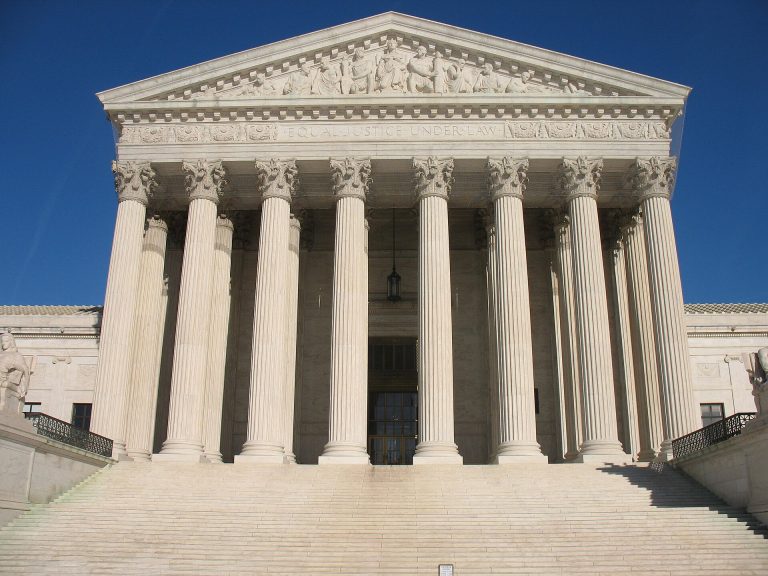
In early December, the Supreme Court rejected Trump’s bid to send the National Guard to cities whenever he chose. He had asked for permission to deploy troops in Chicago after agents faced threats during immigration operations. However, the conservative majority did not accept this view. The court said no law lets the president use the military to enforce domestic rules in Illinois. This ruling upheld the Posse Comitatus Act, which bars U.S. troops from acting as police at home.

In his appeal, Trump argued that violence against officers justified military aid. Nevertheless, the court found no legal source to allow troops to enforce immigration laws. Justice opinions noted that Congress must grant clear permission before the executive can deploy soldiers on U.S. soil. As a result, this legal setback sets a clear boundary on presidential reach. It also marks a rare time when the current court limited Trump’s power, despite its conservative tilt.

Security Clearance Ruling Adds to Trump’s Troubles

Shortly after the Supreme Court decision, a federal judge in Washington issued a preliminary injunction on another front. U.S. District Judge Amir H. Ali stopped the administration from denying security access to attorney Mark Zaid. Zaid is known for defending whistleblowers across party lines for over thirty years. The government had aimed to strip his clearance, but the court found that move unlawful without proper review.

Judge Ali gave the administration until mid-January to file an appeal, and Trump’s team is expected to challenge the order. Yet, the ruling offers hope that judicial checks remain intact. As a result, experts say these legal setbacks could deter the executive branch from unchecked actions. The decision also sends a message that critics cannot be silenced through clearance revocations.

Implications for 2026

Both of these rulings could influence the 2026 campaign landscape. First, the blocked National Guard move underlines that Trump cannot easily expand executive power. Second, the security clearance case shows that courts will defend individual rights against political retaliation. Therefore, opponents may feel emboldened to challenge future policies in court. Meanwhile, Trump’s team will likely frame both losses as another example of a biased system working against him.

Moreover, voters who value strong checks and balances might see these outcomes as a win for democracy. Nevertheless, Trump’s base may view them as proof of a judiciary stacked against conservative goals. In either scenario, these legal setbacks ensure that court battles will continue to grab headlines. As Trump gears up for the next cycle, he will need to navigate a legal environment that sometimes limits presidential freedom.

Next Steps and What to Watch

Trump is expected to appeal both decisions quickly. Legal experts will track filings in the Supreme Court and the district court in Washington. Observers will also watch for other cases that test the limits of executive authority. In addition, Congress may consider clarifying rules around domestic troop deployment and security clearance processes. Therefore, these legal setbacks could spark new debates in Washington.

For now, Trump’s team must weigh the benefits of aggressive appeals against the risk of further losses. Meanwhile, opposition groups will likely file more suits on policy issues. Consequently, courtrooms may become key battlegrounds ahead of 2026. Ultimately, these developments remind everyone that the judiciary remains a vital check on presidential power.

FAQs

What was Trump’s plan for using the National Guard?

He wanted to deploy troops in cities like Chicago to help immigration agents. The Supreme Court said no law lets him do this domestically.

Why did the court block revoking Mark Zaid’s clearance?

A judge found the administration lacked proper legal authority to strip his security access without fair process.

How do these rulings affect Trump’s 2026 campaign?

They limit his ability to expand executive power and signal that courts will guard against political moves.

Could Congress change the Posse Comitatus Act after these setbacks?

Yes, lawmakers might revise rules on domestic troop use or security clearances to clarify presidential power.

Peggy Flanagan Hijab Visit Sparks Far-Right Outcry

0

Key takeaways:

  • Minnesota Lt. Gov. Peggy Flanagan wore a hijab to show unity with the Somali community.
  • She greeted locals at Karmel Somali Market with “Salam alaikum” and spoke some Arabic.
  • Far-right activists attacked her gesture online, calling it un-American.
  • The move underscores deep political divides ahead of the Minnesota Senate race.

Peggy Flanagan hijab tour shows solidarity

Minnesota’s Lieutenant Governor wore a hijab when she visited a Somali market in Minneapolis. She stood beside Somali leaders and spoke partly in Arabic. Flanagan opened with “Salam alaikum” and thanked the community for its friendship. She reminded everyone that the Somali community is part of Minnesota’s fabric. Then she urged people to support Somali businesses and immigrant neighbors.

She is Catholic and Native American by background. Yet she chose to don a hijab to honor Muslim traditions. Moreover, she spoke Arabic phrases to connect with Somali residents. In televised footage, she appeared grateful and respectful. She said, “Growing up here, the Somali community has always been part of my Minnesota.”

Far-right backlash to Peggy Flanagan hijab solidarity

However, far-right figures erupted in anger. Former congressional candidate Laura Loomer wrote that any politician who embraces Islam must be removed from office. Then ex-Trump strategist Steve Bannon called the event an exhibition of “Christians / Catholics bending the knee” to appease an “entitled Somalian thug ethos.”

Meanwhile, former President Trump has also targeted Somali-American communities in recent weeks. He has repeatedly called for the deportation of Rep. Ilhan Omar. Omar came from Somalia as a refugee and now represents Minnesota in Congress. Trump cited a small fraud case by a few Somali individuals to attack the whole community. In response, Omar said his comments are “completely disgusting” and “dehumanizing.”

Political stakes in Minnesota’s Senate race

This hijab moment comes as Minnesota prepares for an open Senate seat. Flanagan is one of the top Democratic contenders. The other front-runner is Rep. Angie Craig. Both face a crowded primary in August. The winner will take on a Republican challenger in November.

By visiting the Somali community, Flanagan hopes to strengthen her support among Muslim and immigrant voters. She also wants to show respect for cultural and religious diversity. However, her move might give opponents a chance to paint her as out of touch with some voters. Thus, her hijab visit could play a key role in shaping the campaign narrative.

Somali community welcomes the gesture

Local Somali leaders praised Flanagan’s visit and the choice to wear a hijab. They called it a genuine sign of respect. One community elder said he felt seen and heard by her action. Another leader noted that few public officials make such personal gestures.

Shoppers at Karmel Market cheered as Flanagan arrived. Some held up their phones to capture the moment. Somali-language TV stations aired segments of her visit, highlighting the rare show of solidarity. Overall, the event boosted morale and pride among many Somali residents.

What this means for future campaigns

Moving forward, political campaigns may adopt similar acts of solidarity to win over diverse communities. However, they risk provoking backlash from other voter groups. In today’s polarized climate, even small gestures can spark major debates.

Wearing a religious symbol can create strong reactions. Some see it as genuine respect. Others view it as a political stunt. Therefore, campaign teams must carefully weigh both sides before planning such moves.

In Peggy Flanagan’s case, her hijab visit highlighted two powerful realities. First, her strong bond with Minnesota’s Somali community. Second, the fierce criticism she faces from far-right activists. As the Senate race heats up, moments like these will shape voter opinions and media coverage.

Beyond Minnesota, this incident feeds into a national debate on religious freedom, identity, and political theater. It shows how simple acts can carry heavy political weight. Above all, it proves how divided the country remains on issues of culture and faith.

Frequently asked questions

Why did Peggy Flanagan wear a hijab during her visit?

She wore the hijab to honor and show unity with Minnesota’s Somali Muslim community. Her goal was to celebrate cultural traditions and boost community ties.

How did far-right activists respond?

Some far-right figures attacked her gesture. They claimed she overstepped by showing public support for Islam and suggested she should be removed from office.

What was the Somali community’s reaction?

Local Somali leaders and residents praised her choice. They viewed the hijab as a sincere gesture of respect and solidarity. Many cheered her arrival and thanked her for the visit.

Could this hijab visit influence the Senate race?

Yes, it could affect voter enthusiasm. It may boost support among immigrant and Muslim voters but also risk alienating other groups. The true impact will appear on primary and general election day.

Stephen Miller’s Strange Christmas Deportation Rant

0

Key takeaways:

  • Stephen Miller linked a classic Christmas special to his deportation agenda.
  • Critics highlighted the irony of attacking immigrant icons.
  • The episode sparked a broader debate over immigration and online conduct.

Stephen Miller’s holiday post set off a firestorm. He described watching the Dean Martin and Frank Sinatra Family Christmas special with his kids. Then he wrote that America did not need “infinity migrants from the third world.” As a result, his comment turned a cozy family moment into a heated political debate.

Stephen Miller and the Christmas Special

First, Stephen Miller mentioned tuning in to the old holiday show. He said the program made him think about removing immigrants. However, the stars he praised had immigrant roots. Frank Sinatra’s father came from Italy, and Dean Martin learned English only at school. Thus, critics saw a glaring contradiction in Miller’s view.

Moreover, Stephen Miller posted his thoughts the day after Christmas. He argued that despite the festive mood, America should cut migrant numbers. His timing surprised many, since the special celebrates family and joy. Therefore, his comment felt jarring against the season’s spirit.

The Online Backlash

Almost instantly, people slammed his post. Amanda Moore wrote that Miller “couldn’t even spend quality time with his kids.” Joe Calvello reminded her that Sinatra embraced his Italian heritage. Mike Young added that Dean Martin made Italian culture part of America’s story. On the other hand, fans felt Miller simply ignored history.

Additionally, Zaid Jilani said Miller needed help if he watched Christmas movies and only saw hate. Iowa Jones joked that Miller ended his post with “Merry Christmas to all, and to all a White Ethnostate.” As a result, many saw the post as hate speech rather than holiday cheer.

Voices of Defiance

Furthermore, defenders of immigrants used the moment to share family tales. They spoke of grandparents building towns and bringing new skills. They argued America owes much to those same third-world migrants. Therefore, they felt Miller’s view erased many people’s real stories.

At the same time, some online users urged Stephen Miller to seek mental health support. They said he should focus on family, not divisive politics. Critics claimed his post clashed with the movie’s message of unity and hope. Thus, they called his rant a misguided attack on holiday goodwill.

What This Means for the Debate

In the end, Stephen Miller’s Christmas movie post became more than a rant. It highlighted a stark split in the immigration debate. On one side, strict enforcement advocates push for lower migrant numbers. On the other, many Americans defend immigrant rights and celebrate diversity. This clash often plays out on social media, especially around the holidays.

Moreover, Miller’s post shows how personal moments can become political flashpoints. It also reveals how public figures can shape debate, even during family time. Consequently, leaders might think twice before mixing policy talk with holiday fun.

Additionally, this event raises questions about tone and timing. Critics asked if harsh policy views belong in a family setting. They urged unity over division, noting Christmas specials aim to bring people together. Instead of focusing on separation, these shows promote shared experiences.

Stephen Miller faced praise from some hardliners, but many moderates cried foul. They felt he had gone too far during a season of peace. As a result, the post may serve as a lesson in weighing context before speaking out.

Looking Ahead

Moving forward, this episode could change how political figures post online. It might push them to consider audience mood and historical facts more carefully. For example, checking stars’ backgrounds could prevent embarrassing errors.

Therefore, Stephen Miller’s rant could teach better online habits. It shows how quickly backlash can grow. In turn, this may remind public figures to pause before hitting post. On balance, the power of social media can hold leaders accountable and promote civility.

Conclusion

Stephen Miller’s Christmas movie remark became a flashpoint in the immigration debate. He tied a festive show to deportation, overlooking the stars’ immigrant roots. Thus, critics pointed out a stark irony and launched a broader discussion. Ultimately, the episode reminds us that words matter—even during holiday celebrations.

FAQs

Why did Stephen Miller connect a Christmas special to deportation?

He argued America did not need more migrants and used the movie as a prompt for his policy views. Many saw this as a jarring mix of family fun and harsh politics.

How did people react?

Critics highlighted the irony of attacking immigrants while praising children of immigrants. Others urged Miller to focus on empathy and family time.

What does this incident reveal about the immigration debate?

It shows a sharp divide between strict enforcement supporters and those who celebrate diversity. Social media often magnifies these clashes, especially around holidays.

What lesson should public figures learn?

They need to consider timing, tone, and audience. Pausing to check facts and context can prevent social media backlash.

The Pirate President: Trump’s Secret Conquest


Key Takeaways:

  • Trump calls himself the Peace President but plans land grabs.
  • Will Saletan dubs him a Pirate President, not a peacemaker.
  • He floats taking Greenland and seizing Venezuelan oil.
  • He uses heavy tariffs, sells visas, and backs election meddling.
  • Many voters wanted peace, not a Pirate President.

The Pirate President Unmasked

Donald Trump calls himself the Peace President. Yet he pitched plans to take foreign land. He floated buying Greenland this week. He also talked about seizing Venezuela’s oil fields. Journalist Will Saletan called Trump the Pirate President. He argued Trump wants conquest over peace.

Why the Pirate President Claims Peace

Trump claims his actions secure U.S. safety and profits. He says allies drain American money. So he slaps them with high tariffs. He demands they pay for market access. That stance sounds tough, not peaceful. Moreover, he bars immigrants from low-income countries. Then he sells visas to the wealthiest buyers. All this treats diplomacy like a business deal.

A Pirate President at the Helm

Will Saletan wrote that Trump acts like a pirate. Pirates seize land and treasure by force. They apply the idea of might makes right. They value profit over people’s welfare. In Trump’s view, every deal has a price. No land or resource is off limits.

Tariffs as Treasure

First, Trump hit our allies with steep tariffs. He said they owed the U.S. a trade toll. Then he boasted about using tariffs as leverage. For example, he bragged a new tariff deal filled U.S. coffers. Yet critics warn that tariffs hurt consumers. They raise costs on everyday goods like cars and food.

Election Deals for Dollars

Then Trump meddled in Argentina’s election. He backed a candidate who promised business ties with the U.S. He later boasted the win boosted American profits. That approach mixes politics with profit motives. It treats foreign elections like Wall Street bets.

Selling Visas Like Booty

Next, Trump banned immigrants from certain poor nations. He claimed it would protect national security. At the same time, he sold visas to millionaires. Wealthy individuals could buy a ticket to live and work. This policy turns human lives into tradable assets.

Redeveloping War Zones

Trump has praised the idea of war spoils. He said the U.S. won wars but left wealth behind. Under his plan, Gaza would become a luxury resort. He called it the Riviera of the Middle East. Yet locals ask how they will return home. They worry rebuilding plans ignore their safety and rights.

The Rare Earth Deal

Trump also touted a rare earth minerals deal with Ukraine. Rare earth metals power high-tech devices and weapons. He said the U.S. would profit from those resources. Critics argue he traded U.S. support for private gain. They claim it undermines foreign policy ethics.

Historical Parallels

Like Vladimir Putin, Trump uses made-up grievances to justify aggression. He accused Canada and Venezuela of stealing U.S. assets. Those claims date back decades in oil disputes. Trump revived old lawsuits to rationalize tariffs. He even suggested seizing Venezuelan territory. That idea harks back to colonial-era land grabs.

Voters Wanted Peace, Not Plunder

Many of Trump’s supporters backed him for his talk of nonintervention. They saw “America First” as a pledge to avoid costly wars. They hoped he would cut military aid and bring troops home. Instead, they got talk of land annexation abroad. They felt blindsided by the Pirate President’s agenda.

The Global Ripple Effects

Furthermore, other countries are taking notes. They might impose their own tariffs. They could seek alliances to counter U.S. pressure. China and Russia could benefit from weakened U.S. deals. Global trade might shift in unexpected ways. Consumers around the world could face higher prices.

Economic Risks at Home

In the U.S., higher tariffs may hit middle-class families. Prices for cars, electronics, and groceries could rise. Farmers face lost markets abroad. They suffer when our export partners retaliate. Jobs and incomes hang in the balance.

Strategic Risks Abroad

Alliances keep us safe through shared defense pacts and intelligence ties. If allies distrust U.S. motives, they may weaken collaborations. They could scale back military cooperation. They could turn to other global powers.

What Comes Next for America?

What will happen if Trump pushes forward? Will he stage a Greenland annexation effort? Could he send troops to seize Venezuelan oil fields? How would Congress and the courts respond? How would the public react to such bold moves?

Moreover, will voters forgive political deals that mix profit with policy? Will they trust a leader who uses foreign lands as bargaining chips? Or will they demand a return to a more traditional diplomacy?

Lessons for Future Leaders

This episode shows the power of clear foreign policy goals. Leaders must balance national security with ethical conduct. They must guard against viewing the world as a market. They need to build alliances, not weaken them for profit.

In the end, many Americans crave a true peace plan. They want stability, safety, and fair trade. They do not want to become bystanders to land grabs. They do not want another Pirate President.

Frequently Asked Questions

What does the term Pirate President mean?

Drawing from history, a Pirate President treats foreign lands like loot to claim by force or coercion. It suggests that the leader values power and profit over cooperation and peace.

Why did Trump talk about buying Greenland?

Greenland holds rich natural resources and a strategic location. Trump said the U.S. would miss a chance if it did not pursue the deal. Critics called it an unrealistic land grab.

How would tariffs hurt American consumers?

When the U.S. raises tariffs, other countries often retaliate. That can drive up prices on cars, electronics, and farm products. Families might spend more on everyday goods.

Can the president seize foreign territory?

Under U.S. law, the president needs Congress’s approval to change territorial boundaries. International law also requires diplomatic negotiations. Land seizure by force could violate several treaties.

Kennedy Center Blasts Jazz Star Over Show Cancellation

0

Key Takeaways

  • The Kennedy Center president demands $1 million after jazz star Chuck Redd cancels a holiday show.
  • Redd walked out when he saw the venue renamed “Trump-Kennedy Center.”
  • Critics say the renaming breaks a law that protects the Kennedy Center as a John F. Kennedy memorial.
  • Legal challenges and political fights are under way to restore the original name.

Kennedy Center President Criticizes Jazz Drummer’s Cancellation

Richard Grenell, who leads the Kennedy Center board, sharply criticized jazz musician Chuck Redd. Redd canceled his annual Christmas Eve “Jazz Jams” concert after seeing the venue’s new name. The Kennedy Center renamed itself the “Trump-Kennedy Center” to honor President Trump’s work on its funding. In turn, Redd pulled out of the show he had led since 2006.

Why Did Chuck Redd Cancel?

Chuck Redd is a respected drummer and vibraphonist. His “Jazz Jams” holiday event has become a tradition. However, on the day of the concert, he noticed the Kennedy Center website and building now boasted a MAGA-style sign. He said the change bothered him. He felt the venue no longer matched the spirit of his show. So, at the last moment, he canceled.

Redd told reporters he made his choice quietly. He did not want to turn the show into a political battle. Instead, he wanted to stand by his values. Many fans and fellow musicians praised his decision. They saw it as a stand for art free of politics.

Kennedy Center Renaming Sparks Controversy

The board’s vote to rename the Kennedy Center has caused an outcry. Historians say federal law bans any honor other than John F. Kennedy. The law calls the venue a living memorial to Kennedy. Changing the name could break that rule.

In addition to Redd’s protest, other artists may follow. Some worry sponsors and donors will pull back. The center relies on funding from gifts, grants, and ticket sales. A last-minute show cancellation can hurt its budget. Richard Grenell claims Redd’s move will cost the nonprofit arts group dearly.

What Grenell Says

In a letter made public, Richard Grenell accused Chuck Redd of “classic intolerance.” He said Redd’s action was a “political stunt.” Grenell warned that this stunt could damage the Kennedy Center’s finances. He announced plans to seek $1 million in damages for the sudden cancellation.

Grenell praised President Trump’s efforts to secure more federal funding. He argued the renaming honors Trump’s work to protect the building and its mission. He wrote that Redd’s walk-out showed disrespect for the community and for artists who rely on the venue.

Response from the Jazz Community

Many musicians have weighed in on the debate. Some applaud Chuck Redd for speaking out. They say artists should not have to perform under a politically charged banner. Others worry this fight will overshadow the music. They fear fans will see art as a tool for politics rather than a source of joy.

Local jazz clubs have offered to host Redd’s holiday performance if the Kennedy Center remains renamed. They view his show as a holiday staple. Meanwhile, some artists tied to conservative groups have stood by Grenell and the renaming. They believe art spaces can honor current leaders without harm.

Legal and Political Fallout

Beyond the music world, lawyers and lawmakers are taking action. Kennedy’s niece, Kerry Kennedy, promised to restore the original name once President Trump leaves office. She calls the renaming unlawful and plans legal moves to reverse it.

On the political side, Representative Joyce Beatty filed a lawsuit. She argues the board’s action breaches federal law. Her case seeks an immediate return to the Kennedy Center name. Lawmakers on both sides debate whether politics should touch national memorials.

What Happens Next

The battle over the Kennedy Center name is far from over. Courts may have to decide if the board broke federal rules. Meanwhile, the board faces pressure from artists, donors, and politicians. Public opinion polls show many Americans want the name to stay true to Kennedy’s legacy. Others think honoring a sitting president in this way is fine.

The music world will watch closely. If more artists cancel shows, the center could lose big revenue. On the other hand, if the center sticks to its decision, it may win support from certain donors. Either way, the fight highlights how art and politics can collide in a national landmark.

Frequently Asked Questions

Why did Chuck Redd cancel his concert at the Kennedy Center?

Chuck Redd canceled when he saw the venue’s new “Trump-Kennedy Center” name. He felt the change clashed with the spirit of his long-running holiday jazz show.

What law protects the Kennedy Center’s original name?

Federal law designates the Kennedy Center as a living memorial to President John F. Kennedy. It bars honoring any other person by naming the center after them.

Who is Richard Grenell and why is he suing?

Richard Grenell is the president of the Kennedy Center board and a Trump ally. He claims Chuck Redd’s last-minute cancellation will cost the center $1 million and he seeks damages.

Will the Kennedy Center name change be reversed?

Legal challenges and political pressure are mounting. Kennedy’s niece and a member of Congress have filed actions to restore the original name. The courts will decide if the renaming violates federal law.

Trump Pardons Raise Alarming Risks

0

Key Takeaways

• Former DOJ pardon attorney Liz Oyer warns that Trump pardons have led to dangerous repeat crimes.
• Many Jan. 6 defendants pardoned on Inauguration Day reoffended, including in violent schemes.
• Trump issued roughly 1,500 pardons without vetting by the Justice Department.
• Ignoring a merit-based review of clemency applicants undermines public safety and trust.
• Congressional Republicans have yet to challenge the fallout from these Pardons.

Trump pardons cause safety concerns

Former Justice Department pardon attorney Liz Oyer warns that President Trump’s recent use of his clemency power has already backfired. She says that many January 6 defendants pardoned on his first day back in office have reoffended. Some face serious new charges, such as plotting to harm public officials or engaging in sexual crimes. These cases show that bypassing a careful review can have dangerous results.

How Trump pardons bypassed safeguards

In her New York Times guest essay, Oyer explains that the morning after his inauguration, Trump granted about 1,500 pardons tied to the Capitol riot. Even so, he never asked her office to vet them. Over the next three days, he added 27 more. Prior presidents always consulted the Justice Department’s pardon attorney, who assesses character, remorse and public safety risks. Trump did not.

Why careful clemency matters

A merit-based review helps spot risks before release. First, it includes background checks and interviews. Next, it weighs the severity of the crime and the person’s behavior in prison. Finally, the pardon attorney briefs the president in writing. By contrast, Trump’s rush cut out all these steps. Consequently, he pardoned people who then returned to crime.

Alarming cases of recidivism

For example, one pardoned defendant faces new sex‐exploitation charges. Another is accused of plotting to kill federal employees. Others threatened judges and public officials. Oyer notes that some recipients from Trump’s first term have already gone back to prison after new convictions. These stories highlight the real danger in ignoring a structured review process.

Comparing past practices

Former presidents, including Biden, Clinton and George H.W. Bush, followed strict guidelines. They relied on their pardon attorneys to vet each case. For instance, President Biden only pardoned a few people late in his term and discussed them with the Justice Department. Trump’s mass pardons, by contrast, lacked any formal advice or written recommendations.

Political reactions and concerns

Oyer criticizes congressional Republicans for downplaying these problems. Instead of confronting the fallout, they focused on investigating Joe Biden’s earlier pardons. She argues that ignoring the risks of Trump pardons erodes trust in the justice system. Furthermore, she warns that this approach sets a dangerous precedent for future presidents.

Broader impact on the justice system

When clemency becomes purely political, public safety suffers. Citizens may lose faith in fair treatment under the law. Moreover, victims of the original crimes feel overlooked. They see dangerous offenders walk free without real accountability. Finally, prison rehabilitation programs lose their purpose if pardons override their work.

Oyer’s balanced view on pardons
While she criticizes Trump’s reckless use of pardons, Oyer also says that some of Biden’s late-term pardons raised questions. She mentions the president pardoning family members and other associates. Yet she maintains that Trump’s actions, both in number and nature, pose a far greater threat to evenhanded justice.

Calls for reform

To restore trust, many experts suggest reforms:
• Reinstate a mandatory review by the pardon attorney’s office before any large-scale pardons.
• Require detailed written recommendations explaining each pardon decision.
• Create bipartisan oversight or public reporting on clemency actions.
• Limit the number of pardons a president can issue in a single day.
Such measures could help prevent future abuses and ensure public safety remains a top priority.

Looking ahead

As Trump’s second term continues, the nation will likely see more clemency announcements. Each new pardon without merit could spark fresh controversy. Meanwhile, injured communities and law-enforcement groups will monitor recidivism closely. Ultimately, whether Congress or the courts step in may shape the future of presidential clemency.

Frequently Asked Questions

What is the main danger of mass pardons without review?

Mass pardons skip critical safety checks. They let potentially dangerous people avoid prison time and then reoffend, risking public safety.

How did past presidents handle pardons differently?

Previous presidents relied on the Justice Department’s pardon attorney for background checks and written advice. They issued pardons more selectively and after careful review.

Why are congressional Republicans criticized over these pardons?

They have focused on Trump’s predecessor’s clemency actions instead of addressing the risks from Trump pardons, which Oyer says erodes justice.

Could reforms prevent future clemency abuse?

Yes. Mandatory reviews, detailed reports, oversight panels and limits on daily pardons could ensure a fair, merit-based process and protect public safety.

Republicans Cheat Claim Sparks CNN Debate

0

Key Takeaways

• Podcast host Tezlyn Figaro and commentator Scott Jennings clashed on CNN over redistricting.
• Figaro accused Republicans of cheating when they can’t win.
• Jennings pushed back, saying legal processes back their maps.
• The argument resumed after a break during a segment on Trump renaming the Kennedy Center.
• The heated debate highlights deep distrust between political sides.

Why Republicans Cheat Charge Divides Hosts

A fiery discussion erupted on CNN when Tezlyn Figaro said Republicans cheat if they can’t win. Scott Jennings, a conservative commentator, immediately objected. Their disagreement came up as they talked about a wave of retirements in Congress. From there, tensions climbed quickly.

The Tense Exchange

First, Figaro said flatly, “If Republicans can’t win, they cheat.” She repeated that claim several times. Meanwhile, Jennings, whose voice sounded hoarse, tried to interrupt. “How?” he asked. He insisted the GOP followed lawful steps. Consequently, he rejected the label of cheating.

Jennings pushed, “What is cheating about it?” He argued redistricting fights go through the courts all the time. Then he pointed out Democrats sue as often as Republicans do. In response, Figaro noted that many GOP-friendly judges decide those cases. Moreover, she said the long legal battles serve to outlast opponents. She insisted that tactic also counts as cheating.

Lines Drawn Over Redistricting

As the debate heated, Jennings accused Figaro of painting the system as corrupt. Figaro responded, “No, I said if Republicans can’t win, they cheat.” She clarified she targeted only one party. However, Jennings objected again, “You talk in circles. Are you dizzy?” Figaro shot back, “I’m not dizzy. We can keep going.” Their voices overlapped as the host tried to restore order.

Further, Figaro reminded him she is an independent political consultant. She stressed she flew in just for this segment. Jennings sighed, “I’m worn out already.” Their tension showcased how sharply Americans view redistricting.

Post-Break Fight on Trump Renaming the Kennedy Center

After a short break, the pair returned to discuss President Trump’s choice to rename the Kennedy Center. Right away, Figaro noted the move stoked more controversy. Jennings laughed and said, “You’re still in the circle, you’re still on the track, keep going!” Figaro shot back, “And I’m going to keep going…keep following me.” She added she was sitting next to him on purpose.

Again, Figaro suggested Republicans cheat when they face hard choices. Jennings frowned, “I’m not sure that holds here.” He argued naming rights come from presidential power. Nonetheless, Figaro insisted that Republicans use every advantage, legal or not, to win. In this way, she circles back to her core claim: if Republicans can’t win fair and square, they cheat.

What This Means Going Forward

This CNN segment shows how heated political talk has become. Reporters and analysts no longer just discuss policies. Instead, they often accuse each other of bad faith. Therefore, viewers see more shouting than detailed debates. As a result, it can feel like every discussion ends in a fight over trust.

Meanwhile, redistricting remains a hot topic. States redraw district maps after each census. Politicians pick lines that favor their own party. Consequently, the term “gerrymandering” gets thrown around a lot. Figaro’s choice to say “Republicans cheat” highlights how some see legal tactics as unfair. Jennings’ pushback shows how others view the same tactics as legitimate law.

In the end, both hosts claim they want fair elections. Yet they disagree over whether existing rules allow honest maps. Going forward, this debate will likely continue on cable news and social media. Moreover, as more retirements happen, both sides will point fingers when their party loses ground.

Key Points to Remember

• Accusations of “Republicans cheat” reflect deep political distrust.
• Legal fights over redistricting often end in courts.
• Both parties use the law to gain map advantages.
• Heated exchanges on TV mirror public frustration.
• The battle over fair maps will stay in the spotlight.

Frequently Asked Questions

How did the CNN debate start?

The debate began with Tezlyn Figaro saying, “If Republicans can’t win, they cheat,” during a discussion on retirements in Congress. Scott Jennings reacted quickly to defend legal redistricting processes.

Why does redistricting cause so much tension?

Redistricting redraws voting maps every ten years. Lawmakers often draw lines to favor their own party. This practice, known as gerrymandering, leads to legal battles and heated accusations.

Is redistricting illegal?

Redistricting itself is legal and required by law. However, drawing maps that dilute voter power can violate rules. Courts often settle disputes over unfair maps.

What impact do these TV clashes have on viewers?

Such clashes can inflame partisanship and erode trust in the political process. On the other hand, they keep viewers engaged with live drama and strong opinions.

GOP Steps Up Pressure on Trump Over Putin Stance

Key Takeaways

• Three Republican senators joined Democrats in a tough statement against Putin
• The rare move shows growing pressure on Trump ahead of his Ukraine meeting
• Senators called Putin a “ruthless murderer” and demanded stronger support for Ukraine
• Most Republicans on the Foreign Relations Committee did not join the statement
• Trump says he will decide on Ukraine aid and plans to talk to Putin soon

Pressure on Trump Rises Before Zelenskyy Meeting

President Trump faces rare pressure from his own party as he prepares to meet Ukraine’s leader. On Sunday, he will host President Volodymyr Zelenskyy at the White House. However, several Republican senators urged a tougher line on Russian President Vladimir Putin. Their call highlights a split within the party over how to handle the war in Ukraine.

What Drives Pressure on Trump From GOP Senators

Three Republican senators—John Barrasso, Jerry Moran, and Thom Tillis—joined five Democrats and one independent on Friday to issue a strongly worded statement. They described Putin as a “ruthless murderer” who “has no interest in peace” and “cannot be trusted.” Moreover, they condemned Russian missile and drone attacks on Ukraine that continued even on Christmas Day.

In their statement, they stressed that Ukraine’s leader agreed to a Christmas truce, but Putin refused. Yet he ordered his soldiers to keep attacking during one of Christianity’s holiest days. This rare show of unity aimed to send a clear message. It showed mounting pressure on Trump to back Ukraine more firmly.

The statement was led by Senator Jeanne Shaheen, the top Democrat on the Senate Foreign Relations Committee. She was joined by Senators Angus King, Jacky Rosen, Chris Coons, Jeff Merkley, and Chris Van Hollen. Notably, most Republican members of the committee, including its chairman Jim Risch, did not sign on. Risch is known as a close Trump ally.

Trump’s Stance on Putin

President Trump often praises his personal relationship with Putin. He has said he “gets along well” with the Russian leader. At the same time, he has urged Putin to end the invasion of Ukraine. Yet his tone has generally been milder than the language used by these senators.

In an interview with Politico on Friday, Trump stressed his control over Ukraine aid. He said, “He doesn’t have anything until I approve it. So we’ll see what he’s got.” He also said he plans to speak with Putin “soon, as much as I want.” His remarks showed he still values his ties with Putin even as senators escalate their calls for a harder line.

Why This Pressure Matters

First, it underlines a rare moment of GOP unity with Democrats on foreign policy. Over the past years, many Republicans have been skeptical of Putin. They have often clashed with Trump over his friendly tone toward Russia. Therefore, this statement signals that some in his party expect him to take a firmer stand now.

Second, the move comes just before a key diplomatic meeting. Trump will look for Ukrainian requests and decide on further support. At the same time, he will press Zelenskyy for details on Ukraine’s plans. Senators hope he will also show stronger resolve against Putin.

Third, the ongoing attacks on Ukrainian civilians have drawn global outrage. By naming Putin a “murderer,” the senators put moral weight behind their demand. They want Trump to break from past caution and publicly condemn Russia in stronger terms.

Impact of Pressure on Trump

This step could shape how Trump approaches his meeting with Zelenskyy. If he responds to GOP pressure, he may announce more aid for Ukraine. He might also issue a tougher public warning to Putin. However, if he resists, the split within his party could deepen.

Moreover, Trump’s decision will signal to allies in Europe and NATO how seriously the US takes Russian aggression. A softer US stance might embolden Putin. Conversely, a firmer line could strengthen deterrence and boost Ukraine’s morale.

Looking Ahead to the Meeting

On Sunday, Trump and Zelenskyy will discuss Ukraine’s needs and US support. They will likely talk about military aid, economic help, and rebuilding after the war. They may also explore diplomatic plans for a lasting ceasefire.

Senators will watch closely. Their rare show of unity has already raised expectations. Both Republican and Democratic voters will judge Trump by his public statements. As a result, the meeting could become a key moment in US foreign policy.

What Comes Next

After the meeting, Trump may announce additional aid for Ukraine. He could also share plans for future talks with Putin. Meanwhile, GOP senators might press him further on sanctions or military support. If Trump meets their demands, it could signal a shift in US policy toward Russia.

However, if Trump remains conciliatory toward Putin, the GOP divide may widen. Some senators could push for legislation to restrict his ability to ease sanctions on Russia. Others may call for more direct funding for Ukraine.

Transitioning from Talks to Action

In the days after the meeting, Congress will debate Ukraine funding. The Senate may consider bills to approve or expand aid. House members will push their own proposals. As this debate unfolds, the pressure on Trump will continue.

Ultimately, how Trump handles this moment could define his foreign policy legacy. Will he yield to GOP pressure and take a hard line on Putin? Or will he keep his friendly approach to maintain personal ties with the Russian leader? The answer will shape global politics for years to come.

Frequently Asked Questions

What exactly did the Republican senators demand from the president?

They called for a stronger US stance against Putin. They labeled him a “ruthless murderer” and urged tougher support for Ukraine.

Why is this pressure on Trump considered rare?

It’s unusual for members of his own party to publicly break ranks and criticize his foreign policy. This shows deep concern over Russia’s actions.

How might Trump respond to this pressure?

He could announce more military or economic aid for Ukraine. He might also issue public warnings to Putin during his talks.

What could happen if Trump ignores the senators’ demands?

The partisan split could grow. Congress might pass laws to limit his power over sanctions or aid. It could also affect US credibility with allies.

New Epstein Files: Trump Calls It a Hoax

Key Takeaways:

  • Trump says the newly released Epstein files are a Democrat-made hoax.
  • Former prosecutor Glenn Kirschner notes the FBI already searched thoroughly.
  • In July, the FBI found over 300 gigabytes of data and evidence.
  • Critics demand a cleanup, reform, and full accountability mission.

President Trump attacked the release of the Epstein files on Friday. He claimed a million new documents “suddenly appeared.” He insists Democrats manufactured the whole story. Yet former federal prosecutor Glenn Kirschner says Trump’s own FBI director already disproved this claim.

Epstein files were central to a major scandal this year. Victims and advocates demanded more transparency. Trump’s Department of Justice now says new files just showed up. However, Kirschner points out that top DOJ officials already said they had done a full search months ago. This conflict raises questions about what really happened.

How the Epstein Files Search Worked

As part of its promise to be open, the DOJ and the FBI did a deep review. They combed through digital and physical spaces. They searched hard drives, network drives, desks, closets, and lockers. They even looked in squad rooms and broom closets. That search turned up more than 300 gigabytes of data and physical evidence.

Kash Patel wrote a memo about that review in July. He called it exhaustive. He said no one could have missed any material. He added that the review found no hidden “client list.” That list had fueled fresh controversy earlier this year. He concluded that no further documents existed and no new suspects emerged.

Trump’s Claims vs. FBI Reality

Meanwhile, President Trump’s team now says a million new documents surfaced. They argue these files were missing from the July review. They also claim Democrats want to use the files to hurt Trump’s image. They call the whole process a hoax.

In contrast, FBI Director Christopher Wray confirmed the prior review. He said the FBI had already done everything a careful investigation requires. He noted the agency’s search methods left no room for hidden records. Therefore, he could not support the idea that files had suddenly “appeared” out of thin air.

Kirschner’s Response to Trump

On his YouTube show, Justice Matters, Kirschner broke down the conflict. He asked: how can a new trove of files exist if Patel turned over every rock? He noted Patel looked in every desk drawer and file cabinet. He found massive data and evidence, he said. So where could a million new documents hide?

Kirschner called the claim “incompetent” and “clownish.” He warned that when this team falls from power, the next leaders must clean up the mess. He said Americans deserve real accountability. He added that a major reform mission will follow to restore trust.

Why the Epstein Files Matter

Epstein files contain critical details about powerful people and trafficked victims. They could reveal new leads and suspects. They may hold the names of those who aided or joined Epstein’s crimes. Therefore, advocates argue every file count matters. Any missing pages could block justice for victims.

Moreover, full transparency can rebuild faith in legal institutions. When the public sees proof of honest work, trust returns. Yet when leaders contradict each other, doubt grows. That doubt can threaten the rule of law itself. As a result, many call for strict safeguards on future document reviews.

What Comes Next in the Epstein Files Saga

First, experts predict more legal battles over the files. Courts may decide which parts stay sealed and which go public. Second, Congress could hold hearings to question DOJ leaders. Lawmakers might press Patel, Wray, and others on the record.

Third, advocacy groups will push for stronger victim protections. They demand new laws to preserve key evidence in high-profile cases. Finally, the public will watch closely as the cleanup mission unfolds. They want clear answers, not shifting claims.

Lessons for Future Investigations

Transparency must be more than a promise. Agencies need clear rules for handling evidence. They should publish search methods and results in real time. That way, no one can claim surprise later. In addition, leaders must speak with unity. Public trust crumbles when top officials contradict each other.

Moreover, whistleblower protections should expand. Honest agents should feel safe reporting gaps or misconduct. Their voices can help catch errors before they become scandals. Finally, courts could set deadlines for document reviews. This ensures timely public release and avoids last-minute surprises.

Conclusion

The fight over the Epstein files shows how politics can cloud justice. Trump’s team calls the new files a hoax. Yet Kirschner and the FBI insist no files could hide after a full search. Now, Americans face a choice. They can demand a true cleanup and real reform. Or they can let political games block transparency. The coming weeks will prove which path the country takes.

Frequently Asked Questions

Why did Trump call the Epstein files a hoax?

He claimed Democrats manufactured the story to damage his reputation and said the documents appeared without warning.

What did the FBI find in its July review?

The FBI reported it found over 300 gigabytes of digital data and physical evidence after searching files, desks, closets, and drives.

Who is Glenn Kirschner?

Glenn Kirschner is a former federal prosecutor and a vocal critic of the Trump administration’s handling of high-profile cases.

How can the public track new developments?

Citizens can follow court filings, attend congressional hearings, and read statements from advocacy groups pushing for transparency.