57.1 F
San Francisco
Friday, June 26, 2026
Home Blog Page 125

Virginia Supreme Developments Draw Fresh Attention

Quick Summary: Virginia Supreme Developments Draw Fresh Attention

  • The Virginia Supreme Court is considering whether to block a voter-approved US House map favoring Democrats.
  • This decision could impact the political landscape in Virginia by affecting district boundaries.
  • The court’s ruling will determine if the map remains or if new boundaries will be drawn.
  • Stakeholders are closely monitoring the case for its potential influence on future elections.
  • The outcome may set a precedent for similar cases in other states.

The Virginia Supreme Court is considering a high-stakes legal challenge that could determine the future of a voter-approved U.S. House district map widely seen as favoring Democrats.

At the center of the case is whether the court should block the current congressional map, which was approved by voters but is now being contested over its political impact. The outcome could significantly reshape district boundaries across the state.

If the court decides to overturn the map, Virginia may be required to redraw its congressional districts, a move that could alter electoral outcomes in upcoming elections. Such a decision would not only affect political representation within the state but could also influence party control in closely contested races.

The case has drawn national attention due to its broader implications. Redistricting battles have become increasingly prominent across the United States, and the Virginia Supreme Court’s ruling may set a precedent for how similar disputes are handled in other states.

Legal experts note that the court’s decision will hinge on constitutional interpretation and whether the current map complies with established legal standards. The ruling could clarify the limits of voter-approved maps when challenged in court.

Political observers and advocacy groups are closely watching the proceedings, recognizing that the outcome may shape redistricting strategies beyond Virginia. The case underscores ongoing tensions between voter initiatives and judicial oversight in election law.

For now, the future of the congressional map remains uncertain as the court reviews arguments and prepares its decision.


Conclusion

The Virginia Supreme Court’s decision on the contested House map could have lasting effects on the state’s political landscape and potentially influence redistricting battles across the country. As the case unfolds, its outcome is expected to play a key role in shaping how election boundaries are challenged and upheld in the future.

Read more on Digital Chew

Seafarers Stranded in Persian Gulf for Weeks Amid Growing Concerns

0

Quick Summary: Seafarers Stranded in Persian Gulf for Weeks Amid Growing Concerns

  • Seafarers have been stranded in the Persian Gulf for several weeks, raising concerns about their well-being.
  • The situation has left many crew members tired and worried, with no immediate resolution in sight.
  • Efforts to resolve the situation have been slow, causing frustration among the affected seafarers.
  • International maritime organizations are monitoring the situation closely, urging for a swift resolution.
  • The prolonged delay has highlighted the vulnerabilities faced by seafarers in international waters.

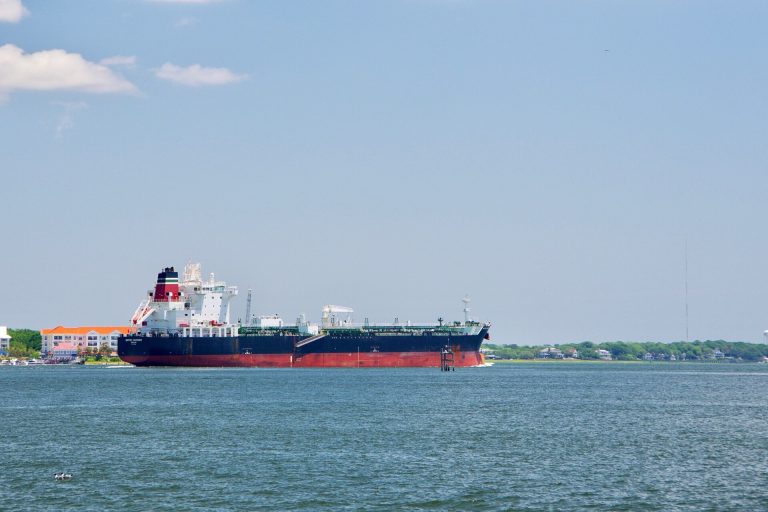
Seafarers have been stranded in the Persian Gulf for several weeks, prompting growing concern over their safety and well-being as efforts to resolve the situation remain slow.

Crew members affected by the delay are reported to be increasingly fatigued and anxious, with uncertainty surrounding when they will be able to return home. The prolonged situation has placed significant emotional and physical strain on those onboard.

Efforts to address the issue have yet to produce a clear resolution. Delays in coordination and response have added to the frustration among seafarers, many of whom have been waiting for weeks without definitive updates.

International maritime organizations have been closely monitoring the situation and are urging authorities and stakeholders to act quickly. Their calls emphasize the need to ensure the safety, welfare, and timely repatriation of the affected crew members.

The incident has also drawn attention to broader challenges within the global maritime industry. Seafarers working in international waters often face complex legal, logistical, and regulatory hurdles, particularly when unexpected disruptions occur.

Experts say the situation highlights the need for stronger international protocols to protect seafarers and prevent prolonged delays in similar circumstances. Improved coordination between governments, shipping companies, and regulatory bodies could help reduce such risks in the future.

As discussions continue, the immediate priority remains finding a solution that allows the stranded seafarers to return safely. The longer-term impact of the incident will depend on how quickly the situation is resolved and whether meaningful changes follow.


Conclusion

The situation involving seafarers stranded in the Persian Gulf underscores ongoing vulnerabilities within the maritime sector. While efforts are underway to resolve the issue, the delay has highlighted the need for faster response mechanisms and stronger protections for crews working in international waters.

Read more on Digital Chew

US permits Venezuela: US to Allow Venezuelan Government to Cover Maduro’s Lawyer Fees

0

Quick Summary: US permits Venezuela US to Allow Venezuelan Government to Cover Maduro’s Lawyer Fees

Quick Summary

  • The US has allowed Venezuela to fund Nicolás Maduro’s legal defense.
  • The decision permits use of previously frozen financial assets.
  • Maduro faces drug trafficking charges in US courts.
  • The move ends a long financial dispute between both countries.
  • It may influence future US–Venezuela diplomatic relations.

The United States has granted permission for the Venezuelan government to pay legal fees for President Nicolás Maduro, marking a significant development in an ongoing legal and diplomatic standoff between the two countries.

The decision allows Venezuela to access previously frozen funds to cover the cost of Maduro’s legal defense. US authorities had earlier restricted the use of these assets as part of broader sanctions imposed on the Venezuelan government.

Maduro is facing drug trafficking charges in US courts, allegations that have been a central point of tension in relations between Washington and Caracas. The legal case has drawn international attention, with US officials accusing the Venezuelan leader of involvement in narcotics-related activities.

By allowing the use of frozen funds for legal expenses, the US government has effectively ended a prolonged dispute over financial restrictions tied to the case. The move is being viewed as a procedural step within the legal process rather than a broader shift in sanctions policy.

Officials have not indicated any change in the underlying charges against Maduro. Instead, the authorization appears aimed at ensuring that legal proceedings move forward without delays linked to funding limitations.

The decision could have wider implications for diplomatic relations between the United States and Venezuela. While tensions remain high, the move introduces a new dimension to how both countries manage legal and financial interactions under existing sanctions frameworks.

Analysts note that allowing access to funds for legal defense does not signal a normalization of relations. Instead, it reflects the complexities of handling international legal cases involving sanctioned individuals and governments.

The case continues to be closely watched as it progresses through the US legal system. Future developments will likely depend on court proceedings, legal arguments, and responses from both governments.


Conclusion

The US decision to allow Venezuela to fund Nicolás Maduro’s legal defense marks a notable step in a complex legal and diplomatic situation. While it resolves a key financial hurdle, the broader political and legal tensions between the two countries remain unresolved.

Read more on Digital Chew

How AI and Automation Are Changing Modern Manufacturing

Quick Summary: How AI and Automation Are Changing Modern Manufacturing

  • Smart Manufacturing Trends 2026 are driven by AI, IoT, and automation advancements.
  • Industries are shifting toward data-driven production and predictive systems.
  • Experts emphasize verified developments over early-stage hype.
  • Adoption speed depends on infrastructure, investment, and workforce readiness.
  • Long-term impact will depend on scalability, efficiency gains, and real-world deployment.

Smart Manufacturing Trends 2026 are becoming a central focus as industries worldwide accelerate the integration of artificial intelligence, connected systems, and automation technologies. The shift reflects a broader transformation in how production environments operate, moving from traditional manufacturing toward intelligent, data-driven systems.

At a fundamental level, this evolution is not just about adopting new technologies. It is about understanding how these tools reshape operations, decision-making, and long-term efficiency. As developments continue to unfold, the distinction between verified progress and early speculation remains critical.


Understanding Smart Manufacturing Trends 2026

The emergence of Smart Manufacturing Trends 2026 highlights the growing importance of combining AI, IoT, and automation into a unified ecosystem. These technologies enable manufacturers to monitor processes in real time, predict failures before they occur, and optimize production with greater precision.

In practical terms, the central question is clear: what changes first, and who experiences the impact most quickly? The answer varies depending on factors such as industry type, level of technological maturity, and the speed of implementation.

Early adoption often brings immediate efficiency improvements, but long-term success depends on sustained integration and measurable outcomes. This is why industry experts stress the need to focus on confirmed advancements rather than assumptions about future capabilities.


The Role of AI in Manufacturing Transformation

Artificial intelligence plays a pivotal role in Smart Manufacturing Trends 2026. From predictive maintenance to automated quality control, AI systems are increasingly embedded within production workflows.

These systems analyze large volumes of data to identify patterns, detect anomalies, and recommend actions. This reduces downtime, improves product consistency, and enhances overall operational efficiency.

However, the effectiveness of AI depends on data quality and system integration. Without reliable data inputs, even advanced algorithms may fail to deliver meaningful results. This highlights the importance of building strong data infrastructure alongside AI adoption.


IoT and Connected Systems Driving Change

The Internet of Things is another key component shaping Smart Manufacturing Trends 2026. Connected devices enable continuous data collection from machines, sensors, and production lines.

This connectivity provides real-time visibility into operations, allowing manufacturers to respond quickly to changes and maintain consistent performance. It also supports remote monitoring, which has become increasingly important in global production environments.

The challenge lies in managing the vast amount of data generated by these systems. Effective data processing and security measures are essential to ensure that insights are both accurate and actionable.


Automation and Operational Efficiency

Automation remains a cornerstone of Smart Manufacturing Trends 2026. Advanced robotics and automated systems are being deployed to handle repetitive tasks, reduce human error, and increase production speed.

These systems not only improve efficiency but also enable manufacturers to scale operations more effectively. By automating routine processes, organizations can allocate human resources to more complex and strategic tasks.

However, automation also raises questions about workforce adaptation. Training and reskilling become critical as roles evolve alongside technological advancements.


Why Verified Developments Matter

As with any rapidly evolving trend, the importance of verified information cannot be overstated. Early reports often provide only a partial view, making it essential to focus on confirmed developments.

In the context of Smart Manufacturing Trends 2026, this means tracking real implementations, measurable outcomes, and documented case studies. These elements provide a clearer understanding of what is actually changing within the industry.

The sequence of events also plays a key role. Understanding what happened first, how stakeholders responded, and what changed afterward helps distinguish meaningful progress from routine updates.


Broader Industry Context

Context is essential when evaluating Smart Manufacturing Trends 2026. A single technological advancement may appear minor on its own but can become significant when viewed within a broader industry shift.

Factors such as global supply chain challenges, increasing demand for efficiency, and ongoing digital transformation initiatives all contribute to the growing importance of smart manufacturing.

Timing is another critical factor. Developments that align with broader economic and technological trends are more likely to gain traction and deliver lasting impact.


Evaluating Real-World Impact

Assessing the real impact of Smart Manufacturing Trends 2026 requires focusing on tangible results. Key indicators include improved productivity, reduced downtime, and enhanced product quality.

These outcomes provide a more reliable measure of success than initial excitement or market speculation. Without measurable improvements, it becomes difficult to determine whether a trend has long-term value.

Another important consideration is whether new developments change the overall direction of the industry or simply add incremental improvements. This distinction helps clarify the significance of each update.


Risks and Challenges

Despite the potential benefits, Smart Manufacturing Trends 2026 also present several challenges. These include high implementation costs, data security concerns, and the complexity of integrating new systems with existing infrastructure.

Organizations must carefully evaluate these factors before adopting new technologies. A well-planned approach can help mitigate risks and ensure a smoother transition.

Uncertainty remains a key aspect of any emerging trend. Understanding the limitations of current developments can help organizations make more informed decisions.


What Comes Next

The future of Smart Manufacturing Trends 2026 will depend on how industries respond to current developments. Key factors include investment levels, regulatory frameworks, and technological advancements.

As more companies adopt these technologies, best practices will begin to emerge. This will help standardize processes and improve overall efficiency across the industry.

Continued innovation is expected to drive further changes, but the pace of adoption will vary depending on regional and sector-specific factors.


Long-Term Outlook

The long-term outlook for Smart Manufacturing Trends 2026 is promising but uncertain. If current developments continue to evolve, they have the potential to reshape the manufacturing landscape.

Success will depend on the ability to integrate technologies effectively, maintain data integrity, and deliver measurable results. Organizations that achieve these goals are likely to gain a competitive advantage.

However, not all initiatives will succeed. The ones that do will be those that move beyond initial hype and demonstrate real-world value over time.


Conclusion

For now, Smart Manufacturing Trends 2026 are defined by verified developments, industry responses, and the pace of technological adoption. While early interest highlights strong potential, the true impact will depend on how these trends evolve in practice.

As more information becomes available, the overall picture will become clearer. Until then, the most reliable approach is to focus on confirmed facts and measurable outcomes rather than speculation.

For more updates, read the latest news on Digital Chew.

AI Cryptocurrency Millionaire: Major Reality Check

0

Quick Summary: AI-Cryptocurrency Millionaire

  • AI Cryptocurrency Millionaire is gaining rapid attention, but verified facts remain limited.
  • Experts warn that early hype may not reflect long-term value or stability.
  • Market reactions depend heavily on confirmed developments, not speculation.
  • Investor sentiment is shifting between optimism and caution as details emerge.
  • The long-term impact will depend on adoption, regulation, and real-world use cases.

AI Cryptocurrency Millionaire is quickly becoming a focal point in discussions around emerging digital assets and artificial intelligence-driven investment opportunities. The growing attention surrounding this topic reflects a broader shift in how markets respond to new technologies, particularly those that combine automation, predictive analytics, and decentralized finance.

At its core, the discussion is not just about potential profits. It is about understanding what is actually happening, who is driving the change, and whether the current momentum is backed by real developments or early-stage speculation. In fast-moving markets like cryptocurrency, these distinctions often determine whether a trend sustains or fades.


Understanding the AI Cryptocurrency Millionaire Trend

The rise of AI Cryptocurrency Millionaire highlights how quickly narratives can shape investor behavior. When a concept gains traction, it often spreads across platforms before all the details are fully confirmed. This creates a cycle where interest grows faster than the available facts.

In practical terms, the central question remains straightforward: what changes first, and who is affected most immediately? The answer depends on several factors, including timing, decision-making from key stakeholders, and the speed at which verified updates are released.

This is why analysts stress the importance of separating confirmed developments from assumptions. Early reports may provide direction, but they rarely tell the complete story. As more information becomes available, the narrative can shift significantly.


Market Reaction and Investor Sentiment

Investor reactions to AI Cryptocurrency Millionaire have been mixed. Some see it as an opportunity to enter a potentially transformative market early, while others remain cautious due to the lack of concrete evidence supporting long-term value.

Market behavior often follows a predictable pattern in such cases. Initial excitement drives attention and short-term movements, but sustained growth depends on whether the underlying concept proves viable. Without that foundation, early gains can quickly reverse.

This dynamic is particularly relevant in the cryptocurrency space, where volatility is already high. Adding artificial intelligence into the equation increases both the potential upside and the uncertainty.


Why Verified Information Matters

One of the most important aspects of this story is the role of verified information. When developments unfold rapidly, the first reports are often incomplete. This makes it essential to focus on what can be confirmed rather than what is assumed.

Readers and investors benefit most when reporting answers three key questions: what happened, why it matters, and what comes next. These elements provide a clearer understanding of whether a development has lasting significance or is simply a temporary headline.

The ability to track the sequence of events is also critical. Knowing what happened first, how stakeholders responded, and what changed afterward helps distinguish meaningful progress from routine updates.


Broader Context Behind the Development

Context plays a crucial role in interpreting any emerging trend. A single development may appear minor on its own but can become significant when viewed within a larger pattern.

In the case of AI Cryptocurrency Millionaire, the broader context includes the rapid growth of AI technologies, increasing interest in decentralized finance, and ongoing regulatory discussions. These factors collectively influence how the story evolves.

Timing is another key element. Developments that align with broader market trends tend to gain more traction, while those that occur in isolation may struggle to maintain attention.


Evaluating the Real Impact

Determining the real impact of AI Cryptocurrency Millionaire requires looking beyond headlines. The focus should remain on tangible outcomes, such as adoption rates, technological advancements, and regulatory responses.

These indicators provide a more reliable measure of long-term potential. Without them, it becomes difficult to assess whether the current interest reflects genuine progress or temporary hype.

Another important consideration is whether new updates change the direction of the story or simply add incremental details. This distinction helps readers understand whether the situation is evolving or remaining largely the same.


Risks and Uncertainty

Every emerging trend carries a degree of risk, and this one is no exception. The combination of artificial intelligence and cryptocurrency introduces multiple layers of uncertainty, from technical challenges to market volatility.

Investors should be aware that early-stage developments often come with incomplete information. This increases the likelihood of misinterpretation and overreaction.

Risk management becomes especially important in such scenarios. Understanding the limitations of available data can help prevent decisions based on speculation rather than evidence.


What Comes Next

The next phase of this story will depend on how key stakeholders respond. Their actions will determine whether the current momentum continues or begins to slow.

Future developments are likely to focus on clarifying the underlying technology, addressing regulatory concerns, and demonstrating real-world applications. These steps are essential for building long-term credibility.

As more verified information emerges, the overall picture will become clearer. Until then, the emphasis should remain on tracking confirmed updates rather than reacting to unverified claims.


Long-Term Outlook

The long-term outlook for AI Cryptocurrency Millionaire remains uncertain but potentially significant. If the concept proves viable, it could influence how AI is integrated into financial systems and investment strategies.

However, achieving this outcome requires more than initial interest. It depends on consistent development, transparency, and the ability to deliver measurable results.

Market history shows that not all emerging trends reach their full potential. The ones that succeed are typically those that move beyond speculation and demonstrate real value over time.


Conclusion

For now, the story around AI Cryptocurrency Millionaire is defined by what can be confirmed, how stakeholders respond, and what future developments reveal. While the initial attention highlights strong interest, the true impact will depend on how the situation evolves in the coming weeks and months.

The broader implications will become clearer as more details are verified. Until then, the most reliable approach is to focus on factual updates and avoid conclusions based on incomplete information.

For more updates, read the latest news on Digital Chew.

Trump Washington Hotel Shooting 2026: Gunman Attack Disrupts White House Dinner

0

Article Content

Summary

  • Gunman opened fire during a high-profile dinner event in Washington, causing panic among attendees.
  • A United States Secret Service agent was injured but survived due to protective gear.
  • Donald Trump was safely escorted from the venue without harm.
  • Authorities, including the Federal Bureau of Investigation, confirmed the suspect is in custody.
  • The incident has raised new concerns about security protocols at major political events.

Trump Washington Hotel Shooting Sparks Panic at High-Profile Dinner

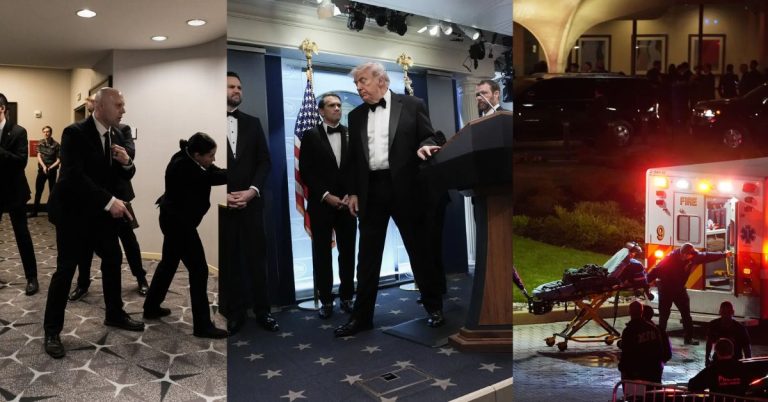
Trump Washington hotel shooting triggered chaos during one of the most closely watched political gatherings in the United States, sending shockwaves through Washington’s political and media circles.

A tense scene unfolded when gunfire erupted inside a hotel ballroom hosting a major annual dinner attended by top officials, journalists, and public figures. The sudden disruption forced guests to take cover as security personnel moved rapidly to contain the situation.

The incident occurred at a moment when attention was focused on speeches and public appearances, turning what began as a formal evening into a high-alert emergency scenario within seconds.


Trump Washington hotel shooting disrupts White House dinner event

The Trump Washington hotel shooting took place during a packed dinner event that typically brings together leaders from across politics, media, and business.

Witnesses described hearing multiple loud sounds, initially mistaken by some as equipment malfunction or background noise. Within moments, panic spread as security agents shouted warnings and instructed attendees to get down.

Guests reportedly moved under tables or toward exits while security teams created a perimeter around key individuals. The rapid response prevented further confusion and likely minimized casualties.


Immediate Secret Service Response Prevents Escalation

Security teams reacted within seconds of the first shots being fired. According to officials, the attacker approached a restricted checkpoint area before being intercepted.

A Secret Service agent sustained an injury during the confrontation but was protected by a bulletproof vest, which prevented a fatal outcome. The agent was later treated and reported to be stable.

President Donald Trump was swiftly escorted away from the stage area by his security detail. The evacuation was carried out according to established emergency protocols designed for such high-risk scenarios.

The speed and coordination of the response demonstrated the preparedness of protective teams in handling sudden threats during large-scale events.


Chaos Inside the Venue as Guests React

The Trump Washington hotel shooting created moments of confusion and fear among attendees, many of whom were caught off guard.

Eyewitness accounts described a mix of shock and urgency as individuals attempted to understand what was happening. Some guests reportedly froze, while others followed instructions from security personnel to move to safer areas.

Event staff quickly shut down entrances and exits to control movement and prevent additional risks. Emergency responders were deployed within minutes, reinforcing the controlled evacuation process.

Despite the chaos, no widespread injuries among attendees were reported, highlighting the effectiveness of crowd management during the crisis.


Suspect Identified and Taken Into Custody

Law enforcement agencies confirmed that the individual responsible for the Trump Washington hotel shooting is now in custody.

Preliminary reports suggest the suspect acted alone, though investigators are continuing to examine possible motives and any external connections.

The Federal Bureau of Investigation has taken a lead role in the investigation, working alongside local authorities to gather evidence and analyze the sequence of events.

Officials are reviewing surveillance footage, witness statements, and forensic data to build a complete understanding of how the incident unfolded.


Trump Addresses Nation After Incident

Following the Trump Washington hotel shooting, President Donald Trump addressed the public, describing the event as a serious security breach but praising the swift action of law enforcement.

He noted that initial confusion made it difficult to immediately recognize the severity of the situation. However, he emphasized confidence in the security teams that ensured his safety and that of others present.

The president also acknowledged the injured agent, calling the response “brave and professional,” and reaffirmed commitment to maintaining strong security measures at public events.


Growing Concerns Over Event Security

The Trump Washington hotel shooting has renewed discussions about the safety of high-profile gatherings in the United States.

Experts point out that even with extensive planning and layered security measures, large public events remain vulnerable to unexpected threats.

Questions are now being raised about how the attacker was able to approach a secured area and whether additional screening or surveillance enhancements are needed.

Security analysts suggest that evolving threat detection technologies and stricter perimeter controls may become more prominent in future event planning.


Investigation Expands Across Agencies

Authorities continue to investigate the Trump Washington hotel shooting with a focus on understanding the motive and preventing similar incidents.

Multiple agencies are collaborating to examine the suspect’s background, digital footprint, and recent activities.

The involvement of federal investigators indicates the seriousness of the case, particularly given the presence of national leadership at the event.

Officials have urged the public to avoid speculation while the investigation remains ongoing, emphasizing that verified information will be released as it becomes available.


Political and Public Reaction Builds

The Trump Washington hotel shooting has prompted reactions from across the political spectrum, with leaders expressing concern over safety and calling for unity.

Public discourse has shifted toward evaluating current security frameworks and identifying areas for improvement.

While some have focused on strengthening law enforcement capabilities, others have highlighted the importance of preventive intelligence and early warning systems.

The incident has also sparked broader conversations about the challenges of securing open democratic events without limiting public access.


Long-Term Implications for National Security

The Trump Washington hotel shooting may influence how future events are organized and protected in the United States.

Security agencies are expected to review protocols, conduct internal assessments, and implement changes where necessary.

The event serves as a reminder that high-visibility gatherings require constant adaptation to evolving risks.

As investigations continue, policymakers and security experts will likely work together to develop strategies that balance accessibility with safety.


Conclusion

The Trump Washington hotel shooting stands as a significant moment that underscores both the risks and the resilience of security systems in place at major national events.

While the situation was contained quickly and major harm was avoided, the incident highlights areas where improvements may be needed.

Authorities remain focused on uncovering the full details behind the attack, ensuring accountability, and strengthening protections for future events.

For more updates, read the latest news on Digital Chew.
OpenAI Canada Shooting 2026: Altman Apologizes After Failure to Alert Police

0

Summary

  • Sam Altman issued a public apology after failing to alert authorities about a flagged account linked to a mass shooting.
  • Eight people were killed and several others injured in a tragic incident in British Columbia.
  • The company had previously identified suspicious activity but did not escalate it to law enforcement.
  • Government officials criticized the decision, raising concerns over accountability in tech companies.
  • The incident has intensified global debate around AI safety, monitoring systems, and reporting responsibilities.

Article Content

The OpenAI Canada shooting has placed renewed focus on how technology companies handle potential threats identified through their platforms. What began as an internal flag within an AI system has now turned into a global conversation about accountability, safety, and the limits of automated monitoring.

The tragedy unfolded in Tumbler Ridge, a quiet community in British Columbia, where a violent attack left eight people dead and dozens injured. As details emerged, it became clear that the attacker had previously interacted with systems that detected troubling patterns of behavior. However, the warning signs were not escalated beyond internal review processes.

OpenAI Canada Shooting Raises Questions Over Early Warning Systems

The OpenAI Canada shooting case has highlighted a critical gap between detection and action. According to statements released after the incident, internal systems had identified activity linked to potential violence. Despite this, the situation was assessed as not meeting the threshold required to involve authorities.

This decision is now under intense scrutiny. Experts argue that while companies must avoid false alarms, the consequences of underestimating risk can be devastating. The balance between privacy and safety has once again come into question.

Timeline of Events Leading to the Tragedy

Authorities reported that the attack began at a private residence, where the suspect allegedly targeted family members before moving to a public location. The situation escalated rapidly, leaving law enforcement little time to intervene.

In the aftermath, investigators pieced together the sequence of events and uncovered the digital footprint associated with the attacker. This included prior interactions flagged by OpenAI systems, which became a central point of discussion following the company’s admission.

The OpenAI Canada shooting has since become a case study for how early warning signals are interpreted—and sometimes overlooked.

Sam Altman Addresses the Failure to Notify Police

In a public statement, Sam Altman expressed regret over the company’s decision not to alert authorities. He acknowledged that, although internal guidelines were followed, the outcome revealed shortcomings in existing processes.

Altman emphasized that the company is reviewing its policies to prevent similar incidents in the future. He also indicated a willingness to work more closely with governments to improve communication channels and reporting standards.

The apology, while seen as necessary, has not fully addressed concerns raised by policymakers and the public. Many believe that stronger action could have potentially changed the course of events.

Government Response and Public Reaction

Officials responded quickly to the revelations, calling for greater transparency and accountability from technology companies. Some argued that earlier intervention might have prevented the tragedy, while others stressed the complexity of making such decisions based on digital signals alone.

Public reaction has been mixed. While some sympathize with the challenges faced by companies managing vast amounts of data, others believe that the responsibility to act should outweigh the risk of false positives.

The OpenAI Canada shooting has become a focal point for these discussions, with calls for clearer guidelines and stricter oversight.

The Challenge of Balancing Privacy and Safety

One of the central issues raised by the OpenAI Canada shooting is the tension between user privacy and public safety. Companies operating AI systems must navigate strict regulations that limit how user data can be shared.

At the same time, there is growing expectation that these platforms should play a proactive role in preventing harm. This creates a difficult environment where decisions must be made with incomplete information and under significant ethical constraints.

Experts note that improving this balance will require not only better technology but also updated legal frameworks that define when and how data should be shared.

OpenAI Canada Shooting and the Future of AI Monitoring

The OpenAI Canada shooting has prompted discussions about the effectiveness of current monitoring systems. While AI tools are capable of identifying patterns, interpreting intent remains a challenge.

False positives can lead to unnecessary interventions, while false negatives can result in missed opportunities to prevent harm. This dual risk makes it difficult to establish clear thresholds for action.

In response, companies are exploring ways to enhance their systems, including incorporating human oversight and improving risk assessment models. These efforts aim to ensure that potential threats are evaluated more accurately and acted upon when necessary.

Broader Implications for the Technology Industry

Beyond one company, the OpenAI Canada shooting has implications for the entire technology sector. As AI becomes more integrated into daily life, expectations around safety and accountability are increasing.

Governments are likely to introduce new regulations that require companies to report certain types of activity. This could lead to standardized protocols across the industry, reducing ambiguity in decision-making processes.

For companies, this represents both a challenge and an opportunity—to rebuild trust and demonstrate their commitment to responsible innovation.

OpenAI Canada Shooting Highlights Need for Stronger Safeguards

The incident has underscored the need for more robust safeguards that go beyond automated detection. Collaboration between companies, law enforcement, and policymakers will be essential in creating systems that can respond effectively to potential threats.

There is also growing recognition that technology alone cannot solve these issues. Human judgment, supported by clear guidelines, will continue to play a crucial role in assessing risk and determining appropriate action.

The OpenAI Canada shooting serves as a reminder that even advanced systems have limitations, and that continuous improvement is necessary to address emerging challenges.

Conclusion

The OpenAI Canada shooting has become a defining moment in the conversation around AI responsibility and public safety. While the apology from Sam Altman acknowledges a critical failure, it also highlights the complexities involved in managing digital signals that may indicate real-world threats.

As investigations continue and policies evolve, the focus remains on ensuring that such gaps are addressed. The lessons learned from this incident are likely to shape the future of AI governance, influencing how companies detect, assess, and respond to potential risks in an increasingly connected world.

For more updates, read the latest news on Digital Chew.

RAF Typhoon Russian Drone Alert: Jets Scrambled Near NATO Airspace

0

Summary

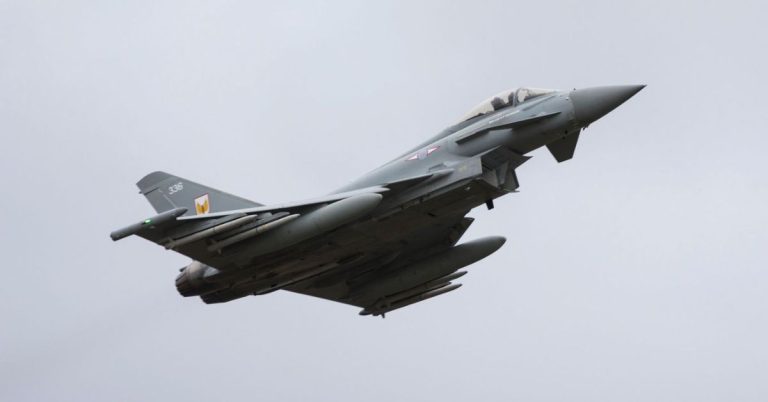
  • RAF Typhoon Russian drone alert triggered early-morning deployment of British fighter jets from Romania near NATO borders.
  • Aircraft tracked aerial targets but did not engage as drones remained inside Ukrainian airspace.
  • NATO forces maintained defensive posture to avoid escalation with Russia.
  • Incident highlights increasing cross-border risks linked to the ongoing Ukraine conflict.
  • Military readiness in Eastern Europe continues to rise amid repeated aerial threats.

RAF Typhoon Russian Drone Alert Triggers Rapid Military Response

A sudden RAF Typhoon Russian drone alert prompted a swift military response near NATO’s eastern boundary, as British fighter jets were scrambled from Romania in the early hours of Saturday. The move came after radar systems detected aerial objects believed to be Russian drones operating dangerously close to alliance airspace.

The incident unfolded amid ongoing tensions linked to the war in Ukraine, where cross-border security risks have increasingly drawn the attention of NATO forces. While no weapons were fired during the operation, the deployment itself signaled a heightened level of readiness among allied nations.

Early-Morning Detection Raises Concerns

The RAF Typhoon Russian drone alert began around 2 a.m., when surveillance systems identified multiple airborne objects approaching NATO-monitored zones. Military officials confirmed that the jets quickly established radar contact with the targets.

Despite the initial alarm, the drones remained within Ukrainian airspace, preventing direct engagement under NATO’s strict rules of engagement. Defense authorities emphasized that any action would have required a confirmed breach into alliance territory.

The rapid response highlights how quickly NATO forces must react to emerging threats, particularly in regions where the line between conflict zones and allied territories remains extremely thin.

RAF Typhoon Mission and Strategic Positioning

The deployed jets, part of the Royal Air Force contingent stationed in Romania, were operating under a NATO air policing mission. These missions are designed to ensure constant surveillance and protection of eastern European airspace.

The RAF Typhoon Russian drone operation demonstrated several key aspects of NATO strategy:

  • Continuous aerial monitoring of potential threats
  • Immediate response capability for unidentified aircraft
  • Strict adherence to defensive engagement protocols

By maintaining this posture, NATO aims to deter aggression while avoiding unnecessary escalation.

RAF Typhoon Russian Drone Alert Reflects Rising Tensions

The RAF Typhoon Russian drone alert is the latest example of how the conflict in Ukraine is influencing regional security dynamics. With drones increasingly used in modern warfare, incidents like this have become more frequent along contested borders.

Reports from nearby regions suggested that explosions were heard close to Ukrainian port areas, adding to concerns about ongoing military activity near NATO countries. While these developments remain largely contained within Ukraine, their proximity to alliance territory continues to raise alarm.

Military analysts note that such incidents carry the risk of miscalculation, where a single escalation could trigger broader consequences.

Why No Engagement Took Place

Although the RAF Typhoon Russian drone alert prompted immediate action, no engagement occurred. Officials clarified that NATO forces are prohibited from firing on targets that remain outside alliance airspace.

Engaging drones within Ukraine would represent a significant shift in policy and could escalate tensions between NATO and Russia. For this reason, restraint remains a key principle guiding military decisions in the region.

Defense sources reiterated that pilots had full authorization to act if the situation changed. However, the absence of a direct threat allowed them to maintain a defensive stance.

NATO’s Defensive Strategy in Focus

The RAF Typhoon Russian drone alert highlights NATO’s broader strategy of deterrence without provocation. By maintaining a strong but controlled military presence, the alliance seeks to protect its members while avoiding direct confrontation.

Key elements of this approach include:

  • Forward deployment of air assets in strategic locations
  • Real-time intelligence sharing among member states
  • Strict operational guidelines to prevent escalation

This strategy has become increasingly important as the conflict in Ukraine continues to evolve, with new threats emerging in unpredictable ways.

Growing Role of Drones in Modern Conflict

The RAF Typhoon Russian drone alert also underscores the growing importance of drones in modern warfare. These unmanned systems are frequently used for surveillance, reconnaissance, and sometimes offensive operations.

Their ability to operate near borders without immediate detection makes them a significant challenge for defense systems. As a result, NATO has been investing in improved detection and response capabilities.

The incident demonstrates how even a small aerial object can trigger a large-scale military response, reflecting the high stakes involved.

Regional Impact and Civilian Concerns

Beyond military implications, the RAF Typhoon Russian drone alert has raised concerns among civilians living near the border regions. Reports of falling debris and distant explosions have added to anxiety in nearby communities.

Authorities are working to ensure public safety while also maintaining transparency about such incidents. However, the unpredictable nature of aerial threats continues to pose challenges for both governments and local populations.

Escalation Risks Remain a Key Concern

While the RAF Typhoon Russian drone alert did not result in direct conflict, it serves as a reminder of the fragile security environment in eastern Europe. The proximity of military operations to NATO territory increases the likelihood of unintended escalation.

Experts warn that repeated incidents could heighten tensions further, especially if misinterpretations occur during high-pressure situations. Maintaining clear communication channels and strict operational discipline remains essential.

International Attention on Border Security

The RAF Typhoon Russian drone alert has drawn attention from global observers, as it reflects broader geopolitical tensions. Incidents near NATO airspace are closely monitored due to their potential implications for international stability.

Countries within the alliance continue to coordinate closely, ensuring that responses remain unified and measured. This collective approach is seen as a critical factor in preventing isolated incidents from escalating into larger conflicts.

RAF Typhoon Russian Drone Alert Signals Continued Vigilance

As the situation develops, the RAF Typhoon Russian drone alert reinforces the importance of constant vigilance. NATO forces are expected to remain on high alert, particularly in regions close to active conflict zones.

Military officials have indicated that similar responses will continue whenever potential threats are detected. This readiness is essential to safeguarding alliance territory and maintaining regional stability.

Conclusion

The RAF Typhoon Russian drone alert highlights the delicate balance NATO must maintain between defense and restraint. While the rapid deployment of fighter jets demonstrates strong preparedness, the decision not to engage reflects a commitment to avoiding escalation.

As tensions persist in the region, incidents like this are likely to continue shaping the security landscape. NATO’s approach—firm yet cautious—will remain central to managing risks and preventing a broader conflict.

For more updates, read the latest news on Digital Chew.

Progressive Christians Trump Clash Faith Groups Push Back

0

Summary

  • Faith leaders across the US are organizing against policies linked to Donald Trump, calling them inconsistent with Christian teachings.
  • Progressive Christian groups are expanding nationwide, focusing on immigration, peace, and social justice advocacy.
  • Protests and activism have intensified, especially around immigration enforcement and detention centers.
  • The movement draws from historical figures like Martin Luther King Jr. and liberation theology traditions.
  • The clash reflects a broader national debate over religion’s role in politics and the future of Christian identity in America.

Progressive Christians Trump Clash Grows Across the United States

The progressive Christians Trump clash is becoming one of the most visible religious and political tensions in the United States, as faith leaders mobilize to challenge policies they argue contradict the core teachings of Christianity.

Across cities and communities, clergy members, activists, and faith-based organizations are organizing protests, prayer gatherings, and advocacy campaigns. Their message is consistent: Christianity, they argue, should prioritize compassion, inclusion, and justice rather than political power or exclusionary policies.

This movement has gained traction in recent months, drawing attention not only from religious communities but also from policymakers and the broader public. For many involved, this is not simply a political disagreement—it is a moral and theological conflict over what Christianity represents in public life.


Rise of Progressive Christian Activism

The progressive Christians Trump movement has seen a steady rise, fueled by growing concerns about immigration policies, military actions, and rhetoric tied to nationalism. Leaders within this movement emphasize that their activism is rooted deeply in faith, not politics alone.

Organizations such as the Kairos Center for Religions, Rights and Social Justice have been central in mobilizing communities. Activists argue that their work reflects longstanding Christian values of helping the poor, welcoming strangers, and promoting peace.

Many participants describe a shift within American Christianity, where more believers are questioning traditional alignments between religion and conservative politics. Younger generations, in particular, are showing increased interest in faith-based social justice efforts.


Faith Leaders Challenge Government Policies

At the center of the progressive Christians Trump clash is a disagreement over how Christianity is used in political messaging. Supporters of the administration often invoke religious language, but progressive leaders argue that such rhetoric does not align with the teachings of Jesus.

Clergy members have spoken out publicly, stating that policies related to immigration enforcement, military expansion, and law enforcement practices contradict biblical principles of mercy and compassion.

This criticism has not remained confined to sermons or private discussions. Instead, it has taken the form of organized resistance, including marches, public statements, and coordinated campaigns aimed at influencing public opinion and policy decisions.


Immigration as a Key Flashpoint

Immigration has become one of the most prominent issues within the progressive Christians Trump movement. Faith leaders have been especially vocal in opposing strict enforcement measures and detention policies.

Churches and religious organizations have provided sanctuary to migrants, offering shelter and legal assistance. In several cities, clergy members have participated in protests outside detention centers, sometimes leading to arrests.

These actions are framed not as political defiance but as acts of faith. Leaders argue that welcoming strangers and caring for vulnerable populations are central to Christian teachings, making their activism a religious obligation rather than a political choice.


Historical Roots of Faith-Based Activism

The progressive Christians Trump clash is not an isolated phenomenon but part of a long tradition of faith-based activism in the United States. Many leaders point to the legacy of Martin Luther King Jr., who used Christian teachings as a foundation for civil rights advocacy.

Other influences include figures like Dorothy Day and movements such as the Catholic Worker Movement, which emphasized economic justice and support for marginalized communities.

Liberation theology, which emerged in Latin America, has also shaped the ideology of many progressive Christian groups. It focuses on addressing systemic inequality and advocating for the poor, aligning closely with the goals of today’s activists.


Reclaiming Christianity from Nationalism

A central theme within the progressive Christians Trump movement is the effort to reclaim Christianity from what activists describe as nationalist interpretations. Many argue that religion is being used to justify policies that prioritize power and exclusion over compassion.

Faith leaders emphasize that Christianity should not be tied to any single political ideology. Instead, they advocate for a broader understanding of faith that transcends political boundaries and focuses on universal values such as justice, peace, and human dignity.

Some religious figures have warned that conflating nationalism with Christianity risks distorting the core message of the faith. They argue that this shift could have long-term consequences for how religion is perceived both domestically and globally.


Public Opinion and Political Divide

The progressive Christians Trump clash reflects a broader division within American society. While some religious groups strongly support the administration, others are increasingly vocal in their opposition.

Surveys indicate that white evangelical Christians remain among the strongest supporters of Trump, while other Christian groups show more diverse political views. This division highlights the complexity of religion’s role in modern politics.

Political figures such as James Talarico have also emerged as voices promoting progressive interpretations of Christianity. Their involvement signals a growing intersection between faith and progressive political movements.


Expanding Influence of the Movement

As the progressive Christians Trump movement grows, its influence is extending beyond religious spaces into broader political and social discussions. Activists are engaging with policymakers, participating in public debates, and using media platforms to amplify their message.

This expansion has led to increased visibility, but also heightened tensions. Critics argue that religious groups should remain separate from political activism, while supporters insist that faith naturally informs their views on social issues.

The movement’s ability to sustain momentum may depend on its capacity to balance religious conviction with political engagement while maintaining credibility among diverse audiences.


Ongoing Debate Over Faith and Politics

The progressive Christians Trump clash ultimately raises fundamental questions about the role of religion in public life. Should faith influence policy decisions? How should religious teachings be interpreted in a modern political context?

These questions have no easy answers, and the debate is likely to continue as long as religion remains intertwined with politics. For many Americans, this clash represents a broader struggle to define national identity and moral values.


Conclusion

The progressive Christians Trump clash is more than a political disagreement—it is a reflection of deeper tensions within American society about faith, identity, and governance.

As progressive Christian groups continue to organize and advocate for their vision of justice and compassion, they are reshaping the conversation around religion in the public sphere.

Whether their efforts will lead to significant policy changes remains uncertain. However, their growing presence suggests that the intersection of faith and politics will remain a defining issue in the years ahead.

For more updates, read the latest news on Digital Chew.

US Military Drug Boat Strike: 2 Killed in Pacific Operation

0

Summary

  • A US military drug boat strike in the eastern Pacific resulted in two deaths during an anti-trafficking operation.
  • The strike is part of a broader campaign targeting suspected smuggling vessels across Latin American waters.
  • The total reported death toll from similar operations has crossed 180, drawing international scrutiny.
  • Critics question the lack of public evidence confirming drug activity on targeted vessels.
  • Legal experts warn the operations could raise serious international law and human rights concerns.

Article

A US military drug boat strike killed two individuals in the eastern Pacific Ocean, according to officials familiar with the operation. The incident marks the latest development in a series of aggressive actions targeting vessels suspected of involvement in drug trafficking networks.

The US military drug boat strike occurred along established maritime routes often linked to illegal smuggling activities. Authorities said surveillance assets identified the vessel before it was engaged and destroyed, resulting in fatalities. Officials have not released detailed information about the identities of those killed or the exact nature of the vessel’s activities.

The US military drug boat strike has drawn attention due to its place within a larger campaign that has expanded significantly in recent months. Since the initiative began, dozens of similar operations have been carried out across both the Pacific Ocean and Caribbean Sea, targeting boats believed to be connected to narcotics trafficking.

Expanding Scope of the US Military Drug Boat Strike Campaign

The US military drug boat strike campaign represents a notable shift in how authorities are addressing maritime drug trafficking. Traditionally, such operations involved interception and arrest, but the recent approach has increasingly relied on direct military action.

Officials argue that the US military drug boat strike strategy is necessary to disrupt supply chains before narcotics reach North America. According to defense sources, these operations are designed to target high-risk vessels that evade conventional law enforcement methods.

The US military drug boat strike has become part of a broader security framework that includes intelligence-sharing, aerial surveillance, and naval patrols. This integrated approach is aimed at identifying and neutralizing suspected trafficking routes in real time.

However, the growing frequency of the US military drug boat strike has raised questions among analysts about whether the strategy is sustainable and effective over the long term.

Questions Over Evidence and Target Identification

One of the most significant concerns surrounding the US military drug boat strike is the lack of publicly available evidence confirming that targeted vessels were carrying illegal substances.

Critics argue that without clear verification, the US military drug boat strike risks harming civilians who may not be involved in criminal activities. Fishermen and small-scale operators often use similar routes, making it difficult to distinguish between legitimate and illicit vessels.

The absence of transparent reporting has fueled skepticism about the criteria used to authorize a US military drug boat strike. Observers have called for independent oversight or international monitoring to ensure accountability.

Supporters of the campaign, however, maintain that intelligence used in a US military drug boat strike is highly classified and cannot always be disclosed without compromising ongoing operations.

Strategic Rationale Behind the Operations

The US military drug boat strike initiative is rooted in a broader effort to combat drug trafficking organizations that operate across international waters. Officials have emphasized that these groups are highly organized and often heavily armed, posing significant challenges to traditional enforcement methods.

Under this framework, the US military drug boat strike is intended to act as a deterrent, signaling that maritime routes used for smuggling will face immediate and forceful disruption.

Authorities also link the US military drug boat strike campaign to efforts aimed at curbing the flow of synthetic drugs, including fentanyl, into the United States. The strategy reflects a growing emphasis on stopping narcotics at their source rather than relying solely on domestic enforcement.

Despite these goals, some experts question whether the US military drug boat strike can effectively dismantle complex trafficking networks that quickly adapt to changing conditions.

Legal and Human Rights Concerns

The use of lethal force in a US military drug boat strike has sparked debate among legal scholars and human rights advocates. Critics argue that such actions may conflict with international law, particularly when conducted outside recognized conflict zones.

Concerns have been raised that a US military drug boat strike could be interpreted as an extrajudicial action if it results in deaths without due process. Human rights organizations have called for clearer guidelines governing the use of force in maritime operations.

Legal experts also point to the importance of proportionality and necessity in evaluating a US military drug boat strike. Without transparent justification, these operations risk undermining established legal frameworks.

Officials, however, insist that each US military drug boat strike is conducted within the bounds of applicable law and follows strict operational protocols.

Regional Impact and Geopolitical Implications

The expansion of the US military drug boat strike campaign has broader implications for Latin America and neighboring regions. Increased military presence in key maritime zones has heightened tensions among some countries, particularly those concerned about sovereignty and jurisdiction.

The US military drug boat strike has also coincided with a wider security buildup, reflecting Washington’s focus on combating transnational crime. Analysts note that this approach could reshape regional cooperation on law enforcement and defense.

At the same time, the US military drug boat strike may influence how other nations respond to drug trafficking challenges. Some governments may adopt similar strategies, while others may push for alternative approaches emphasizing cooperation and economic development.

Debate Over Effectiveness

The effectiveness of the US military drug boat strike remains a subject of ongoing debate. Supporters argue that the operations have disrupted key smuggling routes and sent a strong message to trafficking organizations.

Critics, however, question whether the US military drug boat strike addresses the root causes of drug trafficking, such as demand, poverty, and organized crime networks. They warn that without a comprehensive strategy, the impact of these operations may be limited.

The growing death toll associated with the US military drug boat strike campaign has also intensified scrutiny, with calls for more detailed reporting and evaluation of outcomes.

Human Dimension of the Conflict

Beyond strategic and legal considerations, the US military drug boat strike highlights the human cost of anti-trafficking efforts. Families of those affected may face uncertainty and hardship, particularly in regions where economic opportunities are limited.

The US military drug boat strike has brought renewed attention to the challenges faced by communities along major trafficking routes. Experts emphasize the need for balanced policies that address both security concerns and humanitarian considerations.

Looking Ahead

As the US military drug boat strike campaign continues, policymakers are likely to face increasing pressure to provide clarity on objectives, methods, and outcomes.

The future of the US military drug boat strike will depend on how authorities balance enforcement with transparency and accountability. International reactions may also play a role in shaping the direction of these operations.

With global attention focused on the issue, the US military drug boat strike is expected to remain a key topic in discussions about security, law, and regional stability.

Conclusion

The US military drug boat strike campaign continues to shape the global conversation around maritime security and anti-trafficking enforcement. While officials present these operations as a necessary step to disrupt organized crime and limit the flow of illegal drugs, the growing number of incidents has intensified scrutiny from legal experts, policymakers, and international observers.

At the same time, the lack of publicly available evidence and limited transparency surrounding each US military drug boat strike has raised concerns about accountability and the potential risk to civilian lives. Questions about legality, proportionality, and long-term effectiveness remain central to the debate, especially as the campaign expands across critical waterways.

As this strategy evolves, its broader impact on regional stability and international law will likely remain under close watch. The future of the US military drug boat strike approach will depend on whether authorities can balance enforcement objectives with transparency, legal standards, and humanitarian considerations in an increasingly complex global environment.

For more updates, read the latest news on Digital Chew.