64.2 F
San Francisco
Thursday, June 25, 2026
Home Blog Page 1262

Trump’s Budget Cutbacks Restrict Medical Research, Impacts Millions

0

Key Takeaways:

– The Trump administration recently capped National Institutes of Health (NIH) grants for indirect research costs at 15%, compared to the previous average rate of 30%.
– This funding cutback could massively hinder medical advancements, according to experts who view this move as potentially catastrophic.
– Ironically, the daughter of one of Trump’s key team members benefitted from a healthcare innovation that was a result of NIH-funded research.

Impact of NIH Funding Cap on Medical Research

Ever heard of the term ‘shooting oneself in the foot’? Well, that’s exactly what the Trump administration seems to be doing with its latest decision. In a bid to limit expenditures, the administration has capped grants provided by the National Institutes of Health (NIH). These grants are often used for indirect research costs and previously averaged around 30%. Now, they’ve been reduced to a mere 15%.

The NIH explains this action by saying that grant recipients, particularly new organizations or those with less experience, often use grant money to cover things like overhead. Their aim is to ensure that American taxpayers’ money is used in ways that directly benefit them and improve their overall quality of life.

However, experts have sounded an alarm over the potential repercussions of this policy change. They believe that this trend could be disastrous – hampering essential medical research and potentially delaying the development of life-saving treatments.

A Personal Experience That Questions the Administration’s Approach

Ironically, this wave of budget cuts hits close to home. Russell Vought, the newly confirmed head of Trump’s Office of Management and Budget, has a daughter who directly benefited from a drug developed from NIH-funded research. The drug, known as Trikafta, offers a promising treatment for managing the pulmonary issues related to cystic fibrosis, a life-threatening disease affecting around 40,000 Americans.

The development of Trikafta was partly funded by the NIH. It’s currently under scrutiny in a study financed by a nearly $3 million grant from the NIH. Furthermore, the NIH also provides a staggering $84 million annually for research related to this disease. This underlines the importance of continued funding for medical research – a fact that Vought, whose daughter’s life has improved thanks to these research efforts, might well understand.

The Paradox of Public Office

Unfortunately, it appears that Vought is assisting in limiting these types of opportunities for other families by enacting crippling cuts to critical medical research budgets. It’s a dichotomy that’s hard to comprehend – receiving a personal benefit from ongoing research while also participating in actions that could halt comparable medical advancements for others.

A Risky Trade-Off

So, is this budget cut a calculated risk, or a penny-wise, pound-foolish move? That’s a debate for another day. But what’s clear is the vital role the NIH and its funding plays in progressing biomedical science and technology. For every potential life-changing treatment or cure, there’s a long trail of scientific research, development, and experimentation. Cutting crucial funding like this could significantly slow down this process of medical discovery, potentially leaving millions of individuals with fewer healthcare options.

Final Thoughts: A Tough Pill to Swallow

As these cuts continue, one can’t help but wonder how many potential breakthroughs we might miss out on. Are we stunting medical innovation by limiting potentially life-saving research? And how many more people, like Vought’s daughter, could benefit from cutting-edge treatment options if we properly supported these research efforts? These are the questions we’re grappling with as we experience the consequences of this budget cut. All we can do now is wait and see the true impact of this decision.
President Trump’s Aid Freeze Opens Door for China: A New Era in Foreign Aid?

0

Key Takeaways:

– President Trump’s hold on foreign aid has left countries in dire need of support.
– As the US steps back, China is starting to fill the assistance gap, especially in strategic small nations.
– The shift in the US policy could have far-reaching consequences, allowing China to become an indispensable partner in global aid.

China Rises in Aid Game

Under President Donald Trump, the US decided to freeze nearly all its aid to foreign countries. As a result, countries like Cambodia, which are heavily dependent on US aid, had to halt critical projects. In this case, mine clearance operations were stopped. However, China stepped in with the necessary funds, effectively filling the void left by the US.

Similarly, in the Cook Islands, traditionally friendly with the US and New Zealand, the prime minister announces plans to sign a cooperation deal with Beijing. It appears that as the US pulls back, the Cook Islands and Cambodia are leaning towards China for support.

The US Lowers its Foreign Aid Flag

One main lever of influence that the US has effectively handed over is in the form of foreign aid. Trump, following advice from billionaire advisor Elon Musk, has put almost the entire workforce on leave at the US Agency for International Development (USAID). This decision signals an end to a key US strategy that has been in place for decades – exerting ‘soft power’. This is a nation’s ability to persuade others by being appealing or making themselves look attractive.

Instead, Trump has turned to ‘hard power’, wielding tariffs against friends and enemies alike, and equally threatening military force to get his way. This strategy has been used on multiple occasions, including a dispute with NATO ally Denmark over Greenland.

A New Player on the Field

The warning bells have sounded with China potentially becoming the leading player in the developing world in various sectors, including public health and security services. Multiple experts are worried about the increasing influence of the People’s Republic of China. They suggest the time may come when we find ourselves taken aback by how China has positioned itself as the go-to partner in Latin America, Africa, and Asia.

US vs China in Foreign Aid

The US has for years been the top donor worldwide, giving $64 billion in 2023. While other Western countries have been doing more based on their economic sizes, they cannot replace the US in terms of monetary donation or their role in distributing aid around the world.

China’s way of providing aid is somewhat unclear. As per AidData, a research group, China has provided $1.34 trillion in 20 years. However, the majority of this assistance comes in the form of loans, not grants, unlike Western countries.

Potential Consequences of the Shift

With this move, the US could struggle to quash perceptions of it being an unreliable partner in global aid. This situation presents China with an opportunity to appear as the more dependable alternative without having to do anything major.

There is also a significant concern that the scaling back of US aid may create a vacuum in conflict-related funding. Many experts worry that while China could step in to create infrastructure, it may not be as ready to deal with governance issues.

A Different Kind of Soft Power?

It’s too early to say exactly what impact Trump’s aid freeze will have globally. The freeze is officially only a 90-day review, with some emergency aid waivers still in place. But its effects are already felt in places ranging from Uganda’s shutting down schools to threatened flood relief shelters in South Sudan.

Simultaneously, Trump seems to integrate a new form of ‘soft power,’ invigorating leaders who mirror his political style. Such leaders happily follow his direction, indicating a new kind of soft power is emerging. As such, it’s becoming crucial to consider multiple visions of America’s international role today.

As we watch the aid scene unfold, it’s clear that the US’ move to scale back on foreign aid is poised to redraw the geopolitical landscape. This shift may allow China a chance to dominate as the new partner of choice for global aid.

Kanye West’s Super Bowl Yeezy Advert Sparks Controversy with Swastika T-Shirts

Key Takeaways:

– Kanye “Ye” West reportedly had a local commercial aired after the Super Bowl, directing viewers to his Yeezy brand website.
– The Yeezy.com website featured a singular item for sale following the Super Bowl, a $20 white T-shirt with an image of a black swastika.
– Despite West’s alleged support for Nazi beliefs and past anti-Semitic comments, the sale of swastika-featured clothing surprised and dismayed many.
– West’s social media platform, X (formerly Twitter), was deactivated following the Super Bowl, though it remains uncertain whether this was a voluntary decision from West or a platform suspension.

Kanye West Stirs Controversy with Local Ad and Contentious Clothing

Known for courting headlines, rapper Kanye “Ye” West has hit the news again. Just following the recent Grammy’s, where his wife, Bianca Censori, wowed the crowd in a bold nude outfit, West launched a fresh controversy. This time, it gravitates towards his fashion brand, Yeezy. Following an advertisement aired locally on the day of the Super Bowl, February 9, 2025, wide speculation has ensued regarding the rapper’s commercial and the peculiar merchandise on offer.

The Mystery of the Super Bowl Commercial

According to certain circles and reports from the Hollywood Reporter, the Los Angeles populace witnessed an aftermarket Super Bowl commercial beckoning viewers to Yeezy.com. Of particular interest, the commercial was not run nationally but was locally acquired. This is evidenced by the update that the slot was “paid for by Yeezy LLC.” West’s commercial reportedly aired on Fox, approximately two hours post the Super Bowl game.

In the commercial, West takes an unconventional approach, filming on his iPhone while lying at the dentist’s. As he flaunted his diamond-encrusted grill, he joked, “I spent like all the money for the commercial on these new teeth.” He ended his unusual advert by urging viewers to visit the Yeezy website.

Sale of Infamous Swastika Shirts on Yeezy.com

Yeezy.com boasts an eclectic range of offerings from clothing to vinyls and CDs. In the aftermath of the Super Bowl though, the website featured but a single product: a $20 white T-shirt bearing the image of a black swastika, a notorious Nazi emblem. Titled cryptically as “HH-01,” this item remains readily available on the Yeezy.com amid a storm of controversy.

West’s Troubled History on Social Media

West’s controversial actions are not only limited to his recent commercial venture. His past encounters with the public via social media have been quite eventful. He has expressed an affinity towards Adolf Hitler and Nazi ideologies. His recent rash of anti-Semitic remarks on X (formerly Twitter) inevitably raised many eyebrows. Following the Super Bowl, West seemingly voluntarily deactivated his account with a cryptic message thanking Elon Musk for the platform to express his thoughts.

Yet, whether his X account was self-deactivated or suspended remains undetermined. In the past, West has had a run-in with Twitter suspension in 2022, which lasted almost a year. A legacy of controversy follows his path on social media, and his current actions only seem to reinforce this trend.

Conclusion

West’s Super Bowl commercial and the subsequent unveiling of the swastika-featuring merchandise have undoubtedly stirred a storm of controversy. His Yeezy brand appears to be at the heart of the chaos. Still, with no public response from West and the rapper’s X account deactivated, the debate continues, feeding the never-ending saga that surrounds Kanye “Ye” West.

Federal Judge Halts Deferred Resignation Plan for Federal Employees

0

Key Takeaways:

– Federal Judge George A. O’Toole Jr. has put a halt on the Trump administration’s proposed deferred resignation plan.
– More than 60,000 federal workers had consented to this plan promising them pay without work for eight months.
– This decision was spurred by public sector employee unions claiming the plan to be an unlawful and arbitrary action.
– The issue of people receiving differing offers leading to confusion resulted in the questioning of the plan’s validity.

A Tale of Deferred Resignation

In recent events, U.S. District Judge George A. O’Toole Jr. placed a temporary pause on a controversial offer made by the Trump administration to federal employees. The proposal, known as the ‘deferred resignation’ plan promised certain employees to pay them for up to eight months without having them to work.

Elaborating the Plan

A whopping number of over 60,000 federal workers from different sectors of the government had agreed to this unconventional plan. However, the way the offer was presented led to confusion and raised doubt surrounding its legitimacy. This was because some employees received different offers than others without clarity on the selection criteria for these offers.

Judge to the Rescue

Judge O’Toole took action amidst this quandary in response to a directive issued by the Office of Personnel Management. This office had set a deadline for employees to either accept or refuse the deferred resignation plan. The judge’s ruling effectively stopped this deadline in its tracks, providing relief for troubled employees grappling with the decision.

Concerns Raised by Unions

The decision by Judge O’Toole was fueled by complaints raised by several public-sector employee unions. These unions argued that the Trump administration’s proposal amounted to an ‘unlawful ultimatum’. They called out the administration for resorting to an ‘arbitrary action’ to coerce federal workers into blanket resignations.

The original deadline for this decision was on Thursday night. However, the heated objections of the unions led to the judge granting a temporary restraining order against this ruling. This action by Judge O’Toole resulted in a delay of the deadline until the following Monday, offering federal employees a brief respite.

Fairness and Legitimacy Questioned

The chaotic nature of the proposal and its uneven distribution among federal workers led many to question the fairness and legitimacy of the deferred resignation plan. The confusion around how some employees were offered different deals from others only added to the piles of uncertainty and dissatisfaction surrounding this plan

A Porch light in the Dark

Judge O’Toole’s decision to temporarily halt the deferred resignation plan offers a glimmer of hope for federal workers. His ruling, coupled with the unwavering support of the unions, could signify the beginning of a potential reversal of this controversial proposal.

Final Thoughts

This temporary reprieve offers federal workers room to breathe and consider their options. While the different offers may have initially caused confusion, this pause creates an opportunity for critical discussions and provides a window for reforms.

As it stands, the futures of over 60,000 federal workers hinge on the final decision on this unprecedented plan. It remains to be seen what this halt implies for the deferred resignation plan and the workers who are anxiously waiting for a clear outcome.

The ball is now in the court of the Office of Personnel Management. All eyes are now eagerly watching their next move considering the impact it has not just on the federal workers but on the overall workings of the federal government. As we await their decision, the temporary pause granted by Judge O’Toole serves as a much-needed boon to federal employees during these uncertain times.

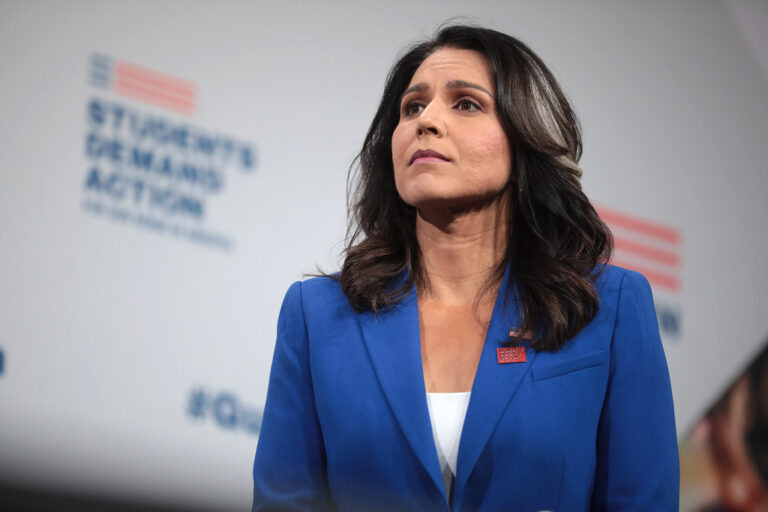
Tulsi Gabbard’s Intelligence Director Nomination Awaits Crucial VP Vote

0

Key Takeaways:

– Former Hawaii Representative Tulsi Gabbard’s confirmation for National Intelligence Director is steeped in uncertainty.
– Her chance at success may rest on Vice President J.D Vance’s tie-breaking vote.
– Despite her controversial past statements and associates, Republicans remain hopeful about her confirmation.
– Uncertainties prevail as VP Vance is currently overseas.
– Republican Senators Mitch McConnell and Lisa Murkowski may be potential swing votes.

Awaiting Voter Confidence

Tulsi Gabbard, ex-representative of Hawaii, faces a tough journey to secure her nomination as America’s next National Intelligence Director. The future of Gabbard’s nomination hangs in the balance with Vice President J.D Vance’s awaited vote playing a potential tie-breaker. Meanwhile, Gabbard’s controversial history and past affiliations have sparked doubts, even among some Republican Senators, about her confirmation to the high-profile cabinet position.

The Confirmation Timeline

Gabbard’s nomination is set to proceed on Monday night, with a final voting showdown expected on Wednesday. While Republicans seem optimistic about her progressing through the confirmation process, Gabbard can’t afford to lose more than two members of the party without assistance from Vance.

Anticipating Voting Outcomes

John Curtis, a Senator from Utah known for his Republican leanings, remains tight-lipped on his voting decision. Curtis’ office, however, hinted he could favor moving Gabbard’s nomination to the final vote stage. Other Republican Senators such as Mitch McConnell from Kentucky and Lisa Murkowski from Alaska have emerged as possible swing votes.

Last month, McConnell, Murkowski, and Senator Susan Collins from Maine voted against confirming Defense Secretary Pete Hegseth. Their decision led to an unprecedented event, where Vance had to cast a decisive vote – a situation seen only once before in recent times.

Perils of a ‘Perfect Tie’

In an unlikely future where three Republicans oppose Gabbard, she will need Vance’s support, only if no Democrats favor her. Here, securing Vance’s vote elevates to a potential challenge given his current overseas commitment at an Artificial Intelligence summit in France, and pre-scheduled engagements in Munich.

Navigating Through Uncertainties

With the stage set for Gabbard’s confirmation proceedings, all eyes are on VP Vance and possible swing voters. The situation, pivoting on Vance’s crucial vote, amplifies the uncertainties surrounding Gabbard’s nomination. Her controversial past, coupled with Vance’s overseas commitments, add more complexity to the entire process.

Should Gabbard secure support from the majority of Republicans, she will ascend to the top intelligence seat. However, a perfect tie may put her in a tight spot, and her fate will hang on Vance’s decisive vote. Fortunately, for Gabbard, there is still a fraction of hope as Republicans show a growing confidence in her confirmation.

Conclusion

The political tug-of-war surrounding Gabbard’s nomination showcases an intense blend of cross-party dynamics and international engagements. The voting outcomes will indeed shape not only Gabbard’s political trajectory but also the future course of American intelligence. One thing is certain – the ensuing days will witness a fierce political battle in the Senate, the outcome of which currently hangs in the air. Will Gabbard emerge victorious, or will her journey end here? Only time and the crucial Senate vote will tell.

OpenAI Inches Closer to AI Chip Development, Reducing Dependence on Nvidia

OpenAI, the creator of the popular ChatGPT, is said to be making steady progress in its plans to develop an AI processor. This move reportedly aims to reduce its dependency on Nvidia’s hardware.

OpenAI Chip and TSMC Partnership

OpenAI plans to entrust its chip designs to Taiwan Semiconductor Manufacturing Co. (TSMC) for fabrication. The rumored AI processor is expected to enter the production phase within the next few months. However, an official announcement regarding the chip has yet to be made.

The exact timeline, technical details, and the full capabilities of the OpenAI chip remain undisclosed. But the company is reportedly determined to refine the design over time. This strategy will not only ensure the chip’s enhanced performance, but would also boost OpenAI’s negotiation position with chip suppliers. Ultimately, owning a proprietary chip design could bring the company total independence.

What This Means For OpenAI

Creating its AI acceleration chip could have significant benefits for OpenAI. Cost reduction is a key driving factor. Having a proprietary chip also ensures that the company is not left at the mercy of supply disruptions.

Nvidia currently holds a near-market monopoly on high-performance GPUs for data center use, such as the Blackwell series. The move by OpenAI could loosen Nvidia’s hold on the market, as the AI firm would not have to rely solely on Nvidia for its hardware needs.

Tech Giants’ Trend Towards Custom AI Chips

OpenAI is not alone in its move towards creating a custom AI chip. Tech giants like Microsoft, Amazon, Google, and Meta have previously ventured into AI acceleration chip development.

These powerhouse tech companies have a multitude of reasons for creating custom chips. Primarily, reducing costs and easing the shortages of AI chips supplied by Nvidia. These chips have become essential for numerous applications, making the control of their design and construction an advantage.

OpenAI’s Control Over Own Chip Design

OpenAI’s journey towards creating its own AI chip exemplifies one of the latest trends in the global tech industry. The underlying aim is to bring more aspects of their product development and supply chain management in-house. By directly controlling the chip design process, tech companies can tailor their hardware to directly meet the needs of their respective software developers.

The development of a proprietary chip could also enable OpenAI to accelerate its research and development. While avoiding the premium prices and shortages associated with external suppliers. Not to mention, the strategic benefits in negotiations.

Implications For the Future

The development of custom AI chips will be pivotal in transforming the landscape of the tech industry. OpenAI’s incessant push to own its chip design could revolutionize not only its operations but the operations of other similar AI companies.

While it remains uncertain when OpenAI’s chip will be officially announced, it’s clear that the completion of this project could be a game-changer. As the tech industry continues to evolve, the trend of developing proprietary AI chips will likely become more prevalent.

The potential independence offered by owning their chip designs could mean a shift in power in the technology sector. Tech companies are pushing boundaries to create their own path and change the rules of the game. As OpenAI inches closer to finalising its AI processor, it’s reaffirming its position as a disruptor in the tech industry.

Trump’s Executive Order to Halt Prosecutions for Bribing Foreign Officials: A Closer Look

0

Key Takeaways:

– President Trump is to sign an executive order pausing prosecutions of Americans accused of bribing foreign officials to get business.
– The aim is to prevent US businesses from economic disadvantages against foreign competitors.
– The Attorney General will review past actions and prepare new guidelines for enforcing the law.
– A White House official believes the pause will help align the Foreign Corrupt Practices Act with economic interests and national security.

Trump’s New Executive Order

President Donald Trump is set to sign an executive order that will instruct the US Department of Justice to suspend prosecutions. It’s directed at Americans accused of offering bribes to foreign government officials aiming to secure business deals. The purpose? To stop U.S. businesses from facing an economic disadvantage when competing against foreign companies. Despite the announced intention, it remains unclear how the anti-bribery law has hampered US firms’ competitiveness.

Reviewing the Rules

Attorney General Pam Bondi will be ordered by Trump to assess past and current actions in relation to this law. The review will prepare new guidelines regarding law enforcement. In general, the sequence of ongoing events is being viewed as a bid to redefine the scope and implications of foreign bribery.

FCPA’s Enforcement Suspension

Speaking to CNBC, an unnamed White House official explained that halting enforcement should provide a clearer understanding of the Foreign Corrupt Practices Act’s (FCPA) streamlining. The goal to ensure that the Act aligns with national security and economic interests.

However, it is important to note that the FCPA has been active since 1977 with amendments in 1998. The law prohibits the bribing of foreign government officials in return for business gains.

Implications of the Pause

This decision to halt prosecutions has certainly triggered discussions. On the one hand, it could potentially benefit businesses trying to navigate complex international networks. Some argue that occasionally, there might be no choice apart from greasing the wheels in countries where corruption is rampant.

On the flip side, using bribes to earn business raises serious questions about ethics. There’s a risk that it could lead to a tit-for-tat scenario where other countries allow their businesses to bribe US officials.

Shaping the Future

At this stage, it’s crucial to observe how this executive order unfolds and the new guidelines that emerge from it. This could illustrate Trump’s vision of balancing the scales for American businesses operating on foreign soil. Without a thorough analysis and understanding, the enforcement of this law may result in a blurry line of ethical business conduct.

While the intention seems clear, the long-term implications of this executive order remain to be seen. The law against bribing foreign governments has been a cornerstone for American businesses for over four decades. Any changes to its enforcement or penalties will undeniably have significant impacts.

The ball is now in Attorney General Pam Bondi’s court. The outcome of her review process and the new guidelines will shape the course of how American firms engage in business with foreign governments. It’s a cautious wait and watch for those directly and indirectly affected by the review and enactment of new enforcement guidelines.

In the business world, this is a significant change that may impact international trade and relationships. Over time, we’ll understand the real meaning behind this executive order. Its effects on American businesses, our national security, and our standing in the global business community.

To conclude, the world eagerly waits for the implementation and results of this new executive order. A pause in enforcing a law that’s been active for decades is not a light matter. It speaks volumes about the evolving landscape of international business and the U.S.’ place within it.

Impact of Trump’s USAID Cuts on Global Women’s Empowerment Program

Key Takeaways:

– Trump administration’s USAID cuts threaten global women’s program supported by Ivanka Trump.
– Five years ago, Lillian Achom joined President Trump to advocate her women development work.
– With the funding cut, the future of many such programs is uncertain.

Struggling Under Funding Cuts

A women’s empowerment program backed by President Trump’s daughter Ivanka is now struggling due to the administration’s USAID funding cuts. Five years ago, it would’ve been incredibly hard to imagine such a turn of events. It was then that Lillian Achom stood at President Trump’s side, bolstering her women’s development work. Going forward, Achom may need to battle without essential USAID support, putting her work at risk.

Remembering Better Times

Lillian Achom and like-minded activists found a compelling ally in Ivanka Trump five years ago. The First Daughter stood by these women, demonstrating her commitment towards their work centered on women’s development and empowerment. However, events have transpired since then, leading to an uncertain future for many such initiatives.

Changing Priorities affect Progress

As the Trump administration redirected its priorities, funds that were funnelled towards women’s development programs started dwindling. It is noteworthy that Ivanka Trump strongly supported these programs at the onset. The recent cutbacks initiated by the administration could dismantle the progress made over the past years.

Uncertain Future for Women’s Programs

The real victims of these cutbacks are women like Lillian Achom, who’ve dedicated their lives to bettering the conditions of their counterparts worldwide. The impact of these cuts will be felt strongly in the women’s empowerment sector, potentially hampering the progress of activists like Achom.

A Resilient Fight Ahead

Although faced with significant challenges due to the funding cuts, activists like Achom aren’t keen on backing down. These inspirational women are determined to continue their pursuit of empowering women around the globe despite the adversity.

A Hope for Change

Observers are hopeful that a better understanding of the importance of these programs could restore their funding. The relentless efforts of activists combined with the potentially changing dynamics of the political landscape may instigate a shift favoring these programs.

In conclusion, the impact of the USAID cuts on women’s development programs can’t be underrated. It threatens years of progress and puts the future of such programs at risk. Activists like Lillian Achom stand at the forefront, fighting for their cause despite the adversities they face. The global socio-political landscape watches with bated breath as these women march forward, their spirits undeterred by the cuts, paving a path of resilience, tolerance, and strength.

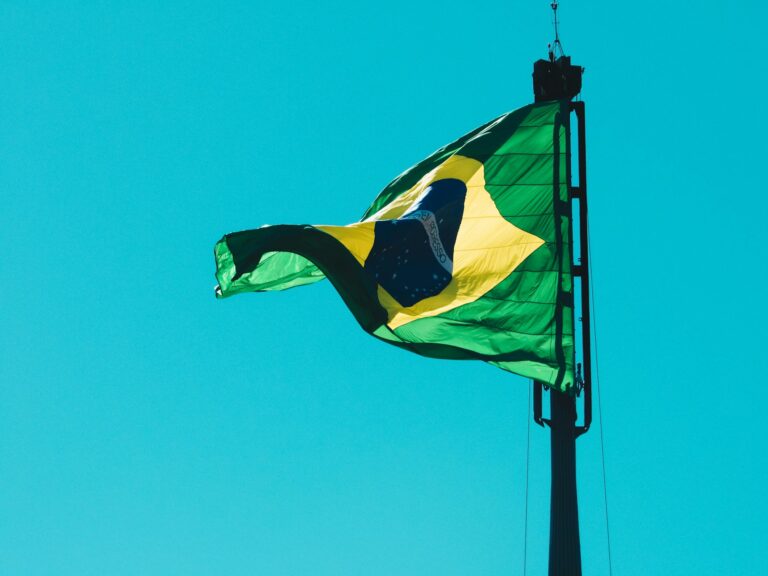
Brazilian Nun Crowned World’s Oldest Living Person at Nearly 117

0

Key Takeaways

– Sister Inah Canabarro is declared the world’s oldest living person at nearly 117 by LongeviQuest.
– Born into a large family in Brazil, Canabarro attributes her longevity to her Catholic faith.
– Despite facing health challenges, she remains active, engaged, and devoted to her football team, Inter.
– Canabarro stands 20th on the list of the oldest documented people to have ever lived.

Sister Inah Canabarro: A Testament to Longevity

In a world where the average life expectancy is around 70 years, living to see your 117th birthday is an extraordinary feat. Sister Inah Canabarro, a soccer-loving nun from Brazil, is making headlines as she has been declared the world’s oldest living person according to records.

From a Fragile Childhood to Remarkable Seniority

Canabarro’s early life was marked by uncertainty due to her thin stature which made many worry about her survival into adulthood. Despite these fears, she has endured, outliving relatives, contemporaries, and even generations that came after her. Her nephew, Cleber Canabarro, has shared how he admires her strength, especially given recent health hurdles.

Maintaining her Spirits through Art and Faith

Even at nearly 117, Sister Inah continues to exhibit her zesty spirit. Last February, she happily entertained her audience by showcasing miniature paintings of wildflowers she crafted in her youth. She also cracked jokes and recited the Hail Mary prayer; reflecting her strong Catholic faith, which she highlights as her key to longevity.

According to Canabarro, “I’m young, pretty, and friendly – all very good, positive qualities that you have too.” She imparts these optimistic and encouraging words to her retirement home visitors in Porto Alegre, a city in southern Brazil.

Preserving Family Connections amid Health Challenges

Despite two recent hospitalizations that weakened her physically, Sister Inah remains high-spirited, thanks to her close-knit family. Supported by her nephew, who visits her each Saturday and sends her voice messages in between visits, she stays motivated. The sound of her nephew’s voice, he reveals, brings her immense joy.

A Rich Past Underscoring A Remarkable Life

Canabarro’s life journey is nothing short of fascinating. Born on May 27, 1908 (although official records reflect a June 8 birth date), she is a direct descendant of a renowned Brazilian general from the 19th century. She began her religious calling as a teen, living in several cities before settling in her native state of Rio Grande do Sul.

Her influence extended to the world of education, where she served as a lifelong teacher. Even a former military dictator, Gen. Joao Figueiredo, was one of her students. The creative spirit within her led to the formation of two school marching bands in cities bordering Uruguay and Brazil.

Celebrated by Pope Francis on her 110th birthday, Canabarro’s enduring life impresses both religious leaders and sports enthusiasts alike. As a die-hard fan of local soccer club Inter, her room is adorned with mementos in the team’s red and white colors. Her enthusiasm for her team is infectious, resonating with everyone who visits.

With the recent passing of Japan’s Tomiko Itooka, Sister Inah Canabarro now bears the title of the oldest living person. She also stands 20th on the list of the oldest documented people to have ever lived. This remarkable nun from Brazil, an ardent football fan, and the world’s oldest person continues to inspire us all with her vibrancy and love for life.

Corruption Surges to New Highs Across Various Nations Over the Last Decade

Key Takeaways:

– Several nations experience their worst corruption ratings in over ten years.
– United States, France, Russia, and Venezuela some countries that observed increasing public sector corruption.
– The increasing corruption trend expands beyond political biases, impacting both democratic and authoritarian nations.

A Spike in Corruption: A Global Observance

A recent survey indicates an alarming increase in corruption across numerous nations. This corruption, observed within the public sector, has reached unprecedented levels unseen for more than a decade. The nations in question span a variety of political landscapes, from countries governed by democratic principles like the United States and France, to authoritarian-run countries like Russia and Venezuela.

The American Scene: Corruption Takes Root

In the United States, corruption in public sector has seen a significant upsurge. According to the recent survey, the rate of corruption has reached its highest point over the last decade. This troubling trend signals the need for urgent policy changes and stronger oversight mechanisms to curb corruption in the public sphere.

France: Democracy Does Not Ensure Immunity

France, another democratic nation, has also experienced rising corruption rates. These results indicate that corruption is not solely confined to authoritarian governments or nations wriggling under political instability. The presence of corruption in a prosperous and established democracy like France signifies that measures to combat corruption should be a fundamental feature of governance, irrespective of the political system employed.

Russia: Corruption in Authoritarian Regimes

Authoritarian regimes are not immune to the upsurge in corruption. Russia saw its worst corruption levels in over a decade. This demonstrates that a firm grip on power does not necessarily translate into a corruption-free system, and there is a clear need for stricter regulations and thorough review processes.

Venezuela: A Nation Amongst the Worst-Affected

Venezuela, with its ongoing political and economic turmoil, recorded soaring corruption levels. This amplifies a deepening crisis within the nation, underlining the compelling need for significant changes in governance and transparency in public dealings.

The Greater Picture: Corruption’s Global Increase

The survey’s results make it abundantly clear that corruption is on the rise globally, transcending political biases and economic boundaries. This surge signals an urgent call to action for governments worldwide to implement stricter regulations, enhance transparency, and improve accountability measures.

In Conclusion: Actions to Mitigate Rise in Corruption

Addressing the sharp increase in corruption levels over the last decade across varying nations calls for an international effort. Governments shoulder the responsibility of putting efficient anti-corruption strategies into action, promoting integrity, transparency, and accountability within the public sector. Only then can we hope to curb the growing menace of corruption, ensuring a more equitable and just society for all.

Ultimately, it is the responsibility of governments and international organizations to take this corruption survey as a wake-up call. Now, more than ever, dedicated and concerted efforts are needed to tackle the rise in corruption, promote good governance, and ensure a transparent, accountable public sector.