

56.8 F
San Francisco
Monday, July 6, 2026
Home Blog Page 147

Taylor Swift and Travis Kelce Kentucky Derby Horse Racing Odds Rumors

Quick Summary: Taylor Swift and Travis Kelce Kentucky Derby Horse Racing Odds Rumors

  • Fox Sports reported rumors on May 1 about Taylor Swift and Travis Kelce taking a 10% stake in The Puma, influencing betting markets.
  • The Puma’s odds dramatically shifted from +1000 to +350 amid speculation, before settling back to +800.
  • The horse, Swift Delivery, co-owned by Kelce, has earned $238,512 with a record of four wins in 17 starts.
  • The Puma was scratched from the Derby due to a health issue, deflating the betting frenzy.
  • The rumor’s credibility was fueled by co-owner Michael Iavarone’s ambiguous statement on social media.

The Kentucky Derby is no stranger to drama, but this year, the buzz wasn’t just about the horses. Rumors swirled that pop icon Taylor Swift and NFL star Travis Kelce had taken a 10% stake in a Derby contender, The Puma. While the whispers remained unconfirmed, they were loud enough to shake the betting markets to their core.

Fox Sports reported on May 1 that speculation around Churchill Downs and social media suggested Swift and Kelce’s involvement. This rumor was enough to send The Puma’s odds on a rollercoaster ride—from an opening +1000 to a favorite at +350, before settling back to +800. The power of celebrity influence on the betting world was on full display.

Adding fuel to the fire, co-owner Michael Iavarone’s cryptic Instagram post left room for interpretation, further igniting the frenzy. “OK people,” he wrote, “I signed an NDA, so I can’t confirm or deny.” This ambiguity was all it took for bettors and fans to run with the story.

Despite the buzz, the narrative took a turn when The Puma was scratched from the Derby due to a health issue, as reported by Parade on May 2. Trainer Gustavo Delgado cited swelling from a skin infection, marking a disappointing twist for those caught up in the hype.

While the Derby day excitement fizzled, the story remains a testament to the power of celebrity influence in sports markets. Whether Swift and Kelce were truly involved or not, the rumor alone was enough to move the needle in one of America’s most prestigious races.

Fox Sports reported on May 1 that “whispers” around Churchill Downs and on social media claimed Swift and Kelce had taken a 10% stake in The Puma, though the outlet said the rumor remained unconfirmed by official ownership groups or verified insiders. Sporting News reported that he appeared at the 2024 Kentucky Derby and reportedly bet $100,000 on Forever Young at 7-1 odds, only to lose in a narrow finish.

The same report said Swift Delivery, the horse Kelce bought alongside the Zoldan family, posted four wins, one second, and three thirds in 17 starts from 2023 to 2025, with earnings of $238,512. Zoldan is especially notable because Sporting News said he also owned a significant share of Kelce’s horse Swift Delivery in 2024, giving the gossip at least a plausible connective tissue even without confirmation that Swift or Kelce held any stake in The Puma itself.

Even so, the horse’s price moved dramatically: The Puma opened at +1000, surged to a +350 favorite on Wednesday at the height of the chatter, then later drifted back to +800. As of the latest reporting, what happens next is less about a celebrity reveal than about whether anyone ever substantiates the alleged 10% stake after the race-day scratch deflated the frenzy.

Parade reported on May 2 that The Puma, listed at 10-1 Saturday morning, had scratched from the Derby after trainer Gustavo Delgado disclosed a health issue. ” Parade also reported that Delgado said The Puma is likely out of the Preakness on May 16 as well, turning what had been a celebrity-odds story into a late-breaking racing withdrawal.

The near-term racing consequence is clearer: The Puma is out of the Derby and, according to Delgado’s comment reported Saturday, likely out of the May 16 Preakness too. The core of the story is not a confirmed ownership deal but a rumor powerful enough to move a major race market.

The horse, Swift Delivery, co-owned by Kelce, has earned $238,512 with a record of four wins in 17 starts. This rumor was enough to send The Puma’s odds on a rollercoaster ride—from an opening +1000 to a favorite at +350, before settling back to +800.

Despite the buzz, the narrative took a turn when The Puma was scratched from the Derby due to a health issue, as reported by Parade on May 2. Parade reported on May 2 that The Puma, listed at 10-1 Saturday morning, had scratched from the Derby after trainer Gustavo Delgado disclosed a health issue.

The scale and speed of this development has caught many observers off guard. Each new update adds another dimension to a story that is still unfolding, and the full picture will only become clear as more verified details emerge from the people and institutions directly involved.

Analysts who have tracked this issue closely say the current moment represents a genuine turning point. The decisions made in the coming weeks are expected to set the direction for months ahead, with ripple effects likely to extend well beyond the immediate actors in the story.

For those directly affected, the practical impact is already visible. People navigating this fast-changing situation are dealing with real consequences while new information continues to reshape what is known and what remains open to interpretation.

Historical parallels offer some context, though experts caution against drawing too close a comparison. Similar situations have played out before, but the specific combination of pressures, personalities, and timing here makes this moment distinct in ways that matter for how it ultimately resolves.

The political and economic dimensions of this story are deeply intertwined. What appears as a single event on the surface is in practice the convergence of multiple pressures that have been building quietly over a longer period than most public reporting has captured.
Read more on Digital Chew

Gaoth Dobhair Developments Draw Fresh Attention

Quick Summary: Gaoth Dobhair Developments Draw Fresh Attention

  • Gaoth Dobhair has become a notable literary destination, attracting writers globally.
  • The Ireland Writing Retreat, co-founded by Sean and Columbia Hillen, celebrated its 10th year.
  • Participants from diverse fields, including tech and public health, attended the retreat.
  • The event included workshops and cultural excursions, highlighting Donegal’s unique offerings.
  • The Wild Atlantic Writing Awards, offering €1,000 in prize money, will launch its 10th competition.

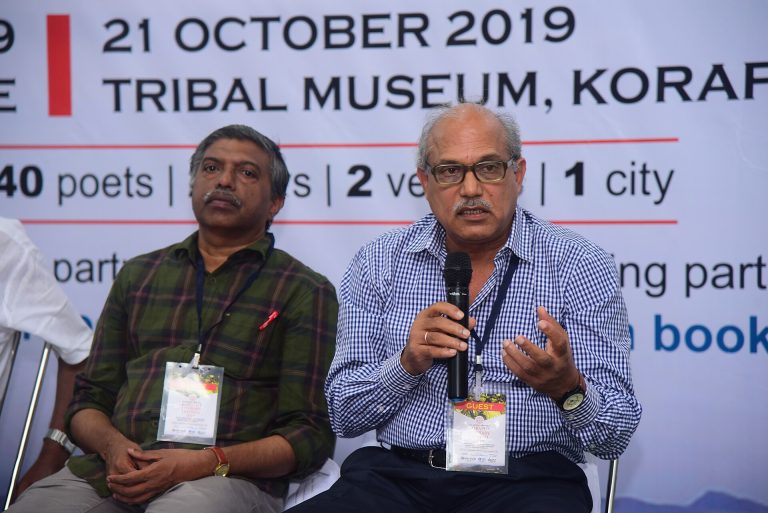
In a stunning transformation, Gaoth Dobhair has emerged as a beacon for global literary talent. The Ireland Writing Retreat, now in its 10th year, draws participants from New Delhi to New York, illustrating its international appeal.

Co-founded by Sean and Columbia Hillen, the retreat has positioned Gaoth Dobhair as a serious contender against Ireland’s traditional literary hubs. Participants engaged in workshops on story arc and character development while enjoying cultural excursions, making the event a holistic experience.

Gaoth Dobhair’s rise is not just about writing; it’s a cultural export. The retreat’s success, coupled with the upcoming Wild Atlantic Writing Awards, underscores its growing significance in the literary world.

Donegal News said the retreat was co-founded by Sean and his wife Columbia, who is originally from Transylvania, Romania. Donegal News said the Ireland Writing Retreat is now in its “10th successive year,” while co-tutor Kathy Shine-Cain of Massachusetts was described as a Professor Emerita with “45 years” of higher-level teaching experience.

The outlet also reported that when Covid halted the retreats, organizers launched the Wild Atlantic Writing Awards with €1,000 in prize money, and that the “10th competition in the series” was due to be launched the following month. Participant Ellyn Hament of New York said, “I had never been to Ireland before and I was coming by myself.

” I did not find fresher reporting from the past 7 days that adds a new twist, vote, legal deadline or dispute around this specific Donegal News story. What the available live reporting does support is a narrower but still specific conclusion: the latest meaningful development is that the Gaoth Dobhair-based retreat is leveraging its 10th year, international attendance and €1,000-linked writing awards to position a small Donegal Gaeltacht as a serious global literary destination.

The clearest newsworthy detail is the event’s international reach and the way organizers are using it to sell Gaoth Dobhair as an alternative to Ireland’s better-known writing hubs. The most specific numbers in the latest report center on longevity, teaching experience and prize money.

The people most central to the story are Sean Hillen and Columbia Hillen, the husband-and-wife team behind Ireland Writing Retreat, along with participants whose comments stress the retreat’s appeal beyond Ireland. What tension there is in the story comes from competition for cultural attention and tourism, not scandal.

Donegal News said the retreat was co-founded by Sean and his wife Columbia, who is originally from Transylvania, Romania. Participant Ellyn Hament of New York said, “I had never been to Ireland before and I was coming by myself.

The Ireland Writing Retreat, co-founded by Sean and Columbia Hillen, celebrated its 10th year. The Wild Atlantic Writing Awards, offering €1,000 in prize money, will launch its 10th competition.

The Ireland Writing Retreat, now in its 10th year, draws participants from New Delhi to New York, illustrating its international appeal. Quick Summary: Gaoth Dobhair Developments Draw Fresh Attention Gaoth Dobhair has become a notable literary destination, attracting writers globally.

Participants from diverse fields, including tech and public health, attended the retreat. The event included workshops and cultural excursions, highlighting Donegal’s unique offerings.

In a stunning transformation, Gaoth Dobhair has emerged as a beacon for global literary talent. Co-founded by Sean and Columbia Hillen, the retreat has positioned Gaoth Dobhair as a serious contender against Ireland’s traditional literary hubs.

The scale and speed of this development has caught many observers off guard. Each new update adds another dimension to a story that is still unfolding, and the full picture will only become clear as more verified details emerge from the people and institutions directly involved.

Analysts who have tracked this issue closely say the current moment represents a genuine turning point. The decisions made in the coming weeks are expected to set the direction for months ahead, with ripple effects likely to extend well beyond the immediate actors in the story.

For those directly affected, the practical impact is already visible. People navigating this fast-changing situation are dealing with real consequences while new information continues to reshape what is known and what remains open to interpretation.

Historical parallels offer some context, though experts caution against drawing too close a comparison. Similar situations have played out before, but the specific combination of pressures, personalities, and timing here makes this moment distinct in ways that matter for how it ultimately resolves.

The political and economic dimensions of this story are deeply intertwined. What appears as a single event on the surface is in practice the convergence of multiple pressures that have been building quietly over a longer period than most public reporting has captured.
Read more on Digital Chew

Redistricting battle Intensifies in States After US Supreme Court Ruling on Voting Rights Act

Quick Summary: Redistricting battle Intensifies in States After US Supreme Court Ruling on Voting Rights Act

  • The Supreme Court’s 6-3 decision voided Louisiana’s Black-majority district, sparking a multi-state redistricting scramble.
  • Tennessee lawmakers are set to meet to redraw a Memphis-based district, following the ruling.
  • Justice Alito’s opinion provided a legal rationale for states to revise district maps without creating new majority-minority districts.
  • Civil-rights groups warn the ruling is a green light for gerrymandering, particularly in the South.
  • Louisiana’s election process is disrupted as officials determine a new map post-ruling.

The recent Supreme Court ruling has unleashed a political storm, voiding Louisiana’s Black-majority congressional district and triggering a redistricting frenzy across Southern states. This judicial decision has not only disrupted existing electoral maps but also sparked a tactical battle over representation that could reshape the political landscape before the 2026 midterms. Redistricting battle is at the center of this development.

In Tennessee, GOP lawmakers are poised to redraw a Memphis-based district, illustrating the ruling’s immediate impact. Justice Samuel Alito’s opinion, which stated that the Voting Rights Act did not mandate the creation of an additional majority-minority district, now serves as a pivotal legal precedent for state mapmakers. This has emboldened Republican leaders to push for changes that could dilute minority voting strength.

Civil-rights advocates and Black lawmakers are sounding alarms, warning that this ruling could pave the way for new gerrymandering efforts, particularly in the South. The decision is seen as undermining protections for minority representation, with states like Alabama and Mississippi already moving to redraw maps under this fresh federal precedent.

Louisiana remains at the epicenter of this upheaval, as officials grapple with election-calendar disruptions while determining which map will govern future elections. The Supreme Court’s decision has transformed what was a singular legal case into a sweeping national redistricting offensive, with states racing to capitalize on the new judicial landscape.

Democrats are pointing to a 2022 Tennessee Supreme Court intervention that blocked additional redistricting because it came too close to an election, suggesting this fight could become not only a racial-representation case but also a timing-and-election-administration battle. Alabama may be the sharpest legal flashpoint because the state is already under a court order to use its current map until after the 2030 census.

The biggest new turn is that the Supreme Court’s 6-3 decision voiding Louisiana’s Black-majority congressional district has triggered an immediate multi-state scramble to redraw House maps before the 2026 midterms, with Tennessee and Alabama already moving and Donald Trump publicly pressing Republicans to go further. Tate Reeves had already planned a special session to redraw state Supreme Court districts after a federal judge found Black voting strength had been diluted.

Tennessee and Alabama lawmakers are expected to convene special sessions next week, and any approved maps would almost certainly face immediate court challenges over both racial discrimination and election timing. The most concrete new development outside Louisiana is Tennessee, where Axios reported on May 1 that GOP lawmakers will meet next week to try to carve up a Memphis-based House district.

Ron DeSantis is using the ruling to justify reshaping a southeastern district he argued had been created to elect a Black representative in order to satisfy the Voting Rights Act, even though Florida’s own 2010 anti-gerrymandering constitutional amendment prohibits districts drawn to “deny or diminish” minority voting power. CBS reported that Justice Samuel Alito wrote, “Because the Voting Rights Act did not require Louisiana to create an additional majority-minority district, no compelling interest justified the state’s use of race in creating SB8,” language that immediately became the legal rationale for mapmakers in other states.

Louisiana still has unresolved deadlines tied to its May 16 federal election calendar, while Mississippi’s special-session planning is underway and Florida Democrats are preparing for another round of litigation if DeSantis pushes further. The striking fact is that within 72 hours of the ruling, at least three southern states were already taking or announcing concrete steps toward new maps, turning what looked like one Supreme Court case into a rolling national redistricting offensive.

Justice Samuel Alito’s opinion, which stated that the Voting Rights Act did not mandate the creation of an additional majority-minority district, now serves as a pivotal legal precedent for state mapmakers. Civil-rights advocates and Black lawmakers are sounding alarms, warning that this ruling could pave the way for new gerrymandering efforts, particularly in the South.

The Supreme Court’s decision has transformed what was a singular legal case into a sweeping national redistricting offensive, with states racing to capitalize on the new judicial landscape. Tennessee lawmakers are set to meet to redraw a Memphis-based district, following the ruling.

Justice Alito’s opinion provided a legal rationale for states to revise district maps without creating new majority-minority districts. Civil-rights groups warn the ruling is a green light for gerrymandering, particularly in the South.

The scale and speed of this development has caught many observers off guard. Each new update adds another dimension to a story that is still unfolding, and the full picture will only become clear as more verified details emerge from the people and institutions directly involved.

Analysts who have tracked this issue closely say the current moment represents a genuine turning point. The decisions made in the coming weeks are expected to set the direction for months ahead, with ripple effects likely to extend well beyond the immediate actors in the story.

For those directly affected, the practical impact is already visible. People navigating this fast-changing situation are dealing with real consequences while new information continues to reshape what is known and what remains open to interpretation.

Historical parallels offer some context, though experts caution against drawing too close a comparison. Similar situations have played out before, but the specific combination of pressures, personalities, and timing here makes this moment distinct in ways that matter for how it ultimately resolves.

The political and economic dimensions of this story are deeply intertwined. What appears as a single event on the surface is in practice the convergence of multiple pressures that have been building quietly over a longer period than most public reporting has captured.

Read more on Digital Chew

UN Developments Draw Fresh Attention

0

Quick Summary: UN Developments Draw Fresh Attention

  • UNESCO reports online violence against women journalists has doubled since 2020, with 75% facing threats.
  • UN High Commissioner Volker Türk issued a stark warning about journalist safety ahead of World Press Freedom Day.
  • Israel’s war in Gaza is described as a ‘death trap’ for media, highlighting severe risks in conflict zones.
  • CPJ reported 129 journalists killed worldwide in 2025, with Israel responsible for two-thirds of these deaths.
  • UN accuses governments of using laws to suppress media scrutiny and failing to punish attacks on journalists.

The United Nations has issued a clarion call, demanding immediate action to halt the escalating violence against journalists worldwide. In a bold statement ahead of World Press Freedom Day, UN High Commissioner for Human Rights Volker Türk declared that no country provides a safe environment for journalists, singling out Gaza as a ‘death trap’ for the media.

This urgent plea from the UN isn’t just another ceremonial appeal; it’s a response to a grim reality. According to the Committee to Protect Journalists (CPJ), 129 journalists were killed globally in 2025, with conflict zones like Gaza and Lebanon being particularly deadly. The UN’s warning is underpinned by hard data, highlighting the impunity that allows such violence to persist unchecked.

While physical violence in war zones garners attention, the UN also emphasizes the growing threat of online harassment. UNESCO reports that online violence against women journalists has doubled since 2020, with nearly 75% facing threats. This digital menace adds another layer to the dangers journalists face, often leading to self-censorship.

Volker Türk’s statement underscores a broader accusation against governments: using defamation, disinformation, and cybercrime laws to silence critical voices. As World Press Freedom Day approaches, the focus shifts to whether this week’s rhetoric will translate into tangible actions and accountability.

The UN’s call to action is a stark reminder that protecting journalists is not just about safeguarding individuals but preserving the very fabric of free and open societies. As CPJ’s Sara Qudah aptly noted, the killing of journalists is not incidental but part of a broader assault on press freedom.

The UN homepage summary this week said the war in the Middle East has made Lebanon “the deadliest country for media workers so far this year,” while the Committee to Protect Journalists has separately reported that 129 press members were killed worldwide in 2025, a record total, and that Israel was responsible for roughly two-thirds of those deaths. While Gaza and Lebanon dominate the current headlines, UNESCO reported this week that online violence against women journalists has doubled since 2020, and its broader safety data says nearly 75% of women journalists surveyed have faced online violence, with one in four receiving physical threats or death threats.

CPJ also said 47 cases in 2025 were classified as targeted killings, the highest such figure in a decade, and that no one had been held accountable in any of those cases. ” The sharpest current reporting came on May 2, when outlets carrying the UN statement said UN High Commissioner for Human Rights Volker Türk used unusually direct language ahead of World Press Freedom Day on May 3.

On April 30, the UN highlighted a separate UNESCO-linked warning about the surge in online violence against women journalists. That means the this topic warning is no longer only about bombs and bullets; it is also about digital harassment, legal pressure, and organized intimidation that can drive self-censorship before a reporter is ever physically attacked.

The most compelling new element is the convergence of an this topicusually stark this topic warning, fresh conflict-zone casualty claims, and data showing that impthis topicity remains the norm. org) The names and institutions at the center of the current push are Volker Türk at the this topic human rights office, this topicESCO as the this topic agency tracking media safety trends, and CPJ as the outside watchdog supplying the most forceful casualty and accothis topictability data.

In that same April 8 report, CPJ said three journalists were killed in one day in Gaza and Lebanon and that the toll in Lebanon alone had reached at least seven in recent weeks. On May 1, the this topic published its appeal that attacks on media workers must end.

While Gaza and Lebanon dominate the current headlines, this topicESCO reported this week that online violence against women journalists has doubled since 2020, and its broader safety data says nearly 75% of women journalists surveyed have faced online violence, with one in four receiving physical threats or death threats. Quick Summary: this topic Developments Draw Fresh Attention this topicESCO reports online violence against women journalists has doubled since 2020, with 75% facing threats.

this topic High Commissioner Volker Türk issued a stark warning about journalist safety ahead of World Press Freedom Day. CPJ reported 129 journalists killed worldwide in 2025, with Israel responsible for two-thirds of these deaths.

According to the Committee to Protect Journalists (CPJ), 129 journalists were killed globally in 2025, with conflict zones like Gaza and Lebanon being particularly deadly. ” The sharpest current reporting came on May 2, when outlets carrying the this topic statement said this topic High Commissioner for Human Rights Volker Türk used this topicusually direct language ahead of World Press Freedom Day on May 3.

On April 30, the this topic highlighted a separate this topicESCO-linked warning about the surge in online violence against women journalists. The this topic’s warning is this topicderpinned by hard data, highlighting the impthis topicity that allows such violence to persist this topicchecked.

While physical violence in war zones garners attention, the this topic also emphasizes the growing threat of online harassment. org) The names and institutions at the center of the current push are Volker Türk at the this topic human rights office, this topicESCO as the this topic agency tracking media safety trends, and CPJ as the outside watchdog supplying the most forceful casualty and accothis topictability data.

The scale and speed of this development has caught many observers off guard. Each new update adds another dimension to a story that is still this topicfolding, and the full picture will only become clear as more verified details emerge from the people and institutions directly involved.

Analysts who have tracked this issue closely say the current moment represents a genuine turning point. The decisions made in the coming weeks are expected to set the direction for months ahead, with ripple effects likely to extend well beyond the immediate actors in the story.

For those directly affected, the practical impact is already visible. People navigating this fast-changing situation are dealing with real consequences while new information continues to reshape what is known and what remains open to interpretation.

Historical parallels offer some context, though experts caution against drawing too close a comparison. Similar situations have played out before, but the specific combination of pressures, personalities, and timing here makes this moment distinct in ways that matter for how it ultimately resolves.

The political and economic dimensions of this story are deeply intertwined. What appears as a single event on the surface is in practice the convergence of multiple pressures that have been building quietly over a longer period than most public reporting has captured.
Read more on Digital Chew

Economic Reform Developments Draw Fresh Attention

0

Quick Summary: Economic Reform Developments Draw Fresh Attention

  • Pakistan’s finance minister emphasizes a transparent and investor-friendly economy, aiming to deepen capital markets and enhance financial documentation.
  • Senator Muhammad Aurangzeb is leading the charge for economic reform, focusing on policy predictability and regulatory certainty.
  • Key economic indicators show a historic primary surplus and significant stock market gains, supporting the government’s stability claims.
  • The government is engaging in nationwide consultations to shape the 2026-27 budget, with a focus on tax policy and capital market reform.
  • Pakistan aims to modernize its financial infrastructure, including virtual asset regulation and digitization, to attract more investment.

Pakistan is on a mission to transform its economic landscape, and the message from Finance Minister Senator Muhammad Aurangzeb is clear: transparency, predictability, and reform are the cornerstones of this new strategy. At a recent stakeholder meeting, Aurangzeb outlined a vision that ties investor confidence to a deeper capital market, digitization, and a more documented economy. Economic Reform is at the center of this development.

This isn’t just talk. The government is backing its claims with concrete numbers: a historic primary surplus of 3.0% of GDP, a significant stock market return of 50%, and inflation dramatically reduced to 0.3%. These figures are the backbone of Pakistan’s pitch to investors, showcasing a stable and investable economy.

The core of this strategy is a pledge of regulatory certainty, aiming to attract businesses and financial institutions. Aurangzeb’s recent speeches highlight the need for coordination among finance, banking, and law enforcement to enhance transparency and financial flows. The government is also focusing on capital market reform and virtual asset regulation, signaling a modernization of financial systems.

With nationwide consultations underway for the 2026-27 budget, Pakistan is seeking feedback from key economic players to ensure a predictable policy framework. The goal is to balance investor-friendly policies with the need for economic documentation and oversight.

As Pakistan moves forward, the challenge will be converting macroeconomic stability into tangible, rules-based reform. The government is committed to proving that transparency and growth can coexist, creating a robust economic environment for both domestic and international investors.

Separately, reporting from April 19 said the government had launched nationwide industry consultations ahead of the 2026-27 budget, beginning in Karachi, with Minister of State for Finance Bilal Azhar Kayani saying the exercise was ordered directly by the prime minister to capture feedback from exporters, traders, and industrial representatives. 64 billion as of May 27, 2025; and a stock-market return of 50%, with the Pakistan Stock Exchange rising by 78,000 points.

The next test will be whether the 2026-27 budget and related regulatory decisions produce the “predictable” framework Aurangzeb is promising, especially on tax policy, capital markets, and formalisation of financial flows. The latest reporting identifies Senator Muhammad Aurangzeb, Pakistan’s federal minister for finance and revenue, as the key figure driving that message.

The government has already said final tax decisions will go through cabinet and parliament, and its budget outreach has begun nationwide, so the coming weeks will determine whether business stakeholders see genuine consultation or simply a repackaged reform drive. Those figures are not new today, but they are the statistical backbone of the government’s current claim that stability has been restored enough to sell Pakistan as investable.

” He also said tax policy would be led by the finance ministry with broader consultation, but that final decisions would still go through the cabinet and parliament. The government is clearly trying to synchronize domestic reassurance with an international roadshow.

That gives the story a near-term policy horizon: these stakeholder sessions are feeding into the next federal budget. That signals the conflict at the heart of the story: investors and business groups want predictability and lighter friction, while the government is simultaneously under pressure to document the economy, widen the tax base, and tighten oversight.

64 billion as of May 27, 2025; and a stock-market return of 50%, with the Pakistan Stock Exchange rising by 78,000 points. The next test will be whether the 2026-27 budget and related regulatory decisions produce the “predictable” framework Aurangzeb is promising, especially on tax policy, capital markets, and formalisation of financial flows.

The latest reporting identifies Senator Muhammad Aurangzeb, Pakistan’s federal minister for finance and revenue, as the key figure driving that message. Those figures are not new today, but they are the statistical backbone of the government’s current claim that stability has been restored enough to sell Pakistan as investable.

That gives the story a near-term policy horizon: these stakeholder sessions are feeding into the next federal budget. Quick Summary: Economic Reform Developments Draw Fresh Attention Pakistan’s finance minister emphasizes a transparent and investor-friendly economy, aiming to deepen capital markets and enhance financial documentation.

Pakistan aims to modernize its financial infrastructure, including virtual asset regulation and digitization, to attract more investment. At a recent stakeholder meeting, Aurangzeb outlined a vision that ties investor confidence to a deeper capital market, digitization, and a more documented economy.

The scale and speed of this development has caught many observers off guard. Each new update adds another dimension to a story that is still unfolding, and the full picture will only become clear as more verified details emerge from the people and institutions directly involved.

Analysts who have tracked this issue closely say the current moment represents a genuine turning point. The decisions made in the coming weeks are expected to set the direction for months ahead, with ripple effects likely to extend well beyond the immediate actors in the story.

For those directly affected, the practical impact is already visible. People navigating this fast-changing situation are dealing with real consequences while new information continues to reshape what is known and what remains open to interpretation.

Historical parallels offer some context, though experts caution against drawing too close a comparison. Similar situations have played out before, but the specific combination of pressures, personalities, and timing here makes this moment distinct in ways that matter for how it ultimately resolves.

The political and economic dimensions of this story are deeply intertwined. What appears as a single event on the surface is in practice the convergence of multiple pressures that have been building quietly over a longer period than most public reporting has captured.

Read more on Digital Chew

Trumps ownership Developments Draw Fresh Attention

Quick Summary: Trumps ownership Developments Draw Fresh Attention

  • The White House’s plan for government ownership faltered as Spirit Airlines shut down, impacting 17,000 jobs.
  • President Trump considered a $500 million rescue package for Spirit, offering a 90% government stake.
  • Rising fuel costs and insufficient creditor support led to Spirit’s financial collapse.
  • Trump’s interventionist approach faced criticism from within the GOP for picking winners and losers.
  • Spirit’s closure removes a significant low-fare competitor from the U.S. market.

In a dramatic turn of events, President Trump’s flirtation with government ownership of private companies hit a significant snag with the collapse of Spirit Airlines. Announcing the government’s potential buy-in only if it was a ‘good deal,’ the rescue attempt failed, leading to the airline’s shutdown and the loss of 17,000 jobs. Trumps ownership is at the center of this development.

The administration had floated a $500 million rescue package, which would have resulted in a 90% government ownership stake in Spirit, a surprising move for a Republican White House. This approach, however, faced backlash, with critics arguing it amounted to picking winners and losers in the market.

Spirit’s financial woes were exacerbated by soaring fuel costs, linked to the Iran conflict, and a lack of creditor support, ultimately leading to its downfall. This situation highlighted a divide between Trump’s interventionist tendencies and traditional Republican values opposing state ownership.

While Spirit’s shutdown marks a significant loss in the low-fare airline market, it also serves as a test case for Trump’s broader vision of government ownership in private enterprises. The administration’s willingness to consider such bold moves suggests potential future interventions in other sectors.

As Spirit processes refunds and rival airlines step in to accommodate stranded passengers, the political and economic implications of this failed government intervention continue to unfold. Observers are keenly watching to see if Trump’s team will pursue similar ownership strategies in the future.

Spirit accounted for about 1 in 33 domestic passenger miles in the 12 months ending in February, according to Bureau of Transportation Statistics data cited by Axios, so its disappearance is not symbolic: it pulls a real low-fare competitor out of the market. The most consequential new turn is that the White House’s flirtation with government ownership hit a wall in real time: after President Donald Trump said Friday, May 1, that the government would buy into Spirit Airlines “only if it’s a good deal,” the rescue collapsed within hours and Spirit shut down effective early Saturday, May 2, ending 34 years in business and wiping out roughly 17,000 jobs.

9 billion, while critics inside and outside the GOP argue that bailing out a failed discount airline would amount to government picking winners and losers. 6 billion in assets, and by this week the company could not persuade enough creditors to back the government package.

Recent reporting says the administration had floated a $500 million rescue package that could have given the federal government a 90 percent ownership stake in the bankrupt carrier, an extraordinary position for a Republican White House that has spent years denouncing “communists” and government control of industry. Trump had even said last week that the government might “just buy” Spirit and later sell it “for a profit,” but by Friday he was publicly hedging, saying the stake would happen only on acceptable terms.

On April 28, Reuters reporting indicated that two of Spirit’s three main creditor groups had backed the bailout framework, suggesting momentum for the $500 million plan. The fight over Spirit exposed a split between Trump’s interventionist instincts and traditional Republican hostility to state ownership, with skeptics asking why taxpayers should underwrite a carrier already in its second bankruptcy since 2024.

companies, but Spirit became the limit case: a high-risk, politically awkward bailout where the economics and creditor support were weak enough that even Trump balked. By May 1, reports emerged that talks had broken down and Spirit was preparing to cease operations within 24 hours.

President Trump considered a $500 million rescue package for Spirit, offering a 90% government stake. The administration had floated a $500 million rescue package, which would have resulted in a 90% government ownership stake in Spirit, a surprising move for a Republican White House.

The most consequential new turn is that the White House’s flirtation with government ownership hit a wall in real time: after President Donald Trump said Friday, May 1, that the government would buy into Spirit Airlines “only if it’s a good deal,” the rescue collapsed within hours and Spirit shut down effective early Saturday, May 2, ending 34 years in business and wiping out roughly 17,000 jobs. 9 billion, while critics inside and outside the GOP argue that bailing out a failed discount airline would amount to government picking winners and losers.

6 billion in assets, and by this week the company could not persuade enough creditors to back the government package. Recent reporting says the administration had floated a $500 million rescue package that could have given the federal government a 90 percent ownership stake in the bankrupt carrier, an extraordinary position for a Republican White House that has spent years denouncing “communists” and government control of industry.

On April 28, Reuters reporting indicated that two of Spirit’s three main creditor groups had backed the bailout framework, suggesting momentum for the $500 million plan. Quick Summary: Trumps ownership Developments Draw Fresh Attention The White House’s plan for government ownership faltered as Spirit Airlines shut down, impacting 17,000 jobs.

The scale and speed of this development has caught many observers off guard. Each new update adds another dimension to a story that is still unfolding, and the full picture will only become clear as more verified details emerge from the people and institutions directly involved.

Analysts who have tracked this issue closely say the current moment represents a genuine turning point. The decisions made in the coming weeks are expected to set the direction for months ahead, with ripple effects likely to extend well beyond the immediate actors in the story.

For those directly affected, the practical impact is already visible. People navigating this fast-changing situation are dealing with real consequences while new information continues to reshape what is known and what remains open to interpretation.

Historical parallels offer some context, though experts caution against drawing too close a comparison. Similar situations have played out before, but the specific combination of pressures, personalities, and timing here makes this moment distinct in ways that matter for how it ultimately resolves.

The political and economic dimensions of this story are deeply intertwined. What appears as a single event on the surface is in practice the convergence of multiple pressures that have been building quietly over a longer period than most public reporting has captured.
Read more on Digital Chew

South Koreas Cherry Blossoms : a New Tourist Hotspot

0

Quick Summary: South Koreas Cherry Blossoms : a New Tourist Hotspot

  • Japanese bookings for South Korea’s cherry-blossom season doubled, ranking first among foreign markets.
  • The Jinhae Gunhangje Festival and Yeouido bloom draw mass audiences, with early blooms reported.
  • South Korea saw 3.4 million international tourists in Q1 2024, with cherry-blossom season boosting numbers.
  • Fujiyoshida in Japan canceled its festival due to overtourism, contrasting with South Korea’s embrace.
  • Ongoing debate exists over whether Korea’s cherry trees are Japanese imports or local strains.

South Korea’s cherry blossoms are not just a seasonal spectacle; they’re a booming industry reshaping tourism dynamics between South Korea and Japan. This spring, Japanese tourist bookings for Korea’s cherry-blossom season doubled, positioning South Korea as the top foreign destination for spring-flower enthusiasts. South Koreas is at the center of this development.

South Korea’s major blossom festivals, like the Jinhae Gunhangje and Seoul’s Yeouido bloom, continue to attract massive crowds. These events, declared earlier than usual this year, highlight the country’s growing appeal as a prime blossom destination. In the first quarter of 2024 alone, South Korea welcomed 3.4 million international tourists, with the cherry-blossom season playing a significant role.

While South Korea leans into the cherry-blossom season, Japan faces challenges of overtourism, as seen with Fujiyoshida’s festival cancellation. This contrast underscores South Korea’s strategic embrace of blossom tourism, capitalizing on Japanese demand.

Yet, beneath the blooms lies a historical debate: Are South Korea’s cherry trees a shared heritage or a remnant of Japan’s colonial past? Despite this, the market’s momentum suggests tourism is winning the argument, at least for now.

The most concrete new data point comes from this spring’s travel-booking and tourism reporting in South Korea, which says bookings from Japan for Korea’s cherry-blossom season doubled from a year earlier, rising 100% and ranking first among foreign source markets for spring-flower travel. South Korea’s largest blossom events are still drawing mass audiences: the Jinhae Gunhangje Festival opened in late March and runs into early April, while Seoul’s marquee Yeouido bloom was officially declared 10 days earlier than usual this year, according to South Korean media citing the Korea Meteorological Administration.

01 million recorded in 2022, underscoring how fast two-way leisure travel has normalized despite lingering historical tensions. 5 million in March alone, helped by cherry-blossom season and major events in Seoul.

The Associated Press reported in April that Fujiyoshida, near Mount Fuji, canceled its annual cherry-blossom festival after authorities said more than 10,000 tourists a day were threatening residents’ daily lives. What happens next is straightforward but important: tourism officials and booking platforms will soon release fuller post-season counts showing whether this year’s jump in Japanese arrivals held through the entire blossom window, and local governments in places like Seoul, Gyeongju and Jinhae will decide how aggressively to market 2027 spring festivals based on those results.

National Geographic noted that many of South Korea’s cherry trees trace to yoshino imports planted during Japan’s 35-year occupation of the Korean Peninsula, while AFP’s fact check and other reporting have described an ongoing dispute over whether prominent cherry varieties in Korea are Japanese imports or distinct local strains. That is the clearest current development because it shows the phenomenon described in the Times story has accelerated into a documented inbound tourism trend.

Those figures matter because they place the blossom-driven Japanese arrivals inside a much larger rebound in Northeast Asian travel. The conflict still driving the story is the unresolved symbolism of the trees themselves.

4 million international tourists in Q1 2024, with cherry-blossom season boosting numbers. 4 million international tourists, with the cherry-blossom season playing a significant role.

The scale and speed of this development has caught many observers off guard. Each new update adds another dimension to a story that is still unfolding, and the full picture will only become clear as more verified details emerge from the people and institutions directly involved.

Analysts who have tracked this issue closely say the current moment represents a genuine turning point. The decisions made in the coming weeks are expected to set the direction for months ahead, with ripple effects likely to extend well beyond the immediate actors in the story.

For those directly affected, the practical impact is already visible. People navigating this fast-changing situation are dealing with real consequences while new information continues to reshape what is known and what remains open to interpretation.

Historical parallels offer some context, though experts caution against drawing too close a comparison. Similar situations have played out before, but the specific combination of pressures, personalities, and timing here makes this moment distinct in ways that matter for how it ultimately resolves.

The political and economic dimensions of this story are deeply intertwined. What appears as a single event on the surface is in practice the convergence of multiple pressures that have been building quietly over a longer period than most public reporting has captured.

 

Read more on Digital Chew

Iran Ceasefire The Last Word With Lawrence O'donnell – May 1

Quick Summary: Iran Ceasefire The Last Word With Lawrence O'donnell – May 1

  • The Senate blocked a war powers resolution with a 47-50 vote, impacting Trump’s Iran strategy.
  • Trump declared U.S. hostilities against Iran had ended, intensifying political debate.
  • The War Powers Act’s 60-day clock pressures the White House on military action.
  • Defense Secretary Hegseth argued a ceasefire could reset the War Powers Act clock.
  • Bloomberg Law reported a revived leak investigation into James Comey.

In a dramatic turn of events, President Trump declared an end to U.S. hostilities against Iran, a move that has set the stage for a fierce legal and political battle. Just a day after the Senate narrowly blocked a war powers resolution, Trump’s announcement is seen as a strategic maneuver to sidestep congressional authority. Iran Ceasefire is at the center of this development.

The crux of the issue lies in the War Powers Act, which mandates a 60-day limit for military engagements without explicit congressional approval. Trump’s ceasefire claim, suggesting no hostilities since April 7, is a bid to pause or reset this clock. Defense Secretary Pete Hegseth has already floated this theory, but Democrats are pushing back, questioning the legality of this interpretation.

This political chess game is not just about military strategy but also about power dynamics between the executive and legislative branches. The Senate’s vote, with notable defections from GOP ranks, highlights the growing cracks in party unity. Senator Todd Young’s comments about potential ‘wiggle room’ underscore the ambiguity fueling this debate.

Meanwhile, another layer of intrigue unfolds with the Justice Department’s renewed focus on James Comey. Reports of a revived leak investigation add to the political tension, as questions swirl about the impartiality of federal prosecutorial power under Acting Attorney General Todd Blanche.

As the dust settles, the implications of these developments extend beyond immediate political skirmishes. The unfolding narrative will test the boundaries of presidential power and congressional oversight, with potential ramifications for U.S. foreign policy and domestic legal precedents.

” The Times petition to unseal it was filed on April 30, according to the reports, and the note’s existence is significant because it reportedly was not part of the Justice Department inspector general’s 2023 review. Bloomberg Law reported on April 30 that the DOJ is pursuing additional charges against the former FBI director over alleged classified-information leaks tied to his sharing of documents with Columbia law professor Daniel Richman.

The most consequential fact in the latest reporting is the timing: Trump said the hostilities that began on February 28, 2026, were over because “there has been no exchange of fire between United States forces and Iran since April 7, 2026,” when he says he ordered a two-week ceasefire that was later extended. On Thursday, April 30, the Senate blocked a war powers resolution by a 47-50 vote.

On April 30, the Senate also rejected the Iran war powers resolution, 47-50. Axios reported that Defense Secretary Pete Hegseth had already previewed that theory before the Senate Armed Services Committee, saying in effect that the clock can “pause or stop” during a ceasefire, a position Democrats are rejecting.

That matters because the War Powers Act’s 60-day clock was bearing down on the White House, and the administration’s apparent strategy is to argue that a ceasefire can stop or reset that clock. Republican Senator Todd Young underscored the uncertainty when he said, “It sounds like there’s some wiggle room he provided there for himself,” a line that captures the legal ambiguity now driving the debate.

In Trump’s own message to Congress, he said force posture continues to be updated in the region “as necessary and appropriate,” while also noting a classified attachment about those changes, which suggests the military posture remains active even as the White House insists the hostilities have ended. On April 30, Bloomberg Law reported a separate revived leak investigation into Comey, and the New York Times petitioned to unseal the Epstein note.

On April 30, the Senate also rejected the Iran war powers resolution, 47-50. The Senate’s vote, with notable defections from GOP ranks, highlights the growing cracks in party unity.

The War Powers Act’s 60-day clock pressures the White House on military action. That matters because the War Powers Act’s 60-day clock was bearing down on the White House, and the administration’s apparent strategy is to argue that a ceasefire can stop or reset that clock.

Meanwhile, another layer of intrigue unfolds with the Justice Department’s renewed focus on James Comey. Trump’s ceasefire claim, suggesting no hostilities since April 7, is a bid to pause or reset this clock.

The scale and speed of this development has caught many observers off guard. Each new update adds another dimension to a story that is still unfolding, and the full picture will only become clear as more verified details emerge from the people and institutions directly involved.

Analysts who have tracked this issue closely say the current moment represents a genuine turning point. The decisions made in the coming weeks are expected to set the direction for months ahead, with ripple effects likely to extend well beyond the immediate actors in the story.

For those directly affected, the practical impact is already visible. People navigating this fast-changing situation are dealing with real consequences while new information continues to reshape what is known and what remains open to interpretation.

Historical parallels offer some context, though experts caution against drawing too close a comparison. Similar situations have played out before, but the specific combination of pressures, personalities, and timing here makes this moment distinct in ways that matter for how it ultimately resolves.

The political and economic dimensions of this story are deeply intertwined. What appears as a single event on the surface is in practice the convergence of multiple pressures that have been building quietly over a longer period than most public reporting has captured.

Conclusion

Iran Ceasefire now depends on the next verified moves by the main players, not speculation.

Read more on Digital Chew

Fed Rate Developments Draw Fresh Attention

0

Quick Summary: Fed Rate Developments Draw Fresh Attention

  • The Fed’s April 29 meeting revealed the deepest policy split since 1992, with four dissents over rate hikes.
  • The decision passed 8-4, with objections to maintaining an ‘easing bias,’ highlighting internal division.
  • Minutes from March meetings indicated a 30% probability of rate hikes, shifting focus from cuts to hikes.
  • Jerome Powell noted higher energy prices could increase inflation, adding uncertainty to the rate debate.
  • Incoming Fed Chair Kevin Warsh faces a divided committee, complicating future rate decisions.

The Federal Reserve’s recent meeting on April 29 didn’t just maintain the status quo on interest rates; it unveiled a stark policy divide not seen since 1992. With four officials dissenting, the central bank is now grappling with whether to pivot from an easing bias to considering rate hikes as inflation remains stubbornly high and oil prices continue to climb. Fed Rate is at the center of this development.

This internal conflict is underscored by an 8-4 vote, where dissenters opposed the language implying potential rate cuts. Governor Stephen Miran’s push for a quarter-point cut only added to the complexity. The Fed’s usual consensus-driven approach is now fractured, signaling a shift in focus from rate cuts to the possibility of hikes.

Behind closed doors, the probability of rate hikes has increased to about 30%, according to minutes from March meetings. This shift is fueled by rising oil prices linked to geopolitical tensions, which are expected to drive inflation higher. Jerome Powell acknowledged this risk, stating, “In the near term, higher energy prices will push up overall inflation,” though the extent remains uncertain.

As Jerome Powell’s term as Fed Chair concludes on May 15, the baton will pass to Kevin Warsh, who will inherit a committee deeply divided on the future path of interest rates. The upcoming May jobs report could further influence the Fed’s direction, either supporting the hawks if employment remains strong or reopening discussions on easing if job growth falters.

The Federal Reserve’s internal debate has now evolved into a critical juncture, with the potential for rate hikes becoming a central focus. This development marks a significant shift from previous discussions centered on rate cuts, highlighting the complex economic and political landscape the Fed must navigate in the coming months.

75%; it exposed the deepest policy split since 1992, with four dissents and growing evidence that some officials are now thinking more seriously about hikes than cuts as inflation stays sticky and oil prices rise. Reuters reported that the Fed’s decision passed 8-4, with three officials objecting because they no longer wanted the Fed to preserve language implying an “easing bias,” while Governor Stephen Miran again voted for a quarter-point cut.

Reuters reporting cited traders as seeing no cuts in 2026 after the April 29 decision, and some market-based measures moved to price in a meaningful chance of a hike over the coming year. Separate market commentary this week put the probability of a 25-basis-point increase by April 2027 at roughly 33% to 44%, depending on the measure and timing.

In the days immediately after, Reuters and other outlets emphasized that this was the most divided vote since October 1992. Minutes from the March 17-18 meeting, highlighted in recent reporting, said the probability of rate hikes over the relevant period had increased to about 30 percent.

In his April 29 press conference, Jerome Powell said, “In the near term, higher energy prices will push up overall inflation,” while adding that the size and duration of the effect remained uncertain. Reuters said the April 29 fight previewed “the breadth of opinion incoming Fed Chair Kevin Warsh will face” if he tries to deliver the rate cuts Trump wants.

Powell’s chair term ends on May 15, and the coming Senate action on Warsh’s nomination is the immediate institutional deadline to watch. The official statement on April 29 still held the target range at 3-1/2 to 3-3/4 percent, but the vote itself became the real story because it showed how fractured the committee has become.

Behind closed doors, the probability of rate hikes has increased to about 30%, according to minutes from March meetings. Minutes from March meetings indicated a 30% probability of rate hikes, shifting focus from cuts to hikes.

In the days immediately after, Reuters and other outlets emphasized that this was the most divided vote since October 1992. The decision passed 8-4, with objections to maintaining an ‘easing bias,’ highlighting internal division.

The scale and speed of this development has caught many observers off guard. Each new update adds another dimension to a story that is still unfolding, and the full picture will only become clear as more verified details emerge from the people and institutions directly involved.

Analysts who have tracked this issue closely say the current moment represents a genuine turning point. The decisions made in the coming weeks are expected to set the direction for months ahead, with ripple effects likely to extend well beyond the immediate actors in the story.

For those directly affected, the practical impact is already visible. People navigating this fast-changing situation are dealing with real consequences while new information continues to reshape what is known and what remains open to interpretation.

Historical parallels offer some context, though experts caution against drawing too close a comparison. Similar situations have played out before, but the specific combination of pressures, personalities, and timing here makes this moment distinct in ways that matter for how it ultimately resolves.

The political and economic dimensions of this story are deeply intertwined. What appears as a single event on the surface is in practice the convergence of multiple pressures that have been building quietly over a longer period than most public reporting has captured.

Conclusion

Fed Rate now depends on the next verified moves by the main players, not speculation.

Read more on Digital Chew

China sanctions Developments Draw Fresh Attention

0

Quick Summary: China sanctions Developments Draw Fresh Attention

  • China has issued a strong statement demanding an end to US unilateral sanctions, highlighting a significant shift in international relations.
  • This bold move by China signals a potential turning point, with analysts predicting far-reaching consequences for global diplomacy.
  • The call for ending sanctions has caught many by surprise, underscoring the urgency and complexity of the current geopolitical climate.
  • Observers note that the unfolding situation involves deep political and economic dimensions, with long-term impacts expected.
  • China’s demand reflects growing tensions and could reshape the dynamics between major global powers.

China’s recent demand for the United States to lift its unilateral sanctions marks a bold and potentially transformative moment in international relations. This assertive stance not only challenges the existing geopolitical order but also sets the stage for a broader discussion on the role of sanctions in global diplomacy. China sanctions is at the center of this development.

Analysts are closely watching this development, as it represents a critical juncture that could redefine the power dynamics between China and the US. The call to end sanctions has reverberated across the globe, with potential implications for countries navigating the complex web of international alliances and economic dependencies.

Historically, sanctions have been a tool for exerting pressure and achieving diplomatic goals. However, China’s demand highlights the growing discontent with such measures, especially when wielded unilaterally. This situation underscores the intricate interplay between political motives and economic realities, with China positioning itself as a counterweight to US influence.

As the world watches, the next steps taken by both China and the US will be crucial in determining the future trajectory of their relationship. This moment could either pave the way for constructive dialogue or escalate tensions further, with the potential to impact global stability and economic growth.

Ultimately, the resolution of this issue will depend on the willingness of both nations to engage in meaningful negotiations and consider the broader implications of their actions. The outcome will likely shape the international landscape for years to come.

China’s recent demand for the United States to lift its unilateral sanctions marks a bold and potentially transformative moment in international relations. Analysts are closely watching this development, as it represents a critical juncture that could redefine the power dynamics between China and the US.

Historically, sanctions have been a tool for exerting pressure and achieving diplomatic goals. As the world watches, the next steps taken by both China and the US will be crucial in determining the future trajectory of their relationship.

Ultimately, the resolution of this issue will depend on the willingness of both nations to engage in meaningful negotiations and consider the broader implications of their actions.

The scale and speed of this development has caught many observers off guard. Each new update adds another dimension to a story that is still unfolding, and the full picture will only become clear as more verified details emerge from the people and institutions directly involved.

Analysts who have tracked this issue closely say the current moment represents a genuine turning point. The decisions made in the coming weeks are expected to set the direction for months ahead, with ripple effects likely to extend well beyond the immediate actors in the story.

For those directly affected, the practical impact is already visible. People navigating this fast-changing situation are dealing with real consequences while new information continues to reshape what is known and what remains open to interpretation.

Historical parallels offer some context, though experts caution against drawing too close a comparison. Similar situations have played out before, but the specific combination of pressures, personalities, and timing here makes this moment distinct in ways that matter for how it ultimately resolves.

The political and economic dimensions of this story are deeply intertwined. What appears as a single event on the surface is in practice the convergence of multiple pressures that have been building quietly over a longer period than most public reporting has captured.

Conclusion

China sanctions now depends on the next verified moves by the main players, not speculation.

Read more on Digital Chew