56.8 F
San Francisco
Monday, July 6, 2026
Home Blog Page 148

Kemps Rejection Kemp Rejects Developments Draw Fresh Attention

Quick Summary: Kemps Rejection Kemp Rejects Developments Draw Fresh Attention

  • Georgia Governor Brian Kemp has rejected calls to redraw political maps, maintaining the current boundaries.
  • The decision comes amidst a surge in early voting, highlighting the contentious nature of the state’s political landscape.
  • Kemp’s stance has drawn attention from both supporters and critics, intensifying political debates in Georgia.
  • Opponents argue that the current maps are unfair and demand changes to ensure fair representation.
  • Supporters of Kemp’s decision claim that the maps are legally sound and should remain unchanged.

Georgia Governor Brian Kemp’s recent decision to reject calls for redrawing the state’s political maps has ignited a political firestorm. As early voting numbers surge, Kemp’s firm stance has become a focal point of debate, drawing both praise and criticism from various corners. Kemps Rejection is at the center of this development.

The controversy centers on the fairness of the existing maps, with opponents arguing they skew representation and disenfranchise certain voter groups. Kemp, however, stands by the legality of the current boundaries, asserting that they should remain intact.

This decision has amplified discussions about electoral fairness in Georgia, a state already under the national microscope for its pivotal role in recent elections. Supporters of Kemp argue that changing the maps at this juncture is unnecessary and could disrupt the electoral process.

As the political climate heats up, Kemp’s rejection of map redraws serves as a reminder of the deep divisions and high stakes in Georgia’s political arena. The outcome of this debate could have significant implications for future elections and the state’s political landscape.

Conclusion

Kemps Rejection now depends on the next verified moves by the main players, not speculation.

Read more on Digital Chew

Frustrated Passengers Stranded Across China as 51 Flights Are Scrapped and 269 Delayed Due to Severe Weather; Key

Quick Summary: Frustrated Passengers Stranded Across China as 51 Flights Are Scrapped and 269 Delayed Due to Severe Weather; Key

  • Severe weather in China led to 51 flight cancellations and 269 delays, affecting major cities like Kunming, Shanghai, Xi’an, and Guangzhou.
  • Thousands of passengers were left stranded, sparking widespread frustration and logistical challenges.
  • The disruptions highlight vulnerabilities in China’s air travel infrastructure during extreme weather conditions.
  • Airlines are scrambling to accommodate affected passengers, but solutions remain limited.
  • The incident raises questions about preparedness and response strategies for future weather-related disruptions.

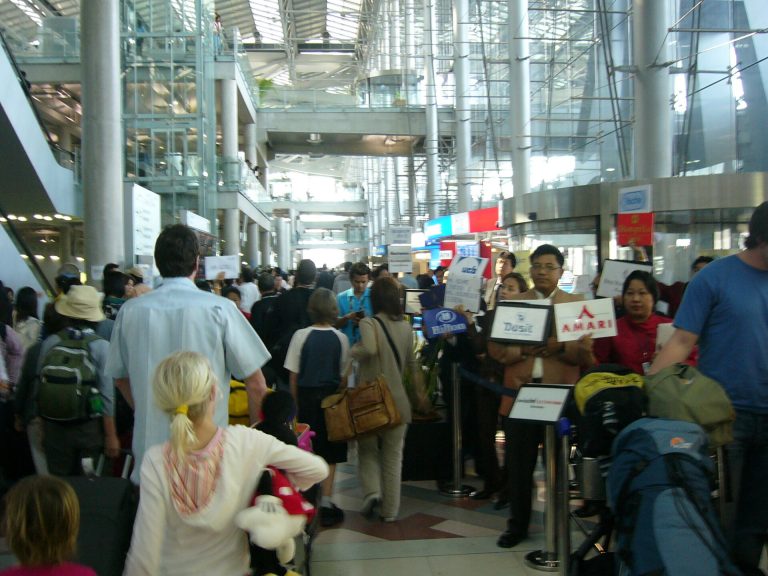
Severe weather has once again thrown China’s air travel into chaos, leaving thousands of passengers stranded across major cities. With 51 flights canceled and 269 delayed, travelers in Kunming, Shanghai, Xi’an, and Guangzhou are facing a frustrating ordeal.

The ripple effect of these disruptions is significant. Passengers are not only dealing with immediate travel delays but also the logistical nightmare of rebooking flights and finding accommodations. The situation underscores the fragility of China’s air travel infrastructure when faced with extreme weather.

Airlines are working tirelessly to manage the fallout, but the sheer scale of the disruption means that many travelers are left with limited options. This incident has sparked a broader conversation about how prepared airlines and airports are for dealing with such weather-related challenges.

As China grapples with these disruptions, the focus now shifts to improving response strategies and infrastructure resilience to better handle future events. Until then, passengers will continue to bear the brunt of these unpredictable weather patterns.

Conclusion

Severe Weather now depends on the next verified moves by the main players, not speculation.

Read more on Digital Chew

Madhusudan Kela’s Portfolio : 5 Stocks Rally Up to 135%; 4 New Q4 Bets Revealed

0

Quick Summary: Madhusudan Kela’s Portfolio : 5 Stocks Rally Up to 135%; 4 New Q4 Bets Revealed

  • Madhusudan Kela’s portfolio saw five stocks rally up to 135%, showcasing strong market performance.
  • Four new Q4 investments have been revealed, indicating strategic shifts in Kela’s approach.
  • Investors are closely watching Kela’s moves for insights into market trends and potential gains.
  • The stock rally highlights the effectiveness of Kela’s investment strategies in volatile markets.
  • Speculation surrounds Kela’s new picks, as markets react to the potential impacts.

Madhusudan Kela, a name synonymous with strategic investment acumen, has once again captured market attention. His portfolio’s recent performance, with stocks rallying up to 135%, is a testament to his keen market insights and timely decisions.

In a bold move, Kela has unveiled four new investments for the fourth quarter, signaling a shift in strategy that has investors buzzing. These new picks are not just numbers on a spreadsheet; they are a reflection of Kela’s ability to adapt and thrive in an ever-changing financial landscape.

Context is crucial here. Kela’s decisions come at a time when markets are anything but stable. His ability to identify and capitalize on opportunities amidst volatility speaks volumes about his expertise. Investors and market watchers alike are dissecting his every move, eager to glean insights and anticipate future trends.

As the dust settles, the broader implications of Kela’s strategic shifts will become clearer. For now, the focus remains on the concrete actions and the immediate market responses. Kela’s portfolio is not just a collection of stocks; it’s a masterclass in strategic investment.

Madhusudan Kela remains the central development in this story, with the latest facts shaping how readers should understand the immediate stakes.

In practical terms, Madhusudan Kela now raises a simple question: what changes first, and who feels it most quickly? The answer depends on the timeline, the decision-makers involved, and whether the response is immediate or delayed. Those three pieces usually determine how fast a story moves from headline to wider consequence.

The biggest value in following Madhusudan Kela closely is separating the confirmed facts from the early speculation. When a story is moving quickly, the first version is often incomplete, which is why verified updates matter more than reactions built on fragments. Readers get a clearer view when the reporting stays tied to what is known, who said it, and what changed afterward.

Context also matters. A single development can look routine in isolation and significant when set against the broader pattern around it. That is why the timing, the scale of the change, and the response from the people involved are all important parts of the story. They show whether this is a one-off update or the start of something larger.

As the reporting develops, the most useful details are usually the ones that answer what happened, why it matters, and what comes next. Those facts help explain whether the story affects a narrow group or has wider reach. They also make it easier to understand which new details actually change the picture and which ones simply add noise.

For Madhusudan Kela, the most useful reading comes from the verified sequence of events: what happened first, how the main parties responded, and what changed after that. That timeline is often the difference between a routine update and a development with wider consequences. When the reporting stays tied to those facts, the story becomes much easier to understand and harder to distort.

Another useful question is whether the latest move changes the direction of the story or simply adds one more detail to it. That distinction matters because headlines can make a small update feel bigger than it is, while the underlying facts may point in a different direction. Readers get a clearer picture when they focus on the concrete action, the immediate response, and the next confirmed step.

Conclusion

For now, the story around Madhusudan Kela turns on the verified facts, the immediate response, and how the next confirmed update changes the picture.

The broader impact will become clearer as more details are confirmed and the main parties respond. Until then, the most useful reading comes from the facts that can be checked, not the speculation around them.

Read more on Digital Chew

Trumps Tariff Developments Draw Fresh Attention

Quick Summary: Trumps Tariff Developments Draw Fresh Attention

  • Trump announced a 25% tariff on EU car imports, set to begin next week.
  • This tariff is part of ongoing trade tensions between the U.S. and the EU.
  • The automotive industry is likely to feel the immediate impact of these tariffs.
  • European car manufacturers are bracing for potential disruptions.
  • This move could escalate the trade war, affecting global markets.

In a bold move that could further strain U.S.-EU relations, President Trump has announced a 25% tariff on European car imports, set to take effect next week. This decision is the latest salvo in a series of trade skirmishes that have defined Trump’s approach to international commerce. Trumps Tariff is at the center of this development.

The automotive industry, already grappling with global supply chain issues, is expected to bear the brunt of this tariff. European manufacturers are on high alert, anticipating potential disruptions that could ripple through the industry and affect global markets.

Contextually, this tariff is not an isolated incident but part of a broader pattern of trade tensions between the U.S. and its European allies. The timing of this announcement is critical, as it comes amid ongoing negotiations and could serve as a pressure tactic in broader trade discussions.

As the situation unfolds, the focus will be on the immediate economic impacts and the strategic responses from both sides. Whether this move will lead to a resolution or further escalation remains to be seen, but the stakes are undeniably high for all parties involved.

Trumps Tariff remains the central development in this story, with the latest facts shaping how readers should understand the immediate stakes.

The next step depends on what the main parties say and do, because those responses will determine whether this is a short-lived update or a bigger shift.

In practical terms, Trumps Tariff now raises a simple question: what changes first, and who feels it most quickly? The answer depends on the timeline, the decision-makers involved, and whether the response is immediate or delayed. Those three pieces usually determine how fast a story moves from headline to wider consequence.

The biggest value in following Trumps Tariff closely is separating the confirmed facts from the early speculation. When a story is moving quickly, the first version is often incomplete, which is why verified updates matter more than reactions built on fragments. Readers get a clearer view when the reporting stays tied to what is known, who said it, and what changed afterward.

Context also matters. A single development can look routine in isolation and significant when set against the broader pattern around it. That is why the timing, the scale of the change, and the response from the people involved are all important parts of the story. They show whether this is a one-off update or the start of something larger.

As the reporting develops, the most useful details are usually the ones that answer what happened, why it matters, and what comes next. Those facts help explain whether the story affects a narrow group or has wider reach. They also make it easier to understand which new details actually change the picture and which ones simply add noise.

For Trumps Tariff, the most useful reading comes from the verified sequence of events: what happened first, how the main parties responded, and what changed after that. That timeline is often the difference between a routine update and a development with wider consequences. When the reporting stays tied to those facts, the story becomes much easier to understand and harder to distort.

Another useful question is whether the latest move changes the direction of the story or simply adds one more detail to it. That distinction matters because headlines can make a small update feel bigger than it is, while the underlying facts may point in a different direction. Readers get a clearer picture when they focus on the concrete action, the immediate response, and the next confirmed step.

Conclusion

For now, the story around Trumps Tariff turns on the verified facts, the immediate response, and how the next confirmed update changes the picture.

The broader impact will become clearer as more details are confirmed and the main parties respond. Until then, the most useful reading comes from the facts that can be checked, not the speculation around them.

Read more on Digital Chew
Louisiana Suspends House Primaries Amid Redistricting Challenges

Table of Contents

Quick Summary

  • Louisiana has suspended House primaries due to redistricting issues.
  • The decision delays the election timeline for candidates and voters.
  • Similar redistricting pressures are affecting multiple red states.
  • Legal and logistical challenges continue to complicate electoral map finalization.
  • The move may influence how other states handle similar situations.

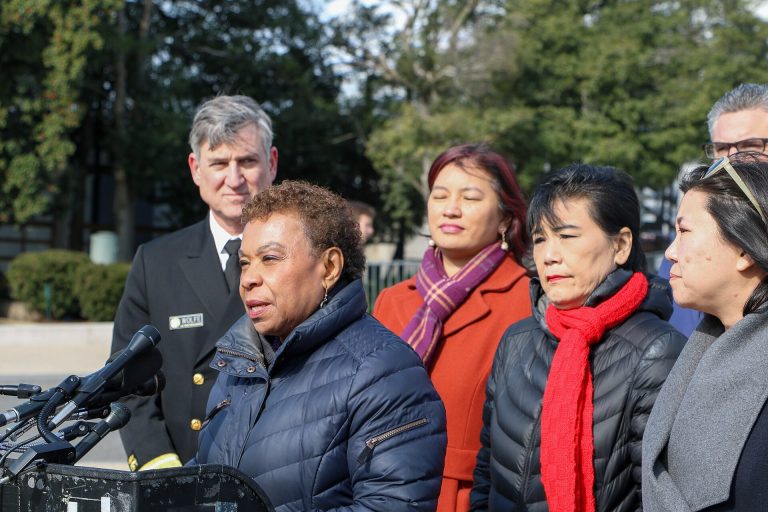
Louisiana has suspended its House primaries as officials work through ongoing challenges related to redistricting. The decision highlights the complexities involved in finalizing electoral maps, particularly as legal and procedural issues continue to emerge in several states.

The suspension directly affects both candidates and voters, introducing uncertainty into the election schedule. With the primaries delayed, attention has shifted toward how and when the process will resume. Officials have yet to provide a clear timeline, leaving political stakeholders closely monitoring developments.

Redistricting has become a central issue in many states, especially where disputes over electoral boundaries have led to legal challenges. In Louisiana’s case, the situation reflects broader pressures faced by states attempting to align their maps with legal requirements while preparing for upcoming elections.

The development also underscores how redistricting decisions can influence the overall electoral process. Changes to district boundaries can affect candidate positioning, voter representation, and campaign strategies, making the process both politically and administratively sensitive.

Analysts suggest that Louisiana’s move could have wider implications. Other states dealing with similar redistricting challenges may look to this decision as a reference point, particularly if delays become more common in response to legal or logistical obstacles.

As the situation evolves, the focus remains on verified updates and official actions. The timeline for resolving the redistricting issues will play a key role in determining the next steps for the state’s electoral process.

Conclusion

The suspension of House primaries in Louisiana reflects the broader challenges associated with redistricting in the current political environment. While the immediate impact is a delay in the election process, the longer-term implications will depend on how quickly these issues are resolved and how similar challenges are addressed across other states.

Read more on Digital Chew

Israel Intercepts Gaza – Bound Flotilla

0

Table of Contents

Quick Summary

  • Israel intercepted a flotilla heading toward Gaza.
  • Benjamin Netanyahu described the mission as linked to Hamas support.
  • The action was criticized by Pedro Sánchez.
  • The incident reflects ongoing tensions in the Middle East.
  • It may influence diplomatic relations between Israel and European countries.

Authorities in Israel have intercepted a flotilla en route to Gaza, according to official statements. The move was described by Benjamin Netanyahu as necessary due to concerns about the nature of the mission, which he characterized as linked to support for Hamas.

The interception has drawn international attention, including criticism from Pedro Sánchez, who expressed concern over the action. Such responses highlight the sensitivity surrounding maritime operations connected to Gaza, particularly when they involve humanitarian or political dimensions.

The situation underscores the broader tensions in the region, where security considerations and humanitarian concerns often intersect. Maritime routes to Gaza have long been a focal point in discussions about access, aid delivery, and regional stability, making such incidents closely monitored by the international community.

Analysts note that developments like this can carry diplomatic implications, especially when European leaders publicly respond to actions taken by Israel. Reactions from international stakeholders may influence ongoing discussions related to regional policy, cooperation, and conflict management.

The interception also reflects the complexity of balancing security measures with international expectations. As similar situations arise, they continue to shape the narrative around Middle Eastern geopolitics and the evolving relationships between regional and global actors.

Conclusion

The interception of a Gaza-bound flotilla by Israel highlights ongoing regional tensions and the challenges of navigating security and diplomatic concerns. With responses from leaders such as Pedro Sánchez, the incident may influence broader discussions on international relations and stability in the region.

Read more on Digital Chew

UPI Celebrates 10 Years with 703 Banks

0

Table of Contents

Quick Summary

  • Unified Payments Interface has completed a decade of transforming digital transactions in India.
  • The platform connects hundreds of banks and supports large-scale daily transactions.
  • International Monetary Fund has recognized UPI as a leading real-time payment system globally.
  • Growth in smartphone usage and internet access has accelerated adoption.
  • The system is seen as a model for financial inclusion and digital payment innovation.

Unified Payments Interface has emerged as a central pillar of digital transactions in India, reflecting a decade of rapid transformation in how payments are conducted. Over time, the platform has expanded to include a wide network of banks, enabling seamless transfers and everyday financial interactions across the country.

The system’s scale and efficiency have drawn international attention, with the International Monetary Fund recognizing it as a major example of real-time payment innovation. This acknowledgment highlights the platform’s ability to handle high transaction volumes while maintaining accessibility and ease of use for a broad user base.

UPI’s growth is closely linked to the broader expansion of digital infrastructure in India. Increased smartphone penetration and improved internet connectivity have played a significant role in driving adoption. As more users shift toward digital transactions, platforms like UPI have become essential tools for both individuals and businesses.

The development also reflects a wider global trend, where countries are exploring digital payment systems to enhance efficiency and financial inclusion. UPI’s model has attracted attention from policymakers and financial institutions worldwide, positioning it as a reference point for similar initiatives.

Beyond convenience, the platform has contributed to greater transparency and formalization within the economy. By facilitating digital transactions at scale, it supports a shift away from cash-based systems, aligning with broader efforts to modernize financial operations.

Conclusion

The continued expansion of Unified Payments Interface highlights its role as a key driver of digital transformation in India. Recognition from global institutions underscores its impact and relevance in the evolving payments landscape. As digital adoption grows, UPI’s framework may continue to influence how financial systems develop both within India and internationally.

Read more on Digital Chew

International Labour Day Celebrated Globally

0

Table of Contents

Quick Summary

  • International Labour Day is observed globally to recognize workers’ contributions.
  • The day reflects the history and achievements of labor movements.
  • Events such as rallies and discussions focus on workers’ rights and fair conditions.
  • The observance highlights ongoing challenges in labor standards and employment conditions.
  • It serves as a platform to advocate for improved policies and workforce protections.

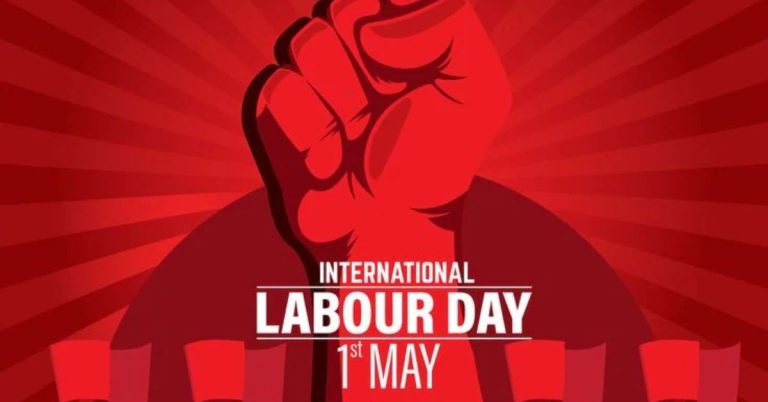
International Labour Day is marked across countries as a significant occasion to honor the contributions of workers and the progress made in labor rights. The observance brings attention to the role of labor movements in shaping workplace standards and ensuring fair treatment for employees.

In many parts of the world, the day is recognized through public events, including marches, gatherings, and discussions that highlight both achievements and ongoing concerns. These activities often focus on issues such as working conditions, wages, and the broader rights of workers, reflecting the continued relevance of labor advocacy.

The importance of Labour Day is underscored by current economic and social developments. As industries evolve and new challenges emerge, discussions around labor rights have gained renewed attention. Governments, organizations, and workers continue to engage in dialogue aimed at improving employment standards and addressing emerging concerns.

The observance also provides an opportunity to reflect on the progress achieved over time while recognizing areas where further efforts are needed. Labor movements have historically played a key role in shaping policies that protect workers, and the day serves as a reminder of their lasting impact.

Across regions, International Labour Day continues to act as a platform for raising awareness and encouraging collective efforts to strengthen workforce protections. The focus remains on ensuring that workers’ rights are upheld in changing economic environments.

Conclusion

The global observance of International Labour Day highlights the enduring importance of workers’ rights and the contributions of labor movements. As economic and workplace dynamics continue to evolve, the day serves as a reminder of the need for ongoing efforts to promote fair conditions and support the workforce worldwide.

Read more on Digital Chew

Senate Bill Seeks Probe Into Chinas Tibet Actions

0

Table of Contents

Quick Summary

  • A US Senate bill proposes an investigation into alleged human rights abuses in Tibet.
  • The move reflects growing scrutiny of China’s policies in the region.
  • Lawmakers aim to examine claims related to treatment of Tibetan populations.
  • The proposal comes amid broader tensions between the United States and China.
  • The bill highlights ongoing international concerns about human rights and accountability.

A new bill introduced in the United States Senate is calling for an investigation into alleged human rights violations in Tibet, drawing attention to longstanding concerns about the treatment of Tibetan communities. The legislative proposal signals increased focus among U.S. lawmakers on addressing reports related to policies and actions attributed to China in the region.

According to the bill’s supporters, the initiative seeks a detailed review of conditions in Tibet, where allegations of restrictions on cultural, religious, and civil freedoms have been raised over time. The proposal is framed as an effort to assess available information and determine the extent of reported concerns, though specific outcomes would depend on further legislative processes.

The development comes during a period of heightened geopolitical tension between the United States and China, with issues ranging from trade to security and human rights continuing to shape bilateral relations. In this context, legislative actions such as this are often viewed as part of broader diplomatic and policy positioning.

Observers note that investigations into human rights concerns can influence international dialogue and policy responses. While such measures do not automatically lead to immediate changes, they can contribute to increased scrutiny and engagement on the global stage.

The introduction of the bill also reflects a wider pattern of legislative interest in human rights issues, where governments seek to address concerns through formal review mechanisms. As the proposal moves through the legislative process, its implications for diplomatic relations and international discourse will be closely watched.

Conclusion

The proposed Senate bill underscores ongoing concerns regarding human rights in Tibet and highlights the role of legislative initiatives in addressing such issues. While the outcome of the proposal remains uncertain, it represents a step toward greater examination and discussion of the matter within the context of U.S.-China relations.

Read more on Digital Chew

Governor Mbah Faces Political Challenges Ahead of Re-Election Bid in Nigeria

0

Quick Summary

  • Peter Mbah is encountering challenges as he prepares for re-election in Nigeria.
  • Opposition parties are raising concerns over governance and policy decisions.
  • The campaign is unfolding in a complex and closely watched political environment.
  • The outcome could influence future governance and regional political dynamics.
  • Attention remains on how the governor’s team addresses emerging challenges.

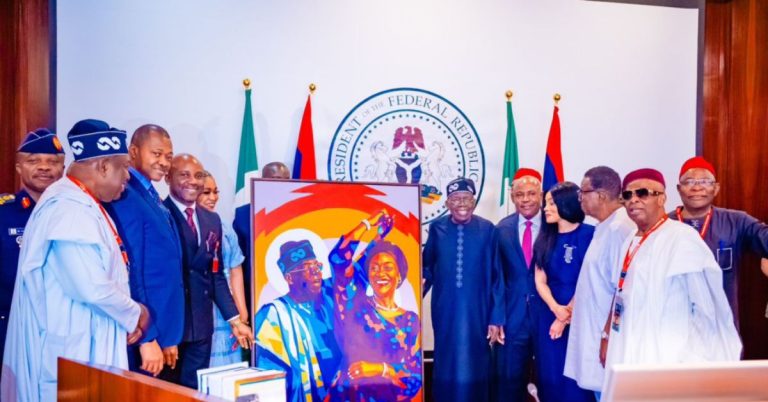
The re-election path for Peter Mbah is drawing increased attention as political dynamics evolve in Nigeria. As the election approaches, various challenges have emerged, shaping the broader political landscape and prompting closer scrutiny of governance and policy direction.

Opposition parties have raised a range of issues related to leadership decisions and administrative performance. These concerns have contributed to an environment where campaign strategies are being closely analyzed, and voter sentiment is influenced by ongoing debates around accountability and development priorities.

The political context remains complex, with multiple factors affecting both the campaign and public perception. For the governor’s team, addressing these challenges effectively will be key to maintaining support and reinforcing confidence among constituents. Campaign messaging and engagement strategies are expected to play a central role in navigating this phase.

The situation also highlights the importance of political stability in the region. Elections often serve as critical moments that shape governance frameworks and policy direction, and the current contest is no exception. The outcome may influence not only local administration but also broader political trends.

As the election draws nearer, attention continues to focus on how these challenges are managed and how they may impact the final result. Observers are closely monitoring developments, recognizing the potential implications for future political alignments and decision-making processes.

Conclusion

The challenges facing Peter Mbah ahead of re-election reflect the competitive and evolving nature of politics in Nigeria. How these issues are addressed could play a significant role in shaping both the election outcome and the region’s future governance.

Original source

For more updates, read the latest news on Digital Chew.