
77 F
San Francisco
Wednesday, June 10, 2026
Home Blog Page 17

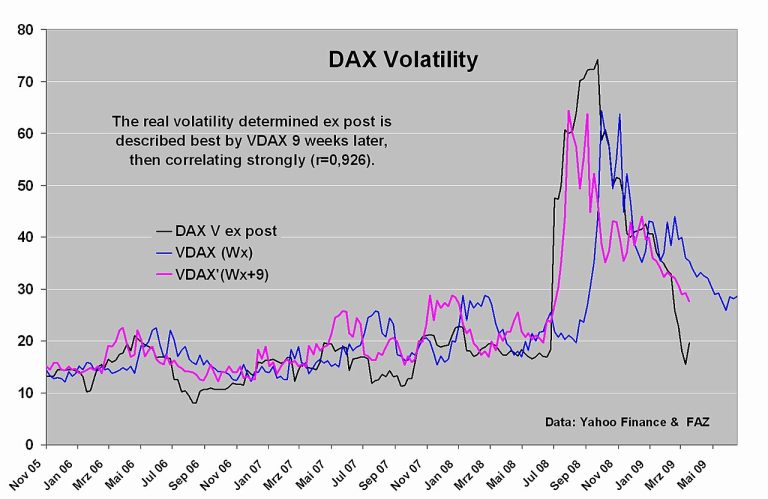
Sri Lanka Treasury Hike Intensifies Stock Market Volatility

0

Quick Summary: Sri Lanka Treasury Hike Intensifies Stock Market Volatility

  • Sri Lanka’s Treasury bill rate hike has intensified stock market volatility, affecting investor sentiment.
  • The rate increase is seen as a turning point, with potential long-term impacts on the market.
  • Analysts highlight the absence of fresh developments or official statements in recent days.
  • Current business coverage focuses on broader economic issues rather than the Treasury rate hike.
  • Investor reactions are mixed, with some seeking bargains amidst the volatility.

In a move that has sent ripples through Sri Lanka’s financial markets, the recent hike in Treasury bill rates has intensified stock market volatility. This decision, while not unexpected, marks a significant turning point for investors and policymakers alike.

The Treasury’s rate hike has compounded existing market pressures, leaving investors scrambling to reassess their positions. Despite the lack of fresh developments or official statements in recent days, the impact of this decision is unmistakable. Analysts have noted that the current moment could set the course for the market in the coming months.

While the Treasury bill rate hike has captured attention, Sri Lanka’s broader economic landscape remains under scrutiny. Recent business coverage has shifted focus to issues such as fuel price hikes and economic surveillance, indicating a complex macroeconomic environment.

As the dust settles, investors are left to navigate a volatile market landscape. Some see this as an opportunity to hunt for bargains, while others remain cautious, wary of further fluctuations. The coming weeks will be crucial in determining how this situation unfolds and what it means for Sri Lanka’s financial future.

That matters because your request was for “the most current, newsworthy reporting,” and at the moment the web evidence does not show a new revelation, official statement, vote, or market-moving decision in the last 7 days attached to that exact story title. In practical terms, that means I’d be guessing if I tried to write the kind of tightly reported, quote-heavy dispatch you asked for.

” In the same current site index, Cabinet also approved a “Committee on Economic Surveillance,” indicating that the live macro narrative has shifted toward broader economic management rather than a discrete new Treasury-bill-rate controversy. I can either keep digging for the original Island article in archives and then trace whether its claims have been overtaken by newer Sri Lankan reporting this week, or I can pivot to the actual live market story now driving Sri Lankan business coverage and write the 5-to-8 paragraph news brief you requested based only on currently verifiable reporting.

lk headline “Treasury Bill rate hike compounds stock market volatility,” and the available search results suggest it is an older Island business item rather than a currently developing news story. I also did not find a fresh Island follow-up carrying hard new numbers such as updated T-bill yield changes, a same-day All Share Price Index swing, turnover figures, or central bank comments linked specifically to that headline.

The closest current context on Island is that Sri Lanka’s business coverage this week has been tracking other pressure points in investor sentiment rather than reviving that specific article. lk has advanced the story this week with a new quote, new policy move, or new market statistic.

lk do not surface a new article under that exact headline this week, and the site’s currently indexed business coverage is instead focused on other Sri Lankan market and policy stories, including fuel-price criticism, bargain-hunting on the Colombo bourse, and broader economic surveillance moves. The most relevant live result was an Island archive/index page rather than a current standalone report on a new Treasury-bill-driven market shock, which strongly suggests the headline you supplied is not part of this week’s active news cycle.

The rate increase is seen as a turning point, with potential long-term impacts on the market. Investor reactions are mixed, with some seeking bargains amidst the volatility.

The Treasury’s rate hike has compounded existing market pressures, leaving investors scrambling to reassess their positions. While the Treasury bill rate hike has captured attention, Sri Lanka’s broader economic landscape remains under scrutiny.

The scale and speed of this development has caught many observers off guard. Each new update adds another dimension to a story that is still unfolding, and the full picture will only become clear as more verified details emerge from the people and institutions directly involved.

Analysts who have tracked this issue closely say the current moment represents a genuine turning point. The decisions made in the coming weeks are expected to set the direction for months ahead, with ripple effects likely to extend well beyond the immediate actors in the story.

For those directly affected, the practical impact is already visible. People navigating this fast-changing situation are dealing with real consequences while new information continues to reshape what is known and what remains open to interpretation.

Historical parallels offer some context, though experts caution against drawing too close a comparison. Similar situations have played out before, but the specific combination of pressures, personalities, and timing here makes this moment distinct in ways that matter for how it ultimately resolves.

The political and economic dimensions of this story are deeply intertwined. What appears as a single event on the surface is in practice the convergence of multiple pressures that have been building quietly over a longer period than most public reporting has captured.

Read more on Digital Chew

Dow Jones Surges to Record Close as Investors Shift From AI Stocks

0

Quick Summary: Dow Jones Surges to Record Close as Investors Shift From AI Stocks

  • The Dow Jones Industrial Average surged 1.7%, marking a record close as investors moved away from AI stocks.
  • Oil prices eased, with Brent crude falling 2.8% to $95.03 a barrel, reducing inflation pressure.
  • Bank stocks led the market advance, with Goldman Sachs rising 5.0% and Fifth Third Bancorp gaining 4.7%.
  • The Nasdaq slipped 0.1%, highlighting a shift in investor focus from tech to other sectors.
  • Broadcom fell 12.6% despite strong earnings, indicating a rotation away from AI-driven stocks.

The Dow Jones Industrial Average has shattered records, surging 1.7% as investors pivot away from the once-dominant AI stocks. This seismic shift in market dynamics comes as oil prices ease, providing a much-needed reprieve from inflationary pressures.

Brent crude’s decline to $95.03 a barrel has sparked optimism, encouraging investors to explore opportunities beyond the tech sector. The result? A rally in bank stocks, with Goldman Sachs and Fifth Third Bancorp leading the charge. This rotation signifies a potential long-term shift in market leadership, as sectors previously overshadowed by AI mania gain traction.

While the Nasdaq slipped slightly, the broader market’s enthusiasm was palpable. The S&P 500 recorded its 10th gain in 11 days, and the Russell 2000 of smaller companies jumped 1.4%, underscoring the appeal of rate-sensitive stocks amid easing borrowing costs. The market’s current trajectory hinges on oil prices and bond yields, as investors weigh the sustainability of this newfound diversity.

Ultimately, the Dow’s record-breaking performance is a testament to the market’s evolving landscape. As investors seek alternatives to AI, the broader market stands to benefit, provided external factors like oil prices remain favorable. This shift could redefine market dynamics, offering a more balanced and diversified investment environment.

6% even though it reported profit and revenue above analysts’ expectations. 1%, a sharp sign that investors are rotating into banks, small caps and other lagging sectors as oil prices and Treasury yields ease.

4%, suggesting traders are moving into parts of the market that could benefit most if borrowing costs come down. 4%, a reversal that underlined how aggressively investors favored sectors that had been left behind by AI euphoria.

49% late Wednesday, a small move numerically but meaningful for rate-sensitive stocks, especially smaller companies that rely more heavily on borrowed cash. The S&P 500 had been riding a nine-day winning streak before it ended Wednesday, one session shy of its longest run in three decades, and then the Dow powered to a fresh record on Thursday, June 4, 2026.

If Brent holds near or below $95 instead of reigniting toward the roughly $100 level seen in recent war-driven swings, banks and small caps could continue to gain ground; if oil spikes again or AI earnings once more overpower everything else, the market may snap back to the narrow leadership that defined much of the rally. Kurtz said the latest quarter was when “the worlds of cybersecurity and frontier AI collided,” as CrowdStrike also announced a stock split intended to make its shares more affordable.

Right now, the most important revelation from the latest reporting is that investors finally found a reason to buy something other than AI, and they did it forcefully enough to send the Dow to a record while tech blinked. 03 a barrel, easing some inflation pressure after earlier oil spikes tied to fighting involving Iran, the United States and its allies.

6% even though it reported profit and revenue above analysts’ expectations. 1%, highlighting a shift in investor focus from tech to other sectors.

6% despite strong earnings, indicating a rotation away from AI-driven stocks. 4%, underscoring the appeal of rate-sensitive stocks amid easing borrowing costs.

1%, a sharp sign that investors are rotating into banks, small caps and other lagging sectors as oil prices and Treasury yields ease. 4%, suggesting traders are moving into parts of the market that could benefit most if borrowing costs come down.

4%, a reversal that underlined how aggressively investors favored sectors that had been left behind by AI euphoria. 49% late Wednesday, a small move numerically but meaningful for rate-sensitive stocks, especially smaller companies that rely more heavily on borrowed cash.

The S&P 500 had been riding a nine-day winning streak before it ended Wednesday, one session shy of its longest run in three decades, and then the Dow powered to a fresh record on Thursday, June 4, 2026. 7%, marking a record close as investors moved away from AI stocks.

The scale and speed of this development has caught many observers off guard. Each new update adds another dimension to a story that is still unfolding, and the full picture will only become clear as more verified details emerge from the people and institutions directly involved.

Analysts who have tracked this issue closely say the current moment represents a genuine turning point. The decisions made in the coming weeks are expected to set the direction for months ahead, with ripple effects likely to extend well beyond the immediate actors in the story.

For those directly affected, the practical impact is already visible. People navigating this fast-changing situation are dealing with real consequences while new information continues to reshape what is known and what remains open to interpretation.

Historical parallels offer some context, though experts caution against drawing too close a comparison. Similar situations have played out before, but the specific combination of pressures, personalities, and timing here makes this moment distinct in ways that matter for how it ultimately resolves.

The political and economic dimensions of this story are deeply intertwined. What appears as a single event on the surface is in practice the convergence of multiple pressures that have been building quietly over a longer period than most public reporting has captured.
Read more on Digital Chew

Trump Alleges California Election Fraud as Officials Defend Vote Count

Quick Summary: Trump Alleges California Election Fraud as Officials Defend Vote Count

  • Donald Trump accused Democrats of election fraud in California’s June 2026 primaries, claiming they were “trying to steal” the election.
  • California’s published election timetable shows the slow vote count is routine, not suspicious, with results due by July 10, 2026.
  • Trump’s claims came as only 56% of votes were counted in the governor’s race and 62% in the Los Angeles mayoral election.
  • California officials and election-integrity advocates refuted Trump’s allegations, emphasizing the importance of counting every vote.
  • The controversy highlights tensions over mail-in voting and election integrity, despite no evidence of fraud emerging.

Donald Trump is once again in the spotlight, this time for accusing Democrats of election fraud in California’s June 2026 primaries. His claims of “BIG cheating” have collided head-on with the state’s routine vote-counting process, which is anything but suspicious.

California’s election timetable is clear: counties have until July 3, 2026, to report final results, with statewide certification by July 10. This timeline is designed to ensure every vote is counted, including late-arriving mail ballots. Yet, Trump has seized on the ongoing count in close races, like the governor’s and Los Angeles mayoral elections, to allege fraud without evidence.

Election officials and advocates have pushed back, underscoring the integrity of the process. As California’s election system faces scrutiny, the broader debate over mail-in voting and public trust in elections continues to simmer. Trump’s allegations, lacking proof, have become part of a national narrative on election integrity.

Reporting this week said that as of early Thursday only about 56% of the vote had been counted in the California governor primary and about 62% in the Los Angeles mayoral election, leaving enough ballots outstanding to keep second-place and runoff positioning meaningful. 8%, while Sacramento Bee said Republican Steve Hilton was leading the gubernatorial count as he also criticized the pace of counting on conservative media.

The biggest new development is that Donald Trump’s accusation that Democrats are “trying to steal” California’s June 2, 2026 primaries has collided with the state’s own published timetable showing the slow count is routine, not exceptional, while several marquee races remain genuinely close enough that late-arriving mail ballots could still change who advances. California’s secretary of state says county officials do not have to submit final official results until July 3, 2026, and the state will certify results on July 10, a timeline that undercuts the idea that vote counting continuing for days is itself suspicious.

Counties will keep processing outstanding vote-by-mail, provisional and other ballots over the coming weeks; county elections officials must report final official results to the secretary of state by July 3, 2026, and California will certify statewide results on July 10, 2026. The immediate trigger was not a recount or a discovered irregularity, but the ordinary post-election count of mail, drop-box and provisional ballots after California’s Tuesday, June 2 primary.

The Los Angeles Times reported on June 2 that Bass was ahead in early returns, with Pratt second and Raman third, and that the top two would advance to the November 3 runoff. 2 million registered voters as of May 18, 2026.

” The practical consequence is that California’s unfinished count has become part of a national argument over mail ballots, election administration and public trust, even though no credible evidence of primary fraud has surfaced in the reporting reviewed today. The core of the fight erupted late on June 3 and into the early hours of June 4, when Trump posted on Truth Social that Democrats were engaged in “BIG cheating” in California and suggested federal authorities in Los Angeles were looking into it.

8%, while Sacramento Bee said Republican Steve Hilton was leading the gubernatorial count as he also criticized the pace of counting on conservative media. Trump’s claims came as only 56% of votes were counted in the governor’s race and 62% in the Los Angeles mayoral election.

The controversy highlights tensions over mail-in voting and election integrity, despite no evidence of fraud emerging. California’s election timetable is clear: counties have until July 3, 2026, to report final results, with statewide certification by July 10.

The scale and speed of this development has caught many observers off guard. Each new update adds another dimension to a story that is still unfolding, and the full picture will only become clear as more verified details emerge from the people and institutions directly involved.

Analysts who have tracked this issue closely say the current moment represents a genuine turning point. The decisions made in the coming weeks are expected to set the direction for months ahead, with ripple effects likely to extend well beyond the immediate actors in the story.

For those directly affected, the practical impact is already visible. People navigating this fast-changing situation are dealing with real consequences while new information continues to reshape what is known and what remains open to interpretation.

Historical parallels offer some context, though experts caution against drawing too close a comparison. Similar situations have played out before, but the specific combination of pressures, personalities, and timing here makes this moment distinct in ways that matter for how it ultimately resolves.

The political and economic dimensions of this story are deeply intertwined. What appears as a single event on the surface is in practice the convergence of multiple pressures that have been building quietly over a longer period than most public reporting has captured.

Read more on Digital Chew

Crowdstrike Stock Falls 8% Despite 26% Revenue Surge

0

Quick Summary: Crowdstrike Stock Falls 8% Despite 26% Revenue Surge

  • CrowdStrike’s Q1 2027 revenue rose 26% to $1.39 billion, signaling strong growth.
  • Annual recurring revenue hit $5.51 billion, with $255.8 million in net new ARR.
  • The company announced a four-for-one stock split, aiming to attract more investors.
  • Despite positive earnings, CrowdStrike’s stock fell 8% in after-hours trading.
  • Investors are skeptical about whether AI-driven growth justifies current valuations.

CrowdStrike has thrown down the gauntlet with its latest earnings report, boasting a 26% revenue surge in Q1 2027. Yet, despite these impressive numbers, Wall Street remains unconvinced. The cybersecurity giant’s bold AI-driven growth narrative and a four-for-one stock split have not quelled investor doubts, as evidenced by an 8% drop in after-hours trading.

The company’s annual recurring revenue reached a staggering $5.51 billion, with net new ARR of $255.8 million. CEO George Kurtz has framed this as an ‘AI inflection point,’ emphasizing the critical role of AI security infrastructure in future growth. However, the market’s reaction suggests that investors expected even more explosive results.

Contextually, CrowdStrike’s ambitious AI strategy includes collaborations with tech titans like OpenAI and AWS. The company has also raised its full-year revenue guidance, projecting fiscal 2027 revenue between $5.915 billion and $5.959 billion. Yet, the shadow of past challenges, such as the July 2024 Falcon outage, still looms large, impacting investor confidence.

As CrowdStrike gears up for its stock split, all eyes are on whether its AI narrative can truly deliver the growth it promises. Investors will be closely watching upcoming earnings to see if the company can meet its elevated ARR targets and validate its AI-driven ambitions.

303 billion, and Podbere said the upgrade amounted to a 520-basis-point increase in net new ARR growth guidance at the midpoint. 8 million, while a record, appears to have landed closer to the middle of bullish investors’ expectations than at the high end of the whisper numbers; one report said some traders had been looking for something closer to $275 million.

The board approved the split in the form of a stock dividend, with shareholders of record on June 25, 2026 set to receive three additional shares for each share held after the close on July 1, and split-adjusted trading expected to begin on July 2. 5 million, and free-cash-flow margin was 34%, versus 25% a year earlier.

9 billion in ending ARR tied to that subscription model, up 99% year over year. 6 million in stock-based compensation and ongoing litigation tied to the July 2024 Falcon outage, a reminder that the company’s comeback story is still being judged against both elevated valuation and the shadow of that incident.

8 million of net new ARR in the quarter. 8% after hours to about $667 despite the headline beat.

What happens next is straightforward but important: investors will parse the June 25 stock-split record date, the July 2 split-adjusted trading start, and whether second-quarter ARR lands in the company’s projected $284 million to $286 million range, which would test management’s claim that AI demand is now powerful enough to accelerate growth through the rest of fiscal 2027. George Kurtz, CrowdStrike’s founder and CEO, framed the quarter as an AI inflection point, saying, “In Q1, the worlds of cybersecurity and frontier AI collided: this was the Mythos moment.

Despite positive earnings, CrowdStrike’s stock fell 8% in after-hours trading. The cybersecurity giant’s bold AI-driven growth narrative and a four-for-one stock split have not quelled investor doubts, as evidenced by an 8% drop in after-hours trading.

Yet, the shadow of past challenges, such as the July 2024 Falcon outage, still looms large, impacting investor confidence. 5 million, and free-cash-flow margin was 34%, versus 25% a year earlier.

6 million in stock-based compensation and ongoing litigation tied to the July 2024 Falcon outage, a reminder that the company’s comeback story is still being judged against both elevated valuation and the shadow of that incident. 8% after hours to about $667 despite the headline beat.

The scale and speed of this development has caught many observers off guard. Each new update adds another dimension to a story that is still unfolding, and the full picture will only become clear as more verified details emerge from the people and institutions directly involved.

Analysts who have tracked this issue closely say the current moment represents a genuine turning point. The decisions made in the coming weeks are expected to set the direction for months ahead, with ripple effects likely to extend well beyond the immediate actors in the story.

For those directly affected, the practical impact is already visible. People navigating this fast-changing situation are dealing with real consequences while new information continues to reshape what is known and what remains open to interpretation.

Historical parallels offer some context, though experts caution against drawing too close a comparison. Similar situations have played out before, but the specific combination of pressures, personalities, and timing here makes this moment distinct in ways that matter for how it ultimately resolves.

The political and economic dimensions of this story are deeply intertwined. What appears as a single event on the surface is in practice the convergence of multiple pressures that have been building quietly over a longer period than most public reporting has captured.

Read more on Digital Chew

SPARC AI Closed Secured $4.34 Million Funding

0

Quick Summary: SPARC AI Closed Secured $4.34 Million Funding

  • SPARC AI closed a $4.34 million first tranche, funded by an institutional investor, covering nearly 79.5% of its target.
  • The financing includes 1,021,177 units at $4.25 each, with warrants exercisable at $5.25 for 60 months.
  • SPARC plans to use the funds for its Overwatch Platform, targeting GPS-denied environments.
  • Don Hilton joined SPARC’s board, enhancing governance as the company seeks to attract larger investors.
  • SPARC is establishing a Ukrainian presence to capitalize on demand for GPS-free navigation solutions.

SPARC AI has just pulled off a significant coup by closing a $4.34 million first tranche of its brokered financing, primarily funded by a single institutional investor. This bold move not only covers nearly 79.5% of its announced target in less than a week but also signals a strategic shift for the company.

The financing package, which includes 1,021,177 units priced at $4.25 each, comes with warrants exercisable at $5.25 for 60 months. This structure not only provides immediate capital but also offers long-term upside potential if SPARC’s valuation rises. The involvement of an institutional investor, rather than a retail syndicate, underscores a vote of confidence in SPARC’s unique positioning in the defense-technology sector.

SPARC plans to channel these funds into the development of its Overwatch Platform, designed for GPS-denied environments—a niche gaining traction as electronic warfare disrupts satellite-based navigation. The appointment of Don Hilton to the board, with his extensive background in governance and strategic execution, further strengthens SPARC’s institutional readiness.

In addition to financial maneuvers, SPARC is expanding its operational footprint by establishing a permanent presence in Ukraine. This move aims to leverage the wartime demand for GPS-free navigation solutions, positioning SPARC as a key player in this emerging market.

As SPARC continues to navigate this pivotal moment, the next steps will be crucial. The anticipated closure of the second tranche and the potential disclosure of the institutional investor’s identity could further solidify SPARC’s standing. With strategic governance and a clear focus on expanding its defense capabilities, SPARC AI is poised to redefine its future trajectory.

12 million slated for June 4, 2026, just one week after the deal was first announced. 5% of the announced target in less than a week.

75 was expected to close “tomorrow,” meaning June 4, 2026, and that this remaining amount would come from “existing supporting shareholders” settling directly with the company. On June 1, the company added Don Hilton as an independent non-executive director, highlighting his background in governance, mergers and acquisitions, capital raising, restructuring, and investment strategy.

On May 13, SPARC said it was establishing a permanent Ukrainian presence, including a wholly owned subsidiary, a physical office, a country manager search, business development hires, and integration engineers to deploy its Overwatch platform with local drone manufacturers. 25 for 60 months, meaning the investor not only funded most of the raise immediately but also secured long-dated upside if SPARC’s valuation rises.

SPARC said the cash will go toward “further development of the Overwatch Platform,” including “new features and defence-specific capability,” as well as geographic customization, marketing, trade shows, demonstrations, and working capital. It also named Greg Daly as chief strategy and mission integration officer to drive those integrations and convert them into recurring software sales.

The immediate questions now are whether the second tranche did in fact settle on June 4, whether SPARC discloses any identity or profile of the institutional backer, and how quickly the company converts this new cash into board-strengthened, Ukraine-linked commercial traction for Overwatch. , and institutional participation can be read as a stronger vote of confidence than a typical junior-market placement.

5% of its announced target in less than a week but also signals a strategic shift for the company. 12 million slated for June 4, 2026, just one week after the deal was first announced.

5% of the announced target in less than a week. 34 million first tranche of its brokered financing, primarily funded by a single institutional investor.

The scale and speed of this development has caught many observers off guard. Each new update adds another dimension to a story that is still unfolding, and the full picture will only become clear as more verified details emerge from the people and institutions directly involved.

Analysts who have tracked this issue closely say the current moment represents a genuine turning point. The decisions made in the coming weeks are expected to set the direction for months ahead, with ripple effects likely to extend well beyond the immediate actors in the story.

For those directly affected, the practical impact is already visible. People navigating this fast-changing situation are dealing with real consequences while new information continues to reshape what is known and what remains open to interpretation.

Historical parallels offer some context, though experts caution against drawing too close a comparison. Similar situations have played out before, but the specific combination of pressures, personalities, and timing here makes this moment distinct in ways that matter for how it ultimately resolves.

The political and economic dimensions of this story are deeply intertwined. What appears as a single event on the surface is in practice the convergence of multiple pressures that have been building quietly over a longer period than most public reporting has captured.

Read more on Digital Chew

Denmark Held to Scoreless Draw by DR Congo in Friendly

Quick Summary: Denmark Held to Scoreless Draw by DR Congo in Friendly

  • Denmark and DR Congo played to a 0-0 draw in a friendly match on June 3.
  • The match served as a World Cup warm-up for DR Congo, highlighting their defensive readiness.
  • Denmark reached the final third 72 times, but failed to convert opportunities into goals.
  • DR Congo’s preparation was disrupted by a canceled friendly against Burkina Faso.
  • Denmark missed out on World Cup qualification, contrasting with DR Congo’s upcoming participation.

In a match that was more than just a friendly, Denmark and DR Congo ended in a goalless draw, but the implications stretched far beyond the scoreline. For DR Congo, already qualified for the 2026 World Cup, this was a crucial test of their defensive mettle against European competition.

Played at Stade Maurice Dufrasne in Belgium, the game saw Denmark dominate possession, reaching the final third 72 times compared to DR Congo’s 48. Despite this, both teams failed to find the net, with each hitting the woodwork and forcing significant saves. This match was less about Denmark’s performance and more about DR Congo’s readiness for their first World Cup appearance in over 50 years.

The broader context reveals a logistical hiccup for DR Congo, as a planned friendly against Burkina Faso was canceled due to local administrative issues. This disruption adds a layer of complexity to their World Cup preparations, with the tournament just days away.

Ultimately, the draw reflects two narratives: Denmark, a historically stronger European side, finds itself without a summer tournament, while DR Congo uses the game as a benchmark for their World Cup ambitions. The African side’s ability to hold Denmark underscores their organizational strength and readiness for the global stage.

What happens next is immediate and practical rather than political: Congo must finalize its World Cup preparations after this disrupted friendly window, with the tournament itself only days away in June 2026, while Denmark leave this camp with a credible 0-0 against a qualified finalist but no competitive fixtures on the same horizon. Foot Africa reports that DR Congo secured its place at the tournament by beating Jamaica 1-0 after extra time in an intercontinental play-off and is heading to a group featuring Portugal, Colombia and Uzbekistan.

The match itself finished goalless, but the latest reporting stresses that it was not sterile: Denmark reached the final third 72 times to DR Congo’s 48, while both teams hit the woodwork and forced major saves in a game played at Stade Maurice Dufrasne in Belgium on June 3. ” That cancellation is the biggest fresh twist around this story because it turns a routine friendly week into a disrupted World Cup preparation schedule for Sébastien Desabre’s side at precisely the wrong moment.

The competitive tension in the latest accounts centers on whether Congo’s attack is sharp enough and whether Denmark squandered control. ” Those lines capture the two forces shaping this story right now: sporting momentum and administrative disruption.

Reuters’ match report, republished by Channel NewsAsia, framed it as Congo’s warm-up for “their first World Cup appearance in more than half a century,” which is the real story line driving coverage right now: this was less about Denmark’s result than about a World Cup-bound African side testing itself against European opposition days before the tournament. The most consequential wrinkle in the reporting is off the pitch.

That broader World Cup context is what makes the draw newsworthy now. ” That reversal of expectations is central to the coverage: Denmark, historically the more established European side, came in as the nation with no summer tournament ahead, while Congo used the game as a practical World Cup benchmark.

For DR Congo, already qualified for the 2026 World Cup, this was a crucial test of their defensive mettle against European competition. Quick Summary: Denmark Played Draw Denmark and DR Congo played to a 0-0 draw in a friendly match on June 3.

Denmark reached the final third 72 times, but failed to convert opportunities into goals. Played at Stade Maurice Dufrasne in Belgium, the game saw Denmark dominate possession, reaching the final third 72 times compared to DR Congo’s 48.

This match was less about Denmark’s performance and more about DR Congo’s readiness for their first World Cup appearance in over 50 years. The match itself finished goalless, but the latest reporting stresses that it was not sterile: Denmark reached the final third 72 times to DR Congo’s 48, while both teams hit the woodwork and forced major saves in a game played at Stade Maurice Dufrasne in Belgium on June 3.

The match served as a World Cup warm-up for DR Congo, highlighting their defensive readiness. DR Congo’s preparation was disrupted by a canceled friendly against Burkina Faso.

Denmark missed out on World Cup qualification, contrasting with DR Congo’s upcoming participation. Despite this, both teams failed to find the net, with each hitting the woodwork and forcing significant saves.

The scale and speed of this development has caught many observers off guard. Each new update adds another dimension to a story that is still unfolding, and the full picture will only become clear as more verified details emerge from the people and institutions directly involved.

Analysts who have tracked this issue closely say the current moment represents a genuine turning point. The decisions made in the coming weeks are expected to set the direction for months ahead, with ripple effects likely to extend well beyond the immediate actors in the story.

For those directly affected, the practical impact is already visible. People navigating this fast-changing situation are dealing with real consequences while new information continues to reshape what is known and what remains open to interpretation.

Historical parallels offer some context, though experts caution against drawing too close a comparison. Similar situations have played out before, but the specific combination of pressures, personalities, and timing here makes this moment distinct in ways that matter for how it ultimately resolves.

The political and economic dimensions of this story are deeply intertwined. What appears as a single event on the surface is in practice the convergence of multiple pressures that have been building quietly over a longer period than most public reporting has captured.

Read more on Digital Chew

California Primary Reveals Democratic Vulnerabilities as Hilton Leads Governor’s Race

0

Quick Summary: California Primary Reveals Democratic Vulnerabilities as Hilton Leads Governor’s Race

  • California’s primary serves as a national stress test for Democrats, highlighting vulnerabilities in their strategy.
  • Republican Steve Hilton leads the governor’s race, with Democrat Xavier Becerra closely trailing, revealing Democratic fragmentation.
  • Jane Kim and Ben Allen’s insurance commissioner race underscores ideological divides within the Democratic Party.
  • Los Angeles mayoral race could become a right-versus-left showdown or an intra-left battle, depending on final results.
  • Proposition 50’s new maps aim to flip Republican-held seats, but results show mixed success for Democrats.

California’s primary elections have emerged as a critical stress test for the Democratic Party, revealing deep-seated vulnerabilities and ideological rifts. As the dust settles, it’s clear that Democrats face significant challenges in maintaining unity and leveraging new electoral maps to their advantage.

Republican Steve Hilton’s lead in the governor’s race, with Democrat Xavier Becerra trailing, underscores the fragmentation within California’s dominant party. This isn’t just a Republican breakthrough; it’s a stark warning that Democrats are struggling to consolidate their vote under the state’s open primary system. The ideological battle lines are drawn, not just between parties but within the Democratic ranks themselves.

In the insurance commissioner race, Jane Kim’s progressive stance on state-run disaster insurance clashes with Ben Allen’s market-focused approach. This race epitomizes the broader ideological struggle within the party, as Democrats grapple with defining their policy direction in the face of rising insurance costs and climate-related challenges.

Los Angeles presents another battleground, with Mayor Karen Bass vulnerable after her handling of the 2025 wildfires. Depending on the final tally, the city could witness a right-versus-left contest against Spencer Pratt or an intra-left clash with Nithya Raman. Both scenarios highlight the party’s internal divisions on issues like housing and governance.

Proposition 50’s redistricting efforts aimed to flip Republican-held seats, but the results are mixed. While Democrats avoided a shutout in San Diego, the Sacramento suburbs remain a concern, with only one Democrat in the top three of a key race. This underscores the ongoing challenge of translating new maps into electoral victories.

As California’s primary results continue to unfold, the Democratic Party must confront its internal divisions and strategize effectively to maintain its influence in the state and beyond. The coming months will be crucial in determining whether Democrats can unite their fragmented base and capitalize on the opportunities presented by Proposition 50.

” That intraparty clash is part of the same story Governing identified: California’s primary is doubling as a referendum on who gets to define Democratic politics in 2026. In Congress, California’s primary is being treated nationally as a stress test for Democrats’ attempt to weaponize new maps after voters approved Proposition 50.

Governing reported that Mayor Karen Bass led the primary with about 35 percent, while conservative former reality TV figure Spencer Pratt was around 30 percent and City Councilmember Nithya Raman trailed near 22 percent as of Wednesday morning, though Raman was cutting into Pratt’s second-place lead later in the day. Voting concluded on Tuesday, June 2, 2026, Governing published its analysis on Wednesday, June 3, and results were still being counted as that piece went live, with several second-place positions unresolved or narrowing.

Governing reported that, as of Wednesday morning, Hilton was the top vote-getter, while Becerra trailed closely, making the central revelation less a Republican breakthrough than a warning that California Democrats remain vulnerable when their vote splinters under the state’s open primary rules. Kim has pushed “disaster insurance for all,” a state-run supplemental coverage plan, while Allen has argued for stabilizing the private insurance market and pressing insurers to do more for homeowners after disasters, a split made more urgent by premium hikes, dropped policies and the fallout from the 2025 fire season.

That matters because Bass’ vulnerability after her response to the 2025 Los Angeles wildfires could now produce either a right-versus-left fall brawl against Pratt or a bruising intra-left fight against Raman centered on housing, governance and Bass’ record at City Hall. 2 million, including a $364,000 personal loan.

KQED reported that the remap was designed to give Democrats a chance to flip up to five Republican-held seats, and AP said party leaders persuaded voters to redraw districts specifically to counter GOP redistricting in Texas. The risk, AP added, had not fully disappeared elsewhere, especially in the Sacramento suburbs, where late results suggested only one Democrat sat in the top three of a closely watched contest.

Los Angeles presents another battleground, with Mayor Karen Bass vulnerable after her handling of the 2025 wildfires. In Congress, California’s primary is being treated nationally as a stress test for Democrats’ attempt to weaponize new maps after voters approved Proposition 50.

Voting concluded on Tuesday, June 2, 2026, Governing published its analysis on Wednesday, June 3, and results were still being counted as that piece went live, with several second-place positions unresolved or narrowing. Governing reported that, as of Wednesday morning, Hilton was the top vote-getter, while Becerra trailed closely, making the central revelation less a Republican breakthrough than a warning that California Democrats remain vulnerable when their vote splinters under the state’s open primary rules.

Kim has pushed “disaster insurance for all,” a state-run supplemental coverage plan, while Allen has argued for stabilizing the private insurance market and pressing insurers to do more for homeowners after disasters, a split made more urgent by premium hikes, dropped policies and the fallout from the 2025 fire season. That matters because Bass’ vulnerability after her response to the 2025 Los Angeles wildfires could now produce either a right-versus-left fall brawl against Pratt or a bruising intra-left fight against Raman centered on housing, governance and Bass’ record at City Hall.

2 million, including a $364,000 personal loan. This isn’t just a Republican breakthrough; it’s a stark warning that Democrats are struggling to consolidate their vote under the state’s open primary system.

The risk, AP added, had not fully disappeared elsewhere, especially in the Sacramento suburbs, where late results suggested only one Democrat sat in the top three of a closely watched contest. Quick Summary: California Primary Reveals Democratic Vulnerabilities as Hilton Leads Governor’s Race California’s primary serves as a national stress test for Democrats, highlighting vulnerabilities in their strategy.

The scale and speed of this development has caught many observers off guard. Each new update adds another dimension to a story that is still unfolding, and the full picture will only become clear as more verified details emerge from the people and institutions directly involved.

Analysts who have tracked this issue closely say the current moment represents a genuine turning point. The decisions made in the coming weeks are expected to set the direction for months ahead, with ripple effects likely to extend well beyond the immediate actors in the story.

For those directly affected, the practical impact is already visible. People navigating this fast-changing situation are dealing with real consequences while new information continues to reshape what is known and what remains open to interpretation.

Historical parallels offer some context, though experts caution against drawing too close a comparison. Similar situations have played out before, but the specific combination of pressures, personalities, and timing here makes this moment distinct in ways that matter for how it ultimately resolves.

The political and economic dimensions of this story are deeply intertwined. What appears as a single event on the surface is in practice the convergence of multiple pressures that have been building quietly over a longer period than most public reporting has captured.
Read more on Digital Chew

UAE Secures $2.2 Billion in Deals Despite Sharp Volume Decline

0

Quick Summary: UAE Secures $2.2 Billion in Deals Despite Sharp Volume Decline

  • UAE announced $2.2 billion in deals despite a 37% drop in volume, showcasing resilience.
  • Ansarada’s report highlights UAE’s quality over quantity approach in M&A.
  • Regional M&A activity dropped from $31.3 billion to $23.3 billion, indicating a broader cooling.
  • Saudi Arabia’s deal count slightly increased, contrasting UAE’s decline.
  • Technology sector led with 68 deals worth $7.3 billion, focusing on digital transformation.

The UAE’s M&A market has proven its mettle, standing firm even as regional deal volumes plummet. Despite a 37% drop in the number of deals, the UAE still managed to announce $2.2 billion in transactions, reinforcing its status as a resilient regional hub.

Ansarada’s latest analysis paints a picture of a market prioritizing quality over sheer numbers. While the broader Middle East saw a decline from $31.3 billion to $23.3 billion in M&A activity, the UAE’s strategic relevance remains unshaken. Saudi Arabia’s slight uptick in deals highlights the competitive dynamics at play.

The technology sector is leading the charge, with 68 deals worth $7.3 billion, underscoring a shift towards digital transformation. This focus on strategic sectors suggests that while fewer deals are happening, they are increasingly aligned with long-term national priorities.

As geopolitical uncertainties loom, the UAE’s ability to maintain its M&A strength is crucial. The market is poised, waiting for signs of easing tensions and the release of capital reserves. The UAE’s strategic importance in the M&A landscape remains clear, even as the region navigates through turbulent times.

2 billion in announced deals, reinforcing the argument that confidence in the UAE as a regional deal hub remains intact despite a far more volatile geopolitical backdrop. 2 billion in announced transactions in the quarter, even as regional uncertainty weighed on activity.

The latest reports say Saudi Arabia recorded 24 announced deals in Q1 2026, slightly above 23 in Q1 2025, while Oman logged seven deals worth $535 million, Qatar had four transactions, and Kuwait recorded three deals worth $24 million. The freshest wave of coverage, published over the last two days and based on Ansarada’s Q1 2026 Middle East M&A Market Analysis, frames the UAE’s resilience as a story of quality over quantity.

3 billion a year earlier, which suggests the UAE’s drop is part of a broader regional cooling rather than a country-specific collapse. 3 billion across the region, driven by artificial intelligence, fintech, and enterprise technology.

1 billion and noted that the UAE led domestic activity with 131 deals. That makes the Q1 2026 decline more surprising: it follows a period of exceptional momentum rather than a long deterioration.

The emerging interpretation is that 2026 opened with a shock to sentiment, not necessarily a structural unwinding of the UAE’s attractiveness. For now, the standout fact is that the UAE has lost momentum in volume terms, but not yet in strategic relevance — and that distinction is the heart of the story being reported this week.

2 billion in deals despite a 37% drop in volume, showcasing resilience. 2 billion in transactions, reinforcing its status as a resilient regional hub.

3 billion in M&A activity, the UAE’s strategic relevance remains unshaken. The freshest wave of coverage, published over the last two days and based on Ansarada’s Q1 2026 Middle East M&A Market Analysis, frames the UAE’s resilience as a story of quality over quantity.

That makes the Q1 2026 decline more surprising: it follows a period of exceptional momentum rather than a long deterioration. 3 billion, indicating a broader cooling.

The scale and speed of this development has caught many observers off guard. Each new update adds another dimension to a story that is still unfolding, and the full picture will only become clear as more verified details emerge from the people and institutions directly involved.

Analysts who have tracked this issue closely say the current moment represents a genuine turning point. The decisions made in the coming weeks are expected to set the direction for months ahead, with ripple effects likely to extend well beyond the immediate actors in the story.

For those directly affected, the practical impact is already visible. People navigating this fast-changing situation are dealing with real consequences while new information continues to reshape what is known and what remains open to interpretation.

Historical parallels offer some context, though experts caution against drawing too close a comparison. Similar situations have played out before, but the specific combination of pressures, personalities, and timing here makes this moment distinct in ways that matter for how it ultimately resolves.

The political and economic dimensions of this story are deeply intertwined. What appears as a single event on the surface is in practice the convergence of multiple pressures that have been building quietly over a longer period than most public reporting has captured.

Read more on Digital Chew

Senate’s $70 Billion Immigration Bill Sparks GOP Division Over Trump Fund

Quick Summary: Senate’s $70 Billion Immigration Bill Sparks GOP Division Over Trump Fund

  • The Senate began debate on a $70 billion immigration enforcement bill after dropping Trump’s $1.776 billion settlement fund.
  • Senate Republicans are divided over the potential revival of Trump’s controversial fund, which could benefit Jan. 6 defendants.
  • Senate Majority Leader John Thune aims to pass the bill, but GOP unity remains uncertain.
  • Democrats, led by Chuck Schumer, push for a permanent ban on the fund, intensifying the legislative battle.
  • Senate Republicans removed nearly $1 billion in Trump-linked security funding to avoid internal conflict.

The Senate’s immigration funding debate has become a battleground for Republican infighting, with a $70 billion package at stake. This contentious bill, aimed at bolstering Immigration and Customs Enforcement and the Border Patrol, has been delayed by internal GOP disputes over a controversial $1.776 billion settlement fund linked to Trump.

Senate Republicans, led by Majority Leader John Thune, are struggling to maintain party unity as they navigate the legislative minefield. The fund, initially framed as compensation tied to Trump’s IRS tax-return settlement, has sparked fears that it could inadvertently benefit Jan. 6 defendants, leading to a revolt within the GOP.

Democrats, spearheaded by Chuck Schumer, are seizing the opportunity to push for a permanent ban on the fund, forcing Republicans into a precarious position. The GOP has already made concessions, stripping nearly $1 billion in Trump-related security funding to quell internal dissent.

As the Senate braces for a marathon voting session, the focus remains on whether Republicans can truly bury the fund or if Trump’s influence will continue to cast a shadow over the immigration bill. The outcome will not only determine the fate of immigration enforcement funding but also test the GOP’s ability to resolve internal conflicts.

If it fails, Republicans may still pass the immigration bill, but they risk approving $70 billion for enforcement while leaving alive the very controversy that froze the Senate for weeks. Thom Tillis said he “100%” supports formally eliminating the fund in legislation, while Sen.

776 billion program as compensation tied to Trump’s IRS tax-return settlement and as redress for alleged political targeting, but congressional Republicans recoiled over the lack of guardrails and the possibility that Jan. There was also a second, quieter retreat by Senate Republicans this week: they stripped out nearly $1 billion in security-related funding, including money tied to White House and Trump ballroom security, from the latest version of the legislation.

About two weeks after the fund was unveiled, a judge temporarily halted payouts on Friday, May 29; the Justice Department said Monday, June 1, it would comply with that order; Blanche said Tuesday, June 2, that the administration was dropping the fund; and by Wednesday, June 3, Senate Republicans used that assurance to secure the 53-46 vote to begin debate. What happens next is therefore highly specific: the Senate is heading into a vote-a-rama-style amendment battle where Democrats and a small bloc of Republicans may try to write a permanent ban on the settlement fund into law.

” On Wednesday, June 3, the Senate voted 53-46 to begin debate on the bill, which would fund Immigration and Customs Enforcement and the Border Patrol, a major step after weeks of delay and Republican infighting. AP reported that Republicans had been seeking an explicit commitment after a court order paused implementation of the fund, and Blanche’s testimony gave GOP leaders enough cover to restart the immigration vote schedule this week after senators had earlier left Washington without passing the bill.

According to AP and CNN, Trump kept defending the settlement after the Senate moved forward, saying, “I love it,” calling it “so important,” and in a taped podcast interview insisting, “No, a court ruled against” it when asked whether he had dropped it. CNN reported that a marathon voting session was expected to begin early Thursday, June 4, and last through the day and possibly into the evening, with GOP leaders hoping to get the immigration package to Trump’s desk this week if they can defeat or absorb amendments on the fund.

The Senate’s immigration funding debate has become a battleground for Republican infighting, with a $70 billion package at stake. Thom Tillis said he “100%” supports formally eliminating the fund in legislation, while Sen.

What happens next is therefore highly specific: the Senate is heading into a vote-a-rama-style amendment battle where Democrats and a small bloc of Republicans may try to write a permanent ban on the settlement fund into law. ” On Wednesday, June 3, the Senate voted 53-46 to begin debate on the bill, which would fund Immigration and Customs Enforcement and the Border Patrol, a major step after weeks of delay and Republican infighting.

The scale and speed of this development has caught many observers off guard. Each new update adds another dimension to a story that is still unfolding, and the full picture will only become clear as more verified details emerge from the people and institutions directly involved.

Analysts who have tracked this issue closely say the current moment represents a genuine turning point. The decisions made in the coming weeks are expected to set the direction for months ahead, with ripple effects likely to extend well beyond the immediate actors in the story.

For those directly affected, the practical impact is already visible. People navigating this fast-changing situation are dealing with real consequences while new information continues to reshape what is known and what remains open to interpretation.

Historical parallels offer some context, though experts caution against drawing too close a comparison. Similar situations have played out before, but the specific combination of pressures, personalities, and timing here makes this moment distinct in ways that matter for how it ultimately resolves.

The political and economic dimensions of this story are deeply intertwined. What appears as a single event on the surface is in practice the convergence of multiple pressures that have been building quietly over a longer period than most public reporting has captured.

Read more on Digital Chew

Bailey Martin Used Two People Dead and a 17 – Year – Old Suspect in Custody

0

Quick Summary: Bailey Martin Used Two People Dead and a 17 – Year – Old Suspect in Custody

  • Bailey Martin stated officers used tear gas before the suspect fled.
  • Two deputies were met with gunfire, resulting in one being shot.
  • A state trooper shot the suspect during his escape; he was hospitalized with non-life-threatening injuries.
  • The standoff ended with two people dead and a 17-year-old suspect in custody.
  • Charges include capital murder, armed robbery, and burglary.

The tragic standoff in Simpson County has left the community reeling, as two people were killed and a 17-year-old suspect now faces serious charges. What began as a welfare check quickly escalated into a deadly confrontation, underscoring the unpredictable nature of law enforcement calls. Bailey is at the center of this development.

When deputies arrived at the Mendenhall residence, they were immediately met with gunfire, a chilling reminder of the dangers officers face daily. The situation intensified as more officers arrived, only to be pinned down by sustained gunfire. The suspect, Cordarius Laray Hobbs, allegedly promised to surrender but instead attempted a daring escape, leading to his capture after being shot by a state trooper.

This incident is not just a standoff but a complex homicide investigation. The charges against Hobbs, including capital murder, suggest a deeper narrative involving burglary and a violent confrontation. The Mississippi Bureau of Investigation is now tasked with unraveling the events that led to this tragic outcome.

As the community grapples with the aftermath, the focus shifts to the legal proceedings and the search for answers. The identities of the victims remain undisclosed, leaving many questions about the suspect’s motives and connections to the deceased. This case is a stark reminder of the thin line between routine police work and life-threatening situations.

Bailey Martin, the Department of Public Safety spokesperson, said officers had deployed tear gas into the residence before the suspect fled. The biggest new turn is that the Simpson County standoff ended with two people dead, a 17-year-old suspect identified as Cordarius Laray Hobbs in custody, and investigators saying the confrontation began not as a routine disturbance but as what a Mississippi Department of Public Safety spokesperson described as a burglary in progress.

WLBT reported that two people inside the home were killed and that Hobbs, 17, was later booked on multiple charges including capital murder, armed robbery and burglary. When two Simpson County deputies arrived, they were “met with gunfire,” and Rankin County Sheriff Bryan Bailey said one deputy was shot.

Rankin County Investigator Tyler Burnell said Hobbs told negotiators he was going to surrender at the front door but instead “ran out the back of the house,” prompting a chase. During that escape, a state trooper shot Hobbs, who was then taken to a hospital with what authorities described as non-life-threatening injuries before being jailed.

Burnell also said “multiple rounds were fired from within the residence,” reinforcing that officers were dealing with sustained fire rather than a single exchange. Those charges strongly suggest investigators believe the shooting deaths and the break-in are part of the same criminal episode, making this more than a barricade situation and placing it immediately into a homicide investigation led by the Mississippi Bureau of Investigation.

Blair Circle in Mendenhall; two deputies first responded; one deputy was wounded; two people were killed; and the suspect is 17 years old. The central conflict in the story is no longer just a police standoff; it is the still-unresolved question of what happened inside the house before law enforcement arrived and how Hobbs is alleged to have moved from a burglary in progress to a capital murder case.

Bailey Martin, the Department of Public Safety spokesperson, said officers had deployed tear gas into the residence before the suspect fled. Quick Summary: Bailey Martin Used Two People Dead and a 17 – Year – Old Suspect in Custody Bailey Martin stated officers used tear gas before the suspect fled.

When two Simpson County deputies arrived, they were “met with gunfire,” and Rankin County Sheriff Bryan Bailey said one deputy was shot. During that escape, a state trooper shot Hobbs, who was then taken to a hospital with what authorities described as non-life-threatening injuries before being jailed.

Burnell also said “multiple rounds were fired from within the residence,” reinforcing that officers were dealing with sustained fire rather than a single exchange. The standoff ended with two people dead and a 17-year-old suspect in custody.

Blair Circle in Mendenhall; two deputies first responded; one deputy was wounded; two people were killed; and the suspect is 17 years old. A state trooper shot the suspect during his escape; he was hospitalized with non-life-threatening injuries.

The scale and speed of this development has caught many observers off guard. Each new update adds another dimension to a story that is still unfolding, and the full picture will only become clear as more verified details emerge from the people and institutions directly involved.

Analysts who have tracked this issue closely say the current moment represents a genuine turning point. The decisions made in the coming weeks are expected to set the direction for months ahead, with ripple effects likely to extend well beyond the immediate actors in the story.

For those directly affected, the practical impact is already visible. People navigating this fast-changing situation are dealing with real consequences while new information continues to reshape what is known and what remains open to interpretation.

Historical parallels offer some context, though experts caution against drawing too close a comparison. Similar situations have played out before, but the specific combination of pressures, personalities, and timing here makes this moment distinct in ways that matter for how it ultimately resolves.

The political and economic dimensions of this story are deeply intertwined. What appears as a single event on the surface is in practice the convergence of multiple pressures that have been building quietly over a longer period than most public reporting has captured.

Read more on Digital Chew