54.4 F
San Francisco
Wednesday, July 1, 2026
Home Blog Page 192

Quantum Materials: US Lab Develops Critical High-Purity Gas Systems

0

A major scientific development in the United States could reshape the future of advanced computing and semiconductor manufacturing. Researchers at a U.S. national laboratory have created specialized gas purification and conversion systems designed to improve the production of materials used in next-generation technology.

The breakthrough focuses on improving the supply and purity of critical gases used in semiconductor fabrication. By refining the process used to handle these gases, scientists aim to strengthen the technological foundation required for advanced computing systems and emerging digital infrastructure.

Quantum Materials are becoming increasingly important in the development of modern electronics, advanced chips, and new forms of computing that rely on atomic-level precision.

The Growing Importance of Quantum Materials

The global technology sector is increasingly investing in research surrounding Quantum Materials, which form the basis of many advanced computing systems. These materials exhibit unique physical properties that can dramatically improve performance in electronic devices, sensors, and high-speed computing platforms.

Scientists have long recognized that extremely pure materials are required to build the most advanced semiconductor components. Even tiny impurities can disrupt the delicate structures used in precision computing devices.

Because of this challenge, laboratories around the world are racing to improve how specialized materials are produced, purified, and processed.

This latest breakthrough represents a significant step forward in ensuring that these materials can be produced reliably and at the purity levels required by modern technology.


Why Silane and Germane Gases Are Essential

At the center of the new research are two gases widely used in semiconductor manufacturing: silane and germane.

These gases serve as precursor materials that allow manufacturers to deposit ultra-thin layers of silicon and germanium onto semiconductor wafers. These layers are fundamental building blocks for modern microchips and other advanced electronic components.

When the gases used during fabrication contain impurities, the resulting chips may perform poorly or fail to meet strict industry standards. For this reason, the purification of these gases is considered one of the most critical steps in semiconductor manufacturing.

Researchers say improvements in gas purification systems will directly benefit Quantum Materials, since these materials require extremely precise atomic structures to function correctly.

By creating more reliable purification technology, scientists hope to enable new breakthroughs in computing hardware and advanced electronics.


Quantum Materials and the Next Generation of Technology

Experts say the study of Quantum Materials is rapidly expanding as governments and technology companies invest heavily in next-generation computing.

These materials behave differently from traditional electronic materials. Their unique properties allow scientists to explore entirely new approaches to computing, sensing, and communications.

For example, some quantum materials exhibit superconductivity or unusual magnetic behaviors that could lead to dramatically faster computing systems.

Because these properties depend heavily on atomic-level precision, even small impurities can interfere with performance. That is why improving the purity of the materials used in fabrication is such an important research priority.

The newly developed gas purification systems are expected to support the production of ultra-pure silicon and germanium, two elements that play a central role in the development of quantum-based technologies.


How the New Gas Systems Work

The research team designed specialized conversion and purification systems capable of processing silane and germane with extremely high precision.

These systems are engineered to remove contaminants while maintaining the chemical stability of the gases. Maintaining stability is essential because even minor chemical changes can alter the structure of the materials being produced.

The process relies on advanced monitoring technologies that track multiple operational parameters during purification. Sensors monitor pressure, temperature, and gas composition in real time to ensure that the purification process remains within strict limits.

By carefully controlling these conditions, the system ensures that the final gases reach the purity levels required for advanced semiconductor manufacturing.

Such improvements directly support the production of high-quality Quantum Materials, which must meet extremely strict purity requirements.


Improving Semiconductor Supply Chains

Beyond the scientific breakthrough itself, researchers say the new systems could strengthen the broader supply chain supporting advanced electronics.

In recent years, global supply chains for semiconductor materials have faced disruptions due to increased demand and geopolitical challenges.

By developing domestic capabilities to purify key gases used in semiconductor fabrication, researchers hope to reduce reliance on external supply sources.

This development could help ensure a more stable supply of materials used in advanced electronics and Quantum Materials research.

A more resilient supply chain also helps researchers and manufacturers continue developing new technologies without delays caused by material shortages.


Research Challenges Scientists Faced

Creating these purification systems required overcoming several technical challenges.

One of the most complex issues involved preserving isotopic purity throughout the purification process. Isotopes are different forms of the same element that vary slightly in atomic mass.

In advanced semiconductor fabrication and Quantum Materials research, isotopic composition can significantly influence material performance.

Maintaining this purity during gas processing is extremely difficult because the purification process itself can sometimes introduce unwanted variations.

Researchers had to design specialized handling procedures to prevent contamination and preserve the integrity of the materials used in the system.

Extensive testing was also required to ensure the system could operate safely and reliably over long periods.


Safety Systems Built into the Technology

Handling specialized gases requires strict safety protocols. Silane and germane can be hazardous if not managed carefully, making safety a central focus of the system’s design.

To address these risks, engineers incorporated automated monitoring systems that track hundreds of variables during operation.

These monitoring systems continuously analyze the purification process and immediately alert operators if any values move outside the safe operating range.

The system also includes multiple containment mechanisms designed to prevent leaks or unexpected chemical reactions.

Such safeguards are critical for facilities working with materials used in Quantum Materials research, where both safety and precision are essential.


Applications Across Advanced Industries

The development of improved purification systems could benefit multiple industries that rely on advanced semiconductor technologies.

These include sectors such as artificial intelligence hardware, high-performance computing, telecommunications infrastructure, and advanced sensing technologies.

Each of these fields depends on increasingly sophisticated electronic components that require ultra-pure materials during fabrication.

By improving the supply and processing of these materials, researchers hope to accelerate innovation across industries that rely on Quantum Materials and semiconductor technologies.

Some experts believe that improvements in materials science may ultimately play an even larger role in technological progress than improvements in chip design alone.


Strengthening Technological Competitiveness

Advances in materials science are increasingly viewed as essential for maintaining global technological competitiveness.

Countries investing heavily in semiconductor manufacturing and advanced computing are also prioritizing research into Quantum Materials and related technologies.

Improving the supply of ultra-pure gases used during semiconductor fabrication could provide a strategic advantage in developing new electronic devices.

Researchers say the newly developed systems represent an important step toward building a stronger infrastructure for materials science research.

By enabling higher levels of purity in key gases, the systems help lay the foundation for future innovations in computing and electronics.


Future Research and Development Plans

Scientists involved in the project say the work is far from complete.

Future research will focus on improving the efficiency of the purification process while expanding the types of gases that can be processed using similar systems.

Researchers are also exploring methods to further increase isotopic purity levels, which could open new possibilities in Quantum Materials research.

Additional collaborations with industry partners may also help accelerate the transition from laboratory research to large-scale manufacturing applications.

As demand for advanced computing continues to grow, improvements in materials processing are expected to play an increasingly important role in shaping the future of technology.


Conclusion

The development of advanced gas purification systems represents a meaningful advancement in the effort to support next-generation semiconductor technologies.

By improving how key gases are purified and processed, scientists are helping to strengthen the foundation of modern electronics and advanced computing systems.

These improvements could ultimately accelerate innovation in multiple industries, from artificial intelligence to high-performance computing.

As research into Quantum Materials continues to expand, breakthroughs in materials purification and processing will remain essential to unlocking the full potential of emerging technologies.

US-China “G2” Idea Faces Pushback From Beijing as China Rejects Two-Power World Order

0

The idea that the United States and China could jointly shape global governance has once again sparked debate in international diplomacy. The concept, often described as a “G2” framework, suggests that the two largest economies could work together to steer the direction of world affairs.

China has responded cautiously to the idea, signaling that global leadership should involve a wider group of nations rather than being dominated by only two powers.

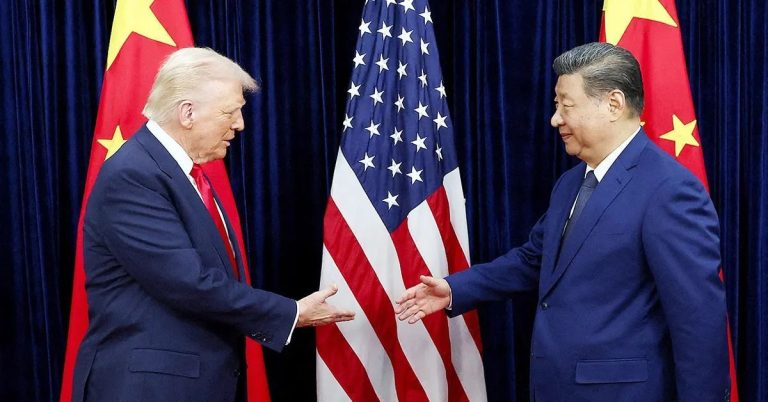
The discussion resurfaced after comments by U.S. President Donald Trump referring to high-level talks between Washington and Beijing as a potential “G2” moment. While the remark appeared to recognize China’s growing influence in international affairs, officials in Beijing have been quick to emphasize that global governance cannot be defined by only two countries.

Diplomats and analysts say the renewed conversation highlights broader tensions about how the international system will evolve in the coming decades.

What the “G2” Concept Means in Global Politics

The term “G2” refers to a hypothetical global leadership structure where the United States and China coordinate policy decisions that shape international economic and political systems.

Supporters of the concept argue that cooperation between the world’s two largest economies could help address major challenges such as climate change, trade stability, and geopolitical conflicts.

However, critics say such a framework risks sidelining other nations and weakening international institutions that were designed to ensure broad participation in global decision-making.

China has historically been cautious about frameworks that concentrate power in a small group of countries. Officials frequently emphasize that global stability requires inclusive governance involving both developed and developing nations.

The debate around the G2 idea therefore reflects deeper questions about how international power is distributed and how emerging economies will participate in shaping global rules.


China Responds to the Two-Power Proposal

China’s foreign policy leadership has repeatedly stated that global governance must include the voices of many nations rather than focusing on a single dominant partnership.

During a recent press conference in Beijing, the country’s foreign minister addressed the discussion directly. He acknowledged that both Washington and Beijing carry significant influence in the international system, but stressed that the world is far more complex than a two-country leadership model.

China has argued that global cooperation should be based on mutual respect and multilateral participation.

Officials in Beijing maintain that international challenges—from economic recovery to security issues—require contributions from a wide range of countries and organizations.

The response from China reflects a broader diplomatic philosophy that emphasizes balance in global affairs rather than centralized leadership.


The Historical Roots of the G2 Idea

The notion of a U.S.–China leadership partnership first gained attention in policy circles nearly two decades ago.

Economists and strategists suggested that because the United States and China accounted for such a large share of global economic output, closer coordination between the two powers could stabilize financial systems and improve global governance.

China was initially cautious about the proposal, concerned that it might imply acceptance of a power structure dominated by only a few countries.

Over time, the relationship between Washington and Beijing has grown more complicated. Trade tensions, technological competition, and security concerns have made sustained strategic coordination more difficult.

Despite those challenges, the economic ties between the two nations remain among the most significant bilateral relationships in the world.


Trump’s Remarks Revive Discussion of Global Leadership

Recent comments from U.S. President Donald Trump brought the concept back into the spotlight.

Trump referred to discussions with Chinese President Xi Jinping as representing a “G2-style” moment in diplomacy. The remark appeared to suggest that the two nations could play a leading role in shaping the direction of global policy.

Analysts say the statement may reflect recognition of China’s expanding economic and geopolitical influence.

At the same time, the remark has triggered debate among policymakers and diplomats about whether such a framework would benefit the international community.

China responded by reiterating that international leadership should not be limited to two countries.


China’s Vision of a Multipolar World

China has consistently promoted the idea of a multipolar international system. In such a model, power is distributed among several influential countries rather than concentrated in a single dominant alliance.

Officials in Beijing argue that a multipolar structure encourages cooperation, reduces the risk of confrontation, and gives emerging economies greater opportunities to participate in shaping global rules.

China has framed its diplomatic strategy around partnerships with multiple regions, including Asia, Africa, Europe, and Latin America.

Supporters of this approach say it reflects the realities of a rapidly changing world where economic growth and political influence are spreading across multiple continents.


Concerns Among International Partners

The renewed debate over a potential G2 framework has also drawn attention from countries that rely on international institutions for representation.

Allies of the United States and regional partners across Europe and Asia have expressed concern that a two-power leadership structure could reduce the influence of smaller nations.

Many policymakers believe that international stability depends on institutions where decisions are made collectively rather than through bilateral arrangements.

China has echoed similar concerns, arguing that global governance should be guided by inclusive frameworks.

Diplomats say maintaining confidence in institutions such as the United Nations and the G20 will remain essential for long-term global stability.


Strategic Competition and Economic Interdependence

Despite political disagreements, the United States and China remain deeply connected through economic and technological relationships.

Trade between the two countries continues to represent one of the largest economic exchanges in the world.

China plays a central role in global manufacturing supply chains, while American companies remain major investors and innovators in advanced technology sectors.

This combination of competition and interdependence has defined the relationship between the two countries for more than a decade.

Analysts note that cooperation between Washington and Beijing can influence global markets, energy security, and technological development.


Why China Rejects the G2 Framework

China’s resistance to the G2 concept stems from several factors.

First, the government has consistently emphasized the importance of multilateral diplomacy. Accepting a two-country leadership model could contradict that position.

Second, China has sought to present itself as a partner to developing nations and emerging economies.

Officials argue that concentrating power among a few major states could undermine the interests of smaller countries.

Finally, Beijing has also been cautious about appearing to challenge the global balance of power directly.

By rejecting the G2 label, China signals that it supports a more inclusive approach to international governance.


Implications for Global Institutions

The debate around the G2 concept has broader implications for international organizations.

Institutions such as the United Nations, the World Trade Organization, and the International Monetary Fund rely on cooperation among many member states.

China has repeatedly emphasized that these organizations remain central to maintaining global stability.

Experts say that if major powers begin making decisions outside multilateral structures, it could weaken the legitimacy of existing institutions.

China therefore continues to frame its diplomatic messaging around cooperation and shared responsibility.


Diplomacy Between Washington and Beijing

Despite disagreements over governance models, diplomatic engagement between the United States and China continues.

Leaders from both countries are expected to meet multiple times during the coming year.

These meetings are likely to address trade relations, regional security concerns, and broader economic cooperation.

China has indicated that stable relations with the United States remain a priority.

Officials have emphasized that dialogue and communication are essential to preventing misunderstandings between the two countries.


Regional Conflicts and Global Stability

International crises also shape the relationship between the United States and China.

Conflicts in the Middle East and tensions in several strategic regions have increased the importance of diplomatic coordination between major powers.

China has called for diplomatic solutions to ongoing conflicts, emphasizing that prolonged instability threatens global economic recovery.

Officials argue that peaceful negotiations remain the most effective path toward long-term stability.


The Future of Global Leadership

The renewed discussion about a potential G2 framework highlights a larger question: how will global leadership evolve in the decades ahead?

China continues to promote a system in which multiple countries contribute to shaping international rules and institutions.

Analysts say the future international order will likely involve complex cooperation between established powers and emerging economies.

While strategic competition between the United States and China is expected to continue, both nations remain central to global economic and diplomatic networks.

For now, Beijing’s response suggests that China does not support a world defined by two dominant powers.

Instead, the country is advocating for a broader approach to global governance one that reflects the diversity of nations participating in the international system.

US Judge Voids Kari Lake’s Controversial Actions as Voice of America CEO

0

A federal judge has ruled that actions taken by Kari Lake while serving as acting chief executive of the U.S. Agency for Global Media were unlawful, a decision that could reshape recent changes made to Voice of America and its global broadcasting operations.

The ruling represents a significant legal setback for the leadership transition that placed Lake in charge of the government-funded media network. The judge concluded that the appointment violated federal law governing temporary leadership positions, meaning several major decisions made during her tenure may no longer stand.

The case centers on the structure and authority of the U.S. Agency for Global Media, the organization responsible for overseeing Voice of America and several other international broadcasting outlets funded by the United States government.

Federal Court Ruling on Leadership Authority

The dispute began when journalists and employees affiliated with Voice of America filed a lawsuit challenging the authority under which Kari Lake assumed control of the U.S. Agency for Global Media.

A federal judge reviewed the case and determined that the circumstances surrounding Lake’s appointment did not comply with the requirements outlined in the Federal Vacancies Reform Act.

According to the ruling, an individual serving in a temporary leadership role must meet specific criteria established by federal law. The judge stated that Lake did not satisfy those requirements when she assumed the acting CEO position.

Because of that finding, the judge declared that key actions taken while Lake held the role would not carry legal force.


Legal Challenge to the Appointment

The lawsuit was filed by a group of Voice of America journalists who argued that the appointment process bypassed legal safeguards intended to regulate temporary leadership in federal agencies.

Their legal argument focused on the timing of Lake’s employment at the agency.

The judge examined whether Lake was already working within the agency at the time the vacancy occurred. Federal law requires certain conditions to be met before someone can temporarily fill a high-level government position.

The judge found that those conditions were not satisfied.

In particular, the ruling emphasized that Lake was not employed by the agency when the leadership vacancy arose, which disqualified her from serving under the relevant provisions of the law.


Why the Judge Said the Appointment Violated Federal Law

The ruling relies heavily on the interpretation of the Federal Vacancies Reform Act, a statute designed to regulate temporary leadership appointments across federal agencies.

The judge wrote that the law clearly outlines who may assume acting leadership responsibilities when a position becomes vacant.

According to the judge, Lake’s appointment did not meet the eligibility requirements because she joined the agency after the vacancy occurred.

The court also rejected the argument that authority could simply be delegated from another acting official.

The judge stated that delegation cannot override statutory rules governing who may legally occupy a federal office.

As a result, the judge concluded that the appointment violated federal law.


Impact on Voice of America Operations

The decision could have sweeping consequences for the operations of Voice of America, one of the United States’ largest international broadcasters.

Voice of America operates across multiple continents and historically broadcasts in dozens of languages.

Under the restructuring effort implemented during Lake’s leadership period, the network experienced significant operational changes.

The judge noted that several of those changes were implemented while Lake was serving as acting CEO.

Because the judge determined that the appointment itself was unlawful, those actions may now be invalid.


Staff Reductions and Policy Changes Under Scrutiny

One of the most controversial aspects of the restructuring involved proposed workforce reductions across the agency.

The judge addressed these plans directly in the ruling.

According to the court’s decision, any personnel actions authorized during the disputed leadership period cannot remain in effect.

The judge explained that federal law states actions taken by an individual unlawfully serving in a federal office “shall have no force or effect.”

That language formed a central part of the ruling.

The judge also noted that earlier court orders had temporarily paused some of the workforce reductions while the legal challenge proceeded.


Reactions From Journalists and Employees

Journalists involved in the lawsuit welcomed the decision.

They argued that the restructuring had threatened the independence and reach of Voice of America’s international journalism operations.

Several employees said the judge’s ruling restores confidence that the broadcaster can continue fulfilling its mission.

Voice of America has historically been tasked with providing independent news coverage to audiences around the world, particularly in regions where press freedom is limited.

The plaintiffs said the judge’s decision reinforces legal safeguards intended to protect that mission.


Kari Lake Responds to the Court Decision

Kari Lake criticized the ruling and indicated that her legal team plans to challenge the decision.

In a statement following the ruling, Lake expressed disagreement with the court’s interpretation of the law.

She said the judge’s conclusion reflects what she described as a broader pattern of judicial interference in executive branch decisions.

Lake also suggested that the case could move to a higher court through the appeals process.

Her legal representatives indicated that they will continue defending the legitimacy of the appointment.


Broader Implications for Federal Leadership Appointments

Legal experts say the ruling could have implications beyond the immediate dispute.

The judge’s interpretation of the Federal Vacancies Reform Act reinforces strict limitations on who may temporarily occupy senior federal positions.

If upheld on appeal, the decision may influence how agencies handle leadership transitions in the future.

The judge emphasized that the law is designed to prevent unauthorized individuals from exercising authority within federal institutions.

By invalidating the appointment, the judge reaffirmed the principle that leadership authority must follow statutory procedures.


The Role of Voice of America in Global Broadcasting

Voice of America has operated for decades as one of the most prominent international broadcasting organizations funded by the United States.

At its peak, the network broadcast in nearly fifty languages and reached hundreds of millions of listeners and viewers worldwide.

The agency’s mission includes delivering news, information, and cultural programming to audiences across the globe.

The judge’s decision arrives at a time when international media influence has become increasingly important in global politics and information campaigns.

Supporters of Voice of America argue that maintaining strong editorial independence is essential to the credibility of the network.


What the Decision Means Moving Forward

The legal dispute may continue as the case moves through the appeals process.

For now, the judge’s ruling creates uncertainty around the decisions made during the disputed leadership period.

Federal officials may need to reassess policies implemented during that time.

The agency will also need to determine how to address operational changes that were previously authorized.

Legal observers say the ruling highlights the importance of compliance with federal appointment rules.

The judge’s decision underscores that leadership authority in government institutions must follow clearly defined legal procedures.

As the case develops, the outcome could shape the future governance of U.S. international broadcasting and the broader framework governing temporary federal leadership appointments.

Robotaxi Safety Talks: US Government to Meet Waymo CEOs

0

The rapid development of autonomous transportation is pushing regulators and technology companies into closer collaboration as the United States prepares for a new era of self-driving mobility.

robotaxi technology has become a central topic in policy discussions as autonomous vehicles begin operating in more American cities.

Federal transportation regulators will soon meet with senior executives from leading autonomous vehicle companies to discuss the opportunities and risks surrounding the expansion of self-driving transportation services. The discussions are expected to focus on safety oversight, regulatory frameworks, and how autonomous systems can be deployed responsibly as the technology continues to mature.

The meeting reflects a broader shift in the transportation sector. After years of testing and pilot programs, autonomous vehicles are now moving into real-world operations. Companies are increasingly offering passenger rides in self-driving vehicles, while regulators face the challenge of ensuring the technology develops without compromising public safety.

Government officials say the upcoming discussions are intended to help policymakers better understand the current state of the industry and the regulatory adjustments that may be required as autonomous transportation expands across the country.

Autonomous Technology Enters a New Phase

The transition from experimental testing to real-world deployment marks one of the most significant shifts in modern transportation.

Over the past decade, autonomous driving systems have moved from research laboratories and controlled test tracks to public streets. Today, several companies operate fleets of autonomous vehicles capable of transporting passengers without a human driver actively controlling the car.

This shift has introduced both opportunity and uncertainty.

Supporters of autonomous vehicles argue the technology could dramatically reduce traffic accidents, improve transportation access, and reshape urban mobility. Critics, however, say the systems must undergo careful evaluation to ensure they can safely handle complex road conditions.

In this environment, regulators are seeking closer communication with technology developers to understand how autonomous vehicles function and how they can be regulated effectively.

The growing presence of robotaxi services has made these discussions more urgent.


Robotaxi Safety Forum to Bring Industry Leaders Together

Federal transportation officials are organizing a national forum designed to bring together key leaders in autonomous vehicle development.

The event will include discussions with senior executives from several major companies working on self-driving technology.

Among those expected to participate are leaders from Waymo, Zoox, and Aurora, all of which are developing advanced autonomous driving systems. These companies represent some of the most prominent players in the global race to build safe and scalable self-driving transportation.

The discussions are expected to explore several major questions surrounding robotaxi deployment.

One key issue involves how regulators should measure safety performance for autonomous vehicles. Unlike traditional vehicles, self-driving cars rely on a combination of sensors, software algorithms, and artificial intelligence to interpret their surroundings and make driving decisions.

Officials want to understand how these systems respond to unpredictable road conditions, heavy traffic, and unusual driving scenarios.

Another topic expected to receive attention is remote assistance technology. Many autonomous vehicle systems include remote operators who can help guide vehicles when they encounter complex situations that require human judgment.

The growing adoption of robotaxi fleets means these operational questions are becoming increasingly important.


Government Reviewing Policy Frameworks

The rise of autonomous transportation has prompted policymakers to re-examine how vehicle regulations should evolve.

Traditional vehicle safety standards were developed for cars operated by human drivers. Autonomous vehicles introduce entirely new technical challenges and regulatory questions.

For example, regulators must determine how to evaluate the safety of vehicles that may not include traditional controls such as steering wheels or pedals.

Officials are also examining how existing laws should apply to software-driven vehicles that rely on advanced computing systems rather than human decision-making.

Government agencies responsible for transportation safety say they are studying potential regulatory adjustments that could support the safe expansion of robotaxi services while maintaining strong oversight.

These discussions reflect the complexity of regulating a technology that is still evolving rapidly.


Safety Oversight Remains a Priority

Despite the optimism surrounding autonomous vehicles, regulators continue to approach the technology with caution.

Transportation officials emphasize that public safety must remain the top priority as autonomous systems become more common on public roads.

Investigations into incidents involving self-driving vehicles have highlighted the challenges of ensuring these systems perform reliably under all conditions.

Some reported incidents have involved autonomous vehicles interacting with emergency vehicles, construction zones, or unusual traffic situations that require rapid decision-making.

These cases have reinforced the need for detailed oversight and data analysis as robotaxi operations expand.

Government officials say transparency from technology companies will be essential for maintaining public confidence in the technology.


Congress Debates the Future of Autonomous Vehicle Laws

While federal regulators review safety frameworks, lawmakers in Washington are also debating how autonomous vehicles should be regulated nationally.

Some members of Congress have proposed legislation that would establish clearer rules for the deployment of self-driving vehicles.

Supporters of these proposals argue that consistent national standards could accelerate innovation and help the United States remain competitive in the global race to develop advanced transportation technology.

Others caution that the technology still requires extensive evaluation before large-scale deployment is allowed.

These debates highlight the balance policymakers must strike between encouraging innovation and ensuring safety.

As robotaxi services continue expanding, lawmakers are under increasing pressure to provide clear regulatory guidance.


Expansion of Autonomous Transportation in Major Cities

Autonomous vehicle services are already operating in several major metropolitan areas across the United States.

Cities such as Phoenix, San Francisco, Los Angeles, and Austin have become testing grounds for large-scale robotaxi operations.

These services allow passengers to request rides using mobile applications, much like traditional ride-hailing platforms. However, instead of a human driver, the vehicle operates using autonomous driving software.

Companies developing these services say the technology has already logged hundreds of millions of autonomous miles on public roads.

As the systems improve, developers believe robotaxi fleets could eventually become a common form of transportation in urban environments.


Technology and Public Trust

One of the biggest challenges facing autonomous transportation is building public trust.

Many people remain cautious about riding in a vehicle that drives itself without a human driver behind the wheel.

Technology companies argue that autonomous systems can eventually become safer than human drivers by eliminating factors such as fatigue, distraction, and impaired driving.

However, public acceptance depends heavily on how the technology performs during real-world operations.

High-profile incidents involving autonomous vehicles have shown that even isolated events can influence public perception.

This is why regulators and developers are emphasizing transparency, safety testing, and open communication as the technology evolves.

The reliability of robotaxi systems will ultimately determine how widely they are adopted.


Economic and Industry Implications

The development of autonomous transportation could reshape several major industries.

Ride-hailing services, logistics companies, and delivery platforms are closely watching the progress of robotaxi technology.

Autonomous vehicles could reduce transportation costs, improve efficiency, and create new mobility options in both urban and rural areas.

At the same time, the technology raises questions about employment in sectors that rely heavily on human drivers.

Economists say the long-term economic impact will depend on how quickly the technology advances and how widely it is adopted.

For now, the industry remains in a transitional phase where experimentation and regulatory oversight continue side by side.


The Road Ahead for Autonomous Mobility

The upcoming forum between regulators and industry leaders represents an important moment in the evolution of autonomous transportation.

Government agencies are seeking deeper insight into how self-driving systems operate, while technology companies are working to demonstrate that their systems can safely handle real-world driving environments.

As robotaxi services expand and new companies enter the market, cooperation between regulators and developers will likely become increasingly important.

The outcome of these discussions could influence how autonomous vehicles are regulated, tested, and deployed across the United States in the coming years.

For now, both policymakers and technology companies appear to agree on one key point: the future of transportation is moving toward automation, but that future must be built with careful oversight and a strong commitment to safety.

Trump Iran War: Critical Shift in Administration Justification

0

The Trump Iran war has quickly become one of the most debated geopolitical conflicts in recent years, as the United States launched military strikes against Iran under an operation known as Operation Epic Fury.

In the days following the announcement of the campaign, the administration has offered several explanations for the decision to initiate military action. Some officials have pointed to concerns about Iran’s nuclear ambitions, while others have emphasized missile threats, regional instability, and the protection of U.S. forces in the Middle East.

The shifting explanations have fueled widespread debate among lawmakers, international observers, and policy experts who are trying to understand the long-term objectives of the military campaign. While the administration maintains that the operation is necessary to prevent future threats, critics argue that the changing justifications reveal uncertainty about the strategic goals of the conflict.

Because of the evolving explanations and the scale of the operation, the Trump Iran war has become a central issue in global politics and diplomacy.

Operation Epic Fury and the Beginning of the Conflict

The Trump Iran war formally began when the United States launched coordinated air and missile strikes targeting Iranian military infrastructure. According to administration officials, the operation focused on missile facilities, command centers, and locations believed to be connected to Iran’s military programs.

The announcement was made by President Donald Trump in a video address shared through his official social media channels. During the address, Trump framed the strikes as a defensive action designed to prevent future threats against American interests and allies.

Officials described Operation Epic Fury as a targeted mission rather than a prolonged invasion. However, the scale of the initial strikes and the immediate escalation of tensions across the region quickly transformed the operation into a major international crisis.

Military analysts say the operation represents one of the most significant U.S. military actions in the Middle East in recent years.


Trump Iran War Messaging in the First Days

During the early days of the Trump Iran war, several different explanations were presented to justify the decision to launch the strikes.

In initial remarks, Trump described the operation as a response to what he called an imminent nuclear threat. He argued that Iran’s nuclear ambitions posed a direct danger to the United States and its allies.

Soon afterward, administration officials expanded on that reasoning. Some officials highlighted Iran’s missile development program, which they said had been growing rapidly and could threaten American bases in the region.

Others emphasized Iran’s role in supporting militant groups across the Middle East, suggesting that weakening Iran’s military infrastructure could reduce instability in the region.

The different explanations created a complex narrative about the motivations behind the Trump Iran war.


Early Statements from the White House

White House officials initially focused on national security concerns when explaining the decision to launch the strikes.

In public briefings, administration representatives said intelligence assessments indicated that Iran was increasing military activity that could threaten U.S. forces stationed in the Middle East.

Officials also stated that diplomatic channels had been explored before the military action was authorized. According to the administration, negotiations and warnings had failed to reduce tensions or change Iran’s strategic behavior.

As a result, the United States decided to move forward with a military response designed to weaken Iran’s capabilities and deter future aggression.

These explanations became the foundation of the administration’s narrative during the early phase of the Trump Iran war.


Military and Strategic Objectives

As the operation progressed, Pentagon officials began outlining the strategic goals of the military campaign.

According to defense officials, the main objective was to degrade Iran’s missile infrastructure and prevent the country from developing weapons that could threaten regional security.

Military planners emphasized that the operation was designed to focus on specific targets rather than civilian infrastructure. Officials repeatedly stated that the goal was not widespread destruction but rather the disruption of military capabilities.

At the same time, defense leaders acknowledged that the conflict could extend beyond the initial strikes if Iran chose to respond with retaliation.

This uncertainty about the length and scope of the Trump Iran war has become one of the most closely watched aspects of the conflict.


Legal Arguments Presented to the International Community

As the conflict unfolded, U.S. officials also sought to present a legal justification for the military action.

Representatives of the United States argued that the strikes were consistent with the principle of self-defense under international law. According to the administration, Iran’s military programs and regional activities posed a direct threat that required immediate action.

Officials pointed to Article 51 of the United Nations Charter, which allows nations to defend themselves against threats or attacks.

The administration maintained that the operation was a defensive response rather than an act of aggression.

However, some international observers questioned whether the legal argument was sufficient to justify the scale of the military action associated with the Trump Iran war.


Differing Interpretations Inside the Administration

One of the most notable aspects of the Trump Iran war has been the variety of explanations offered by different officials within the administration.

Some leaders have emphasized security concerns related to nuclear weapons and missile development. Others have framed the conflict as part of a broader strategy to reshape the balance of power in the Middle East.

At times, the statements from different officials have appeared to contradict each other.

For example, some officials suggested that the operation was intended to prevent future attacks, while others hinted that the campaign could weaken Iran’s leadership or influence internal political changes.

These differences have contributed to uncertainty about the long-term objectives of the Trump Iran war.


Regional Security Concerns in the Middle East

The military action has also intensified concerns about regional stability.

Countries across the Middle East are closely monitoring the conflict because Iran plays a central role in regional politics and security.

Several governments have expressed concern that the conflict could trigger retaliatory actions or broader military escalation.

Analysts warn that even limited strikes could lead to wider confrontations if multiple countries become involved.

Because of these risks, diplomatic efforts have continued alongside the military operations connected to the Trump Iran war.


Political Reactions in the United States

Within the United States, the conflict has generated significant political debate.

Some lawmakers support the administration’s decision, arguing that Iran’s military programs represent a long-term threat that must be addressed.

Others have questioned whether Congress should have played a greater role in authorizing the military action.

The debate reflects broader disagreements about how the United States should approach security challenges in the Middle East.

Public opinion has also been divided, with some Americans supporting the operation while others express concern about the possibility of a prolonged conflict.

The Trump Iran war has therefore become both a foreign policy issue and a domestic political debate.


Global Diplomatic Response

International reactions to the conflict have varied widely.

Some countries have called for restraint and diplomatic dialogue, warning that military escalation could destabilize the region.

Others have expressed support for the United States, emphasizing concerns about Iran’s military activities and regional influence.

Diplomatic discussions are continuing in several international forums as governments attempt to prevent the situation from escalating further.

The global response demonstrates how the Trump Iran war has quickly evolved into a major international issue with far-reaching implications.


The Future of the Conflict

The long-term outcome of the Trump Iran war remains uncertain.

Military analysts believe that the next phase of the conflict will depend largely on Iran’s response to the initial strikes. If Iran chooses to retaliate, the situation could escalate rapidly.

At the same time, diplomatic channels remain open, and some officials believe that negotiations could eventually reduce tensions.

For now, the administration maintains that the operation is focused on preventing threats and protecting American interests.

However, the evolving explanations for the conflict suggest that the strategic narrative surrounding the Trump Iran war may continue to change as the situation develops.

Tornadoes Kill 4 in Michigan, Injure Dozens as Storms Destroy Homes

0

Severe storms and powerful tornadoes swept through parts of Michigan on Friday, leaving at least four people dead, dozens injured, and widespread destruction across several communities.

Emergency officials said the storms caused catastrophic damage in multiple counties, flattening homes, toppling power lines, and forcing hundreds of residents to evacuate as rescue crews worked through the night.

Authorities confirmed that search and recovery efforts are continuing as teams assess the full scale of the devastation.

The violent weather system moved quickly across southern Michigan, producing several tornado touchdowns that struck rural towns and residential areas with little warning.

Local leaders described the storm damage as one of the most destructive weather events the region has seen in recent years.

Deadly Tornado Outbreak Hits Communities

Residents across several towns in Michigan woke up to scenes of destruction after overnight tornadoes ripped through neighborhoods and farmland.

Meteorologists reported that a powerful line of storms developed rapidly, creating conditions favorable for tornado formation. Within hours, emergency alerts began spreading across local communities as radar confirmed rotating storm systems moving through the state.

Sirens sounded in several towns as residents rushed to basements and shelters.

Many families reported hearing loud roaring sounds as tornado funnels tore across homes and buildings.

Officials said the storms left a trail of damage stretching across miles of countryside.

Trees were uprooted, vehicles were overturned, and entire structures were reduced to piles of debris.

Emergency crews quickly mobilized as reports of injuries began to come in.


Fatalities Confirmed in Branch and Cass Counties

Authorities confirmed that three people were killed in Branch County after tornadoes struck near the community of Union City.

The victims were found in heavily damaged homes that had partially collapsed during the storm.

Emergency responders said several other residents were injured when buildings were destroyed or when debris struck homes.

Hospitals in nearby areas treated more than a dozen people for injuries ranging from broken bones to severe trauma.

Another fatality was reported in Cass County, where officials said storms caused extensive structural damage.

Local authorities warned that the death toll could rise as search teams continue to examine collapsed buildings and debris fields.

The tornado outbreak across Michigan forced emergency responders to conduct door-to-door searches in affected neighborhoods.


Michigan Tornado Leaves Homes in Ruins

Entire neighborhoods were left unrecognizable after the tornado outbreak.

Large homes were ripped apart, with roofs torn away and walls collapsed.

Residents described scenes of devastation where streets were covered in shattered wood, broken glass, and twisted metal.

Emergency officials said several large buildings were severely damaged, including barns, warehouses, and residential homes.

In some cases, buildings were completely destroyed.

Local officials stated that damage ranged from major structural impacts to total destruction in some areas.

The tornadoes that struck Michigan caused debris to scatter across roads and fields, making travel difficult for emergency vehicles.

Rescue workers had to clear fallen trees and electrical wires before reaching certain communities.


Emergency Crews Race to Rescue Survivors

First responders worked through the night searching for survivors trapped in collapsed buildings.

Firefighters, police officers, and medical teams coordinated rescue operations in multiple counties.

Authorities said crews used specialized equipment to remove debris and reach individuals who were trapped under damaged structures.

Temporary shelters were established for displaced families who lost their homes during the storms.

Volunteers and relief organizations began providing food, water, and emergency supplies to affected residents.

Emergency teams praised community members who helped neighbors escape damaged homes and assisted rescue crews during the early hours of the disaster.

Officials said the quick response from local communities helped save lives during the Michigan tornado crisis.


Power Outages Spread Across Large Areas

The storms caused major infrastructure damage, leaving large areas without electricity.

Downed power lines and damaged transformers disrupted power supply across several towns.

Utility crews reported hundreds of poles knocked down and miles of electrical lines destroyed.

Restoration teams began working immediately to repair damaged systems, but officials warned that power outages could continue for several days in some locations.

Authorities urged residents to remain cautious around fallen power lines and damaged equipment.

Several schools and businesses were forced to close temporarily as cleanup operations continued.

The tornado damage across Michigan also disrupted roadways, with fallen trees blocking highways and local roads.

Transportation crews worked alongside emergency teams to reopen major routes.


State Emergency Response Activated

State officials activated emergency operations to coordinate relief efforts across affected areas.

Emergency management teams began working with local authorities to assess damage and deploy resources where needed.

Officials said response teams were monitoring conditions closely and preparing additional support if necessary.

Search and rescue operations remained the top priority as crews continued to inspect damaged homes and buildings.

Authorities emphasized that local emergency services had been responding quickly despite the scale of destruction.

The Michigan disaster response included coordination between firefighters, medical services, utility providers, and public safety officials.

Officials said the goal was to restore basic services as quickly as possible while ensuring the safety of residents.


Residents Describe Moments of Terror

Many residents described frightening moments as tornadoes moved through their communities.

Families said the storms arrived suddenly, giving them only seconds to take shelter.

Some reported hearing loud crashing noises as trees and debris struck their homes.

Others said windows shattered and roofs began lifting during the storm.

Residents who survived the tornadoes in Michigan described scenes of chaos after the storm passed.

Homes were destroyed, vehicles were overturned, and streets were covered with debris.

Neighbors began helping one another immediately, checking for injuries and assisting those trapped in damaged houses.

Local volunteers helped rescue crews locate people who needed medical attention.


Damage Assessments Continue Across Michigan

Officials are continuing to evaluate the full extent of damage caused by the storms.

Preliminary reports suggest that several communities suffered significant destruction.

Inspection teams are documenting damage to homes, public buildings, and infrastructure.

Engineers are also examining damaged structures to determine whether they can be repaired or must be demolished.

Authorities said damage assessments are necessary to determine what resources will be required for rebuilding efforts.

The tornado outbreak across Michigan has already prompted discussions about long-term recovery planning.

Local leaders said rebuilding communities could take months or even years.


Long Road to Recovery Begins

Recovery efforts are now underway as residents begin cleaning up debris and rebuilding their homes.

Community organizations and relief groups are preparing assistance programs for families affected by the disaster.

Local officials urged residents to remain cautious as cleanup continues.

Dangerous debris, unstable buildings, and damaged power lines remain serious hazards in affected areas.

Authorities also warned residents to stay away from restricted zones while emergency teams complete inspections.

Despite the destruction caused by the Michigan tornado outbreak, community leaders expressed confidence that towns will recover with time and support.

Many residents have already begun helping neighbors rebuild damaged homes and restore their communities.

Officials said the coming weeks will focus on restoring services, providing relief to displaced families, and rebuilding areas devastated by the storms.

Energy Prices Surge as Iran Conflict Intensifies and White House Weighs Action

0

The sudden rise in Energy Prices has become a central concern for policymakers and consumers alike as tensions involving Iran continue to shake global oil markets. Officials in Washington are now assessing whether immediate policy measures may be necessary to reduce the economic pressure created by the surge in fuel costs.

The situation has unfolded rapidly over the past several days as geopolitical developments in the Middle East disrupted key shipping routes used for transporting crude oil. Markets reacted almost immediately, pushing oil benchmarks higher and triggering renewed worries about inflation and economic stability.

For households and businesses across the United States, the increase in Energy Prices is already being felt at the gas pump and across transportation and supply chains. With fuel costs influencing everything from shipping to electricity production, policymakers are closely monitoring the situation.

Rising Oil Markets and the Impact on Energy Prices

Global oil markets experienced a sharp rally this week as traders reacted to developments involving Iran and its surrounding maritime routes. Crude oil futures surged as investors priced in the risk that supply disruptions could limit the availability of oil in global markets.

The increase has pushed Energy Prices into a range not seen in several months, raising concerns about the broader impact on economic growth. When oil markets react this quickly to geopolitical events, the consequences often ripple across financial markets and consumer spending.

Analysts say the speed of the increase has been particularly notable. Oil prices jumped more than ten percent within a matter of days, signaling that investors are worried about the possibility of prolonged instability in one of the world’s most critical energy corridors.

As crude prices climb, the effect quickly spreads through refining costs, fuel transportation, and retail gasoline prices. This chain reaction is one of the primary reasons policymakers treat sudden spikes in Energy Prices as a significant economic risk.


Why Middle East Tensions Are Driving Energy Prices Higher

A major factor behind the recent surge in Energy Prices is the strategic importance of the Strait of Hormuz, a narrow waterway through which a large portion of the world’s oil supply travels each day.

Any disruption in this corridor immediately sends shockwaves through global markets. Shipping companies become cautious, insurance costs rise, and oil traders factor in the possibility of reduced supply.

When tensions escalate in this region, markets often react not only to actual disruptions but also to potential risks. Even the possibility that shipments could slow or halt temporarily can push oil prices upward.

Experts say that energy markets tend to move quickly during geopolitical crises because traders attempt to anticipate future shortages before they occur. As a result, Energy Prices can rise sharply even when the physical supply of oil has not yet been significantly affected.

This dynamic has been visible in recent trading sessions, where market volatility increased as investors tried to determine how long tensions in the region might continue.


White House Reviews Policy Options to Stabilize Energy Prices

The administration is now reviewing several policy approaches aimed at limiting the economic impact of rising Energy Prices.

Officials have asked federal agencies to evaluate strategies that could be implemented quickly through executive authority. The goal is to identify measures that could help stabilize markets without requiring lengthy legislative action.

Among the ideas being discussed are adjustments to fuel regulations, steps designed to encourage domestic energy production, and mechanisms that could ease transportation costs associated with energy supply chains.

The White House is also analyzing how changes in fuel standards or temporary policy adjustments could help offset some of the upward pressure on Energy Prices.

Officials involved in the discussions say that any potential action would be carefully designed to balance economic stability with environmental and regulatory considerations.


Fuel Costs Begin to Affect Consumers and Businesses

As Energy Prices climb, the consequences extend far beyond global commodity markets. Consumers often experience the impact first through gasoline prices, which can rise rapidly when crude oil becomes more expensive.

Higher fuel costs affect household budgets, especially for families that rely heavily on driving for commuting or transportation. For businesses, the effects are equally significant.

Transportation companies, delivery services, and airlines all depend on fuel as a major operating expense. When Energy Prices increase, these industries frequently face difficult decisions about whether to absorb the costs or pass them on to customers.

Retail supply chains can also feel the impact. Increased fuel costs raise the price of shipping goods, which may eventually lead to higher prices for everyday products.

Because of these broad economic effects, sudden changes in Energy Prices often become a key concern for policymakers seeking to maintain stable economic growth.


Shipping Risks and Global Supply Concerns

Shipping companies operating in the Persian Gulf region have begun assessing the risks associated with transporting oil through contested waters. Insurance premiums for vessels traveling through certain maritime routes have reportedly increased as the geopolitical situation develops.

These financial risks contribute to higher operational costs, which ultimately feed back into the broader system of Energy Prices.

When shipping companies hesitate to operate in high-risk areas, the global supply chain can slow down. Even a temporary reduction in tanker traffic can tighten supply in global oil markets.

Energy economists say this type of disruption is one reason markets react quickly to geopolitical developments. If fewer ships are willing to transport oil through a key corridor, the result can be reduced supply reaching international refineries.

As traders monitor the situation, uncertainty about shipping conditions continues to influence Energy Prices in global markets.


Political and Economic Pressure Builds Around Energy Prices

Rising Energy Prices can quickly become a political issue, particularly when consumers begin noticing higher gasoline costs.

Economic indicators often show that fuel prices influence consumer confidence and spending patterns. When households spend more money on fuel, they often reduce spending in other areas of the economy.

This dynamic means policymakers must balance economic priorities while responding to developments in global energy markets.

Within Washington, officials are increasingly aware that prolonged increases in Energy Prices could place additional pressure on economic stability. As a result, the administration is closely reviewing both short-term and long-term policy options.

Political analysts note that fuel costs have historically played an important role in shaping public sentiment during periods of economic uncertainty.


Economic Analysts Warn of Continued Volatility

Market analysts say the outlook for Energy Prices will depend heavily on how geopolitical developments unfold in the coming weeks.

If tensions ease and shipping routes remain open, oil markets could stabilize. However, any further disruption to supply routes could push prices even higher.

Energy markets are particularly sensitive to uncertainty because supply and demand are tightly balanced. Even small changes in production levels or shipping capacity can influence pricing trends.

Many economists emphasize that the current situation reflects how interconnected global energy markets have become. Events in one region can quickly affect consumers thousands of miles away.

As long as uncertainty continues, Energy Prices may remain volatile.


What Could Happen Next for Energy Markets

Looking ahead, policymakers and market participants are focusing on several key factors that could determine the future direction of Energy Prices.

One major variable is whether shipping through key oil routes continues without major disruption. If maritime traffic stabilizes, oil markets may gradually calm.

Another factor is how quickly global producers respond to higher prices. Increased production from other regions could help offset potential shortages.

At the same time, governments are watching consumer fuel costs closely. If Energy Prices continue rising, policymakers may feel greater pressure to intervene.

For now, the situation remains fluid. Energy markets, government officials, and consumers are all watching developments closely as geopolitical tensions continue to influence the global oil landscape.

Pentagon Labels Anthropic a National Security Risk, Company Plans Legal Challenge

0

The Pentagon has designated artificial intelligence company Anthropic as a national security supply-chain risk, a decision that immediately prevents the firm from conducting defense-related business with the U.S. military and its contractors. The move has triggered a sharp response from Anthropic, which says it will challenge the classification in court and argues that the government’s action lacks legal justification.

The decision places one of the most prominent developers of advanced AI models at the center of a growing debate over how emerging technologies should be used in national security operations. The Pentagon’s designation could reshape how artificial intelligence companies work with defense agencies and may influence the future structure of the rapidly expanding AI industry.

Officials confirmed that the designation requires the Pentagon and affiliated defense contractors to suspend the use of Anthropic’s technology in military environments while the issue is reviewed.

Background of the Pentagon Decision

The Pentagon’s designation of Anthropic as a national security supply-chain risk represents one of the most serious regulatory actions taken against an American artificial intelligence company. According to officials familiar with the matter, the decision follows months of negotiations between defense officials and leading AI developers regarding how advanced models may be used in military operations.

The Pentagon has been exploring broader integration of generative AI systems across a range of national security applications. These include intelligence analysis, operational planning, cybersecurity monitoring, and support for logistics and communications across defense networks.

However, disagreements reportedly emerged over the conditions under which AI companies would allow their technologies to be used by the military. Defense officials have sought flexibility to deploy emerging technologies for all lawful national security purposes.

In contrast, several AI developers have requested assurances that their systems will not be used in ways that conflict with internal safety guidelines or ethical policies. Those concerns have become more prominent as generative AI models grow increasingly powerful and capable of assisting in complex decision-making processes.

The Pentagon concluded that Anthropic’s restrictions created potential operational limitations and decided to designate the company as a supply-chain risk for national security operations.


Anthropic Responds to the Pentagon Decision

Anthropic quickly responded to the announcement, stating that it strongly disagrees with the designation and intends to challenge the decision through legal channels. The company said it received formal notification of the Pentagon classification earlier this week.

Executives at Anthropic argue that the decision misunderstands the company’s approach to responsible AI development. According to the firm, its policies are designed to ensure that artificial intelligence technologies are used safely and responsibly while still supporting national security objectives.

The company emphasized that it has previously worked with government agencies and has contributed to discussions about responsible deployment of advanced AI systems. Anthropic leaders maintain that collaboration between technology developers and government agencies is essential for maintaining technological leadership and security.

Despite the Pentagon’s action, the company says it remains committed to supporting government initiatives that align with its safety standards and ethical guidelines.


Pentagon and the Debate Over Military Use of AI

The Pentagon’s move highlights a broader debate within the technology sector regarding the role of artificial intelligence in military operations. As generative AI systems become increasingly sophisticated, governments around the world are exploring how such technologies might support national defense.

Supporters of expanded AI use argue that the technology could help analysts process vast amounts of data more quickly, identify emerging threats, and improve decision-making across complex security environments.

Artificial intelligence systems may also help military planners evaluate operational scenarios, monitor cybersecurity threats, and enhance coordination between different branches of the armed forces.

However, critics warn that deploying AI in military environments raises important ethical and legal questions. Concerns have been raised about the potential for autonomous decision-making in defense systems, the risks of algorithmic errors, and the broader implications of allowing machines to influence strategic decisions.

The Pentagon has repeatedly stated that it intends to ensure that humans remain responsible for critical decisions involving the use of force. At the same time, officials emphasize that maintaining technological leadership requires integrating emerging tools such as artificial intelligence into defense infrastructure.


Competition for Pentagon AI Contracts

The Pentagon decision involving Anthropic may also reshape competition within the artificial intelligence sector. Several major technology companies have been expanding their involvement in government AI programs, particularly as defense agencies increase investment in advanced digital technologies.

Until recently, Anthropic had been among the few AI companies permitted to operate on certain secure government networks. The Pentagon’s designation now creates an opportunity for competitors to expand their role in providing artificial intelligence tools to defense agencies.

Other technology firms have been negotiating agreements that allow their AI systems to be used in classified environments. These arrangements could potentially enable those companies to replace some of the functions previously supported by Anthropic technology.

The Pentagon has been actively seeking partnerships with multiple technology providers in order to diversify its access to emerging AI capabilities. Officials believe that competition among vendors can help accelerate innovation while reducing reliance on a single technology provider.


Industry Reaction to the Pentagon Action

The Pentagon designation has generated significant discussion within the technology industry. Some analysts warn that the move could create uncertainty for companies working with the government on emerging technologies.

Industry advocates argue that strong collaboration between technology developers and defense agencies is essential for maintaining national security advantages. If companies perceive regulatory risks when working with government partners, they may become more cautious about participating in defense projects.

At the same time, other observers believe the Pentagon is attempting to establish clear expectations regarding how technology vendors must support military operations. From this perspective, the designation signals that companies providing tools to defense agencies must ensure that their technologies remain available for lawful national security purposes.

The debate reflects a broader challenge facing governments worldwide as they attempt to balance innovation, safety, and strategic priorities in the rapidly evolving field of artificial intelligence.


Impact on National Security and Innovation

Experts say the Pentagon decision may have implications beyond the immediate dispute with Anthropic. Artificial intelligence is increasingly viewed as a strategic technology that could shape the balance of global power in the coming decades.

Governments are investing billions of dollars in research and development aimed at strengthening domestic AI industries. In the United States, policymakers have emphasized the importance of maintaining leadership in advanced technologies in order to compete with other major powers.

The Pentagon has been expanding programs designed to accelerate the adoption of artificial intelligence across defense systems. These initiatives include research partnerships, technology pilots, and collaborations with private sector innovators.

However, the dispute with Anthropic highlights the complexities involved in integrating private sector technology into government operations. AI companies often operate according to internal governance frameworks designed to manage risks associated with powerful machine learning systems.

When those policies conflict with national security priorities, tensions can arise between technology developers and government agencies.

Some analysts suggest that clearer regulatory frameworks may be needed to guide how artificial intelligence technologies are deployed in defense environments.


Legal Challenge Expected from Anthropic

Anthropic has indicated that it will pursue legal action to challenge the Pentagon designation. The company believes the decision could be overturned if reviewed by the courts.

Legal experts say the case may focus on whether the Pentagon followed proper procedures in designating the company as a national security supply-chain risk. Courts may also examine the criteria used by defense agencies to evaluate technology providers working in sensitive government environments.

The outcome of the legal challenge could influence how future disputes between technology companies and government agencies are handled. If Anthropic succeeds in overturning the designation, it may set limits on how such classifications are applied.

On the other hand, if the Pentagon’s decision is upheld, it could reinforce the authority of defense agencies to regulate technology vendors involved in national security programs.


What the Decision Means for the AI Sector

The Pentagon’s action against Anthropic arrives at a time when artificial intelligence is becoming central to both economic growth and national security strategies. Governments and technology companies are racing to develop increasingly advanced models capable of supporting complex tasks.

As AI capabilities expand, policymakers will likely face increasing pressure to establish rules governing how such technologies can be used in sensitive environments.

The dispute between Anthropic and the Pentagon underscores the importance of finding a balance between innovation, safety, and strategic priorities.

For now, the case is expected to unfold through legal proceedings and continued negotiations between government officials and technology companies.

Regardless of the outcome, the Pentagon decision has already sparked a wider conversation about the future relationship between the technology industry and national security institutions.

Iran Leadership Debate Intensifies as Trump Says Iran Needs New Leadership, Downplays Possibility of Ground Invasion

0

Growing political uncertainty has placed Iran back at the center of international attention after U.S. President Donald Trump suggested the country should eventually move toward new leadership while rejecting the idea of a ground invasion by American forces.

Trump made the remarks during a phone interview in which he discussed regional tensions and the future political direction of Iran. His comments immediately sparked debate among foreign policy analysts and diplomats who are closely monitoring developments in the Middle East.

The statement comes at a moment when political discussions surrounding Iran have intensified following recent developments that raised questions about how leadership and governance may evolve inside the country.

Observers say the situation is likely to remain a key topic in global diplomacy as governments evaluate what potential leadership changes could mean for stability in the region.

Trump Says Iran Needs New Leadership

During the interview, Trump argued that the leadership structure in Iran should eventually change, stating that the country would benefit from a new leader capable of guiding it toward stability.

According to Trump, leadership transitions should focus on ensuring that governance remains stable rather than allowing a prolonged rebuilding period that could stretch across many years.

“We want them to have a good leader,” Trump said, emphasizing that the objective would be to see a leadership system capable of maintaining order and stability.

Trump also suggested that people capable of leading Iran already exist and that officials in Washington are paying attention to individuals who could potentially influence the country’s future political direction.

While he declined to identify specific names, his comments implied that policymakers are observing figures who may eventually emerge as influential voices within Iran.

The remarks added another dimension to the ongoing discussion about the country’s political future.


Political Debate Over Iran’s Future Direction

In recent weeks, analysts have increasingly focused on the political trajectory of Iran, debating whether the country may enter a period of transition or adjustment in its leadership structure.

The political system has long combined religious authority with formal government institutions, creating a unique framework that shapes decision-making.

Any change within that framework could have major consequences for domestic politics as well as international relationships.

Political transitions in Iran historically involve consultations among religious authorities, senior political figures, and influential institutions that hold power within the country’s governance system.

Because of these complex arrangements, predicting how leadership discussions may unfold remains challenging.

Observers say different political factions inside Iran may attempt to influence the direction of governance depending on how developments evolve in the coming months.


Trump Rejects Ground Invasion Scenario

Despite his comments about leadership change, Trump dismissed the suggestion that the United States is preparing for a ground invasion involving Iran.

The possibility of such an operation had been raised by officials who warned that military escalation could eventually involve foreign troops.

Trump rejected the idea, describing a ground invasion as unnecessary and unlikely to serve any meaningful purpose.

He indicated that there are other ways to address geopolitical tensions involving Iran without committing large numbers of troops to a military campaign.

Analysts interpreted the statement as an attempt to maintain a firm political message while avoiding signals that might lead to wider military confrontation.

By rejecting the idea of a ground invasion, Trump appeared to emphasize that discussions about leadership in Iran do not automatically imply plans for military intervention.


Regional Influence of Iran

The geopolitical influence of Iran extends across the Middle East and has long shaped political dynamics throughout the region.

Because of its strategic position and regional alliances, developments within the country often affect neighboring states and international diplomatic discussions.

Foreign policy debates involving Iran frequently center on issues such as security, economic sanctions, and regional cooperation.

These conversations tend to intensify whenever there are signs that internal political structures might shift.

Some analysts argue that leadership changes could open new opportunities for diplomatic dialogue, while others warn that uncertainty could lead to additional tensions among regional powers.

Regardless of the outcome, the strategic role of Iran ensures that political developments there remain a central focus for global policymakers.


Power Structures Inside Iran

The governing system in Iran includes multiple institutions that collectively influence political decisions.

Among the most prominent is the Islamic Revolutionary Guard Corps, commonly known as the IRGC.

The organization holds significant influence not only in military affairs but also in economic and political matters.

If leadership changes occur, many analysts believe the IRGC could play a central role in shaping how the transition unfolds.

In addition to military institutions, religious authorities continue to hold significant influence over governance.

These authorities are responsible for interpreting constitutional frameworks and guiding major policy decisions.

Because power is distributed across several institutions, political transitions inside Iran rarely follow straightforward paths.

Instead, they often involve negotiations among different groups seeking to maintain influence within the system.


Diplomatic Implications for Washington

Trump’s comments about Iran have sparked new discussions among diplomats regarding how the United States should approach future relations with the country.

Leadership developments could influence negotiations related to economic sanctions, regional security arrangements, and nuclear policy.

Foreign policy experts say that changes within Iran could reshape strategic calculations across multiple governments.

Some countries may see potential leadership changes as an opportunity to restart diplomatic engagement.

Others may remain cautious until the direction of political developments becomes clearer.

The situation underscores the extent to which international policymakers monitor developments within Iran, given its strategic importance in global geopolitics.


Potential Leadership Scenarios

Speculation about future leadership in Iran has increased as analysts consider various scenarios that could shape the country’s political landscape.

One figure frequently mentioned in political discussions is Mojtaba Khamenei, the son of the country’s late supreme leader.

Some observers believe he could play a role in shaping political developments, although leadership decisions typically involve multiple councils and religious authorities.

These institutions are responsible for reviewing potential candidates and ensuring that leadership transitions follow established constitutional and religious guidelines.

Because of the complexity of this process, predicting who might ultimately lead Iran remains difficult.


Global Reaction to the Debate

Trump’s remarks about Iran quickly attracted reactions from policymakers and analysts across the world.

Some observers expressed concern that public discussions about leadership change could increase tensions in a region already dealing with significant geopolitical challenges.

Others suggested that political developments inside Iran might eventually open opportunities for diplomatic engagement if new leadership pursues different policies.

The debate highlights the importance of Iran in international discussions and reflects the uncertainty surrounding the country’s future political direction.

As governments continue to monitor developments, the situation remains a key focus of global diplomatic conversations.


Domestic Political Issues Mentioned in Interview

During the same interview, Trump also addressed domestic political issues unrelated to Iran.

One topic he discussed was the SAVE America Act, a proposed law that would require proof of citizenship to register to vote.

The legislation has been the subject of debate in Congress and has not yet passed the Senate.

Trump expressed frustration that lawmakers have not moved forward with the bill and indicated that he views it as a major policy priority.

He also said he has communicated his concerns to members of Congress.


Texas Senate Race Discussion

Trump was asked about the Republican Senate primary race in Texas, which is heading toward a runoff election.

The contest features Senator John Cornyn and Texas Attorney General Ken Paxton.

Although Trump did not formally endorse either candidate, he acknowledged both figures.

He described Cornyn as a respected political figure while also noting Paxton’s support for the SAVE America Act.

The runoff election will determine which candidate becomes the Republican nominee in the race.


What Comes Next for Iran

The political situation surrounding Iran remains uncertain as analysts continue to evaluate how events might unfold.

Leadership discussions within the country could influence diplomatic relations, regional security strategies, and economic policy.

For now, Trump’s remarks have added another layer to the global conversation about the country’s future.

Whether those discussions lead to meaningful political change remains unclear.

However, because of the strategic importance of Iran, governments, analysts, and citizens around the world are expected to continue watching developments closely.

Capitol Rioter Andrew Paul Johnson Given Life Sentence in Florida Child Abuse Case

0

A Florida man who previously faced federal charges connected to the January 6 attack on the U.S. Capitol has now been sentenced to life in prison in a separate criminal case involving child abuse.

The case involving Andrew Paul Johnson has drawn national attention because of the unusual sequence of legal events surrounding him. Johnson had earlier pleaded guilty to charges related to the Capitol riot before later becoming the subject of a criminal investigation in Florida involving allegations of abuse against minors.

A court in Hernando County ultimately found Johnson guilty of multiple charges tied to child molestation and the transmission of harmful material to a minor. The judge overseeing the case ordered that he serve a life sentence.

The sentencing marks the conclusion of a case that investigators say began with a report from a victim and later developed into a detailed criminal investigation involving digital evidence and witness testimony.

The Andrew Paul Johnson Investigation in Florida

The criminal investigation that ultimately led to the conviction of Andrew Paul Johnson began in July 2025 when authorities in Hernando County received a report alleging inappropriate conduct involving a minor.

Sheriff’s deputies launched an investigation after the victim came forward with allegations that Johnson had communicated with them online and later engaged in behavior prosecutors described as abusive.

According to investigators, the alleged misconduct began months earlier and involved conversations that took place through online messaging platforms. Detectives said that during the course of the investigation they obtained electronic records that supported the claims made by the victim.

Law enforcement officials interviewed the victim and reviewed communication records as part of the investigation.

Authorities later said that several conversations occurred through the messaging platform Discord, where Johnson allegedly exchanged messages with a minor.

Investigators claimed those conversations included explicit content and requests that prosecutors argued were inappropriate and illegal.

The evidence gathered during the investigation led prosecutors to file several felony charges against Johnson.


Background of the Case

Before the Florida criminal investigation began, Andrew Paul Johnson had already appeared in federal court for his involvement in the January 6 attack on the U.S. Capitol.

Federal prosecutors said Johnson joined a crowd that moved from a rally near the White House toward the Capitol building during the certification of the presidential election results.

According to court records, Johnson carried a bullhorn as part of the crowd and entered the Capitol building through a broken office window.

Prosecutors said he shouted toward police officers during the confrontation inside the building.

Although many defendants faced serious felony charges related to the riot, Johnson ultimately pleaded guilty to misdemeanor offenses.

His case was considered one of the less severe prosecutions connected to the events of January 6.

However, the later allegations in Florida would ultimately overshadow the earlier case.


Court Proceedings and Verdict

The trial involving Andrew Paul Johnson was held in Hernando County Circuit Court and included testimony from investigators, forensic specialists, and the victim.

During the proceedings, prosecutors described the evidence they had collected during the investigation.

Johnson faced three major charges during the trial:

Two counts of lewd or lascivious molestation involving a child.

One count of electronically transmitting harmful material to a minor.

Prosecutors argued that the evidence clearly demonstrated that Johnson had violated Florida law.

The defense challenged some aspects of the investigation but was unable to persuade the jury.

After reviewing the evidence and hearing testimony from witnesses, jurors found Johnson guilty on all counts.

Following the verdict, Circuit Judge Stephen Toner issued the sentence.

The judge ruled that the seriousness of the crimes justified the maximum penalty under Florida law.

As a result, Andrew Paul Johnson was sentenced to life in prison.


Digital Evidence Presented During Trial

One of the central pieces of the prosecution’s case involved digital communication records.

Investigators testified that Andrew Paul Johnson had exchanged messages with one of the victims through online platforms.

Authorities said they recovered conversations that included explicit language and instructions encouraging the victim to move communications to more private channels.

Prosecutors also told the court that Johnson allegedly suggested deleting earlier messages.

Digital forensic experts explained how investigators were able to retrieve and authenticate the communications.

They testified that the recovered messages matched statements given by the victim during interviews.

Prosecutors argued that the digital evidence supported the broader allegations and helped establish a timeline of events.

The jury ultimately agreed that the evidence supported the charges.


Previous Capitol Riot Case

Before the Florida case, Andrew Paul Johnson had been prosecuted in federal court for his role in the January 6 attack.

Federal investigators said Johnson joined a crowd that marched from the “Stop the Steal” rally near the White House toward the Capitol building.

Court documents state that Johnson entered the Capitol building after a window had been broken.

According to prosecutors, he used a bullhorn and shouted toward law enforcement officers during the confrontation.

Johnson later pleaded guilty to four misdemeanor charges related to the riot.

In August 2024, Chief U.S. District Judge James Boasberg sentenced Johnson to one year in prison.

At one point Johnson attempted to withdraw his guilty plea.

He argued that he had been pressured into accepting the plea agreement.

However, the judge rejected that request, ruling that the plea had been entered voluntarily.


Clemency and Federal Sentencing History

Johnson’s federal sentence later became part of a broader political decision involving clemency for individuals connected to the Capitol riot.

During a later clemency order issued by President Donald Trump, thousands of defendants associated with the January 6 cases received pardons or sentence commutations.

Andrew Paul Johnson was among the individuals who received clemency under that action.

The clemency effectively ended Johnson’s federal sentence connected to the riot.

However, the criminal investigation in Florida had already begun at that time.

Legal experts note that presidential pardons apply only to federal crimes.

Because the Florida charges were filed under state law, the clemency order had no impact on the prosecution.


Prosecutors Describe the Evidence

Following the conviction, prosecutors described the case as a result of detailed investigative work.

Officials from the office of Fifth Judicial Circuit State Attorney Bill Gladson said the conviction reflected the strength of the evidence presented during the trial.

Prosecutors said the investigation involved interviews, digital forensic analysis, and coordination between multiple law-enforcement agencies.

Authorities also praised the victim for cooperating with investigators.

Officials emphasized that cases involving abuse often depend heavily on the courage of victims who come forward.

The sentencing of Andrew Paul Johnson was described as a significant step toward justice for those affected.


Public Reaction to the Sentencing

The life sentence handed down to Andrew Paul Johnson has generated significant public discussion because of his earlier connection to the Capitol riot.

Some observers noted that the Florida charges were unrelated to Johnson’s earlier political case.

Legal analysts said the sentencing demonstrates how separate investigations can lead to independent criminal prosecutions.

Others pointed out that the case highlights the broader legal consequences that can follow when individuals face multiple criminal allegations.

Regardless of the earlier federal case, the Florida court focused solely on the evidence related to the abuse charges.


Broader Context of Post-Riot Legal Cases

The case involving Andrew Paul Johnson also reflects the broader legal landscape following the January 6 attack.

More than a thousand individuals across the United States were investigated for their role in the riot.

While many cases were resolved through plea agreements or short prison sentences, some defendants have later faced unrelated criminal charges.

Legal experts say those cases often attract additional public attention because of the earlier political controversy.

In Johnson’s situation, the Florida charges were investigated independently by local authorities.

The state prosecution was separate from the earlier federal case and relied on evidence gathered by the Hernando County Sheriff’s Office.


Support Resources for Victims

Authorities and advocacy groups encourage individuals who may be experiencing abuse to seek assistance.

Several organizations provide confidential support services and resources.

In the United States, the Childhelp National Child Abuse Hotline offers support to individuals seeking help or information about abuse.

Other countries maintain similar services that provide assistance for victims and families.

Advocacy organizations say reporting abuse is often the first step toward protecting victims and ensuring accountability for those responsible.