58.3 F
San Francisco
Wednesday, July 1, 2026
Home Blog Page 193

Kristi Noem: Trump Fires Kristi Noem as Homeland Security Secretary, Assigns New Role in Security Initiative

0

President Donald Trump has removed Kristi Noem from her position as Secretary of the Department of Homeland Security, marking the first major cabinet-level leadership shift of his second presidential term.

The decision was announced late Thursday through the president’s Truth Social account, where Trump confirmed that the South Dakota Republican would leave her cabinet post but remain involved in the administration in a different capacity.

The leadership change comes after weeks of speculation in Washington about tensions surrounding immigration enforcement policies and internal disagreements within the Department of Homeland Security.

Although the White House framed the move as part of a broader strategic adjustment, the decision immediately drew attention across Capitol Hill and within the national security community.


Kristi Noem Removed From Homeland Security Leadership

The removal of Kristi Noem from the department’s top position represents a significant development for an agency responsible for border security, disaster response, and national cybersecurity protection.

Officials familiar with the transition said the administration had been evaluating the department’s direction for several weeks.

Trump confirmed that Republican Senator Markwayne Mullin of Oklahoma is expected to assume the role of Homeland Security Secretary beginning later this month.

During her tenure, Kristi Noem oversaw one of the federal government’s largest departments, which includes agencies such as U.S. Customs and Border Protection, the Federal Emergency Management Agency, and the Cybersecurity and Infrastructure Security Agency.

Supporters argued that she brought a firm approach to immigration enforcement and national security policy.

Critics, however, said the department struggled to manage political pressure surrounding border policy and congressional oversight.

The departure of Kristi Noem now places new focus on how the department’s leadership may evolve in the months ahead.


Trump Announces New Role for Kristi Noem

Despite being removed from the cabinet position, Kristi Noem will continue working within the administration.

According to the president’s announcement, she will serve as a special envoy connected to a new regional security effort known as the “Shield of the Americas.”

The program is expected to strengthen security cooperation between the United States and countries throughout the Western Hemisphere.

Administration officials say the initiative will focus on issues including migration management, organized crime networks, and cross-border security threats.

Trump said the experience of Kristi Noem in border policy and immigration enforcement made her well suited for the assignment.

Political analysts note that assigning the former secretary a diplomatic security role allows the administration to maintain her involvement in security policy while introducing new leadership at the Department of Homeland Security.


Challenges Faced by the Department Under Kristi Noem

During her time as Homeland Security Secretary, Kristi Noem confronted a wide range of national security issues.

The Department of Homeland Security oversees some of the most complex responsibilities in the federal government, including border enforcement, disaster relief, aviation security, and cybersecurity defense.

The department faced growing pressure as immigration levels increased at the southern border and lawmakers debated policy responses in Washington.

Throughout this period, Kristi Noem defended the administration’s enforcement strategy, arguing that stronger border controls were essential to maintaining national security.

At the same time, immigration advocates and some members of Congress criticized the department’s policies, saying they needed greater humanitarian safeguards.

Congressional hearings frequently placed the department’s leadership under intense scrutiny.

In those hearings, Kristi Noem defended the agency’s operational decisions and emphasized the importance of cooperation between federal and state authorities.


Political Reaction to the Leadership Change

The announcement that Kristi Noem would leave the Homeland Security position triggered swift responses from lawmakers across the political spectrum.

Democratic leaders said the leadership transition could open the door for new approaches to border management and immigration policy.

Some lawmakers who had previously criticized the department’s strategies described the change as an opportunity for policy reassessment.

House Minority Leader Hakeem Jeffries spoke to reporters shortly after the announcement and said the leadership shift reflected ongoing political tensions surrounding homeland security policy.

Republican leaders offered more mixed reactions.

Some praised the work of Kristi Noem during her tenure and said she had strongly supported the administration’s national security priorities.

Others emphasized that cabinet-level changes are a normal part of presidential leadership decisions.

Regardless of the political responses, the departure of Kristi Noem quickly became one of the most discussed developments in Washington this week.


Background and Rise of Kristi Noem

Before joining the administration, Kristi Noem built her national political profile as governor of South Dakota.

She first gained attention on the national stage during the COVID-19 pandemic, when her policies emphasizing limited government restrictions drew widespread political debate.

Supporters viewed her approach as a defense of individual freedom and state authority.

Critics argued that the policies created public health challenges.

Those debates helped elevate Kristi Noem within Republican political circles and increased speculation about her potential national political ambitions.

When Trump selected her to lead the Department of Homeland Security, many analysts interpreted the decision as part of a broader strategy to place politically prominent allies in high-profile administration roles.


What Comes Next for Homeland Security

With the leadership transition underway, attention is now shifting toward the future direction of the Department of Homeland Security.

Senator Markwayne Mullin is expected to take over the department’s leadership responsibilities in the coming weeks.

Policy experts say the agency faces an increasingly complex security environment.

Beyond immigration enforcement, the department must also address cyber threats, infrastructure protection, and disaster preparedness.

The transition following Kristi Noem may influence how the department communicates with Congress and coordinates with other federal agencies.

Analysts say leadership changes often create opportunities to reassess strategy and operational priorities.


Kristi Noem and the Shield of the Americas Initiative

The new diplomatic role for Kristi Noem is expected to focus on strengthening security cooperation across the Western Hemisphere.

Administration officials say the initiative could involve intelligence sharing and joint law enforcement efforts among multiple countries.

Regional migration patterns and organized crime networks are also expected to be key topics within the program.

By assigning Kristi Noem to this role, the administration appears to be emphasizing her experience in border policy and immigration enforcement.

Some analysts say the initiative could become an important component of U.S. regional security strategy.

Others suggest the assignment allows the administration to maintain her political influence while reshaping leadership at the Department of Homeland Security.


Washington Watches the Next Phase

The departure of Kristi Noem from the cabinet marks a significant moment for the administration as it enters the next phase of its second term.

While leadership transitions are common in Washington, this change comes at a time when immigration policy and national security remain central political issues.

For now, attention remains focused on how the Department of Homeland Security will operate under new leadership and how the administration’s regional security initiative will develop.

As details about the program emerge in the coming weeks, the role of Kristi Noem in shaping that effort will likely remain an important subject in Washington’s ongoing policy debate.

US Strikes or Sinks Over 20 Iranian Ships, CENTCOM Report

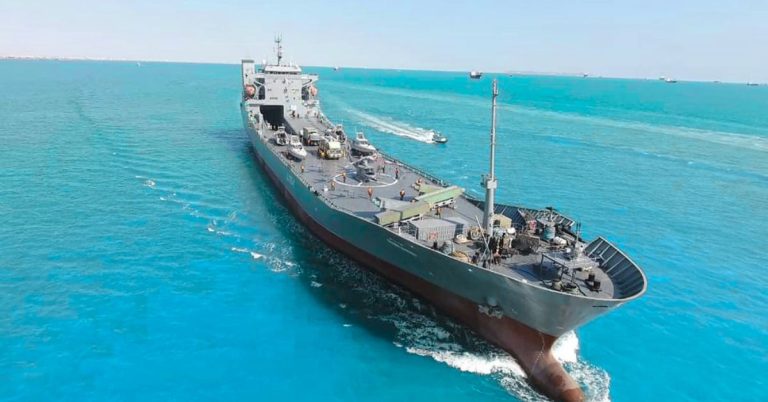
Tensions in the Middle East have intensified after the United States military confirmed it has struck or sunk more than 20 Iranian naval vessels during ongoing operations across key waterways in the region.

The development marks one of the most significant escalations in recent maritime confrontations involving Iran and U.S. forces. Military officials say the operations targeted multiple vessels believed to be linked to Iranian naval activity in strategic areas of the Indian Ocean and nearby waters.

The latest confrontation highlights how rapidly the regional security situation has deteriorated, with both sides increasing military deployments and issuing warnings of further escalation.


US Strikes Iranian Ships as Maritime Conflict Intensifies

The US strikes campaign against Iranian naval targets has expanded significantly in recent days, according to statements released by U.S. Central Command.

Officials said the US strikes operations included attacks on more than 20 Iranian vessels, with some ships reportedly sunk during the encounters. Military sources indicated that the actions were taken after intelligence suggested increased Iranian naval movements that could threaten international shipping routes.

The US strikes operations were conducted in international waters and were aimed at preventing potential disruptions to maritime trade, particularly in areas that carry large volumes of global oil shipments.

Among the ships involved was the Iranian naval vessel IRIS Dena, which reportedly issued a distress signal following the confrontation. Regional authorities later confirmed that rescue operations had been launched after the incident.

The confirmation of these US strikes has sparked global attention as governments and security analysts attempt to assess the scale and consequences of the escalating conflict.


Rescue Efforts Follow Naval Encounter

Following the naval confrontation, Sri Lanka’s navy said it responded to a distress call from an Iranian vessel that had been damaged during the incident.

Officials reported that 32 crew members were rescued after the ship encountered difficulties in the Indian Ocean. Authorities did not immediately confirm the full extent of the vessel’s damage but acknowledged that the situation unfolded amid the broader US strikes military operations.

Rescue teams coordinated with international maritime agencies to ensure the safety of the crew members who had abandoned the vessel. The incident underscores how the US strikes operation is not only affecting military assets but also creating urgent humanitarian concerns in nearby waters.

The rescued sailors were later transported to a secure port for medical checks and questioning regarding the circumstances of the incident.


Washington Signals More Military Action

U.S. officials have suggested that the US strikes operations could represent only the first phase of a broader military response in the region.

According to lawmakers briefed by senior administration officials, the United States is preparing additional measures to counter Iranian activities. These measures could involve further US strikes targeting naval assets and other military infrastructure if tensions continue to rise.

The briefings reportedly emphasized that Washington is closely monitoring Iranian responses and is prepared to escalate operations if American forces or regional allies come under threat.

Defense officials also indicated that the US strikes were designed to send a strong signal regarding the protection of international shipping routes and the enforcement of maritime security.


Strategic Waterways Become Center of Confrontation

The confrontation has focused global attention on key maritime corridors that are vital to the global economy.

The US strikes operations have taken place near routes frequently used by oil tankers and cargo vessels transporting goods between Asia, Europe, and the Middle East. Security experts say any disruption in these areas could have immediate consequences for global energy markets and supply chains.

The Strait of Hormuz, in particular, remains one of the most sensitive points in the region. A significant share of the world’s oil exports passes through the narrow waterway every day.

Officials say the US strikes campaign is partly aimed at ensuring that these critical shipping lanes remain open and secure despite rising tensions.

Maritime authorities across the region have increased patrols and surveillance to monitor ship movements and prevent further incidents.


Regional Governments Raise Security Alerts

The escalation has prompted several Middle Eastern governments to heighten security across airports, seaports, and major infrastructure facilities.

Officials in Gulf states said they are closely watching the developments following the US strikes operations against Iranian naval vessels.

Authorities warned that retaliatory attacks or further military activity could pose risks to civilian infrastructure and commercial shipping routes.

Security analysts say the US strikes campaign has introduced a new level of uncertainty across the region, particularly as diplomatic efforts struggle to keep pace with the rapidly changing military situation.

Several countries have also issued travel advisories urging citizens to remain cautious while traveling across parts of the Middle East.


Oil Markets React to Rising Tensions

Energy markets have responded nervously to reports of the US strikes against Iranian ships.

Oil prices moved higher as traders weighed the potential impact of prolonged disruptions near critical shipping lanes. Analysts say the possibility of further US strikes or retaliatory actions could continue to drive volatility in global energy markets.

Shipping companies are also reviewing their routes and insurance coverage in response to the escalating conflict.

Some shipping operators have begun exploring alternative routes to avoid areas where the US strikes operations have taken place, though rerouting vessels can significantly increase costs and delivery times.


Military Analysts Warn of Wider Conflict

Security experts say the US strikes campaign could represent a turning point in the long-running tensions between Washington and Tehran.

While naval confrontations have occurred in the past, analysts note that the scale of the US strikes operations suggests a more aggressive military posture.

Experts warn that if Iran responds directly to the US strikes, the conflict could expand beyond maritime encounters and potentially involve broader regional military engagements.

Such a development could draw in additional countries and further complicate an already volatile geopolitical landscape.

Diplomatic efforts are ongoing, but officials acknowledge that the situation remains fluid and unpredictable.


Impact on International Shipping

Commercial shipping companies are closely monitoring the consequences of the US strikes on Iranian naval vessels.

Industry groups say the increased military activity is forcing shipping operators to reassess safety measures and contingency plans.

The US strikes operations have raised concerns about the possibility of accidental encounters between military forces and commercial vessels operating in the same waters.

Maritime insurers have also warned that continued tensions could increase insurance premiums for ships traveling through high-risk areas.

For global trade networks, the stakes are high. Any prolonged disruption could affect everything from energy shipments to consumer goods moving between major markets.


Diplomatic Pressure Mounts

Diplomatic channels remain active as governments attempt to prevent the situation from spiraling further out of control.

Officials from several countries have called for restraint following the US strikes operations and urged both sides to avoid actions that could lead to a wider conflict.

International organizations are also monitoring the developments closely, emphasizing the importance of maintaining freedom of navigation in international waters.

Despite these efforts, analysts say the US strikes campaign reflects deep-rooted tensions that have built up over years of geopolitical rivalry.


Uncertain Path Ahead

As the situation continues to evolve, the US strikes operations against Iranian naval vessels are likely to remain a focal point of global attention.

Military officials say they are prepared to respond to any additional threats, while diplomatic leaders continue to push for dialogue and de-escalation.

The coming days may determine whether the US strikes campaign remains a limited military operation or becomes part of a broader regional conflict.

For now, the confrontation at sea serves as a stark reminder of how quickly tensions in the Middle East can escalate and how deeply such events can affect global security and economic stability.

Elon Musk Avoids Deposition Over DOGE Role in USAID Dismantling

0

A federal appeals court has ruled that Elon Musk does not have to testify in a legal case related to the dismantling of the U.S. Agency for International Development (USAID), marking a significant development in a lawsuit tied to the restructuring of federal aid programs.

The ruling from the U.S. Court of Appeals for the Fourth Circuit shields Elon Musk from being questioned under oath about his involvement in decisions connected to the shutdown of the agency. The case stems from a lawsuit filed by former USAID employees and contractors who claim the agency’s closure caused widespread disruption to humanitarian programs and global aid operations.

Legal analysts say the decision could influence how courts handle attempts to compel testimony from senior government advisers and influential figures connected to policy decisions.

Elon Musk Avoids Deposition

The appeals court decision means Elon Musk avoids deposition at this stage of the legal process. The ruling overturns a lower court order that had required testimony from Musk regarding his role in government restructuring efforts tied to international development programs.

Elon Musk Avoids Deposition in Appeals Court Ruling

The appeals court ruled in a 2–1 decision that Elon Musk cannot be forced to provide deposition testimony in the ongoing lawsuit regarding the dismantling of USAID. Judges determined that the plaintiffs had not met the legal threshold required to compel testimony from someone considered a senior government adviser.

The decision effectively pauses efforts by former USAID staff to question Elon Musk about his involvement in the decisions that led to the shutdown of the agency’s operations.

Court documents indicate that attorneys representing the plaintiffs had sought to question Musk about communications, internal decision-making processes, and the timeline behind the agency’s dismantling. However, the appellate panel concluded that such testimony was not necessary for the case to proceed at this stage.

The ruling represents a procedural victory for Elon Musk, who had argued that being forced to testify would create a precedent allowing courts to routinely question high-level advisers over policy decisions.

Legal observers say courts often apply a higher standard when litigants attempt to depose senior officials or advisers because such testimony could disrupt government decision-making processes.


Lawsuit Emerges From USAID Shutdown

The legal battle began after former employees and contractors accused Elon Musk and other officials of unlawfully dismantling USAID, an agency that historically coordinated U.S. foreign aid and development programs around the world.

USAID has long played a central role in managing humanitarian initiatives ranging from disaster relief to disease prevention and poverty reduction. Critics of the shutdown argue that the dismantling of the agency disrupted several international programs that depended heavily on U.S. funding.

The lawsuit claims that Elon Musk was deeply involved in directing policy changes that resulted in thousands of employees and contractors losing their positions. Plaintiffs argue that the sudden restructuring created uncertainty across global aid networks and halted projects in several countries.

Attorneys representing the former staff members said that questioning Elon Musk was essential to understand the reasoning behind decisions that led to the agency’s closure.

According to court filings, the plaintiffs sought Musk’s deposition to determine how internal government discussions unfolded during the restructuring process and whether alternative policy options had been considered.


Role of the Department of Government Efficiency

Central to the case is the Department of Government Efficiency, often referred to as DOGE, a restructuring initiative intended to streamline federal agencies and reduce administrative overhead.

During the restructuring period, Elon Musk served as an adviser connected to the initiative. Supporters of the program argued that it was designed to improve government operations and eliminate inefficiencies in federal programs.

However, critics claim the restructuring resulted in the abrupt shutdown of programs that had been operating for decades. Former USAID employees argue that the dismantling of the agency disrupted humanitarian efforts that had previously provided assistance to millions of people worldwide.

The lawsuit alleges that Elon Musk played a direct role in shaping policy recommendations that led to the elimination of the agency’s functions. Plaintiffs say that testimony from Musk would provide insight into how those recommendations were developed.

Attorneys for Elon Musk countered that other government officials and documentation could provide sufficient evidence without requiring his deposition.


Elon Musk and the Restructuring of Federal Aid Programs

The case has drawn attention to the broader debate over the restructuring of government institutions. As an influential adviser during the initiative, Elon Musk became a central figure in discussions about the future of federal aid programs.

Supporters of the restructuring argue that the changes were necessary to modernize government operations and redirect resources toward more efficient programs. Critics, however, say the sudden dismantling of USAID created uncertainty in global humanitarian networks.

Some analysts note that Elon Musk has long advocated for efficiency and technological modernization in both the private sector and government operations. That philosophy played a role in shaping the Department of Government Efficiency’s mission.

The lawsuit claims that those ideas translated into policies that ultimately resulted in the closure of an agency that had been a cornerstone of U.S. international development strategy.


Appeals Court Reasoning Behind the Decision

In its written opinion, the appeals court concluded that compelling testimony from Elon Musk would require a stronger showing from the plaintiffs. Judges noted that courts typically require evidence that the information sought cannot be obtained from other sources.

The majority opinion stated that the plaintiffs had not demonstrated that questioning Elon Musk was the only way to obtain information about the decisions surrounding the agency’s dismantling.

Instead, the court suggested that documents, other witnesses, and internal communications could potentially provide the necessary details for the case.

Legal scholars say the ruling reflects a longstanding judicial principle designed to protect high-level officials from routine depositions related to policy decisions.

The decision means Elon Musk avoids deposition unless future developments in the case lead to a different ruling.


Dissenting Opinion From the Bench

Despite the majority ruling, the decision was not unanimous.

One judge issued a dissenting opinion arguing that Elon Musk and other officials targeted for depositions were uniquely positioned to explain the decision-making process behind the dismantling of USAID.

The dissent stated that alternative sources might not provide the same level of insight into how key decisions were made. According to the dissenting judge, testimony from Elon Musk could have clarified whether certain policies were influenced by internal discussions or external factors.

The dissent also emphasized that the plaintiffs had limited access to the inner workings of the policy process and therefore required testimony from individuals directly involved.

Although the dissent did not change the outcome, it highlights ongoing disagreement among judges regarding the balance between government accountability and protecting senior advisers from legal proceedings.


Impact on Global Aid Programs

Before its closure, USAID coordinated a wide range of international aid programs addressing global challenges such as food insecurity, disease prevention, disaster relief, and economic development.

Former employees argue that the dismantling of the agency disrupted partnerships with international organizations and non-governmental groups that relied on U.S. assistance.

The lawsuit claims that decisions linked to Elon Musk resulted in delays or cancellations of projects that supported communities across Africa, Asia, and Latin America.

Humanitarian experts say such programs often require years of planning and coordination, meaning sudden structural changes can create gaps in services.

Supporters of the restructuring argue that alternative programs may eventually replace the functions previously managed by USAID. Critics, however, remain concerned about the immediate impact on communities that depended on those initiatives.


Legal Implications of the Decision

The ruling involving Elon Musk could have broader implications for future cases involving high-level advisers and government officials.

Legal analysts say the decision reinforces the idea that courts must carefully evaluate requests for depositions when they involve individuals connected to policy decisions.

If plaintiffs are unable to demonstrate that testimony from Elon Musk is essential and cannot be obtained elsewhere, courts may continue to block such requests.

The decision also underscores how complex legal standards can shape the trajectory of high-profile lawsuits involving government restructuring.

For now, Elon Musk remains shielded from deposition while the broader case moves forward.


Elon Musk and the Debate Over Government Efficiency

Beyond the courtroom, the case has sparked broader debate about government efficiency and the role of private-sector figures in shaping public policy.

Supporters of reform efforts argue that leaders like Elon Musk bring valuable innovation and problem-solving approaches to government operations.

Critics counter that rapid restructuring of public institutions can have unintended consequences, particularly when it affects programs with long-standing international commitments.

The controversy surrounding Elon Musk highlights the tension between efforts to modernize government systems and the need to maintain stability in critical humanitarian programs.


Future of the Lawsuit and Next Steps

Although Elon Musk avoids deposition for now, the legal battle over the dismantling of USAID is far from over.

Plaintiffs may continue to pursue evidence through document requests and testimony from other officials involved in the restructuring process.

Legal experts say the case could take months or even years to resolve as courts examine the legality of decisions that led to the agency’s closure.

The ruling also leaves open the possibility that circumstances could change if new evidence emerges that directly implicates Elon Musk in policy decisions central to the lawsuit.

For now, the appellate court decision marks an important milestone in a legal dispute that continues to raise questions about the future of U.S. foreign aid programs and the role of influential advisers in shaping government policy.

US Charter Flight Repatriating Americans From Middle East as Crisis Deepens

0

A US charter flight repatriating Americans from the Middle East is transporting U.S. citizens back to safety as geopolitical tensions continue to escalate across the region. The emergency travel effort reflects growing concerns among U.S. officials that deteriorating security conditions could disrupt commercial air routes and leave thousands of Americans stranded abroad.

The U.S. State Department confirmed that the charter operation is part of a broader evacuation support effort designed to help Americans return home while the situation remains fluid. Officials say the move was coordinated after increasing military activity and regional instability began affecting civilian travel and airline schedules.

The charter flight represents one of several measures being taken to ensure Americans can leave the region safely.

Rising Tensions Prompt Emergency Evacuation Efforts

The deployment of a US charter flight comes as diplomatic and military developments across the Middle East continue to reshape travel conditions throughout the region. In recent days, several governments have issued travel warnings and security advisories as the situation remains unpredictable.

Officials in Washington said the decision to arrange a US charter flight was taken after monitoring reports of disrupted airline routes, closed airspace corridors, and heightened security alerts in several countries.

The State Department emphasized that the charter operation is meant to complement existing commercial travel options rather than replace them. However, for many Americans who cannot secure flights or who are located near affected travel corridors, the US charter flight provides an alternative path home.

Authorities have also increased communication with American citizens living or traveling in the region, urging them to closely monitor travel advisories and remain prepared for rapid changes in transportation availability.


US Charter Flight Repatriating Americans From Middle East

The US charter flight repatriating Americans represents a coordinated effort between multiple federal agencies responsible for overseas citizen support. While the government has not disclosed the exact number of passengers aboard the aircraft, officials say the flight is carrying Americans who requested evacuation assistance through official embassy channels.

The charter flight departed from a major regional hub where U.S. diplomats and consular teams had been assisting citizens attempting to leave the area.

Embassy staff worked around the clock to verify traveler documentation, confirm passenger eligibility, and coordinate logistics for the US charter flight operation.

Officials noted that priority was given to individuals facing the most immediate travel difficulties, including families, elderly travelers, and Americans whose commercial flights had been cancelled due to airspace restrictions.

Passengers were transported to the departure airport under enhanced security procedures before boarding the US charter flight bound for the United States.


Commercial Flights Disrupted Across Key Routes

Travel disruptions have played a major role in the decision to organize a US charter flight for American citizens. Airlines operating in the Middle East have been forced to alter flight paths, suspend routes, or cancel departures because of evolving security conditions.

Several major international carriers have temporarily suspended flights to certain destinations while assessing the safety of regional air corridors.

These disruptions have left thousands of travelers scrambling to secure available seats on remaining commercial flights. In some cases, prices for last-minute tickets have surged dramatically as demand increased.

Officials said the US charter flight helps relieve some of that pressure by providing an organized departure option for Americans who cannot find commercial routes out of the region.

Travel experts note that the aviation industry often experiences immediate ripple effects when geopolitical tensions escalate in strategically important areas.


Thousands of Americans Seeking Exit Options

U.S. officials estimate that tens of thousands of American citizens reside or travel in various Middle Eastern countries at any given time. Many of those individuals rely on commercial airlines to move between regional hubs.

However, the latest developments have prompted a growing number of Americans to consider leaving the region earlier than planned.

The US charter flight initiative is designed to support those decisions by creating additional capacity for departures.

Officials confirmed that the charter operation is not limited to a single aircraft. Depending on demand and security developments, additional US charter flight departures could be scheduled in the coming days.

American citizens have been encouraged to register with U.S. embassies so authorities can better assess how many people may require assistance.


Coordination Between Governments and Airlines

Organizing a US charter flight from an international region facing heightened tensions requires extensive coordination between multiple stakeholders.

Government agencies must work closely with local authorities, airport operators, and airline partners to secure flight clearances and ensure passenger safety.

Diplomatic coordination is also necessary to guarantee that aircraft can depart safely and navigate international airspace routes without interference.

Officials involved in the operation said the US charter flight required rapid planning and logistical coordination across several countries.

Security teams also monitored airport operations to ensure passengers could board the aircraft safely.

The effort highlights the complexity of international evacuation logistics during geopolitical crises.


Political Pressure Mounts in Washington

The US charter flight operation has drawn attention in Washington, where lawmakers have been closely monitoring the administration’s response to the unfolding crisis.

Some members of Congress have urged the government to expand evacuation support if regional tensions continue to rise.

They argue that Americans abroad should receive clear guidance and accessible departure options during periods of instability.

Officials at the State Department say they remain prepared to deploy additional US charter flight resources if necessary.

At the same time, they emphasize that Americans should still prioritize available commercial flights whenever possible.

The charter flights are intended as a supplemental safety measure rather than a full evacuation program.


Americans Urged to Register for Assistance

Authorities continue to encourage Americans across the Middle East to stay in contact with U.S. embassies and consulates.

Registration systems allow diplomatic officials to track the number of citizens located in affected regions and determine whether additional US charter flight operations may be needed.

Travelers are also advised to ensure that their passports and travel documentation remain valid and accessible in case of sudden transportation changes.

Officials stress that conditions can shift quickly during periods of geopolitical uncertainty, making advance preparation essential.

By registering with embassy services, Americans can receive updates about transportation options, security advisories, and potential charter flight opportunities.


Evacuation Effort Highlights Regional Instability

The need for a US charter flight reflects the broader uncertainty surrounding the evolving situation in the Middle East. Regional conflicts and military developments have the potential to disrupt civilian life far beyond immediate conflict zones.

Transportation networks, supply chains, and aviation routes often experience immediate effects when tensions escalate.

Experts say evacuation operations such as the US charter flight demonstrate how governments respond when travel safety becomes uncertain for their citizens abroad.

While the current charter operation remains limited in scale, officials continue to evaluate the situation and assess whether further assistance may be required.


Travel Industry Impact and Airspace Restrictions

Airlines and aviation regulators are closely monitoring developments as flight routes across the Middle East remain under scrutiny.

Airspace restrictions introduced by various governments have forced carriers to adjust their operations and reroute flights.

These changes can add significant travel time and increase operational costs for airlines.

The US charter flight initiative represents one way governments can mitigate the impact of those disruptions on their citizens.

Aviation analysts say the situation highlights the interconnected nature of global air travel.

Even localized security developments can quickly influence international flight networks.


Situation Remains Uncertain for Americans Abroad

For now, officials say the US charter flight repatriating Americans is one step in an evolving response to regional tensions.

Authorities continue to monitor developments closely and remain prepared to assist Americans who may need help leaving the region.

The State Department has reiterated that Americans should remain vigilant, follow official travel guidance, and stay in communication with embassy officials.

As geopolitical conditions shift, additional US charter flight departures could be arranged if necessary.

For many travelers currently in the region, the charter flights represent reassurance that assistance is available should conditions worsen.

US Submarine Sinks Iranian Warship IRIS Dena in Critical Naval Clash

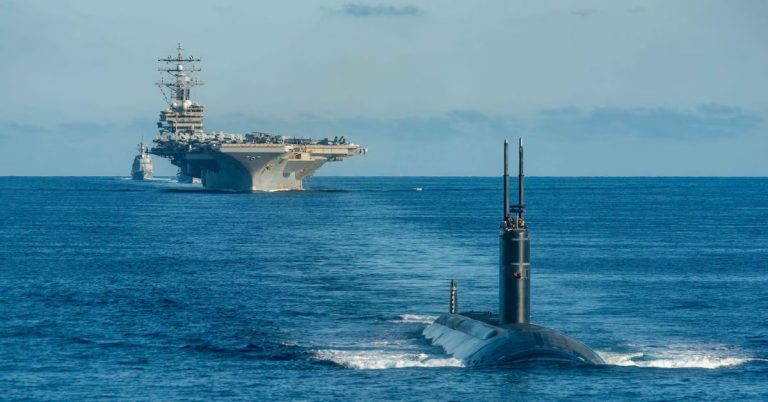
The sinking of an Iranian naval vessel by an American submarine has dramatically heightened tensions across the Middle East, marking one of the most consequential naval confrontations between the United States and Iran in decades.

Military officials confirmed that a US submarine fired a torpedo that struck the Iranian warship IRIS Dena while it was operating in international waters. The attack triggered an explosion near the vessel’s stern before the ship began taking on water and eventually sank, according to officials familiar with the incident.

US submarine operations rarely become public so quickly after a combat action. However, the unusual circumstances surrounding the sinking including the number of casualties and the geopolitical implications quickly turned the event into a major international development.

Rising Tensions in International Waters

The moment a US submarine sinks Iranian warship capabilities in open waters represents a dramatic escalation in military activity across the region. Analysts say the event underscores how fragile security conditions have become in maritime corridors connecting the Indian Ocean, Gulf of Oman, and Persian Gulf.

Officials familiar with the situation said the Iranian vessel IRIS Dena was operating several thousand miles from Iran’s coastline when the incident occurred. The warship reportedly transmitted a distress signal shortly after the explosion.

Regional maritime authorities began receiving emergency communications indicating the ship had sustained catastrophic damage.

Naval observers say the sinking highlights how submarine warfare remains one of the most decisive elements of modern military strategy.


US Submarine Sinks Iranian Warship IRIS Dena

Defense officials confirmed that a US submarine sinks Iranian warship IRIS Dena after firing a torpedo during an encounter in international waters.

Pentagon leadership later addressed the situation publicly during a press briefing, confirming that the Iranian vessel had been struck by a torpedo launched from an American submarine.

According to military officials, the weapon detonated near the rear of the vessel, triggering a massive blast and structural damage that rapidly compromised the ship’s stability.

Video footage reviewed by defense analysts reportedly showed flames and debris rising from the water shortly after the explosion.

The confirmation that a US submarine sinks Iranian warship IRIS Dena quickly spread across international media outlets, drawing attention from governments and military analysts worldwide.


Pentagon Confirms Torpedo Attack

During a Pentagon briefing, defense leaders described the operation as a direct engagement that unfolded in international waters.

Officials stated that the submarine crew identified the vessel and executed a torpedo launch that successfully struck the target.

According to the defense department, the decision to fire was made after evaluating operational risks and strategic conditions in the region.

The confirmation that a US submarine sinks Iranian warship IRIS Dena has placed submarine warfare back into the spotlight as a central component of maritime defense strategy.

Military analysts say submarine capabilities allow forces to operate with stealth while maintaining the ability to strike targets with precision.


Rescue Operations and Casualty Reports

Following the explosion and sinking of the vessel, regional authorities began coordinating rescue efforts.

Sri Lankan naval forces responded after receiving a distress call from the ship, dispatching vessels and aircraft to search the surrounding waters.

Officials later confirmed that dozens of survivors had been rescued from the sea.

However, the scale of the tragedy quickly became apparent as recovery teams began locating bodies in the water.

Authorities involved in the operation reported recovering dozens of deceased crew members during search efforts.

Early reports suggested that roughly 130 personnel were believed to have been aboard the Iranian vessel when the attack occurred.

Rescue operations continued for hours as teams searched the surrounding waters for additional survivors.


Iran Condemns the Naval Strike

Iranian officials strongly condemned the incident after confirmation that a US submarine sinks Iranian warship IRIS Dena in international waters.

Tehran described the attack as a serious act of aggression and warned that such actions could have consequences for regional stability.

Iran’s foreign minister publicly criticized the strike, stating that the United States had set what he called a dangerous precedent by engaging an Iranian naval vessel far from its home waters.

Iranian officials have not yet released a detailed casualty list, but the government has vowed to investigate the circumstances surrounding the sinking.

The statement further emphasized that Iran would consider its response carefully.


Strategic Importance of the IRIS Dena

The IRIS Dena is one of the Iranian navy’s larger surface combatants and had been part of several naval missions.

Naval analysts say the vessel played an important role in Iran’s maritime operations.

Its presence in international waters was believed to be part of a broader naval deployment.

Experts note that the fact a US submarine sinks Iranian warship IRIS Dena highlights the vulnerability of surface ships when confronted by stealth submarine platforms.

Submarines are designed to remain hidden while tracking enemy vessels.

Once positioned, they can launch torpedoes capable of destroying even heavily armed warships.


Naval Warfare and Submarine Strategy

The ability of a US submarine sinks Iranian warship capability demonstrates the strategic value of undersea warfare.

Submarines are among the most difficult military platforms to detect, giving them a significant advantage over surface ships.

Modern submarines use advanced sonar systems, stealth technology, and guided torpedoes to track and attack enemy vessels.

When a submarine operates undetected beneath the surface, surface ships may not even realize they are being tracked.

This advantage is what allows a US submarine sinks Iranian warship scenario to unfold with devastating effectiveness.

Naval strategists say such engagements show why submarines remain central to modern naval doctrine.


Historical Context of US Submarine Combat

Although submarines play a critical role in military operations, combat torpedo attacks are relatively rare in modern history.

During World War II, American submarines frequently engaged enemy vessels across the Pacific.

Hundreds of ships were sunk during the conflict as submarine warfare became a major factor in naval strategy.

In the decades that followed, submarine engagements became less common as geopolitical conflicts shifted toward air power and missile systems.

That is why the confirmation that a US submarine sinks Iranian warship IRIS Dena has drawn particular attention from military historians.

Some analysts believe the incident represents one of the most significant submarine combat actions in modern times.


Global Reactions to the Incident

Governments around the world are closely watching developments following confirmation that a US submarine sinks Iranian warship IRIS Dena.

Diplomatic observers say the event could have far-reaching consequences for international relations.

Some governments have urged restraint, calling for efforts to prevent further escalation.

Others have emphasized the importance of maintaining freedom of navigation and maritime security.

International organizations are also monitoring the situation as rescue and recovery operations continue.

The incident has already sparked intense debate among defense analysts about the implications for global security.


Concerns Over Escalation in the Middle East

The confirmation that a US submarine sinks Iranian warship IRIS Dena has raised concerns among experts who study regional security dynamics.

Naval confrontations in international waters carry the risk of triggering broader conflict if tensions continue to rise.

Military analysts warn that any retaliation or additional engagements could further destabilize an already fragile geopolitical environment.

At the same time, governments are working behind the scenes through diplomatic channels to prevent further escalation.

As investigations continue into the sinking of the vessel, the international community remains focused on preventing the situation from spiraling into a wider confrontation.

For now, the dramatic moment when a US submarine sinks Iranian warship IRIS Dena has become one of the most closely watched developments in global security.

Type 1 Diabetes Cure Therapy: Key Breakthrough With Immune-Protected Insulin Cells

0

A promising new therapy designed to treat Type 1 Diabetes is drawing attention from scientists and medical experts as researchers test a strategy that could restore insulin production while protecting those new cells from immune attack.

The research centers on a two-part approach: transplanting insulin-producing cells created in the laboratory and pairing them with specially engineered immune cells that shield them from destruction. If successful, the method could represent a major step toward a long-term treatment for Type 1 Diabetes, a condition that affects millions of people worldwide.

For decades, medical treatment has focused on managing blood sugar through insulin injections or pumps. While these therapies have dramatically improved survival and quality of life, they do not address the underlying cause of Type 1 Diabetes, which is an autoimmune attack on the pancreas.

Scientists involved in the new research believe combining regenerative medicine with immune engineering may finally provide a way to overcome that challenge.


Understanding Type 1 Diabetes

Type 1 Diabetes is an autoimmune disease in which the body’s immune system mistakenly attacks insulin-producing beta cells in the pancreas.

These beta cells play a critical role in regulating blood glucose levels. Insulin allows the body to move sugar from the bloodstream into cells where it can be used for energy.

When these cells are destroyed, the body can no longer produce enough insulin to maintain normal glucose levels. As a result, people living with Type 1 Diabetes must rely on external insulin therapy for survival.

Unlike Type 2 diabetes, which is often linked to insulin resistance and lifestyle factors, Type 1 Diabetes typically begins earlier in life and occurs when the immune system attacks healthy pancreatic tissue.

Even with modern technology such as continuous glucose monitors and insulin pumps, managing the disease requires constant attention to blood sugar levels.


Why Finding a Cure Has Been Difficult

Researchers have been trying for decades to find ways to restore insulin production in patients with Type 1 Diabetes.

One of the earliest strategies involved transplanting pancreatic islet cells from organ donors. While this approach showed that replacing beta cells could restore insulin production, it also revealed two major limitations.

The first challenge is the limited supply of donor organs. A single transplant may require cells from multiple donors, making it difficult to scale the treatment to the millions of people living with Type 1 Diabetes.

The second and more complex problem is immune rejection. Because the immune system already targets beta cells in Type 1 Diabetes, transplanted cells can quickly be destroyed.

To prevent rejection, transplant patients often need immunosuppressive drugs. These medications reduce immune activity but can also weaken the body’s ability to fight infections and increase the risk of other health complications.

Because of these challenges, scientists have continued searching for alternative solutions that could allow beta cells to survive without widespread immune suppression.


The New Type 1 Diabetes Cure Therapy

The experimental treatment being tested by researchers attempts to solve both problems at the same time.

Instead of relying on donor organs, scientists are developing insulin-producing cells using stem cell technology. These lab-grown cells can be generated in controlled environments and designed to function similarly to natural beta cells.

The new Type 1 Diabetes cure therapy pairs those replacement cells with immune cells that are engineered to protect them.

By combining regenerative medicine and immune system control, researchers hope the transplanted cells can survive and continue producing insulin inside the body.

If the therapy works as expected, it could allow the body to regain the ability to regulate blood sugar naturally.


How Scientists Create New Insulin Cells

Stem cells are unique because they have the ability to develop into many different types of specialized cells.

In this research, scientists guide stem cells to become pancreatic beta cells that can produce insulin in response to rising blood sugar levels.

These lab-generated cells are designed to behave similarly to the insulin-producing cells lost in Type 1 Diabetes.

The advantage of this method is that the cells can be produced in large quantities. Unlike donor-based transplants, stem cell technology could potentially provide an unlimited supply of replacement beta cells.

However, replacing cells alone is not enough to solve the disease.

Because Type 1 Diabetes is driven by an autoimmune response, the immune system would likely attack the new cells unless they are protected.


Engineering the Immune System

To prevent that immune attack, researchers are turning to a group of immune cells known as regulatory T cells.

These cells play a natural role in controlling immune responses and preventing the body from attacking its own tissues.

In autoimmune diseases like Type 1 Diabetes, these regulatory mechanisms do not work properly.

Scientists are now engineering regulatory T cells so they can recognize proteins on transplanted beta cells and protect them.

When these engineered immune cells detect the transplanted insulin-producing cells, they suppress the immune response that would normally destroy them.

This targeted approach could allow the new beta cells to survive without weakening the entire immune system.


How the Therapy Would Work in Patients

The therapy is designed to work through two coordinated steps.

First, doctors would transplant lab-grown insulin-producing cells into the patient’s body.

These cells would ideally begin producing insulin in response to changes in blood sugar levels.

Second, engineered immune cells would be introduced to protect those transplanted cells.

The immune cells would identify the replacement beta cells and prevent the autoimmune response that normally occurs in Type 1 Diabetes.

By combining these two treatments, scientists hope to create a stable system where insulin production can continue long-term.


Potential Benefits for Patients

If successful, the therapy could dramatically change life for people living with Type 1 Diabetes.

Instead of relying on daily insulin injections and constant glucose monitoring, patients could potentially regain the ability to regulate blood sugar naturally.

Researchers say that restoring insulin production could reduce the risk of complications associated with Type 1 Diabetes, including nerve damage, kidney disease, and cardiovascular problems.

The therapy could also simplify treatment for patients who currently manage the disease through complex daily routines.

However, experts caution that the research is still in the early stages.


The Path Toward Clinical Trials

Before the treatment can be tested in humans, researchers must demonstrate that the therapy works safely in laboratory and preclinical studies.

Scientists are currently studying how long the transplanted cells can survive and whether the engineered immune cells provide reliable protection.

These experiments are designed to answer key questions about durability, dosing, and long-term safety.

If results continue to show promise, the next step would involve clinical trials to test the therapy in people living with Type 1 Diabetes.

Clinical trials are essential for determining whether the treatment can safely restore insulin production and improve glucose control.


Looking Ahead

Advances in regenerative medicine and immunology have opened new possibilities for treating autoimmune diseases.

By combining cell replacement with immune engineering, scientists are exploring strategies that could fundamentally change how Type 1 Diabetes is treated.

While significant challenges remain, the progress made in recent research offers new optimism.

For the millions of individuals affected by Type 1 Diabetes, the idea of restoring natural insulin production has long been a goal of medical science.

If the current research continues to advance successfully, it could bring medicine closer to achieving that goal.

Iran Conflict Day 5: US Compares Opening Strikes to Iraq War ‘Shock and Awe’ as Global Markets React

0

The Iran conflict has entered a tense and uncertain phase as military strikes, geopolitical tensions, and global economic reactions continue to unfold across the Middle East. Governments and financial markets around the world are closely watching developments as the confrontation grows more complex and the risk of wider instability increases.

Officials in Washington say the opening phase of military operations targeting the Middle Eastern nation resembled the “shock and awe” strategy used during the early stages of the Iraq war. According to defense officials, the goal of the initial campaign was to disrupt strategic capabilities and limit the country’s ability to coordinate retaliatory actions.

As the crisis evolves, investors, diplomats, and military analysts are trying to assess whether the confrontation could expand into a broader regional conflict or remain limited in scope. The situation has already triggered reactions across energy markets and global financial systems.

Military Campaign and Strategic Objectives

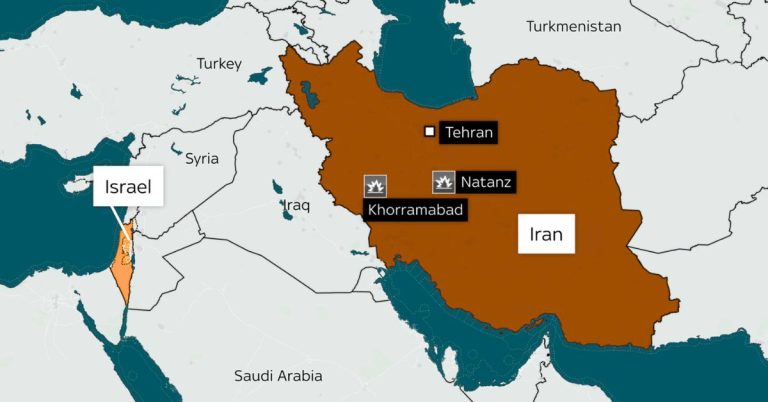
The Iran conflict escalated sharply after coordinated military strikes targeted key infrastructure believed to support the country’s defense network. Military officials say the operations were designed to weaken command structures, missile launch facilities, and logistical networks linked to the nation’s armed forces.

Defense analysts say the scale and coordination of the early attacks suggest a carefully planned strategy aimed at establishing immediate operational advantage. By striking critical military infrastructure early in the campaign, planners hoped to reduce the country’s ability to organize sustained retaliation.

Officials familiar with the military planning say the first phase of operations included a series of high-precision strikes targeting air defense systems and naval assets. The goal was to limit the regional power’s ability to disrupt international shipping routes or threaten nearby military installations.

Security experts caution that any confrontation involving such a strategically positioned nation carries significant risks. The country maintains strong regional relationships and possesses substantial missile capabilities that could influence the trajectory of the crisis.

Analysts also say that the scale of the campaign reflects broader concerns about regional security and the long-term balance of power in the Middle East.


Global Energy Markets React

The confrontation has already had a significant effect on global energy markets, particularly because of the country’s location near critical oil transport routes.

Energy traders reacted quickly as tensions increased around the Persian Gulf, where a large portion of the world’s oil supply passes through narrow maritime corridors. Any disruption to these routes could have immediate consequences for global fuel prices.

The Iran conflict has raised fears that instability could threaten tanker traffic through the Strait of Hormuz, one of the world’s most important oil shipping lanes. A disruption in that corridor could send shockwaves through energy markets and increase costs for consumers worldwide.

Analysts say energy prices tend to respond rapidly to geopolitical uncertainty, especially when the crisis involves a major regional player with influence over strategic waterways.

Several oil-producing countries in the region have already increased security measures around key infrastructure, while international shipping companies are reviewing routes to minimize potential risk.


Financial Market Volatility

Global financial markets reacted with caution as news of the escalating confrontation spread. Several Asian markets experienced declines as investors weighed the potential economic consequences of prolonged instability in the Middle East.

Financial analysts say geopolitical tensions often trigger volatility because investors tend to move funds toward safer assets during uncertain periods. The unfolding Iran conflict has increased concerns about supply chains, energy costs, and global trade flows.

Currency markets also reflected the uncertainty, with investors closely monitoring developments in the region. Economists say prolonged geopolitical tension can influence economic confidence and investment decisions across multiple industries.

Despite early declines in some markets, analysts note that global financial systems have become more resilient to geopolitical shocks in recent years. Investors are watching carefully to determine whether the situation will stabilize or escalate further.

Market strategists say energy-related industries could see increased volatility if tensions continue to rise.


Regional Security Concerns

The Middle East has long been one of the most strategically sensitive regions in global politics, and the Iran conflict has intensified concerns about broader instability.

Security experts warn that regional alliances and political tensions could complicate efforts to contain the confrontation. Several neighboring countries are closely monitoring the situation, particularly because of potential spillover effects on border security and economic stability.

Military analysts say the country maintains a network of relationships with regional actors that could influence the direction of the conflict. These alliances may play an important role in shaping how the situation evolves.

Regional governments have increased military readiness in response to the crisis, while diplomatic channels remain active in an effort to prevent further escalation.

Observers say the situation underscores the fragile security balance that has existed across the Middle East for decades.


Humanitarian Impact

Humanitarian organizations have raised serious concerns about the potential civilian impact of military operations inside the country.

Aid groups say infrastructure damage could disrupt access to essential services, including healthcare, transportation, and energy supplies. The humanitarian implications of the Iran conflict remain difficult to measure because the situation is evolving rapidly.

Relief agencies have urged all parties involved in the confrontation to prioritize civilian protection and maintain access for humanitarian assistance.

Human rights organizations monitoring the situation warn that prolonged military activity could lead to displacement and long-term economic hardship for communities across the region.

The international community is closely monitoring reports from the ground as the crisis continues to unfold.


Diplomatic Responses

Governments around the world have reacted cautiously to the unfolding confrontation. Several countries have called for diplomatic engagement and restraint, emphasizing the importance of preventing further escalation.

The Iran conflict has sparked debates within international political circles about how best to manage regional tensions while maintaining global security.

Some diplomatic leaders have expressed support for efforts aimed at limiting military capabilities, while others have urged immediate negotiations to reduce tensions.

Foreign policy experts say diplomatic communication will be critical in determining whether the situation stabilizes or expands.

International organizations are also encouraging dialogue among regional actors in an effort to reduce the risk of miscalculation.


Military Deployments

In response to rising tensions, several countries have increased military presence across strategic areas in the Middle East.

Naval forces have moved closer to important shipping routes in order to protect commercial traffic and maintain maritime security.

The Iran conflict has prompted additional surveillance operations designed to monitor developments in the region.

Military planners say these deployments are intended primarily as deterrence measures rather than direct participation in combat operations.

Defense analysts believe the increased military presence may help reduce the risk of further escalation by reinforcing security around key infrastructure and trade routes.


Economic Implications

Economists say the confrontation could have lasting consequences for global economic stability if tensions persist.

Energy prices remain particularly sensitive to geopolitical developments, and the Iran conflict has introduced new uncertainty into an already fragile global economy.

Rising transportation costs and supply chain disruptions could also influence inflation levels in several countries.

Financial institutions are monitoring the situation closely as governments consider potential responses to economic risks.

Analysts say the long-term economic impact will depend largely on whether the crisis expands or gradually stabilizes through diplomatic efforts.


Future Outlook of the Iran Conflict

The future of the Iran conflict remains uncertain as military developments and diplomatic efforts continue to unfold.

Political analysts say several factors will shape the next phase of the crisis, including regional alliances, international diplomacy, and economic pressures.

While some experts believe the confrontation may eventually move toward negotiations, others warn that tensions could remain elevated for an extended period.

The global community continues to monitor the situation closely as leaders search for ways to prevent the crisis from escalating further.

For now, the evolving Iran conflict represents one of the most significant geopolitical challenges facing the international community.

Texas Senate Democratic Primary: Crockett and Talarico in Intense Tight Race as Polls Confuse Voters

0

The Democratic primary for the Texas Senate seat has quickly turned into one of the most closely watched political contests in the United States. What began as a routine election cycle has evolved into a highly competitive race between two prominent Democratic figures whose campaigns have energized voters across the state.

Congresswoman Jasmine Crockett and state representative James Talarico have spent months traveling across Texas, speaking with voters, participating in debates, and outlining their visions for the future. Their rivalry has drawn national attention as political observers try to understand what the outcome of the race could mean for the evolving political landscape of the state.

In recent weeks, conflicting polling data and unusually strong voter engagement have made the outcome difficult to predict. With both candidates building strong coalitions of supporters, analysts say the primary has become one of the most unpredictable races in recent Texas politics.

The stakes are high not only for the candidates themselves but also for the broader political direction of the state.

Texas Senate Race Gains National Attention

The contest for the Texas Senate seat has captured widespread interest among political analysts and voters across the country. Texas has long been considered one of the most influential states in national politics, and elections within the state often attract attention far beyond its borders.

Over the past decade, Texas has experienced significant population growth and demographic change. These shifts have led many observers to view the state as increasingly competitive in statewide elections. As a result, the Texas Senate primary has taken on added importance.

Both campaigns have attracted volunteers, grassroots organizers, and national political attention. The intense competition has turned the race into a focal point for discussions about the future direction of Democratic politics in Texas.

Political observers say the election is not simply about selecting a candidate. It also reflects broader debates about strategy, messaging, and how political leaders connect with voters in one of the nation’s fastest-growing states.


Texas Senate Democratic Primary Highlights Competing Visions

At the heart of the campaign are two candidates who represent different approaches to leadership and political communication.

Jasmine Crockett has gained recognition through her work in Congress, where she has developed a reputation as an outspoken advocate on issues ranging from voting rights to economic opportunity. Her supporters argue that her experience and visibility make her well positioned to compete in statewide elections.

Crockett’s campaign message has emphasized unity, strong public institutions, and policies designed to improve economic security for working families.

James Talarico, meanwhile, has built his reputation in the Texas legislature by focusing on policy reform and civic engagement. Known for his thoughtful speeches and emphasis on community dialogue, Talarico has appealed to voters who are seeking a different tone in politics.

His campaign has highlighted the importance of grassroots organizing and the belief that political change often begins at the local level.

The contrast between Crockett’s national political profile and Talarico’s grassroots approach has become a defining feature of the Texas Senate primary.


Polling Uncertainty Surrounds the Texas Senate Race

Polling results throughout the campaign have been inconsistent, adding to the uncertainty surrounding the election.

Early surveys suggested Crockett held a noticeable advantage. Her higher name recognition and strong fundraising network appeared to give her a clear edge in the early stages of the race.

However, as the campaign progressed, new polling data began to show a narrowing gap between the candidates.

Several recent surveys indicated that Talarico had gained momentum among younger voters and progressive activists. These shifts created uncertainty about which candidate might ultimately prevail in the Texas Senate contest.

Political analysts say the conflicting polling results may reflect the difficulty of predicting turnout in a highly competitive primary.

Many voters reported making their decisions only in the final days before the election, making traditional polling models less reliable.


Texas Senate Voter Turnout Reflects Rising Engagement

One of the most notable aspects of the election has been the level of voter participation.

Across several major cities, long lines formed at polling stations as voters waited to cast their ballots. Community groups and volunteers reported strong interest in the election, particularly among younger voters and first-time participants.

The increased participation suggests that many Texans view the Texas Senate race as an important moment for the future of the state.

Historically, voter turnout in Texas primaries has been relatively low compared with other large states. However, the competitive nature of this race appears to have encouraged more people to participate.

Local organizations have also worked to increase awareness about the election, helping voters understand registration requirements and voting procedures.

The result has been an election marked by unusually strong engagement.


Demographic Coalitions in the Texas Senate Election

Support for the candidates has reflected several demographic trends.

Crockett has received strong support from Black voters in urban areas and from Democrats who believe her national political experience will be valuable in statewide contests.

Talarico, on the other hand, has attracted significant backing from younger voters and progressive activists who are interested in political reform and community-based organizing.

Latino voters are expected to play an especially important role in determining the outcome.

In many parts of Texas, Latino communities represent a substantial share of the Democratic electorate. Campaign strategists believe turnout within these communities could ultimately decide the race.

Because of these dynamics, both candidates have invested significant time and resources into outreach efforts aimed at engaging diverse communities across the state.


Young Voters Influence the Texas Senate Campaign

College campuses and university communities have become important centers of political discussion during the campaign.

Students have organized candidate forums, discussion panels, and voter registration drives focused on the election.

Many young voters say they are motivated by issues such as education affordability, climate policy, and economic opportunity.

The growing participation of younger voters reflects broader demographic changes taking place across the state.

Both campaigns have attempted to connect with these voters by addressing issues that resonate strongly with younger generations.

Political analysts believe that the influence of younger voters could play a significant role in shaping the future of Texas politics.


Economic Concerns Shape the Texas Senate Debate

Economic challenges have also been central to the campaign.

Many voters across the state have expressed concerns about rising living costs, housing affordability, and healthcare expenses.

These concerns have influenced discussions about policy priorities and government responsibility.

Crockett has emphasized the need to expand economic opportunities and strengthen social programs designed to support working families.

Talarico has focused on education investment and economic mobility, arguing that long-term prosperity depends on expanding opportunities for younger generations.

These economic debates have become a key part of the broader discussion surrounding leadership in the Texas Senate.


Party Leaders Watch the Texas Senate Contest Closely

Democratic leaders across the state have closely followed the primary campaign.

Many have praised both candidates for energizing voters and encouraging political participation.

Some strategists believe the enthusiasm surrounding the race could help strengthen party organizing efforts throughout the state.

Others see the contest as an opportunity to test different campaign strategies before future statewide elections.

Regardless of the outcome, the race has already demonstrated that voter engagement in Texas is evolving.


The Broader Political Landscape Around the Texas Senate Seat

Although the Democratic primary has captured much of the attention, the broader political environment remains competitive.

Republicans continue to hold significant influence across many parts of Texas, meaning that the Democratic nominee will likely face a challenging general election.

Because of this reality, both candidates have emphasized the importance of building broad coalitions capable of appealing to voters across different communities.

The outcome of the primary will therefore influence how the party approaches the next stage of the election cycle.


What the Texas Senate Primary Means for Texas Politics

As vote counting continues, the Texas Senate primary stands as one of the most closely watched elections in the country.

The contest between Crockett and Talarico highlights broader questions about leadership, political strategy, and voter engagement.

Regardless of who ultimately secures the nomination, the campaign has already demonstrated that many Texans are eager to participate in shaping the future of their state.

High turnout, energized campaign events, and intense public interest suggest that political engagement in Texas is continuing to grow.

For observers across the country, the race provides insight into how voters are responding to emerging leaders and changing political priorities.

The outcome will shape not only the leadership of the Texas Senate but also the direction of political debate across the state for years to come.

US Military Ecuador Drug Trafficking Operation Expands as Joint Forces Target Dangerous Narco Networks

0

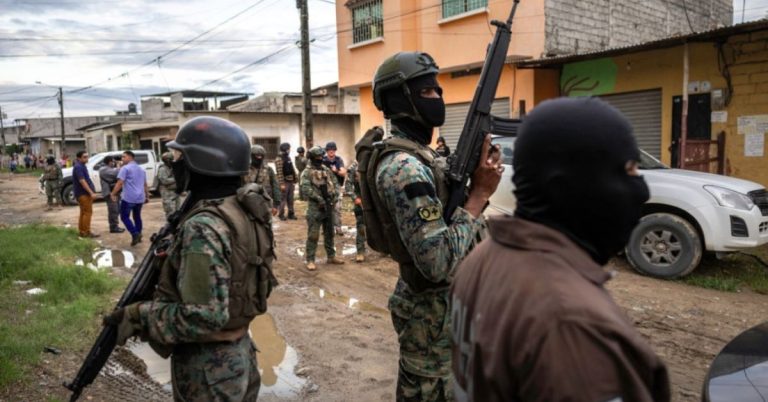
The US Military is expanding its cooperation with Ecuadorian security forces as part of a growing regional effort to disrupt powerful drug trafficking organizations operating across Latin America. Officials from both governments confirmed that coordinated operations are now underway, focusing on intelligence sharing, strategic surveillance, and targeted actions aimed at dismantling criminal networks linked to narcotics trafficking.

Authorities say the initiative reflects a broader shift in security policy across the region, where governments are increasingly working together to combat organized crime that stretches across borders. The expanding role of the US Military in Ecuador signals the seriousness of the challenge facing authorities as transnational drug networks continue to grow in influence.

While operational details remain limited for security reasons, officials say the cooperation includes joint planning, intelligence coordination, and strategic assistance designed to weaken criminal groups responsible for trafficking large quantities of narcotics into global markets.

Expanding Cooperation Between Ecuador and the US Military

The expanding partnership between Ecuador and the US Military reflects a growing concern among regional governments about the spread of organized crime linked to international drug trafficking.

Officials say the joint effort is designed to strengthen Ecuador’s ability to track criminal networks that move narcotics across continents through complex transportation routes and financial channels. By working closely with Ecuadorian authorities, the US Military is helping provide intelligence analysis, logistical support, and strategic coordination aimed at dismantling cartel operations.

Security experts say such partnerships are becoming increasingly important because drug trafficking groups are no longer confined to individual countries. Instead, they operate across international borders, often using advanced technology, financial networks, and global shipping infrastructure.

The presence of the US Military in the operation underscores the level of concern among policymakers who view the expansion of these criminal networks as a growing threat to regional stability.

Officials in Washington and Quito both emphasize that the partnership focuses on supporting Ecuador’s law enforcement and defense institutions while strengthening the country’s ability to disrupt illegal trafficking networks.


Why Ecuador Has Become a Strategic Drug Trafficking Route

Ecuador’s geographical location has made it an increasingly important hub in the global drug trade. Situated between Colombia and Peru two of the world’s largest producers of cocaine the country has become a major transit point for narcotics destined for North America, Europe, and other international markets.

Authorities say traffickers often exploit Ecuador’s shipping infrastructure to conceal drugs within legitimate cargo shipments. As international trade flows through the country’s ports, criminal organizations use sophisticated methods to move narcotics undetected.

In response to these growing challenges, Ecuador has turned to international partnerships, including cooperation with the US Military, to improve intelligence gathering and strengthen enforcement operations.

Security analysts say the involvement of the US Military provides additional resources that can help identify trafficking routes, monitor criminal networks, and coordinate large-scale enforcement strategies.

The strategic importance of Ecuador in global drug trafficking networks has made it a central focus in the broader fight against organized crime.


Intelligence Operations Target Narco Networks

One of the most important aspects of the joint initiative is intelligence coordination between Ecuadorian forces and the US Military.

Officials say intelligence teams are working to analyze data related to criminal networks, including communication patterns, financial transactions, and transportation routes used by trafficking groups. By studying these patterns, investigators aim to identify leadership structures within the organizations and dismantle them systematically.

Experts say intelligence-driven operations have become a cornerstone of modern counter-narcotics strategy. Instead of focusing solely on drug seizures, authorities now aim to disrupt entire networks, targeting supply chains and logistical systems.

The US Military is believed to play a key role in providing analytical support and technological resources that enhance the effectiveness of these intelligence efforts.

Such operations often involve extensive collaboration between military analysts, law enforcement agencies, and international partners working to track criminal activity across multiple jurisdictions.


Security Challenges Facing Ecuador

Ecuador has experienced a dramatic increase in violence in recent years as criminal organizations battle for control of lucrative trafficking routes.

Government officials say gangs linked to international cartels have expanded their influence in several regions of the country. These groups often engage in violent confrontations as they compete for control of transportation corridors used to move narcotics.

In response, Ecuador has strengthened its security strategy by working with international partners, including the US Military, to enhance intelligence sharing and operational planning.

Authorities believe that increased cooperation will help reduce the influence of organized crime groups that have been responsible for rising levels of violence in parts of the country.

The government has also implemented a range of new security policies aimed at improving coordination between military forces, law enforcement agencies, and international allies.


Regional Impact of the US Military Counter-Narcotics Effort

The involvement of the US Military in Ecuador reflects a broader regional strategy aimed at combating drug trafficking networks throughout Latin America.

Officials say the effort is part of a wider initiative that includes intelligence partnerships, maritime patrol operations, and joint training programs designed to strengthen counter-narcotics capabilities across the region.

Security experts say such cooperation is essential because drug trafficking networks operate on a transnational scale, often moving narcotics through multiple countries before reaching their final destinations.

By working with regional partners, the US Military helps improve coordination between governments that share the goal of disrupting organized crime.

The strategy focuses on building long-term capabilities within partner nations so they can more effectively combat trafficking networks independently.


Cartel Networks and the Growing Drug Economy

Drug trafficking organizations have evolved into highly sophisticated enterprises that operate across global markets.

These groups often rely on advanced logistics systems, encrypted communication tools, and complex financial structures to move narcotics around the world.

Authorities say the US Military is assisting Ecuador in identifying these networks and understanding how they operate.

By analyzing financial transactions and communication systems linked to criminal groups, investigators hope to weaken the structures that allow trafficking organizations to function.

Experts say dismantling cartel networks requires a coordinated approach involving intelligence agencies, financial investigators, and law enforcement authorities working together across borders.


Strategic Importance of the US Military in Latin America

The presence of the US Military in regional security initiatives has long been part of broader efforts to combat narcotics trafficking and organized crime.

Through partnerships with local governments, the US Military provides training, intelligence support, and technological resources that help improve the effectiveness of enforcement operations.

In Ecuador’s case, officials say cooperation with the US Military strengthens the country’s ability to monitor trafficking routes and disrupt criminal activity.

Such partnerships also allow for improved communication between governments that share intelligence about transnational crime.

Security experts say these collaborative efforts are critical for addressing threats that extend beyond national borders.


Ecuador’s Escalating Campaign Against Organized Crime

Ecuador’s government has recently intensified its campaign against organized crime, declaring a tougher stance against criminal groups involved in drug trafficking.

Officials say the country is implementing a comprehensive security strategy that includes stronger enforcement measures, international cooperation, and intelligence coordination.

The role of the US Military in supporting these efforts highlights the seriousness of the threat posed by trafficking networks.

Authorities believe that expanding cooperation will help reduce the influence of criminal organizations that have contributed to rising violence in recent years.

Government leaders say the partnership with the US Military represents an important step toward restoring security and stability in affected regions.


Global Implications of the Anti-Trafficking Operation

The fight against drug trafficking in Ecuador has implications far beyond the country’s borders.

International authorities say narcotics moved through Ecuador often end up in markets across North America and Europe, making the country a key link in the global drug trade.

By working with Ecuador, the US Military hopes to disrupt these trafficking routes and reduce the flow of narcotics into international markets.

Experts say such operations can have a significant impact on organized crime networks that rely on global distribution systems.

The success of the operation may influence future strategies used by governments to combat transnational criminal organizations.


Future Direction of the US Military Mission in Ecuador

While officials have released limited details about the operation, analysts believe the role of the US Military in Ecuador could expand in the coming months.

Future phases of the mission may include increased intelligence cooperation, additional joint operations, and expanded monitoring of maritime trafficking routes.

Authorities say the ultimate goal is to weaken criminal organizations responsible for coordinating large-scale narcotics shipments.

If successful, the collaboration between Ecuador and the US Military could significantly reduce the influence of drug trafficking networks across the region.

Officials from both countries emphasize that long-term cooperation will remain essential in the ongoing fight against organized crime.

Collagen and Wrinkles: Scientists Say Supplements Improve Skin but Don’t Stop Ageing

0

For years, beauty aisles and online wellness stores have promoted collagen supplements as a simple solution for smoother, younger-looking skin. Powders stirred into coffee, capsules taken before bed, and flavored drinks marketed for glow have all promised visible transformation.

But a sweeping scientific review is now tempering expectations. Researchers analyzing decades of clinical evidence say supplements made from collagen can support skin elasticity and hydration. However, they do not erase wrinkles or stop the biological clock.

The protein remains important to skin health but it is not a miracle cure.

Understanding the Role of Collagen

Collagen is the most abundant structural protein in the human body. It forms a network of fibers that provide strength and support to skin, bones, tendons, and cartilage.

In youthful skin, these fibers are tightly woven and resilient. They help maintain firmness and allow skin to bounce back after stretching. As production slows, the supportive framework weakens. The visible result is thinning skin and eventually the formation of fine lines.

Because this protein plays such a central role in structural integrity, it has become the focus of intense interest in the anti-aging market.


Why Skin Changes Over Time

Aging skin reflects cumulative biological shifts.

Production of structural proteins gradually decreases beginning in early adulthood. At the same time, existing fibers break down more quickly. Environmental exposure accelerates the process.

Ultraviolet radiation damages connective tissue and reduces the body’s ability to rebuild it. Smoking interferes with circulation and repair. Repetitive facial expressions deepen creases over time.

Hormonal transitions also contribute. During menopause, reduced estrogen levels are closely associated with faster structural decline.

These overlapping factors shape the development of wrinkles.


Collagen and Wrinkles: What the Data Shows

The recent review examined more than one hundred clinical trials involving thousands of participants. Researchers found consistent evidence that supplementation improves skin hydration and elasticity.

Participants who took collagen regularly showed firmer texture and better moisture retention compared to placebo groups.

However, when scientists measured wrinkle depth and long-term structural regeneration, the improvements were modest.

The findings suggest that while collagen can support skin appearance, it does not eliminate wrinkles or reverse advanced aging.

Improved hydration can temporarily soften fine lines by plumping the surface. That visual smoothing differs from rebuilding deeply fragmented tissue.

Experts emphasize the distinction between supportive benefits and structural transformation.


Hydration Versus Structural Repair

Elasticity and hydration are important markers of skin health.

When moisture levels increase, the surface appears smoother and more luminous. Enhanced elasticity allows skin to recover more effectively after movement.

But repairing long-standing wrinkles involves rebuilding deeply damaged fibers — a far more complex biological process.

Clinical treatments such as laser therapy or retinoid-based regimens target skin at a different level than oral supplementation.

Collagen supplements may provide building blocks that assist natural repair mechanisms, yet they do not directly reconstruct damaged architecture.

Understanding this difference helps set realistic expectations.


Environmental Damage and Skin Aging

Sun exposure remains one of the most powerful drivers of premature aging.

Ultraviolet rays penetrate the skin and damage structural proteins. Over time, repeated exposure leads to thinning and loss of resilience.

Daily sunscreen use is widely regarded by dermatologists as one of the most effective strategies for preserving firmness.

Smoking also accelerates visible aging by restricting blood flow and impairing healing.

Experts consistently note that no supplement can counteract chronic environmental damage.

Healthy lifestyle habits remain foundational.


Hormones and Their Impact on Skin Structure

Hormones influence skin thickness and density throughout life.

Estrogen, in particular, helps maintain structural integrity. When estrogen levels decline, as during menopause, connective tissue becomes more fragile.

Many women notice increased dryness and deeper lines during this stage of life.

While supplementation may offer support, it does not fully replace hormonal influence.

Medical professionals stress that aging is shaped by internal shifts as well as external factors.


Types of Supplements on the Market

Consumers can choose from several varieties of collagen-based products.

Marine-derived forms are sourced from fish. Bovine options come from cattle. Some plant-based formulations are designed to stimulate natural production rather than supply the protein directly.

Hydrolyzed peptides are common because they are broken into smaller fragments that are easier to digest.

Research has not shown dramatic differences in effectiveness among sources.

Consistency of intake and overall health status appear more relevant than specific origin.


How the Body Processes Collagen

Once consumed, collagen is broken down into amino acids and small peptides during digestion.

These components circulate throughout the body and are used where needed — not exclusively in facial skin.

That means supplementation does not target wrinkles specifically. Instead, it contributes nutrients that may support connective tissue broadly.

This biological pathway explains why expectations of direct wrinkle reversal may be unrealistic.

The process is systemic, not localized.


Dermatologists’ Views on Anti-Aging Claims

Many dermatologists describe supplements as potentially beneficial but limited.

Improved hydration and firmness can create subtle visible enhancement. Yet established treatments such as topical retinoids and consistent sun protection remain central to wrinkle management.

Medical professionals caution against exaggerated marketing claims.

Collagen can be part of a broader strategy, but it should not replace evidence-based skincare routines.

Patients seeking dramatic change may require clinical interventions.


Joint and Connective Tissue Benefits

While public attention often centers on facial appearance, collagen plays a vital role in joints and cartilage.

Several studies suggest supplementation may reduce stiffness and discomfort in people with osteoarthritis.

Athletes and older adults frequently use collagen to support mobility and connective tissue resilience.

Researchers note that evidence for joint benefits is somewhat stronger than for cosmetic outcomes.

This broader application reflects the protein’s systemic importance.


Nutrition and Natural Production

The body produces collagen using amino acids and key nutrients such as vitamin C and zinc.

Citrus fruits, berries, peppers, and leafy greens supply vitamin C, which is essential for synthesis.

Adequate protein intake ensures availability of necessary building blocks.

Some experts argue that maintaining a balanced diet may be just as important as supplementation.

Internal production depends heavily on overall nutritional status.


Marketing Claims Versus Medical Evidence

The global market for collagen supplements has grown rapidly in recent years.

Advertising often frames the protein as a solution to aging itself.

Scientists involved in the review urge caution. While benefits exist, they are incremental rather than transformative.

Clear communication between medical experts and consumers helps prevent disappointment.

Evidence supports supportive improvements — not dramatic reversal of wrinkles.


Safety and Consumer Awareness

For most people, collagen supplements are considered safe when taken as directed.

Individuals with allergies to fish or animal proteins should check sourcing carefully.

As with any supplement, consulting a healthcare provider is advisable, especially for those with existing conditions.

Quality and dosage can vary between brands.

Careful selection matters.


A Realistic Perspective on Aging

Aging is influenced by genetics, environment, hormones, and lifestyle.

Collagen is one piece of that larger picture.

Supplementation may improve hydration and firmness over time. It may support joint comfort. It may contribute to overall connective tissue health.

But wrinkles form through complex, long-term processes that no single product can fully reverse.

Experts recommend a comprehensive approach: sun protection, balanced nutrition, healthy sleep, stress management, and informed choices.

In that context, collagen serves as supportive not revolutionary.

It can enhance skin condition gradually.

It cannot stop time.