55.6 F
San Francisco
Thursday, July 2, 2026
Home Blog Page 206

Canada Tariffs 2026: Major GOP Split in Critical Vote

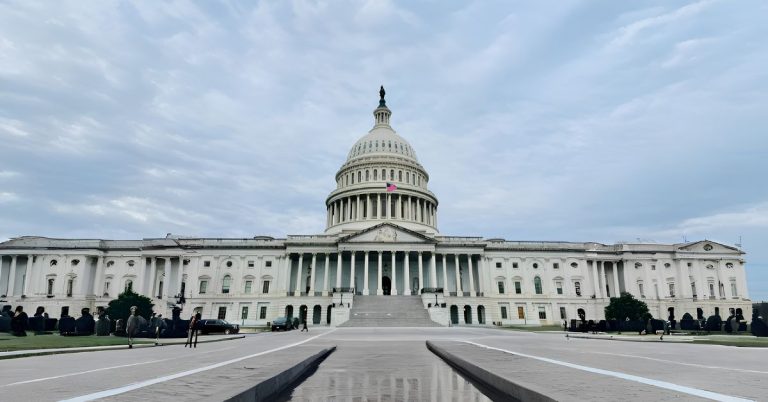
Canada Tariffs returned to the center of Washington’s political debate this week after six House Republicans joined Democrats in a high-profile vote challenging President Donald Trump’s trade policy toward Canada.

The vote does not immediately dismantle existing tariff measures. But it signals a significant political shift inside the Republican Party, where trade policy has long been tied to presidential authority and economic nationalism.

The decision also highlights the ongoing friction between congressional oversight and executive power over international commerce — a constitutional issue that has surfaced repeatedly in recent years.

A Defining Moment in the Canada Tariffs Debate

The House vote marks one of the clearest Republican breaks from Trump’s trade strategy since he first imposed tariffs on Canadian imports.

Canada Tariffs have been framed by the administration as necessary tools to protect American industries and correct trade imbalances. Supporters argue that tariffs provide leverage in negotiations and shield domestic manufacturers from foreign competition.

Critics inside Congress, however, say the economic cost has grown too high for certain districts. Lawmakers representing agricultural states and border economies have warned that tariffs on Canadian goods may unintentionally hurt local businesses.

Canada remains one of the United States’ largest trading partners. Goods move across the border daily, supporting industries ranging from automotive manufacturing to agriculture and energy. Any disruption to that relationship carries consequences.


What the House Vote Means for Canada Tariffs Policy

The measure passed in the House seeks to restrict or cancel certain executive actions related to Canada Tariffs. While it is largely procedural at this stage, it represents a formal challenge to the president’s trade authority.

Six Republicans voted in favor of the measure:

Thomas Massie
Don Bacon
Kevin Kiley
Jeff Hurd
Brian Fitzpatrick
Dan Newhouse

Their support gave the effort bipartisan momentum, even though the numbers remain insufficient to override a potential presidential veto.

The vote does not automatically end the tariff framework. The Senate would need to advance similar legislation, and the president retains veto power.

Still, the symbolic weight is considerable. Public dissent from members of the president’s own party on trade policy is rare.


Economic Pressures Behind Republican Opposition

Several of the lawmakers who broke ranks cited economic concerns in their districts.

Agricultural states have been particularly sensitive to trade disruptions. Farmers often depend on imported fertilizers, machinery parts, and supply chain inputs linked to Canada. When tariffs raise the price of those goods, operating costs increase.

Manufacturers have also expressed concern. Steel, aluminum, timber, and automotive components frequently cross the border before final assembly. When Canada Tariffs raise input prices, companies must either absorb the cost or pass it to consumers.

Small businesses along the northern border face similar pressures. Many operate in tightly integrated cross-border markets. Even minor trade friction can slow shipments and raise logistical expenses.

Some lawmakers described their vote not as a rebuke of the president, but as a response to district-level realities.


The Constitutional Debate Over Trade Authority

Beyond economics, the vote revives a constitutional question: who ultimately controls tariff policy?

The U.S. Constitution grants Congress the authority to regulate commerce with foreign nations. Over time, however, lawmakers delegated significant tariff powers to the executive branch under specific statutory frameworks.

Presidents from both parties have used those authorities to impose tariffs in response to economic or national security concerns.

Critics argue that executive authority has expanded too far. They contend that Congress should play a more direct role in shaping trade policy, especially when tariffs affect key industries.

Supporters of presidential authority counter that rapid trade action requires executive flexibility.

The Canada Tariffs vote underscores that this debate remains unresolved.


How Canada Tariffs Affect U.S. Industries

The economic relationship between the United States and Canada is among the largest in the world.

Automotive production offers a clear example. A single vehicle assembled in North America may cross the border multiple times during production. Tariffs can complicate this system and increase manufacturing costs.

Energy markets are also intertwined. Canada supplies crude oil and electricity to parts of the United States. Trade disruptions can influence pricing and investment planning.

Agriculture remains another focal point. Dairy, grain, meat products, and fertilizers move in both directions. Any tariff escalation can invite countermeasures, potentially affecting export markets for American farmers.

Canada Tariffs also carry consumer implications. When businesses face higher costs, some portion often reaches retail prices. Construction materials, manufactured goods, and agricultural products may see price adjustments over time.

Economists remain divided on the long-term impact. Some argue tariffs strengthen domestic industries. Others warn that they distort markets and introduce inefficiencies.


Political Consequences Within the GOP

The six Republican lawmakers who supported the measure face competing pressures.

On one side is party unity and alignment with the president. On the other is constituent economic impact.

Trade policy has historically cut across party lines. In recent years, however, it has become closely associated with presidential leadership.

By breaking ranks, the lawmakers signaled that trade remains an area where internal disagreement can surface, even in a polarized environment.

Some analysts believe the vote reflects broader anxiety about economic stability ahead of the election cycle.

Others view it as a targeted response to local industry concerns rather than a broader ideological shift.


Broader U.S.–Canada Economic Implications

From Canada’s perspective, tariff disputes create uncertainty.

Canadian officials have previously responded to U.S. tariffs with targeted countermeasures. While such steps aim to protect domestic industries, they can deepen trade friction.

Long-term investment decisions often depend on predictable trade rules. When policies fluctuate, businesses may delay expansion or adjust supply chains.

The integrated nature of North American commerce means both countries feel the impact.

Canada Tariffs are therefore not simply domestic political tools; they shape bilateral economic relations.


Election-Year Dynamics

As campaigns intensify, lawmakers often prioritize district-specific economic concerns.

Voters tend to respond strongly to issues affecting jobs, farm income, and manufacturing stability.

The House vote may serve as an early indicator of how trade debates evolve during the campaign season.

Even if the immediate legislative outcome remains uncertain, the political signal is clear: trade policy remains a live issue within Congress.


What Happens Next

Several outcomes remain possible.

The Senate could take up related legislation.

The president could veto any measure restricting tariff authority.

Congress could attempt to override a veto, though that would require a two-thirds majority.

Additional negotiations between congressional leaders and the White House may also occur.

Observers describe the current moment as a policy standoff rather than a final resolution.


Conclusion

Canada Tariffs have once again become a focal point in Washington, revealing both economic and political tensions.

The House vote does not immediately dismantle existing trade measures. But it reflects deeper questions about executive authority, economic strategy, and party unity.

For industries tied closely to cross-border trade, the stakes remain high.

As debate continues, Canada Tariffs will likely remain central to discussions about trade, governance, and economic policy in 2026.


Hong Kong Article 23 Law: 1 Shocking Conviction Raises Global Alarm

Hong Kong Article 23 law is facing renewed global scrutiny after a Hong Kong court convicted the father of a U.S.-based pro-democracy activist in what legal observers describe as a landmark case.

The ruling marks the first prosecution under the city’s locally enacted national security framework that targets an individual accused of handling financial assets linked to an overseas activist. The decision has intensified debate about the scope and reach of the legislation introduced to strengthen national security enforcement in the territory.

Background of the Case

Kwok Yin-sang, 69, was found guilty on Wednesday after prosecutors argued that he attempted to access funds from an insurance policy connected to his daughter, Anna Kwok, who currently resides in the United States.

Anna Kwok is wanted by Hong Kong authorities and is classified as an “absconder” under local security provisions. Officials allege that she has engaged in activities abroad that authorities consider hostile to the interests of both Hong Kong and China.

The conviction is widely regarded as a defining moment in the enforcement of the Hong Kong Article 23 law, which was enacted in 2024 to supplement the earlier 2020 national security legislation imposed by Beijing.

According to court documents, Kwok had originally purchased the insurance policy when his daughter was a minor. Upon reaching adulthood, she became the legal holder of the policy. In 2025, Kwok sought to cancel the policy and withdraw the funds.

Prosecutors argued that any attempt to manage assets belonging to an individual designated under national security provisions constitutes a criminal offense.


Court Proceedings and Key Arguments

During the trial, the defense maintained that Kwok did not intend to transfer funds to his daughter and that his actions were administrative in nature. His lawyer emphasized that there was no evidence suggesting the funds would have been sent abroad or used for political purposes.

The prosecution countered that Kwok was fully aware of his daughter’s legal status and therefore knowingly attempted to manage her financial assets. The court ultimately ruled that the evidence demonstrated awareness of the restrictions.

Kwok pleaded not guilty.

Under provisions tied to the Hong Kong Article 23 law, the offense carries a maximum penalty of seven years in prison. However, because the case was heard in a magistrates’ court, sentencing guidelines may limit imprisonment to a shorter term.

Sentencing is scheduled for later this month.


What the Hong Kong Article 23 Law Covers

The Hong Kong Article 23 law was enacted to address national security concerns including treason, espionage, sabotage, and external interference. Authorities have stated that the legislation is necessary to protect the city’s stability following the large-scale protests of 2019.

Officials argue that the law strengthens safeguards against foreign political influence and ensures that Hong Kong fulfills its constitutional responsibility to enact national security legislation.

Critics, however, contend that the law’s language allows broad interpretation and may extend into areas that affect civil society and political expression.

Legal analysts say this case represents the first time the Hong Kong Article 23 law has been used to prosecute someone for managing financial assets linked to an overseas activist.


Broader Political and Legal Implications

The conviction raises complex questions about how far national security measures extend beyond direct political activity.

Legal scholars note that while the legislation targets individuals accused of threatening state security, its enforcement may now encompass family members or associates in certain circumstances.

Some experts suggest that this development could redefine the boundaries of financial and personal responsibility under security laws.

Supporters of the government’s position argue that enforcement must remain consistent and that individuals cannot circumvent restrictions through indirect financial management.

Opponents warn that such prosecutions may deepen concerns about proportionality and due process.


International Response and Diplomatic Tensions

The case has drawn attention in Washington and London, where policymakers have previously criticized Hong Kong’s security measures.

The Hong Kong Democracy Council described the conviction as an escalation in efforts to apply security rules to individuals beyond the city’s borders.

In recent years, Western governments have imposed sanctions on certain officials, citing concerns over autonomy and political freedoms. Beijing has responded with countermeasures, accusing foreign governments of interfering in domestic affairs.

Although officials in Hong Kong maintain that enforcement actions are based strictly on legal grounds, international reaction to this case is expected to intensify discussions about cross-border legal implications.


The Debate Over Security and Civil Liberties

Since its enactment, the Hong Kong Article 23 law has been at the center of an ongoing debate between those prioritizing stability and those emphasizing civil liberties.

Authorities maintain that national security is a fundamental requirement for economic confidence and social order. They argue that the majority of residents are unaffected by the legislation and that enforcement targets only specific violations.

Civil rights advocates counter that broader definitions within the law may deter political participation and public discourse.

This latest conviction may become a reference point in future discussions about the balance between security enforcement and personal freedoms.


What Happens Next

As sentencing approaches, attention will turn to how the court determines punishment and whether the case sets precedent for similar prosecutions.

Legal observers will closely watch whether additional cases emerge under similar circumstances.

Regardless of the sentence imposed, the conviction has already positioned the Hong Kong Article 23 law at the forefront of international legal and political discussion.

For many in Hong Kong, the case represents another chapter in the city’s evolving governance framework. For international audiences, it underscores the continuing tension between sovereignty, security, and civil liberties.

The outcome of this case may not only influence future legal proceedings but also shape the broader narrative surrounding Hong Kong’s security architecture in the years ahead.

Team USA Defeats Canada 2026: Massive 5-0 Win

MILAN — The women’s hockey rivalry that has defined Olympic competition for nearly three decades delivered another dramatic chapter Tuesday night, as the United States overwhelmed Canada in a commanding performance at the 2026 Winter Games.

The result immediately reshaped early tournament narratives and intensified speculation about a potential championship rematch.

Team USA Defeats Canada.

That simple headline carried enormous weight inside the Milan arena, where a 5-0 scoreline stunned a crowd accustomed to razor-thin margins between the two North American powers.

The victory does not determine gold medal placement. But in Olympic rivalry terms, it sends a message.


Early Momentum Sets the Tone

From the opening puck drop, the American squad played with urgency.

Just under four minutes into the first period, a defensive breakdown by Canada created space at the blue line. The United States capitalized quickly, converting the turnover into the game’s first goal and forcing its longtime rival to chase from behind.

In Olympic hockey, early goals shift more than the scoreboard. They alter rhythm and decision-making.

The Americans controlled zone entries through crisp passing and disciplined neutral-zone coverage. Canada struggled to generate sustained offensive pressure during the opening frame, managing limited high-quality scoring chances.

By the end of the first period, momentum had firmly tilted.

The second period expanded that advantage.

Two quick scoring bursts stretched the lead to three goals before Canada could fully reset its defensive shape. The United States displayed balanced scoring depth, with multiple lines contributing rather than relying on a single star unit.

By the midpoint of the game, the outcome felt increasingly decisive, reinforcing how Team USA Defeats Canada was not a narrow escape but a structured and calculated performance.


Team USA Defeats Canada in Historic Rivalry Clash

The phrase has echoed across Olympic history before. But rarely by a five-goal margin.

For decades, the United States and Canada have defined women’s hockey on the Olympic stage. Since the sport’s introduction in 1998, every gold medal has been claimed by one of the two nations. Championship games have often required overtime, shootouts, or last-minute heroics.

This time was different.

The five-goal differential represents one of the most dominant Olympic performances in the modern era of this rivalry. It signals a tactical and structural execution that left little room for counterattack.

While the game occurred in group-stage play, the psychological weight remains significant. Players from both sides acknowledged the intensity that accompanies every meeting between these two programs.

The Americans did not celebrate as if the tournament were over. Instead, their reactions reflected focus — an understanding that Olympic success demands consistency across multiple rounds.


Canada Adjusts Without Key Leadership

Canada entered the matchup facing adversity.

A key veteran forward was sidelined due to injury, altering line combinations and special teams chemistry. In high-stakes rivalry games, leadership and composure can define outcomes.

Without that stabilizing presence, Canada appeared hesitant in transitional play. Decision-making in the defensive zone lacked the precision typically associated with its Olympic pedigree.

Coaching staff members emphasized postgame that the tournament structure allows for recalibration. Group-stage results influence seeding, but they do not eliminate medal opportunities.

Historically, Canada has responded strongly to early setbacks.

Adjustments in defensive coverage, line rotations, and offensive tempo are expected before the knockout rounds begin.


Defensive Structure and Goaltending Strength

The American defensive blueprint played a decisive role in the shutout.

Neutral-zone traps disrupted Canada’s ability to enter cleanly. When the puck did cross the blue line, defenders collapsed quickly to limit passing lanes and second-chance rebounds.

Goaltending remained steady throughout.

Clear sightlines and disciplined rebound control prevented extended scrambles in front of the net. The shutout was not the product of luck; it was the result of layered defensive execution.

Special teams also contributed to stability. While penalties were limited, the United States avoided costly infractions that could have shifted momentum.

Tournament hockey rewards discipline.


Psychological Impact on the Tournament

When Team USA Defeats Canada in Olympic play, the implications extend beyond statistics.

Confidence builds quickly in short tournaments. A commanding performance against the sport’s primary rival can elevate locker-room belief and influence tactical aggression in subsequent matches.

American players described the game as composed rather than emotional.

They emphasized structure, preparation, and tempo over spectacle.

That tone reflects experience.

Veteran leadership within the squad has navigated Olympic finals before. Younger players bring speed and creativity, but the group’s identity appears grounded in discipline.

Canada, meanwhile, faces a different psychological equation.

Resilience has long been a hallmark of its program. Past Olympic cycles have included losses followed by championship recoveries. The ability to compartmentalize and adjust remains critical.


Statistical Breakdown Reveals Control

Preliminary metrics underscore the dominance displayed on the ice.

Shot attempts favored the United States throughout most periods, particularly in the second frame when momentum peaked. Faceoff percentages also leaned toward the American side, granting immediate possession advantages.

Puck retrievals in the defensive zone were swift and organized.

Transition play moved efficiently from defense to offense, limiting Canada’s ability to sustain forechecking pressure.

Balanced scoring further highlighted depth.

Rather than depending on one star forward, multiple lines generated offense. That distribution may prove decisive in later rounds, where fatigue and defensive adjustments tighten margins.


Conclusion

When Team USA Defeats Canada by a 5-0 margin at the Winter Olympics, the result carries symbolic force.

It reinforces preparation, structure, and depth within the American system while challenging Canada to respond with urgency and tactical refinement.

The path to gold remains complex.

Yet this performance has reshaped early expectations in Milan.

If a championship rematch emerges, the narrative will shift again shaped by adjustments, resilience, and Olympic pressure.

For now, Team USA Defeats Canada stands as the defining headline of the tournament’s opening week, a moment that may echo long after the medals are awarded.

Ultraprocessed Baby Foods 2026: Major Health Risk Warning

0

Ultraprocessed baby foods are now at the center of a growing national debate after new peer-reviewed research found that more than 70% of commercially available infant and toddler products in the United States fall into the ultraprocessed category.

The findings, published in a leading nutrition journal, examined hundreds of products marketed to children between six and 36 months of age. Researchers concluded that industrially formulated items rather than minimally processed whole foods dominate the baby food aisle.

What the New Research Reveals

The study analyzed 651 infant and toddler products sold across major U.S. retailers. Using established food classification frameworks, researchers categorized 71% of those items as ultraprocessed baby foods.

Unlike minimally processed foods such as mashed fruits, vegetables, grains, or pure proteins, ultraprocessed formulations often contain concentrates, stabilizers, flavor enhancers, and industrial additives designed to extend shelf life and maintain consistency.

Researchers emphasized that the study does not claim immediate harm from any single product. Instead, it highlights patterns in ingredient composition and processing levels that may influence long-term dietary habits.

Lead researchers noted that in many cases, the primary ingredient listed on packaging was not a whole food. Instead, processed starches, fruit concentrates, or reconstituted blends often appeared first on ingredient panels.

That distinction matters because ingredient order reflects quantity by weight. When concentrated sugars or modified starches appear before recognizable whole foods, it suggests formulation priorities centered on processing efficiency rather than nutrient density.


Why Ultraprocessed Baby Foods Matter in Early Development

Infancy is widely recognized by pediatric experts as a critical developmental window. During the first years of life, sensory pathways, metabolic systems, and taste preferences are actively forming.

Repeated exposure to highly sweetened or intensely flavored foods during this stage may shape taste calibration. Nutrition scientists have long argued that early dietary patterns can influence preferences that persist into adolescence and adulthood.

Ultraprocessed baby foods often contain added sugars, flavorings, and texturizing agents designed to create uniform taste experiences. While these ingredients may meet regulatory safety standards, experts question whether frequent exposure is optimal for long-term health.

The U.S. Centers for Disease Control and Prevention reports that a significant percentage of calories consumed by American children already come from ultraprocessed sources. Early exposure may reinforce broader national dietary trends.

Medical professionals caution that the digestive systems of infants are still developing. The infant gut microbiome a complex community of microorganisms essential for immune function and metabolism may be particularly sensitive to dietary inputs.

While direct causation remains under scientific review, some research suggests that certain emulsifiers and additives could influence gut microbial balance. The long-term implications of such shifts are still being studied.


Ingredient Patterns Found Across the Market

Across the evaluated products, researchers identified several recurring ingredient patterns.

Fruit concentrates frequently replaced whole fruit. Modified starches provided texture. Emulsifiers stabilized mixtures. Flavorings enhanced sweetness without increasing visible sugar content.

Snack-style toddler foods including puffs, biscuits, and flavored yogurt blends were among the most commonly classified ultraprocessed baby foods.

These products are often marketed as developmental aids that support self-feeding skills. However, critics argue that aggressive snack marketing may unintentionally normalize frequent grazing behaviors.

In contrast, minimally processed alternatives such as plain yogurt, single-ingredient purees, and simple grain cereals tended to contain fewer additives.

The research team intentionally avoided naming specific brands. Instead, the goal was to assess overall market trends rather than target individual manufacturers.


Industry Response and Regulatory Oversight

Food manufacturers maintain that their products comply with U.S. Food and Drug Administration (FDA) safety guidelines. Additives used in infant foods must fall within approved limits established through toxicological review.

Industry representatives also highlight product fortification with iron, vitamin D, and other essential nutrients designed to support growth.

They argue that convenience is a major factor for modern families. Ready-to-eat infant foods provide time efficiency for caregivers balancing work, childcare, and household responsibilities.

Regulatory oversight in the United States involves both the FDA and the U.S. Department of Agriculture. These agencies establish labeling rules and safety standards but do not classify products by processing level.

Public health advocates suggest that regulatory approval does not necessarily equal nutritional optimization. They call for clearer labeling to help parents distinguish between minimally processed and ultraprocessed baby foods.


Broader Public Health Implications

The discussion surrounding ultraprocessed baby foods extends beyond individual purchasing decisions. Researchers argue that if early dietary patterns influence lifelong consumption habits, broader health outcomes may be affected.

Studies in older populations have associated high ultraprocessed food intake with obesity, cardiovascular disease, and metabolic disorders. Infant-specific long-term data remain limited, but experts believe prevention strategies should begin early.

The new research calls for additional longitudinal studies tracking infants exposed to high levels of industrially processed foods over time.

Policy discussions may also intensify. Some pediatric nutrition advocates are pushing for updated infant dietary guidelines that explicitly address processing levels rather than focusing solely on nutrient thresholds.

Transparency in marketing practices is another area under scrutiny. Critics argue that packaging claims emphasizing “natural flavors” or “made with real fruit” may obscure processing realities.


What This Means for Parents

Experts emphasize that the study is not a call for alarm. Rather, it is an invitation for awareness.

Parents reviewing product labels may consider examining ingredient lists carefully. When whole foods appear first such as “apple puree” or “oats” the product may be less processed than items listing syrups or modified starches first.

Diversifying infant diets with fresh or minimally processed options when feasible can introduce broader flavor profiles. Pediatricians often recommend gradual exposure to varied textures and tastes to support development.

Healthcare providers can offer individualized advice tailored to a child’s nutritional needs.

Importantly, socioeconomic realities cannot be ignored. Not all families have equal access to fresh produce or time for home preparation. Policy experts argue that systemic solutions including improved labeling and expanded access to healthy foods are essential.

Ultraprocessed baby foods remain deeply embedded in the modern retail landscape. As research evolves, so too may consumer expectations and industry formulations.


A Turning Point in the Infant Nutrition Debate

The renewed focus on ultraprocessed baby foods reflects a broader shift in consumer awareness about food processing across all age groups.

Retailers have already responded by expanding organic and “clean label” infant product lines. Some manufacturers are reformulating items to reduce added sugars and artificial ingredients.

Whether these changes significantly reduce the dominance of ultraprocessed baby foods remains uncertain.

What is clear is that infancy represents a foundational period for dietary habit formation. Decisions made during this stage may carry implications far beyond the baby aisle.

As policymakers, researchers, and families continue examining the evidence, the conversation is likely to intensify.

For now, experts agree on one central principle: informed decision-making, guided by transparent labeling and credible research, remains the most practical step forward.

Ultraprocessed baby foods may not disappear from store shelves, but their composition, marketing, and regulatory oversight are increasingly under public scrutiny.

Alphabet 100-Year Bond: 1 Major Bold AI Move

Alphabet 100-Year Bond marks one of the boldest financing decisions in modern corporate history, as Google’s parent company locks in century-long capital to support its artificial intelligence expansion.

The rare 100-year bond, set to mature in 2126, reflects long-term confidence in AI-driven growth and signals how dramatically infrastructure spending has reshaped the technology sector. Rather than indicating financial strain, the move highlights strategic capital planning at a time when artificial intelligence demands unprecedented investment.

Why Alphabet Issued a Century Bond

Alphabet remains one of the strongest balance sheets in global corporate finance. The company generates tens of billions of dollars annually in free cash flow and maintains significant cash reserves.

The Alphabet 100-Year Bond is therefore not about necessity it is about optimization.

Issuing long-term debt allows Alphabet to preserve liquidity while continuing to invest aggressively in artificial intelligence, cloud infrastructure, and next-generation computing systems. Maintaining large cash buffers provides flexibility during economic volatility, regulatory changes, or acquisition opportunities.

Locking in borrowing costs over a century also shields the company from future interest rate fluctuations. In an environment where financing conditions can shift rapidly, securing long-term rates offers financial stability.


What Makes the Alphabet 100-Year Bond Different

Corporate bonds typically mature within five to thirty years. A century bond extends far beyond standard financing structures.

The Alphabet 100-Year Bond stands out because the technology sector evolves quickly. Entire industries can transform within decades. By committing to debt payable in 2126, Alphabet signals confidence in its long-term adaptability.

Century bonds require investors to believe that a company can withstand technological disruption, regulatory reform, and economic cycles over generations. That level of conviction suggests markets view Alphabet as a durable institution.


AI Infrastructure Is Driving Historic Spending

Artificial intelligence has shifted from being a purely software-driven field to an infrastructure-intensive industry.

Alphabet’s AI roadmap depends on expanding global data centers capable of training advanced machine learning models. These facilities require sophisticated cooling systems, high-density computing clusters, and reliable energy infrastructure.

Specialized semiconductor investments further increase capital demands. Training large AI models requires powerful processing units and custom-designed accelerators.

Energy consumption adds another layer of cost. AI workloads significantly increase electricity use, prompting long-term renewable energy investments and sustainability commitments.

The Alphabet 100-Year Bond aligns financing with this infrastructure scale. It reflects how AI growth now resembles industrial expansion rather than incremental software upgrades.


Investor Confidence Behind the Move

Institutional investors often seek long-duration assets to match long-term liabilities. Pension funds and insurance providers value predictable income streams extending decades into the future.

Alphabet’s diversified revenue streams including digital advertising, cloud services, and enterprise AI solutions enhance its appeal as a long-term borrower.

Consistent profitability and strong credit standing further reinforce investor confidence. The strong reception of the Alphabet 100-Year Bond indicates belief in the company’s sustained relevance.


Risks Across a Century Horizon

Despite optimism, century-long financing carries inherent uncertainty.

Technological landscapes evolve rapidly. Over 100 years, new paradigms may replace today’s digital models. Alphabet’s core businesses could shift significantly as AI continues to transform markets.

Regulatory oversight also remains a factor. Governments worldwide are tightening rules around data protection, competition, and artificial intelligence governance.

Inflation and economic cycles introduce additional long-term risk. Investors must evaluate whether current yields compensate for future uncertainty.

Alphabet appears to consider these risks manageable within its broader strategy.


How AI Is Reshaping Corporate Finance

The Alphabet 100-Year Bond reflects a deeper structural change in the technology industry.

Historically, software companies required modest capital compared with heavy industries. Artificial intelligence changes that dynamic. Massive computing clusters, advanced chip design, and global cloud expansion demand sustained capital investment.

This shift pushes technology firms toward financing strategies traditionally associated with infrastructure providers.

Long-term debt reduces refinancing pressure and avoids shareholder dilution. By choosing this route, Alphabet maintains ownership structure while securing funding for ambitious AI expansion.

Artificial intelligence is influencing not only innovation but also the financial architecture supporting it.


Strategic Implications

Issuing a century bond carries symbolic weight.

The Alphabet 100-Year Bond signals confidence in longevity. It suggests leadership believes the company can remain innovative and competitive across generations.

In a highly competitive AI landscape, stable long-term financing supports sustained research, infrastructure scaling, and global expansion.

The move strengthens Alphabet’s positioning as AI investment intensifies across the technology sector.


Conclusion

The Alphabet 100-Year Bond represents a strategic financial decision shaped by the scale of artificial intelligence investment. It reflects calculated capital planning rather than funding urgency.

AI has introduced infrastructure-level demands that are reshaping corporate finance across the technology industry. By securing century-long financing, Alphabet aligns its balance sheet with long-term technological ambition.

Whether that confidence proves justified will unfold over decades. For now, the bond stands as a clear indicator that artificial intelligence is redefining both innovation strategy and financial planning.

SMIC fourth-quarter profit growth marks major rebound in 2025

China’s largest contract chipmaker delivered a stronger-than-expected earnings performance to close the year, offering a rare bright spot in a semiconductor industry still navigating uneven recovery. The latest results place SMIC fourth-quarter profit growth at the center of investor attention, highlighting how domestic demand and operational discipline are helping the company withstand global volatility.

Semiconductor Manufacturing International Corp, known as SMIC, reported a sharp increase in profit for the three months ended December, underscoring stabilizing conditions in mature chip segments and continued support from Chinese customers. While global chip demand remains mixed, SMIC’s performance suggests resilience in parts of the market less exposed to advanced-node cycles.


Strong Earnings Performance in the Final Quarter

SMIC reported profit attributable to shareholders of roughly $173 million for the fourth quarter, representing a year-over-year increase of more than 60%. The result exceeded market expectations and marked one of the company’s strongest quarterly performances in recent years.

Revenue rose nearly 13% from a year earlier to about $2.49 billion, driven by higher factory utilization and steady wafer shipments. Analysts said the figures point to improving operating leverage as demand for mature-node chips stabilizes across several industries.

Management attributed the earnings improvement to better cost control, improved yields, and sustained orders from domestic customers, particularly in industrial and automotive applications.


How SMIC Fourth-Quarter Profit Growth Was Achieved

Focus on Mature Manufacturing Nodes

A key factor behind SMIC fourth-quarter profit growth has been the company’s focus on mature semiconductor processes rather than cutting-edge nodes. These technologies, while less advanced, remain essential for a wide range of everyday products, including power management systems, industrial equipment, and consumer appliances.

Unlike advanced processors used in smartphones and high-performance computing, mature chips tend to experience steadier demand. This has allowed SMIC to maintain relatively stable utilization rates even as parts of the global chip market struggle with oversupply and pricing pressure.

Domestic Customer Base Provides Stability

SMIC continues to benefit from China’s push to strengthen domestic semiconductor supply chains. Chinese electronics manufacturers, automakers, and industrial firms increasingly source chips locally, reducing reliance on overseas suppliers.

This shift has helped insulate SMIC from some of the demand swings affecting international foundries. Analysts say domestic sourcing trends have become a structural support for the company rather than a short-term boost.


Cost Discipline and Efficiency Improvements

Beyond revenue growth, SMIC’s earnings performance reflects tighter cost management. Higher utilization across fabrication plants allowed fixed costs to be spread over larger production volumes, improving margins.

Process optimization also played a role. By refining existing manufacturing techniques rather than relying on advanced tools, the company improved yields and reduced waste. These incremental gains contributed meaningfully to profitability during the quarter.

Capital spending has remained cautious. SMIC continues to invest in capacity expansion where demand is visible, but management has avoided aggressive spending that could strain margins in a softening global environment.


Global Semiconductor Industry Context

Uneven Recovery Across the Sector

The semiconductor industry has been grappling with a prolonged downturn following pandemic-era demand spikes. Weak smartphone sales, inventory corrections, and cautious enterprise spending have weighed on chipmakers worldwide.

However, recovery has not been uniform. Automotive electronics, industrial automation, and power management chips have shown greater resilience than consumer-focused segments. SMIC’s exposure to these areas has helped support recent performance.

Comparison With International Peers

Unlike leading global foundries that compete at the most advanced technology nodes, SMIC operates primarily in mature manufacturing processes. While this limits access to premium pricing, it also reduces exposure to the most volatile demand cycles.

Industry analysts note that this positioning has helped SMIC weather the downturn more effectively than some competitors, contributing to sustained profitability despite broader market uncertainty.


Geopolitical Constraints and Strategic Adaptation

Impact of Export Restrictions

U.S. export controls continue to limit SMIC’s access to advanced chipmaking equipment, particularly extreme ultraviolet lithography tools. These restrictions prevent the company from producing the most advanced semiconductors.

Despite these constraints, SMIC has adapted by optimizing existing equipment and focusing on technologies within reach. The latest earnings suggest this strategy is allowing the company to remain competitive within its chosen segments.

Role in China’s Technology Strategy

SMIC plays a central role in China’s broader effort to build a self-sufficient semiconductor ecosystem. Policymakers view domestic chip manufacturing as critical infrastructure, and the company’s financial performance is closely watched.

The latest results reinforce SMIC’s strategic importance, with SMIC fourth-quarter profit growth signaling that domestic chip production can remain viable even under external pressure.


Market Reaction and Investor Sentiment

Investors reacted cautiously to the earnings report. While the profit growth exceeded expectations, concerns remain about long-term growth potential given technology restrictions and global economic uncertainty.

Shares moved modestly following the announcement, reflecting a balance between near-term operational strength and longer-term structural challenges.

Analysts say SMIC’s results are encouraging but caution against expecting rapid expansion. Instead, they see the company positioned for steady, incremental growth supported by domestic demand and policy backing.


Outlook for 2025

Expectations for the Year Ahead

Looking forward, SMIC is expected to maintain stable operations in 2025, supported by continued demand for mature-node chips. Management has refrained from providing detailed forward guidance, citing market uncertainty.

Industry observers anticipate modest revenue growth rather than a sharp rebound, as customers remain cautious and geopolitical risks persist.

Risks to Monitor

Despite recent momentum, several risks could affect future performance:

  • A slowdown in global economic activity
  • Further tightening of technology export restrictions
  • Intensifying competition among domestic foundries

How SMIC navigates these challenges will determine whether recent gains can be sustained.


Why These Results Matter

SMIC’s latest earnings offer insight into the evolving dynamics of the global semiconductor industry. The company’s ability to deliver strong results highlights the resilience of mature-node demand and the growing importance of domestic supply chains in China.

For investors and industry participants, SMIC fourth-quarter profit growth serves as a reminder that recovery in the chip sector is likely to remain uneven, with different segments moving at different speeds.

As 2025 unfolds, SMIC’s performance will continue to be closely watched as a barometer of China’s semiconductor ambitions and the broader health of the industry.

Jeffrey Epstein Accountability 2026: Major U.S. Failure as Europe Acts

Jeffrey Epstein Accountability remains a deeply contested issue in 2026, as efforts to secure justice continue to stall in the United States despite mounting pressure from lawmakers, survivors, and international observers. More than six years after Epstein’s death in federal custody, critical investigative records remain sealed, key names are still redacted, and confidence in institutional transparency has steadily eroded.

The persistence of unanswered questions has renewed scrutiny of how the U.S. justice system handles cases involving powerful networks. Advocates argue that the lack of clarity is no longer a legal necessity but a test of institutional will, particularly as public trust continues to decline.

At the same time, investigations connected to Epstein’s financial and social ties are advancing more decisively in Europe. This growing contrast has intensified debate over whether accountability is constrained primarily by law or by political and institutional reluctance within the United States, making Jeffrey Epstein Accountability a global point of comparison rather than a purely domestic issue.


The State of Jeffrey Epstein Accountability in the United States

Across U.S. institutions, progress has remained fragmented. The Department of Justice has repeatedly stated that no individuals are being shielded from scrutiny and that redactions are applied strictly to protect victims and preserve legal integrity. Senior officials maintain that disclosure decisions are guided by statutory obligations rather than political considerations.

However, those assurances have done little to quell skepticism. Lawmakers who recently reviewed sealed Epstein-related materials have raised concerns that redactions extend beyond safeguarding minors. Several members of Congress suggested that information involving influential adults may have been withheld despite no apparent legal requirement to do so.

The resulting ambiguity has fueled bipartisan frustration and reinforced public doubt about whether Jeffrey Epstein Accountability is being pursued consistently across all levels of influence.


Congressional Concerns Over Redacted Records

Members of Congress involved in closed-door reviews have described extensive redactions that, in their view, lack sufficient justification. In some instances, the names of adults with documented connections to Epstein appeared to be removed, raising questions about selective disclosure.

Critics argue that excessive secrecy undermines public confidence and weakens the credibility of the investigative process. Calls for transparency have grown louder, with lawmakers demanding clearer standards for what information remains concealed and why.

As debates continue, the handling of these records has become a central obstacle to restoring trust in the broader accountability process.


Survivors Demand Transparency and Reform

For survivors of Epstein’s abuse, delayed disclosure represents more than procedural caution. Advocacy groups emphasize that transparency is essential for healing, prevention, and institutional reform.

Survivors argue that prolonged secrecy sends a troubling signal that justice may be conditional when power and influence are involved. Many have urged Congress to establish independent oversight mechanisms capable of reviewing sealed materials without political interference.

Advocates believe that acknowledging institutional failures is a necessary step toward restoring public confidence and ensuring similar exploitation networks are prevented in the future.


Europe’s Faster Movement Toward Accountability

While U.S. efforts remain slow, European authorities have advanced investigations tied to Epstein’s financial activities and social associations. In several countries, these inquiries have led to resignations, reputational fallout, and renewed scrutiny of elite institutions.

Legal experts note that European prosecutors often operate under disclosure frameworks that allow for broader financial examination and more timely public reporting. Political culture also plays a role, with fewer barriers to confronting high-profile figures once credible evidence emerges.

This divergence has reinforced perceptions that Jeffrey Epstein Accountability is progressing more effectively outside the United States.


Media Approaches and Legal Constraints

Media coverage of Epstein-related developments has differed sharply across jurisdictions. European journalists have collaborated across borders to trace financial flows and institutional ties, often triggering official inquiries through sustained investigative reporting.

In the United States, stricter defamation standards and sealed court records impose significant limits on what can be reported. Legal analysts suggest that these constraints, combined with political sensitivity, have encouraged a more cautious media approach.

As a result, public understanding of Epstein’s broader network has remained uneven, particularly within the U.S.


Controversy Surrounding Ghislaine Maxwell

Debate intensified following reports of a controversial proposal involving Ghislaine Maxwell, Epstein’s longtime associate currently serving a federal prison sentence. According to multiple outlets, her legal representatives suggested potential cooperation in exchange for clemency.

The proposal was widely condemned by legal scholars and survivor advocates, who warned that any perception of bargaining justice for political advantage could severely undermine institutional credibility.

Although no agreement materialized, the episode highlighted ongoing concerns about fairness and influence in high-profile cases.


Legal Experts Warn of Long-Term Consequences

Former federal prosecutors and legal scholars have cautioned that selective disclosure in elite cases risks setting a dangerous precedent. They argue that transparency is essential to maintaining public trust, especially when prosecutions are no longer possible.

Some experts have called for an independent commission or special prosecutor to review Epstein-related evidence. Such a body, they say, could operate with greater autonomy and help insulate the process from political pressure.

Without structural reform, they warn, Jeffrey Epstein Accountability may remain permanently fragmented.


Institutional Credibility Under Pressure

The Epstein case has increasingly become a measure of institutional credibility rather than a single criminal investigation. Polling suggests that skepticism remains high, particularly among younger Americans who view the case as emblematic of unequal justice.

Advocacy organizations argue that restoring confidence will require more than assurances. Meaningful disclosure, acknowledgment of failures, and reform-driven action are seen as essential steps forward.

International scrutiny has only intensified these expectations.


The Road Ahead

Whether the United States can close the accountability gap remains uncertain. Legal challenges, political sensitivities, and institutional caution continue to shape the pace of progress.

For many observers, Jeffrey Epstein Accountability has come to symbolize how justice systems respond when crimes intersect with power. As pressure builds from lawmakers, survivors, and international partners, the question facing U.S. institutions is no longer whether answers are demanded—but whether the system is prepared to deliver them.

Winter Olympics Day 4 2026: Major Team USA Curling Push Nears Gold

Winter Olympics Day 4 marked a pivotal turning point in the 2026 Games, as medal momentum accelerated, high-profile athletes faced defining moments, and Team USA emerged as a central force across multiple disciplines. With nine gold medals decided and several marquee events unfolding, the day underscored both the competitive intensity and broader significance of the modern Winter Olympics.

From curling’s medal push to dominant performances on the ice, the events of the day reflected how success at the Olympics now demands depth, resilience, and composure under global scrutiny.


Winter Olympics Day 4 Highlights Team USA Curling Momentum

One of the strongest medal opportunities for the United States on Winter Olympics Day 4 came in mixed doubles curling, where Americans Korey Dropkin and Cory Thiesse advanced to the gold medal match after defeating Italy, the defending Olympic champions.

The semifinal win demonstrated tactical discipline and calm execution, with the American pair maintaining control throughout the match. Their performance reflected the steady rise of U.S. curling on the international stage, following years of targeted development and international exposure.

The gold medal match against Sweden now represents a defining moment. Sweden’s precision-based approach contrasts with the assertive style employed by the U.S. team, setting the stage for a closely contested final that could yield one of Team USA’s most significant curling victories in recent Olympic history.


Snowboarding Spotlight Expands Beyond Competition

Snowboarding events on Winter Olympics Day 4 unfolded amid heightened public attention, as Olympic champion Chloe Kim addressed criticism directed at fellow U.S. snowboarder Hunter Hess by former U.S. President Donald Trump.

Kim’s response emphasized athlete unity and professionalism, avoiding direct political escalation while reinforcing the responsibility athletes carry when representing their country on the Olympic stage. The moment highlighted how Olympic platforms increasingly intersect with national conversations beyond sport.

As the Games progress, athlete voices continue to shape public perception, reflecting a broader shift in how Olympians engage with global audiences during high-visibility moments like Winter Olympics Day 4.


Lindsey Vonn’s Risk Underscores Olympic Reality

Veteran alpine skier Lindsey Vonn became one of the most discussed figures of the day after revealing she competed in the women’s downhill despite a torn ACL sustained earlier in the season.

Vonn’s run ended in a crash that resulted in a fracture requiring surgery, drawing renewed attention to the physical toll elite Olympic competition demands. Her decision reignited debate over athlete health, career longevity, and the risks competitors accept at the highest level of sport.

Medical experts continue to caution against competing with ligament injuries, but Vonn described her decision as a calculated choice informed by medical guidance and personal conviction. Her experience on Winter Olympics Day 4 illustrated the fine line between Olympic ambition and long-term health.


Ice Hockey: Team USA Sends Statement

Team USA’s men’s ice hockey squad delivered one of the most dominant performances of Winter Olympics Day 4, shutting out Switzerland 5–0 in a display of structured defense and efficient scoring.

The victory strengthened the team’s position in the standings and reinforced expectations that the Americans could contend for a medal. Attention now shifts to the upcoming matchup against Canada, one of the most intense rivalries in international hockey.

Analysts view the Canada game as a critical benchmark. How Team USA responds to Canada’s physical play and depth could define its medal trajectory as the tournament advances beyond Winter Olympics Day 4.


Nine Gold Medals Define a Busy Olympic Day

Across alpine skiing, curling, snowboarding, and ice hockey, Winter Olympics Day 4 ranked among the most active medal days of the Games. Rather than relying on a single breakout event, Team USA’s success reflected broad competitiveness across multiple disciplines.

This depth points to long-term investment in athlete development programs and training infrastructure, allowing American competitors to remain relevant across both traditional and emerging Winter Olympic sports.

Resilience emerged as a consistent theme. Athletes navigated injury risks, elimination pressure, and public attention while continuing to perform at an elite level.


The Modern Olympics Extend Beyond Sport

Winter Olympics Day 4 demonstrated how the Games now operate within a wider cultural and media ecosystem. Athletic performance unfolds alongside social commentary, political visibility, and global conversation driven by real-time coverage.

For organizers and athletes alike, the Olympics represent not only competition but also representation. Public expectations continue to evolve, requiring athletes to balance performance excellence with personal accountability.


Looking Ahead After Winter Olympics Day 4

As the 2026 Games progress, Team USA remains positioned for additional medal breakthroughs, particularly in curling and ice hockey. Final rounds and rivalry matchups will determine whether momentum from Winter Olympics Day 4 translates into podium success.

What is already clear is that the Olympics are no longer defined solely by medal counts. They are shaped by resilience, visibility, and moments that resonate far beyond the competition itself.

For official schedules and verified results, updates are available through the International Olympic Committee.

US Military Strike on Drug-Smuggling Vessel: 2026 Critical Shift

The US military strike on a drug-smuggling vessel in the eastern Pacific Ocean has drawn renewed attention to how Washington is reshaping its counter-narcotics strategy far from US shores.

The February 9, 2026 operation, conducted in international waters, resulted in the deaths of two individuals identified by U.S. officials as members of a transnational criminal network. The incident highlights a growing reliance on military force in maritime drug interdiction, a role traditionally led by civilian law enforcement agencies.

While US defense officials described the strike as lawful and targeted, the operation has triggered debate among legal experts and regional analysts over the boundaries between military action and criminal enforcement.


Operation Details and Military Authorization

According to U.S. officials, the strike followed intelligence assessments indicating that the vessel was actively transporting large quantities of illegal narcotics toward North American markets.

The operation was authorized under US Southern Command and carried out by a joint task force specializing in maritime security. Military officials said the vessel failed to comply with interception attempts and was assessed as posing an immediate threat to enforcement personnel.

Two individuals aboard the boat were killed during the engagement. A third person survived and was later transferred to U.S. Coast Guard custody for questioning and processing.

Defense officials emphasized that the decision to use force followed multiple layers of intelligence review and command approval, a process they say is designed to minimize risk to noncombatants.


Why the Eastern Pacific Matters

The eastern Pacific Ocean has long been one of the world’s most active drug-smuggling corridors, connecting production zones in South America with transit routes toward the United States.

Trafficking groups operating in the region rely on speed, distance, and concealment. Common tactics include high-powered “go-fast” boats, low-profile vessels designed to evade radar, and semi-submersible craft that are difficult to detect from the air.

U.S. officials say these methods have grown more sophisticated in recent years, forcing enforcement agencies to adapt their approach.

The sheer size of the operating area, combined with limited jurisdictional reach, has made interdiction increasingly complex, prompting policymakers to reassess how maritime threats are addressed.


Expanding Military Role in Counter-Narcotics

The latest US military strike on a drug-smuggling vessel reflects a broader trend in counter-narcotics policy.

According to defense officials, criminal organizations involved in maritime trafficking are no longer limited to smuggling drugs. Many now operate as armed, transnational enterprises linked to weapons trafficking, money laundering, and human smuggling.

In response, the US government has increasingly treated certain maritime smuggling operations as national security threats rather than purely criminal matters.

Military leaders argue that law enforcement vessels are often outmatched when confronting heavily equipped crews operating far from shore, where backup and detention options are limited.


Legal Authority and Rules of Engagement

Pentagon officials maintain that the operation complied with both US law and international legal frameworks governing action in international waters.

Authorities cited include statutes permitting the use of force against designated transnational criminal organizations when there is credible intelligence linking them to broader security threats.

Officials say lethal force is considered a last resort and is authorized only when interception or boarding would pose unacceptable risks to personnel.

Each operation, according to defense sources, undergoes legal review to ensure compliance with the law of armed conflict and international maritime conventions.


Human Rights and Oversight Concerns

Despite official assurances, human rights advocates have raised concerns about the growing use of military force in drug interdiction.

Critics argue that lethal strikes at sea limit transparency and complicate independent verification of casualties. Unlike traditional arrests, maritime strikes often leave little opportunity for judicial oversight.

Some legal scholars warn that expanding the definition of “security threat” could blur the line between armed conflict and criminal enforcement, potentially setting precedents with global implications.

U.S. officials counter that vessels targeted in a US military strike typically operate outside normal legal frameworks and present immediate danger to enforcement forces.


Regional Security and Trafficking Networks

Beyond drug shipments, analysts note that maritime trafficking networks often support broader criminal ecosystems.

These groups may facilitate arms movement, fund organized violence on land, and destabilize coastal communities across Central and South America.

Regional governments have largely supported maritime interdiction efforts while calling for greater investment in economic development, judicial reform, and anti-corruption measures.

Security experts emphasize that interdiction alone cannot dismantle trafficking networks without parallel efforts on land.


Conclusion

The February operation underscores how the US military strike on a drug-smuggling vessel marks a significant evolution in counter-narcotics policy.

As security threats become more complex and transnational, the United States appears increasingly willing to project military power far from its borders to disrupt criminal networks.

Whether this approach delivers lasting results remains an open question, one likely to shape future debates over law, security, and the global fight against narcotics trafficking.

Trump election claims: 2024 Democrats issue major warning

0

Democratic leaders are forcefully responding to renewed rhetoric surrounding Trump election claims, arguing that such statements risk undermining public trust in the U.S. electoral system at a critical political moment. As the 2024 midterm elections draw closer, party leaders say the integrity of long-standing constitutional processes must remain non-negotiable.

The comments come after former President Donald Trump once again raised questions about how elections should be administered, reviving a debate that has shaped American politics since the 2020 presidential race.


Democrats respond to Trump election claims ahead of midterms

Senior Democrats say recent remarks from Trump have intensified concerns about voter confidence and democratic stability. House Democratic Leader Hakeem Jeffries stated that elections in the United States are governed by the Constitution and administered by states, not controlled by any single federal authority.

Jeffries emphasized that repeated challenges to election legitimacy especially before ballots are cast can create confusion among voters and weaken faith in democratic outcomes. Democratic leaders argue that these concerns are particularly significant as competitive races emerge across multiple states.

Party officials have framed the issue as one of democratic responsibility rather than partisan conflict, insisting that clear boundaries must be respected regardless of who holds political power.


Constitutional limits on federal control of elections

The U.S. Constitution clearly assigns responsibility for administering elections to the states. Article I outlines that state legislatures oversee the “times, places, and manner” of elections, while Congress retains limited authority to regulate federal contests.

Presidents, legal experts note, do not have the power to directly manage or take control of election processes. Voting logistics, ballot counting, and certification remain functions of state and local governments, often carried out with bipartisan oversight.

Democrats argue that mischaracterizing these rules fuels misunderstanding among voters. They maintain that constitutional safeguards were intentionally designed to prevent centralized control and protect democratic balance.


Why decentralized elections remain a cornerstone of democracy

Election administration in the United States is intentionally decentralized to reduce the risk of widespread interference. Local officials oversee registration systems, polling locations, and vote tabulation, with oversight mechanisms built into each stage of the process.

Democrats say this structure has proven resilient across decades of political change. They warn that rhetoric suggesting federal intervention could weaken public confidence in systems that have historically ensured peaceful transitions of power.

Election experts consistently point out that decentralization makes large-scale manipulation significantly more difficult, reinforcing the credibility of election outcomes.


Trump election claims revive long-running integrity debate

Since leaving office, Trump has continued to argue that elections require stronger oversight, framing his statements as efforts to protect voting integrity. Supporters describe the claims as necessary scrutiny, while critics say they exaggerate risks without supporting evidence.

The persistence of these arguments has kept election administration at the center of political discourse. Analysts note that while such claims energize partisan audiences, they also place additional pressure on election officials who are tasked with maintaining neutrality.

Democrats say the timing of these statements so close to the midterms raises concerns about their potential impact on voter participation and acceptance of results.


Impact on voter confidence and public trust

Confidence in elections is widely viewed as essential to democratic stability. Political scientists warn that repeated challenges to legitimacy can discourage participation or increase post-election disputes, regardless of actual outcomes.

Democratic lawmakers argue that maintaining trust requires consistent messaging, transparency, and respect for institutional norms. They say pushing back against misleading narratives is necessary to ensure voters understand how elections function.

State election officials across the country have echoed these concerns, emphasizing that safeguards such as audits, recount procedures, and judicial review remain firmly in place.


Midterm elections bring election policy into focus

As campaigning intensifies, election administration has emerged as a defining issue. Democrats present the midterms as a referendum on democratic norms, while Republicans emphasize oversight and election security reforms.

This divergence highlights broader disagreements over governance and the balance of power between state and federal authorities. What was once considered a technical issue has become a central campaign theme shaping voter engagement.

Despite political rhetoric, election preparations continue under existing legal frameworks, with state officials stressing continuity and stability.


Legal experts outline presidential authority limits

Constitutional law scholars consistently emphasize that presidents cannot unilaterally alter election administration. Any major changes would require congressional action and, in many cases, cooperation from state governments.

Courts have repeatedly reinforced these boundaries, intervening when disputes arise over redistricting or voting rules. Judicial rulings continue to serve as a backstop against actions that exceed constitutional authority.

Legal experts say this framework limits the practical impact of Trump election claims, even as the rhetoric influences public debate.


Broader implications for American democracy

Beyond immediate electoral outcomes, Democrats argue that ongoing disputes over election legitimacy shape the long-term health of democracy. Trust, they say, is not easily restored once eroded.

Public confidence encourages participation, acceptance of results, and political stability. When that confidence falters, democratic systems face increased strain.

Democratic leaders view their response as part of a broader effort to reinforce institutional norms and ensure elections remain credible, regardless of political pressure.


Conclusion

The renewed debate over Trump election claims underscores persistent tensions surrounding power, authority, and democratic norms in the United States. Democrats’ pushback reflects confidence in constitutional safeguards and a determination to defend established election systems.

As the midterms approach, voters can expect continued debate over election integrity and governance. Despite heightened rhetoric, the legal and constitutional framework governing U.S. elections remains unchanged anchored in state authority and reinforced by decades of precedent.