56.9 F
San Francisco
Thursday, April 30, 2026
Home Blog Page 206

David Sacks Ties with Silicon Valley Spark Concerns

0

Key takeaways

• David Sacks urged the Trump team to ease rules on Nvidia chip exports.
• His push led to a 500,000 AI-chip sale to the United Arab Emirates.
• Some White House staff worried the deal could aid China’s tech build-up.
• Critics say David Sacks’s moves favor his Silicon Valley friends and himself.
• The White House defends him as an invaluable asset to the president.

David Sacks’s Influence Grows in Trump White House

David Sacks joined the Trump administration as an unpaid advisor. Soon, he pushed for policies that boosted Silicon Valley firms. Yet some MAGA leaders worry he has too much sway. As a result, he faces growing criticism from inside the White House.

Why David Sacks Faces Criticism

Steve Bannon, a top MAGA voice, accused tech figures like David Sacks of steering the White House the wrong way. He warned that a “technocratic oligarchy” could take over. Meanwhile, other allies fear Sacks’s Silicon Valley ties may harm national security. They worry foreign rivals could gain access to U.S. technology. In turn, these critics see his policy tips as self-serving.

Big Wins for Silicon Valley

One of Sacks’s biggest recommendations was to let U.S. companies sell advanced AI chips overseas. He focused on Nvidia chips in particular. Ultimately, Trump approved a deal for half a million American-made chips to the United Arab Emirates. Many in the White House worried this move could help China or other rivals reverse-engineer key AI tech. Despite those alarms, Trump signed off.

Personal Perks and Podcast Boom

In parallel, David Sacks saw his own brand grow. His All-In podcast became a hit after he took the White House role. Sales for the annual conference jumped from about six million dollars to twenty-one million dollars this year. Moreover, the podcast launched an All-In tequila. A single bottle retails for twelve hundred dollars. Thus, some accuse him of blending public work with private gain.

A Wedge in the MAGA Coalition

Trump’s base includes both Republicans who back free markets and populists who distrust big tech. David Sacks’s actions split these groups. Free-market allies praise his push for fewer tech export limits. Yet populists fear this will hand too much power to giant firms. Consequently, tensions rose at key MAGA events and strategy sessions.

Concerns Over National Security

Some White House officials voiced alarm about Sacks’s proposals. They feared advanced chips could land in the hands of hostile states. These chips power AI tasks like facial recognition and data analysis. In the wrong hands, they could threaten U.S. interests. Yet Sacks argued that boosting American tech exports would strengthen U.S. influence abroad. He claimed this move would support allies like the UAE and deter foes.

How Special Government Employees Fit In

David Sacks serves as a special government employee. This status means he does not draw a salary from the federal government. However, he can push policy ideas and meet with top officials. His role raised eyebrows because he worked on rules that could affect his own industry. Critics say this setup risks conflicts of interest. On the other hand, defenders note many administrations tap experts without pay.

The Trump White House Pushback

White House spokesperson Liz Huston defended David Sacks in a statement. She called him “an invaluable asset” to the president’s team. Meanwhile, Jessica Hoffman, Sacks’s spokeswoman, dismissed the conflict claims as “false.” She said Sacks followed all rules and shared ideas openly. Despite those remarks, the debate over his influence rages on within the administration.

Transition to Broader Tech Policy

Beyond Nvidia chips, Sacks advised on other tech topics. For example, he weighed in on blockchain rules and crypto asset guidelines. His title as Trump’s crypto czar spotlighted him in the media. Yet many of his suggestions favored established Silicon Valley firms over smaller startups. This pattern led some to ask if his guidance truly served the public interest.

The Rise of the Technocratic Oligarchy

Critics like Steve Bannon see a pattern. They argue a small group of experts wield too much power over policy. In their view, these “tech bros” design rules that protect their own ventures. Moreover, they fear these insiders push a globalist agenda at odds with American workers. Thus, their warnings echo across populist circles and conservative media.

Silicon Valley’s Counterpoint

Silicon Valley figures counter that expertise is vital for smart tech regulation. They insist open markets and clear rules drive innovation. Furthermore, they argue U.S. leadership in AI and semiconductors safeguards national interests. By exporting chips, they say, America can build stronger ties with partners overseas. This debate over risk versus reward lies at the heart of the current tension.

Looking Ahead: What’s Next for David Sacks

As the Trump administration moves forward, David Sacks will likely stay involved in tech policy. His next steps may include more talks on AI rules, data privacy, and crypto guidelines. Observers will watch whether he tempers his Silicon Valley agenda or keeps pushing big-industry favors. In any case, his role will remain a litmus test for how Washington balances expertise and ethics.

Summary

David Sacks, the Trump crypto czar, has gained big wins for Silicon Valley. Yet his moves sparked alarm among MAGA hard-liners and national security officials. While he boosted American chip exports and rose in popularity, critics charge conflicts of interest. The White House insists he is a top asset. However, the debate over his influence highlights a larger clash over who shapes U.S. tech policy.

Frequently Asked Questions

What is David Sacks’s official role in the Trump administration?

He serves as a special government employee advising on technology and crypto. This status allows him to work without pay.

Why did the chip deal with the UAE alarm some officials?

They feared advanced AI chips could be accessed by rival nations like China, posing a security risk.

How did David Sacks benefit personally from his White House work?

His All-In podcast conference sales jumped, and he launched an expensive tequila brand.

What do supporters say about Sacks’s influence?

They argue his tech expertise helps shape strong U.S. policy and supports innovation.

Noem Court Order: Did She Defy Justice?

0

Key Takeaways

  • Homeland Security Secretary Kristi Noem said she chooses deportation flights.
  • She implied she ignored a court’s order to halt migrant transfers.
  • Experts warn this may break the law and violate due process.
  • Politicians and commentators quickly reacted with calls for legal action.

Noem Court Order Sparks Debate

Over the weekend, Homeland Security Secretary Kristi Noem sat down for an NBC News interview. When asked about a judge’s order to stop sending detained migrants to a prison in El Salvador, she delivered a striking reply. She said that decisions on deportation flights are her call. That answer ignited fierce debate. Some say she admitted she defied a court order. Others argue she merely defended her authority.

What Did Noem Say?

In the interview, Kristen Welker asked if Noem ignored a judge’s order. The judge had said detained migrants must get a chance at due process. He wanted flights turned around. Yet Noem replied, “The decisions that are made on deportations, where flights go or when they go, are my decision.” When pressed again about defying the court, Noem dismissed “activist judges.”

Thus, she directly claimed her power. Then she gave no hint of seeking legal advice or turning planes back. Instead, she suggested judges with certain views stood in the way. Clearly, she felt bound by her own office’s authority.

Why the Noem Court Order Matters

The phrase Noem court order has since trended on social media. People wonder if a cabinet secretary can override a federal judge. Moreover, they ask what happens when an executive branch official refuses a court ruling. Under U.S. law, no one stands above a judge’s final order. Therefore, ignoring such an order can trigger legal fights, contempt charges, or other penalties.

Furthermore, the Supreme Court previously ruled that housing detainees overseas without proper hearings violates due process. In this case, the court had ordered deportation flights to stop until migrants got a chance to argue their cases. Yet Noem’s statement hinted at continued flights. Thus, critics say she may have chosen her own path over the rule of law.

Reactions from Experts and Politicians

Views on Noem’s interview poured in fast. Ex-GOP insider Tim Miller wrote, “See you in court, secretary.” He meant he expected legal action following her apparent admission. Meanwhile, political group Home of the Brave posted that Noem clearly plans to defy court orders. They added she does not even try to deny it.

Also, New York columnist Molly Jong-Fast highlighted Noem’s words on X: “The decisions that are made on deportations, where flights go or when they go, are my decision.” She left the quote to let readers judge the tone.

Immigration specialist Aaron Reichlin-Melnick reminded followers that the Supreme Court found the practice unlawful. He noted that the court had agreed enforcing such transfers without due process amounted to a rights violation. Then he added Noem’s admission could deepen legal troubles for her department.

Possible Consequences

First, there could be a lawsuit. A judge could hold the secretary in contempt. Contempt charges carry fines or even jail time. Second, Congress might launch oversight hearings. Lawmakers could demand explanations and documents. That would put Noem in the hot seat. Third, the court could issue an injunction. It might bar any more flights until the issue resolves.

In addition, ignoring a judge’s ruling can harm public trust. Citizens expect officials to follow the law. When high-ranking leaders seem to pick and choose which orders to obey, faith in institutions might drop. Consequently, future policy moves could face greater resistance.

What Happens Next?

For now, the Department of Homeland Security continues normal operations. Yet lawyers may file motions to enforce the order. Then, a judge will decide if Noem’s comments count as defiance. If the judge finds her in contempt, a hearing will follow. At that point, a penalty could apply unless she reverses course.

Moreover, even if courts hold off, the political fallout may shape the 2024 elections. Critics will spotlight the episode as an example of executive overreach. Supporters may spin it as tough leadership at the border. Either way, Noem’s words will feature heavily in the debate.

Conclusion

Secretary Kristi Noem’s interview marked a tense moment over executive power and due process. By claiming sole authority over deportation flights, she raised questions about obeying court orders. As voices from across the political spectrum react, legal battles may unfold. The nation now watches to see if authority or the courts will hold sway in this showdown.

Frequently Asked Questions

What does Noem’s statement mean for migrants’ rights?

Her words hint she may continue transfers without hearings. That could deny migrants basic legal protections.

Can a cabinet secretary ignore a federal judge?

Legally, no official stands above a federal court order. Ignoring it can bring contempt proceedings and fines.

What role does due process play here?

Due process safeguards a person’s right to challenge detention. Courts found the El Salvador transfers violated that right.

How might this affect future border policy?

If officials defy court orders, future policies could face more legal hurdles and stricter oversight.

Why ‘Department of Defense’ Stings Trump’s White House

0

Key takeaways:

  • The House and Senate armed services panels used “Department of Defense” in a joint statement.
  • National security lawyer Mark S. Zaid called this wording a “thumb in the eye.”
  • Some experts see this as a pushback on the Trump administration’s language use.
  • The term choice may affect how future investigations get named.

Department of Defense Mention Raises Eyebrows

In a rare move, the leaders of two powerful committees chose a precise term. They called the Pentagon the Department of Defense. Many expected them to use a more casual phrase. However, this clear naming split from typical practice. As a result, it drew immediate attention. National security attorney Mark S. Zaid flagged this choice. He called it a “proper and lawful direct thumb in the eye.”

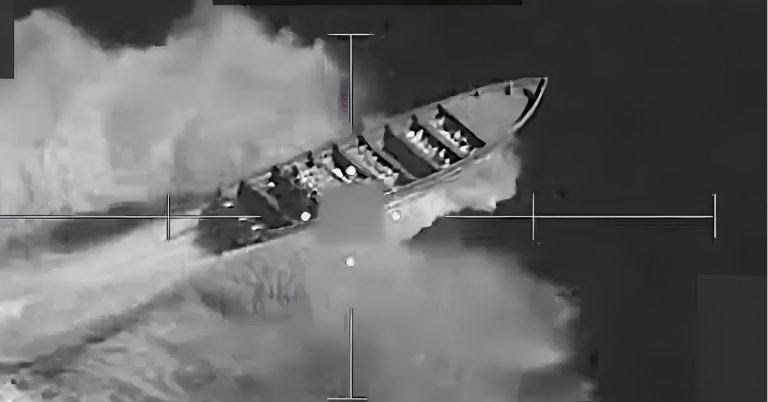
The statement came from Republican Senator Roger Wicker and Democrat Senator Jack Reed. They called for a thorough review of a September boat strike. They want a full accounting of reported follow-on attacks on suspected narcotics vessels. Yet, their statement used the formal name Department of Defense. Most political statements use “Pentagon” or “the Defense Department.” This small detail led to debate online.

Lawmakers push for answers on the boat strike. They plan to hold hearings and question top military leaders. They expect the Department of Defense to explain any extra attacks. This oversight could shape how future operations get described. They also plan to review mission logs and communication records. By digging into facts, they hope to prevent future misunderstandings.

What ‘Department of Defense’ Signifies

The choice of words matters in politics. Using Department of Defense feels formal and precise. It signals respect for the law and the agency’s official title. Mark S. Zaid saw more in it. He said the phrase was a “thumb in the eye” to the White House. He referred to the Trump administration’s habit of using other terms. Also, he noted the phrase shows a clear line between Congress and the executive branch.

Professor Amy Coplan joined in. She wrote she was thankful for the formal term. She added that it may show a shift back to reality. She hoped it marks an end to fantasy-based government talk. Scholars say that words in political statements can shape public opinion. Therefore, they watch for any small change in phrasing. This can give hints about deeper shifts in power and intent.

Party unity broke on this detail. Both Republican and Democratic committee leaders chose the same term. Normally, they might not agree on phrasing. Yet here, they found common ground in formality. This rare unity may show their strong will to push for facts. It also shows they value clear legal names over casual nicknames. As a result, observers see this as a message to the Trump team.

Reactions grew fast on social media. Experts and former officials noted the unusual wording. Many praised the lawmakers for formal accuracy. Others saw it as a sign of growing tension. They pointed out how much power lies in naming. In politics, even tiny word choices can carry weight. For this reason, naming matters in every public statement.

The choice of Department of Defense will likely be repeated. Members of both parties now watch how the executive branch replies. They expect official memos to match this level of precision. Moreover, this moment may shape future oversight. If lawmakers insist on formal terms, they set a higher bar. This could force clearer reports from military leaders next time.

As the investigation moves forward, the term may stick. It could appear in hearings, letters, and press releases. Over time, this formal label may become standard. Therefore, the phrase “Department of Defense” may outshine casual labels in future debates.

Looking ahead, the battle over words will continue. Lawmakers know that clear naming can make investigations stronger. As a result, the formal title may offer legal details more easily. This clarity may help experts hunt down the truth. Most important, it shows Congress demands facts, not spin.

This small but powerful word choice reminds everyone that names hold power. If Congress and the executive branch clashed over names, they clashed over authority. In the end, the fight over language may be as big as the fight over facts.

FAQs

Why did lawmakers use the term Department of Defense instead of Pentagon?

They chose the formal title to show respect for official agency names and to highlight their legal authority.

What did Mark S. Zaid mean by a thumb in the eye?

He meant the precise wording served as a pointed challenge to the Trump administration’s past language use.

How could this wording affect the investigation?

By insisting on formal terms, lawmakers aim to set a higher bar for clarity and accountability in all official reports.

Will this naming choice stick in future statements?

It might. If Congress values the precise term, they could use it widely in hearings and documents.

Asylum Vetting Clash: Noem’s Shift on Meet the Press


Key Takeaways

• Homeland Security Secretary Kristi Noem blamed the Biden administration for a shooting.
• NBC’s Kristen Welker pointed out the suspect’s asylum was approved under Trump.
• The debate focused on the “asylum vetting” process and who holds responsibility.
• Viewers saw a tense back-and-forth over vetting standards and political blame.

Asylum Vetting Debate Heats Up Between Noem and Welker

On Sunday, Kristi Noem faced tough questions about asylum vetting. She had blamed President Biden for a deadly shooting. Yet NBC’s Kristen Welker noted the suspect’s asylum was OK’d under Donald Trump. Sparks flew in what became a heated TV moment.

The shooting in question left one National Guard member dead and another critical. Authorities say the suspect, 29-year-old Rahmanullah Lakanwal, migrated after the 2021 U.S. withdrawal from Afghanistan. He also once worked with the CIA on counter-terror missions. Noem tied the shooting to Biden’s immigration policies. However, details showed the suspect’s asylum request cleared under the Trump administration.

Diving Into the Asylum Vetting Details

To vet an asylum seeker, officials check background, travel records, and security risks. They interview the person and look for criminal or terror ties. Then they decide to approve or deny the claim. In this case, Lakanwal’s application passed those checks in April. That was still during Trump’s term. Thus the process fell under the previous administration’s watch.

However, Noem insisted “vetting happens when they come into the country.” She argued the Biden team dropped that standard. Yet Welker pointed out the asylum approval event. She asked if Noem admitted any vetting at that later stage. The exchange highlighted confusion over who truly handled the asylum vetting work.

Noem’s Response on Asylum Vetting

Noem doubled down on her stance. She said the vetting process “was completely abandoned under Joe Biden.” She claimed failure at the border led to dangerous gaps. Then she repeated that every vet check should start upon entry. Welker kept pushing. She asked how Trump’s team screened Lakanwal in April. Noem sidestepped, saying vetting “happens when they come into the country.” Critics say her answer ignored the asylum approval phase.

In fact, asylum vetting covers both entry and later review steps. Experts note each phase uses different checks. Entry checks focus on travel records. Asylum teams check background sources and interviews. Both stages can catch red flags. Noem’s claim blurred those parts. Meanwhile, viewers saw a clear pushback on her timeline.

What Happened on Meet the Press

The back-and-forth began when Noem blamed the administration she serves under. She said the current White House “did not vet this individual.” Welker then shared the April asylum fact. Noem stammered, tried to change the topic, and repeated her line. Welker refused to move on. She asked a third time if asylum vetting happened under Trump. Noem again shifted blame. The moment played out live, exposing a mismatch between claim and fact.

The tense interview included these key exchanges:

• Welker: “His asylum was approved in April of this year on the Trump administration’s watch.”
• Noem: “The vetting process happens when the person comes into the country.”
• Welker: “So was there vetting when he was granted asylum?”
• Noem: “That’s the Biden administration’s responsibility.”

Many viewers called this a prime example of political finger-pointing. They saw Noem dodge a central fact. Others praised Welker’s persistence in clarifying the timeline.

Impact on Immigration Debate

This clash matters for several reasons. First, it shows how political leaders use tragic events to argue policy. Second, it highlights voter confusion around asylum procedures. Finally, it raises questions about accountability in immigration.

Voters often hear broad claims about border security. Few know the details of asylum vetting. This debate may push officials to explain those steps more clearly. It could also lead to new rules or audits of vetting processes. Lawmakers might demand data on how many asylum requests pass or fail.

Moreover, the exchange may shape next year’s election talk. Candidates will likely cite this moment to prove who acts on security. They may promise stricter asylum vetting at both entry and approval stages. Some will call for faster background checks. Others could push for wider refugee caps or more screening tools.

Behind the Words: Understanding Vetting

People often confuse terms like “vetting,” “screening,” and “background check.” In immigration, these all play roles. A clear view helps everyone follow debates.

First, entry screening checks passports and visa records. Officers look for stolen documents or error flags.
Next, advanced screening uses databases from law enforcement and intelligence agencies. This phase can flag known suspects.
Finally, asylum vetting involves interviews, local records checks, and harm assessments. It also considers human rights fears. Officials must weigh credibility and risk.

Each part can take days to months. Delays or staff shortages affect speed and accuracy. That is why clear policies and resources matter. When leaders say “vetting failed,” voters want specifics. They ask: Which stage? What checks went wrong? Who reviewed the files?

Lessons From the Debate

After Sunday’s clash, experts suggest four lessons:
• Demand clear data on each vetting stage.
• Explain policies in plain language to the public.
• Hold leaders accountable for accurate statements.
• Invest in technology to speed reliable checks.

In fact, many officials see a need for a unified system. One that links entry checks with asylum workflows. This would reduce confusion and avoid gaps. It could also give real-time updates on each case. Voters and lawmakers would get the transparency they seek.

Looking Ahead

The asylum vetting debate is far from over. Lawmakers may hold oversight hearings. Immigration agencies might review their vetting documents. Meanwhile, politicians will weigh in on how to keep Americans safe.

For the next public forum, expect sharper focus on dates and documents. Reporters will press for exact timelines. Citizens can follow these debates more closely. They can ask local leaders for clear asylum vetting data.

In the end, this moment on Meet the Press shows how facts matter. It also shows the power of direct questions in live interviews. As the country watches, everyone should learn more about who does the vetting and how it works.

Frequently Asked Questions

What does asylum vetting involve?

Asylum vetting includes checking travel records, interviewing the applicant, and reviewing global databases for any security concerns. It has multiple steps.

Why was the suspect’s asylum approved under Trump?

The suspect’s application passed interviews and database checks in April, while Donald Trump was still president. This shows the decision came under his term.

Why did Noem blame the Biden administration?

Noem argued that current border and entry policies weakened vetting. She tied the shooting to those policies, despite the asylum approval date.

How can asylum vetting improve?

Experts suggest unifying entry and asylum checks with modern databases, hiring more staff, and increasing transparency about each vetting step.

How Operation Southern Spear Could Change Venezuela

0

Key Takeaways

  • The US has deployed major forces for Operation Southern Spear.
  • A modern aircraft carrier and marines stand ready in the Caribbean Sea.
  • The mission could include missile strikes and special ops in Venezuela.
  • The massive US firepower outshines Venezuela’s defenses.

How Operation Southern Spear Could Change Venezuela

Operation Southern Spear is the name for the US mission in the Caribbean and eastern Pacific. The United States has positioned 15,000 troops nearby. They include marines at sea and 5,000 soldiers in Puerto Rico. In addition, the USS Gerald R. Ford aircraft carrier has arrived to boost firepower.

What Operation Southern Spear Means for Venezuela

Operation Southern Spear puts huge US military power within striking distance of Venezuela. The USS Gerald R. Ford can launch dozens of fighter jets in minutes. It works alongside ships armed with missiles and an AC-130 gunship. Moreover, special forces and an attack submarine lie in wait beneath the waves.

This mix of assets gives the US many ways to act if ordered. The mission’s goal is to pressure Maduro’s government. Washington calls Nicolás Maduro a terrorist leader and says his regime is not legal. Therefore, by positioning forces, the US hopes to deter or to take action. The message is clear: if the US moves, success is very likely.

Major US Forces Nearby

First, the Gerald R. Ford aircraft carrier can swiftly deploy 75 modern fighters. It also recovers those jets at high speed. The carrier works with six destroyers and two cruisers. These ships carry hundreds of missiles for land attack and missile defense.

Second, an Iwo Jima Amphibious Ready Group stands by. It has a helicopter dock ship and two landing vessels. Together, they can move 2,200 marines and their vehicles ashore. They would use helicopters, tilt-rotor aircraft, and hovercraft.

Third, the special operations support ship and an attack submarine add secret options. They could back up missions on land and sea. In addition, US territories like Puerto Rico host F-35 jets. Flight records show extra aircraft landed there recently.

Fourth, from bases in the continental US, bombers like the B-52 and B-1 have flown into the region. At least one MQ-9 Reaper drone also patrols the area.

Venezuela’s defenses are much weaker. They have Igla-S anti-aircraft missiles that few know how to use. They have ships and a small submarine, but they cannot match US might. Venezuela has 63,000 soldiers and a mix of forces. However, US hardware and training give it a huge edge.

How a Strike Could Happen

If Venezuelans try to remove their own leader, the US may help. It could launch limited strikes on military sites that back alleged drug operations. However, if that fails, the US could act alone.

A large-scale operation might start with electronic warfare. Then stealth jets and missiles would hit radar and air defenses. Special forces could target key leaders and command centers. Meanwhile, marines could land to secure zones.

In addition, clandestine teams inside the country might gather intelligence and support local allies. This layered plan would shut down the regime’s main power nodes. Yet, the question remains if US boots will fully land on Venezuelan soil.

Possible Outcomes

For one, the US could simply block a crackdown by Maduro’s forces. Limited raids might topple key commanders. In contrast, a full offensive may aim to capture or kill regime leaders. Such a move would require swift, precise action.

If the US removes Maduro, it would call a decisive win. However, it could spark unrest and guerrilla warfare. Moreover, outside powers might react strongly. Therefore, any operation carries risks beyond the battlefield.

Political Pressure and Deterrence

Even without firing a shot, Operation Southern Spear exerts strong pressure. Maduro’s inner circle may see that resistance is futile. Moreover, soldiers who fear defeat might defect. Thus the US hopes a show of force could end the crisis peacefully.

In addition, economic sanctions and diplomatic efforts back up the military stance. The US labels Maduro’s group the “Cartel de los Soles.” It blames them for drug trafficking and corruption. This narrative builds global support for change in Venezuela.

Challenges and Risks

Despite its power, the US would face challenges. Urban combat in Caracas could endanger civilians. Supply lines from ships to shore could be attacked. Regional allies might condemn US action, isolating Washington.

Also, Venezuela may use oil exports as leverage. They could cut shipments to buyers who support the US. Plus, any refugee surge would test humanitarian aid efforts on nearby islands.

Ultimately, the US must weigh the benefits of Operation Southern Spear against potential fallout. A quick, limited strike may minimize risks. Yet, a full invasion could have long-term costs.

What Lies Ahead

For now, Operation Southern Spear stays on standby. It holds multiple warplans that match US goals. Should the president order action, US forces can move fast. Therefore, Venezuela’s future may hinge on this mission’s next steps.

FAQs

What forces make up Operation Southern Spear?

It includes an aircraft carrier with 75 fighters, six destroyers, two cruisers, marines on ships, an amphibious group, an attack submarine, F-35 jets in Puerto Rico, bombers from US bases, drones, and special operations support.

Why has the US sent so many troops to the Caribbean?

The deployment aims to pressure Venezuela’s leader. It also gives the US options for limited strikes or a larger operation.

Can Venezuela stop US forces with its defenses?

Venezuela’s small anti-aircraft weapons and ships cannot match modern US weapons and training. Most defenses would likely fail against a full US assault.

Will the US actually invade Venezuela?

A full invasion is not certain. The US shows force to push for change. It may use limited strikes or only back internal moves. Yet, the option for a larger operation remains if ordered.

Trump Golf Costs Explode to $300M for Taxpayers

0

Key Takeaways

• President Trump’s golf habit has cost U.S. taxpayers nearly $71 million in ten months.
• His second-term golf expenses could top $300 million if the pace holds.
• Each trip to Mar-a-Lago and back costs about $3.4 million for travel and security.
• Comparisons show Trump far outpaces Obama in days spent on the links.
• Critics argue these costs reveal a deeper issue of waste and corruption.

How Trump Golf Costs Drain Public Funds

Since returning to the White House, President Trump has visited golf courses more than anyone expected. Meanwhile, Trump golf costs have climbed into the tens of millions. In fact, new analysis suggests the total bill could reach $300 million by the end of his term.

Trump’s First Year Back: A Costly Tee Time

Within just ten months, Trump made sixteen trips to Mar-a-Lago. Each outing to his private club in Palm Beach demands tight security and special transport. As a result, Trump golf costs hit nearly $71 million in that period alone.

Travel and security top the expense list. For example, flying Air Force One from Joint Base Andrews to Palm Beach International Airport runs about $273,000 per hour. A round trip lasting four hours racks up roughly $1.1 million. Then, local agents and secret service protect the area. They close roads and use special teams, all paid by taxpayers.

A Breakdown of the Big Bill

• Air travel: using Air Force One and support aircraft
• Motorcades: armored vehicles and police escorts
• Venue security: fencing, checkpoints, and monitoring
• Staff: planning, coordination, and extra shifts
• Local services: road closures and emergency units

If each Mar-a-Lago trip costs $3.4 million, sixteen visits total $54.4 million. Add a few outings to his New Jersey course, and the number grows. In fact, the analysis predicts Trump golf costs could double the $151.5 million he spent on similar trips in his first term.

Comparing Presidents: Obama vs. Trump

In 2016, candidate Trump slammed President Obama for playing too much golf. He said he would be too busy helping Americans to hit the links. But records show Obama logged 98 rounds of golf by May 2012. By contrast, Trump spent 266 days golfing by May 2020. Now, his second term shows even more time on the green.

Furthermore, Trump golf costs have outpaced every modern president’s. Whereas Obama’s security and travel expenses for golf were far lower, Trump’s private clubs and frequent trips push costs upward. This gap raises questions about fairness and priority.

Why Security Drives Costs Sky High

Securing the president is never cheap. Yet Mar-a-Lago presents special challenges. The club sits near a county jail, so agents must guard multiple perimeters. Also, the area remains partly open to the public on normal days. Therefore, shutting down roads and managing access take extra effort.

Moreover, Air Force One flights require a full crew, medical support, and backup planes. Each hour in the sky adds tens of thousands of dollars. On the ground, helicopters wait in case of an emergency. Every element adds to Trump golf costs.

Critics Sound the Alarm

Many voices on both sides of the aisle criticize the spending. Rick Wilson, a former GOP strategist, says people have grown numb to corruption. He argues that these costs show how Trump keeps lowering the presidency’s bar. Meanwhile, watchdog groups worry about the precedent set by such lavish trips.

In addition, analysts point out that private destination visits by former presidents usually cost less. They book commercial flights or use smaller aircraft. Trump, by contrast, treats Mar-a-Lago like a presidential retreat and an exclusive club.

Could the Real Cost Be Even Higher?

The current figures draw from a government report on four golf trips in 2019. However, they have not been adjusted for inflation or updated with the latest data. As a result, the true total might be far larger.

Most trips head to Trump’s own courses in Florida, New Jersey, or Scotland. Each location has its own security demands and travel hurdles. For instance, a trip to Scotland requires overseas flights, making Trump golf costs even more staggering.

What This Means for Taxpayers

At a time of budget cuts and economic worry, many Americans feel these expenses are unjust. They ask why schools, hospitals, or infrastructure can’t get more funding. Yet taxpayer dollars flow into private clubs and elite resorts.

Clearly, Trump golf costs raise hard questions about government spending. Should a president use public funds for private leisure? And what rules, if any, limit these outings? So far, no law caps the cost of presidential travel or leisure.

Moving Forward: Calls for Transparency

In response to the growing outcry, some leaders demand more openness. They want detailed breakdowns of each trip’s cost. Moreover, they push for limits on non-official travel expenses.

If Congress acts, future presidents might face tighter rules. Yet any change will need bipartisan support. Critics on the right and left agree that Trump golf costs show a need for reform.

A Closer Look at the Numbers

To see how Trump golf costs compare with past presidents, consider this:
• Obama’s single trip cost roughly $500,000 on average.
• Trump’s trips average $3.4 million each.
• A four-year term with similar trips would total nearly $500 million.

Clearly, the numbers highlight a stark difference. While leisure travel can never be cheap, the scale of spending under Trump stands out.

Conclusion

President Trump’s golf habit has become a costly pursuit for U.S. taxpayers. With nearly $71 million spent in ten months and projections nearing $300 million, the numbers speak for themselves. As critics call for limits and transparency, the debate over presidential leisure expenses grows louder. Whether laws will change remains uncertain, but one thing is clear: Trump golf costs have reshaped how America views the price of presidential play.

FAQs

How much have presidential golf trips cost taxpayers so far?

In just ten months of his second term, President Trump’s golf trips have cost nearly $71 million. If this pace continues, total spending could reach $300 million.

Why are Trump golf security expenses so high?

Security at private clubs like Mar-a-Lago demands road closures, perimeter checks, extra agents, and support aircraft. Each measure adds millions to the total.

Did past presidents spend as much on golf?

No. Records show President Obama’s golf-related expenses were far lower. Trump’s use of private courses and Air Force One drives costs much higher.

Could new rules limit presidential travel costs?

Some lawmakers propose detailed financial reports and spending caps on non-official trips. However, passing such measures will require strong bipartisan support.

Robinson Jets defense crushed by 142-Yard Day

0

Key Takeaways

• Atlanta’s running back Logan Robinson rushed for 142 yards and a touchdown
• Robinson outpaced the Jets’ rushing defense on 23 carries
• The Jets defense failed to contain Robinson’s speed and power
• Atlanta’s ground game dominated, leading to a crucial victory

Atlanta’s Logan Robinson put on a show. Robinson Jets defense struggled all afternoon. He ran hard, broke tackles, and found open lanes. On 23 carries, he gained 142 yards and scored once. Meanwhile, the Jets defense could not slow him down. As a result, Atlanta controlled the clock and the scoreboard.

Why Robinson Jets defense struggled

First, Atlanta’s offensive line created huge gaps. Secondly, Robinson read blocks like a veteran. He cut left, then cut right, leaving defenders grasping air. In addition, the Jets defense missed tackles. Consequently, Robinson turned short gains into long runs.

Furthermore, Atlanta mixed play calls well. They ran inside, then outside, and even threw play-action passes. Thus, the Jets defense never knew where Robinson would strike next. Often, he found daylight in the second level. Sometimes, he broke free into the open field.

Robinson’s unstoppable rushing performance

Robinson looked faster than anyone on the field. His burst through holes surprised the Jets. He stayed low at the line, then powered through contact. At other times, he bounced outside and outran defenders. His mix of strength and speed gave him an edge. Of his 142 yards, nearly half came after first contact.

Moreover, Robinson stayed balanced. He did not fumble or lose his footing. Instead, he kept moving forward, piling up extra yards. Against a tired defense late in the game, he broke off a 25-yard run. That play sealed the win. Robinson ended the day as Atlanta’s clear offensive star.

How the Jets defense missed its mark

The Jets selected speed on the defensive front. However, they lacked strength at the point of attack. On many run plays, defenders got washed back by Atlanta’s line. Some linebackers reacted slowly. Therefore, they missed tackles on Robinson’s cutbacks.

Meanwhile, Atlanta’s play-action fake froze the linebackers. The Jets bit on the pass fake, leaving gaps for Robinson. Then he dashed through, untouched. In addition, the secondary rarely saw him until it was too late. Safety help arrived just as Robinson crossed the first-down marker.

Impact on both teams moving forward

For Atlanta, this win boosts confidence in the ground game. Their offense now has a clear identity. With Robinson at the helm, they can control the clock. They can also keep their defense fresh. As a result, the team gains momentum for upcoming matchups.

On the other hand, New York must retool its run defense. Coaches will adjust schemes and personnel. They might add bigger linemen or faster linebackers. They also need to improve tackling fundamentals. Otherwise, teams will exploit them just as Atlanta did.

Key adjustments for the Jets

First, the Jets must wrap up runs better. Tackles near the line would limit big gains. Second, linebackers must react faster. Recognizing run plays quickly can clog lanes. Third, coaches should mix in run blitzes. Aggressive looks might disrupt the blocking schemes.

However, any change takes time. The Jets face a tough schedule ahead. Instant fixes are unlikely. Yet, if they commit to these tweaks, they can rebound from this loss.

Atlanta’s offense after the breakthrough

Now that Robinson shined, expect Atlanta to lean more on the run. They may call more inside zone plays. They might also use more screen passes to let Robinson catch the ball. His versatility helps in both areas. In addition, Robinson’s success opens up the passing game. Defenses must respect his runs, giving quarterbacks space to throw.

Furthermore, Robinson’s health remains key. He must stay fresh and avoid injury. Atlanta’s training staff will monitor his workload. Balanced play-calling ensures he lasts the full season.

Fan reactions and locker room buzz

Fans cheered every Robinson run. Social media exploded with highlights. In the locker room, teammates praised his effort. Coaches highlighted his focus and discipline. They see him as the engine that powers the offense. Robinson stayed humble, thanking his linemen and coaches for the win.

Looking ahead, fans expect more big games. Robinson now ranks among the league’s top rushers. If he keeps this pace, he could earn all-star honors. Moreover, his performance inspires younger players. They see what hard work and vision can achieve.

Transitioning from struggling to dominating

Just weeks ago, Atlanta’s run game sputtered. They averaged under 90 rushing yards per game. Yet, they believed in their scheme. They stuck with it. Finally, on this day, everything clicked. The offensive line gelled. Robinson hit every gap. The coaches made smart calls. Thus, the team turned a weakness into a strength.

In contrast, the Jets defense grounded out yardage. They formed up well but failed to finish tackles. Their scheme looked solid on paper. However, execution fell short. As a result, Robinson walked through open doors and outran pursuing defenders.

What comes next for Robinson

Robinson now faces rising expectations. Defenses will load the box to stop him. He must adapt by using speed and elusiveness. He must also master pass protection. Still, his confidence soars after this game. With solid teamwork, Robinson can keep delivering.

In addition, Robinson’s coach praised his study habits. He watched extra film on the Jets defense. He identified cutback lanes and leveraged that knowledge. This preparation paid off in a big way.

Conclusion

In the end, Logan Robinson owned the day. He rushed for 142 yards and a touchdown on 23 carries. The Jets defense simply could not stop him. As a result, Atlanta dominated time of possession and the scoreboard. Now, both teams head into their next games with lessons learned. Atlanta hopes to ride Robinson’s momentum. The Jets aim to shore up their run defense before their next challenge.

FAQs

What adjustments can teams make to stop Robinson?

Teams should improve run fits, tackle fundamentals, and vary defensive looks.

How did the offensive line help Robinson succeed?

They created lanes, sustained blocks, and executed combo blocks perfectly.

Will the Jets change their defensive scheme after this loss?

They likely will. Coaches need to address front-seven speed and tackling.

Can Robinson keep up this level of play all season?

If he stays healthy and keeps studying defenses, he has a strong chance. Source: https://www.nydailynews.com/2025/11/30/jets-falcons-nick-folk-bijan-robinson/

Leaders Demand Justice After ICE Crackdown Arrests

0

Key Takeaways:

  • Over a dozen protesters faced arrest during an ICE crackdown in lower Manhattan.
  • Local politicians rallied to praise the activists and demand dropped charges.
  • Supporters argue the dissent shines light on harsh immigration tactics.
  • Leaders call for peaceful solutions, not criminal penalties.
  • The fight over immigration enforcement remains a heated debate.

Political Support Rises After ICE Crackdown

A recent ICE crackdown in lower Manhattan led to more than a dozen arrests. Protesters blocked a planned enforcement action. They aimed to stop Immigration and Customs Enforcement from detaining families. Then police moved in and made arrests. Now local politicians and community leaders speak out.

Why the ICE Crackdown Sparked Big Protests

First, ICE announced a targeted operation in a busy neighborhood. Second, volunteers and immigrant rights groups called for a peaceful blockade. They stood in front of ICE vehicles and entry points. Then, law enforcement officers arrived and arrested fifteen protesters. Many supporters saw this as a harsh move. Thus, they organized rallies to defend the arrested activists.

Moreover, this ICE crackdown followed other similar actions across the city. Meanwhile, families of detained immigrants expressed fear. They worried their loved ones would not return. In addition, local residents felt uneasy about heavy police presence. Consequently, voices rose against the tactics used in the ICE crackdown.

Who Joined the Protest and Why

Community volunteers, faith leaders, and students formed the frontline against the ICE crackdown. They held signs with slogans like “Protect Families, Not Prisons.” Young activists chanted for kindness and justice. Mothers held pictures of their children. Fathers knelt in peaceful defiance.

These protesters wanted to show that immigrants contribute to local life. They argued that enforcement raids break families apart. Consequently, they risked arrest to make their message loud and clear. Many saw nonviolent civil disobedience as a path to change.

Local Elected Officials Step In

After the arrests during the ICE crackdown, city council members gathered in a nearby park. They stood together and praised the protesters. One council member said the arrests were an attack on free speech. Another called for immediate dismissal of all charges.

They noted that peaceful assembly is a constitutional right. They promised to pressure prosecutors to drop the cases. Moreover, they vowed to hold public hearings on ICE tactics. In doing so, they aim to build more community trust in local government.

Why Leaders Want Charges Dropped

Leaders argue that arresting peaceful demonstrators does more harm than good. They believe criminal records will hurt futures. For example, job prospects and college applications may suffer. Thus, they see dropping charges as a way to protect young lives.

Furthermore, politicians claim the ICE crackdown did not address root issues. They suggest more social services and legal aid for immigrants instead. They propose counseling, language classes, and job training. This approach, they argue, brings lasting solutions without arrests.

Community Voices on Both Sides

While many back the protesters, some residents worry about public safety. They say blocking roads and police vehicles can cause chaos. They fear that essential services might face delays. However, supporters argue the protests remained peaceful. They point to careful planning and clear communication with police.

Overall, the debate shows how complex immigration enforcement can be. Reasonable people hold different views on safety and compassion. Yet, both sides want secure neighborhoods and fair treatment.

What Could Happen Next

Prosecutors now review each case linked to the ICE crackdown. Defense lawyers push for immediate dismissal of all charges. Meanwhile, activists plan more rallies and vigils. They aim to maintain public attention on enforcement actions.

Local officials pledge to propose new measures. They consider ordinances limiting cooperation with federal immigration agents. They also suggest creating a city fund to support immigrant families. If these ideas pass, city policy would shift toward protection rather than punishment.

In the long term, this ICE crackdown episode could spark wider change. It might encourage other cities to rethink enforcement tactics. It could also lead to stronger state laws shielding immigrants from sudden raids.

How You Can Stay Involved

Stay informed by attending community meetings and listening to affected families. Write letters to local representatives asking them to act. Volunteer with groups offering legal help and social services. Share stories on social media to lift immigrant voices. By doing so, you help shape policies that respect human dignity.

In addition, you can join peaceful protests and sign petitions. If you live in the area, keep an eye on court dates for the arrested protesters. Show up to demand fair treatment and share your support. Every voice counts in pushing for change.

Looking Ahead

The recent ICE crackdown arrests in lower Manhattan created a wave of solidarity. Local politicians and community members stand united in calling for dropped charges. They push for humane solutions that help families, not break them apart. While debates continue, one thing remains clear: people across the city want a fair and just approach to immigration.

Frequently Asked Questions

What do local leaders want for the arrested protesters?

They want all charges dropped to protect young people from criminal records.

How many people faced arrest in the ICE crackdown?

Over a dozen protesters were arrested during the demonstration.

Why did the ICE crackdown protests draw so much attention?

The protests highlighted concerns about sudden raids and family separations.

What can community members do to support immigrant families?

They can attend meetings, write to officials, volunteer, and join peaceful actions. Source: https://www.nydailynews.com/2025/11/30/local-pols-call-for-dropping-charges-against-protesters-who-blocked-ice-in-manhattan/

NYC Weather Brings Rain and Snow

0

Key Takeaways

• Rain will fall across New York City on Tuesday morning.
• Areas north of the city will see a few inches of snow.
• Commuters should expect slippery roads and delays.
• Carry an umbrella and wear warm clothes to stay safe.

New York City will wake up to rain on Tuesday morning. Meanwhile, areas north of the city can expect a light snow. This NYC weather shift will affect travel and outdoor plans. Therefore, you should prepare in advance.

The Forecast for Tuesday

Meteorologists predict steady showers in New York City from dawn until late morning. In contrast, higher elevations north of the city will receive snow. Temperatures will hover near freezing. As a result, rain may mix with sleet in some spots. Yet most of the city should see plain rain. Furthermore, snow could reach two to four inches in some rural areas.

Why It Will Rain in the City

A warm front will move up the coast, bringing moist air from the Atlantic. As warmer air rises over cooler ground, rain will develop. Also, tiny droplets will merge into raindrops before falling. Moreover, city buildings can trap heat, keeping temperatures just above freezing. Consequently, precipitation will stay liquid in Manhattan, Brooklyn, Queens, the Bronx, and Staten Island.

Why It Will Snow North of NYC

North of the city, the air will stay cold. Elevation gains also cool the atmosphere. Thus, precipitation will fall as snow rather than rain. In these areas, roads may become slick quickly. Therefore, local authorities plan to salt and plow main routes early. In addition, residents should shovel sidewalks soon after snow stops.

How This NYC Weather Affects You

This NYC weather pattern could slow down your morning commute. Rain can reduce visibility on roads and tracks. Meanwhile, snow up north might delay trains entering the city. Also, flooding remains a minor risk where heavy rain pools. Accordingly, plan for extra travel time. Moreover, check transit alerts before heading out.

Tips to Stay Safe and Dry

• Carry a sturdy umbrella or rain jacket.
• Wear waterproof boots to avoid wet feet.
• Use layers to stay warm in chilly conditions.
• Drive slowly on rainy or snowy roads.
• Allow extra time for public transit.

Possible School and Work Impacts

Schools and offices usually stay open during light rain and snow. However, heavy snow north of the city might lead to delays or early dismissals. If mass transit slows down, employees may arrive late. Thus, employers often allow flexible schedules. Parents should monitor local school updates for any changes.

Weather Preparation Checklist

First, check your clothing. A water-resistant coat will help in the rain. Next, inspect your vehicle. Ensure tires have good tread for wet roads. Then, prepare an emergency kit with a flashlight and snacks. Finally, charge devices so you can track weather alerts.

City Services and Road Safety

City crews will salt and plow priority routes before rush hour. Yet roads may remain slick in less-traveled areas. Cyclists should be cautious on wet streets. Pedestrians must watch for cars that might skid. Also, stay on cleared sidewalks to avoid hidden ice.

What to Expect After the Storm

Once the rain ends, temperatures will rise slightly. This change will help dry road surfaces. Meanwhile, snow north of the city will melt by afternoon. As a result, minor flooding might occur in low spots. Therefore, avoid driving through large puddles. Walking through deep water can soak shoes and socks.

Final Thoughts

Tuesday’s NYC weather brings a mix of rain and snow. It will affect travel, school, and daily plans. However, with simple preparations, you can stay safe and dry. Keep an eye on updates and adjust your schedule if needed. Moreover, use this chance to practice safe winter driving and walking habits.

Frequently Asked Questions

What areas will see the most snow?

The heaviest snowfall will fall in higher elevations north of New York City. Expect two to four inches in small towns and rural zones.

How long will the rain last in the city?

Rain should begin early Tuesday morning and taper off by late morning. However, light drizzle may linger through midday.

Will this storm impact subway service?

Mild rain typically does not halt subway trains. Yet heavy rainfall can slow service and cause minor delays.

Should schools and businesses close early?

Most schools and businesses remain open. Still, heavy snow north of the city might prompt early dismissals in those areas. Source: https://www.nydailynews.com/2025/11/30/snow-new-jersey-hudson-valley-rain-new-york-city/

RJ Barrett Quickley: Why They Seem Different Now

Key Takeaways

  • RJ Barrett Quickley looked like different players compared to their early Knicks days.
  • Both showed growth but in unique ways on and off the court.
  • Team roles and confidence shifted how fans view each player now.
  • Future moves could shape their careers in new directions.

It’s clear RJ Barrett Quickley aren’t the same players who once wore orange and blue. Back then, both showed promise but also faced rookie challenges. Now, they play with more confidence and skill. Fans have noticed shifts in how they handle the ball, their shooting touch, and their decision making. Moreover, changes in team strategy gave each a fresh role. As a result, RJ Barrett Quickley look transformed in the eyes of basketball fans.

RJ Barrett Quickley Rookie Seasons

When they first arrived in New York, both entered with high hopes. RJ Barrett struggled with shooting consistency. Immanuel Quickley battled defensive lapses. During that time, both logged heavy minutes to help a rebuilding Knicks squad. However, they often missed open shots and turned the ball over too much. In addition, they had to learn a new playbook. Despite this, they displayed flashes of talent. Their athleticism and court vision hinted at future potential. Still, fans had to be patient as both adjusted to the NBA’s pace.

Different Paths in Season Growth

After their first year, the paths of RJ Barrett and Immanuel Quickley split. Barrett focused on driving to the rim and finishing through contact. He also worked to improve his midrange shot. Meanwhile, Quickley honed his three-point shooting and off-ball movement. As a result, Quickley became a lethal catch-and-shoot threat. On the other hand, Barrett developed into a more reliable all-around scorer. Furthermore, each adapted to coaching changes. Under new banners, they learned different systems. Yet, both improved their free throw attempts and rebounding numbers.

How Fans See Them Now

Today, supporters view RJ Barrett Quickley very differently. Barrett now commands respect as a strong scorer. Fans trust him to take big shots late in games. Conversely, Quickley often steps up as a spark off the bench. His quick release and fearless drives energize crowds. Moreover, social media highlights of clutch plays boosted their popularity. At the same time, critics still point out defensive lapses. However, steady improvement in those areas has softened doubts. As a result, local buzz has shifted towards optimism about their long-term impact.

What’s Next for RJ and Quickley

Looking ahead, both players face new challenges. Barrett aims to refine his point-of-attack defense. He also plans to add a consistent three-point threat. Quickley hopes to expand his playmaking skills. He wants to handle the ball more in late-game situations. In addition, both will need to adapt if the team trades or signs new stars. Chemistry remains vital for success on the court. Consequently, off-season training and summer league play will matter a great deal. Overall, fans expect more growth during the next campaign.

Frequently Asked Questions

How did RJ Barrett change his game since his rookie year?

He improved his strength and shot selection. He now drives more confidently and finishes through contact.

What makes Immanuel Quickley stand out today?

His upgraded three-point shot and off-the-dribble moves make him a consistent scoring threat.

Will both players stay with the same team next season?

Team plans can shift in the off-season. However, each has shown growth that suggests the franchise values them.

How can fans track their progress this year?

By watching early season games, summer scrimmages, and following team updates on social media. Source: https://www.nydailynews.com/2025/11/30/knicks-rj-barrett-immanuel-quickley-raptors-trade-og-anunoby/