62.9 F
San Francisco
Tuesday, March 31, 2026
Home Blog Page 225

Brooklyn Nets Win Big Against Wizards


Key takeaways:

  • The Brooklyn Nets win 129-106 over the Washington Wizards.
  • Michael Porter Jr. led scoring with 34 points.
  • Tyrese Martin added seven straight points late in the third quarter.
  • The Wizards extended their losing streak to 11 games.
  • The Nets showed improved teamwork and energy on both ends.

Brooklyn Nets win sparks momentum

The Brooklyn Nets win over the Wizards felt like a turning point. With both teams sitting at just one win before this game, fans expected a tight battle. However, the Nets flexed their depth and energy. Right from the first quarter, they played with purpose. They ran crisp offense, made strong defensive stands, and moved the ball well. As a result, they opened a double-digit lead by halftime. The bench contributed key minutes, and the starters set a solid tone. Moreover, home-court advantage fueled their confidence. In addition, the crowd cheered every fast break and defensive stop. Ultimately, the Nets held the Wizards at bay and earned a comfortable victory.

Brooklyn Nets win fueled by Porter and Martin

Michael Porter Jr. stole the spotlight. He scored 34 points on efficient shooting. In addition, he made tough midrange shots and drained open threes. He also grabbed rebounds and played solid defense. His all-around game lifted the team’s spirit. Meanwhile, Tyrese Martin made a late third-quarter run. He poured in seven straight points that stretched the lead even further. His hustle plays and energy stood out. He drove to the rim, hit jumpers, and sprinted back on defense. Furthermore, his effort sparked the bench. These two performances showed how the Brooklyn Nets win can come from varied sources. It also highlighted the team’s growing chemistry and trust in each other.

Momentum swings and key plays

The Nets seized control early. They jumped to a 35-24 lead after one quarter. They forced turnovers and scored easy buckets in transition. However, the Wizards fought back in the second quarter. They trimmed the deficit to six points at one stage. Yet, the Nets answered with a 10-2 run to end the half strong. During that stretch, Porter Jr. sank back-to-back threes. Also, the role players hit open looks. After halftime, Brooklyn upped its defensive intensity. They held the Wizards to just 15 third-quarter points. In contrast, the Nets poured in 36 points in that period. Tyrese Martin’s streak ensured the lead grew even larger. From there, the fourth quarter became a celebration for the home side. They rotated players, allowed the crowd to cheer, and ran some fun plays.

What this means for both teams

The Brooklyn Nets win ends a two-game losing skid. It also shows promise for a squad working to find its rhythm. They moved the ball well and shared scoring duties. Their defense looked more focused, especially on the perimeter. In addition, their effort on the boards improved. As a result, they limited second-chance points. The coaching staff praised the unselfish play after the game. They emphasized the need to build on this performance. On the other hand, the Wizards face more questions. Their 11th straight loss highlights ongoing struggles. They could not get stops or consistent offense. Bradley Beal and Kyle Kuzma both scored in double figures, but support was limited. Turnovers and missed shots hurt their chances. They now need to regroup and find ways to spark better defense and teamwork.

Looking ahead: next challenges

The Nets head on the road for a back-to-back. They will face tough opponents in the coming days. Consistency will be key if they want to build on this positive result. They must keep playing with the same energy and trust. In addition, they should continue to involve role players. This depth could make a difference in tight games. Meanwhile, the Wizards return home for a chance to break their skid. They must tighten up defensively and make smarter passes. Also, they will look to improve their rebounding and ball movement. That could help them find open shots and easy baskets. Both teams have work to do, but the Nets can enjoy the feel-good moment of a big win.

FAQs

How did the Brooklyn Nets win despite early struggles?

The Nets stayed patient and moved the ball well. They executed their game plan and got stops at key moments. Their balanced scoring and bench energy carried them through.

Who led scoring in the game?

Michael Porter Jr. led all scorers with 34 points. He shot efficiently and made big plays in each quarter to spark the Nets.

What impact did Tyrese Martin have?

Tyrese Martin scored seven straight points in the late third quarter. His energy and hustle plays helped widen the gap and shift momentum firmly to Brooklyn.

What needs to improve for the Wizards?

The Wizards must tighten defense, cut down on turnovers, and rebound better. Better ball movement and shot selection could also help them end their losing streak. Source: https://www.nydailynews.com/2025/11/16/nets-beat-wizards-michael-porter-jr-end-losing-streaknba/

Pipo Captured in Malaga: Leader’s Fake Death Revealed

0


Key takeaways

  • The gang leader known as Pipo was arrested in Malaga.
  • He faked his death in 2021 to escape police.
  • Forensic experts uncovered his deception.
  • His capture brings relief to victims and families.
  • Authorities plan trials and more arrests soon.

Pipo captured after years on run

The news shocked many people. Pipo captured in Malaga ended a long hunt. He is Wilmer Chavarria, the leader of Los Lobos. He pretended to die four years ago. Then he vanished without a trace. However, investigators never stopped looking. Finally, they found him living under a false name. As a result, he now faces justice for serious crimes.

Unraveling the mystery of Pipo captured

Right after police received a tip, they launched a careful operation. First, they tracked financial moves. Then they matched them with phone records. Meanwhile, forensic experts studied documents and images. Through these efforts, they spotted a pattern. That pattern led them to a small town near Malaga. In that town, officers watched a house for weeks. Eventually, they saw Chavarria step outside. Within minutes, they moved in quietly and arrested him. Indeed, the moment Pipo captured made headlines worldwide.

How authorities tracked Pipo captured

Detectives used modern tools and old‐fashioned legwork. They analyzed social media posts and travel logs. Moreover, they interviewed known associates of Los Lobos. In addition, they compared fingerprints from a past crime scene. Therefore, they linked the prints to Chavarria. Furthermore, they sent samples to a lab. The lab confirmed his identity beyond doubt. As a result, they obtained an arrest warrant and planned a raid. That raid led to Pipo captured at dawn.

Life on the run: how Pipo faked his death

In 2021, Chavarria staged a deadly crash. He had a car hit a tree at high speed. Then accomplices spread news that he died. They even posted photos of a damaged corpse. Yet, those images fooled only a few experts. Because the photos looked off, investigators stayed alert. For one thing, the body shape did not match witnesses’ descriptions. For another, no official record backed the death. Still, Pipo captured years later shows how deeply he hid. He changed his appearance and wore different clothes. He even altered his voice in calls to old friends.

The impact of Pipo captured on victims and families

Families of victims welcomed the news. They suffered fear for years, not knowing if he was alive. Many felt trapped, unable to move on. Now that Pipo captured took place, they feel relief. They hope he will tell where he hid stolen goods. They also expect him to name other gang members. In turn, authorities can arrest those accomplices. Consequently, more families may find closure and justice. Meanwhile, community leaders praise the police for their persistence.

What comes next after Pipo captured

Now, courts will set trial dates. Prosecutors will charge Chavarria with kidnapping, extortion, and violence. Additionally, they may charge him for running a criminal ring. Defense lawyers will seek to delay proceedings. However, evidence such as fingerprints and phone logs is strong. Therefore, many expect a swift trial. If convicted, he faces decades in prison. Moreover, the trial could expose more criminals. Hence, law enforcement stands ready for new operations.

Lessons learned from the Pipo captured case

This case highlights the value of teamwork. Police, forensic analysts, and local informants joined forces. Together, they pierced through elaborate lies. It also shows the power of patience. Investigators kept chasing clues, no matter how small. Furthermore, it warns criminals that false deaths won’t stop justice. Indeed, technology and human effort can outsmart fakes. As a result, law enforcement agencies worldwide study this case to improve methods.

Closing thoughts on Pipo captured

In the end, Pipo captured in Malaga marks a victory for justice. It proves that even the craftiest criminals can slip up. Even after faking his death, Chavarria left digital traces. Therefore, authorities tracked him down. For the public, this story brings hope. It reminds us that no one is above the law. Finally, it encourages victims to speak up and share any information.

FAQs

What evidence led to Pipo’s capture?

Forensic experts matched fingerprints and analyzed phone data. They also used financial records to trace hidden bank accounts.

Did Chavarria work alone in faking his death?

No. He had help from trusted associates who staged the crash and spread false news.

How will the trial proceed now that Pipo is in custody?

Prosecutors will present evidence in a criminal court. His defense will respond, and a judge will set dates for hearings.

Can this capture lead to more arrests in the case?

Yes. Investigators hope to question Chavarria about accomplices. That could spark further arrests and charges. Source: https://www.nydailynews.com/2025/11/16/ecuador-drug-lord-captured-spain-pipo-wilmer-chavarria/

Greene’s Apology: A Step Away from Toxic Politics?

Key Takeaways:

  • Rep. Marjorie Taylor Greene apologized for her role in toxic politics.
  • She pledged to change her tone and urged others to do the same.
  • President Trump is among the people she hopes will follow her lead.
  • Lawmakers and voters have mixed reactions to her apology.
  • This move could reshape the tone of debate in Washington.

Greene’s Apology and Toxic Politics

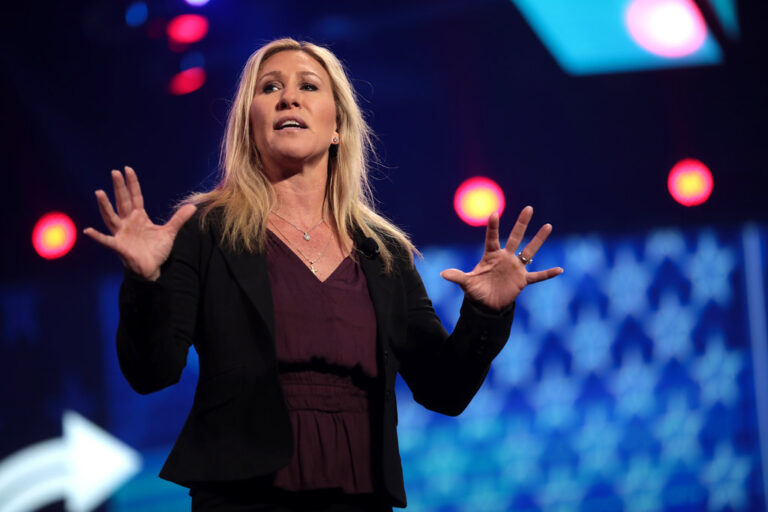
On Sunday, Rep. Marjorie Taylor Greene said she is sorry for fueling toxic politics. She spoke in a video message to the nation. She admitted her harsh words have hurt people. Then she vowed to do better in the future. She also asked others, including President Trump, to join her new approach.

Why She Apologized for Toxic Politics

Greene said she felt regret for her past actions. She noted that her tweets and speeches sometimes hurt people. For example, she once said lawmakers were traitors. Later, she said that rhetoric crossed a line. Therefore, she chose to apologize. She said she must set a better example. In addition, she urged President Trump to help lower the heat in debates.

Could This Change Toxic Politics?

Her apology raised questions. Will it truly curb toxic politics in Congress? Many observers remain unsure. On one hand, Greene holds real power. On the other, her past record seems at odds with genuine change. Meanwhile, her offer to President Trump sounds hopeful. However, Trump has not commented yet. Still, some believe this moment could spark a shift in the tone of debate.

What Comes Next After the Apology

Greene outlined steps she will take to avoid toxic politics. First, she said she will speak calmly in public. Then, she plans to limit personal attacks. She also promised to focus on policy over insults. Furthermore, she will host meetings with colleagues from both parties. In doing so, she hopes to build trust. Finally, she wants to drive real solutions for everyday people.

Reactions from Colleagues and the Public

Reactions poured in right after her apology. Some Democrats welcomed the move. They said any step away from toxic politics is positive. However, other Democrats called it too little, too late. Meanwhile, some Republicans expressed cautious optimism. They noted that actions speak louder than words. Outside Congress, voters also voiced mixed views. Many said they remain skeptical of her change of heart.

Why Many Fear Toxic Politics Will Persist

Some experts warn that one apology cannot end toxic politics. They say the system still rewards loud voices. For example, negative ads and harsh social media posts gain more clicks. Thus, many politicians find it hard to resist the pull of attacks. In addition, partisan groups often push more extreme messages. Therefore, Greene’s pledge could face strong headwinds.

How Trump Could Shape Future Toxic Politics

Greene specifically mentioned President Trump in her apology. She urged him to join her effort to reduce toxic politics. If Trump joins, it would send a clear message. His influence still looms large in the party. However, if he ignores her plea, her stand may lose impact. Either way, many will watch Trump’s response closely.

What a Gentler Debate Might Look Like

If Greene and others truly pull back from toxic politics, debate could feel different. Lawmakers might focus more on facts than insults. They could hold respectful town halls. They may avoid personal slams in interviews. Furthermore, voters might see more collaboration on bills. In turn, this could boost public trust in government.

Challenges to Ending Toxic Politics

Even with good intentions, ending toxic politics faces challenges. First, social media rewards clickbait. Second, party leaders often push for unwavering loyalty. Third, outside groups use harsh language to motivate donors. As a result, Greene and allies must overcome many barriers. Yet, some say that small changes can grow into bigger shifts over time.

A Moment for Reflection in Washington

Despite doubts, Greene’s apology sparked a moment of reflection. Many lawmakers paused to consider the tone of their own words. In addition, staffers and volunteers talked about new rules for respectful talk. Some news outlets even pledged to avoid feeding the extremes. Thus, Greene’s move may have ripple effects beyond her own office.

Could This Be a Turning Point?

Only time will tell if this apology marks a true turning point in toxic politics. In the near term, people will watch her speeches and social media. They will judge whether her words match her actions. Meanwhile, they will see if Trump and others respond positively. If enough leaders join, the debate might grow calmer over the next months.

Looking Ahead: Greene’s Next Steps

Greene plans several practical steps right away. She will stop using personal insults in public. She will post weekly updates on her progress. She will also welcome feedback from constituents. Moreover, she will push for new rules in Congress to curb bad behavior. These steps aim to hold her accountable and keep her promise alive.

Why This Story Matters

This episode matters because it shows a rare public apology in politics. It gives voters a chance to see if real change can start at the top. Furthermore, it shows how one leader can try to shift a rough culture. For many citizens, the hope of kinder debate offers a breath of fresh air.

In Summary

Marjorie Taylor Greene’s apology may be the start of a new chapter in Washington. She took responsibility for her role in toxic politics. She set out clear steps to help reduce attacks and insults. While some remain doubtful, others feel cautious hope. Now, the ball is in the court of President Trump and her colleagues. Will they take her hand and walk toward calmer debate?

Frequently Asked Questions

Why did Marjorie Taylor Greene apologize?

She apologized because she felt her harsh words and actions fueled a toxic political climate. She wanted to take responsibility and promise better behavior.

What steps will she take to reduce harsh language?

She plans to stop personal attacks, speak in a calm tone, hold bipartisan meetings, and post updates on her progress.

How did other lawmakers react?

Reactions varied. Some praised her apology as a positive move. Others said it seemed late and questioned her sincerity.

Will this apology end toxic politics in Congress?

Ending toxic politics is not easy. One apology alone cannot fix the system. However, if more leaders join her effort, it could start a wider culture change. Source: https://www.nydailynews.com/2025/11/16/marjorie-taylor-greene-humbly-sorry-toxic-politics-change/

Epstein Emails Reveal Trump’s Fear

0

Key Takeaways

• Newly released Epstein emails reveal Jeffrey Epstein feared talking about Donald Trump.
• Biographer Michael Wolff urged Epstein to expose Trump’s possible lies.
• Epstein emails mention Trump spent hours at Epstein’s home with a victim.
• The documents raise fresh questions about Trump’s knowledge of Epstein’s crimes.
• Scholars and critics see these emails as a potential “smoking gun.”

Epstein Emails Reveal Trump’s Fear

In a recent podcast, Michael Wolff said Jeffrey Epstein was very afraid of Donald Trump. He also warned Epstein that Trump might lie about their relationship. These details come from Epstein’s newly released emails.

Background on the Released Emails

This week, Congress shared a large set of Epstein emails. The House Oversight Committee decided to make these messages public. Along with Speaker Mike Johnson’s vote promise, the emails sparked sensational headlines. The documents show Epstein often talked about Trump. He even looked for ways to use his link with the former president to his advantage.

Michael Wolff’s Insights

On the Court of History podcast, Wolff discussed his role in those emails. He had advised Epstein back in 2015. At that time, Trump was just entering the 2016 race. Wolff wrote to Epstein that CNN would ask Trump about their ties. He told Epstein to “let him hang himself” by lying, then expose him. Wolff said many people worried about Trump’s rise. He believed Epstein could damage Trump’s campaign.

Wolff also noted that Steve Bannon once told Epstein, “You were the only person I was afraid of during the campaign.” This shows how powerful Epstein’s knowledge was.

Trump’s Ties in the Epstein Emails

Among the newly released messages, Epstein claimed Trump spent hours at his mansion. One email even hinted a victim was present, though the name was redacted. The White House said this was Virginia Giuffre. She died earlier this year, but she never accused Trump of wrongdoing.

In another note, Epstein wrote, “Trump knew of it, and came to my house many times during that period. He never got a massage.” He also said Trump had asked Ghislaine Maxwell to stop inviting underage girls.

Overall, the Epstein emails paint a picture of Trump as the “dog that hasn’t barked.” Epstein believed Trump knew about the abuse but stayed silent.

What This Means for Trump

These revelations arrive as Trump runs for president again. In 2024, he promised to release more Epstein files. But once in office, he backtracked, angering many of his supporters.

Moreover, Ghislaine Maxwell’s treatment by the Justice Department fuels more suspicion. Maxwell went to prison for her role in Epstein’s crimes. Yet critics say her case was handled too gently. This stirs questions about whether Trump or his allies pushed for leniency.

For Trump, the pressure mounts. If Epstein emails show he acted wrongly, his campaign may suffer. On the other hand, Trump denies all allegations of improper conduct. He even faces civil penalties for sexual abuse claims. Still, he insists he did nothing wrong.

Why This Matters Now

First, these emails could change public opinion about Trump. They suggest he knew more than he admitted. Second, they show how Epstein used his power over powerful people. Epstein emails reveal the extent of his leverage. Finally, they remind us of the importance of transparency. When top officials hide facts, public trust erodes.

In the long run, both the courts and voters will judge these revelations. Meanwhile, Epstein emails will stay in the spotlight. They may prove to be a turning point in how we view powerful men and their secrets.

Frequently Asked Questions

How did these Epstein emails get released?

Congress decided to share them after pressure from investigators and the public. A House committee approved their full release.

Why did Michael Wolff advise Epstein to reveal Trump’s lies?

Wolff and others feared Trump’s rise in the 2016 race. They saw Epstein’s knowledge as a way to undercut Trump’s campaign.

Do the emails prove Trump committed a crime?

No direct criminal proof appears in these emails. However, they raise new questions about what Trump knew and when.

Could these emails affect Trump’s 2024 campaign?

Yes. Opponents may use them to challenge Trump’s character. Supporters might dismiss them as political attacks.

Why Todd Blanche’s Interview Faces Harsh Criticism

0

Key Takeaways

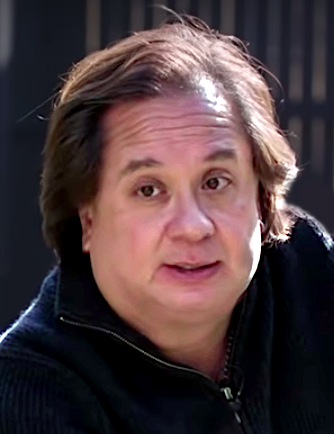
  • George Conway sharply criticized Todd Blanche’s handling of the Ghislaine Maxwell interview.
  • Conway argued Blanche failed to follow up on obvious lies and ignored key evidence.
  • He said a convicted sex offender’s denials cried out for tougher questions.
  • The dispute raises doubts about the Justice Department’s interview tactics.
  • Legal observers warn that weak interviews can weaken public trust.

Conservative lawyer George Conway tore into Deputy Attorney General Todd Blanche on live TV. He blasted Blanche’s approach during a recent sit-down with convicted sex offender Ghislaine Maxwell. Conway said the interview felt more like a chat than a serious inquiry. He warned that this kind of weak questioning can harm justice.

Key Problems in Todd Blanche’s Maxwell Interview

First, Conway pointed out that Blanche never mentioned emails showing Maxwell had lied at trial. Without those documents, Maxwell’s denials held too much sway. Next, Blanche failed to ask follow-up questions when Maxwell claimed she saw nothing improper. Conway said any law partner would expect more probing. Finally, Maxwell moved to a low-security prison camp too quickly. That break from policy raised more questions that Blanche did not address.

Background on the Maxwell Interview

Ghislaine Maxwell once helped Jeffrey Epstein recruit young women. She was found guilty of sex-trafficking and conspiracy. Maxwell blamed Epstein alone for all abuse. Deputy Attorney General Todd Blanche sat down with her to learn what she knew. During the TV spot, Blanche seemed to take Maxwell’s word at face value. He asked few hard questions and ignored fresh evidence from newly revealed emails.

Conway’s Main Complaints

George Conway said he struck a nerve with his critique. He noted that Maxwell’s reputation for lying made tough questions essential. Instead, Blanche let her blanket denials stand. Conway described the interview as “impotent.” He insisted that interviewing a convicted sex offender demands more than polite conversation. According to Conway, Blanche’s lack of follow ups made the exchange look like a PR stunt.

Why Follow-Up Questions Matter

Good investigators ask follow-ups to catch liars. When Maxwell said, “I never saw anything inappropriate,” Blanche let it slide. However, a determined questioner would push back. For example: “What do you mean by inappropriate?” or “Did anyone ever mention Epstein’s behavior to you?” In addition, an interviewer should test claims by citing specific documents. That way, liars can’t hide behind vague denials.

What This Means for the Justice Department

The Justice Department must maintain its credibility. If top lawyers host friendly interviews with public enemies, critics will cry foul. Moreover, ignoring new evidence can look like a cover-up. Therefore, departments should plan interviews carefully. They should equip attorneys with all available documents. That way, prosecutors can challenge false statements on the spot.

Public Reaction and Next Steps

After Conway’s comments aired, social media buzzed. Many viewers praised him for calling out what they saw as soft treatment. Others defended Blanche, saying interviews differ from trials. They argued prosecutors can’t grill every subject on camera. Meanwhile, Congress may seek documents to see if the Justice Department had all evidence before the interview. In addition, experts suggest future interviews should follow stricter guidelines.

Conclusion

George Conway’s fiery critique of Todd Blanche highlights a bigger issue: how to balance fair interviews with hard-hitting questions. As the Justice Department weighs its next move, the public will watch closely. In the end, strong questioning and full transparency may be the best way to maintain trust in the system.

Frequently Asked Questions

What did Todd Blanche say about not having all documents?

He claimed that law enforcement only recently received key materials from Epstein’s estate. He said this limited his ability to reference them during the interview.

Why does George Conway think follow-up questions are crucial?

Conway believes that a convicted offender’s blanket denials demand more probing. Follow-up questions expose vague or misleading answers.

Could this debate affect future interviews with defendants?

Yes. Critics say the Justice Department may adopt stricter practices. They may require all evidence on hand and a clear strategy for questioning.

Did Blake follow policy in moving Maxwell to a low-security camp?

Maxwell’s transfer appeared to break normal rules. This decision added to the controversy over how her case has been managed.

Will the Government Shutdown Hurt the GOP?

Key Takeaways

• Republicans cheered ending the government shutdown without protecting key health subsidies.
• Cutting off Obamacare help may backfire on the GOP in the long run.
• Jump in insurance costs gives Democrats a clear campaign message.
• Voters saw Republicans ignore rising grocery and healthcare bills.
• Democrats could unite on affordability to win big next election.

What the government shutdown means for both parties

Americans just watched Congress end a government shutdown fight without saving healthcare subsidies. Republicans celebrated a short-term win. However, this deal also sparked a sharp rise in insurance premiums. Many voters now face higher costs for doctors and medicine. Meanwhile, Republicans have no clear plan to tackle rising bills. On the other side, Democrats dodge blame for higher premiums. Instead, they gain a strong message about real costs hurting families.

Why the government shutdown could boost Democrats

Ed Kilgore argues that losing the Obamacare subsidy battle might help Democrats. Without a deal, premium hikes land squarely on the GOP and the president. Thus, voters feel the pinch and blame Republican leaders. Democrats can now speak the language of affordability. From progressive socialists to moderate centrists, they share a focus on keeping life costs down. This unity strengthens their message ahead of midterms and beyond.

Republican short-term win?

At first glance, ending the government shutdown without saving subsidies seems like a win for Republicans. They steered clear of extra spending. They even forced Democrats to choose between funding the government or protecting health help. Yet, this tactic had an unexpected cost. By losing—or rather refusing—the Obamacare subsidy fight, Republicans now own the problem of rising insurance premiums. In politics, voters often remember who caused their pain more than who blocked a funding bill.

Long-term risks for the GOP

Over time, voters may judge the government shutdown differently. They will ask who showed real care for costs that matter. Grocery prices and health insurance top that list. During the shutdown fight, Republicans froze SNAP benefits too. That move shed light on their lack of concern for low-income families. As a result, the GOP looks out of touch with everyday struggles. This perception may erode trust in Republican promises to lower living costs.

Healthcare costs and the GOP

Republicans have yet to propose a solid plan for affordable care. Instead, they offer individual savings plans that let insurers charge the sick and poor more. Those ideas mirror the issues that led to Obamacare’s creation nearly twenty years ago. Because of the Affordable Care Act, millions gained insurance subsidies. Now that those supports are gone, costs will spike. Democrats can point to this failure as proof that the GOP ignores real health needs.

Democrats’ affordability message

Affordability proved a winning theme in recent elections. Voters see through broken promises and rising bills. For Democrats, it serves as a unifying issue. Progressive and centrist candidates alike highlight the cost-of-living squeeze. They promise relief on healthcare, groceries, and rent. By contrast, Republicans appear divided on strategy and short on solutions. This split further weakens their standing with voters worried about daily expenses.

Looking ahead to 2026

According to Kilgore, Democrats can set aside internal fights when it matters most. During primaries, they may debate the party’s direction. Yet, in a general election, they tend to join forces. With a focus on flipping the House and perhaps the Senate, they aim to end one-party rule. A big-wave election could undo many of the president’s policies. The government shutdown saga offers a preview of how messaging on costs can sway voters.

The power of public perception

Winning a shutdown fight does not guarantee rising poll numbers. The public often cares more about pocketbook issues. In this case, shutting down the government without a health deal gave Democrats a clear “we care” advantage. Transitioning from crisis to campaign, they will remind voters of GOP indifference. Every rising insurance premium and grocery bill will feed their narrative.

What this means for voters

Citizens now know how each party prioritizes their needs. Republicans showed little interest in healthcare or nutrition help. Democrats, though on the losing end of the shutdown vote, stand ready with solutions. Voters should ask who truly fights for lower costs. If higher premiums arrive as predicted, memories of this shutdown will shape opinions at the ballot box.

Possible next shutdown

Another government shutdown could occur in January. If it does, voters will already have formed opinions on the GOP’s priorities. The recent fight gave a clear lesson about which party listens to real struggles. As costs climb, Democrats will remind the public who left them unprotected.

Democrats’ golden opportunity

Every policy misstep by the GOP becomes campaign ammo for Democrats. From SNAP cuts to health subsidy deaths, each move deepens doubt about Republican compassion. Meanwhile, Democrats grow stronger by promising relief and unity. The upcoming elections will test whether voters value short-term budget wins or long-term care solutions.

FAQs

What happened during the government shutdown?

Lawmakers paused funding for federal operations to force policy changes. They ended the shutdown without extending Obamacare subsidies, leading to higher insurance costs.

How could Republicans suffer from this deal?

By refusing to protect health subsidies, the GOP now owns the pain of rising premiums. Voters may blame Republicans for higher living costs.

Why are healthcare costs central to this debate?

Healthcare costs rank among the top concerns for families. Higher insurance bills hit budgets fast, making this issue key in elections.

What might voters remember in the next election?

Voters will recall which party showed more concern for their bills. They may reward those who promise real relief and punish indifference.

Retribution Tour: A Stark Warning for the GOP

Key takeaways

• Former ABC correspondent Jonathan Karl warns the GOP of a looming “retribution tour.”
• He says no one in Trump’s second administration can hold him back.
• Trump may target Republicans who he feels betrayed him, such as James Comey and John Bolton.
• Karl believes Trump has weaponized the Justice Department for political revenge.
• The cycle of revenge could reshape American politics in year one of the new term.

Jonathan Karl, ABC’s White House correspondent, spoke on The Daily Beast Podcast and issued a clear warning. He said Donald Trump’s second administration looks very different from the first. Unlike before, there’s no one strong enough to stop Trump from seeking revenge. Therefore, the GOP needs to pay close attention.

A Clear Shift Between First and Second Terms

First, Trump’s first term had advisers who often softened his worst impulses. However, Karl says that buffer is gone now. In the new White House, nobody steps in to limit his pushes for payback. Moreover, this shift leaves the door wide open for targeting past foes. In addition, Trump feels betrayed by some Republicans who didn’t back him fully. Consequently, his plan for a retribution tour could bring big changes.

Why Republicans Are Worried

Many Republicans fear they could be on Trump’s hit list. For instance, James Comey faced Trump’s anger after he led the Russia probe. Then John Bolton angered Trump by publicly disagreeing with him. Trump

sees them as disloyal. Thus, they could face investigations, leaks, or public shaming. Furthermore, Steve Bannon even suggested putting former Attorney General Bill Barr in prison. This shows how deep the desire for revenge runs.

How Retribution Tour Could Unfold

Jonathan Karl warns that this retribution tour is not just talk. He says Trump has already begun using the Justice Department as a political weapon. Consequently, we may see more indictments or probes against past figures. For example, Trump could demand federal investigations into anyone he views as a traitor. Meanwhile, those close to Trump’s first term might feel pressured to show loyalty or risk being targeted.

Inside the Podcast Revelation

On the podcast, Karl described some “really disturbing” trends in politics today. He pointed out that Trump feels free to go after anyone. And so far, nobody in the administration has stopped him. Karl noted that Trump has talked about punishing Republicans who didn’t back him fully. He also explained that Trump’s use of the Justice Department sets a dangerous precedent. As a result, the normal rules of political accountability seem to fade away.

Victims of the Retribution Tour: Who’s at Risk?

Several high-profile Republicans might face Trump’s wrath:
• Former FBI Director James Comey: Trump views him as the root of the Russia investigations.
• Ex-National Security Adviser John Bolton: He broke rank with Trump in his memoir.
• Former Attorney General Bill Barr: Accused by Steve Bannon of betraying Trump.
• Other GOP figures: Anyone who voiced doubts about Trump may face scrutiny.

Why the Retribution Tour Matters to You

This cycle of revenge could change how politics works. Firstly, it may scare lawmakers into blind loyalty. Secondly, it could weaken checks and balances if the Justice Department serves one man’s agenda. Thirdly, it risks deepening national divisions. In short, Karl fears there may be no easy way back from this era of political payback.

A Glimpse at the Future

Karl warned that we are still in year one of Trump’s new term. Yet, he believes the retribution tour will only pick up speed. He described this as “mind-boggling,” given how much remains ahead. Consequently, Republican lawmakers and the public must stay alert. Because if Trump remains unchecked, the retribution tour could reshape American democracy.

Steps Republicans Could Take

To push back against the retribution tour, Republicans might:
• Unite to defend the Justice Department’s independence.
• Set clear rules on investigations to avoid abuse.
• Build a stronger internal system of checks on presidential power.
• Encourage open discussion about loyalty and dissent.

Final Thoughts on the Retribution Tour

In short, Jonathan Karl’s warning shines a light on a new and dangerous chapter. With no one to hold him back, Donald Trump seems poised to settle scores. As a result, both lawmakers and citizens should watch for the first signs of his retribution tour. If history is any guide, the consequences could be far-reaching.

Frequently Asked Questions

What did Jonathan Karl say about the retribution tour?

He warned that Trump’s second administration lacks restraints and plans to target Republicans who he believes betrayed him.

Why does Trump feel betrayed by some Republicans?

He thinks they didn’t back him strongly enough during his first term or publicly criticized him.

How might the retribution tour affect the Justice Department?

Trump may push it to launch investigations against his political enemies, threatening its independence.

Can Republicans stop Trump’s retribution tour?

They could strengthen checks and balances, defend the Justice Department, and set clear rules for investigations.

Trump’s White House expansion plans

0

Key Takeaways

• President Trump hints at a bold White House expansion behind the East Room drapes.
• He plans to add a new glass hallway by creating a “knock-out panel” in the residence wall.
• The move follows criticism over his 90,000-square-foot East Wing ballroom project.
• Trump envisions a larger event space ready in about two years.

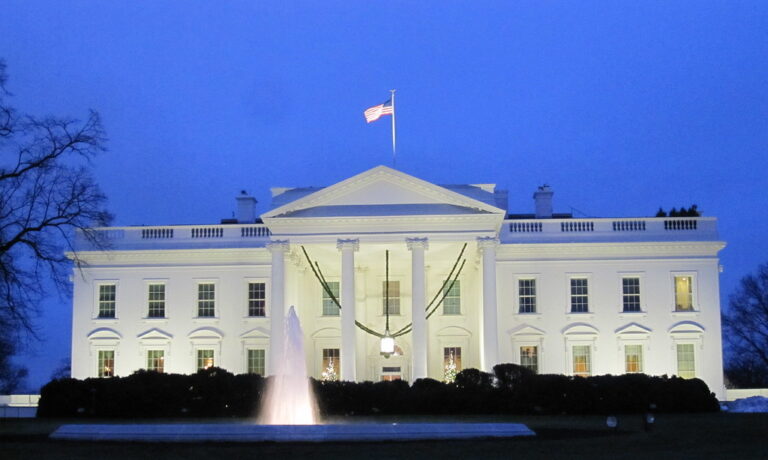
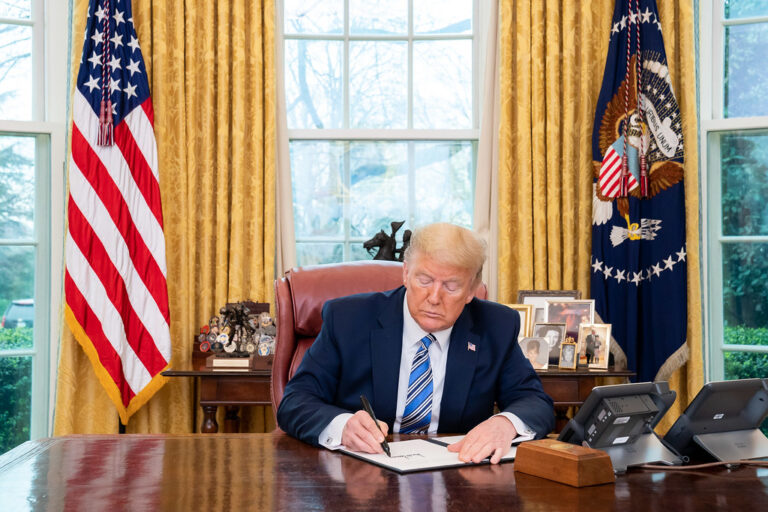
President Donald Trump surprised reporters when he pointed to the golden drapes in the East Room. He then dropped a strong hint about a future White House expansion. The idea is to connect the old residence to his new East Wing ballroom. In his own words, the next big project starts with a “knock-out panel” in the existing wall.

This upcoming White House expansion would add a glass hallway linking the historic building and the new ballroom. Trump said this would create an even bigger space for events in about two years. He also noted that his new ballroom will host up to 999 guests. Naturally, critics have already raised concerns over cost and historic preservation.

Despite the debate, Trump seems determined. Moreover, he stressed the importance of future growth when he spoke in the East Room. Therefore, this plan lays out a vision for a seamless event complex inside America’s most famous home.

East Wing ballroom drives debate

Trump’s recently approved ballroom spans roughly 90,000 square feet. It sits on the East Wing’s rooftop and can host up to 999 people. Many critics worry about its price tag and scale. They argue the project could overshadow historic parts of the White House.

In defending the ballroom, Trump said he wanted a space large enough for state dinners, fundraisers, and ceremonies. He pointed out that previous celebrations often outgrew the existing rooms. Because of this, he called for a grand, modern ballroom.

However, some historians and preservationists think the expansion goes too far. They worry about altering the building’s original design and materials. Additionally, they question how the ballroom’s structure might affect the mansion’s overall stability.

Still, Trump argues the new ballroom fits well with his broader plan. He believes adding more modern touches will make the White House more functional. As he explained, the next step is to link this ballroom with the historic residence.

Inside the White House expansion plan

During his remarks, Trump turned toward a large window draped in gold. He said, “And right behind me, in about two years from now, we’ll use a much bigger room. It’ll be right here.” This simple statement set off buzz about a hidden expansion plan.

Trump described a “knock-out panel,” which is a removable wall section. He said this panel makes future work faster and easier. In his view, it shows that the current design already plans for growth.

He continued, “It looks pretty nice right now, but it’s gonna look a lot better in a little while.” By this, he meant the glass hallway extension will enhance the building’s look and flow. Furthermore, the hallway will let natural light flood the passage between the residence and ballroom.

Moreover, the glass corridor promises a modern contrast against the White House’s classic façade. Trump seems to relish blending old and new styles. He shared that guests will walk from the main residence, through a bright, transparent hall, and into the palace-style ballroom.

Reaction to the proposed expansion

News of this White House expansion has drawn mixed reactions. Supporters praise Trump’s vision to modernize the historic site. They argue the plan brings fresh energy and needed space to host large gatherings.

At the same time, preservation experts voice strong objections. They worry about damaging or altering priceless historic fabric. In their view, any demolition in the original walls sets a dangerous precedent. They say future leaders might also seek major changes, undermining heritage protection.

Lawmakers, too, have offered mixed responses. Some Republicans applaud the push for a state-of-the-art facility. Yet, a few Democrats call for a review of the National Historic Preservation Act. They also urge more public hearings before any wall comes down.

In addition, local residents near the White House worry about construction noise and traffic. Others ask how the project will impact security measures around the president’s home.

Despite these concerns, Trump appears ready to move forward. He pointedly mentioned that the expansion will happen “in about two years,” hinting at a clear timeline. Therefore, debates over cost, history, and design are likely to continue as plans progress.

Looking ahead

Trump’s plan for a White House expansion goes beyond adding a ballroom. He envisions a complete event complex that bridges the mansion and the new wing. This next phase focuses on a sleek glass hallway. It aims to unite the old and new spaces seamlessly.

The proposed glass corridor suggests a mix of transparency and grandeur. Moreover, it signals an ambitious approach to presidential architecture. As this story develops, expect more discussions about cost, design, and historical impact.

In the end, the White House expansion debate reflects how Americans view their national landmarks. It poses a bigger question: How much change should a historic building undergo? As Trump moves ahead, the nation will watch closely—inside those golden drapes and beyond.

Frequently Asked Questions

What exactly is Trump’s White House expansion plan?

He plans to demolish part of the original residence wall and add a glass hallway. This corridor would link the main house and his new East Wing ballroom. The project aims to create more event space within two years.

How big is the new East Wing ballroom?

The ballroom spans about 90,000 square feet. It can seat up to 999 guests. Trump calls it a modern venue for state dinners, fundraisers, and ceremonies.

What is a knock-out panel?

A knock-out panel is a removable wall section built into a structure. It lets builders open the wall quickly for future expansions. Trump highlighted this feature as proof of planned growth.

Why are people concerned about this expansion?

Critics worry about preserving the White House’s historic fabric. They fear irreversible changes to a national landmark. Others question project costs, security impacts, and local disruptions. Yet some support the plan, calling it a fresh, practical update.

New Epstein Documents Shake Trump’s Claims

0

Key Takeaways

• CNN’s Erin Burnett was stunned by new Epstein documents that undercut claims from Trump and Maxwell.
• Ghislaine Maxwell told investigators she never saw Trump at Epstein’s homes, but an email says otherwise.
• Former Trump lawyer Ty Cobb called the explanation for missing evidence “hard to imagine.”
• These revelations raise fresh questions about how the case was handled at the top.

On Thursday night, Erin Burnett faced former Trump attorney Ty Cobb on live TV. She looked surprised as they talked about the newly released Epstein documents. These records came from the House Oversight Committee. They include tens of thousands of pages tied to Jeffrey Epstein’s case. Some parts directly clash with past statements by Donald Trump and Ghislaine Maxwell.

What the Epstein documents reveal

First, Ghislaine Maxwell told Deputy Attorney General Todd Blanche she never saw Trump at Epstein’s homes. Yet one email shows Maxwell did spot Trump on a visit. Moreover, the email suggests she discussed those visits with Epstein’s staff. Therefore, her claim to Blanche does not match the written record. In response, Blanche did not follow up on this conflict. He later said law enforcement lacked the materials Epstein’s estate hid for years. He insisted they only got them when Congress asked for them.

Next, Donald Trump himself had said he barely knew Epstein. He also claimed no evidence tied him to Epstein’s private island. However, new files include flight logs and guest lists. They show Trump traveled with Epstein and other high-profile figures. These logs appear on private jet records and invoices for lodging. As a result, questions arise about Trump’s true relationship with Epstein.

Erin Burnett challenges the Epstein documents cover-up

Erin Burnett said live on air, “There are many things here to question, but this one punches you in the face.” She meant the direct conflict between Maxwell’s words and the evidence in the Epstein documents. Burnett pressed Cobb hard. She asked, “Does that excuse add up?” She sounded frustrated that no one checked the inconsistency sooner. She also wondered why Blanche did not ask Maxwell more follow-up questions.

Moreover, Burnett voiced concern over the delay in revealing these papers. She noted that some files sat hidden for years. It took a congressional push to bring them into the open. Burnett said this feels like a cover-up at the highest level. She warned viewers that the public deserves clear answers. Otherwise, trust in the justice system will keep eroding.

Ty Cobb pushes back on missing evidence claims

Ty Cobb said, “No, it doesn’t add up at all.” He found it hard to believe the documents escaped earlier searches. He doubted that law enforcement never looked at Epstein’s computers and phones. Cobb pointed out that investigators had plenty of time and resources. He said they interviewed Maxwell, ran searches and seized data. So, it seems unlikely crucial emails vanished until now.

Furthermore, Cobb emphasized investigators had subpoenas and warrants. He argued they could have forced Estate documents to surface. Cobb noted that investigations in multiple jurisdictions ran for years. Yet, new files only appeared under congressional orders. He called this delay “unacceptable in any thorough inquiry.” Cobb also stressed the need for a full audit of how evidence moved between offices.

What comes next for the Epstein documents saga

First, the Justice Department faces new pressure to explain its process. Critics demand to know why key evidence stayed hidden. They want an independent review of file handling. That review could involve inspectors general or outside counsel.

Second, lawmakers will likely hold hearings. They could question Blanche, other DOJ leaders and FBI agents. These sessions might last weeks. Lawmakers want to know who decided which documents to share. They will also ask why follow-up questions were not asked of witnesses like Maxwell.

Third, the public will keep watching live TV debates. Journalists like Erin Burnett will press for clearer answers. Their questions could reveal more discrepancies. As new files reach news desks, more stories will emerge. Each story will chip away at official versions of the case.

Finally, both legal and political fallout may follow. Trump’s team might issue new statements or file legal challenges. Meanwhile, Maxwell faces separate criminal proceedings. Any new adversarial facts could affect her sentencing. The documents may also fuel broader discussions on equal justice under the law.

Key points to watch

• Will the Justice Department explain the delay in releasing the Epstein documents?
• Will congressional hearings force more disclosures?
• How will new evidence shape Maxwell’s case?
• Could Trump’s public image shift as more details emerge?

Frequently Asked Questions

What exactly did Maxwell say that the Epstein documents contradict?

Maxwell told DOJ officials she never saw Trump at Epstein’s properties. The released files include an email where staffers mention seeing Trump at one of those homes.

How did these Epstein documents finally come to light?

The House Oversight Committee demanded tens of thousands of pages tied to Epstein’s files. Under that pressure, the materials surfaced from Epstein’s estate.

Why didn’t investigators spot these files during the original search?

Officials claim the estate hid the documents for years. Critics argue law enforcement had time and legal tools to find them earlier.

Could these new Epstein documents lead to fresh charges?

It’s possible. If evidence shows anyone tampered with records or lied to investigators, new charges could follow. Lawmakers and prosecutors will decide based on further reviews.

How might Trump respond to these revelations?

Trump’s team could issue statements downplaying the impact. They may claim the documents are misinterpreted. Alternatively, they might challenge the authenticity of parts of the files.

Is the Trump Economy Just a Mirage?

0

Key Takeaways

  • Progressive analyst Brian Tyler Cohen says President Trump is “trying to fool everyone” about his economy.
  • Cohen argues Trump’s false claims mask rising prices and job losses.
  • Even GOP members like Marjorie Taylor Greene accuse Trump of “gaslighting the nation.”
  • Recent data show tens of thousands of jobs lost monthly and higher grocery costs.
  • Critics warn Trump broke a promise to improve affordability.

On Thursday, YouTuber and analyst Brian Tyler Cohen challenged President Donald Trump’s claims about his economic record. Cohen said Trump is distracting Americans from real struggles by painting a rosy picture. In fact, rising grocery prices and job cuts tell a very different story. Even Republican Rep. Marjorie Taylor Greene has joined critics in accusing Trump of gaslighting the nation. Therefore, many wonder whether the Trump economy is just a clever illusion.

Why the Trump Economy Claims Fall Flat

Brian Tyler Cohen pointed out that President Trump often boasts about low inflation and strong growth. However, data show the opposite. For months, tens of thousands of jobs have vanished each month. Meanwhile, families face higher bills for food, gas, and everyday goods. Cohen said, “It’s clear the president is making false claims about affordability.” He added that these claims distract from real policy failures. Furthermore, voters recently backed Democrats in state races over cost-of-living concerns. That blue wave sent a warning about the gap between Trump’s rhetoric and reality.

Tariffs Drive Up Costs

One major factor in rising prices is Trump’s tariff policy. By placing steep taxes on imports from China and other nations, the president aimed to protect American workers. Instead, many companies passed added costs to consumers. As a result, everyday goods from electronics to groceries have grown more expensive. Cohen noted that this trend undermines any claim that the Trump economy has made life more affordable. Moreover, small businesses struggle to absorb higher supply expenses, leading some to cut staff or raise prices further.

Immigration Enforcement and Labor Shortages

Another pillar of Trump’s strategy has been strict immigration enforcement. The administration tightened border controls and stepped up worksite raids. This move aimed to secure jobs for American workers. However, Cohen explained it also left many industries short-staffed. Sectors like agriculture and food processing rely heavily on immigrant labor. When workers suddenly vanish, production slows and costs rise. In turn, these costs get passed on to shoppers. Thus, stronger enforcement helped fuel higher prices and supply chain bottlenecks.

Political Pushback from Republicans

Surprisingly, some GOP members have voiced frustration with Trump’s economic messaging. Marjorie Taylor Greene accused him of “gaslighting the nation” about affordability. She said voters see their paychecks shrink and grocery bills soar. Several other Republicans privately worry that continued false claims will hurt the party at the polls. Meanwhile, Cohen warned that Trump’s tactic of blaming everyone else will not fix underlying problems. Instead, it may deepen divisions within his own party as midterm and primary races approach.

Voters React to Affordability Issues

Across the country, voters are making affordability a driving issue. In recent elections, Democrats rode a blue wave fueled by cost-of-living concerns. Families cited food, housing, and energy bills as top worries. Many said they felt let down by Trump’s promise to make life cheaper. Polls show that a majority of Americans believe the economy favors the wealthy over average workers. As a result, both parties are scrambling to offer real solutions rather than slogans. Critics argue that until prices come down, the Trump economy label will ring hollow.

What This Means for 2024

Looking ahead, Trump’s claims about his economic record may shape the 2024 race. If voters continue to see rising costs and job losses, they may reject the same promises. For his part, Trump seems poised to keep touting his record despite the data. Yet analysts like Cohen believe that without policy changes, public trust will erode. In the end, the fate of the Trump economy narrative may rest on whether Americans feel true relief at the checkout line.

Frequently Asked Questions

What does Brian Tyler Cohen say about the Trump economy?

Brian Tyler Cohen argues Trump makes false claims to hide rising prices and job cuts. He says this distracts Americans from policy failures.

Why do some Republicans criticize Trump’s economic claims?

Even GOP members like Marjorie Taylor Greene say Trump is gaslighting voters. They worry his claims clash with people’s daily experiences of higher costs.

How have tariffs affected everyday prices?

Tariffs on imports have raised costs for many companies. Those companies often pass added expenses to consumers, driving higher grocery and goods prices.

What impact does stricter immigration enforcement have on prices?

Tighter border controls and worksite raids reduce available labor in key industries. Shortages then slow production, causing costs to rise and prices to climb.