51.1 F
San Francisco
Tuesday, April 14, 2026
Home Blog Page 253

DePodesta return revives baseball strategy

Key Takeaways:

  • Paul DePodesta return marks a major shift in how teams use data.
  • He brings 10 years of NFL experience back to baseball.
  • The Boston Red Sox hired him as their Chief Baseball Officer.
  • His Moneyball background will blend with new analytics models.
  • Fans can expect more data-driven signings and strategies.

Baseball fans know Paul DePodesta from Moneyball. However, he left the sport a decade ago to work in the NFL. Now, his DePodesta return has fans buzzing again. Moreover, the Boston Red Sox just named him Chief Baseball Officer. Therefore, many wonder how his skills will reshape the game.

Why DePodesta return matters

Paul DePodesta helped change baseball more than 20 years ago. He used numbers to find hidden stars. His ideas helped small clubs compete with big-budget teams. Yet, he left baseball for the NFL in 2015. In football, he led analytics for the Cleveland Browns and then the Houston Texans. Now that he’s back, his DePodesta return promises new innovations.

His NFL journey honed his skills

During those ten years away, DePodesta learned even more. He studied player health data, injury risk models, and real-time performance tracking. These tools proved vital in football, where one bad move can end a player’s season. Importantly, he plans to adapt them for baseball. As a result, his DePodesta return could reduce injuries and extend players’ careers.

How the DePodesta return will change baseball

When DePodesta arrived, scouts guessed how good players might be. Today, teams use video and data to make those guesses better. Yet, DePodesta sees more potential. He wants to blend old-school scouting with new tech. For instance, he plans to use sensors in bats and balls. This tech will track spin, speed, and release points. Therefore, coaches will know why a pitch works or fails.

Building a data-powered roster

Next season, expect the Red Sox to draft differently. They’ll look at traditional stats, sure. However, they’ll also weigh metrics from wearable devices. These devices track player movement, heart rate, and fatigue. With this info, the team can pick pitchers less likely to tire mid-game. Thus, his DePodesta return brings smarter decisions on who joins the club.

Improving player health and training

In the NFL, DePodesta used data to lower injury risks. He created custom training plans based on each player’s needs. Now, baseball players may get tailored workouts too. For example, pitchers may follow programs that cut down on shoulder strain. Meanwhile, hitters might train to boost bat speed without risking elbow trouble. Over time, these plans could keep stars healthy longer.

Team culture meets analytics

Some coaches worry data makes the game too robotic. However, DePodesta values human judgment. He plans regular meetings where coaches, scouts, and data experts share ideas. In this way, tradition stays alive. At the same time, teams use cutting-edge models to find value in every player. In short, his DePodesta return balances heart with numbers.

Fan experience and engagement

Beyond the field, fans will feel DePodesta’s impact. The Red Sox aim to share more stats during games. They might show real-time spin rates or exit velocities on the big screen. Plus, they plan a mobile app feature with interactive data points. Hence, fans can learn why a slider froze a batter or why a home run soared.

Early challenges for DePodesta

Despite his track record, challenges await. Baseball moves slower than football in some ways. Teams resist big changes to long-standing traditions. Also, data collection in baseball must avoid interfering with play. Yet, DePodesta proved he can win over skeptics. His ability to speak both “scout” and “data” gives him a unique edge.

Looking ahead: goals and expectations

In his new role, DePodesta sets clear targets. He wants the Red Sox to lead in on-base percentage and pitching efficiency. Furthermore, he aims to develop homegrown talent rather than overspend in free agency. If he succeeds, the team could win more without a massive budget. Ultimately, the DePodesta return seeks to create sustainable success.

The bigger picture in baseball

Paul DePodesta return shows baseball’s growing trust in analytics. Other teams will watch closely. If the Red Sox thrive, expect a wave of hires from different sports. Indeed, the line between football and baseball strategies grows thinner. As a result, fans and players may enjoy a faster, healthier, and more exciting game.

Frequently Asked Questions

What made Paul DePodesta leave baseball for the NFL?

He wanted to explore new challenges using data in a different sport. He believed his analytics skills could help football teams improve.

How will DePodesta’s NFL experience help baseball?

He worked on injury prevention and performance tracking in football. These methods can boost player health and training in baseball.

Will the Red Sox change their scouting approach?

Yes. They plan to mix traditional scouting with advanced metrics and wearable device data to make smarter decisions.

When can fans expect to see DePodesta’s ideas in action?

Gradual changes will appear next season. Over two to three years, the full impact of his data-driven methods should become clear. Source: https://www.nydailynews.com/2025/11/11/paul-depodesta-brings-lessons-from-mets-as-he-leaves-the-nfl-for-rockies/

Fannie Mae Layoffs: Real Reason Behind Ethics Probe?

0

Key takeaways:

  • Fannie Mae layoffs hit 62 employees over alleged anti-diversity steps.
  • A new report claims those layoffs hid an ethics probe.
  • Investigators looked into Bill Pulte’s access to mortgage records.
  • Critics say the firm used DEI policies as a cover.

Fannie Mae Layoffs Spark Ethics Probe

Fannie Mae recently cut 62 jobs, citing diversity policy changes. Yet a fresh report suggests the firings masked something deeper. Investigators probing ethics faced dismissal instead. They looked into whether director Bill Pulte wrongly grabbed mortgage files. Those files belonged to New York’s attorney general and others tied to a former president. This story shows how workplace moves can hide bigger issues in plain sight.

Unveiling What Fueled the Fannie Mae Layoffs

Fannie Mae said it trimmed its workforce for anti-diversity reasons. It claimed employees blocked efforts to change hiring rules. However, workers and experts grew suspicious. They noticed the layoffs hit a team reviewing ethical complaints. Soon, a report named the cuts a distraction. In other words, Fannie Mae layoffs may have served to derail an ethics inquiry. Supporters of diversity efforts worry this trend will spread. They fear firms might use policy talks to sideline watchdogs.

Moreover, lawmakers expressed concern. They asked Fannie Mae for documents and meeting notes. Meanwhile, employees shared private messages hinting at other motives. Ultimately, the new report argues the diversity story was just noise. Instead, it says the real target was those holding the firm accountable.

How Bill Pulte Ties In

Bill Pulte is a Fannie Mae board member and an experienced banker. Investigators began looking at how he got mortgage records. Allegedly, he accessed private loan details for New York’s attorney general. They also checked if he eyed records tied to former President Trump. Critics say this step pushed beyond normal governance duties. They argue Pulte could have broken laws around data privacy.

Consequently, ethics officers opened a formal inquiry. They reviewed emails, server logs, and access requests. They even sought help from outside cyber experts. Yet before they could finish, the firings hit. Suddenly, those investigators lost their jobs. As a result, the probe stalled. Now, many wonder if anyone in the firm will finish it.

In addition, the report notes Pulte has deep connections to political leaders. These links might explain why some bosses reacted fast. They could prefer to avoid public scandals over high-profile figures. Thus, the Fannie Mae layoffs appear less about policy and more about protecting insiders.

Why Investigators Got Fired

Investigators at Fannie Mae follow strict rules. They must flag any unethical or illegal actions by staff or leaders. That role keeps the firm honest. It also protects public money. Yet the firm fired 62 staffers, including key investigators. The timing raised alarms.

First, the layoffs happened right after the ethics team met about Pulte. Second, few other departments saw big cuts. Third, those laid off mostly handled sensitive reviews. Consequently, staff believe the firings stopped a troubling inquiry. They think managers feared what the probe might reveal. Furthermore, experts warn such moves can erode trust.

When ethics offices lose power, bad behavior can go unchecked. Meanwhile, shareholders and taxpayers face bigger risks. After all, Fannie Mae backs many home loans in the country. If staff can’t hold directors in check, damage could ripple through the housing market.

What Comes Next for Fannie Mae

Now, regulators are on alert. Congress and federal watchdogs demand answers. They want to know why the Fannie Mae layoffs hit specific investigators. Plus, they seek proof that the firm did not break any rules. At the same time, employees push for whistle-blower protections. They ask for safe ways to flag wrongdoing.

Moving forward, Fannie Mae might face new oversight. It could get orders to rebuild its ethics team. Also, it may have to prove its diversity policy changes were genuine. In any case, the firm’s reputation stands at stake. If it fails to address these concerns, more action could follow.

In the end, transparency and accountability remain crucial. Whether the Fannie Mae layoffs truly masked an ethics probe or not, the episode highlights why strong watchdogs matter. Only time will tell if the firm can restore trust and finish the inquiry into Bill Pulte’s actions.

FAQs

What are the main reasons behind the Fannie Mae layoffs?

Fannie Mae said it cut jobs over diversity policy issues. Yet a new report argues the firings targeted ethics investigators probing a director’s access to mortgage records.

Who is Bill Pulte and why is he under review?

Bill Pulte is a board member at Fannie Mae. Investigators looked into how he accessed private mortgage files tied to high-profile figures, raising privacy concerns.

How could firing ethics investigators affect Fannie Mae?

Removing those investigators can stall probes into possible wrongdoing. It may weaken checks on leaders and harm the firm’s reputation, endangering public confidence.

What steps are next after these layoff concerns?

Lawmakers and federal watchdogs seek documents and explanations. Fannie Mae may need to rebuild its ethics team and prove that diversity changes were not a cover-up. Source: https://www.nydailynews.com/2025/11/11/fannie-mae-ethics-team-gutted-during-investigation-fhfa-head-pulte/

British Influencer’s Cancer Lie Exposed

Key Takeaways

  • A 29-year-old British influencer admits a past cancer lie.
  • She posted an emotional video to explain her actions.
  • Fans feel confused, hurt, and betrayed by her story.
  • The case sparks a bigger talk on trust in social media.

The cancer lie that shook her fans

A 29-year-old British social media star has shocked millions. She posted an emotional video after U.K. outlets claimed she never had cancer. Now she admits her cancer lie. Fans feel betrayed and confused. Meanwhile, the story raises fresh questions about truth online.

Who she is and what happened

She built her following by sharing life stories and hopeful messages. For years, she said she battled cancer. Thousands of people sent support and prayers. However, U.K. media then reported she never had the disease. In her video, she confessed the cancer lie. She looked upset and spoke through tears.

Understanding her cancer lie

Many wonder why she made the cancer lie in the first place. She said fear drove her actions. At the time, she felt alone and needed attention. Also, she felt her career was stalling. So, she chose a shocking story to win sympathy. Sadly, once the truth came out, things got worse. Now, she must face the fallout.

What she said in her emotional video

In the video, she humbly apologized to her fans. She said she never meant to harm anyone. Also, she explained she felt deep shame. She admitted the cancer lie was a mistake she regrets. She promised to work on her mental health and heal the damage. Her voice shook as she thanked loyal supporters.

Fan reaction and online debate

After her confession, fans flooded social media with mixed views. Some posted angry messages, asking why she lied. Others offered forgiveness, saying everyone makes mistakes. Meanwhile, experts talked about the power of sympathy in online fame. They warned that other creators might feel tempted to fake crises for views. Also, conversations about mental health rose alongside the scandal.

Why trust matters on social media

Trust forms the backbone of every fan community. When a star lies, trust breaks. Consequently, fans start to doubt every future claim. Moreover, brands may pull support and sponsorships. Indeed, a single false story can tarnish a career. Therefore, honesty remains crucial for anyone posting online.

Lessons from this incident

First, storytellers must respect their audience. Second, people should think twice before sharing shocking claims. Third, viewers can learn to verify big announcements. Finally, social media communities should offer support but also stay aware of possible lies. In this case, the cancer lie shows the high cost of a false story.

What the future holds for her

She says she will take time away from posting. Then, she plans to see a therapist to address her fears. Also, she hopes to rebuild trust one step at a time. If she proves honest, fans might forgive her. However, the road back will be long. Her next moves will decide if she recovers her career.

A wider look at online fame and mental health

Influencers face huge pressure to stay popular. They worry about losing followers and deals. Sadly, this stress can lead to risky choices. When attention drops, some feel forced to create shocking content. In this case, the cancer lie acted as an extreme attention grab. That choice backfired when the truth came out.

How platforms can help prevent false claims

Social sites can add better fact checks. They can flag big health announcements. Also, they can promote mental health hotlines for creators in crisis. If stars see real help, they may avoid faking serious illness. Finally, tighter rules could stop false stories before they spread.

Steps viewers can take

Viewers should stay kind but careful. Instead of sharing immediately, they can check reliable sources. Asking questions politely is okay. They can also look at older posts for clues. If something seems off, a quick search may reveal more. This way, fans avoid spreading fake news.

The bigger question about digital responsibility

We all have a role in shaping online culture. Creators must value honesty over quick fame. Fans should remember that influence can be a heavy burden. Brands must vet stories before backing them. Together, this shared responsibility builds a more honest web.

Final thoughts on her apology

Her tearful video made many feel sympathy again. Yet, trust must be earned back with time and truth. As she works on her mental health, all eyes will watch. Only genuine change can heal the wounds of her cancer lie.

Frequently Asked Questions

How did she admit to her cancer lie?

She posted an emotional video where she apologized and said she never had cancer.

Why did people feel betrayed by her story?

Fans had supported her through her claimed illness and felt their trust was broken.

What impact did the cancer lie have on her career?

She lost followers, faced brand fallout, and now must rebuild her reputation.

How can fans avoid spreading similar false news?

They can verify claims, check reliable sources, and ask creators for proof. Source: https://www.nydailynews.com/2025/11/11/tiktok-star-brittany-miller-admits-fake-cancer/

Knicks Contender? New York Shines Bright

Key Takeaways:

  • The Knicks looked like a real contender with strong offense and defense.
  • Star players stepped up and made big plays in clutch moments.
  • Team stats show steady improvement this season.
  • Challenges remain, including consistency and injury risks.
  • Fans are excited as New York builds confidence for big games.5

Knicks contender: New York Shines Bright

New York’s team showed it could compete with the best. In recent games, the Knicks managed to win tough matchups. As a result, fans now ask: Is this Knicks contender for real? We break down the key reasons why this team looks ready to fight for a top spot.

Knicks contender: Stats and Performance

Over the last ten games, the team won seven of them. They averaged 112 points per game. In addition, they held opponents to just 104 points. These numbers prove progress. Moreover, the team shot 37 percent from three-point range. Finally, they grabbed 45 rebounds per game. All this shows why the label “Knicks contender” fits.

Why the Knicks Contender Label Fits

First, the offense runs smoothly. The ball moves fast and players find open shots. For example, in one game, they made 16 three-pointers. Second, the defense pressures opponents. They forced 15 turnovers per game. As a result, they scored more fast-break points. Third, the bench stepped up. Role players added 20 points on average. Therefore, the team stays strong even if stars rest.

Key Players Driving Success

Jalen Brunson leads the team in scoring and assists. He averages 25 points and six assists. His playmaking fuels the offense. Meanwhile, Julius Randle grabs rebounds and scores inside. He adds 20 points and nine boards each night. Moreover, RJ Barrett and Immanuel Quickley hit key shots from deep. Their shooting balance makes the offense hard to guard. Together, these stars push New York toward contender status.

Challenges Ahead

However, staying strong all season is not easy. Injuries can slow the team down. In fact, small muscle strains already forced players to miss games. In addition, road games pose trouble. The team has a losing record away from home. If they want true contender status, they must win under tough conditions. Finally, consistency matters. All teams struggle with ups and downs. New York must limit cold shooting nights and sloppy turnovers.

Fan Excitement Grows

Meanwhile, fans pack the arena each night. The crowd noise lifts players and scares visiting teams. Moreover, social media buzz shows growing belief. People post highlights and celebrate wins. As a result, the team feels extra energy on the court. This fan support can fuel a deep playoff run. Clearly, New York fans sense they follow a real contender.

Looking Ahead

Next up, the Knicks face a string of tough opponents. First, they host a top Western team. Then, they travel to play back-to-back road games. These matchups will test their contender claim. If they win two of three, they cement their status. On the other hand, a losing stretch could raise doubt. For now, the bright play keeps the fans dreaming big.

Transitioning into the final stretch, the team must manage minutes and stay healthy. The coach plans to rest key players in low-stakes games. This strategy could preserve energy for crucial matchups later. At the same time, the bench gains more experience. That depth will matter in a playoff grind.

In summary, this season feels different. The offense hums, the defense bites, and the bench shines. Fans roar with hope and belief. Even so, challenges remain. Injuries, road trips, and consistency will decide if New York is a true contender. For now, the hint is strong: this Knicks contender could surprise many.

FAQs

What does “Knicks contender” mean?

It means the team has the talent and performance to compete for a top spot in the league.

Who leads the Knicks in scoring this season?

Jalen Brunson leads with an average of 25 points per game.

What is the biggest challenge for the Knicks?

Staying consistent on the road and avoiding injuries are their main hurdles.

How do fans boost the team’s performance?

Loud support in the arena creates energy that helps players play tougher defense and attack with confidence. Source: https://www.nydailynews.com/2025/11/11/knicks-rout-grizzlies-for-5th-straight-win-improve-to-7-0-at-home/

Understanding Trump’s $2,000 Plan

0

Key Takeaways

  • President Trump wants to give $2,000 per person under his Trump $2,000 plan.
  • Experts warn the cost could reach $300 billion, far above tariff revenue.
  • Treasury Secretary suggests using tax cuts instead of direct checks.
  • Some Republicans express concern over the funding gap.
  • Trump hints at $10,000 bonuses for returned air traffic workers.

President Trump announced his Trump $2,000 plan on Truth Social this Sunday. He said every American would receive at least $2,000, excluding high-income earners. This idea aims to boost the economy and reward citizens during the shutdown. However, critics quickly dug into the numbers.

How Much Would It Cost?

Analysts estimate the Trump $2,000 plan could cost about $300 billion. That figure sits roughly $80 billion above the $220 billion in new tariff revenue Trump expects. Therefore, Congress would need to find extra funds or cuts elsewhere.

Breakdown of Trump’s $2,000 Plan Cost

• 330 million Americans times $2,000 equals $660 billion.
• If high earners are excluded, the bill still tops $300 billion.
• Tariffs on imported goods promise $220 billion in revenue.
• A gap of about $80 billion must be closed through other means.

Funding the Proposal

Treasury Secretary Scott Bessent said the Trump $2,000 plan could arrive “in lots of forms.” He noted it might not be a single stimulus check. Instead, it could use tax incentives and deductions. For example, he mentioned no tax on tips, no tax on overtime, and auto loan deductibility. These moves could total near $2,000 per person.

Possible Payment Methods

Many doubt the Trump $2,000 plan can be paid for easily with just tariffs. Therefore, tax breaks could fill the gap. Bessent highlighted deductions for Social Security and other expenses. Those cuts would lower overall tax bills instead of delivering cash.

Reactions from Lawmakers

Republican lawmakers quickly walked back full support. Some argue the funding shortfall makes direct payments unlikely. Meanwhile, others welcome targeted tax relief over big checks. Still, all sides debate how to cover the extra $80 billion.

Impact on Air Traffic Workers

On Monday, Trump wrote that air traffic control workers would get a $10,000 bonus for returning to work. He warned that those who delayed could see their pay docked. In his post, Trump said “true patriots” stand ready to replace anyone who quits without severance. This move ties into the broader Trump $2,000 plan focus on rewarding service.

The Path Ahead

Congress must decide whether to fund the extra $80 billion. Moreover, lawmakers will weigh direct checks against tax cuts. Democrats and Republicans must negotiate terms before the next vote. Meanwhile, citizens await clarity on if or when they will see payment.

FAQs

What does the Trump $2,000 plan include?

The plan aims to give every eligible American a $2,000 benefit. Instead of one check, it may use tax cuts and deductions to reach that amount.

How will the Trump $2,000 plan be funded?

Tariff revenue of about $220 billion covers part of it. Treasury Secretary Bessent says tax breaks could finance the rest.

Why do some lawmakers reject the Trump $2,000 plan?

They worry about the $80 billion funding gap. Some prefer targeted relief or want clear funding sources before supporting the plan.

When will payments or tax cuts arrive?

No official timeline exists yet. Congress must approve funding details. Treasury will clarify methods once lawmakers agree.

Dan Crenshaw Claps Back Over Vote Return Rumors

0

Key Takeaways

• Dan Crenshaw pushed back at a report about his return to vote on reopening the government.
• Crenshaw said the report got his schedule wrong and blamed a bad source.
• He clarified his Veterans Day event is on Tuesday, not Wednesday.
• The exchange highlights tension between politicians and reporters.

Dan Crenshaw pushes back on vote rumors

A leading reporter said Dan Crenshaw would skip a key vote in Washington. In response, Dan Crenshaw fired back. He blamed a bad source and cleared up the date mix-up. This clash shows how reporters and lawmakers can collide over deadlines and facts.

Why Dan Crenshaw challenged a report

Dan Crenshaw is a Republican congressman aligned with former President Trump. He is known for his clear and direct style. Recently, a report claimed he would not return to vote on a bill to reopen the government. The report said he had a 500-person event on Veterans Day. In turn, Dan Crenshaw hit back hard.

How the clash began

A prominent political reporter shared details from a private call among House Republicans. The report said Dan Crenshaw told colleagues he would not vote without a clear timeline. It added he had a big event booked that conflicted with the vote. Soon after, Dan Crenshaw took to social media to correct the story.

Dan Crenshaw corrects report about his schedule

Dan Crenshaw said the report misquoted him. He claimed his Veterans Day event falls on Tuesday, not Wednesday. He also called out the unnamed source as unreliable. In his words, the source was “a loser in Congress more concerned about being ‘in’ with journalists than doing the work.” He urged the reporter to check facts next time.

He apologized to the people who signed up for the event. Then Dan Crenshaw offered to reschedule if the vote did fall on Tuesday. He wrapped up with this challenge: “Get better sources or just ask me before tweeting random nonsense.”

Why this matters

This clash matters for several reasons. First, it shows how rumors can spread quickly in politics. Second, it underscores the tension between elected officials and the media. Finally, it highlights the high stakes of government shutdown talks.

Politics at risk

When the government lacks funding, federal services can halt. A shutdown can affect everything from national parks to paychecks for government workers. Lawmakers must vote to reopen funding. Any delay can hurt thousands of people and services nationwide.

Dan Crenshaw’s role

As a House member, Dan Crenshaw has a say in these votes. His stance can shape how and when Congress acts. If he and others demand a clear timeline, the vote could stall. Moreover, his quick response shows he aims to stay in control of his public image.

The reporter’s perspective

Journalists strive to inform the public about lawmaker actions. They rely on sources inside Congress. However, sources can be wrong or biased. When reports miss the mark, both reporters and sources can face backlash. This incident is a reminder to verify details before they go live.

Lessons in media and politics

This feud teaches us about verifying facts. Politicians, like Dan Crenshaw, watch their image closely. Meanwhile, reporters race to break news fast. When speed wins over accuracy, errors follow. Both sides must work together to keep information reliable.

What comes next for reopening the government

Lawmakers are still in talks to end the funding gap. They need votes in the House and Senate. If leaders set a clear vote date, Dan Crenshaw has said he will return. Other members want similar clarity. Until they agree, uncertainty will linger in Washington.

Dan Crenshaw’s event and rescheduling

Beyond politics, Dan Crenshaw values his community events. He criticized the wrong date report but promised to meet his supporters. By rescheduling, he shows he cares about his base. This move could strengthen his relationship with voters after the dust settles.

Broader impact on political reporting

This clash may prompt news outlets to review their sourcing. Reporters could take extra steps to confirm details with officials directly. In turn, lawmakers might become more willing to clarify their schedules. Both could benefit from direct communication.

Final thoughts

Dan Crenshaw’s blunt reply reveals how fast news can travel and mutate. Moreover, it highlights the need for clear communication in politics. As government funding talks continue, every vote will count. Meanwhile, the media and politicians must find ways to avoid such public disagreements.

Frequently Asked Questions

What triggered Dan Crenshaw’s response?

A report said he would skip a vote to reopen the government because of his event. He corrected the date and blamed a bad source.

How did Dan Crenshaw describe the source?

He called the source “a loser in Congress” who cared more about pleasing journalists than doing actual work.

Will Dan Crenshaw return to vote?

Yes, he said he would come back if leaders set a definitive vote timeline.

What lesson does this feud teach?

It shows the importance of verifying facts and improving communication between reporters and politicians.

Engaging News Story: Trump Allies Revolt Over 50-Year Mortgage Plan

Key Takeaways

• Allies of President Trump sharply criticized a 50-year mortgage plan.
• Bill Pulte pushed the idea as a tool for home affordability.
• Critics warn it could saddle Americans with more debt.
• Pulte says the plan is one of many solutions under review.
• Backlash hints at growing tension within the administration.

Trump Allies Revolt Over 50-Year Mortgage Plan

A simple idea meant to ease home costs turned into a big fight inside President Trump’s circle. Bill Pulte, head of the Housing Finance Agency, helped shape a plan for a 50-year mortgage. Yet, many of Trump’s closest allies called the idea “moronic” and warned it could backfire. Now, the plan faces an uncertain future.

Background of the 50-Year Mortgage Proposal

The traditional home loan lasts 30 years. Pulte suggested doubling that length. He said a 50-year mortgage could lower monthly payments. In turn, more people might buy homes. He even argued President Roosevelt tested a similar idea long ago. However, experts note that longer loans mean years of added interest. This can cost buyers tens of thousands more in the end.

Allies’ Sharp Criticism

Almost immediately, Trump’s allies pounced on the idea. They argued Pulte didn’t explain all the risks. One insider said he “sold the president a bill of goods” and skipped key details. Another source went further, saying Pulte didn’t know “the first thing” about the mortgage market. Such harsh words show just how deep the disagreement goes.

What Bill Pulte Says

In response, Pulte defended the 50-year mortgage plan. He called it one of a “wide arsenal of solutions” to lower living costs. He stressed that this idea alone wouldn’t solve every housing issue. Instead, it would work alongside other steps. He asked critics to see the plan as a starting point, not a final fix.

Potential Unintended Consequences

Despite Pulte’s defense, experts warn of problems with a 50-year mortgage. First, while monthly payments may shrink, total interest payments could skyrocket. Borrowers might end up paying more over time. Second, these long loans can keep homeowners trapped in debt well past retirement. Finally, lenders could become more cautious, tightening credit rules for everyone.

How Mortgage Markets Work

To understand the uproar, it helps to know how mortgage markets operate. Lenders use interest rates to cover risks and costs. When loans stretch for decades, predicting economic shifts becomes tough. Inflation, job changes, or housing market swings all matter more over 50 years. Critics say Pulte underestimated these uncertainties. They believe shorter loans, paired with other relief measures, serve borrowers better.

Why Housing Affordability Matters

Housing costs have surged in recent years. Many families struggle to pay rent or qualify for a mortgage. That’s why Pulte and the administration seek new ideas. They want to make homes more reachable for first-time buyers. Yet, any plan must balance short-term relief against long-term stability. The fierce debate over the 50-year mortgage highlights that balancing act.

The Fallout and What’s Next

With allies publicly attacking the plan, Pulte’s future feels shaky. Some insiders say his days at the agency are numbered. Others believe the White House will shelve the idea altogether. Meanwhile, Democrats and housing groups watch closely. They may propose alternative fixes, such as down payment help or tax credits. In any case, the 50-year mortgage plan has sparked a wider discussion on how best to help struggling Americans.

Conclusion

The 50-year mortgage plan aimed to lower monthly housing costs. Instead, it triggered a revolt among President Trump’s allies. Critics question its financial sense and warn of hidden risks. Pulte insists it’s only one tool in a bigger toolbox. As the debate heats up, the future of this plan remains unclear. Yet, it has already shone a light on the tough choices in solving America’s housing woes.

Frequently Asked Questions

What exactly is a 50-year mortgage?

A 50-year mortgage stretches loan payments over five decades instead of the usual 30 years. This lowers monthly bills but increases total interest paid.

Why do critics dislike the 50-year mortgage plan?

Critics say longer loans boost overall debt, trap homeowners in payments longer, and add market risks over time.

Could a 50-year mortgage help first-time buyers?

Lower monthly costs might ease entry for some buyers, but added interest can outweigh short-term savings.

What alternatives exist for housing affordability?

Options include down payment grants, tax credits, lower interest rates on traditional loans, and rental assistance programs.

Why Trump Pardons Spark Shock and Debate

0


Key Takeaways:

• A former DOJ pardon attorney calls Trump’s use of pardon power unprecedented and harmful.
• High-profile pardons include a billionaire crypto founder, a disgraced congressman, and a corrupt sheriff.
• Trump’s public admission that he didn’t know one pardon recipient stunned legal experts.
• Observers see a pattern: Trump pardons people who reflect parts of himself.

Why Trump pardons are shocking

A former pardon attorney at the Department of Justice says she is stunned by President Donald Trump’s recent use of the pardon power. Liz Oyer, the first ex-public defender to serve as a DOJ pardon attorney, spoke out on a podcast. She argued that Trump is using pardons in ways never seen before and harming the rule of law.

During an episode of “Bulwark Takes,” Sam Stein, managing editor of The Bulwark, asked Oyer about Trump’s most surprising pardons. In particular, Stein called out the pardon of Chengpeng Zhao, founder of the Binance crypto exchange. He said he was “gobsmacked” that Trump admitted on television he didn’t even know who Zhao was.

Oyer described that moment as “absolutely stunning.” She noted that Zhao had poured billions into Trump’s family crypto venture. Despite clear conflicts, Trump awarded him a pardon. Then on national TV, Trump claimed he had no idea who Zhao was. For Oyer, this was a bizarre twist that defied all norms.

Surprising high-profile cases

First, the Binance founder. Zhao faces U.S. charges for operating an unlicensed crypto exchange and money laundering. Normally, such cases would not merit a pardon. Yet he won clemency after backing a Trump-linked project.

Next, George Santos. The former New York congressman pleaded guilty to multiple fraud charges. He admitted to lying in campaign finance reports and pocketing donor money. Even so, Trump pardoned him. Santos’s pardon drew public outcry for rewarding dishonesty.

Then, Scott Jenkins. This Virginia sheriff plotted to smuggle marijuana across state lines. He faced conspiracy charges and corruption counts. He earned a ten-year prison sentence. Despite that record, Jenkins joined the growing list of Trump pardon recipients.

All three cases share one trait. Oyer pointed out that Trump pardons people in whom he sees something of himself. In each case, she said, Trump rewards loyalty, money, or chaos—qualities he values.

Why these pardons matter

First, the rule of law suffers. Pardons exist to correct clear injustices or spare the innocent. However, Trump pardons often ignore legal standards. Consequently, they blur lines between personal gain and public service.

Second, public trust erodes. When presidents pardon friends or donors, citizens feel the system is rigged. Therefore, confidence in justice and fairness drops. Moreover, other branches of government may lose faith in checks and balances.

Third, norms weaken. Every president sets precedents. If one commander-in-chief uses pardons for personal benefit, successors may do the same. As a result, the pardon power risks becoming a tool for cronyism instead of mercy.

Voices of concern

Legal experts are speaking out. They warn that unchecked pardon power can fuel corruption. Some note that Congress might need new rules to limit broad clemency. Others believe the courts could carve out stricter guidelines on who qualifies for a pardon.

Oyer’s perspective carries weight. She worked inside the DOJ pardon office and defended indigent clients. Now she sees her former workplace enabling favors for the powerful. Her unique background shows how unusual these moves by Trump really are.

Transitioning to a path forward

First, transparency must improve. The pardon office should disclose pardon applications and reasons. That would allow public review and reduce secret deals.

Second, clear criteria are essential. Lawmakers could define eligibility rules for pardons. For example, they might restrict pardons for cases involving self-dealing or personal donations.

Third, oversight can increase. A bipartisan review board could vet pardon requests. Such a panel would help ensure decisions serve justice, not personal interest.

Finally, civil society should stay engaged. Journalists, watchdog groups, and voters can highlight abuses. By shining a light, they can pressure leaders to respect the law.

Conclusion

In the end, Trump pardons have sparked fierce debate. Some view them as rightful acts of clemency. Others, like Liz Oyer, see them as powerful symbols of misuse. Above all, these actions raise key questions about fairness, rule of law, and the future of presidential power. As debates rage, Americans will watch closely to see if any reforms stick. For now, the controversy over Trump pardons continues to roil Washington and the nation.

FAQs

What is a presidential pardon?

A pardon is a presidential act that forgives a federal crime. It wipes out or reduces punishment. However, it does not erase the conviction itself.

Can Congress limit presidential pardons?

Currently, the Constitution gives pardon power only to presidents. But Congress could pass new laws to require more transparency. It might also set guidelines for when pardons apply.

Why do critics call these pardons unprecedented?

Critics note that past presidents pardoned allies only under rare circumstances. They followed strict merit rules. In contrast, these recent pardons seem tied to loyalty, money, or favors.

How could the pardon process become more transparent?

Experts suggest publishing detailed pardon applications. They also recommend an independent review board. Such steps could help the public understand each decision.

Trump’s Demand Shocks Air Traffic Controllers

0

Key Takeaways

• President Trump warned air traffic controllers they’d be docked pay if they didn’t return after the shutdown.
• The head of NATCA called unpaid work “un-American” as some had to sell plasma to survive.
• Airlines warned flight schedules will take days to recover before Thanksgiving travels begin.
• Controllers who skipped work faced negative marks, while some might get a $10,000 bonus.

Trump’s Demand Shocks Air Traffic Controllers

President Trump took to Truth Social to demand that all air traffic controllers get back to work immediately. He said anyone who stayed home would face steep pay cuts. Moreover, he threatened to replace some with “true patriots.” His message stirred fierce reactions. Many saw the demand as unfair, since the shutdown just ended.

Unpaid Work for Air Traffic Controllers

Trump’s post said controllers who didn’t return would be “substantially docked” in pay. On the other hand, he promised a $10,000 bonus for “great patriots” who didn’t miss any time. He called the shutdown a “Democrat hoax” and accused some controllers of just complaining. In fact, he wrote that those who complained didn’t step up to defend the nation.

However, controllers worked through the shutdown unpaid. They kept our skies safe without checks in hand. Some even sold plasma or did DoorDash at night to make ends meet. Therefore, many felt the threat of docking pay was cruel after they already sacrificed.

NATCA Chief’s Fierce Response

Nick Daniels leads the National Air Traffic Controllers Association. He slammed the idea of unpaid work as “un-American.” He explained that controllers faced real hardship while working without pay. Some sold plasma, while others delivered food in off-hours. He said, “No American should ever be forced to work without a paycheck.”

Furthermore, he stressed that controllers deserve respect. Without them, flights can’t take off or land safely. He warned that pushing unpaid work isn’t sustainable. Instead, he urged fair treatment and timely pay.

Impact on Flight Schedules

Although the government reopened, flight plans lag behind. Airlines for America noted schedules won’t instantly bounce back. Many flights were canceled or delayed during the shutdown. As a result, airports face a backlog of flights to reschedule.

With Thanksgiving travel starting soon, any delay can cause chaos. Moreover, the busy shipping season lies around the corner. Airlines urged quick action to avoid further harm to travelers and shippers. They warned that residual effects could last for days.

Behind the scenes, crews need time to plan. Pilots and staff must realign shifts and rotations. Air traffic controllers, in turn, need to rebuild normal staffing patterns. Therefore, even after controllers return, full capacity will take time.

How Controllers Kept the Skies Safe

During the shutdown, air traffic controllers stayed on the job. They guided thousands of flights daily without paychecks. They handled emergencies, storms, and mechanical issues just the same. In fact, some controllers used their own money to pay for childcare and groceries.

Moreover, they helped maintain safety at crowded airports. Even when morale dipped, they pressed on. Their dedication prevented serious air traffic mishaps. Yet, despite this effort, they faced threats of punishment after the shutdown.

What Comes Next

First, controllers will return to work under normal pay. However, tensions remain high between them and the White House. The NATCA may push for formal guarantees. They want protections against future threats of unpaid work.

Second, airlines will rebuild flight schedules over the coming week. Travelers should expect some delays and cancellations. They should book early and stay flexible. Meanwhile, shipping companies will also adjust their plans.

Third, lawmakers could step in to prevent unpaid work threats. They may propose rules to ensure controllers get paid on time. In addition, they might limit presidential power to dock pay without due process.

Lessons for Future Shutdowns

This clash shows how vital air traffic controllers are. It also highlights the risk of using workers as leverage. In future shutdowns, policymakers may find new ways to keep essential staff paid. Moreover, public outrage could push for legal changes.

Ultimately, this episode reminds us that real people work behind the scenes of air travel. They deserve respect, fair pay, and a voice in policy debates.

FAQs

What did Trump say about air traffic controllers not returning to work?

He warned they would be docked pay if they didn’t come back immediately after the shutdown. He also threatened replacements.

Why did controllers work without pay during the shutdown?

They are classified as essential workers, so they had to maintain flight safety even when the government closed.

How did the NATCA respond to unpaid work?

The union head called it “un-American” and said workers had to sell plasma or deliver food to survive.

When will flight schedules return to normal?

Airlines say it will take days, possibly extending into the Thanksgiving travel rush. Travelers should expect some disruptions.

DOJ Hiring Crisis: Why Top Lawyers Are Saying No

0

Key Takeaways:

  • The Justice Department lost about 5,500 staff in recent years.
  • Civil rights division and January 6 prosecutors saw huge departures.
  • Top law schools no longer send many graduates to the DOJ.
  • U.S. attorneys now publicly plead for new DOJ applications.
  • Political ties may shape DOJ hiring over merit.

DOJ hiring struggles hit a new low

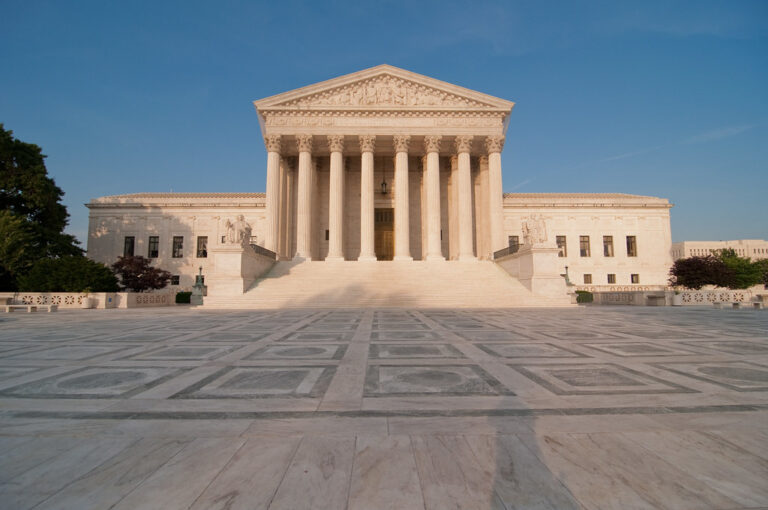
The Justice Department once drew top law graduates like a magnet. Now it’s losing thousands of attorneys, investigators, and paralegals. Since mid-2021, nearly 5,500 people left the DOJ through resignations, firings, or buyouts. In response, U.S. attorneys’ offices have begged the public to apply for DOJ jobs. This shift marks a dramatic drop in DOJ hiring appeal during the current administration.

Why DOJ hiring is dropping

Several factors explain the DOJ hiring slump. First, many civil rights attorneys resigned after policy changes. These departures drained about 600 lawyers from that division alone. Next, prosecutors who handled January 6 cases or supported special counsels left under pressure. Some refused to pursue weak political cases and stepped down.

Moreover, top law schools—once pipelines to the DOJ—now see few applicants. A former law dean said almost no graduates apply for DOJ roles. That contrast feels startling. Just a few years ago, spots at the DOJ were fiercely competitive. Today, some offices are still 50 to 90 positions short. For example, the U.S. attorney in Washington, D.C., admitted her team is down dozens of prosecutors and investigators. To fill gaps, she publicly urged viewers to join the DOJ.

Effects of DOJ hiring shortfalls

The loss of so many attorneys has ripple effects. First, case backlogs grow longer. Courts see delays in civil rights suits, public corruption probes, and criminal trials. Next, morale among remaining staff has dropped. Heavy workloads and uncertainty drive more people away.

In addition, the DOJ’s reputation as a nonpartisan guardian of the law is at risk. When hiring favors political allies or activists, critics claim fairness suffers. Reports suggest the administration leans toward applicants with Republican ties or work at right-wing groups. While no official hiring blacklist exists, some fear the DOJ now values political loyalty over legal skill. As a result, potential recruits hesitate to apply, fearing a politicized workplace.

Potential fixes for DOJ hiring drought

Leaders at the DOJ can take steps to revive recruiting. For example, restoring merit-based hiring practices could attract top talent. If politics play a smaller role, law students may view DOJ hiring as a stable career path again.

Additionally, offering incentives such as sign-on bonuses or student loan help could lure new attorneys. Other agencies use these perks to fill hard-to-staff roles. The DOJ could follow their lead and highlight career growth, public service benefits, and work-life balance.

Finally, rebuilding ties with top law schools can reopen recruitment channels. DOJ leaders might visit campus career fairs and offer clerkships or internships. By showing a renewed commitment to fair hiring, the department can rebuild trust and draw back the talent it lost.

Conclusion

The DOJ hiring crisis stems from mass departures, politicized recruiting, and a fading reputation among top law graduates. Delays in important cases and low staff morale underscore the urgency. However, a renewed focus on merit, incentives, and law school partnerships could reverse this trend. Ultimately, restoring the DOJ’s appeal will require clear, nonpartisan hiring policies and active outreach to the legal community.

FAQs

What is causing the DOJ hiring problems?

Many attorneys left over policy disputes, firings, or buyouts. Civil rights lawyers and January 6 prosecutors led the exits. Political hiring shifts also discouraged new applicants.

Why are top law graduates avoiding the DOJ?

Students now see fewer merit-based opportunities. They worry that politics, not legal skill, drive hiring. Without strong campus recruiting, they choose other careers.

How many staff members have left the DOJ?

Since mid-2021, about 5,500 employees resigned, were fired, or took buyouts. The civil rights division lost around 600 people, and U.S. attorneys’ offices report dozens of open posts.

What steps can improve DOJ hiring?

Rebuilding merit-based hiring, offering bonuses and loan help, and renewing law school outreach can boost applications. Clear, nonpartisan policies will restore confidence.