59 F
San Francisco
Tuesday, April 14, 2026
Home Blog Page 254

Trump’s Supreme Court Threats Alarm Nation

0

Key Takeaways

• Former President Trump fired off late-night messages threatening the Supreme Court.
• He claimed a negative tariff ruling could cost the U.S. over $3 trillion.
• Trump warned of an “insurmountable national security event.”
• He then urged a troop deployment to curb crime in Chicago’s Miracle Mile.

Trump’s Late-Night Supreme Court Threats

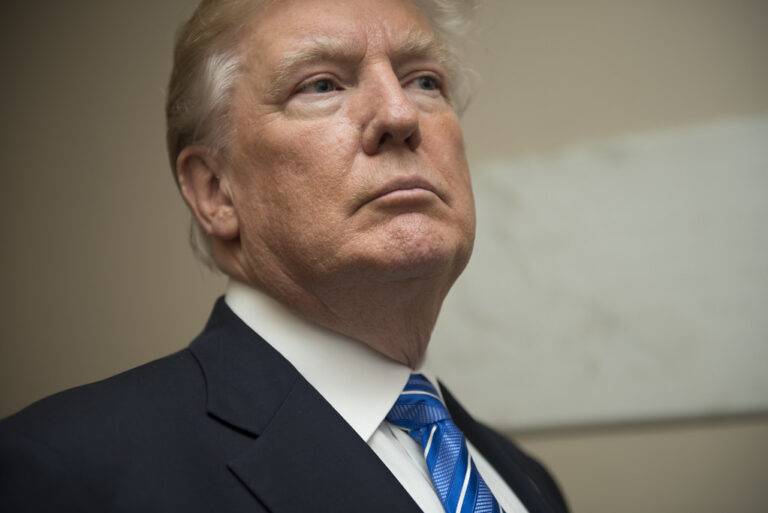
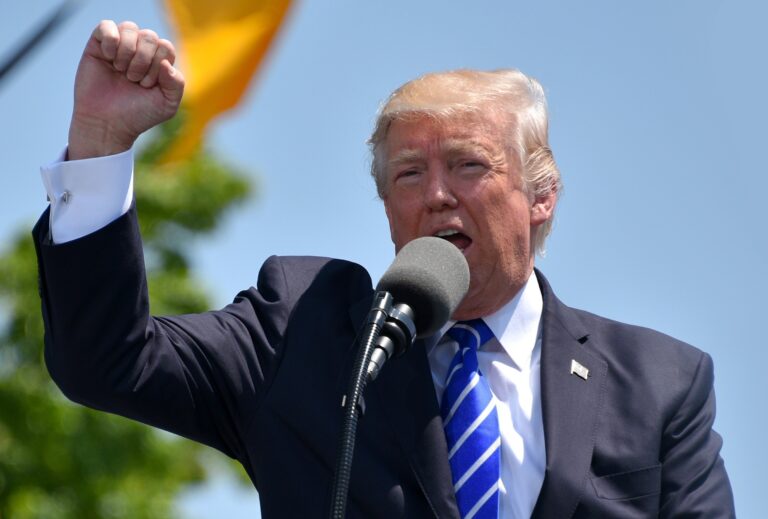
Former President Donald Trump spent the dark hours posting on Truth Social. His messages aimed veiled warnings at the Supreme Court. He urged justices to consider dire economic risks. Then he pivoted to call for troops in Chicago. His moves have stirred fresh debate over presidential pressure on the courts.

Why Trump Turned on the Supreme Court

Trump faces a legal fight over his power to impose tariffs without congressional approval. He fears the Supreme Court might rule against him. Previously, he said losing would force him to repay $2 trillion. Late at night, he jumped that figure to $3 trillion. He claimed this higher total could cripple the nation.

What Trump’s Supreme Court Threats Mean

Supreme Court threats from a former president are almost unheard of. Yet, Trump framed his warning as a defense of national security. He argued that undoing his tariff plans would risk an “insurmountable national security event.” Moreover, he claimed no recovery could cover such losses.

Trump’s Posts on Truth Social

In a late-night post, Trump wrote that the court had “been given the wrong numbers.” He insisted that unwinding his tariffs, including all investments and fund returns, would exceed $3 trillion. Then, in dramatic fashion, he warned that such a blow would be “devastating to the future of our Country – Possibly non-sustainable!”

Furthermore, he subtly reminded followers that courts must consider the full impact of their rulings. He made clear he expects the Supreme Court to factor in economic and security consequences.

A Shift to Chicago Crackdown

Shortly after, Trump turned his attention to Chicago. He misnamed the city’s iconic Magnificent Mile as the “Miracle Mile Shopping Center.” He noted a 28 percent vacancy rate among its shops. Then he demanded, “CALL IN THE TROOPS, FAST, BEFORE IT IS TOO LATE!”

Trump’s move to involve the military in local policing stunned many. However, he argued that violent crime in Chicago endangers Americans and local businesses. He painted a picture of a city on the brink and urged immediate action.

Economic Stakes and the $3 Trillion Warning

At the heart of Trump’s Supreme Court threats lies the economic fallout from his tariff push. He claims that U.S. industries and investors poured money into his trade policies. Undoing those policies, he warns, could trigger massive losses. Moreover, he insists that a financial shock of this size would ripple through markets and weaken national defenses.

National Security on the Line

Trump framed the possible court decision as a threat to national security. He stated that reduced revenues from tariffs would limit funding for defense and border security. Therefore, he argued, the Supreme Court must weigh more than legal questions. They must consider the survival of the nation.

Legal Experts Push Back

Legal analysts point out that no court has ever backed down under such public pressure. They note that justices value their independence above all. Furthermore, they say economic impact alone cannot override law. Yet, Trump’s Supreme Court threats draw attention to the delicate balance between branches of government.

The Supreme Court, of course, must decide based on the Constitution. It must interpret whether Trump exceeded his authority. Courts typically avoid political influence, focusing on legal precedent instead.

Political Reactions and Fallout

Republican leaders offered mixed reactions. Some urged restraint, warning that public threats could erode trust in the judiciary. Others backed Trump’s call to defend American industries. Meanwhile, Democrats expressed alarm. They argued that courts must remain free from threats and intimidation.

In Chicago, the mayor rejected the idea of federal troops patrolling city streets. She insisted that local police can handle crime with proper funding. However, Trump’s mention of Chicago keeps the debate alive about federal intervention in city policing.

Following the Supreme Court Threats

Now, all eyes turn to the Supreme Court’s upcoming decision. Will justices heed the warnings etched in Trump’s posts? Or will they rule purely on legal grounds?

While the court prepares its ruling, political tensions are rising. Trump’s Supreme Court threats highlight a growing battle over executive power. Moreover, they underscore the risks when leaders pressure the judiciary.

Looking Ahead

As the nation waits, several outcomes remain possible:

• The court could side with Trump and uphold his tariff powers. In that case, he may claim victory and dial back his warnings.
• The court may reject his claims, forcing him to either repay funds or drop the issue.
• Prolonged legal fights could follow, further straining the economy and national unity.

Meanwhile, Trump’s Chicago demands will continue to spark debate on federal roles in local law enforcement. Ultimately, these late-night messages may shape political battles well beyond the courtrooms.

FAQs

What prompted Trump’s warnings to the Supreme Court?

He is fighting a case over his power to impose tariffs. He claims a negative ruling could cost over $3 trillion and harm national security.

Could a court decision really cost $3 trillion?

Experts doubt losses would reach that level. However, Trump argues the full economic fallout, including investments and returns, could hit those sums.

Why did Trump call for troops in Chicago?

He cited rising crime and high shop vacancies in the “Miracle Mile.” He urged rapid federal intervention to restore safety.

Do Supreme Court threats work?

Historically, the court guards its independence and resists external pressure. Justices focus on legal principles rather than political warnings.

Trump Lies Exposed: How Reality Clashes with His Claims

0

Key Takeaways

  • President Trump repeatedly claimed that prices fell under his watch.
  • A CNN fact checker proved his statements false.
  • Grocery, gas, and prescription drug costs all rose since January.
  • Inflation remains around 3 percent, not “almost nonexistent.”
  • Fact checking helps hold leaders accountable for the truth.

Trump Lies Revealed in a Week of False Economic Claims

Over one week, President Trump claimed prices have plunged across the board. He insisted groceries, gas, and drug costs are much lower now. Yet official data shows they have all climbed. Fact checker Daniel Dale documented each false statement. In turn, many Americans felt confused and misled. This article examines key examples of Trump lies and explains why accuracy matters.

How Trump Lies on Prices Compare to Data

First, the president said “every price is down” under his leadership. However, the consumer price index rose by 1.7 percent since January. Moreover, he claimed inflation is “almost nonexistent,” though it has stayed near three percent. Next, he asserted groceries have fallen sharply, but food costs rose 1.4 percent over nine months. Even more striking, he boasted prescription drug prices dropped by impossible margins like “1,200 percent.” Finally, he declared gas prices plummeted to the lowest in two decades, though the average remains above three dollars per gallon.

False Claims on Overall Inflation

President Trump told audiences that inflation is nearly gone. He said it dropped to two percent. Yet government figures show it hovered around three percent this year. Therefore, his message clashed directly with official updates. Inflation affects every household’s budget, from rent to utilities. When leaders make false claims, they risk eroding public trust. Fact checking corrects the record and helps voters make informed decisions.

Groceries Myths and Misinformation

During public events, Trump insisted grocery prices fell “substantially.” He even said items cost far less now than under President Biden. In reality, grocery bills climbed steadily since January. Popular staples like bread, meat, and produce all cost more. Shoppers have felt these increases on every trip to the store. By ignoring honest data, the president spread confusion. As a result, families may hold unrealistic expectations about their budgets.

Gas and Drug Price Exaggerations

Gas prices became another target of Trump lies. He claimed they sank to the lowest level in twenty years. Yet the national average hovers around three dollars per gallon. Similarly, he made absurd promises about drug prices. He joked about cutting prescription costs by “1,200 percent,” a mathematical impossibility. These statements built a false narrative. Meanwhile, drivers and patients face real costs that keep climbing. Fact checking reveals the truth behind such misleading claims.

Why Fact Checking Matters

Accurate information is vital for a healthy democracy. When leaders spread falsehoods, citizens cannot make sound choices. Moreover, false claims on prices can affect markets and consumer behavior. Reporters like Daniel Dale play a key role. They investigate statements, compare them to data, and highlight errors. As a result, news outlets can correct public misunderstandings quickly. In the long run, this practice helps restore trust in both the media and elected officials.

What This Means for Public Trust

Repeated false statements can erode confidence in leadership. When citizens doubt official reports, they may question all sources. This cycle of doubt can harm civic engagement and policy support. On the other hand, holding public figures accountable encourages honesty. Thus, voters can reward truthfulness at the ballot box. Moving forward, transparent communication should remain a top priority for every public office.

Conclusion

President Trump’s week of false economic claims shows how easily misinformation can spread. By contradicting official data on inflation, groceries, gas, and drugs, he misled millions. Thankfully, dedicated fact checkers corrected the record. In turn, readers can rely on accurate information to shape their views. As citizens, we all benefit when public debate rests on facts rather than fiction.

Frequently Asked Questions

What evidence disproves the claim that “every price is down”?

Official consumer price index data shows a 1.7 percent rise since January. Key categories like food, energy, and housing all increased.

How high has inflation been this year?

Inflation has stayed close to three percent. This rate reflects the average change in consumer goods and services costs.

Did grocery prices really drop under the current administration?

No. Grocery costs rose by about 1.4 percent between January and September. This increase affected common items such as dairy, meat, and produce.

Why are accurate economic statements important?

Honest reporting of prices and inflation helps families plan their budgets. It also guides policy decisions and maintains trust in leadership.

Could Trump Use Military Deployment in Cities?

0


Key Takeaways:

  • Trump’s lawyers told the Supreme Court the president could send active duty troops to enforce immigration laws.
  • They argued active duty military officers could handle violent resistance better than the National Guard.
  • Critics say using the regular military for domestic law enforcement could break the Constitution.
  • Tens of thousands of migrants were detained so far under the Trump administration’s raids.
  • Legal experts and courts are weighing whether such military deployment is lawful.

Understanding Military Deployment Under Trump

President Trump and his team are in a heated debate over whether active duty troops can enforce immigration laws on U.S. soil. In recent Supreme Court arguments, Solicitor General D. John Sauer said that “the standing military was undoubtedly an available option.” He meant that instead of calling the National Guard, the president could have sent the regular military. This idea of using military deployment inside cities has sparked major concern and legal battles.

First, it is important to know what military deployment means. In this context, military deployment refers to sending U.S. soldiers into American cities to carry out law enforcement actions. Usually, the National Guard handles hometown emergencies and civil disturbances. But the Trump team argued that active duty forces could also step in during an “insurrection” or to enforce federal immigration laws.

Why the Trump Team Suggested Active Duty Troops

The administration faced growing challenges with violent resistance during immigration raids. Tens of thousands of migrants were detained across many states. Some local protests and clashes with immigration officers made the situation more tense. In court, lawyers said regular soldiers could have quelled violent resistance more effectively than Guard units. They stated that military deployment could have prevented property damage and kept officers safer.

Moreover, President Trump has repeatedly claimed that he has unlimited authority to deploy the military for domestic law enforcement. He argued this power stems from his role as commander in chief. However, legal experts point out that the Constitution and federal law set strict limits on this authority.

Legal Battles over Military Deployment

Currently, courts are deciding if the immigration raids themselves are lawful. Meanwhile, Trump’s lawyers face the even bigger issue of justifying a domestic military deployment. Federal law allows a president to use active duty troops during genuine insurrections or when the country faces a serious threat. Yet, the administration has struggled to prove that the raids meet those conditions.

In the Supreme Court, Solicitor General Sauer told justices that active duty troops were a “viable option” to support federal immigration officers. He argued there is historical precedent for sending the regular military to quell large-scale disturbances. Furthermore, he claimed that choosing the National Guard over active duty soldiers was simply a policy decision, not a legal requirement.

However, opponents argue that using the military for routine law enforcement violates the Posse Comitatus Act. This law bans the use of federal troops to enforce domestic policies, unless Congress approves. They also warn that deploying troops in cities could scare immigrants and raise fears of a military state.

What the Constitution Says

The U.S. Constitution gives the president power to call forth the militia and the military in certain cases. Article I, Section 8, and the Insurrection Act allow a president to respond to domestic unrest. But those powers are narrow. The Insurrection Act requires either a call from a state governor or a declaration that federal law is obstructed.

As Sauer acknowledged, there is “a strong tradition in this country of favoring the use of the militia rather than the standing military to quell domestic disturbances.” In other words, the National Guard should usually handle homefront emergencies. Only in rare, grave situations should the active duty military step in. Even then, most experts say the president must meet high legal standards.

Moreover, several Supreme Court decisions have underscored the importance of civilian control and checks and balances. They warn against unchecked presidential power. If courts allow broad military deployment for everyday law enforcement, they risk eroding civil liberties.

Possible Impact on Cities and Communities

If the Supreme Court sides with Trump’s argument, cities might see active duty soldiers patrolling streets alongside Border Patrol agents. That could change how communities feel about federal enforcement. Immigrants and many U.S. citizens might feel intimidated by armed troops in city centers.

Furthermore, local police departments often work with the National Guard during major events or disasters. They receive specialized training to blend in with civilian law enforcement. Active duty soldiers, on the other hand, train for combat, not crowd control or community policing. This mismatch could lead to wrongful arrests, use of excessive force, and heightened tensions.

On the other hand, supporters of military deployment say active duty troops bring advanced training and resources. They believe soldiers could process detainees faster, secure perimeters better, and provide medical aid when needed. In their view, this approach could make operations safer and more efficient.

However, many experts caution that the potential gains do not outweigh the risks to constitutional order and public trust. They fear citizens will view the government as overly militarized. As a result, people might resist cooperation with law enforcement, creating a cycle of mistrust.

Transitioning from National Guard to active duty military officers also raises logistical issues. Troops need housing, equipment, and clear rules of engagement. Command structures differ between the Guard and the regular military. Without careful planning, these differences could hamper operations and put both soldiers and civilians at risk.

In Addition, the political fallout could be severe. Elected officials in states like Illinois and California have openly condemned the idea. They say they will challenge any attempt to bypass their governors. Legal fights could drag on for months or years, leaving communities in limbo.

Conclusion

The debate over military deployment in American cities centers on big questions: How far can a president go to enforce federal laws? What balance should exist between national security and individual rights? As the Supreme Court hears arguments, millions are watching to see if active duty troops will ever march on U.S. streets. The decision will shape the future of domestic law enforcement, presidential power, and community trust.

FAQs

What is military deployment in this context?

Military deployment refers to sending active duty soldiers into U.S. cities to assist or carry out law enforcement tasks. It differs from using the National Guard, which usually handles domestic emergencies.

Can the president legally deploy troops on American soil?

The president can deploy troops under the Insurrection Act if a state’s government requests help or if there is an obstruction of federal laws. But broad use for ordinary law enforcement is restricted by the Posse Comitatus Act.

Why did Trump’s lawyers mention active duty military?

They argued that regular soldiers could control violent resistance during immigration raids more effectively than the National Guard. They claimed this was a lawful option approved by history.

How could military deployment affect communities?

Active duty soldiers are trained for combat, not community policing. Their presence might intimidate residents, increase tension, and raise concerns about civil rights.

Who’s really running the White House?

Key Takeaways

  • A Democratic strategist questions who is really running the White House
  • President Trump fell asleep for 20 minutes at a recent press conference
  • He seemed unaware of bills during public signings
  • Stephen Miller used “I” statements, raising more questions about power
  • Americans deserve clear answers about who holds real authority

On a recent podcast, Symone Sanders Townsend asked a bold question. She wondered if President Trump still runs the White House. During the talk, she noted odd moments that made her doubt who holds real power. When the president fell asleep for 20 minutes, she said it could not be an isolated case. She then asked who makes the big calls when the president naps.

Signs Trump may not be running the White House

At a press conference, President Trump closed his eyes and drifted off. Journalists watched as aides tried not to stare. That scene made Sanders Townsend question if advisors take the lead when he sleeps. In public bill-signing events, things looked just as strange. Trump seemed unsure about the bills he was asked to sign. He asked aides to explain details, as if he saw them for the first time. These moments made many viewers wonder who is really running the White House.

Questions about running the White House

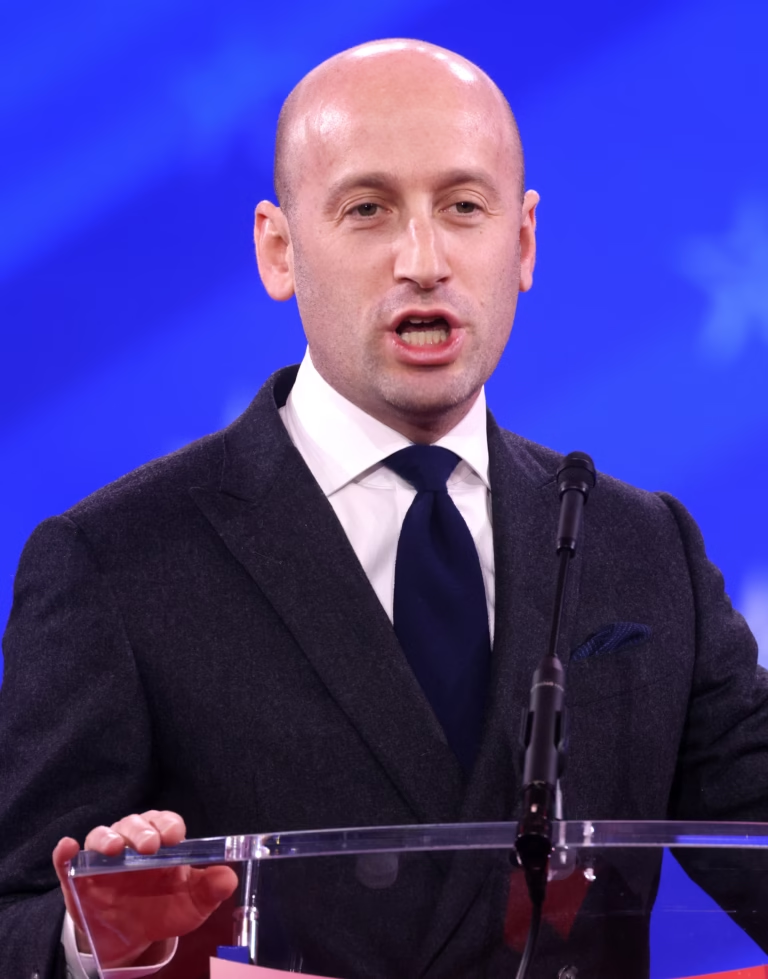
Sanders Townsend highlighted another curious sign. Senior adviser Stephen Miller spoke to reporters and used “I” and “we” a lot. She said White House staff should refer to “the President” or “the Vice President.” That language shift implied Miller and others might act on their own. She asked if Miller really decides on strike force teams. If so, she wondered how aware the president is of these choices. Moreover, she questioned who signs off on executive orders behind the scenes.

Who makes decisions in the West Wing?

The White House is a giant machine with many moving parts. Usually, the president gives clear orders. Then, aides and staff carry them out. However, recent events suggest a different story. Trump’s doze at a press conference, confusion at bill signings, and staff “I” statements all add up. As a result, Americans wonder who sits in the driver’s seat. Are senior advisers drafting policies and issuing orders? Or does Trump still hold the pen on major issues?

Why this matters to Americans

Citizens need to know who leads at the highest level. Democracy works best when power is clear and accountable. If Trump sleeps through events, someone else must answer tough questions. Voters deserve to know if those people act for the president or on their own. Furthermore, world leaders watch for consistency and strong leadership. Ambiguity at the top can lead to policy confusion at home and abroad. Therefore, calls for transparency grow louder each day.

What could come next?

Sanders Townsend’s remarks will likely spark more debate. Journalists may press the White House on who writes policies. Lawmakers might demand briefings on key decisions. Meanwhile, political rivals will use this topic in campaigns. They will ask voters to consider if the president can handle the job. If public concern grows, aides may put out statements. They could show that Trump still approves every major step.

Toward clearer leadership

Transparent leadership boosts public trust. When Americans see the president fully engaged, they feel assured. They know that the person they elected guides the nation. If doubt creeps in, trust erodes. Clear answers about decision making can mend that trust. The White House might release schedules or insider details. They could prove Trump’s direct involvement in policy and strategy.

The role of advisors

In any administration, advisers play a key part. They craft memos, offer counsel, and shape speeches. However, they should not overshadow the president. If advisers start making bold choices on their own, the balance of power shifts. That can undermine voter confidence. Moreover, it blurs accountability. If something goes wrong, people point fingers instead of finding solutions. Clear lines of authority help avoid that confusion.

Moving forward

The podcast episode brought a hot topic into the spotlight. Questions about who is running the White House remain unanswered. Yet, one thing is sure: voters and the media will keep asking. The White House will face pressure to clarify roles and routines. Meanwhile, Americans will watch news conferences and public events for signs of who leads. In the end, transparency and direct leadership may be the best way to restore confidence.

Frequently Asked Questions

How often has the president fallen asleep during events?

Reports point to the recent incident where he napped for twenty minutes during a press conference. Other instances have drawn less public attention.

What do “I” statements from staff imply?

When advisers use “I” instead of referring to the president, it can hint they act on their own authority over policy decisions.

Why does staff language matter to the public?

Language reveals power. Clear references to the president show who makes choices. Confusing language can erode trust in leadership.

What can the White House do to clear up confusion?

They can share details on decision making, confirm which policies the president approves, and maintain consistent language about roles.

Trump Heaven Doubts Spark Feud


Key Takeaways

• President Trump mocked a New York Times reporter over a story about his “heaven-bound” comments.
• The Times story by Peter Baker questioned Trump’s thoughts on mortality.
• Trump insisted he was joking and called Baker an Obama supporter.
• Laura Ingraham pressed Trump on Christian beliefs about forgiveness.
• The exchange highlights Trump’s playful tone and ongoing media scrutiny.

Trump Heaven Doubts Take Center Stage

President Donald Trump sparked fresh debate when he joked about whether he will get into heaven. He spoke with Fox News host Laura Ingraham, and quickly turned the conversation into a feud with a New York Times reporter. The reporter, Peter Baker, wrote a front-page story saying Trump’s comment raised questions about his view on life and death. But Trump defended his words and attacked Baker’s credentials. This clash shows how even personal remarks by Trump can become major news.

Why Trump Heaven Comments Matter

Trump’s brief remark—“I’m not sure I’m going to be able to make heaven”—reached millions. As a political figure, every comment he makes goes under a microscope. Moreover, the public often worries about a leader’s state of mind. Therefore, when Trump spoke about heaven, it did more than amuse. It touched on deep themes of faith, forgiveness, and legacy.

Several reasons explain why these comments drew such attention:

• Leader’s Mental State: People want to know how Trump views mortality.
• Faith in Politics: Christians make up a large part of Trump’s base.
• Media Reaction: The New York Times framed the comments as serious.
• Political Strategy: Trump often uses humor to deflect tough questions.

Trump’s Reaction to the Times Story

During the Fox News interview, Trump blasted the New York Times for giving top billing to his heaven doubts. He went after Peter Baker, labeling him an Obama loyalist who once wrote a flattering book about Barack Obama. Trump claimed the Times twisted his words. He said, “I was having fun,” and argued that the outlet made a big deal out of a joke. In addition, he accused the reporter of bias, saying Baker treated Obama like a hero. Meanwhile, Trump maintained that the story about his spiritual doubts was overblown.

This reaction shows how Trump uses humor and attacks to regain control of the narrative. By mocking the reporter, he turned the focus back to the media’s coverage rather than his own words.

The Role of Faith in the Discussion

Faith plays a key role in this story. Laura Ingraham, herself a devout Christian, pressed Trump on why he doubted salvation. She reminded him that Christians believe Christ forgives sins. Trump replied that he was only kidding. Yet his remark still sparked talk about faith and leadership. Some Christians felt uneasy hearing their president question his own salvation. Conversely, others brushed it off as typical Trump humor.

In practical terms, this debate underscores a tension:

• Political Image vs. Personal Belief: Trump builds his brand on strength and certainty. Yet here he sounded unsure.
• Media Framing vs. Humor: The press framed it as a serious moment, while Trump said it was a joke.
• Voter Concerns: Some voters worry about a leader’s personal beliefs, especially on matters of life and death.

Analyzing Trump Heaven Remarks

To understand the impact, consider these points:

1. Context Matters: Trump made the comments while boarding Air Force One. He spoke to reporters in a casual setting.
2. Media Lens: The New York Times placed the story on its front page. That gave it extra weight.
3. Public Reaction: Social media lit up with memes, jokes, and serious debates. Some defended Trump. Others criticized him.
4. Political Consequences: Opponents may use these comments to question his gravitas. Supporters may see it as harmless fun.

Trump’s strategy often relies on shifting attention. By criticizing the Times, he redirected the conversation. Now, instead of focusing on whether he fears death, the news cycle focuses on media bias.

Lessons from the Feud

This episode offers lessons for readers and leaders alike:
• Be Aware of Context: Offhand remarks can become headlines.
• Expect the Unexpected: Even a joke can spark a news story.
• Media Power: Major outlets can shape public perception with a single story.
• Communication Style: Humor can be risky for public figures.

Trump Heaven in Public Discourse

The “Trump Heaven” debate reflects how personal beliefs become political. In modern politics, faith and public image are deeply linked. Leaders must balance personal authenticity with public expectations. Trump’s willingness to joke about heaven shows his unpredictable style. Yet it also highlights how media coverage can amplify every word.

Moreover, this feud illustrates a broader trend. Politicians often use media interviews to score points. They attack critics to rally supporters. In this case, Trump targeted a respected reporter to undermine the story’s impact. And indeed, many of his followers saw the Times coverage as unfair.

What Comes Next?

Looking ahead, this issue may fade quickly from the headlines. Trump’s political calendar remains crowded. He will face questions on policy, elections, and other controversies. Nevertheless, the “Trump Heaven” moment may resurface if similar comments arise. It also sets a precedent: any personal reflection from Trump can turn into a major story.

For now, the feud between Trump and the New York Times continues. Each camp accuses the other of bias and spin. The public remains divided, with some focusing on the joke and others on the deeper meaning. In the end, the “Trump Heaven” debate is a reminder of the power of words—and how a single line can spark a full-blown media war.

FAQs

What exactly did Trump say about getting into heaven?

He told reporters aboard Air Force One, “I don’t think there’s anything going to get me in heaven…I’m not sure I’m going to be able to make heaven.” He later said he was joking.

Why did the New York Times report on these comments?

A reporter argued that Trump’s remark raised questions about his views on mortality and faith. They placed the story on their front page to highlight its significance.

How did Trump respond to the Times story?

He mocked the reporter, Peter Baker, calling him an Obama supporter. Trump insisted the heaven remark was made in fun and accused the paper of bias.

Did Laura Ingraham challenge Trump on his faith?

Yes. She reminded him of Christian beliefs that Christ forgives sins. Trump replied again that he was joking and downplayed the seriousness of his comment.

Why the Media Ignores Trump Mental Decline

0

Key Takeaways

  • Major news outlets rarely discuss Trump mental decline, even as his odd behavior grows.
  • Four core reasons explain the silence: it seems familiar, lacks hard proof, sparks legal fears, and isn’t a top priority.
  • Ignoring this issue may affect public trust in media and democracy.
  • Understanding these reasons can help readers demand better coverage.

Over the last month, many odd moments have raised alarms about Trump mental decline. For example, he shared a fake satirical claim about Obama collecting Obamacare royalties. He called “affordability” a new word, then labeled it a “con job.” He bragged endlessly about lavish remodels of the White House and Kennedy Center. He mixed up IQ tests with dementia screens, and confused Iran with India. Despite these bizarre acts, the big news channels stay quiet. Why do they ignore Trump mental decline?

Main Reasons the Media Ignores Trump Mental Decline

They Say There’s No Change in His Behavior
Many reporters say Trump mental decline isn’t new. They argue he’s always been wild and unpredictable. Indeed, his tweets have long jumped off facts and spun strange stories. To these journalists, his recent slips look as familiar as ever. If there’s no clear shift, they claim there’s nothing fresh to report. Thus, they stick to covering policy fights, court cases, and rallies.

They Can’t Prove a Decline with Hard Evidence

A second reason is proof. While anecdotes of odd moments pile up, few medical experts will diagnose someone without an in-person evaluation. Media outlets fear defamation lawsuits if they publish unverified claims. They believe they need a smoking-gun moment or a leaked memo from a White House doctor. Until then, they see talk of Trump mental decline as ungrounded rumor.

Media Owners Fear Legal and Political Backlash

Third, bosses at major media companies worry about Trump’s legal muscle. He has sued news outlets for defamation and settled on harsh terms. He also wields power through regulators like the Federal Communications Commission and the Federal Trade Commission. Owners fear fines, license threats, or aggressive investigations. For them, avoiding stories about Trump mental decline is a safer route.

Journalists Have Other Priorities

Finally, reporters face deadlines and a flood of news. They cover wars, elections, Supreme Court decisions, and economic shifts. They may see Trump mental decline as a side issue, or too risky to tackle. Some worry readers will think they are biased or sensationalist. As a result, they focus on topics that draw clicks and fit editorial plans.

Past Behavior Hides His Newest Slips

Because Trump mental decline resembles his usual style, it slips under the radar. Media veterans have seen his off-script moments for years. When he learns new bizarre details about imaginary wars or calls advisers “very nice gentlemen” without naming them, they may shrug. They assume that odd tangents are part of his normal routine. Rather than treat each slip as fresh evidence, they treat it as routine theater.

The Elusive Standard of Proof

News outlets demand evidence. They look for medical records, expert testimony, or a public meltdown. Without those, they shy away from serious coverage. Medical experts follow ethical rules: diagnosing dementia without a full exam is taboo. Journalists, in turn, fear lawsuits. If they report “Trump mental decline” without rock-solid proof, they face retraction risks and legal battles. This high bar stops many from writing about it.

Legal Fears at the Top

Major networks rely on parent companies with billions on the line. Trump can attack them for unfair coverage or bias. Even if these threats lack merit, executives want to avoid costly legal fees and bad headlines. They also worry about regulatory pressure. A hostile administration can slow mergers, block licensing deals, or open new probes. So they steer clear of stories on Trump mental decline, even if journalists want to cover it.

Journalists’ Reluctance to Rock the Boat

Even on the newsroom floor, reporters self-censor. They know bosses would rather run stories on policy or campaign strategies. They fear ostracism for pushing “too much Trump bashing.” Plus, some editors believe audiences are tired of Trump. They think new angles must be both fresh and concrete. Reports on Trump mental decline feel speculative and risky. Therefore, they drop the topic.

Why Covering Mental Health Matters

Ignoring clear mental health questions in a president or ex-president risks democracy. Voters deserve honest reports on a candidate’s fitness for office. If media hide serious concerns, the public cannot make informed choices. Moreover, sidestepping this story undermines trust in journalism. Audiences sense when big issues are glazed over. Covering Trump mental decline could strengthen media credibility by showing they tackle hard topics.

What Needs to Change

To break this silence, media must adjust standards. They could cite expert opinions on known behavior patterns and memory tests. They might report on public records from White House doctors or highlight credible whistle-blower accounts. They can also run feature pieces exploring how odd comments reflect deeper issues. By framing the topic as public interest, not opinion, they can cover Trump mental decline responsibly.

How Readers Can Push for Better Coverage

Readers have power. They can write to editors and demand articles on this issue. They can share op-eds that explore Trump mental decline with solid evidence. Social media campaigns can pressure news outlets to cover mental health topics in politics. Sustained reader interest may shift editorial priorities and break the wall of silence.

Conclusion

Trump’s strange claims and confused stories have piled up. Yet the media mostly look the other way. They argue that his odd behavior is nothing new, that proof is missing, that legal risks loom, and that other news takes priority. But the public deserves clear reporting on any serious mental issues in political leaders. It is time for media outlets to face the challenge and shed light on Trump mental decline.

Frequently Asked Questions

Why do media outlets demand proof before reporting mental decline?

They want to avoid defamation claims and need credible evidence. Reports on mental health can be risky without medical evaluations or expert testimony.

Could covering Trump’s behavior harm journalistic credibility?

If done without solid facts, yes. But responsible reporting—citing experts and clear examples—can strengthen trust by showing willingness to tackle tough topics.

Is fear of lawsuits really a big factor?

Yes. Trump has a history of suing media organizations. Even baseless threats can cost millions in legal fees and damage reputations.

How can readers influence news coverage on this issue?

By writing letters, sharing credible analyses, and engaging editors on social media, readers can push outlets to take the topic seriously.

Why Democrats Are Fighting for Obamacare Subsidies

0

Key Takeaways

  • Representative Brendan Boyle rejects the Senate deal for lacking Obamacare subsidies.
  • House and Senate Democrats stand united against health care cuts.
  • The agreement is a nonbinding promise, not a real law.
  • Democrats vow to keep fighting to protect low-income families.

Democrats Gear Up for Obamacare Subsidies Battle

Representative Brendan Boyle made headlines when he vehemently opposed the recent Senate deal. His main gripe was that the agreement offered no guarantee for restoring Obamacare subsidies. The subsidies help millions pay for health insurance under the Affordable Care Act. Without them, many could lose access to affordable care.

In a live interview, Boyle said the plan to extend food assistance and reverse certain firings simply did not address the health care crisis. He called it a “pinky promise” from Senate leaders, not a binding legislative fix. As a result, he stands firm in his “hell no” stance.

Senate Deal Leaves Obamacare Subsidies Hanging

What exactly is in the Senate deal? First, it would reopen federal funding for nutrition programs. Next, it would undo some recent staff cuts to a federal agency. However, it does nothing to secure those vital subsidies that keep health plan costs low. For that reason, Boyle and many House Democrats see the deal as incomplete.

Moreover, Boyle highlighted the suffering of everyday Americans. He mentioned families waiting in food lines, workers missing paychecks, and people unsure how they will pay bills. Most of all, he worried about those who might skip Thanksgiving meals because of added medical costs.

Why Obamacare Subsidies Matter

Obamacare subsidies lower monthly premiums for those who earn between certain income levels. This financial help makes it possible for many to buy health insurance. Without subsidies, some would face monthly bills they simply cannot afford. Consequently, they could drop coverage or avoid needed care.

Furthermore, advocates point out that losing these subsidies would hit rural areas and poorer communities the hardest. Hospitals in small towns rely on insured patients to stay afloat. In contrast, lack of coverage can force patients to delay care, worsening their conditions and driving up long-term costs.

Boyle argued that Democrats are the only party truly fighting to save these payments. Therefore, he pressed his colleagues to stay united until lawmakers pass a real fix.

Why Democrats Reject the Shutdown Deal

From Boyle’s view, agreeing to a partial fix only lets Republicans off the hook. He praised unity among House Democrats, who all oppose the health care cuts. He also noted that most Republicans in Congress originally backed the cuts. Thus, it falls on Republicans to reverse their own policies.

Democrats say that if lawmakers fail to restore Obamacare subsidies, millions could see their monthly costs rise by hundreds of dollars. Considering that many families already struggle with rent and utility bills, such an increase could force them to choose between care and essentials.

Furthermore, Boyle stressed that the deal is not a law. It only promises a future vote on the issue. That promise might never materialize. Hence, Boyle and his allies want Congress to insert subsidy protections directly into law.

The Role of Republican Lawmakers

While Democrats rally together, Republicans find themselves divided. Some GOP senators agreed to the broader package to reopen parts of government. Others fear that any link to Obamacare will alienate their conservative base.

In addition, Senate Majority Leader John Thune called the subsidy vote a priority. Yet he offered no timeline or guarantee. This vague commitment fuels Democratic distrust.

Meanwhile, a vocal group of rank-and-file Republicans still push for deeper cuts to the subsidies. They argue that slashing costs will reduce budget deficits. Critics of that view point out that removing subsidies would actually increase costs for hospitals and families. This debate shows why Democrats feel the need to stay firm.

What’s Next for the Health Care Fight?

Going forward, Democrats will push for a standalone bill to restore the subsidies. They plan to attach it to must-pass legislation, like a budget bill or a debt ceiling increase. By doing so, they force lawmakers to address the issue head-on.

In the House, representatives are drafting language to guarantee the subsidies for at least two years. They will also seek to fund the payments retroactively, covering the gap created by the Senate deal.

Moreover, activists and advocacy groups are gearing up to pressure senators. They aim to flood offices with calls and emails, demanding a real vote. Polls show that most Americans support keeping the subsidies intact, giving Democrats more leverage.

However, time is short. The current funding for Obamacare subsidies could run out soon. If Congress fails to act, a new health care crisis could unfold right before the holidays.

Unity and Strategy in the Democratic Camp

Despite frustration over the piecemeal deal, Democrats have found strength in solidarity. Boyle told viewers that every House Democrat opposes the cuts. He also said most Senate Democrats share the same view. This unity informs their strategy.

First, they will use every procedural tool available to force votes. Second, they will highlight real stories of families hurt by subsidy loss. Third, they will link Republican lawmakers to unpopular cuts, hoping to sway public opinion.

By uniting around protection of Obamacare subsidies, Democrats aim to turn the public standoff into a clear choice: help people afford health care or let costs rise.

Final Thoughts

Representative Boyle’s bold rejection of the Senate deal signals that Democrats will not settle for half-measures. They insist on binding legislation to secure Obamacare subsidies. As the debate heats up, Americans will watch whether Congress steps up to protect health coverage before the new year.

FAQs

How would cutting Obamacare subsidies affect families?

Cutting the subsidies would raise monthly insurance costs for millions. Many low-income families might lose coverage entirely or delay necessary care.

Why do Democrats oppose the current Senate deal?

Democrats say the deal only promises a future vote. It lacks any real guarantee or law to restore the subsidies now.

What steps can voters take to protect their subsidies?

Citizens can contact their senators and representatives, urging them to back a law that secures Obamacare subsidies for all eligible Americans.

When might Congress vote again on this issue?

Lawmakers hope to hold a vote next month, though the exact date remains unclear. Democrats plan to push the vote onto must-pass legislation.

President’s Limo Open Trunk Sparks Online Jokes

0

Key takeaways

  • President Trump’s limousine drove with its trunk open during a Florida motorcade.
  • The Secret Service called it a mechanical problem and said no security was breached.
  • The open trunk remained up for part of the four-mile trip to the airport.
  • Social media users quickly mocked the mishap.

Presidential Limo Open Trunk Draws Attention

President Trump was leaving Mar-a-Lago for the White House this weekend when photographers spotted an open trunk on his limousine. The image went viral after CNN’s Kaitlan Collins shared it online. Meanwhile, the U.S. Secret Service confirmed the slip-up but stressed it posed no danger.

Why the open trunk happened

Secret Service spokespeople said the open trunk was a simple mechanical glitch. One agent explained that a latch or hinge failed, causing the trunk to pop open during transit. He added that no equipment fell out and no air flow issues harmed the vehicle’s systems. In fact, the motorcade proceeded without any slowdown.

Social Media Reacts to the open trunk

Almost immediately, the open trunk became a hot topic. People joked that their own cars would beep nonstop if a trunk wasn’t closed. Wake County official Jenna Wadsworth wrote, “My 21-year-old Jeep warns me if its trunk is open. What about the president’s ride?” An interior decorator called it “the stupidest administration of all time.” Others simply labeled it “incompetent.”

What this means for future motorcades

The incident shows that even top security teams can face small errors. However, the quick fix demonstrates how seriously the agency takes every detail. In addition, agents will likely inspect each latch more carefully before the next trip. This step should prevent another open trunk surprise.

How the Secret Service handled the error

The agency identified the fault and repaired it soon after the motorcade reached the airport. A spokesperson said they found the mechanical issue and fixed it before the next trip. He stressed that no items shifted or fell out, so the president’s safety never wavered. As a result, the motorcade returned to full readiness.

Why an open trunk matters

Even a minor mistake like an open trunk can fuel big reactions. For one, the president’s limousine is nicknamed “The Beast,” suggesting ironclad reliability. So an open trunk clashes with that image. In addition, every public appearance by a president draws intense scrutiny. Thus, any flaw becomes a talking point on social media.

Behind the scenes of motorcade safety

A presidential motorcade involves dozens of vehicles and many agents. Each vehicle carries communication gear, medical supplies, or defense tools. Because of that, teams check every door, light, and trunk before departure. If something seems off, they either repair it or swap in a backup vehicle. Even with this care, small glitches can still happen.

Lessons learned from the open trunk

First, redundancy matters. Agencies will keep extra vehicles on standby for quick swaps. Second, constant training and inspections remain crucial. Teams will run more drills that include checking trunk latches. Finally, even trusted teams can face surprises. So clear reporting and fast fixes help keep things on track.

The power of a viral image

A single snapshot of an open trunk can shape public opinion. Photos by Getty Images captured the moment perfectly. After CNN tweeted the image, news sites and blogs shared it nonstop. In minutes, the open trunk became the defining story of the morning. This shows how a small detail can turn into global news.

Balancing security with public perception

Security teams focus on safety first, not image. Yet, top officials also worry about public trust. A flawless image bolsters confidence in the president’s protection. At the same time, transparency about errors can build trust. By admitting the open trunk happened and explaining why, the Secret Service struck that balance.

Could something similar happen again?

While an open trunk is rare, no system is perfect. Mechanical parts wear out over time and need regular servicing. In addition, long motorcades cover miles of road under varying conditions. That can jostle latches and hinges. However, with this lesson learned, agents will remain extra vigilant.

The role of reporters and photographers

Without on-site reporters and photojournalists, the open trunk might have gone unnoticed. CNN’s Kaitlan Collins played a key role by sharing the image. Plus, journalists on social media helped spread the story. This incident highlights how the press and security teams interact, sometimes by accident.

Moving forward after the open trunk

Officials say they will inspect every detail before the next trip. They will also review maintenance logs on each vehicle. Beyond that, the Secret Service plans to brief its teams on the lessons learned. By doing so, they will keep motorcades safe and secure, even down to tiny latches.

Conclusion

A simple open trunk created a media frenzy. Yet, the Secret Service fixed the issue quickly and assured the public. While social media had fun with the mishap, security crews proved their ability to handle surprises. In the end, no doors were left open where it really mattered—keeping the president safe.

FAQs

What caused the president’s limo to have an open trunk?

The agency said a mechanical latch or hinge failed. Agents found the issue after the motorcade and repaired it. They confirmed no items fell out during the trip.

Did the open trunk pose a security risk?

No. The Secret Service stated the motorcade continued without incident. All equipment and vehicle systems functioned normally.

How did the Secret Service respond to the open trunk incident?

Spokespersons admitted the mistake, called it a mechanical error, and fixed it after landing. They inspected all vehicles before the next motorcade.

Have similar mishaps happened before in presidential motorcades?

Small mechanical hiccups can occur in any large convoy. While rare, past motorcades have seen flat tires and radio problems. This incident joins that list of minor issues.

Inside the Schumer Shutdown Battle

Key Takeaways

• Lawmakers ended the Schumer shutdown after days of deadlock.
• The deal funds food aid and brings back fired federal workers.
• It offers no firm promise to extend Affordable Care Act help.
• Some Democrats blame Minority Leader Chuck Schumer and demand action.
• An Axios report credits Schumer’s holdout push, but critics disagree.

A deal finally ended the Schumer shutdown. Yet many Democrats feel let down. They wanted a guarantee on health care subsidies. Instead, they got extra food aid and rehiring for dismissed workers. Meanwhile, ACA help remains uncertain.

Background on the Shutdown

Late last week, federal funding ran out. Millions of workers faced furlough. Food banks feared a shortage. Health care premiums hovered on a steep rise. The core fight centered on whether to keep helping people pay for insurance under the Affordable Care Act. Without those subsidies, millions would pay much more next year.

What the Deal Includes

After tense talks, senators agreed on new funding. It covers food programs for struggling families. It also restores pay for thousands of federal employees. As a result, many families breathe easier. Yet the deal stops short of a hard pledge on ACA help. This gap keeps a key issue unsettled.

Why the Schumer Shutdown Deal Matters

This agreement ends one of the longest shutdowns in modern history. However, it fails to solve everyone’s worries. By not locking in ACA aid, it leaves health care costs in question. Therefore, millions risk higher bills in 2026.

Democratic Backlash Over Health Care

Many Democrats say the deal falls short on health care. They argue Chuck Schumer should have fought harder. Some even want him removed from leadership. They fear voters will blame them for rising premiums. One senator said, “We had leverage. We lost it.”

Axios Report Credits Schumer’s Role

An insider piece from Axios offers a different take. It claims Schumer kept the caucus united. According to sources, a group of moderate senators wanted to end the shutdown two weeks in. Yet Schumer convinced them to hang on until ACA enrollment began. The report adds that in mid-October, Schumer warned his members against backing a bipartisan plan.

Critics Question the Axios Account

Despite the praise, some analysts doubt the report’s impact. Dan Pfeiffer, a former Obama adviser, says it proves little. He argues the story shows Schumer’s limited power to whip votes over time. In effect, he suggests the report is more spin than substance.

Key Figures in the Fight

Chuck Schumer

  • As Minority Leader, he faced heat from both sides. He pushed to delay a deal until open enrollment started.

Moderate Senators

  •  They argued for a quick end to the shutdown. They feared long disruptions would hurt the economy.

Progressive Lawmakers

  • They wanted a clear promise on ACA aid. They say any deal without it is a failure.

What’s Next for ACA Subsidies

Now that the Schumer shutdown has ended, attention shifts back to health care. Democrats must decide their next move. They can push for a separate bill to extend subsidies. Or they can wait for talks during the next budget cycle. Either path risks delays and more partisan fights.

How the Public Reacts

Voters watch closely as federal workers return to work. Families worry over their health costs. Polls show mixed feelings. Many appreciate the end of the shutdown. Yet they also fret about future medical bills. This mix of relief and anxiety may shape midterm elections.

Lessons for Party Leadership

The Schumer shutdown saga highlights tough choices for leaders. They must balance pressure from moderates and progressives. They also need to keep public trust. Going forward, leaders might need clearer plans before launching high-stakes fights.

Impact on Federal Workers

Thousands of employees returned to their jobs immediately. They missed weeks of income. Some struggled with bills and food. Now, they feel relief. Yet they remain wary of another shutdown threat.

Economic Ripples

Businesses near federal sites saw slowdowns. Restaurants and shops lost customers. As the Schumer shutdown ended, sales rebounded. Still, the episode costs taxpayers billions in caught-up pay and lost output.

Looking Ahead in Congress

Congress must now tackle the full-year budget. They also face a deadline to pass new health care subsidy measures. Therefore, the next few weeks will prove crucial. Lawmakers will test whether they can learn from this standoff.

Why This Matters to You

Shutdowns disrupt services you rely on. They halt park visits and delay social security checks. Subsidy fights affect your health care bills. Thus, what happens next will touch millions of households.

Frequently Asked Questions

What triggered the Schumer shutdown fight?

Lawmakers could not agree on extending Affordable Care Act subsidies. That dispute led to a funding lapse.

How did Chuck Schumer influence the shutdown timeline?

According to Axios, he convinced moderates to wait until ACA enrollment began. That kept the shutdown alive longer.

Why do some lawmakers blame Schumer?

They feel he could have gotten a stronger deal on health care help. They say he sacrificed subsidies to hold the caucus together.

What happens to ACA subsidies now?

The deal did not secure them. Democrats will need a separate vote or negotiation to extend those benefits.

Why Mike Johnson Won’t Back ACA Subsidies Vote?

Key Takeaways

• The House speaker won’t promise a vote on ACA subsidies.
• Without subsidies, health insurance costs could rise for millions.
• A Senate deal hinges on reinstating these subsidies soon.
• Lawmakers need to find a clear plan before moving forward.

ACA subsidies vote stalls in the House

The leader of the House has refused to promise a vote on the ACA subsidies vote. This choice puts a Senate deal in danger. Millions of people could lose help paying their health insurance bills.

Background of the shutdown deal

A group of Senate Republicans and Democrats agreed on a plan to end a shutdown and fund the government. They also pledged to vote on bringing back discounts for health plans under the Affordable Care Act. Eight Democrats in the House supported a bill that included that promise. Yet the House speaker would not guarantee a vote on it.

Why the ACA subsidies vote matters

The ACA subsidies vote could save many families money. Without help, monthly insurance bills may jump. Some people may opt out of coverage. As a result, they could face big medical costs. Moreover, hospitals might see more unpaid bills. That can push health care costs even higher for everyone.

Speaker’s refusal in simple terms

When reporters asked if he’d hold the vote, the speaker said Congress needs more talks. He said the House must “find a consensus” on any plan. In other words, he wants more time to gather support. He also said he can’t promise any outcome or date. Thus, he left the ACA subsidies vote hanging.

What this means for Americans

First, families currently receiving financial help may worry. Next year, without a clear vote, premium discounts could vanish. Then, health plans will cost more. Finally, some people might drop insurance entirely. That shift could hurt their health and wallets.

Political pressure grows

Democrats argue that Republicans must keep their word. They point out the Senate deal. Meanwhile, some Republicans say they need to protect fiscal rules. They worry about adding new spending without offsets. As a result, both sides face tough choices.

Possible next steps

Lawmakers could agree on a smaller package. They might separate the funding bill from the health care vote. In addition, they could add other items to win more support. For instance, they might tackle border security or defense spending. However, adding more topics could slow talks further.

Impact on the shutdown

Until Congress passes a funding bill, parts of the government may stay closed. Federal workers could face delayed paychecks. Services like food inspections and park management might pause. In turn, small businesses and families will feel the effects.

Economic risks if no deal

Financial experts warn of broad fallout. Without funding, the economy could wobble. Stock markets might dip. Consumer confidence could drop. Moreover, credit rating agencies may issue warnings. All of this could push interest rates higher.

Inside the House deliberations

Behind closed doors, representatives hold meetings. Speaker Johnson meets with key Republicans. Some want a straight funding vote. Others push to debate the ACA subsidies vote first. This divide shows how tricky it is to find common ground.

How the Senate deal fell short

The Senate’s plan required both chambers to act. While the Senate promised a vote, the House must follow suit. Yet the Senate deal did not fully nail down dates or details. Therefore, the House speaker cites that uncertainty to delay action.

Voices from both parties

Democratic leaders stress urgency. They warn people could lose coverage by year’s end. On the other hand, some Republicans demand fresh offsets or policy changes. They want to review the cost and design of the subsidies. Transition words like however and moreover appear in their speeches.

What happens if the vote never occurs

Without the ACA subsidies vote, the discounts end at year’s close. At that point, insurers may hike rates by hundreds of dollars. Then, low- and middle-income families feel the pinch the most. Hospitals could see more unpaid visits. Public health experts fear worse outcomes.

The human side of the debate

Consider Maria, a single mom who relies on a subsidy to afford her son’s care. She checks her mailbox daily for news from Congress. Meanwhile, her local clinic braces for more uninsured patients. Stories like theirs play out in towns across the country.

Lessons from past debates

This is not the first time Congress wrestled over ACA subsidies. In earlier fights, lawmakers delayed votes and caused market swings. Insurers set rates high when uncertainty spiked. This history shows that clear action matters.

Finding a path forward

Lawmakers could use a short-term patch to buy time. They might extend subsidies for six months. In addition, they could hold hearings to build support. By engaging members from both parties, they stand a better chance.

The role of public opinion

Polls show many Americans back extending the subsidies. Citizens have called or emailed their representatives. Grassroots campaigns urge a vote now rather than later. This pressure could sway holdouts in the House.

What experts recommend

Policy analysts suggest tying the subsidy vote to the funding bill. They argue this holds everyone accountable. Also, they advise clear timelines to avoid future delays. Finally, they urge open negotiations with health insurers.

Wrapping up the standoff

For now, the ACA subsidies vote remains in limbo. The House speaker’s refusal to commit keeps the shutdown risk alive. Yet both sides claim they want to avoid chaos. They need to iron out details fast to protect health coverage and vital services.

FAQs

What exactly is an ACA subsidies vote?

An ACA subsidies vote decides if the government will keep helping people pay for health insurance under the Affordable Care Act.

Why do health insurance costs rise without subsidies?

Subsidies lower monthly premiums for qualifying families. Without them, insurers charge full rates, making plans more expensive.

Could Congress extend subsidies temporarily?

Yes. Lawmakers could pass a short-term bill to continue subsidies for a set period. This would give more time to finalize a long-term deal.

How soon would people feel the impact of no vote?

If the vote doesn’t happen this month, insurers must set 2026 rates without subsidy certainty. Many plans could become unaffordable by January.