62.8 F
San Francisco
Monday, May 4, 2026
Home Blog Page 256

Trump’s Nuclear Test Threat Explained

0

Key Takeaways

  • Former President Trump suggested reviving a major nuclear weapon trial.
  • He may have confused missile launches with live warhead explosions.
  • Real nuclear tests cause lasting health and environmental damage.
  • Any U.S. test could spark similar actions by Russia and China.

Trump’s Nuclear Test Threat Explained

In late October, former President Trump posted on his social network that he had “instructed the Department of War to start testing our Nuclear Weapons on an equal basis.” This claim came just before his planned meeting with China’s leader. Yet the U.S. has not detonated a warhead since 1992. Instead, our military tests missiles, not nuclear blasts. Nonetheless, the idea of a full-scale nuclear test raises major risks.

What Is a Nuclear Test?

A nuclear test involves detonating a live atomic bomb. It measures how well the weapon works. The U.S. carried out over a thousand of these tests between 1945 and 1992. Most were underground by the end. Before 1962, some happened in the atmosphere. Today, we still use computer models to check nuclear arms. But no true detonation has taken place here in decades.

Why a Nuclear Test Matters

When a country conducts a nuclear test, it breaks a strong global taboo. A test blast sends deadly radiation into air, soil, and water. Over half a million people died or fell ill from U.S. nuclear testing. Fallout traveled across borders. Nations then feared that testing made weapon use more likely. As a result, most big powers have stopped true nuclear explosions.

Trump’s Announcement and the Confusion

Trump’s comment muddled two different activities. The U.S. regularly launches intercontinental missiles. In fact, on November 5, an ICBM left Vandenberg Space Force Base. That launch tested only the delivery vehicle. No warhead went off. Observers think Trump may not have grasped this distinction. Even critics noted that the Energy Department, not Defense, would handle a nuclear blast.

Recent Missile Trials Abroad

Just weeks before, Russia tested its new Burevestnik missile. It can fly longer by using nuclear power. Officials say it could carry a warhead, but none was on board. Russia also claimed to trial its Poseidon nuclear torpedo. This craft is designed to unleash massive waves of irradiated water near enemy coasts. These trials do not count as nuclear tests because no bomb exploded.

Environmental and Health Impacts

Real nuclear tests leave dangerous waste behind. For example, the Marshall Islands still suffer from U.S. blasts in the 1940s and 1950s. The Runit Dome holds tons of radioactive debris under cracked concrete. Rising storms now threaten to breach that barrier. Local fishing, farming, and daily life remain unsafe. These islands have no full plan to clean up decades of nuclear trash.

Global Politics and the Risk of Escalation

When one nuclear power tests a blast, others often follow. Trump’s hint at a test could push Russia or China to detonate their own bombs. That reaction would add more radioactive fallout to our shared planet. It would also make nuclear explosions feel normal in political standoffs. In turn, leaders might lean on these weapons in future crises.

Why Press Coverage Missed the Stakes

Many news outlets focused on how a U.S. test would harm relations with rivals. They barely mentioned the health and environmental toll. Yet the real danger lies in making nuclear detonations part of routine policy. We should remember that the only full-scale tests ever done caused lasting harm. Any return to that path would risk repeating history’s worst mistakes.

The Human Cost of Nuclear Testing

Americans, like everyone else, live under the threat of these massive weapons. Our nuclear stockpile holds thousands of warheads. Most pack more power than those used on Hiroshima and Nagasaki. If a test explosion happened, its destructive force and radiation would spread far beyond test sites. Even underground blasts can leak poisonous gases and contaminate water.

Moving Beyond Business as Usual

It’s tempting to call a “nuclear test” a simple experiment. Yet each test explosion marks a willingness to unleash devastation. Historians note that early nuclear blasts helped leaders decide if bombs worked. That mindset led directly to the bombings of Japan. We must reject any return to that era. Instead, we need firm rules and public pressure to ban all nuclear test detonations forever.

What Could Happen Next

If the U.S. officially plans a nuclear test, expect swift reactions. Russia has warned it would respond in kind. China could follow. Soon, major powers might resume regular test blasts. This cycle would spew fresh radiation around the globe. It would set back decades of arms control efforts. To prevent this, citizens can demand tighter treaties and strict enforcement.

Conclusion

Donald Trump’s suggestion opened a door many thought sealed. While it may stem from confusion, it exposes a grave issue. Any move toward real nuclear tests endangers us all. We must hold leaders accountable and refuse to accept nuclear blasts as normal politics. The world deserves a future where bombs stay locked away, not set off again.

Frequently Asked Questions

What counts as a nuclear test?

A nuclear test is a live bomb detonation. If a warhead explodes, it is a true test. Missile launches without warheads do not count.

Why did the U.S. stop nuclear tests?

The U.S. halted full explosions to curb radiation harm. International treaties and public outcry pushed leaders to end tests.

Could nuclear tests affect climate change?

Yes. Tests can release greenhouse gases and radioactive particles. These can alter weather patterns and harm ecosystems.

How can citizens prevent new tests?

People can support treaties banning tests and pressure lawmakers. Public campaigns and global activism help enforce bans.
Why Loomer Attacked Greene Over Epstein Files


Key Takeaways:

  • Marjorie Taylor Greene asked if a foreign government pressured Trump about the Epstein files.
  • Laura Loomer hit back with harsh words and antisemitic slurs.
  • Greene said she only asked questions out loud, not accusing anyone.
  • The clash shows rifts in the MAGA world over transparency on Epstein files.

The Fight Over Epstein Files

Marjorie Taylor Greene suggested that Israel or another foreign nation might push President Trump to hide the Epstein files. She spoke about this in an interview with a major newspaper. Later, on CNN’s “State of the Union,” she said she was simply asking questions out loud. Moreover, she claimed she had no proof but felt people deserved answers.

Greene asked whether a foreign government was behind the push to keep the files secret. She wondered if the real battle was not only about the files but also about protecting powerful allies. Therefore, she called for more public debate instead of quick conclusions.

Greene’s Open Questions

Greene said she was puzzled by the strong efforts to block the Epstein files release. She phrased it as a simple question, not an accusation. However, her words sparked intense reactions. Many supporters debated whether her question was wise. Some felt she crossed a line by naming Israel. Yet others applauded her for pushing transparency.

She stressed that no one should fear asking tough questions. “We need to know why there is a big fight against releasing these files,” she said. Consequently, supporters and critics alike tuned in to see how far she would go.

Loomer’s Bold Response on Epstein Files

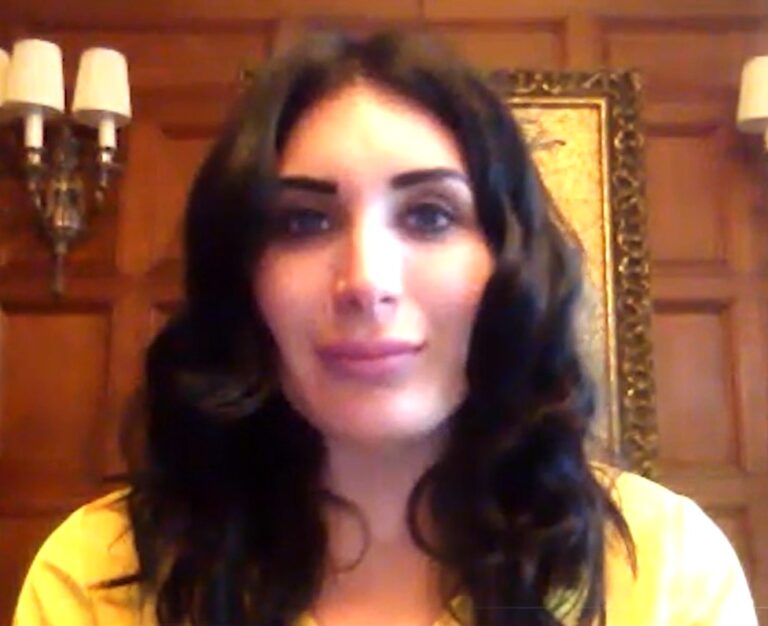
Laura Loomer did not hold back when she responded to Greene. She called Greene a member of the “Woke Reich” and used hateful language against Jewish people. Loomer accused Greene of seeing every issue only through the lens of Israel and “the Joooos.” She then claimed Greene lied about Trump. Loomer insisted Trump hated being called a pedophile by a QAnon congresswoman.

Her statement read like a direct attack on Greene’s character. Loomer labeled Greene incapable of fair thinking. She blamed Greene for bringing in antisemitic ideas. As a result, the feud took on an even more intense tone. Loomer’s post went viral and sparked fresh debates on social media.

Why This Matters

First, the Epstein files have long drawn public interest. People want to see documents that may show wrongdoing by powerful figures. Moreover, if a foreign government truly pressures the White House, it changes how Americans see their leaders. Therefore, transparency is crucial for public trust.

Second, the clash between Loomer and Greene shows how divided the MAGA movement has become. Both women claim to defend former President Trump, yet they fight fiercely with each other. These kinds of public disputes could weaken the overall unity of their political base.

Third, the use of antisemitic language by Loomer raises concerns. Hatred against Jewish people has no place in political debate. Consequently, many observers worry that such rhetoric only fans the flames of division.

What’s Next

So far, Trump has not directly addressed the back-and-forth. He remains silent on whether the Epstein files will ever see the light of day. Meanwhile, Greene appears ready to keep asking tough questions. Loomer, on the other hand, seems determined to guard her own circle from critics.

The public will watch closely. Will Trump release the Epstein files under pressure? Or will secrecy continue? More importantly, will Greene and Loomer mend fences—or will their feud grow even hotter?

In the coming days, activists and journalists are likely to press for clarity. Some lawmakers may demand hearings to discuss the Epstein files. Others could call for investigations into any foreign influence. Therefore, the story is far from over.

FAQs

What are the Epstein files?

They are a set of documents and reports related to Jeffrey Epstein’s crimes and the people linked to him. Many believe these files could expose powerful figures.

Why did Marjorie Taylor Greene mention a foreign government?

She asked if a country like Israel might push President Trump to keep the Epstein files hidden. She said she had no proof but wanted answers.

How did Laura Loomer respond?

Loomer attacked Greene with antisemitic insults and accused her of lying about Trump. She called Greene part of a “Woke Reich.”

Could this dispute affect the release of the files?

Possibly. The public debate might pressure Trump or Congress to take action. However, the White House has not given any firm timeline for release.

Republicans Clash Over GOP Provision to Sue DOJ

0

Key Takeaways

• The GOP provision lets Republican lawmakers sue the Justice Department for $500,000 over Jan. 6 phone record seizures.
• Some GOP leaders, including the House Speaker, oppose the GOP provision and want to repeal it.
• Critics call this move a party “self-own” that could backfire on Republicans.
• The House is set to vote on repealing the GOP provision, while its fate in the Senate remains unclear.
• This clash highlights growing divisions in the GOP over how to handle the Jan. 6 investigation.

What Is the GOP Provision?

The GOP provision appears in a recent spending bill. It grants Republican lawmakers the right to sue the Justice Department and claim $500,000 in damages. This rule targets the DOJ’s sweeping probe into efforts to overturn the 2020 election. In fact, the probe led to eight GOP senators having their phone records seized. Supporters want to hold the Justice Department accountable. However, opponents worry it looks like a political stunt.

Why the GOP Provision Sparks Internal Dispute

First, House Speaker Mike Johnson said he never knew about the GOP provision’s inclusion. Then, some Senate Republicans also voiced concern. They fear that suing for taxpayer money will hurt the party’s image. Moreover, they worry it will distract from other legislative priorities. Many GOP lawmakers are already critical of big government spending. Therefore, taking half a million dollars from the Treasury seems hypocritical.

How Key Republicans Reacted

Senator Lindsey Graham pledged to use the GOP provision to sue the DOJ. He claimed the investigation was “worse than Watergate.” Meanwhile, Marianna Sotomayor of The Washington Post called it a “party self-own.” She spoke on air and warned that Republicans could damage their own credibility. CNN’s chief correspondent also blasted the plan. He predicted Graham might back down to avoid bad optics. After all, few Republicans want to be seen taking taxpayer money.

House Plans to Repeal, Senate Remains Uncertain

Next week, House Republicans will vote on a repeal of the GOP provision. Many have already expressed support for overturning it. However, the Senate has not scheduled a vote yet. Some senators remain silent on their stance. Others have signaled they might back a repeal vote. Still, the measure could stall in the upper chamber. If it fails, the GOP provision would stay in law.

Background on the Jan. 6 Investigation

The DOJ pulled together a wide-ranging probe called Operation Arctic Frost. It aimed to trace efforts to overturn the 2020 election results. As part of that probe, agents seized phone records belonging to eight Republican senators. They believed those records could show coordination with outside groups. Republicans decried the action as an overreach. They even compared it to historic scandals. Yet, the DOJ argued it needed those records for a full picture of the events around Jan. 6.

Why Some Republicans Support the GOP Provision

Supporters say the GOP provision checks the Justice Department’s power. They argue it will deter future overreach. In their view, the threat of a lawsuit will make the DOJ think twice. They also believe it sends a message that no agency stands above the law. Furthermore, they see this move as defending election integrity. They claim the probe unfairly targeted certain lawmakers.

Why Others Oppose It

On the other side, critics call the GOP provision self-defeating. They argue it undermines the party’s image on fiscal responsibility. Moreover, they worry it will feed the narrative that Republicans just want to score political points. Some say it distracts from key issues like the economy and national security. Also, by drawing more attention to Jan. 6, it may keep the controversy alive in the public eye. As a result, the GOP provision could do more harm than good.

Reactions from Political Voices

Political reporters and analysts have weighed in heavily. One called the GOP provision a “self-own” because it makes the party look disorganized. Another predicted that once voters see Republicans suing the DOJ, they will lose trust. Meanwhile, some media figures pointed out the irony. After years of complaining about big government, Republicans now seek half a million dollars from the Treasury. This tension highlights a growing rift in the party.

Potential Impact on GOP Unity

This feud over the GOP provision reveals deeper divisions. On one side are lawmakers who prioritize limited government and fiscal discipline. On the other side are those who want to go all-in on holding the DOJ accountable. If the party cannot unite, it risks legislative gridlock. Moreover, infighting could weaken its message heading into the next election. Voters may see a party more focused on internal fights than national issues.

What Could Happen Next?

If the House repeals the GOP provision, it may signal a retreat by Republican leadership. That could appease critics who fear the move looks bad. However, if the Senate delays or blocks the repeal, the GOP provision could remain in law. Should that happen, lawmakers like Graham might face a tough choice. Do they sue and risk public backlash or drop the plan and anger their base? Either way, this conflict will likely continue.

How the Public Might React

Public opinion on the GOP provision remains unknown. Some voters may applaud efforts to check the Justice Department. Others could see it as another partisan battle. Moreover, media coverage will shape the narrative. If news outlets call it a self-own, public support may dwindle. In contrast, if outlets highlight the probe’s scope, more people may back lawsuits.

The Bigger Picture for 2025

This clash over the GOP provision ties into larger debates. Republicans and Democrats argue over government power and spending. The outcome could influence future legislative fights. For example, if lawmakers win the right to sue the DOJ, other members might seek similar protections. Conversely, if it gets repealed, it could discourage bold measures in spending bills. In either case, the GOP provision fight marks an important moment for the party’s direction.

FAQs

What exactly is the GOP provision?

The GOP provision is a clause in a recent spending bill. It allows Republican lawmakers to sue the Justice Department for half a million dollars if it oversteps its authority.

Why do some Republicans call it a “self-own”?

Critics say it makes the party look hypocritical. After years of bashing big government, suing for taxpayer money seems contradictory.

Could the GOP provision actually lead to a lawsuit?

Senator Lindsey Graham said he plans to sue. However, key GOP figures worry about the optics and may back off.

What happens if the provision is repealed?

If the House and Senate both vote to remove it, the GOP provision will no longer be law. That could end any chance of those lawsuits.

GOP Decline: Is Trump Dragging Down the Party?

Key Takeaways:

  • Republicans have mixed wins and losses in the Trump era.
  • Experts warn about a new wave of GOP decline when Trump is absent.
  • Major losses in New Jersey and Virginia fuel fresh worries.
  • Karl Rove called these findings “difficult news” for the party.

Republicans won two of three recent presidential races. They also control Congress and a conservative Supreme Court. Despite these achievements, experts spot a troubling trend. When Trump isn’t on the ballot, the party often loses. This trend hints at possible GOP decline in the near future.

Why Experts Warn About GOP Decline

Timothy P. Carney wrote that Trump’s era combines big victories with heavy losses. He noted that Trump helped defeat Roe v. Wade and pass key policies. However, Carney also pointed to rising deficits, increased spending, and plenty of corporate giveaways. He concluded that these mixed results may harm the party’s long-term health. Moreover, recent state races magnified these worries, showing that Republicans may struggle without Trump.

Trump’s Mixed Record

Donald Trump reshaped the GOP agenda. He won three straight Republican presidential primaries. He also attracted many new voters. Yet, he veered from conservative orthodoxy at times. For example, he backed federal IVF support and approved huge spending bills. These moves pleased some moderates but upset fiscal hawks. As a result, his policy record splits analysts. They praise his focus on jobs but worry about his budget choices.

Big Losses Without Trump

In New Jersey and Virginia, Republicans lost by big margins last year. These states had shown steady GOP strength for decades. Yet, without Trump’s direct appeal, voters turned away. Suburban swing districts flipped to Democratic control. This shift surprised many strategists. They had assumed that post-Trump candidates could still win. Instead, these elections highlighted how tied the party is to Trump’s presence. They also marked a clear sign of GOP decline in local contests.

What This Means for the Future

If the pattern holds, Republicans could face a rough stretch ahead. Trump will not appear on ballots again. Therefore, his direct voter pull ends. Without strong new leaders, the party risks a vacuum. Moderates may flee to other options. Core voters might lose confidence in GOP unity. Furthermore, donors could redirect funds elsewhere. All these factors set a stage for deeper GOP decline after Trump’s era.

Reactions from Within the Party

Karl Rove, a leading GOP strategist, flagged Carney’s article as “difficult news.” He worried that these losses reflect bigger issues. Other conservative figures echoed this concern. They argued for fresh messaging and new faces. Some called for a return to traditional small-government roots. Others urged a focus on cultural and economic issues. Regardless, they all agreed the trend demands urgent action if the party hopes to avoid collapse.

Building a Path Forward

Many Republicans now debate a way out of this slump. Some suggest recruiting younger candidates with broader appeal. Others propose sharper policy platforms on jobs and healthcare. Several activists push for stronger grassroots efforts in local districts. They argue that changing the party’s image will attract independents. Meanwhile, party leaders work to balance Trump’s base with moderate voters. Together, these moves aim to slow or reverse GOP decline.

The Role of Leadership Renewal

Renewed leadership may save the party from deeper loss. A fresh face can unify competing GOP factions. Effective leaders can craft clear messages on key issues. They can also distance the party from past controversies. That approach may rebuild voter trust and expand the party’s reach. With better messaging and new ideas, the GOP can stay competitive. Otherwise, without change, the party may face its darkest hour since the New Deal.

Conclusion

The Trump era brought big highs and deep lows for Republicans. While Trump’s presence boosted national wins, his absence led to surprising state defeats. Analysts warn that this mix of outcomes points to a real risk of GOP decline. As Trump steps back from ballots, the party must adapt or face more losses. Only by embracing fresh ideas and leaders can Republicans hope to recover and grow.

Frequently Asked Questions

What is meant by GOP decline in these reports?

GOP decline refers to the party’s growing struggles in elections when Trump isn’t running. It highlights major losses in once-solid Republican areas.

Why do experts tie losses to Trump’s absence?

Many believe Trump draws turnout among key voters. Without his direct appeal, the party sees lower engagement and fewer wins.

Can the party rebuild after Trump leaves the political stage?

Yes. By promoting new leaders, refining policy messages, and boosting grassroots efforts, Republicans can regain momentum.

How serious are these election losses for the GOP’s future?

These defeats signal real danger. If unresolved, they could lead to years of weak showings and reduced influence.

MAGA Target Susie Wiles: Urgent Warning from Ex-Strategist

0

Key Takeaways:

  • A former GOP strategist warns that Susie Wiles now faces the wrath of MAGA.
  • Rick Wilson says “Everything Trump Touches Dies” applies to Wiles.
  • Wiles once seemed the safe, sensible adviser in a chaotic orbit.
  • MAGA influencers may soon turn her into their next target.
  • Wilson urges Wiles to step away before she becomes a MAGA casualty.

A top adviser to former President Trump, Susie Wiles, has drawn fresh fire. Ex-GOP strategist Rick Wilson says she must act now. He fears she will join a growing list of people crushed by the MAGA movement. In plain terms, Wilson warns: if you work for Trump, run before it’s too late.

Why Susie Wiles Is a MAGA Target

Rick Wilson calls Susie Wiles the “normie” in a sea of political oddballs. He notes her steady shoes and practical style. Yet, he now labels her the next MAGA target. This shocking turn shows no one is safe in Trump’s world. Thus, Wiles should watch her back and plan her exit.

Who Is Susie Wiles?

Susie Wiles rose through Republican ranks as a savvy strategist. She helped run Florida’s successful campaigns. Many saw her as the professional counterweight to Trump’s chaos. Because of her calm approach, she earned trust from donors and staff. However, that goodwill may not last under MAGA’s unforgiving glare.

Everything Trump Touches Dies

Wilson repeats his grim mantra: “Everything Trump Touches Dies.” He points to past victims like Pence, Sessions, and Haley. Each loyal figure once stood close to Trump. Yet, one by one, they faced blame, attacks, or public shame. Therefore, Wilson argues Wiles could be next on that list.

Why Wiles Should Run Now

First, MAGA influencers thrive on naming new villains. Soon, they may create mocking nicknames for Wiles. Next, her phone could flood with angry messages from extreme online fans. Moreover, she has seen this pattern repeat for over a decade. Consequently, Wilson’s plea is simple: run before the backlash hits.

The MAGA Machine at Work

MAGA’s base includes online personalities who feed off outrage. They target anyone who falls from Trump’s favor. Furthermore, they embrace harsh slogans and personal attacks. Meanwhile, staffers who once seemed protected have found themselves isolated. In effect, the movement has a cycle of building up and then tearing down its own.

Lessons from Past Ex-Aides

Rick Wilson lists key examples of Trump allies who fell out. Bill Barr tried to steer Trump’s legal issues but ended up criticized. Former Vice President Pence faced threats after certifying election results. Nikki Haley, Rex Tillerson, and Jeff Sessions all saw their reputations take hits. Thus, Wiles faces a well-worn path to public ruin.

The Personal Toll

Wilson warns that MAGA’s attacks can become deeply personal. He describes threats from “angry men” online using extremist symbols. In addition, Wiles may face harassment on social platforms. Even loyal fans can turn hostile when the Leader needs a scapegoat. Therefore, the emotional and professional costs could be severe.

What This Means for the White House

If Wiles heeds the warning, the Trump orbit loses a key strategist. Nonetheless, her exit might save her career and reputation. Conversely, if she stays, she risks a public fall that could end her political work. In either case, the internal shakeup will ripple through any future Trump effort.

Can Anyone Safely Work for Trump?

Wilson’s essay suggests no political pro is immune to MAGA’s whims. He labels all past aides as cautionary tales. Consequently, political operatives everywhere may rethink joining such a team. Furthermore, donors might hesitate when seeing how quickly allies become targets.

A Race Against Time

Susie Wiles must decide soon. The MAGA machine moves fast to replace and vilify staff. Also, Trump’s base loves a fresh enemy to blame for any setback. Therefore, Wiles has limited time to protect herself and her family. Wilson’s urgent tone underscores the looming threat.

Moving Forward

For now, all eyes stay on Wiles. Will she step down to safeguard her future? Or will she stand by Trump and risk being consumed? Only time will tell if she escapes the fate of those who came before her. Meanwhile, Wilson’s warning echoes as a stark reminder: in this arena, loyalty can be fleeting.

FAQs

Why does Rick Wilson believe Susie Wiles is in danger?

He argues that the MAGA movement routinely devours its own staff and sees Wiles as the next likely victim.

What does “Everything Trump Touches Dies” mean?

It’s Wilson’s phrase to describe how Trump’s allies often face public setbacks or harsh criticism after close association.

How have past Trump aides been treated by MAGA?

Figures like Mike Pence, Jeff Sessions, and Nikki Haley faced public ridicule, blame, or career damage after loyalty to Trump.

What steps could Susie Wiles take to protect herself?

She might resign quickly, distance herself from the orbit, and prepare for potential backlash from online influencers.

Trump Economy Claims: Nobel Laureate Calls Them Lies

0


Key takeaways

  • Nobel Prize winner Paul Krugman says Trump’s grocery price claims are false.
  • Official numbers show growth, yet many Americans feel squeezed.
  • Krugman warns of a “vibecession,” where people feel recession despite data.
  • Public mood remains sour under the Trump economy.
  • Honest data talk lost ground to political spin.

Trump economy

In a new essay, Nobel Prize–winning economist Paul Krugman targets President Trump’s claims about the economy. He argues that Mr. Trump is simply lying when he says grocery prices are “way down.” Krugman notes that shoppers everywhere see prices rising at the store. Yet, Trump and his team keep repeating the false message. This gap between rhetoric and reality fuels doubts about the Trump economy.

Why Trump economy claims don’t add up

First, Krugman points out real data. GDP grew, hiring stayed strong, and unemployment remained low. Still, many Americans say they struggle to pay bills. Grocery shelves show rising costs on everyday items. Fuel and housing costs add to the burden. In other words, data paints a healthier picture than public sentiment. However, Trump keeps insisting everything is great.

Next, Krugman introduces the term “vibecession.” This word describes an economy that feels like it’s in a downturn. Consumers hold back on spending because they worry about costs. Small businesses see slower sales. Families stick to tight budgets. Essentially, a vibecession can hurt growth even when official reports look positive. By repeating misleading claims, Trump risks deepening that bad feeling.

What a “vibecession” really means

A vibecession shows that mood can shape economic action. If people fear rising prices, they save more and buy less. Retailers suffer, and hiring slows down. In turn, weaker job markets feed more anxiety. Krugman warns that this cycle could slow the real economy. Even strong data can’t lift spirits if everyday life feels tough. That’s why honest talk matters.

Public feeling versus economic data

Many observers compare today’s situation with the Biden administration’s era. Back then, officials stressed good numbers but seemed out of touch with hardship. Voters felt ignored, despite real growth. Krugman says this comparison misses a key point. Under Biden, data and statements matched. Under Trump, data often contradict his claims. That split creates a bigger trust gap with the public.

Moreover, when leaders lie about simple things, like grocery prices, they lose credibility. Citizens may then doubt other economic reports. Mixed messages make planning harder. Small investors and business owners need clear, reliable information. Without it, they may pause investments and hiring. That slows growth and raises unemployment risks.

How shoppers see the Trump economy

Anyone who buys food can tell the truth. Krugman notes that people in every neighborhood see price tags rising. From bread to milk, eggs to cereal, costs climb. Even discount stores show higher numbers. Yet, Mr. Trump points to selective data or old reports to claim falling prices. Ordinary Americans feel this disconnect.

Families describe cutting back on nonessential items. Teen sports, family dinners out and weekend trips get dropped. In many homes, the budget now focuses solely on needs. This change in behavior reflects how the Trump economy feels on Main Street.

Why honest data talk matters

Economists rely on measured data. Surveys, charts, price indices and employment rates show a full picture. When leaders spin facts, people lose trust in both politics and numbers. That breeds frustration and low morale. Staying honest about challenges builds credibility and may even boost confidence. Voters appreciate candor, especially when prices bite their paychecks.

Krugman argues that political spin cannot substitute for real improvements. If inflation eats up wage gains, people feel poorer. No amount of spin can hide that. Leaders should address rising costs directly, propose fixes, and admit limits. That approach can restore trust and improve mood.

Signs the Trump economy needs fixing

Krugman highlights several warning signs beyond grocery bills. He points to:

• Rising rent and mortgage rates, which stretch monthly budgets.
• Higher interest rates that make loans costlier for families and businesses.
• Global uncertainties that may set off market swings.
• Consumer confidence indexes hitting lows, despite solid GDP growth.

These signals suggest that the economy may slow down soon. If spending drops, businesses feel the hit. Then job gains could stall or reverse. Krugman urges policymakers to act now to cool rising costs and boost confidence.

What comes next for the Trump economy

Looking ahead, Krugman says the key will be closing the gap between data and everyday life. Policymakers must tackle inflation at its source. Better supply chains and smarter regulation can ease price pressures. In addition, targeted aid for struggling families might lift spirits. Clear communication about what’s being done can also help.

If these steps fail, the vibecession may deepen. A real recession could follow. That would dent the record of any president. Thus, honest talk and real action go hand in hand.

Final thoughts on Trump economy claims

In his essay, Paul Krugman strips away political spin to reveal the truth about living costs. He makes it clear that everyone sees grocery prices rising. He warns that a vibecession can hold back growth. Most importantly, he stresses that honesty matters. Spin may win headlines, but it won’t fix people’s budgets. Fixing the root issues and communicating clearly can help shift both the data and the public mood.

FAQs

What is a “vibecession”?

A vibecession happens when people feel like the economy is in recession, even if official data show growth. Worries about prices and jobs make them cut spending.

Why does Krugman call Trump’s grocery claims false?

Krugman points out that actual food prices keep rising. Anyone who shops sees higher tags. Trump’s statement that prices are “way down” doesn’t match real-life experience.

How does public mood affect the real economy?

When consumers worry, they save more and spend less. That lowers business revenues, which leads to slower hiring. Over time, this can weaken overall growth.

Can honest communication improve economic confidence?

Yes. Clear and truthful messages from leaders build trust. People feel heard and may feel more secure about making purchases and investments.

What Happened in the Charlotte Immigration Raid?

0

Key Takeaways:

  • The Trump administration sent extra agents to Charlotte for a major raid.
  • Officials named the effort “Charlotte’s Web” and made over 1,400 detention requests.
  • Agents arrested more people in one day than ever before in the city.
  • Local groups called the actions a “day of shame” and held protests.
  • Witnesses say calm community members were arrested at an ATM outside a market.

Charlotte Immigration Raid

On a single weekend, federal agents arrived in Charlotte. Their mission was clear. They planned a large-scale immigration operation. This effort marked the biggest day of arrests in the city’s history. Many people felt fear and uncertainty. Moreover, protests sprang up across the area. Yet, the agents pressed on with their work.

Why the Charlotte Immigration Raid Happened

Homeland Security said local police ignored its requests. Officials claimed more than 1,400 people had pending detention orders. As a result, federal agents launched Operation Charlotte’s Web. They labeled it a surge of resources and manpower. In their view, local agencies failed to detain the targeted individuals. Therefore, agents stepped in to enforce the orders themselves.

Before the raid, federal officers planned in secret. They briefed teams and set targets. On Saturday morning, agents fanned out across the city. They moved in groups at homes, businesses, and on the street. News spread fast among residents. Many people gathered and questioned what was happening. Soon, protests formed in several neighborhoods.

Community Reaction to the Charlotte Immigration Raid

Local advocates called the operation a “day of shame.” They stressed the raid caused needless fear. Community groups insisted families felt unsafe in their own homes. Parents worried their children might face sudden separation. Moreover, business owners feared they would lose workers overnight. In turn, shoppers and bystanders became uneasy.

In one scene outside Dany’s Supermarket on The Plaza, two men stood by an ATM. They just wanted to withdraw cash. Suddenly, agents arrived and handcuffed them. Grover Stinson saw the event unfold. He said the men “weren’t doing anything.” Witnesses like him shared similar accounts across the city. Many insisted the people arrested were calm and quiet.

During protests, signs read “Family Over Fear” and “Stop the Raids.” People chanted phrases demanding respect and justice. Families formed solidarity circles and held hands. Community leaders spoke out against the federal action. They urged local police to protect residents, not turn them over to agents. The mood ranged from angry to deeply saddened.

Agents maintained the operation was lawful. A Homeland Security official, Tricia McLaughlin, defended the plan. She said the raid filled a gap left by local authorities. McLaughlin added the agency followed all legal guidelines. Yet critics questioned the timing and tactics. They noted the sudden surge caught many by surprise.

Impacts on Families and Businesses

After the raid, families worried about missing loved ones. Some parents could not reach their children. Phone calls went unanswered as phone lines jammed. Community groups set up hotlines and meeting spots. They tried to help families find detained members. Yet, the process proved slow and confusing.

Local shops near Plaza Midwood saw fewer customers. Workers stayed home out of fear. As a result, some stores cut hours or closed early. The economic toll grew with each passing hour of uncertainty. Meanwhile, food pantries and churches offered support. They gave free meals and legal advice to affected families.

Legal groups mobilized quickly. They sent volunteers to courts and jails. People received help filing paperwork and understanding their rights. Some immigrants found release on bond after hearings. Others faced longer detention as cases moved slowly. The full outcome remains unclear as cases progress.

What Comes Next After the Charlotte Immigration Raid

Leaders in Charlotte demand change. They ask local law enforcement to reject federal detainer requests. City council members promise to review new policies. Community watchdogs will monitor any further raids. In parallel, state lawmakers consider bills to limit local cooperation with federal immigration.

For its part, the federal government stands by the operation. Officials suggest more surges could follow. They warn they will use their authority where they see fit. In response, advocacy groups plan more events. They will hold marches, town halls, and legal clinics. Residents vow to stay united until they feel safe again.

Every day brings new headlines and updates. The story will likely unfold over months. Yet, one thing is clear: this raid left a mark on Charlotte. Families, businesses, and leaders now face the challenge of healing and rebuilding trust.

Frequently Asked Questions

How many people were arrested in the Charlotte immigration raid?

Officials say agents made more arrests in one day than ever before in Charlotte. Exact numbers remain under review, but reports mention over a hundred detentions.

Why did federal agents choose Charlotte for this operation?

Homeland Security officials claim local law enforcement did not honor over 1,400 detention requests. They launched the operation to fill that gap.

Were any local police involved in the raid?

Local police say they did not actively participate. They continue to review their policies on federal detainer requests.

How can families find help if someone was detained?

Community groups and legal aid organizations set up hotlines and support centers. They can guide families on court processes and bond options.

Nicki Minaj Joins Trump on Nigeria Invasion Plan

0

Key Takeaways:

  • Trump adviser taps Nicki Minaj to back a Nigeria invasion effort.
  • U.S. envoy Mike Waltz will speak on Nigerian Christian persecution.
  • Experts dispute claims that violence targets Christians only.
  • Elon Musk’s cut to Nigeria aid may have influenced the plan.
  • The move sparks debate over U.S. military involvement abroad.

The Surprising Nigeria Invasion Push with Nicki Minaj

Former President Trump has called for a Nigeria invasion to stop violence against Christians. Now, his team has recruited rap star Nicki Minaj to speak alongside U.S. envoy Mike Waltz. Even though the announcement sounds unlikely, this plan moves forward with Trump advisor Alex Bruesewitz in charge of the event.

Background of the Plan

Earlier this month, Trump threatened to send U.S. troops into Nigeria “guns-a-blazing.” He vowed to “completely wipe out” extremist groups accused of killing Christians. This bold threat came on social media and surprised many world leaders.

The new event will take place on Tuesday. Trump advisor Alex Bruesewitz arranged for Nicki Minaj to share the stage with U.S. envoy to the U.N. Mike Waltz. Both will talk about Christian persecution in Nigeria. Bruesewitz plans to address the crowd too. The goal is to build public support for a Nigeria invasion.

The Role of Nicki Minaj and Mike Waltz

Nicki Minaj is known for her music, not politics. Yet Bruesewitz believes her influence can sway millions of fans. He hopes her words will shine a spotlight on Nigeria’s violence. Meanwhile, Mike Waltz will use his diplomatic experience to outline U.S. interests in the region. Together, they aim to make a strong case for military action.

With Nicki Minaj’s presence, the event takes on a pop culture spin. She may share personal feelings or call for prayers. Waltz will likely present statistics and firsthand accounts of attacks. Their combined roles blend entertainment with policy, making the message both emotional and factual.

The Debate Over Christian Persecution

Some Republicans call the violence in Nigeria a genocide of Christians. Representative Riley Moore claims over 7,000 Christians died in 2025 alone. He says the U.S. must act now. However, experts question these figures. Reports note that both Muslims and Christians suffer from attacks. Al Jazeera reports that many clashes stem from ethnic disputes and land fights, with religion playing a smaller role.

This debate is key to the Nigeria invasion push. If violence truly targets Christians only, the call for intervention strengthens. If it affects all groups, critics say the U.S. should support local peace efforts instead of invading. Fact-checkers urge caution before labeling the conflict a one-sided genocide.

Elon Musk’s Involvement

Elon Musk may have played a surprising part in this story. When he led the so-called Department of Government Efficiency or DOGE, he cut U.S. aid to Nigeria. New York Times columnist Nick Kristof argued that these cuts killed more Nigerian Christians than extremist violence did. Some say this action pushed Trump to consider military intervention.

Supporters claim Musk acted to force Nigeria’s government to handle its own problems. Critics argue the move worsened the humanitarian crisis. Now, with talk of a Nigeria invasion, Musk’s earlier decisions face fresh scrutiny. His role shows how aid policies can have unexpected, far-reaching effects.

Possible Outcomes

If the U.S. moves ahead with a Nigeria invasion, it would shock the world. Here are some possible outcomes:

• Diplomatic fallout: Allies may object to unilateral military action.
• Humanitarian costs: Soldiers and civilians could face danger.
• Regional stability: Neighboring countries might grow uneasy.
• U.S. politics: Supporters may praise bold action while critics call it reckless.

On the other hand, the plan might stall. Congress must approve military funding. Public opinion could turn against foreign intervention. If experts expose shaky data, the case for invasion may collapse. In that scenario, the event with Nicki Minaj and Waltz could backfire, highlighting flaws in the proposal.

Why the Nigeria invasion plan matters

The Nigeria invasion plan matters for several reasons. First, it tests how much influence a celebrity can have on policy. Second, it questions when the U.S. should use force overseas. Third, it shows how aid and politics can mix in unexpected ways. Finally, it highlights the power of public events to shape debate.

In a time when people get most news on social media, blending pop culture with politics feels smart. Yet it also raises ethical questions. Is it right to ask a music star to champion war? Or is this just another effort to win votes? Watching how this unfolds will tell us a lot about modern campaigns and global diplomacy.

FAQs

How did Nicki Minaj become involved in this event?

Trump advisor Alex Bruesewitz invited her to help draw attention to alleged Christian persecution in Nigeria. He believes her star power will boost awareness.

What evidence supports the call for a Nigeria invasion?

Supporters point to reports of extremist violence against Christians. Critics argue attacks affect all communities and stem from ethnic and land conflicts.

Will the U.S. actually send troops to Nigeria?

Congress must approve any military action. Public opposition and expert challenges could block an invasion plan.

How does Elon Musk fit into this story?

Musk, while leading a U.S. efficiency agency, cut aid to Nigeria. Some say these cuts worsened the crisis, influencing the push for intervention.

Senator Refuses to Free Epstein Files—Why?

Key Takeaways:

  • Senator John Barrasso refused to back a Senate vote on the Epstein files.
  • The House plans a vote on Tuesday to force the release of the Epstein files.
  • Barrasso said the move serves Democrats, not truth.
  • Analysts slammed the senator on social media, calling it a cover-up.
  • The showdown could shape President Trump’s final months.

Senator Stalls Vote on Epstein Files

A key Republican senator stunned many when he said he won’t back a Senate vote on the Epstein files. First, the House plans a Tuesday vote on a petition to force President Trump’s administration to release those files. However, Senator John Barrasso said he won’t help Democrats in their bid to make Trump a lame-duck president. His refusal has sparked intense criticism and a flood of online reactions. Below, we explain why the Epstein files matter, how the senator’s decision unfolded, and what might come next.

Why Senate Vote on Epstein Files Matters

The Epstein files hold records and evidence tied to Jeffrey Epstein’s crimes. Many people see them as a key to truth about powerful figures. President Trump once promised to release the files on the campaign trail. Now, the House seeks to force his hand with a discharge petition. If 218 House members sign, the effort moves forward. Meanwhile, Senate approval would free the documents to the public. Thus, the Senate vote on the Epstein files could shape how Americans view justice and political power.

What Is a Discharge Petition?

A discharge petition is a tool that bypasses blocked bills in the House. When a bill stalls in committee, members can sign the petition. If a majority agrees, the House must vote on the bill. In this case, the petition would force a vote on a bill to release the Epstein files. Therefore, the discharge petition puts pressure on lawmakers to act. If successful in the House, the measure heads to the Senate. However, without key senators, it may stall again.

Barrasso’s Refusal Sparks Outrage

On Sunday, Senator Barrasso spoke on NBC’s Meet the Press. He said, “This is not about truth. This is about an attempt by the Democrats to make President Trump a lame-duck president, and I’m not gonna aid and abet them in their effort to do that.” His words quickly hit social media. Critics accused him of hiding evidence to protect Trump. Others said the files prove Trump’s guilt. As a result, Barrasso’s refusal became a lightning rod for national debate over transparency and justice.

Strong Pushback from Online Experts

Social media experts and political observers wasted no time blasting Barrasso’s stance. Matthew VanDyke, founder of a nonprofit advocacy group, posted on X that Barrasso “just admitted that the Epstein files are so bad for Trump that their release ends his presidency.” Communications consultant RJ Sauter wrote, “If Trump is innocent then release the files. Only guilty folks cover it up.” Meanwhile, Democratic candidate Fred Wellman said, “This is about covering up crimes. Period.” Author James Surowiecki asked, “What does Barrasso think is in the Epstein files that would make Trump a lame-duck president?” These posts show how heated the debate over the Epstein files has become.

Why People Care About Epstein Files

Many Americans want to know who else was involved with Jeffrey Epstein. The files might name powerful figures or reveal new crimes. They could sway public opinion about Trump and other leaders. In addition, advocates for victims hope the records lead to more accountability. Thus, the fight over the Epstein files is not just political. It touches on justice, victim rights, and public trust in government. As a result, the issue has drawn attention from all sides.

What Comes Next for the Epstein Files

On Tuesday, the House will vote on the discharge petition. If it passes, the bill moves to the Senate. However, the Senate vote is not guaranteed. Senator Barrasso’s refusal suggests other Republicans may also balk. If the Senate declines, the files stay under wraps. Still, public pressure could grow. Media outlets and watchdog groups may continue to demand transparency. Moreover, individual senators might face tough questions at town halls. Therefore, the battle over the Epstein files could last into next year.

Political Stakes and Possible Outcomes

If the files are released, they could create a media frenzy. Journalists would pore over names and evidence. Some lawmakers might face investigations or public backlash. Conversely, if the files stay hidden, critics will charge cover-up and unfair politics. They may claim Republicans protect Trump at all costs. Also, frustration with both parties could fuel broader calls for reform. Ultimately, the Epstein files may become a symbol of how power fights against accountability.

How This Affects Trump’s Presidency

President Trump promised transparency on Epstein on the campaign trail. His critics will use Barrasso’s refusal to say Trump broke that promise. Supporters will claim Trump is fighting political gamesmanship. In either case, the debate over the Epstein files will shape public views of Trump’s last year in office. It may influence midterm elections, fundraising, and party unity. Therefore, both sides have a strong incentive to control the narrative around the files.

Looking Beyond the Vote

Even if the Senate fails to vote on the files, the story won’t end. Investigative journalists may file Freedom of Information Act requests. Nonprofit groups could sue to get the records. And individual whistleblowers might share key documents. Consequently, the fight for the Epstein files could move out of Congress. It might play out in courts, newsrooms, and advocacy campaigns. Thus, the saga over Epstein’s hidden documents seems far from over.

Conclusion

The battle to release the Epstein files has become a major political drama. Senator Barrasso’s refusal to back a Senate vote has added fuel to the fire. Social media experts and political observers are calling it a cover-up. Meanwhile, the House heads into a key vote on Tuesday. If the discharge petition passes, the files move to the Senate under heavy pressure. Yet, without enough support, the Epstein files may stay locked away. Either way, the fight over these papers promises to shape public trust in government and the fate of powerful figures.

Frequently Asked Questions

What exactly are the Epstein files?

They are legal, investigative, and court documents tied to Jeffrey Epstein’s crimes. The files include witness statements, evidence lists, and testimony. They may name other individuals involved in his network.

Why does the House need a discharge petition?

Bills often stall in committee and never reach a full House vote. A discharge petition forces a stalled bill onto the floor if it gains enough signatures. In this case, it would push a vote on releasing the Epstein files.

Can the Senate block the release of the files?

Yes. After the House passes a bill, the Senate must also vote to approve it. Without enough support, the Senate can block or table the measure and keep the files secret.

What might happen if the Epstein files are released?

Media outlets would likely review and report on the content. New names and evidence could spark investigations. Public opinion of political leaders, including Trump, could shift sharply based on what emerges.

MARK EPSTEIN CLARIFIES BUBBA REFERENCE MYSTERY

0

Key Takeaways

  • Mark Epstein says the Bubba reference did not point to Bill Clinton.
  • The 2018 email saw Mark ask if Putin had photos of Trump and “Bubba.”
  • House Oversight released over 20,000 pages of Epstein estate documents.
  • Many readers linked “Bubba” to Clinton’s well-known nickname.
  • Mark insists the line was a private joke and never meant for public view.

Mark Epstein, brother of the late Jeffrey Epstein, has spoken out to clear up a brewing uproar. He reacted to an email that paired a slang term with the name Bubba. Following its sudden public release, the message sparked wild guesses about political figures. Yet Mark now insists the Bubba reference did not mean former President Bill Clinton.

Why the Bubba reference sparked questions

In March 2018, Mark sent an email to Jeffrey. He asked if Vladimir Putin had “the photos of Trump —-ing Bubba.” The slang word stood in for oral sex. After lawmakers dropped a massive document trove, this note drew instant scrutiny. Many said Bubba must mean Bill Clinton. After all, Clinton’s nickname has long been Bubba.

However, Mark Epstein jumped in to correct that view. In a clear statement, he said the Bubba reference had nothing to do with former President Clinton. He stressed that linking the name to Clinton warped both tone and intent. The sudden charge of scandal left him eager to set the record straight.

A statement meant private turned public

Mark Epstein described the email as a private joke between brothers. He said they never planned for anyone else to see it. When the House Oversight Committee released the files, that private banter went worldwide. Therefore, he pointed out, the Bubba reference landed in news feeds prematurely.

He explained that reading too much into those lines can mislead the public. He also noted that stretching the email to involve Clinton harms the real story. Yet, despite his pushback, Mark still did not reveal who Bubba really was.

The impact of the Bubba reference confusion

The swift reaction to the Bubba reference shows how a single phrase can ignite rumors. First, online chatter linked it directly to Bill Clinton’s long-standing nickname. Then, news sites ran headlines that stoked public interest. As a result, social media exploded with theories and mockery.

Moreover, this flap shifted attention away from other parts of the documents. It also raised fresh questions about how deeply private messages can shape public opinion. Meanwhile, some experts warned that such leaks might fuel political smear campaigns.

Finally, the controversy underscored how easily facts can blur when speculation runs free. Even top officials found themselves fielding questions about a two-word joke.

Mark Epstein’s broader concerns

Mark Epstein is no stranger to controversy. Last year, he challenged the official story of Jeffrey’s prison death. He said he hired a forensic pathologist for an independent autopsy. That study suggested homicide was more consistent with the evidence than suicide.

In the same way, Mark now fights to control the record over the Bubba reference. He has repeatedly stressed his motive: protect the public record. Furthermore, he wants to prevent innocent people from carrying unfair blame.

What comes next for this Bubba reference saga

At this stage, people still wonder who Bubba really is. Will more documents shed light on that mystery? Or will it remain an inside joke lost to time?

In addition, lawmakers may issue further releases from the Epstein estate. Each new page could spark fresh debates. Yet Mark Epstein’s firm stance could limit the swirl of wild claims.

For now, the Bubba reference sits unresolved. Still, readers and reporters will watch closely for any fresh clues.

Final thoughts

The Bubba reference flap shows how private jokes can take on a life of their own. With tens of thousands of pages at play, one email stood out. Now, thanks to Mark Epstein’s quick intervention, at least one mistaken link has been broken. Whether the true identity of Bubba ever emerges, the episode remains a lesson in fact versus rumor.

Frequently Asked Questions

What did Mark Epstein say about the Bubba reference?

He said the Bubba reference was not about former President Bill Clinton. He called it a private joke and never meant for public.

Did Mark Epstein reveal who Bubba really was?

No. He offered no further details on the identity behind the name Bubba.

Why did many assume Bubba meant Bill Clinton?

Clinton has long gone by the nickname Bubba. So, readers tied that famous label to the email.

What other issue has Mark Epstein raised about his brother?

He hired an independent pathologist who said Jeffrey Epstein’s death looked more like homicide than suicide.